Acasă Blog

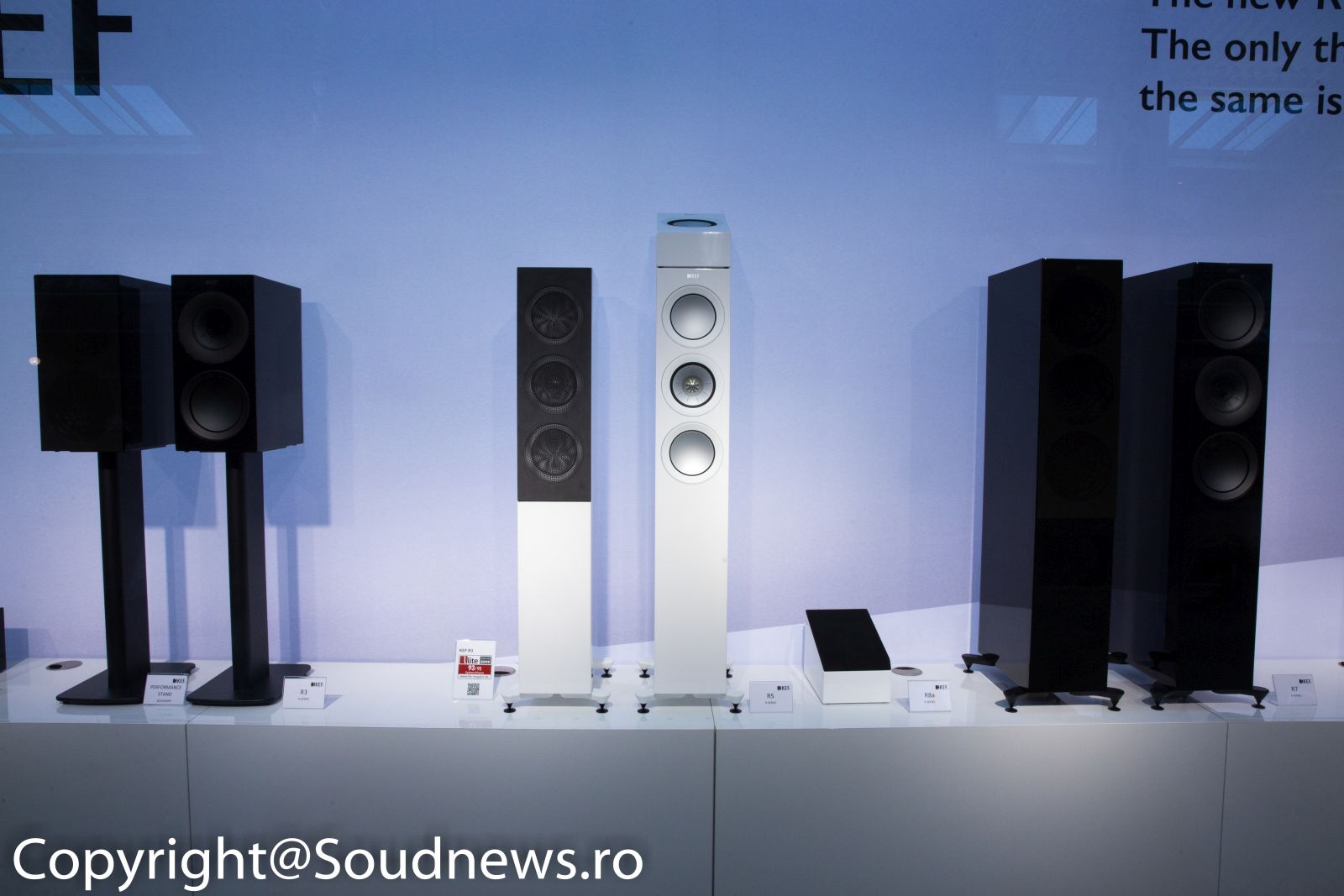
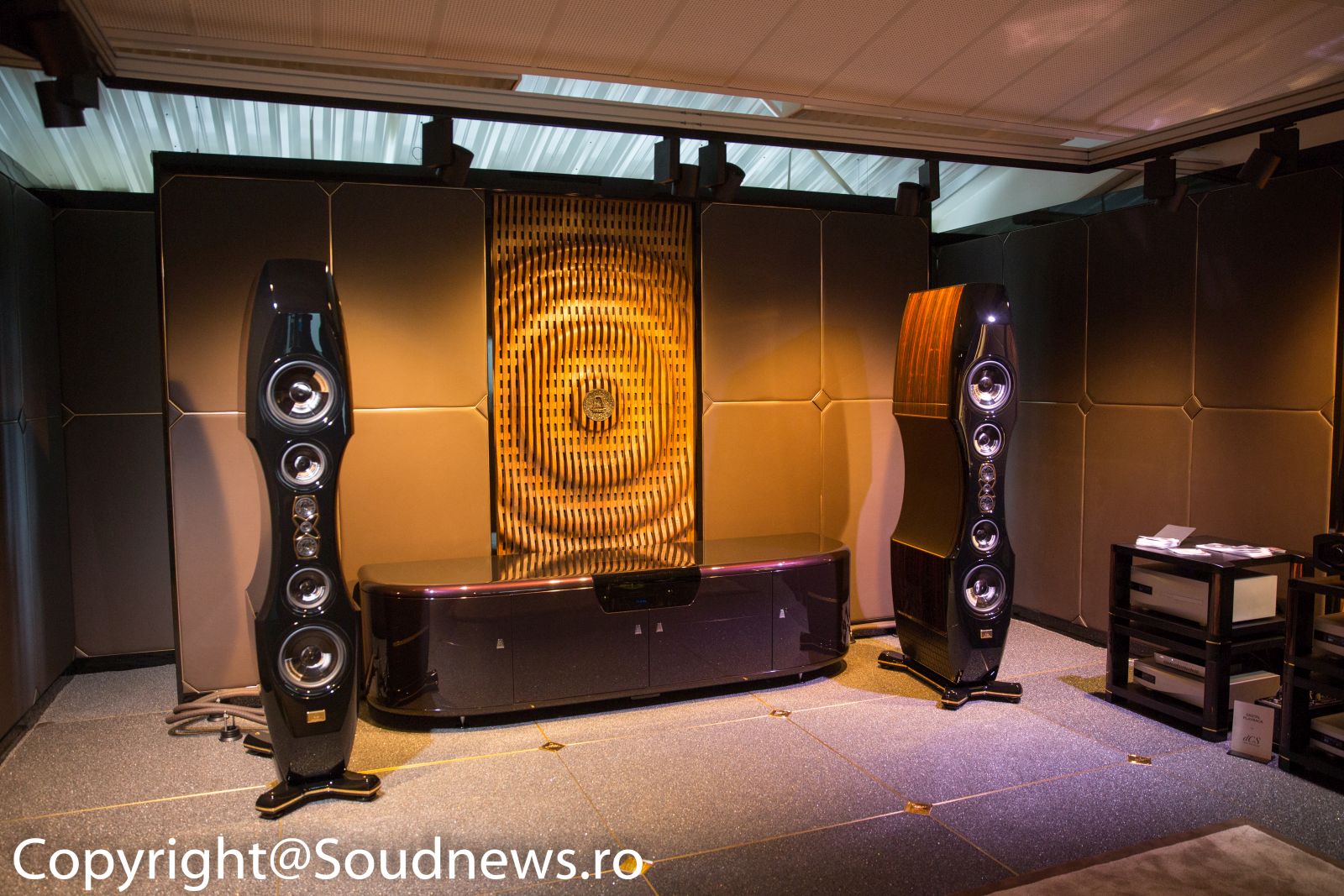
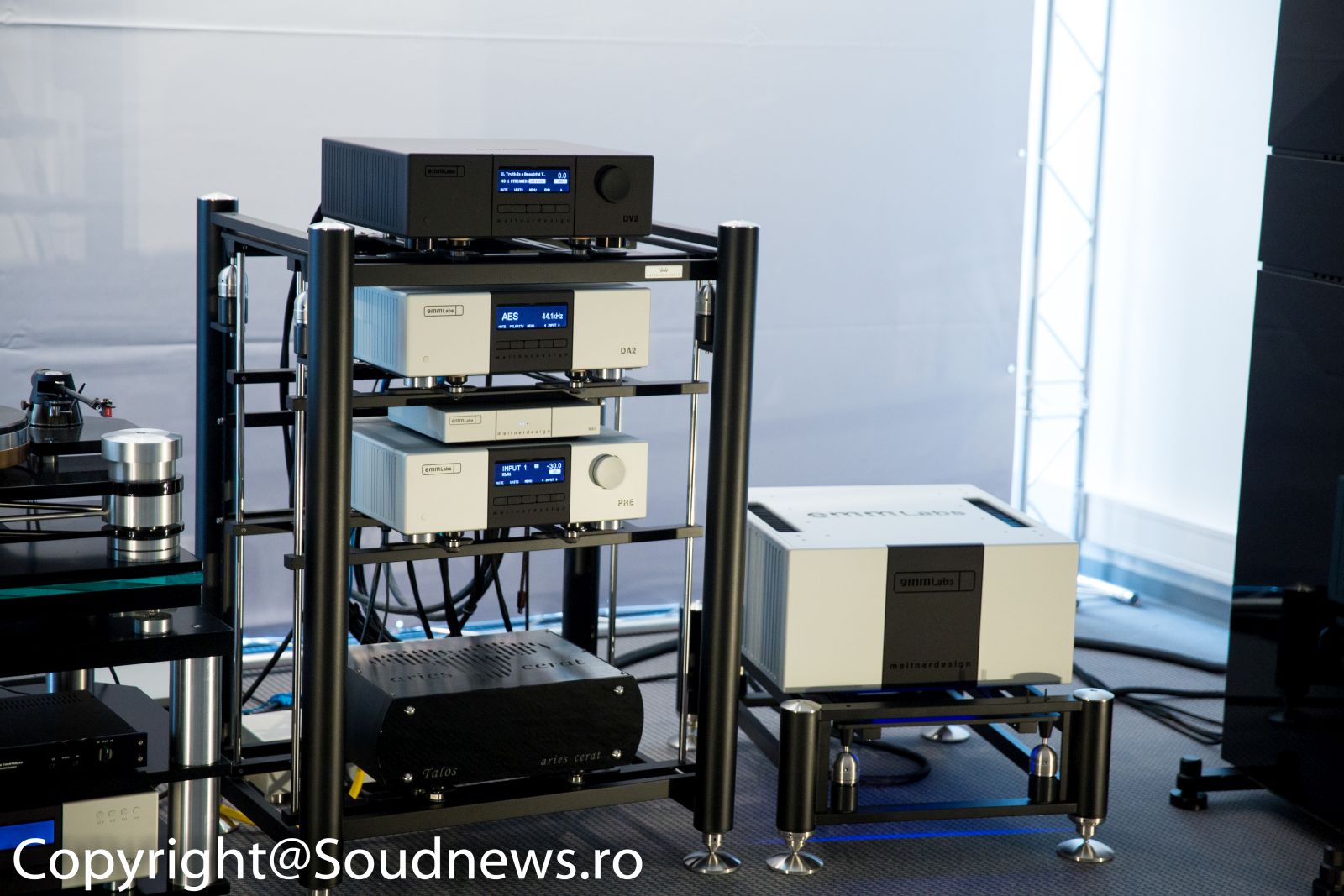
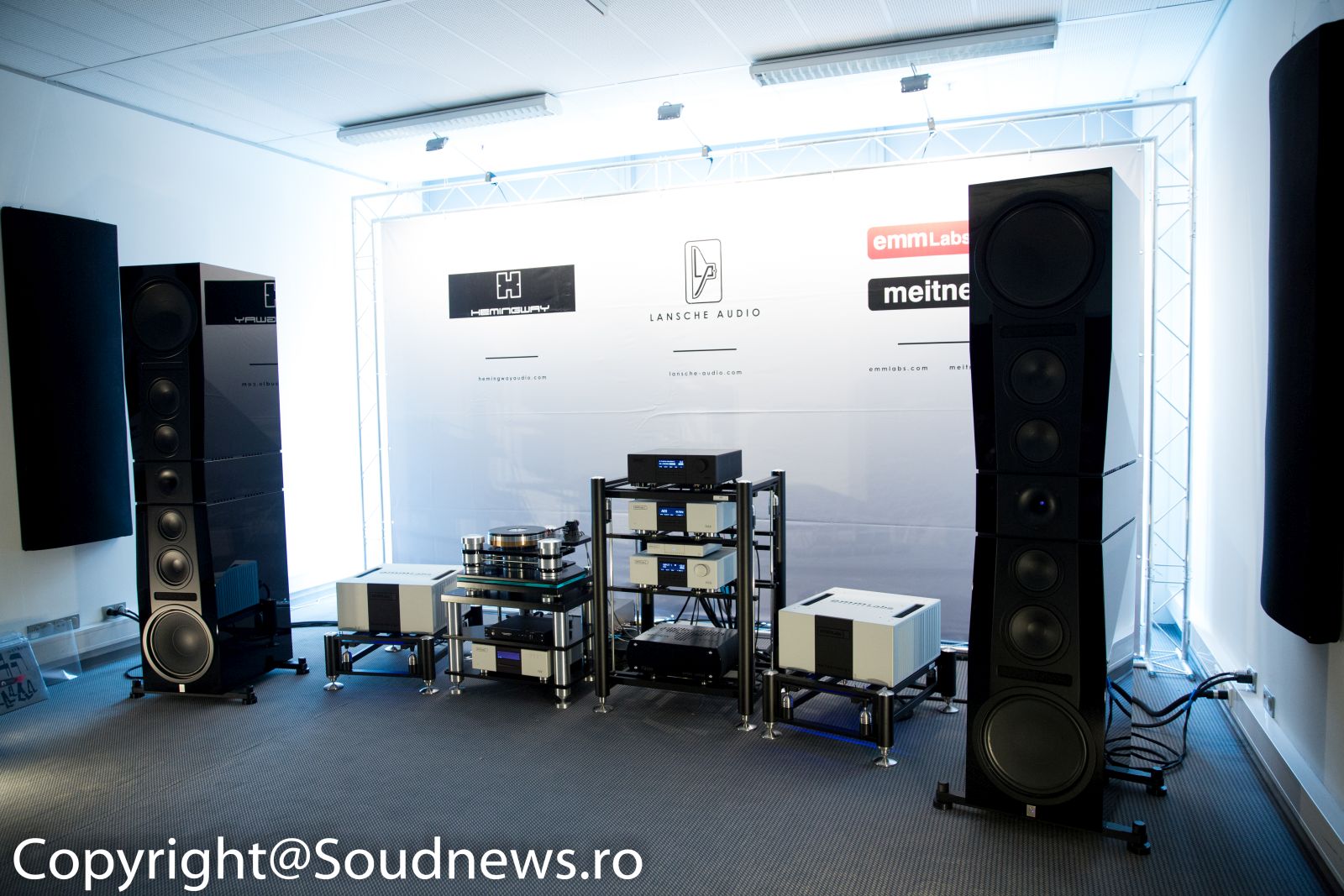
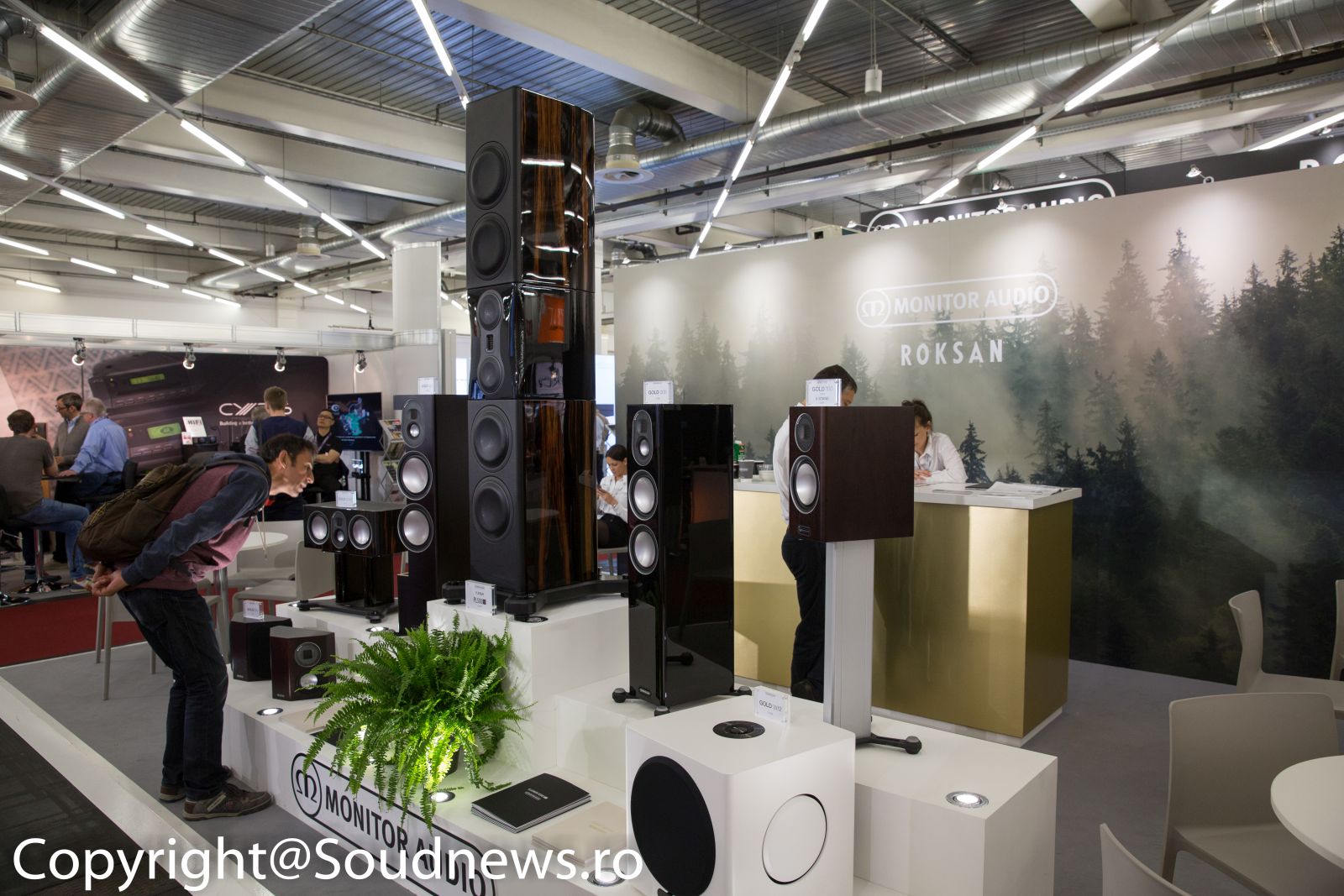
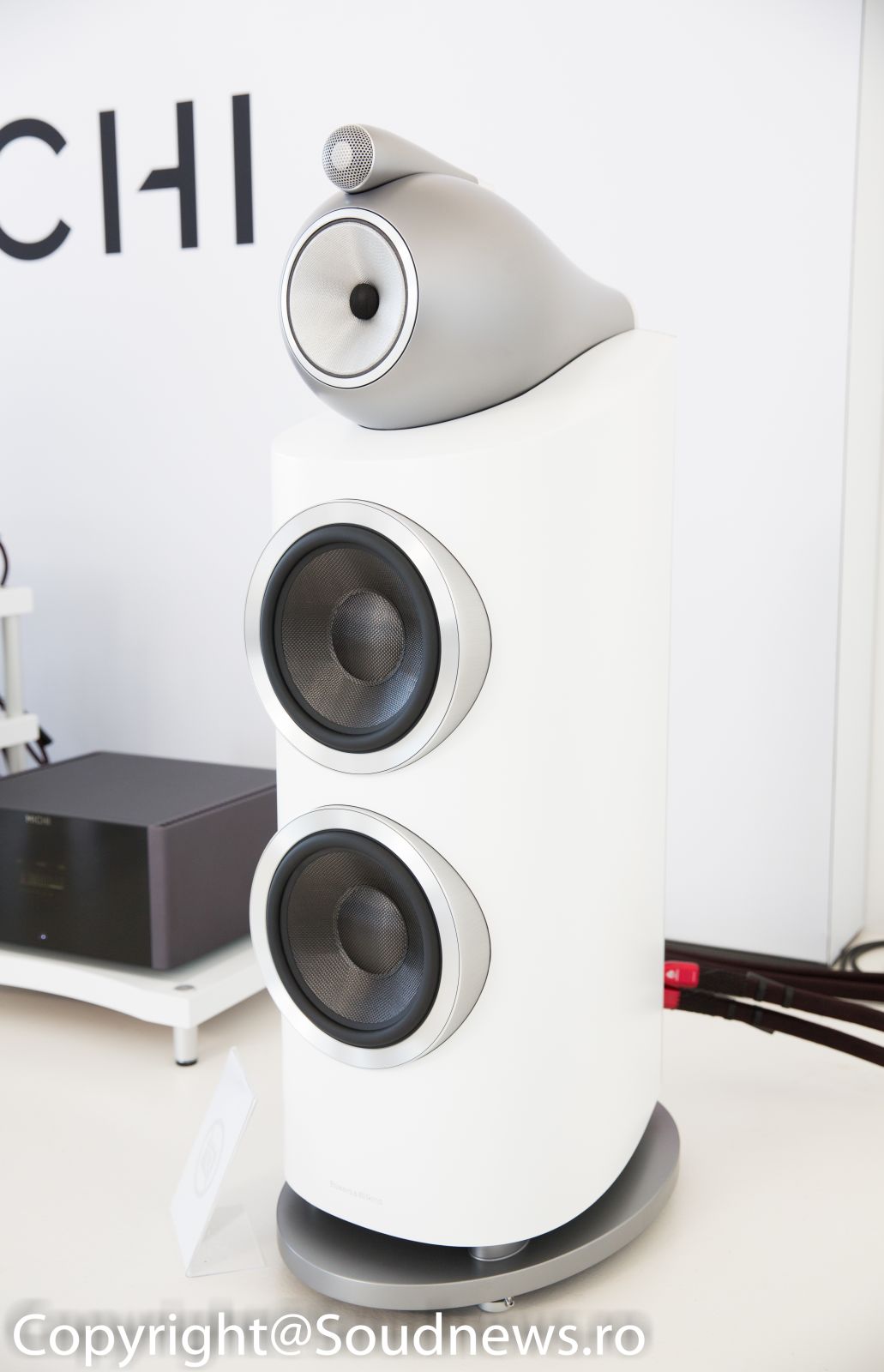
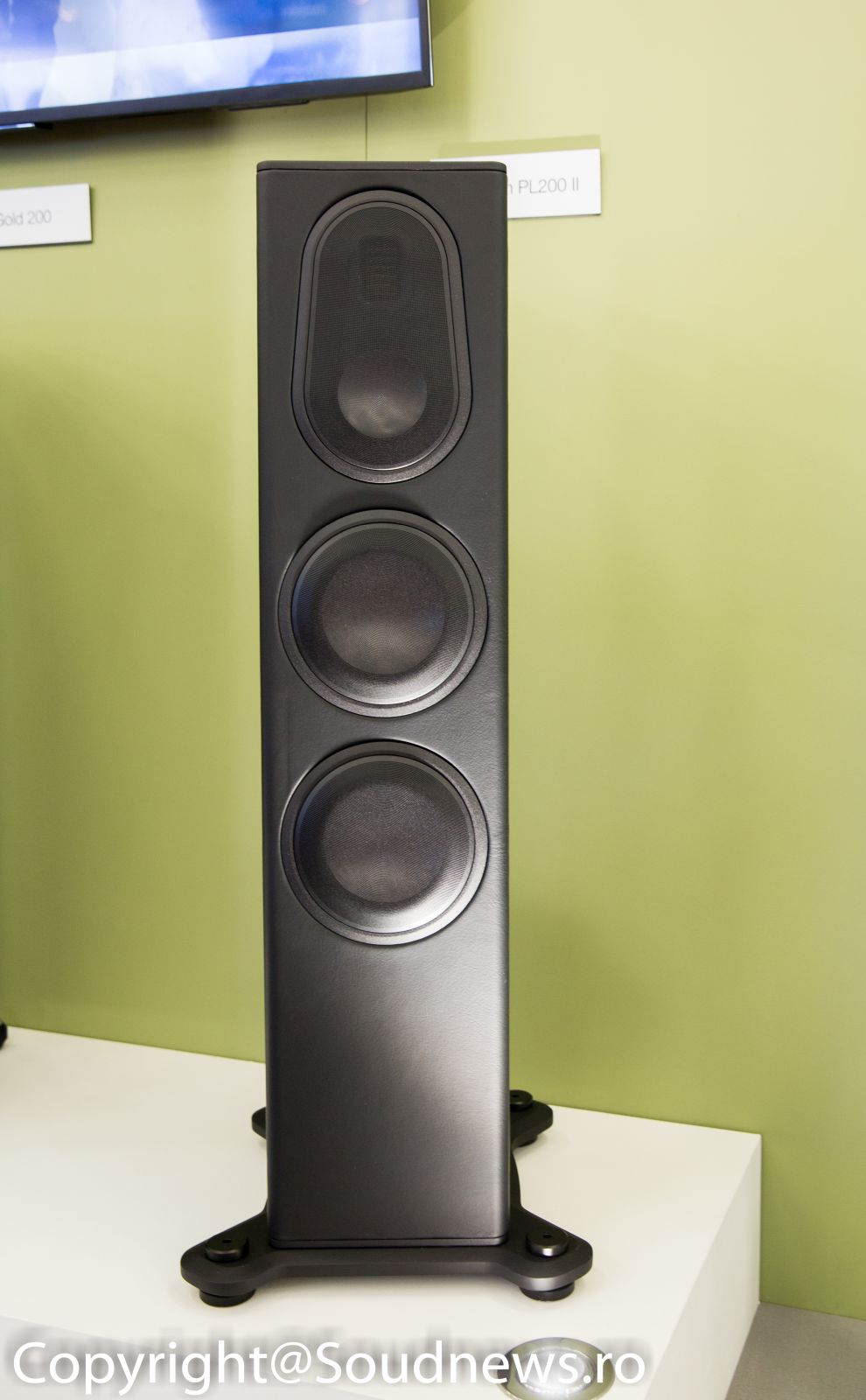
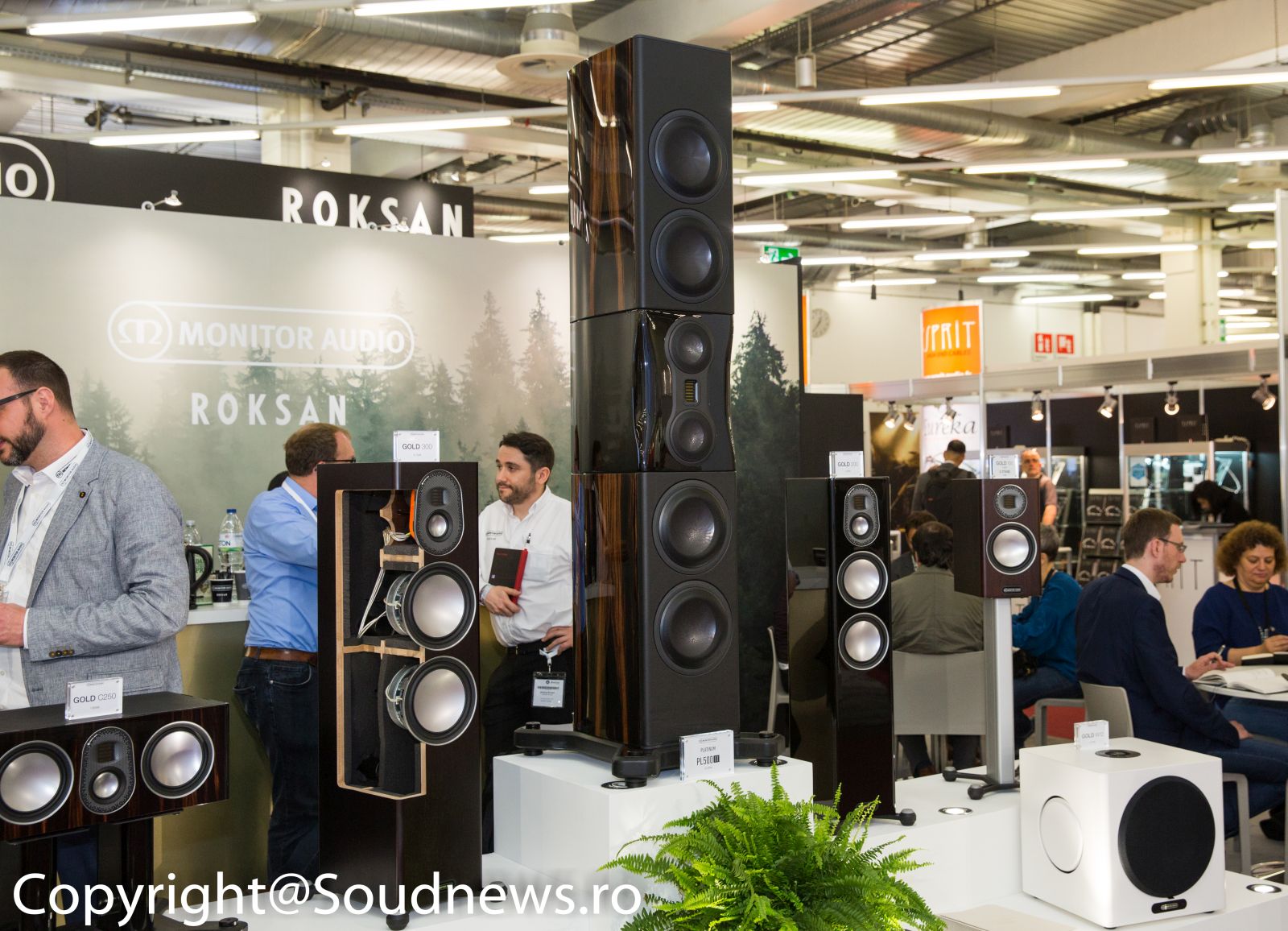
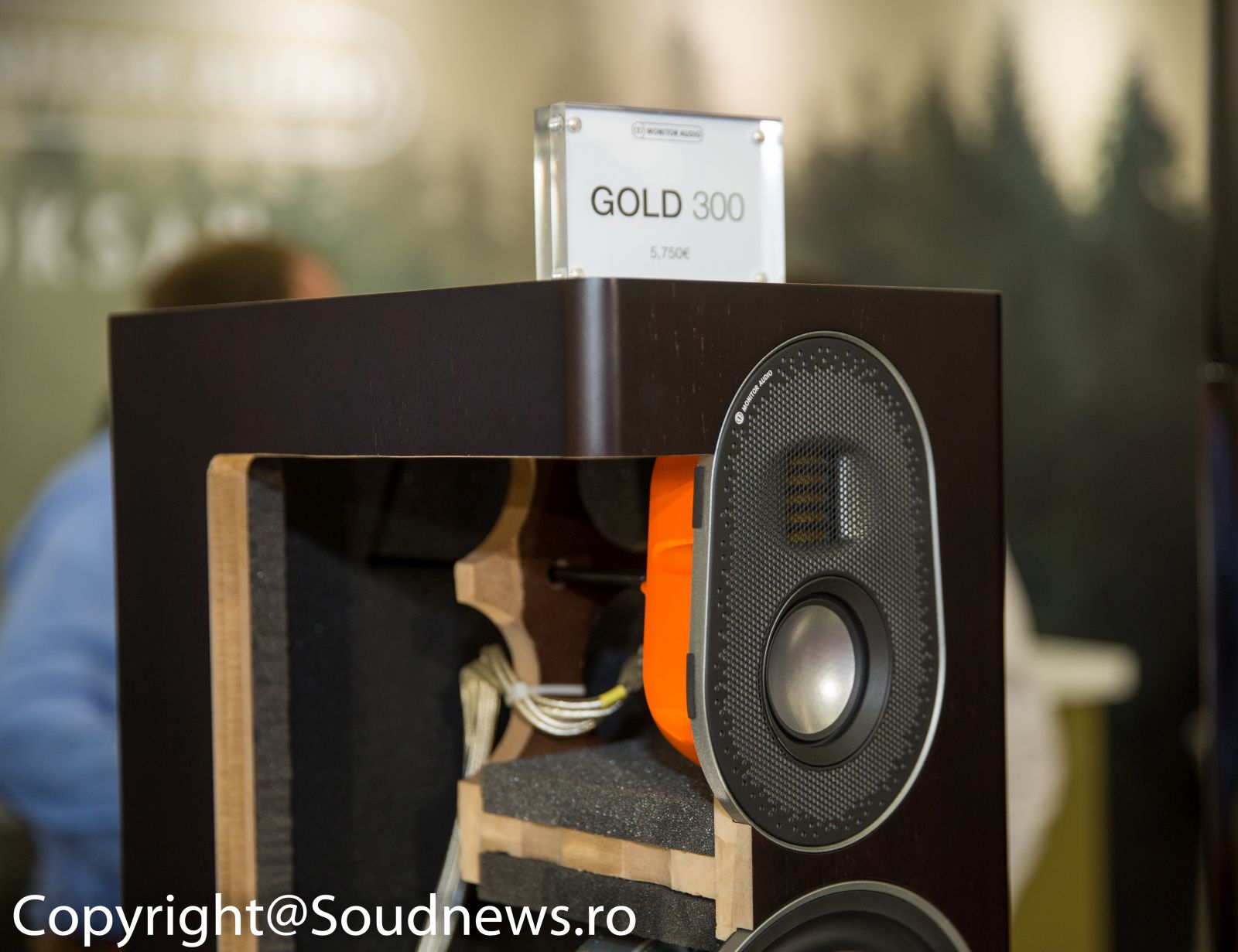
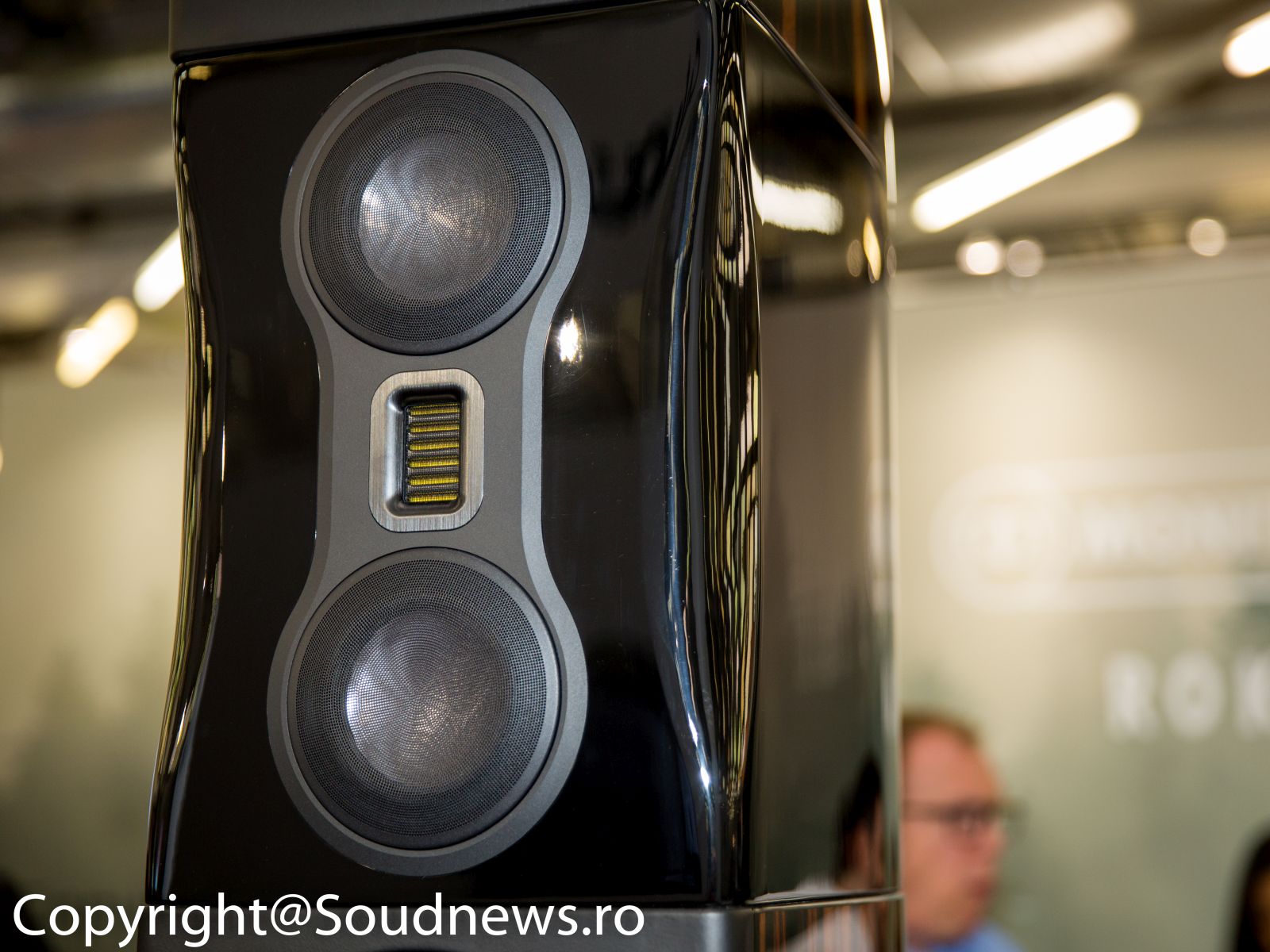
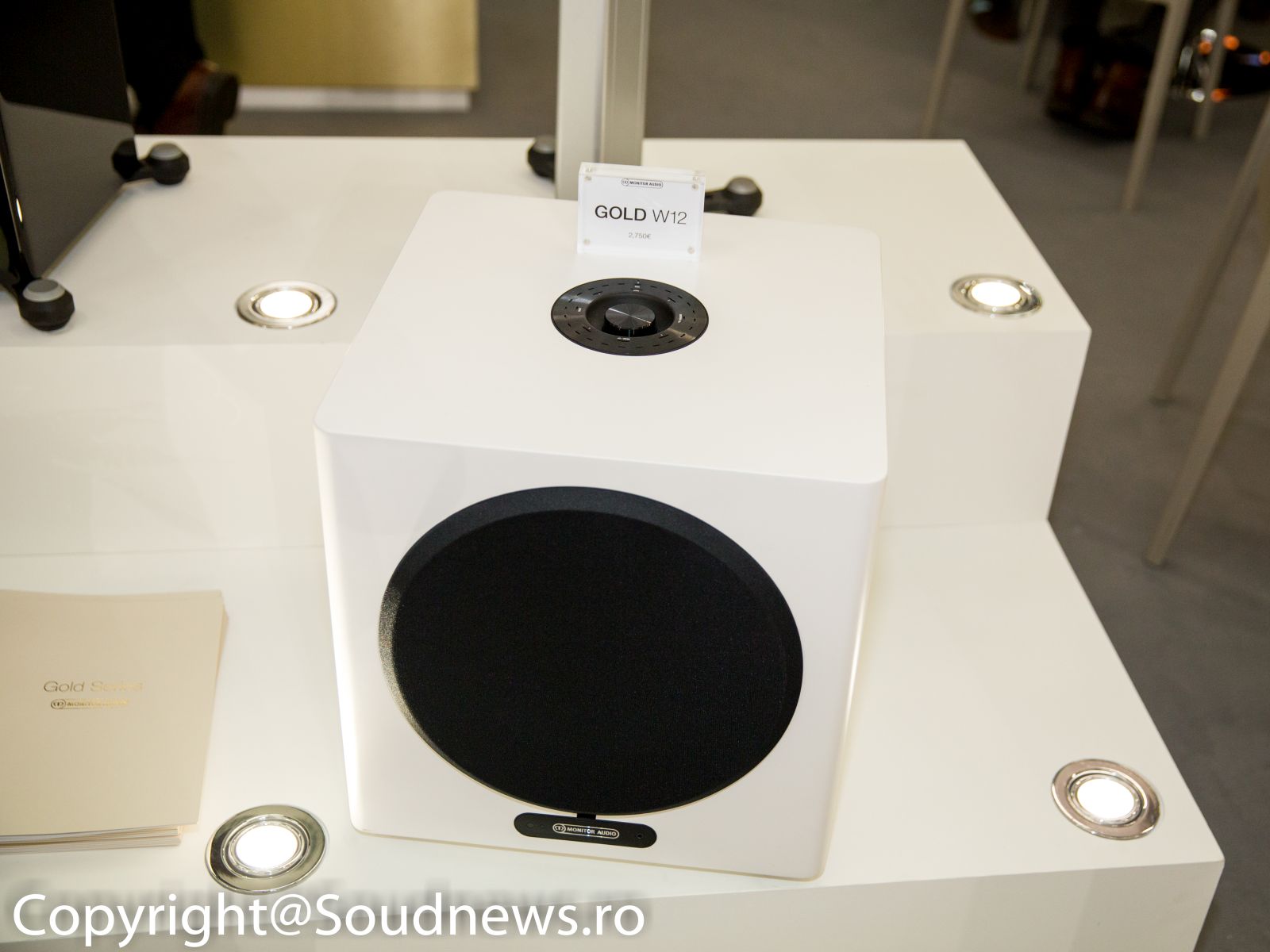
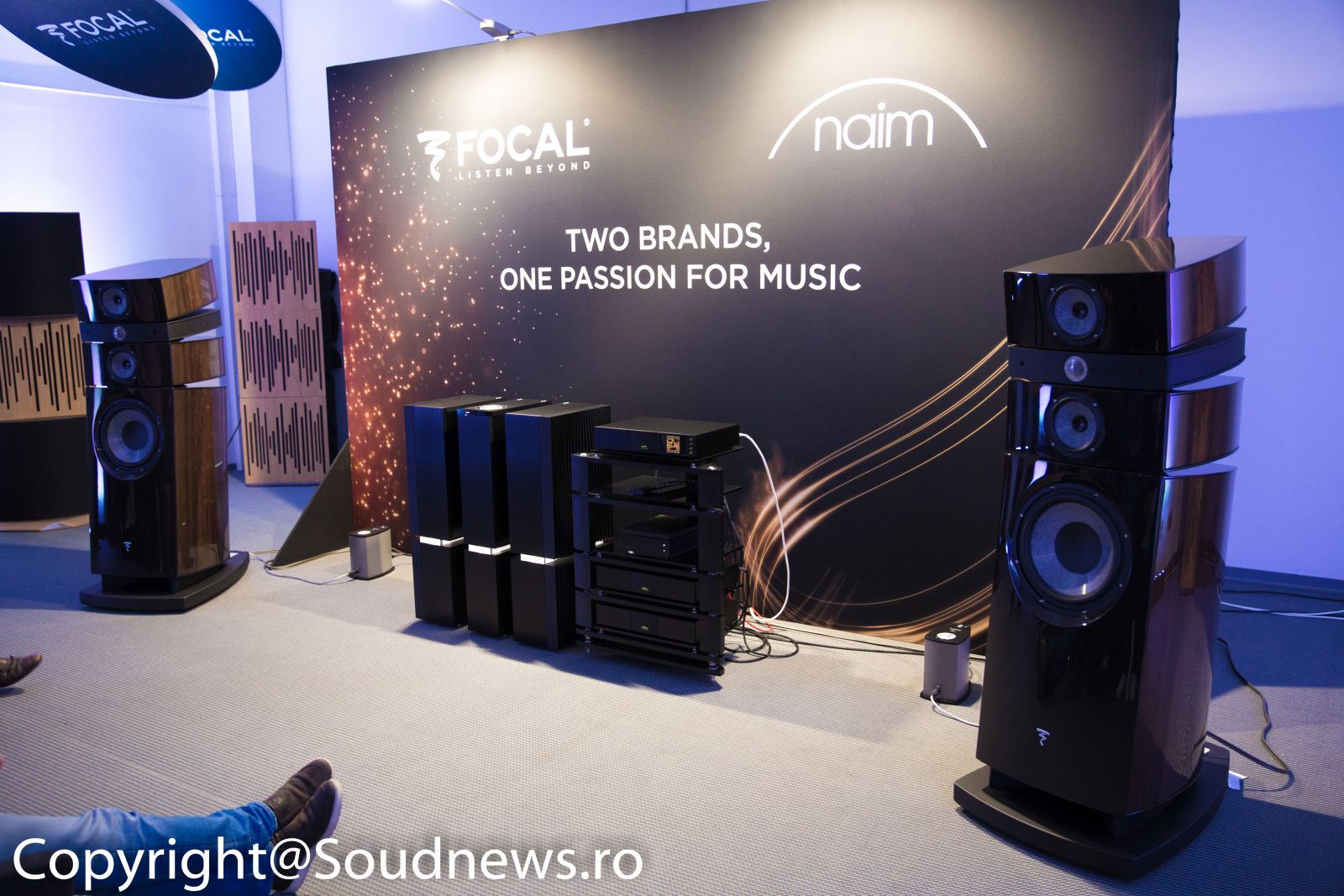
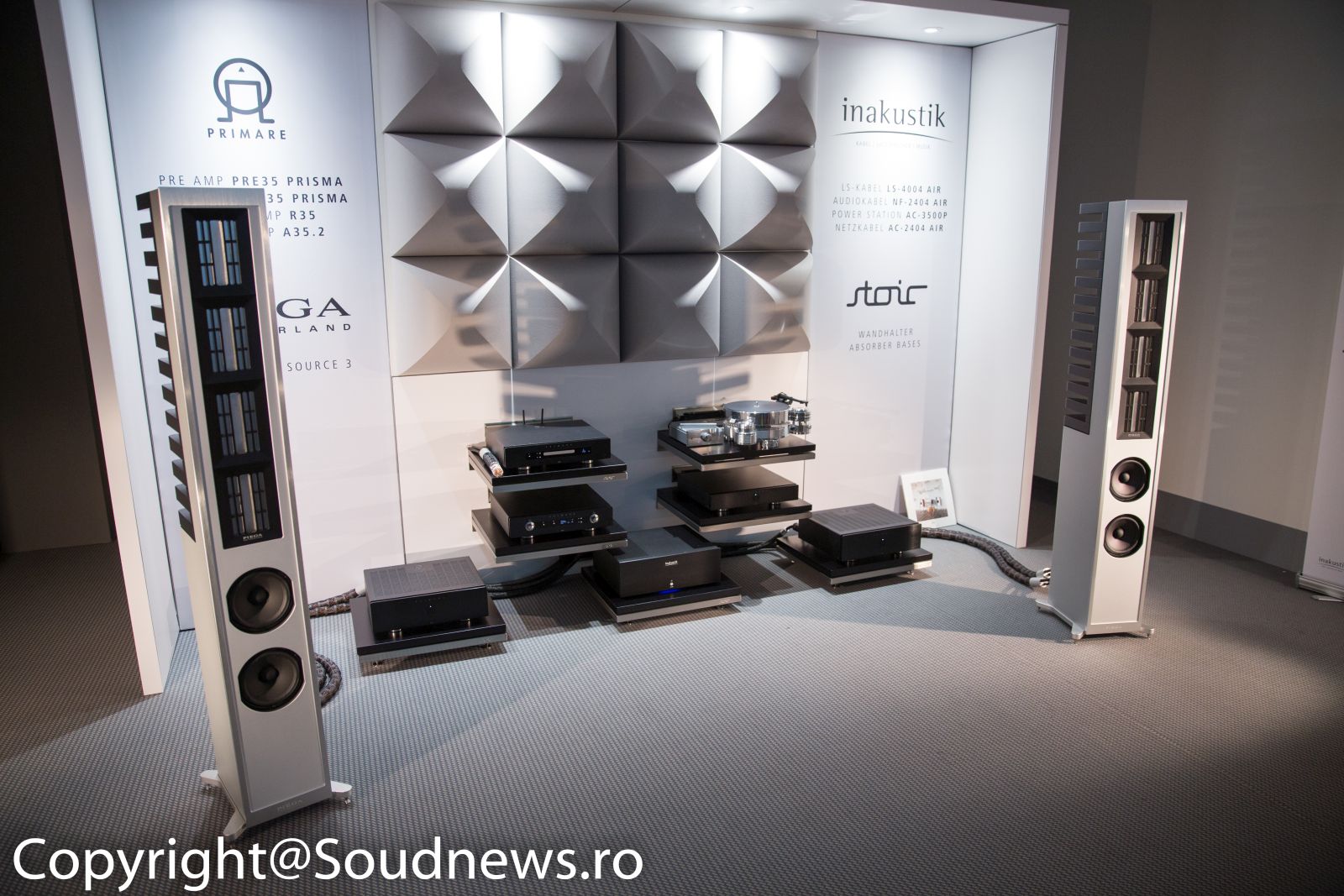
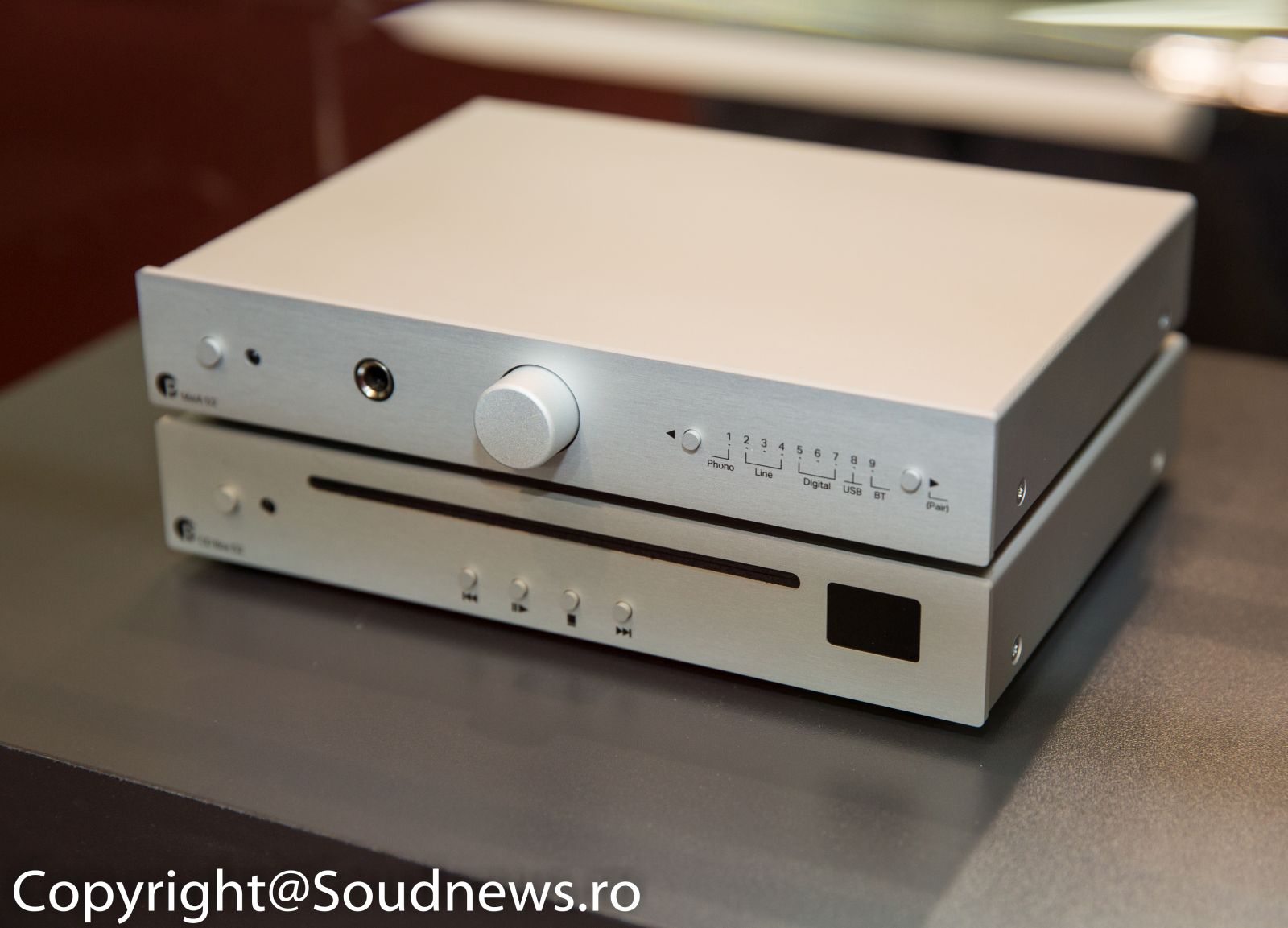
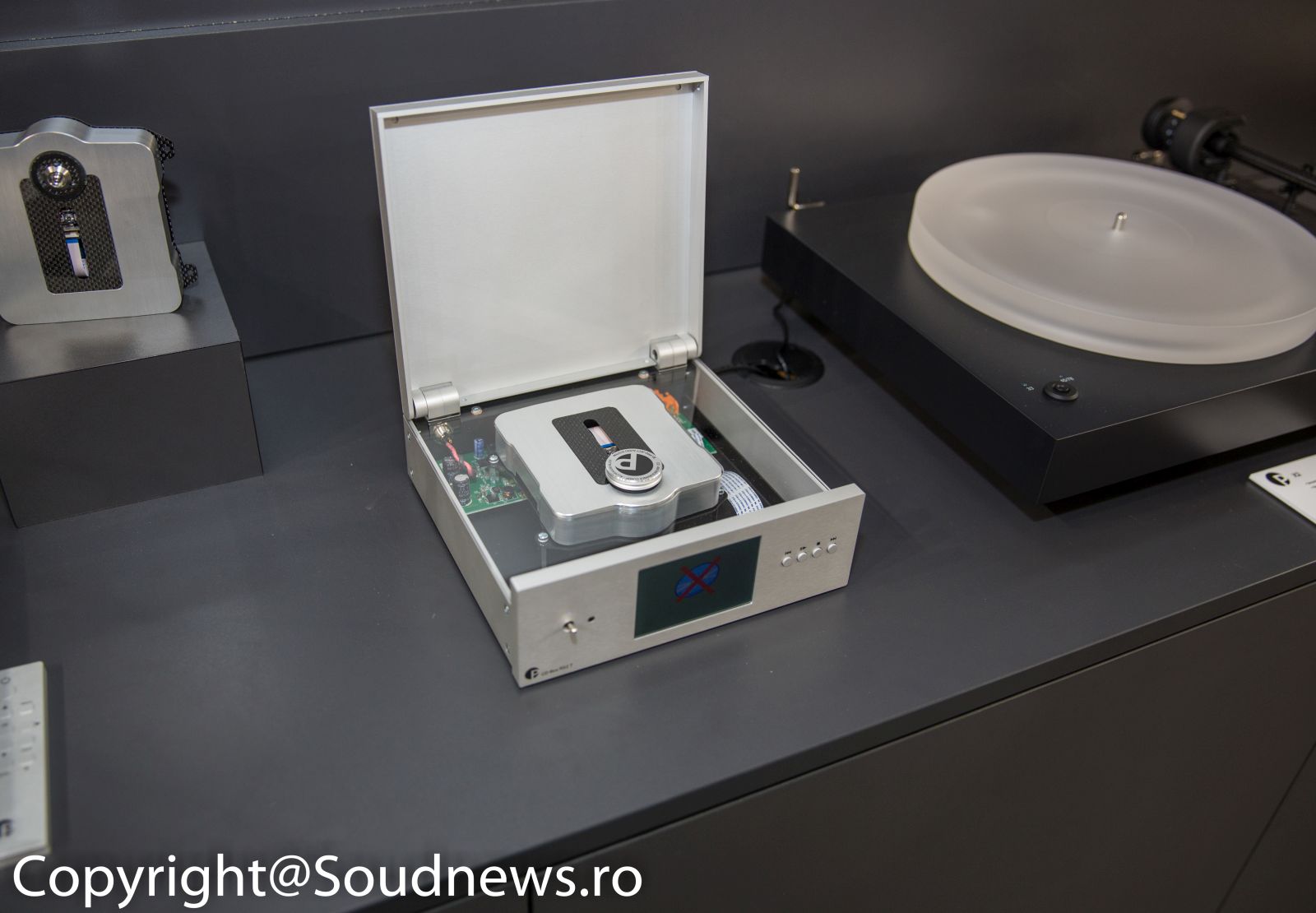
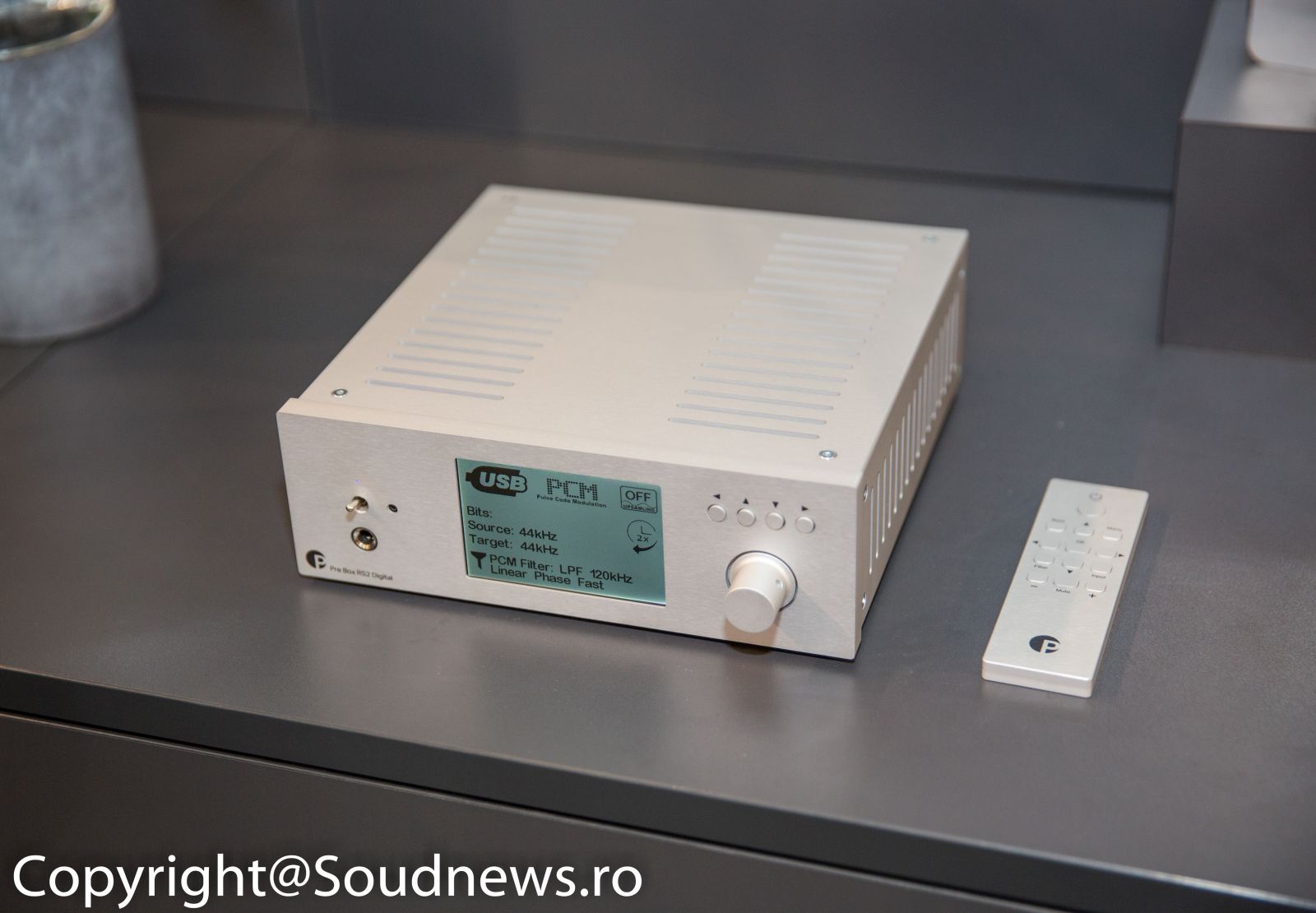
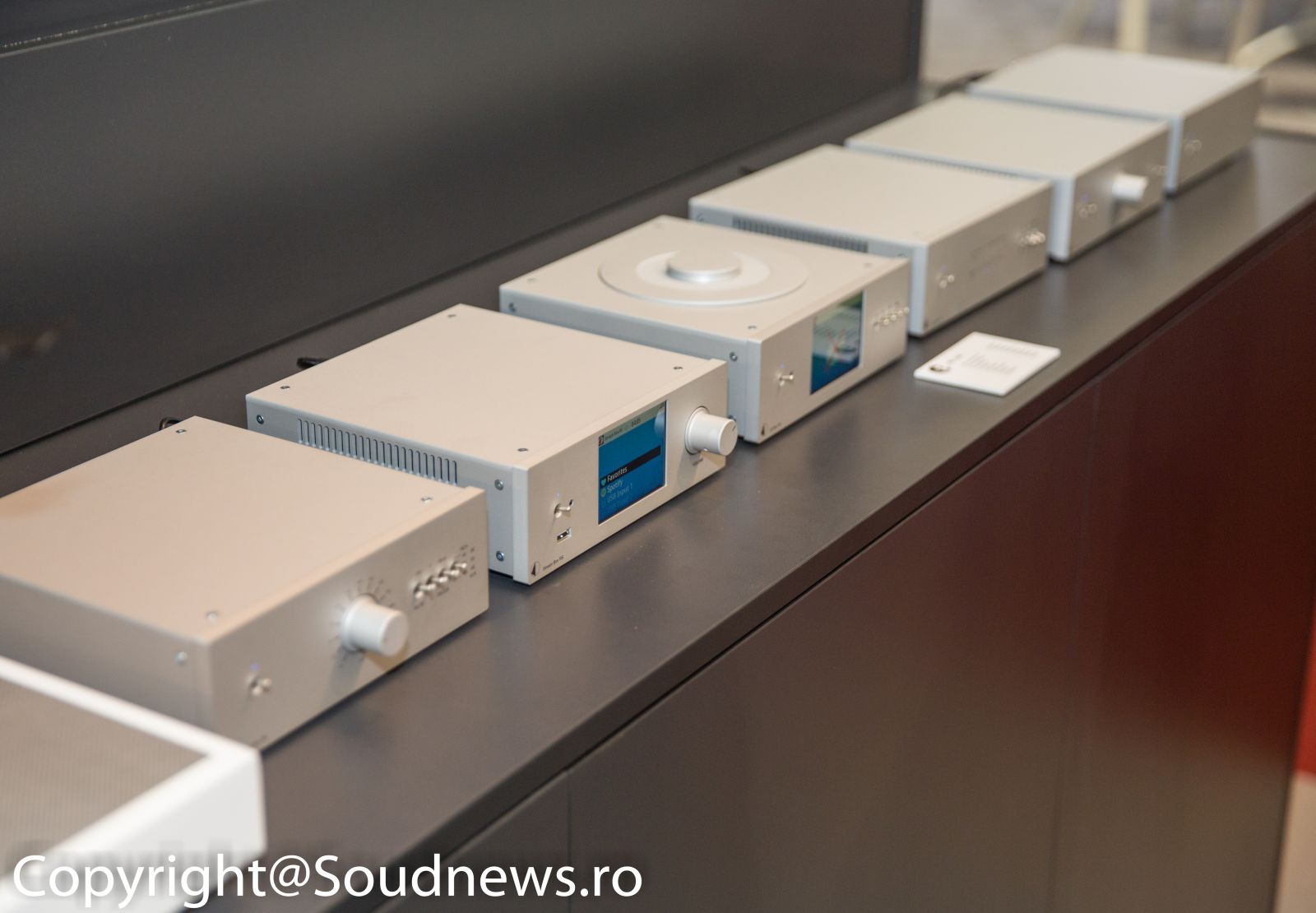
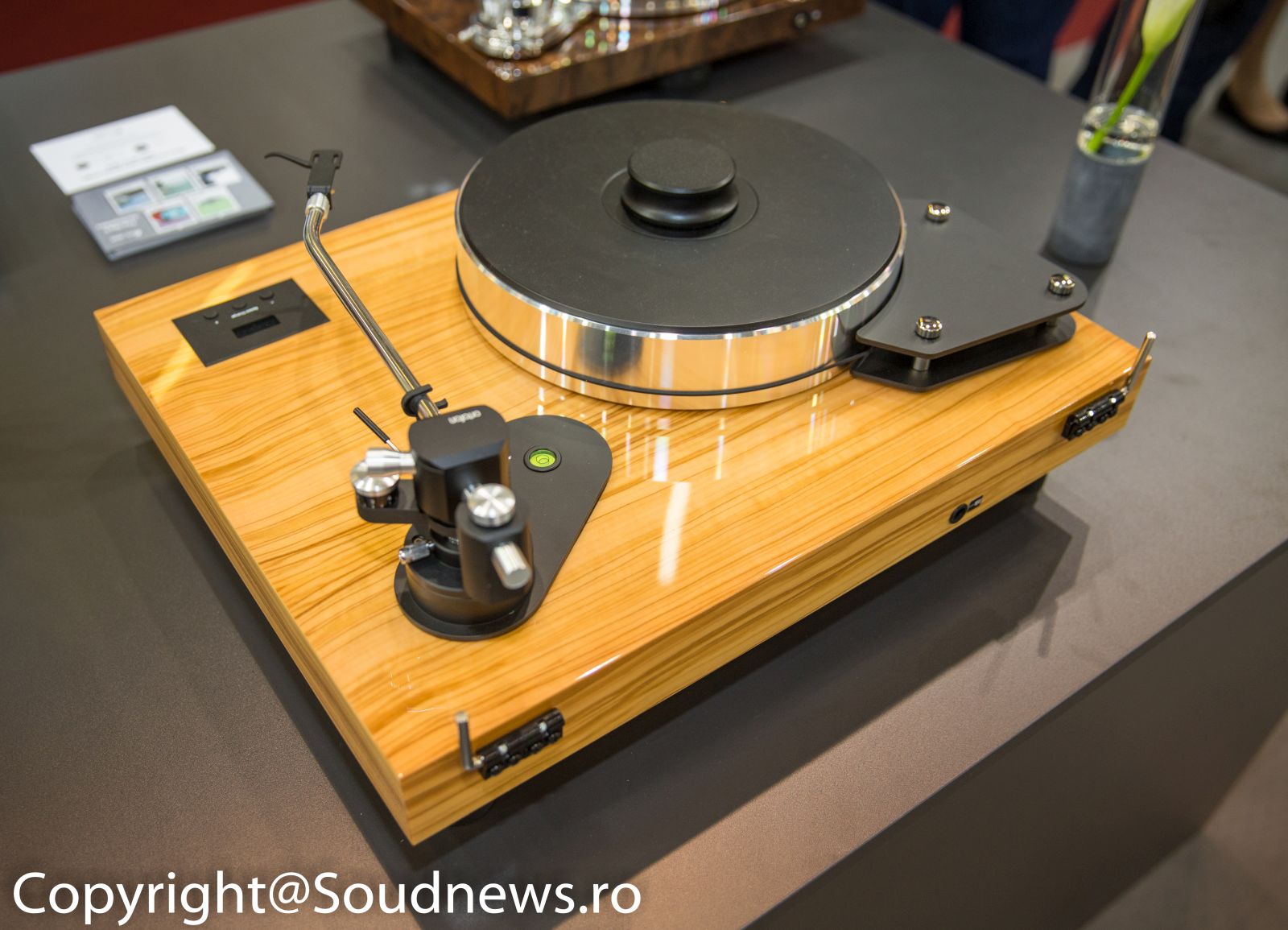
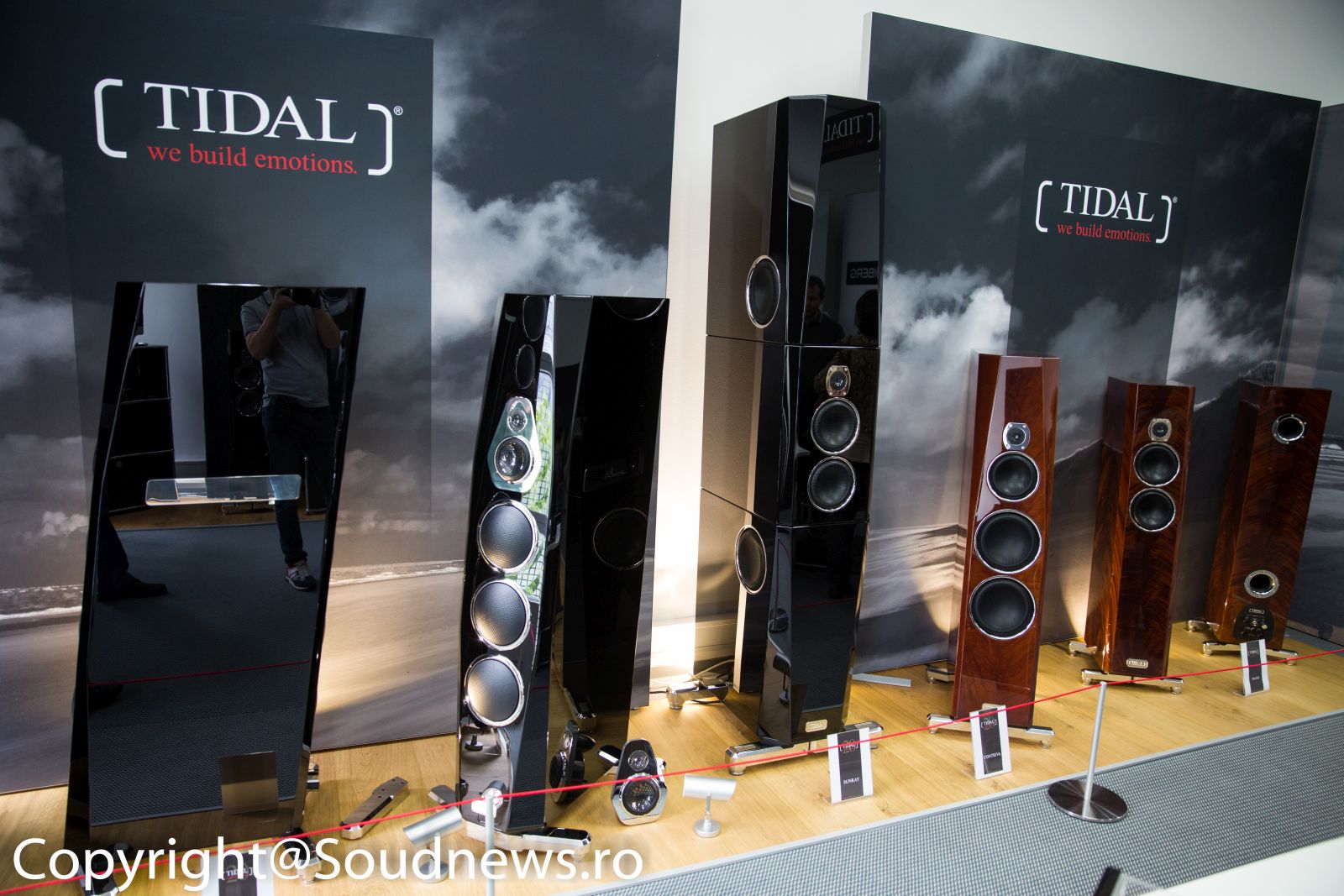
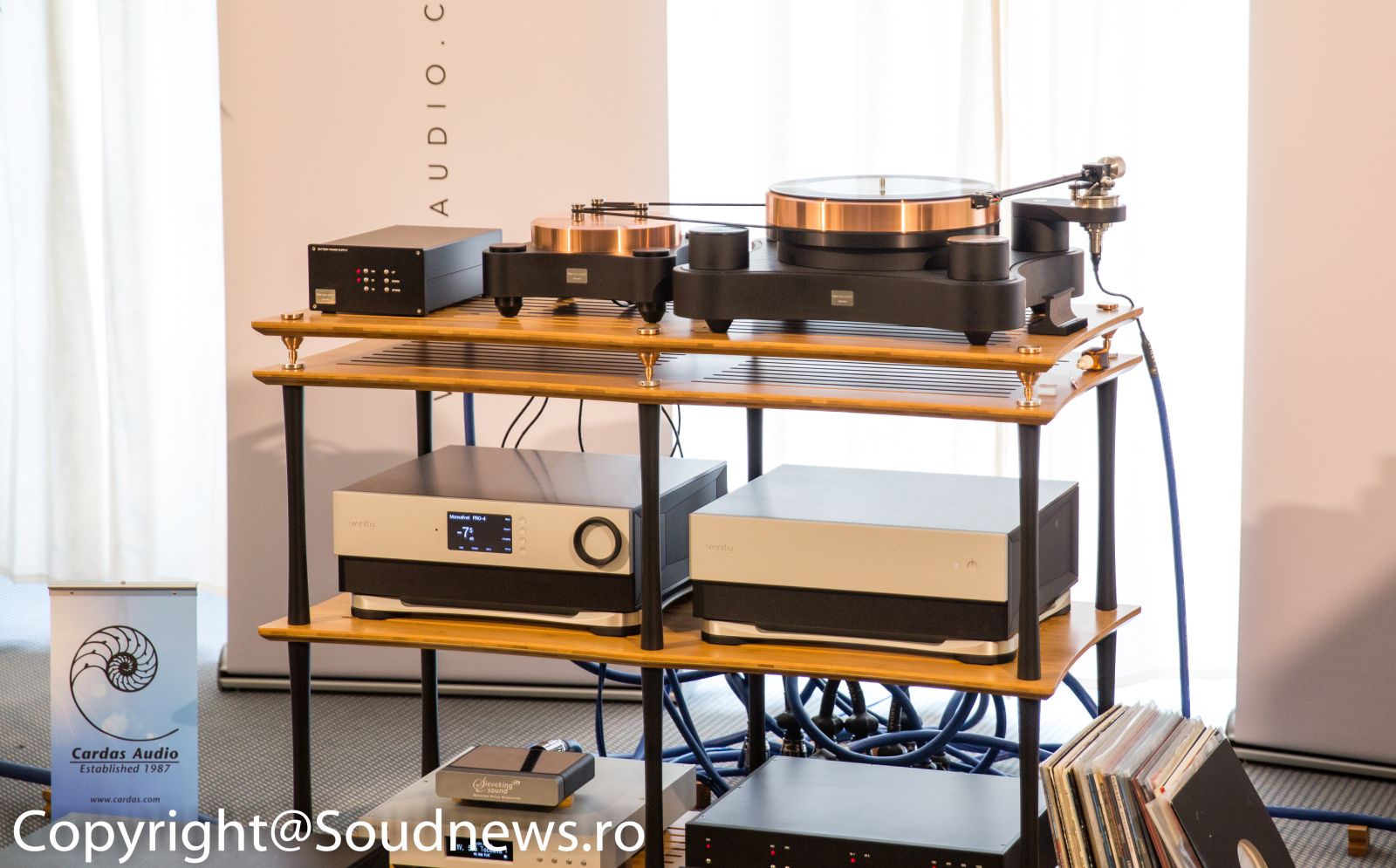
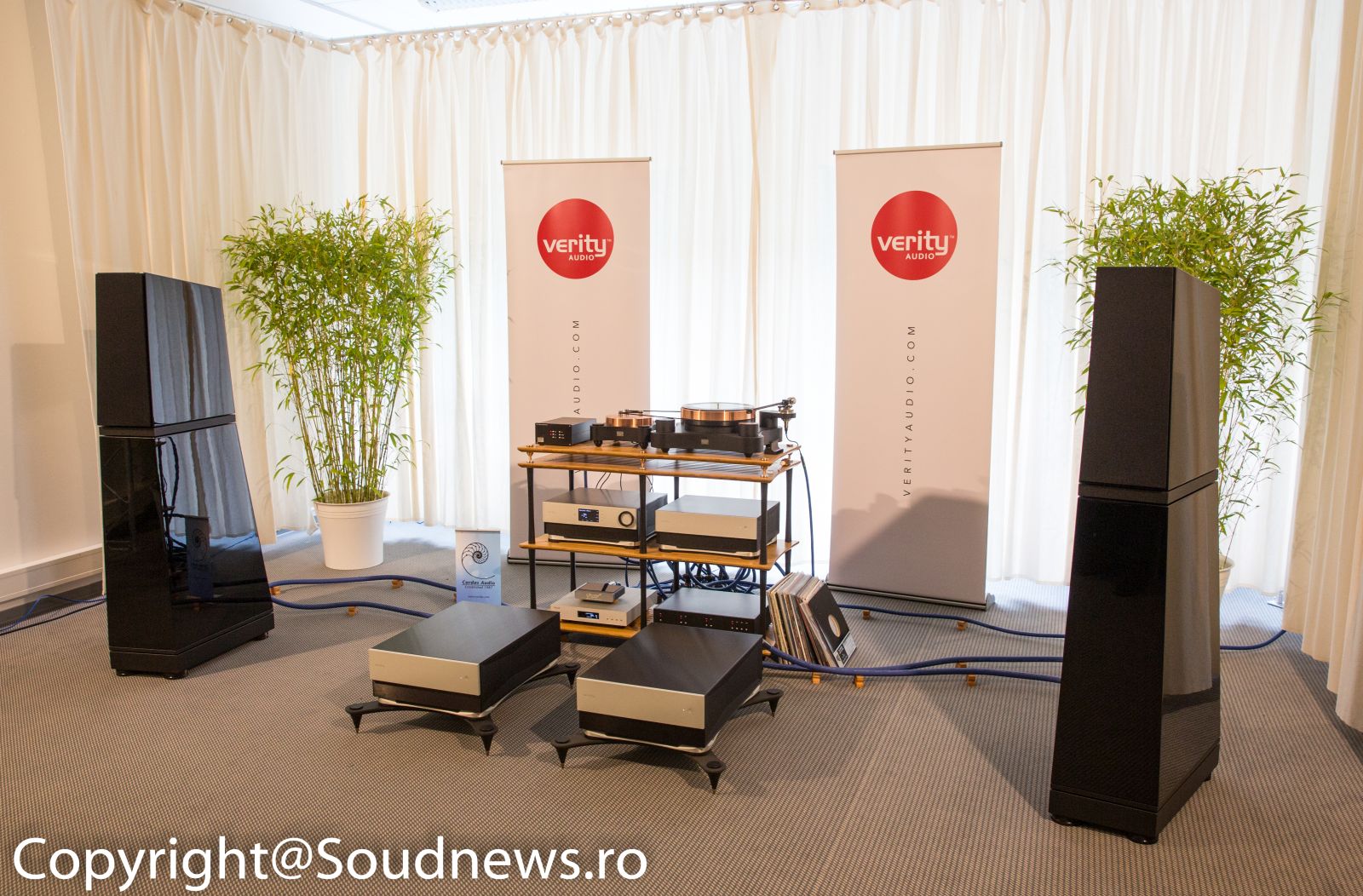
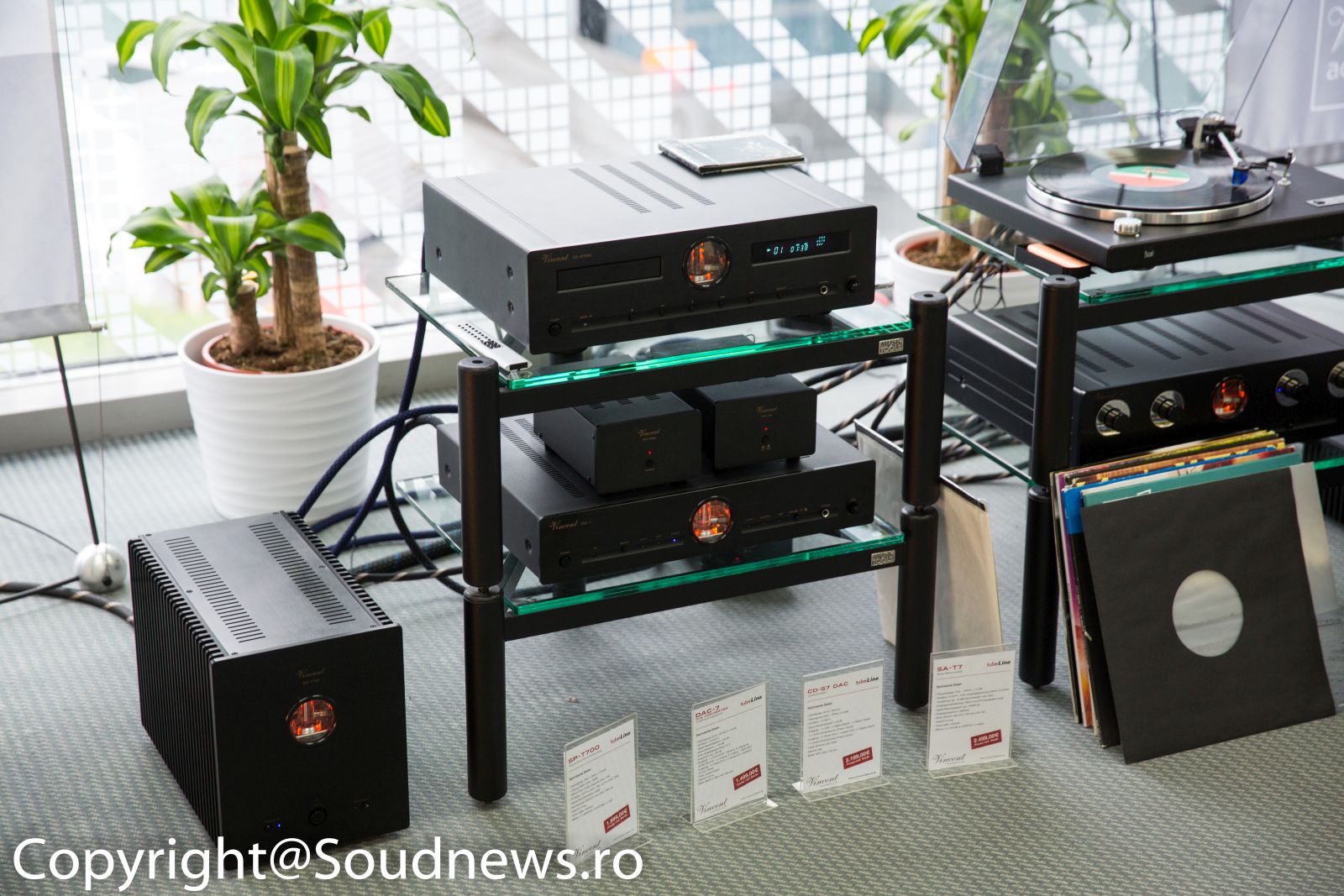
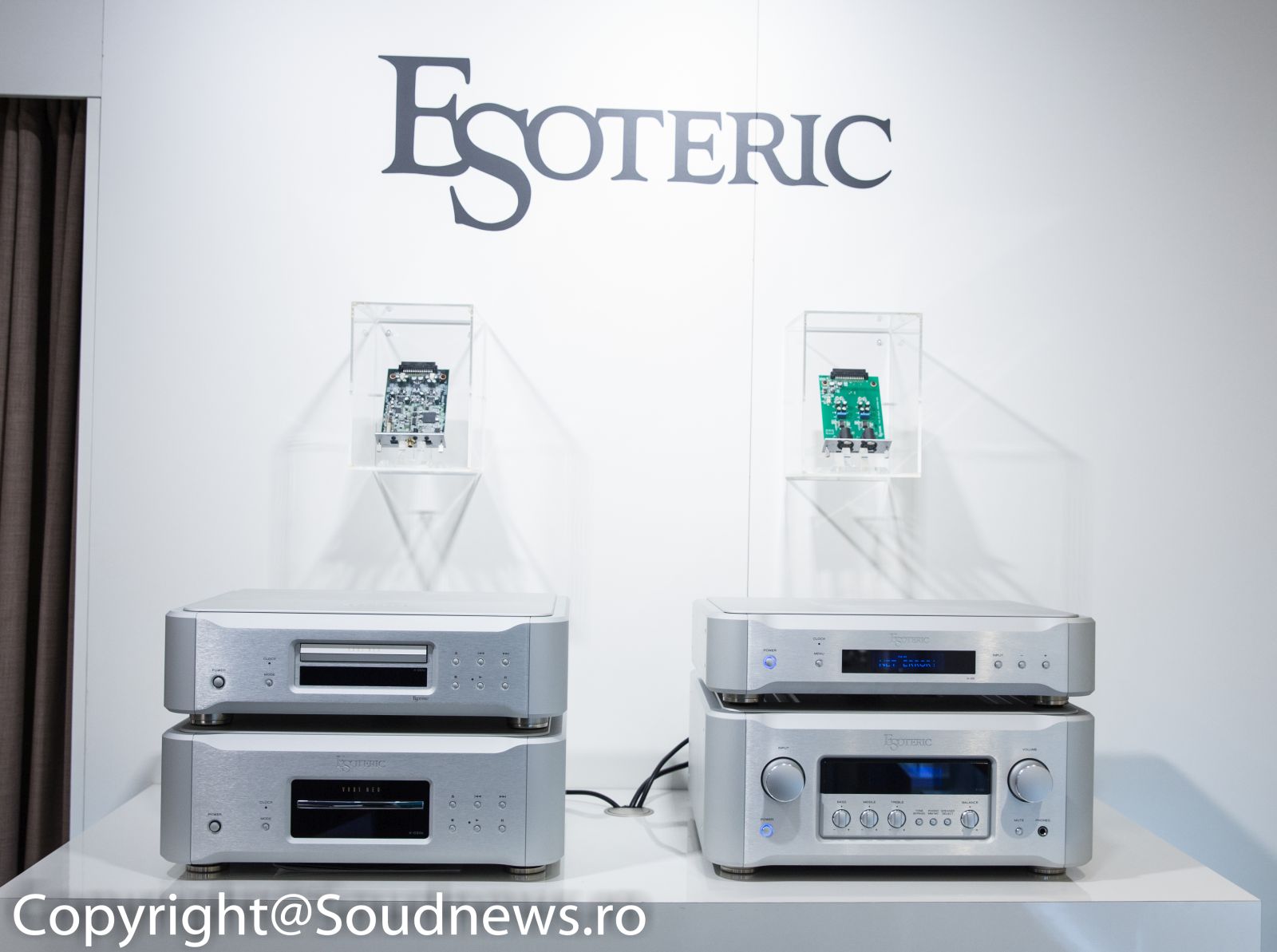
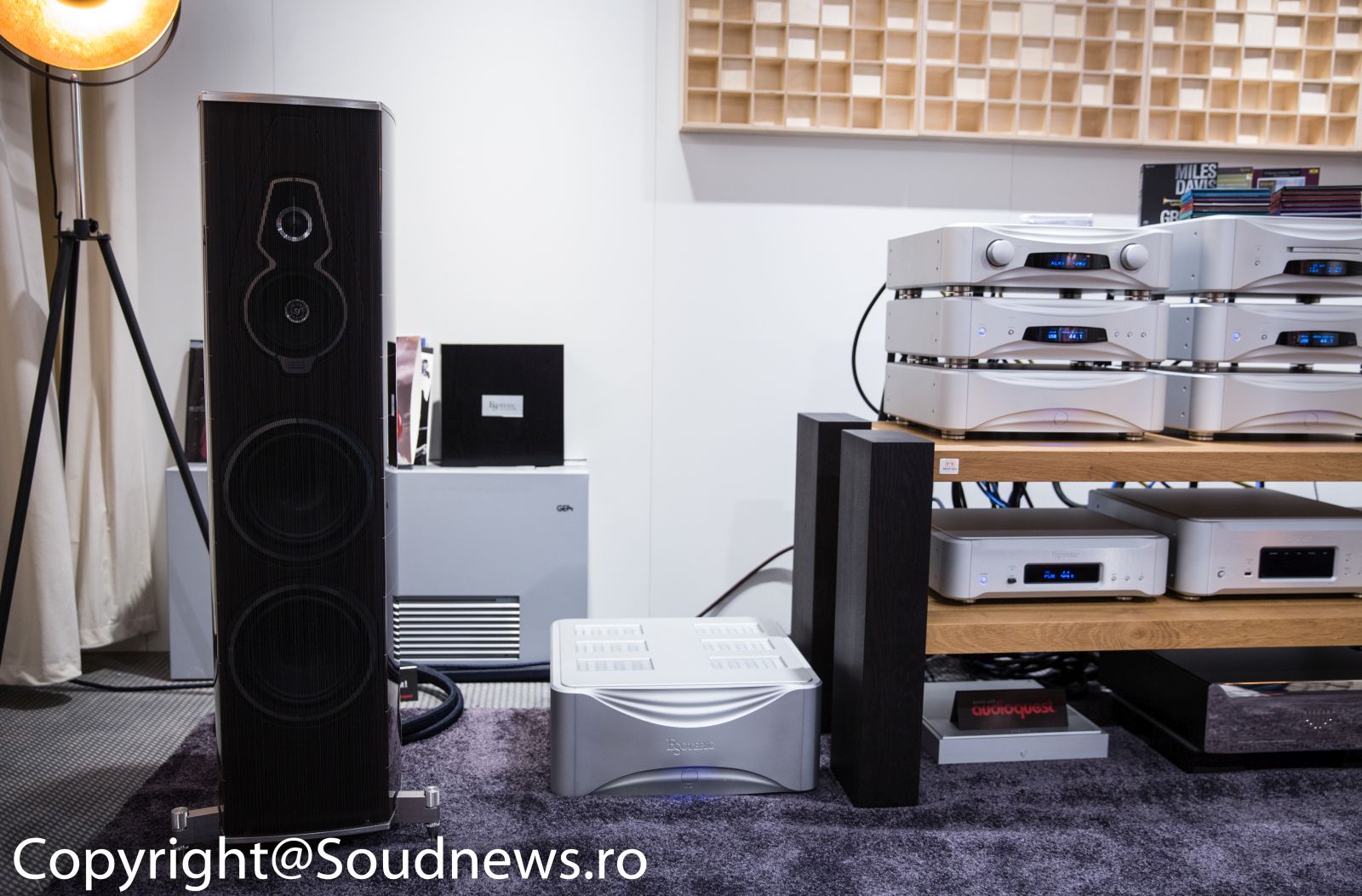
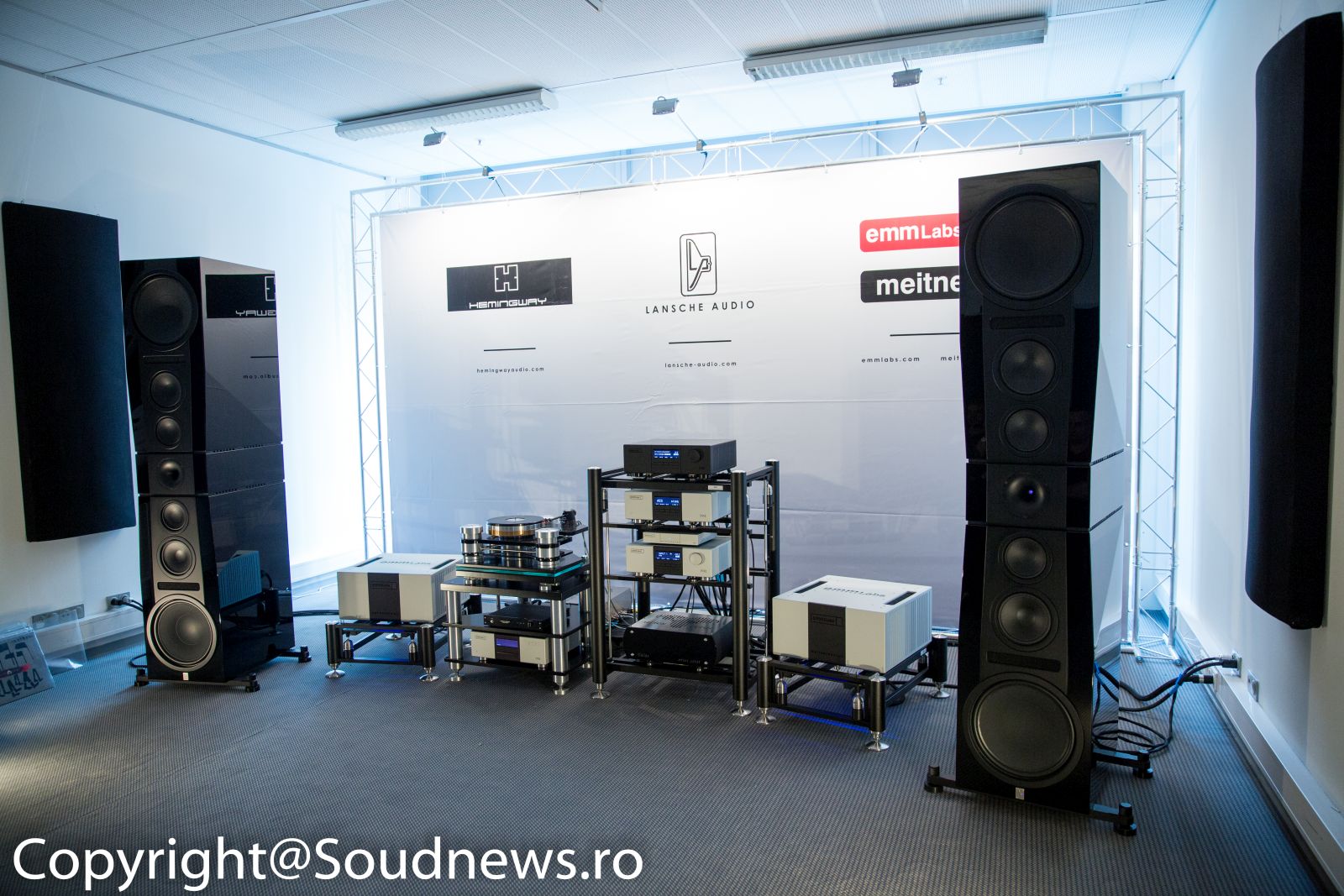
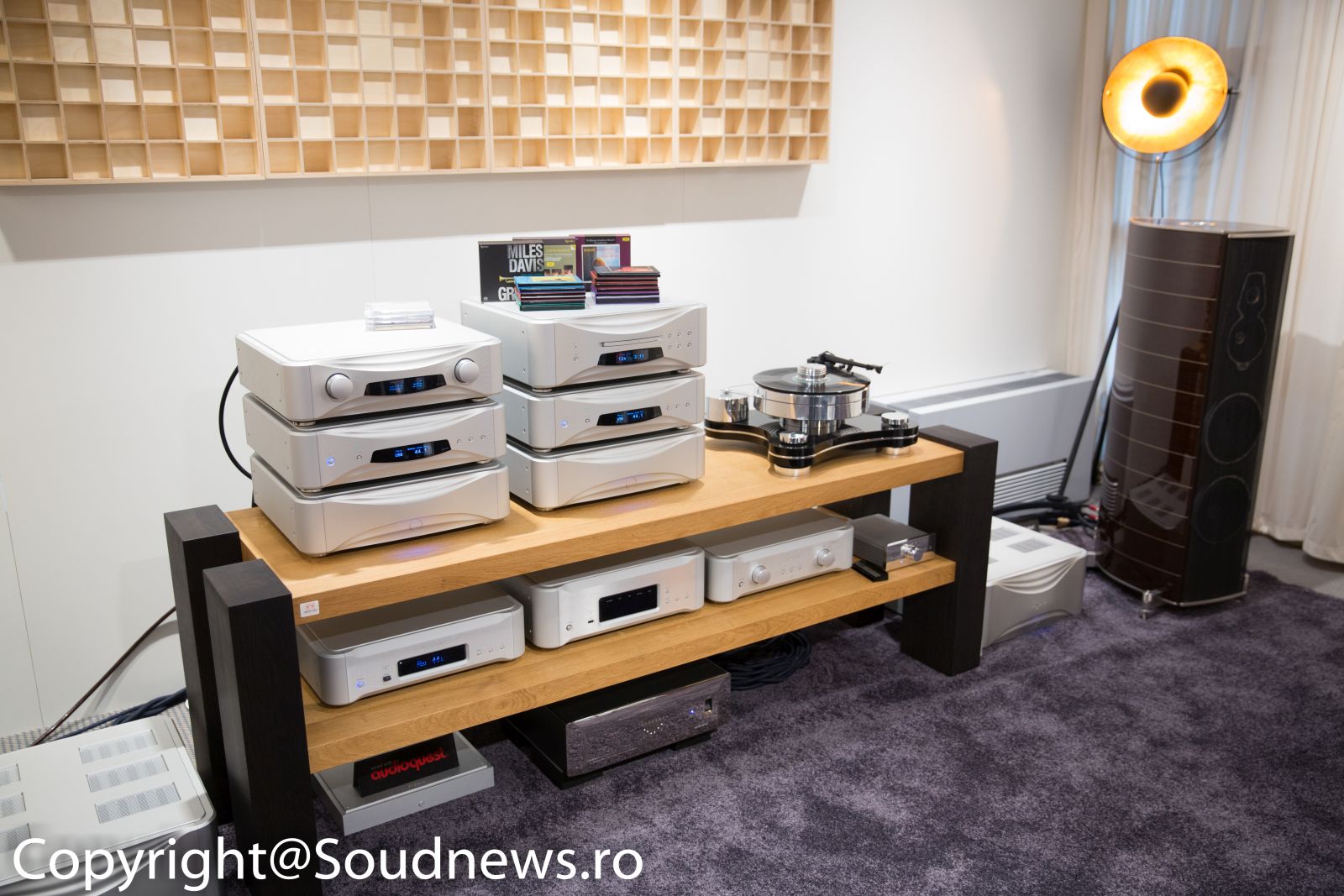
Munchen High-End show 2019 in imagini

0

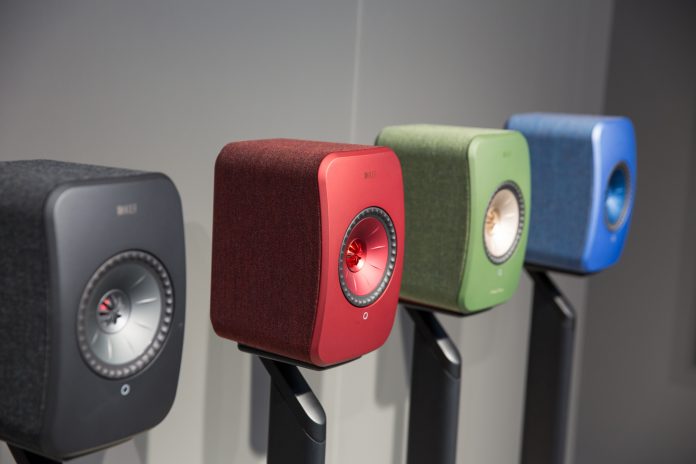
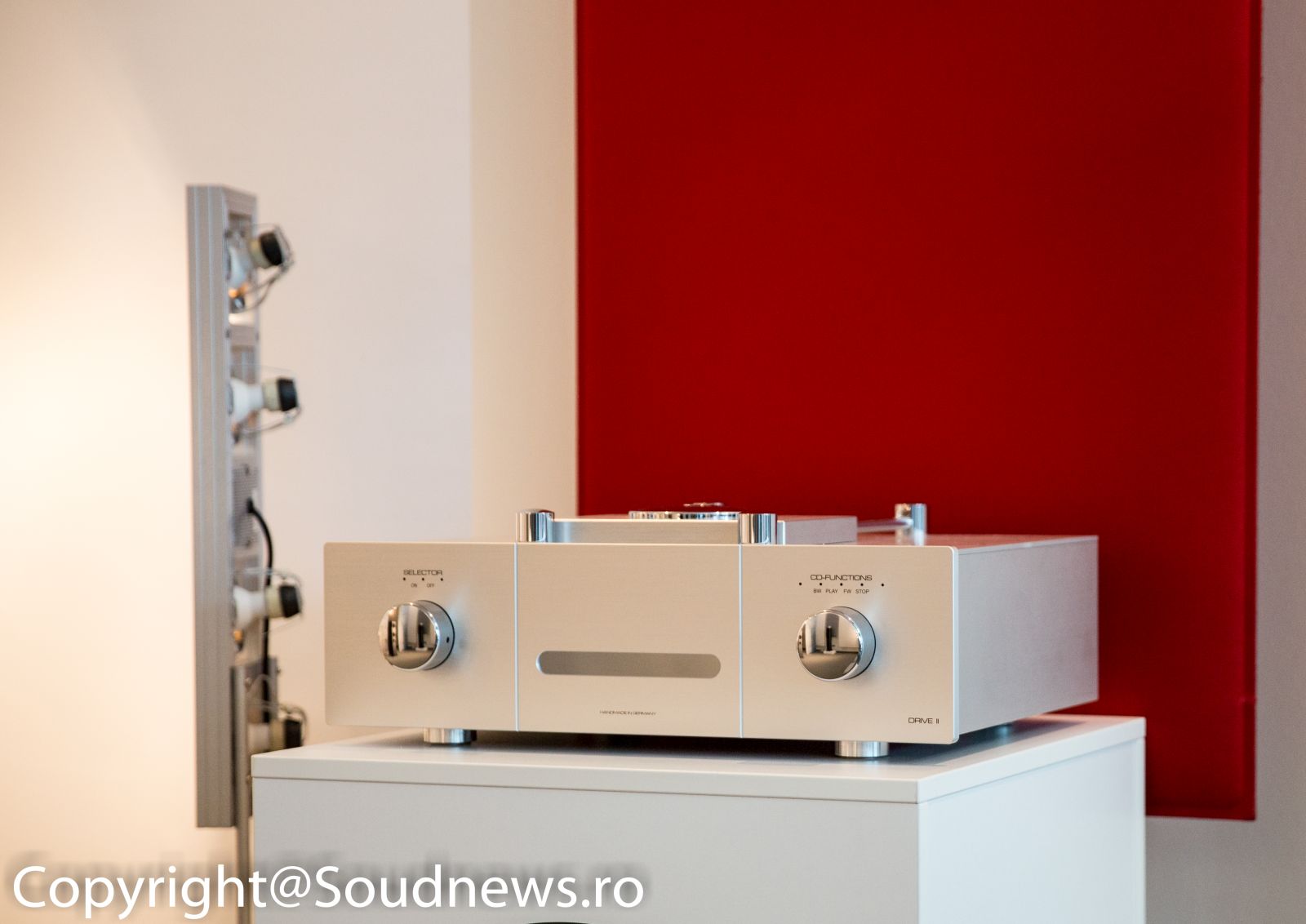
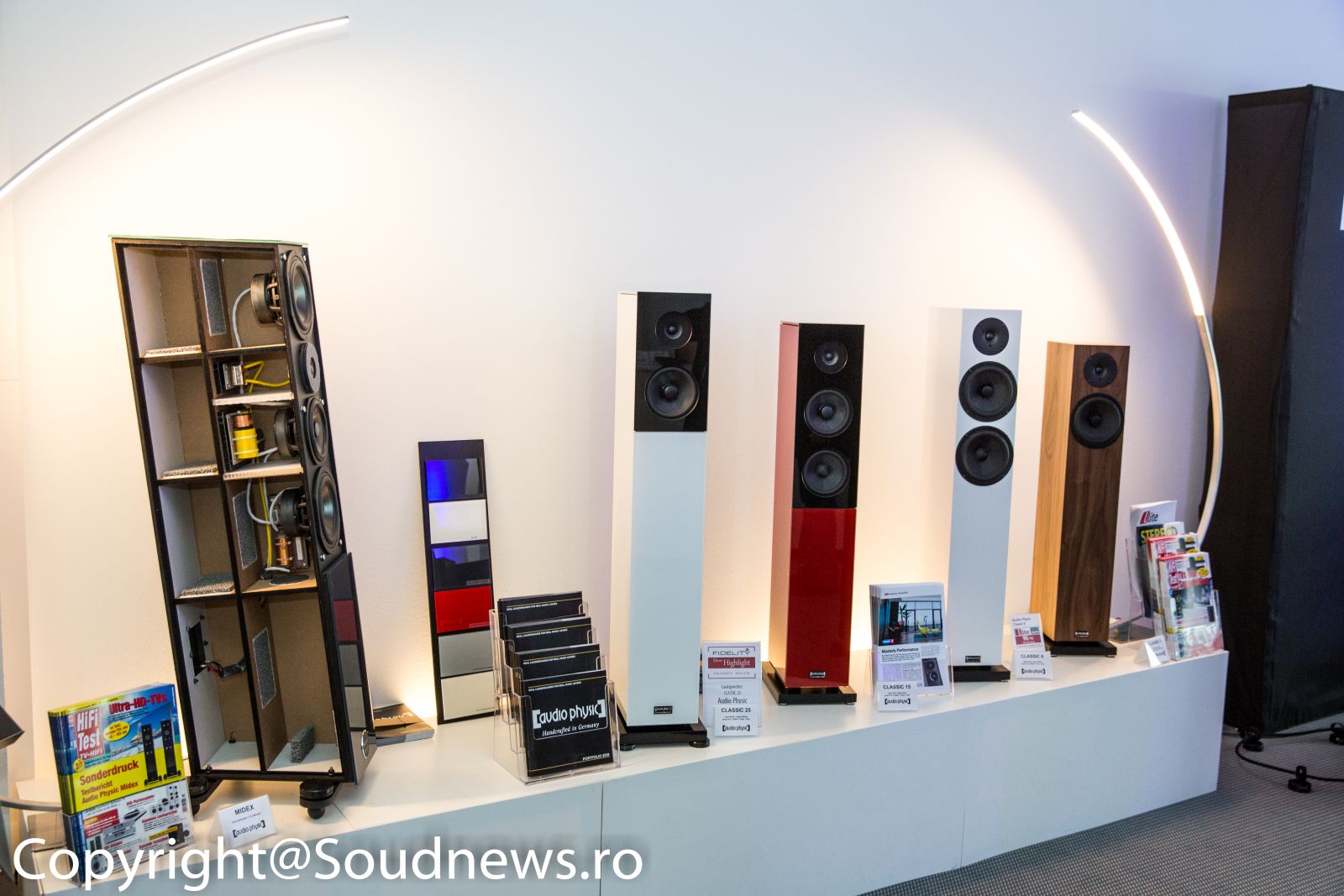
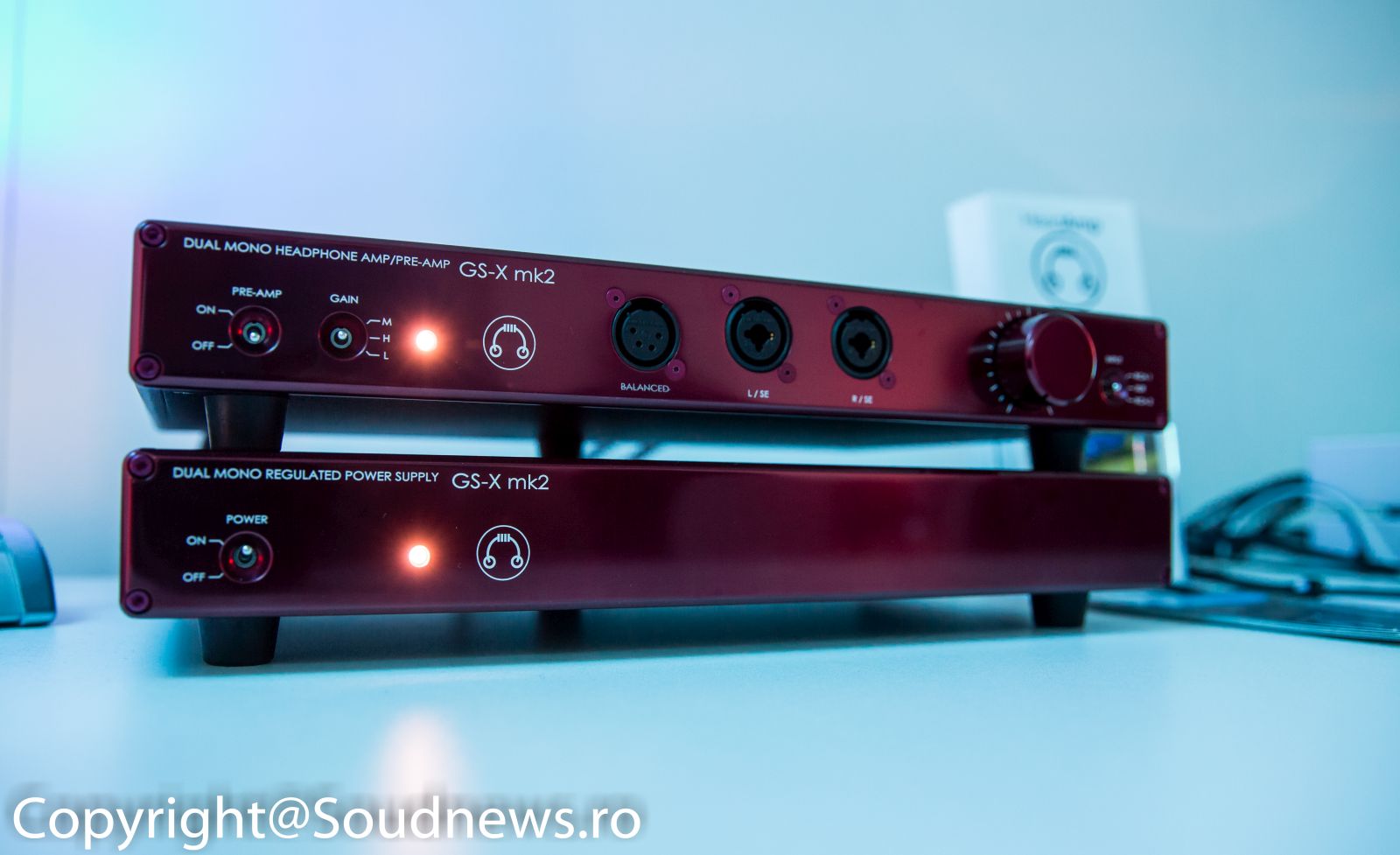
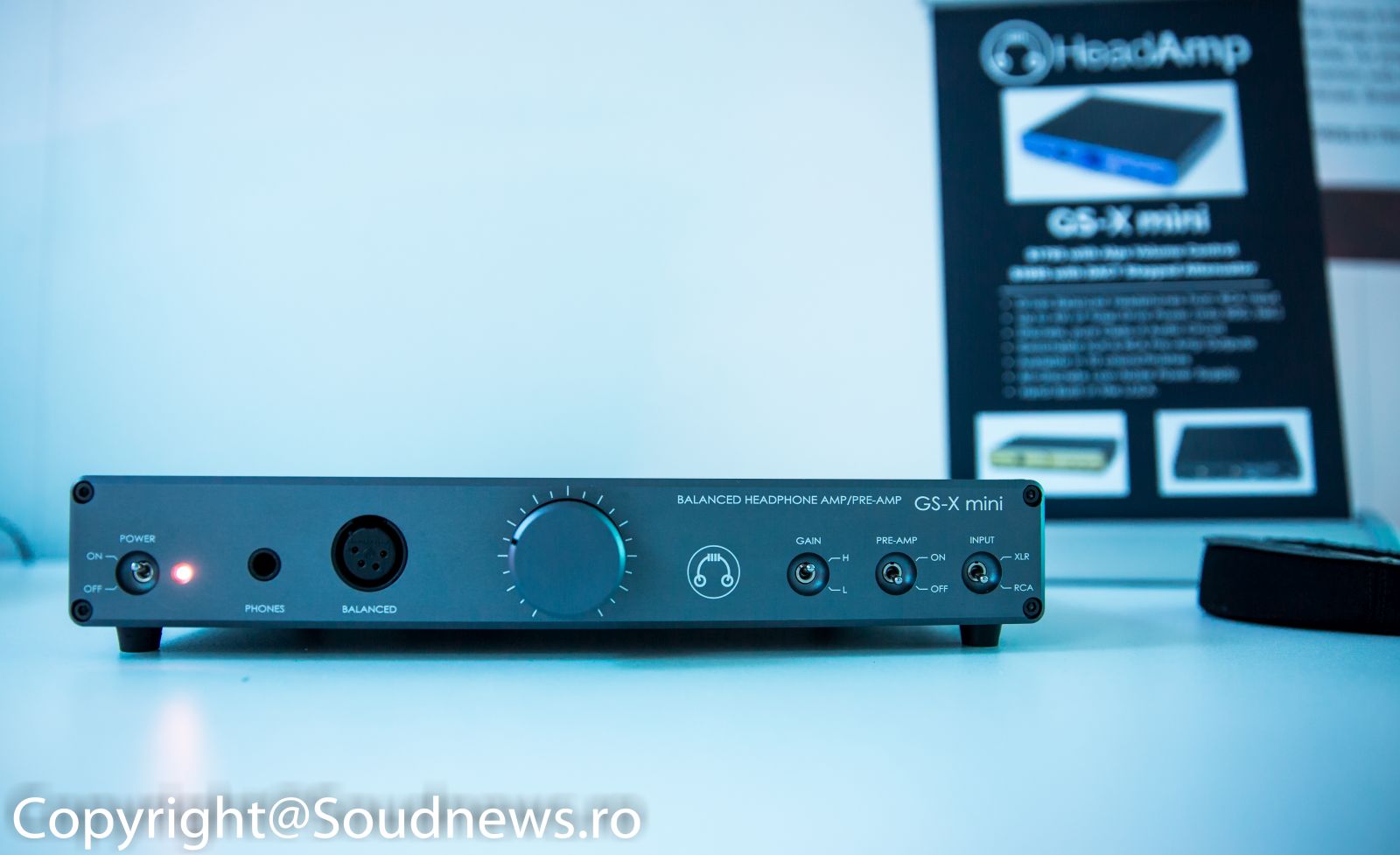
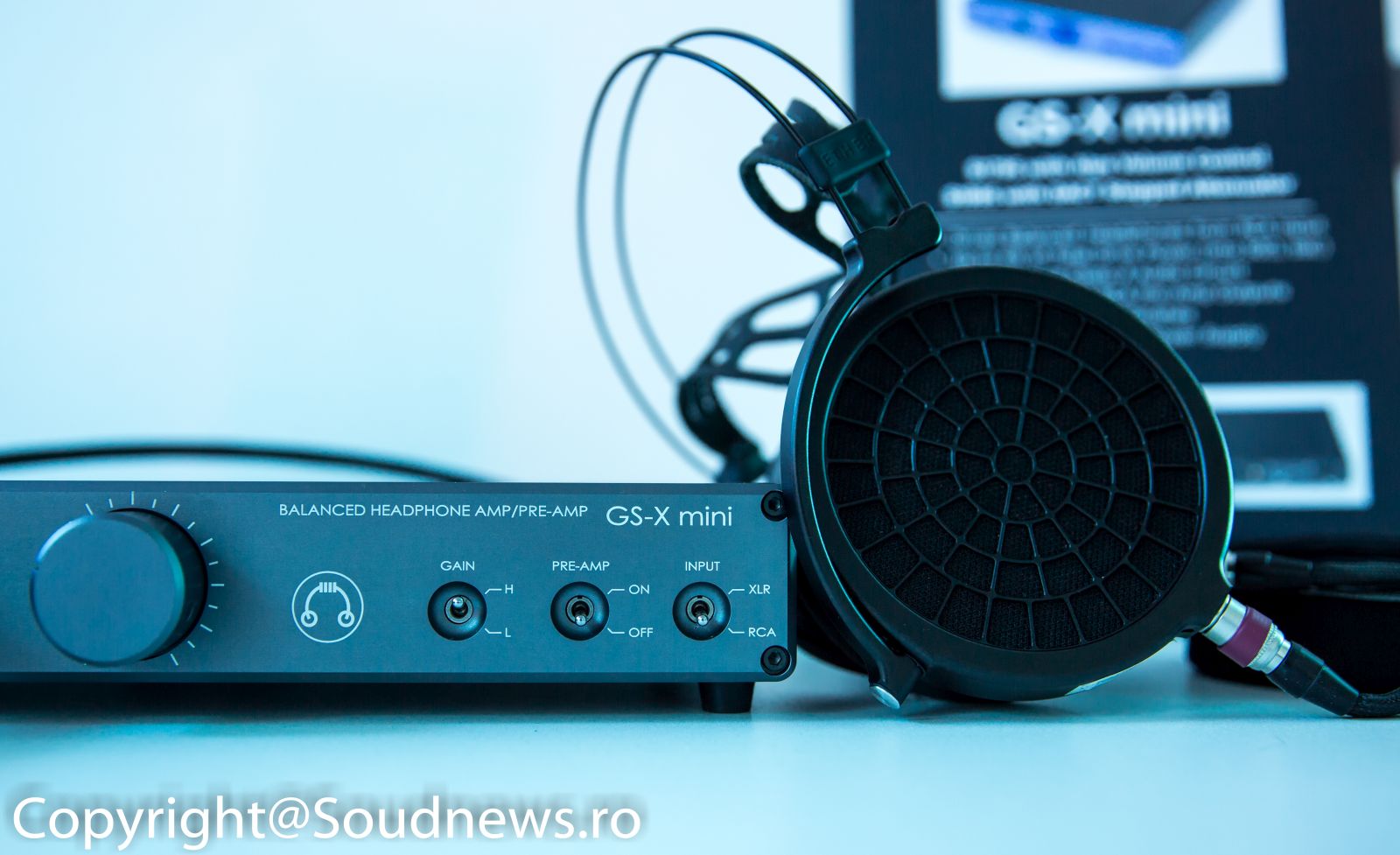
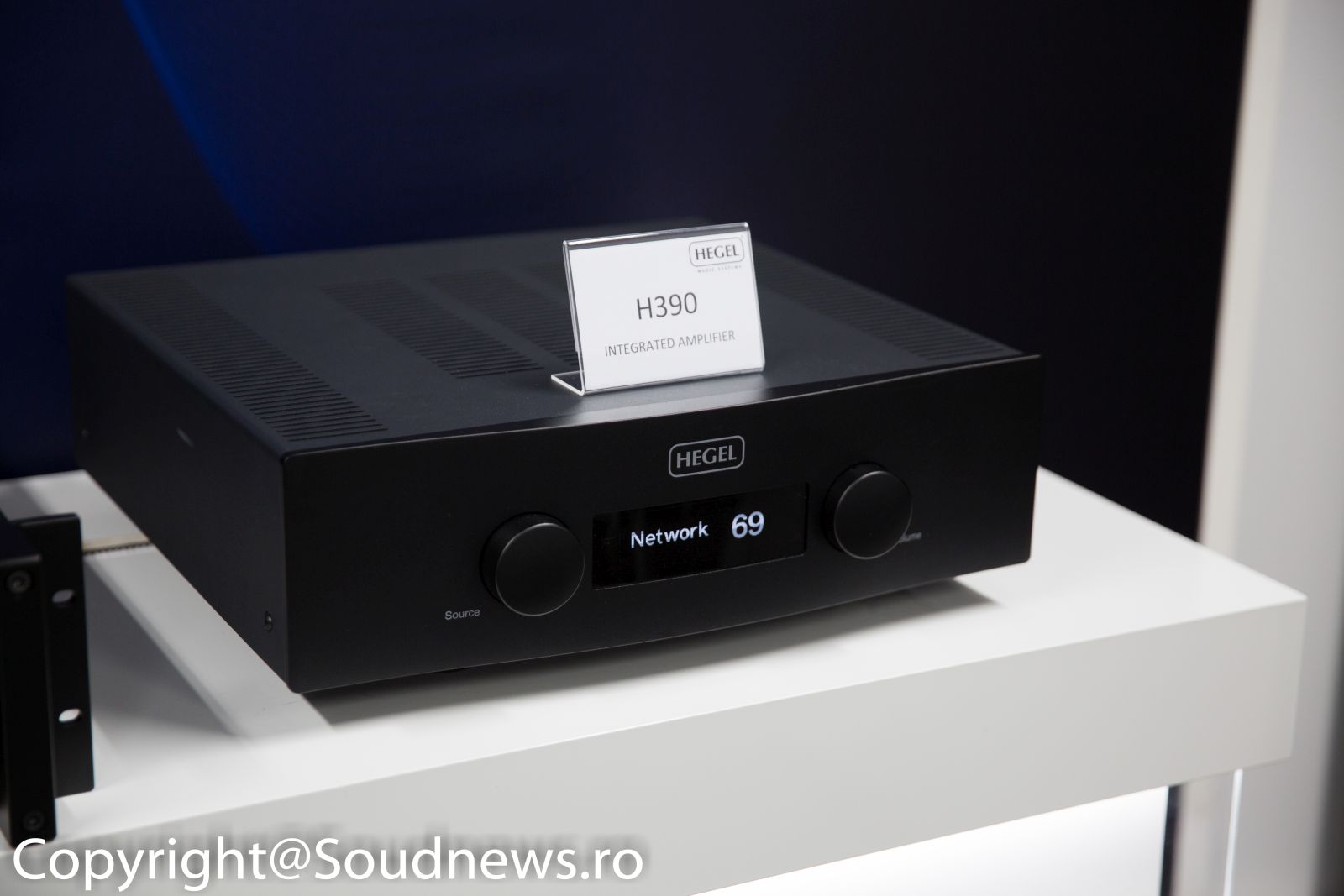
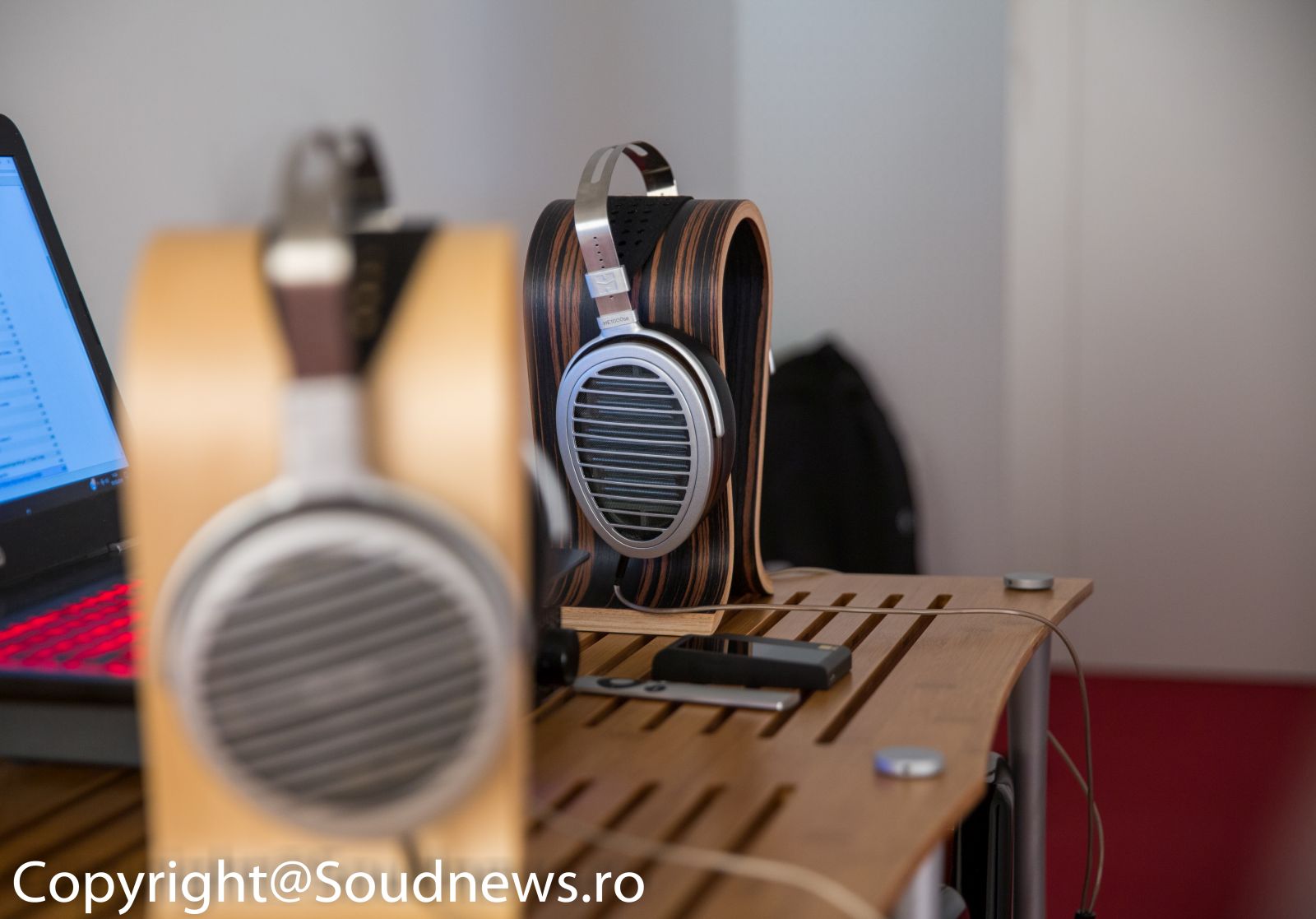
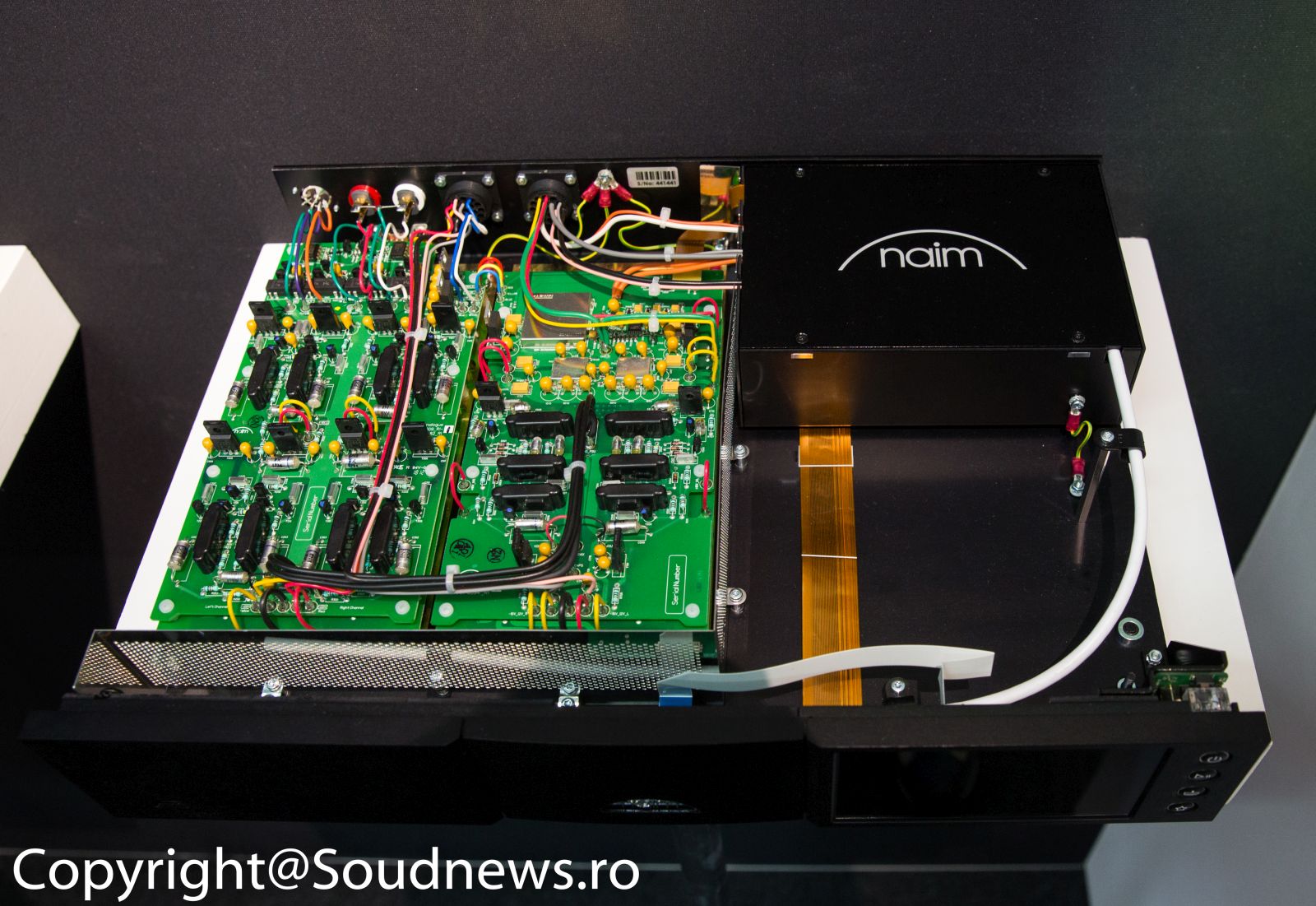
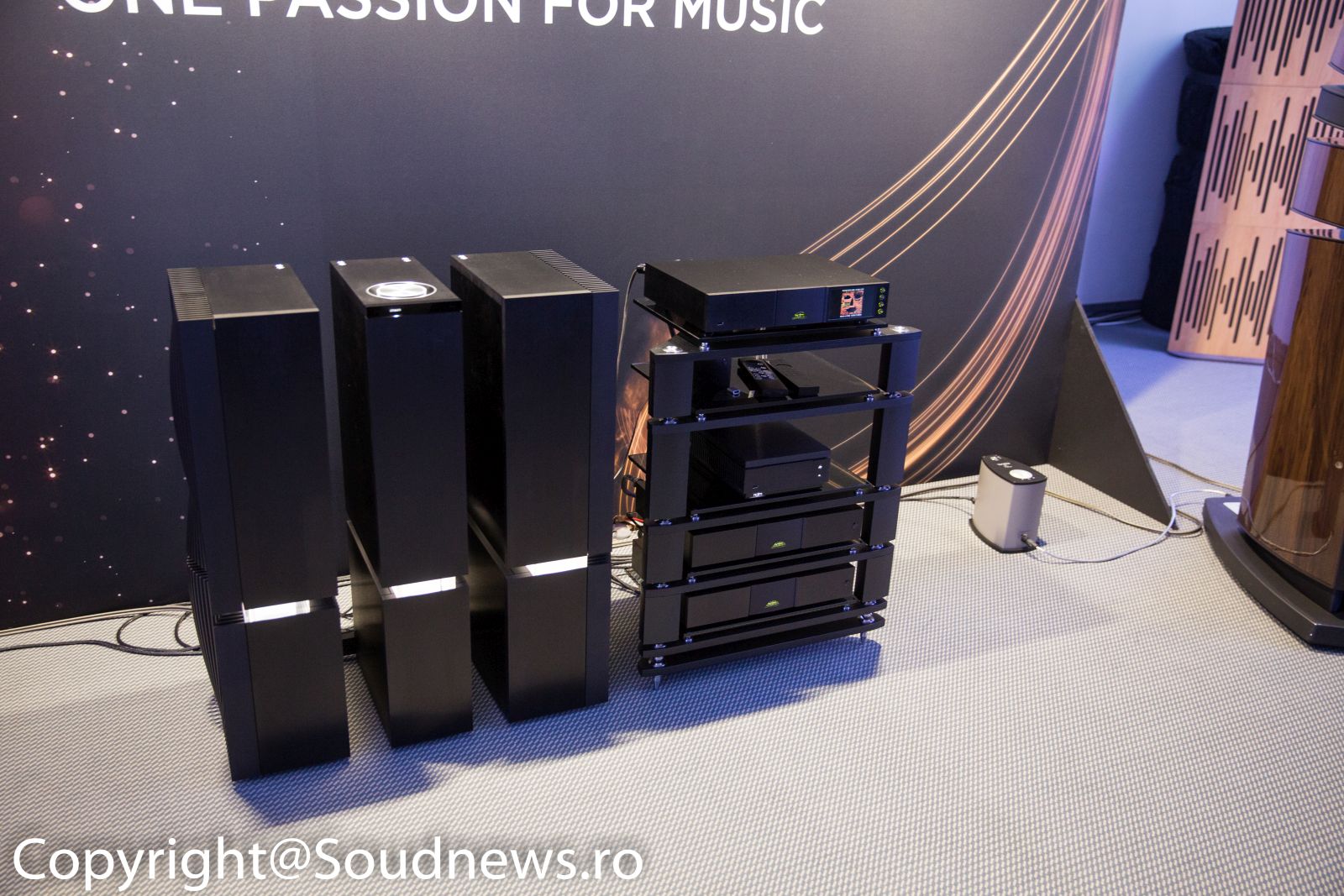
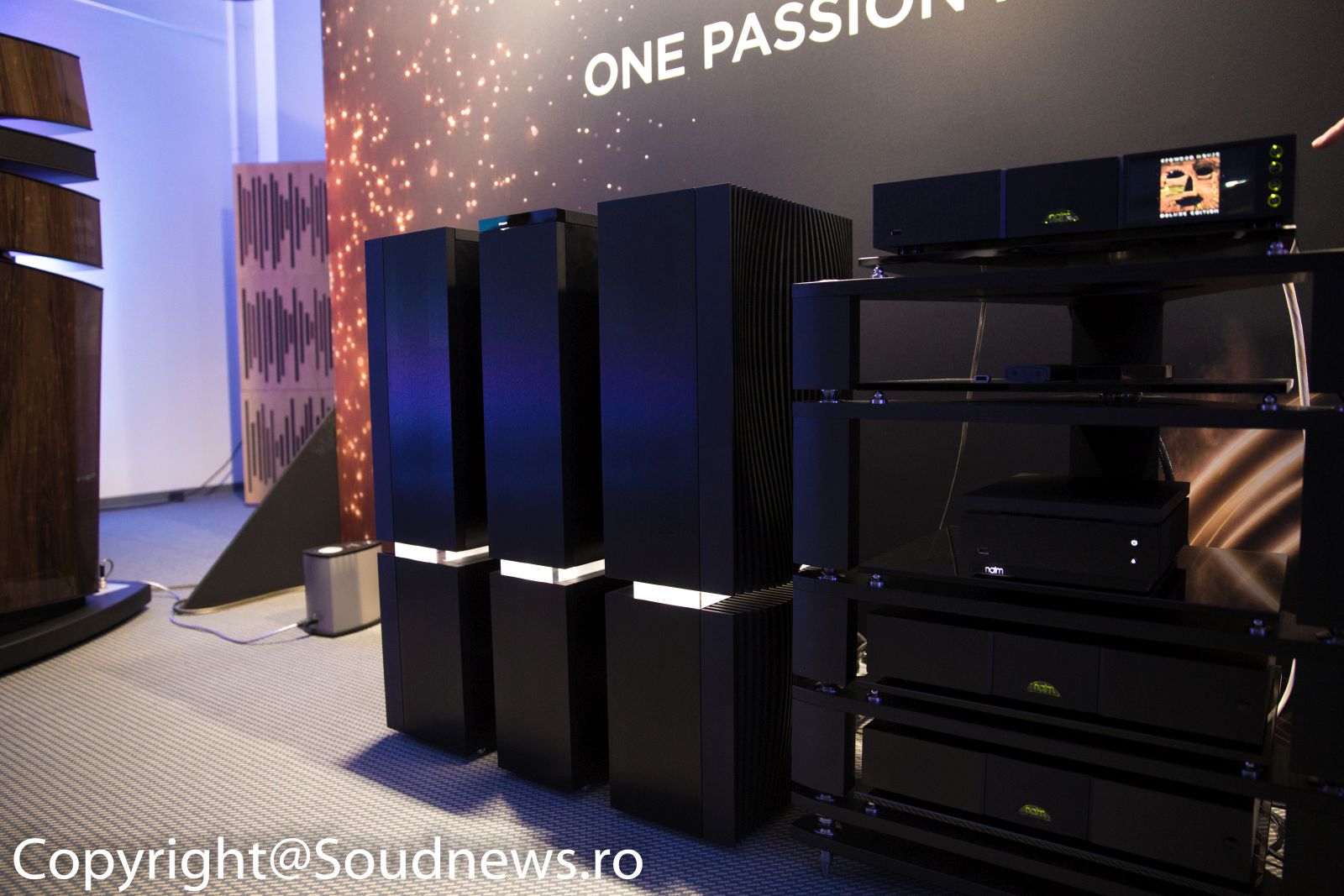
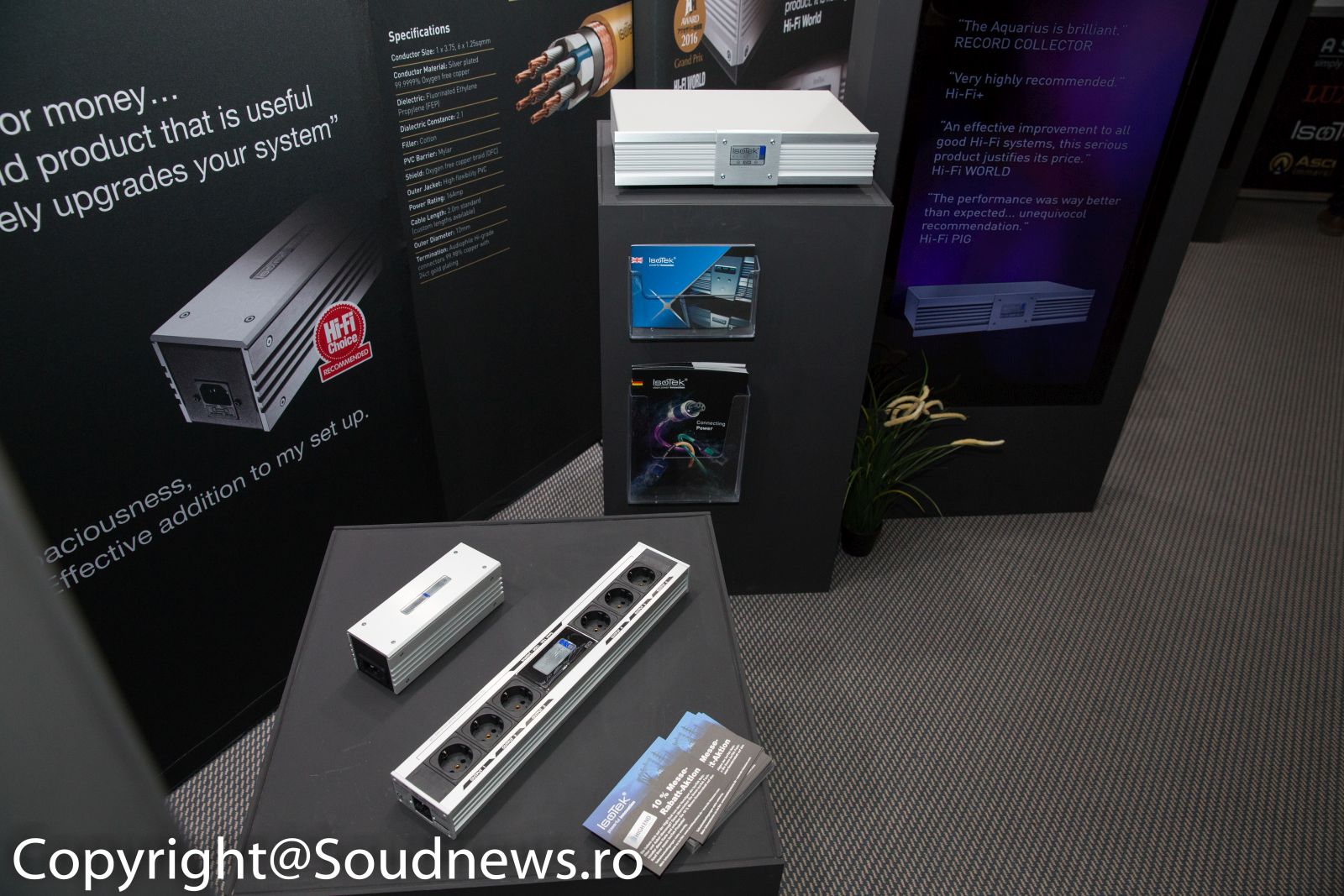
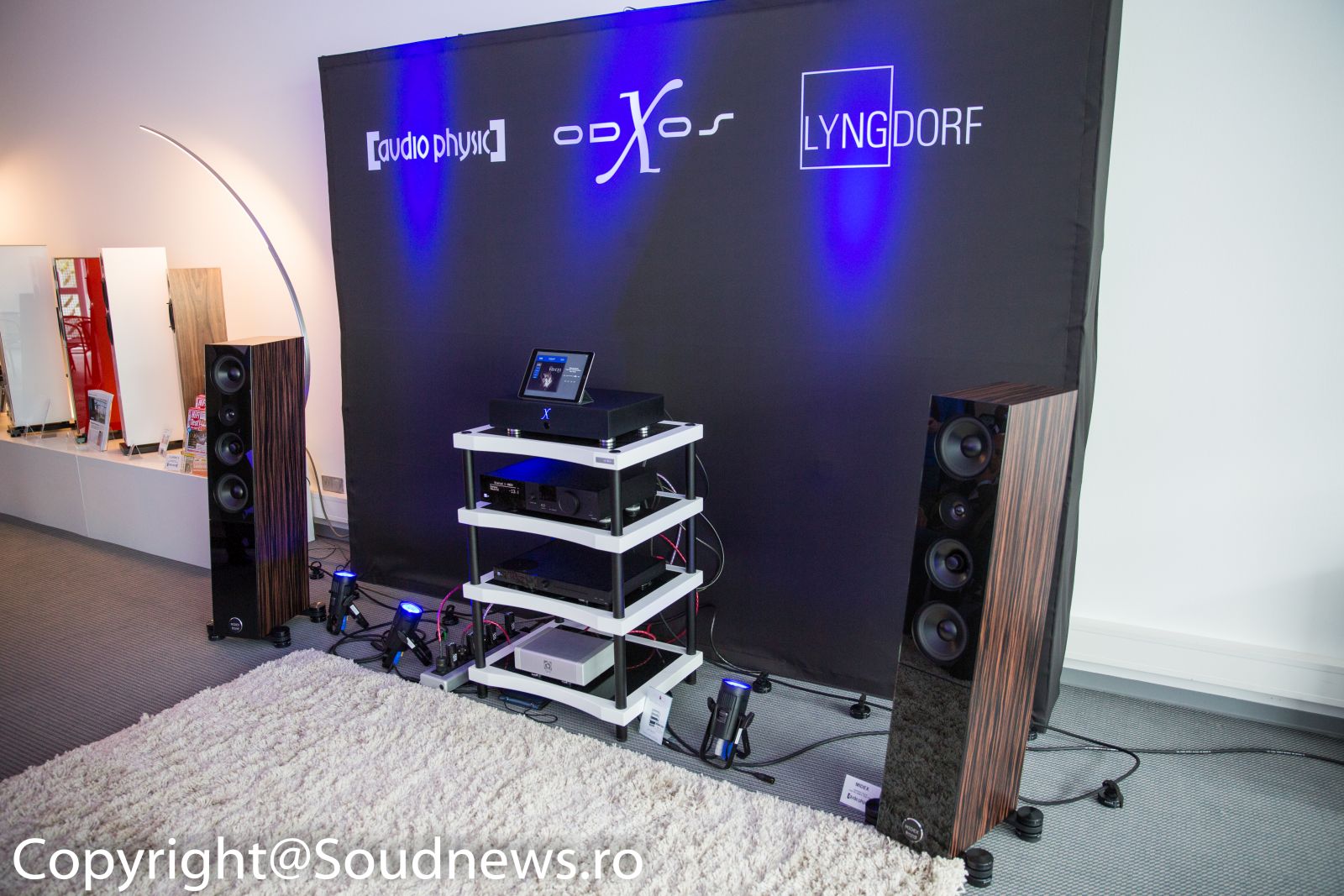
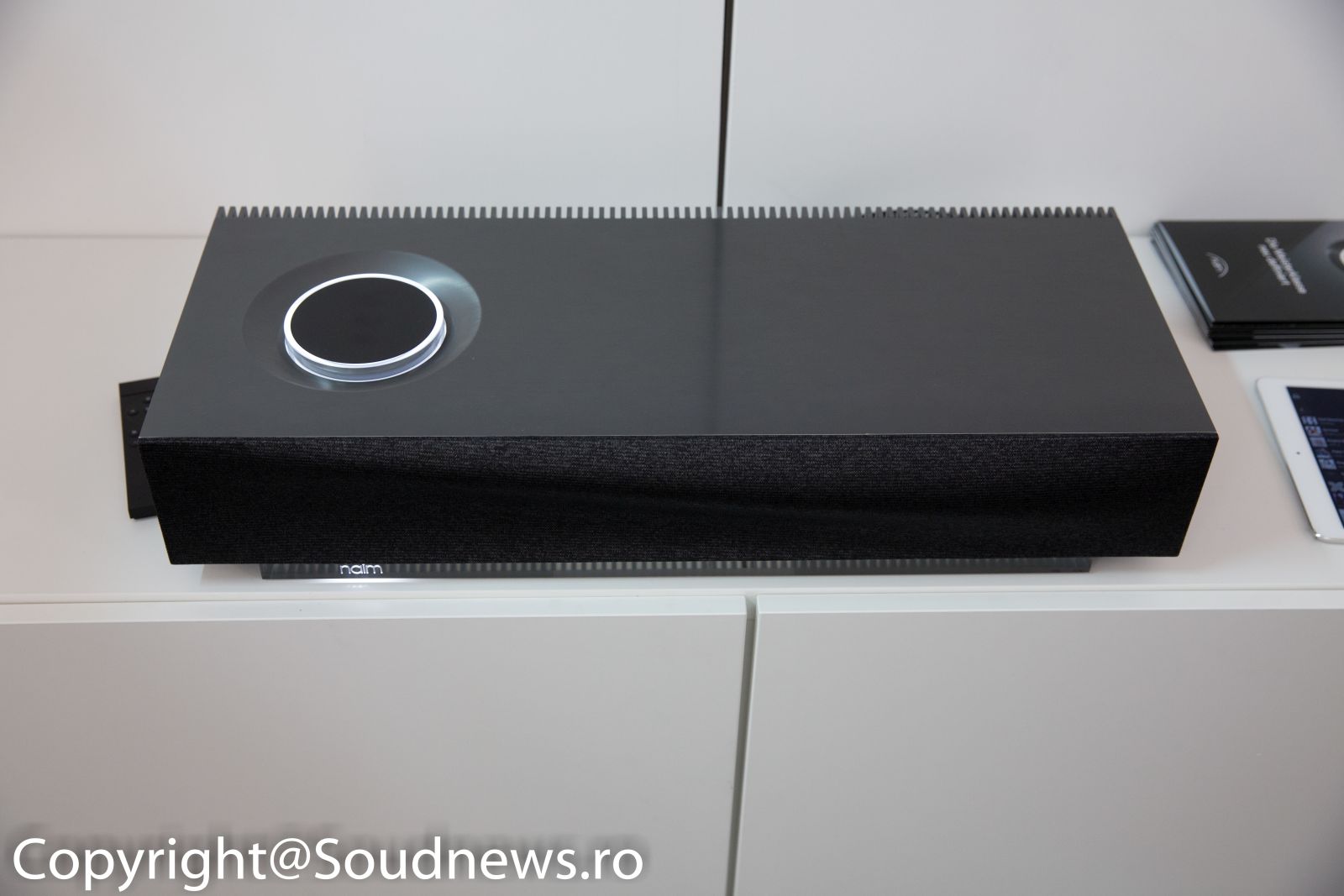
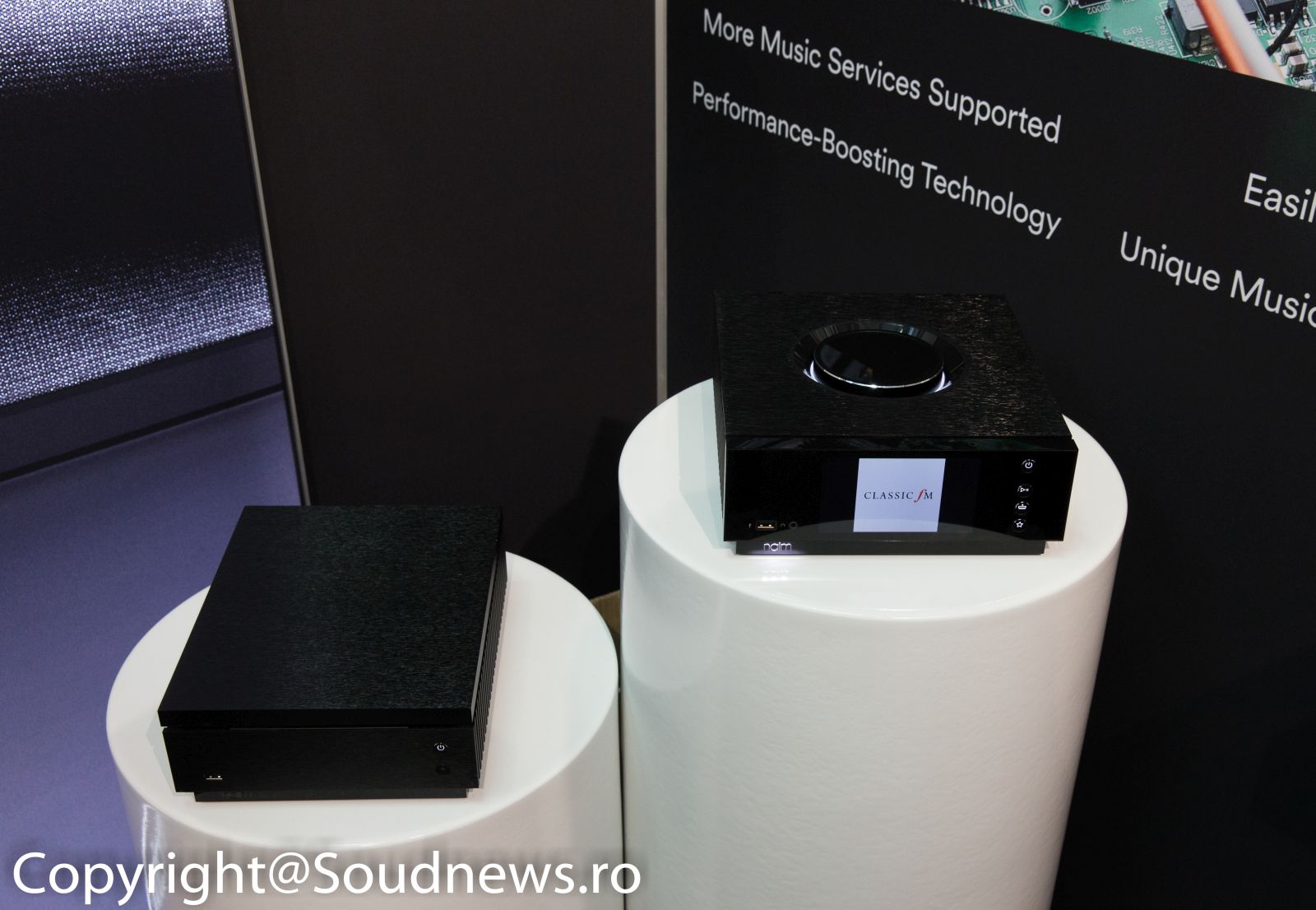
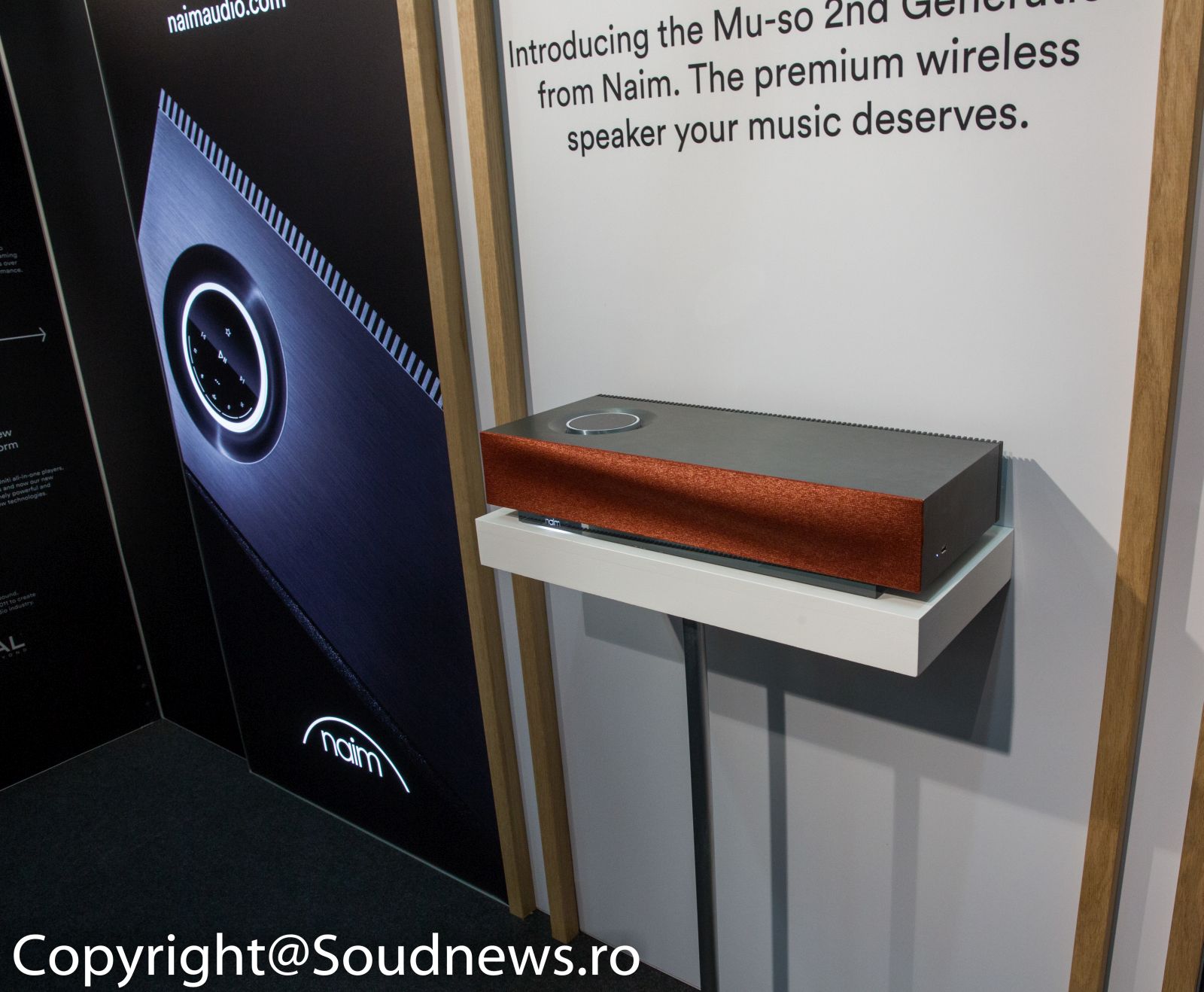
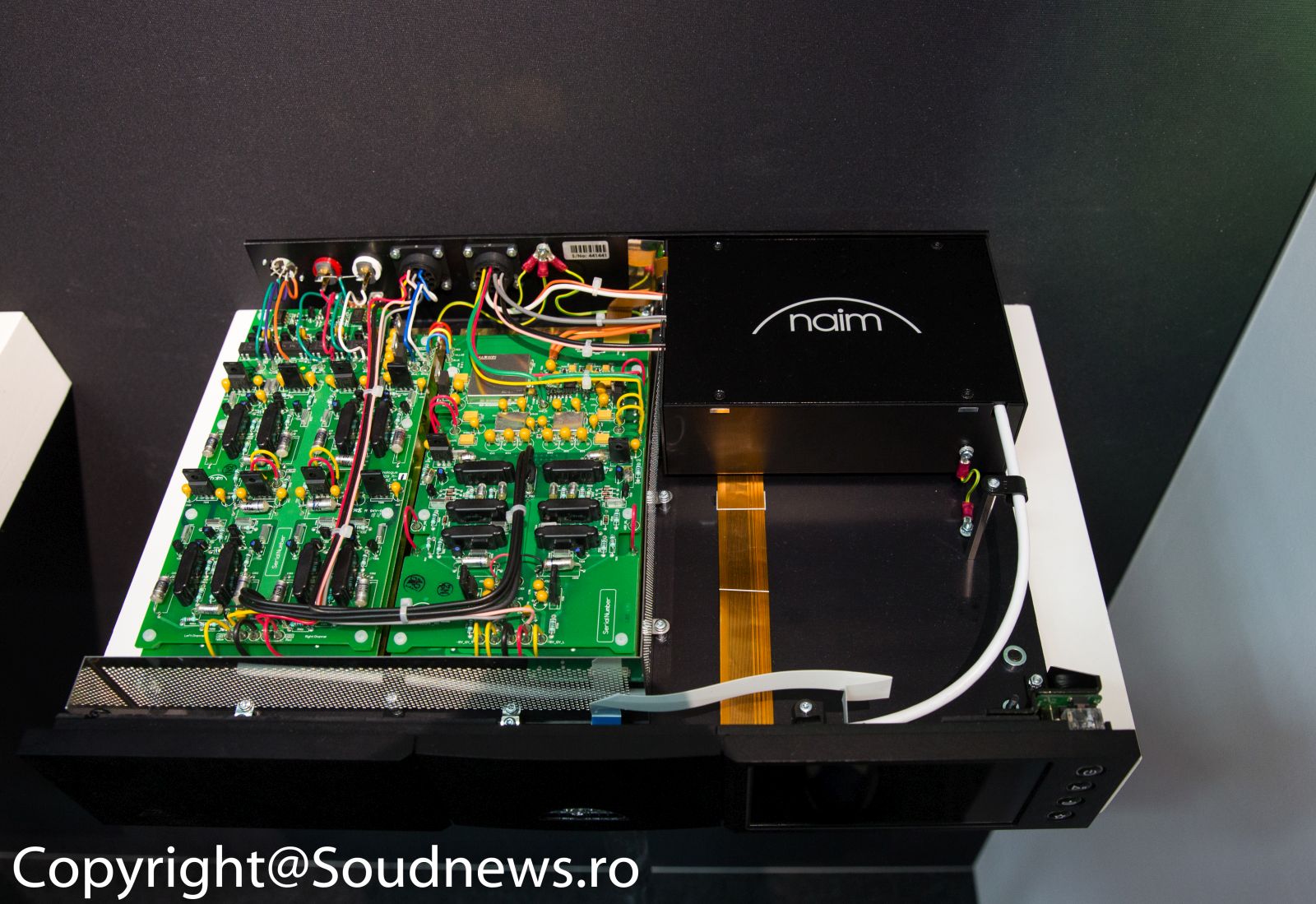
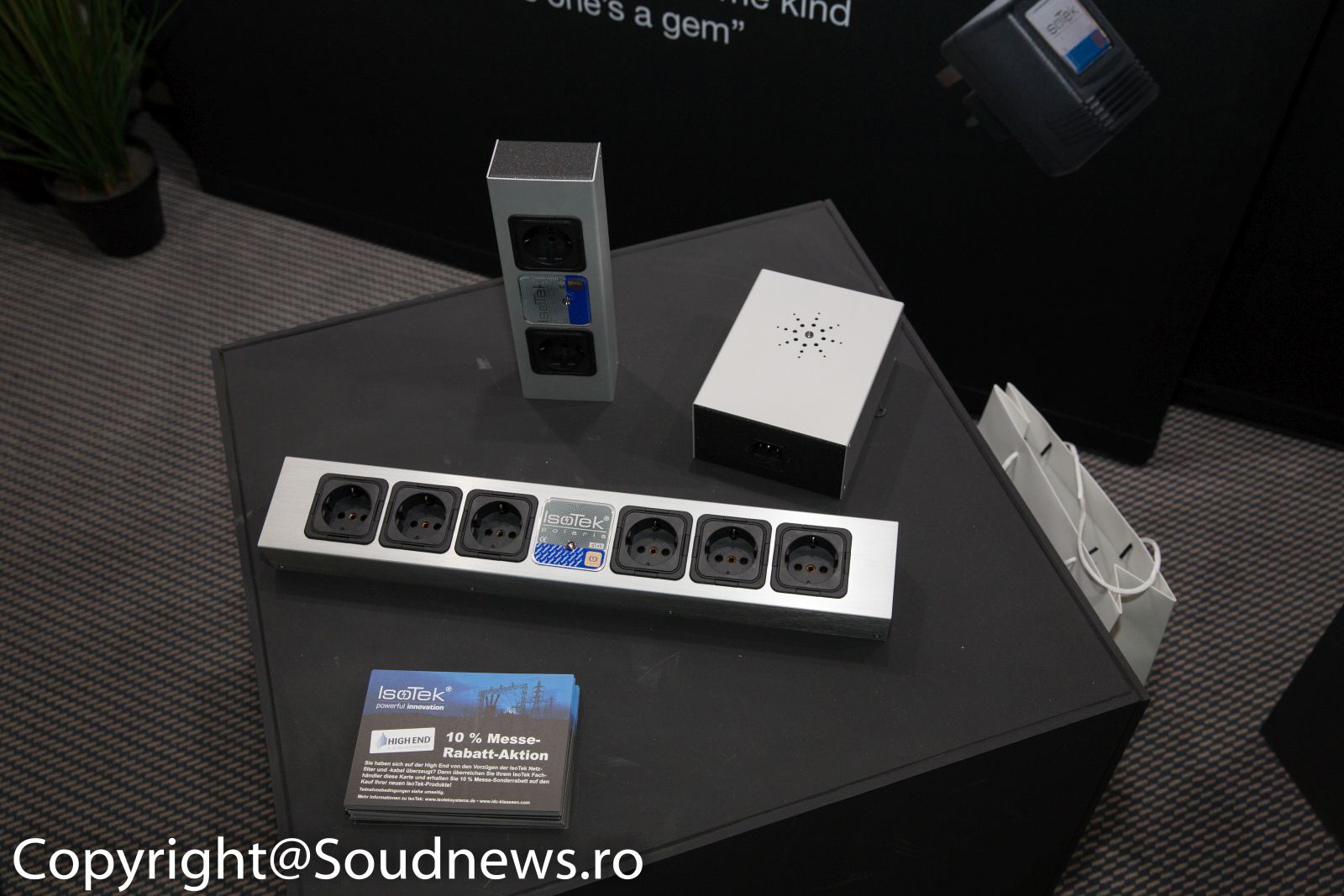
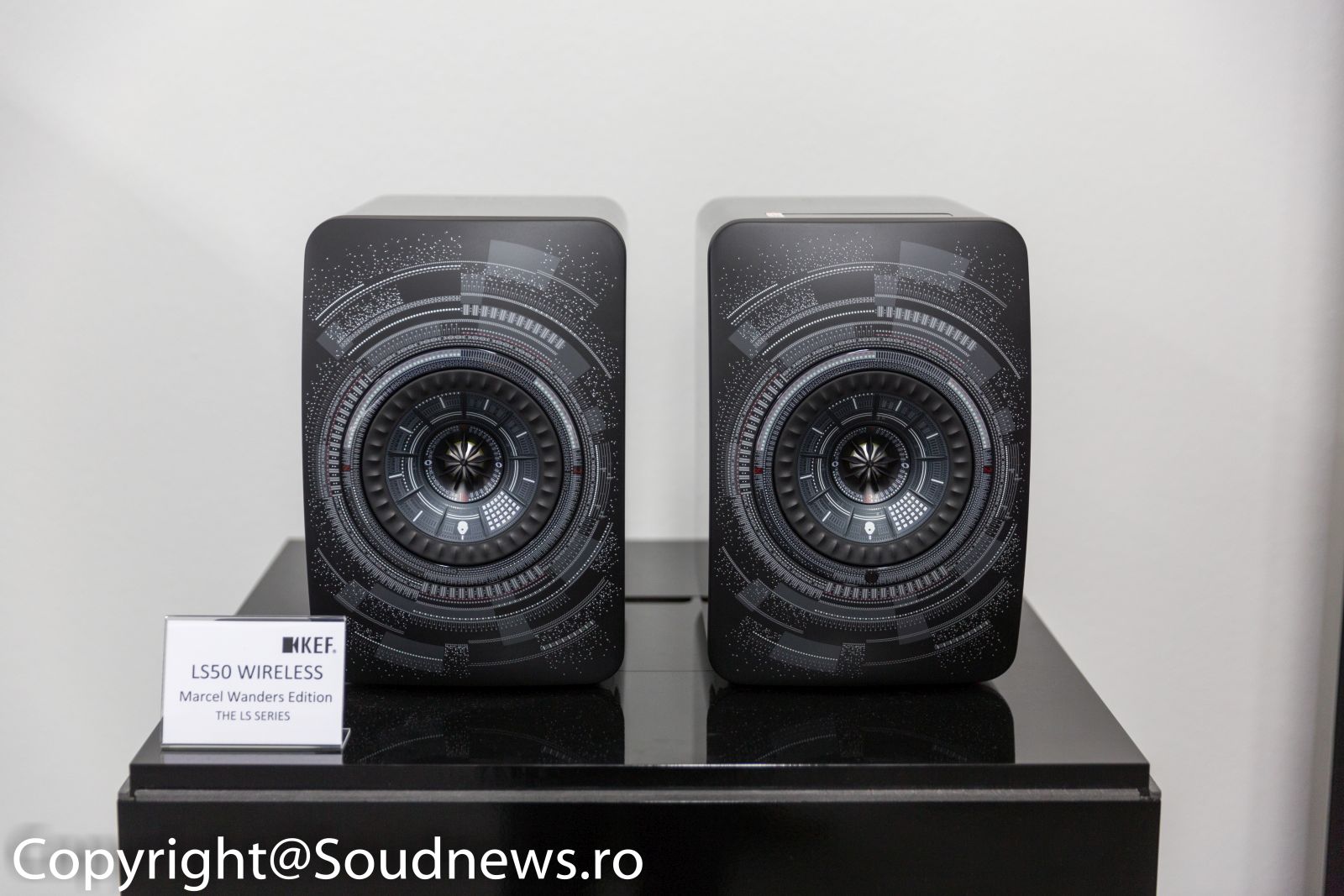
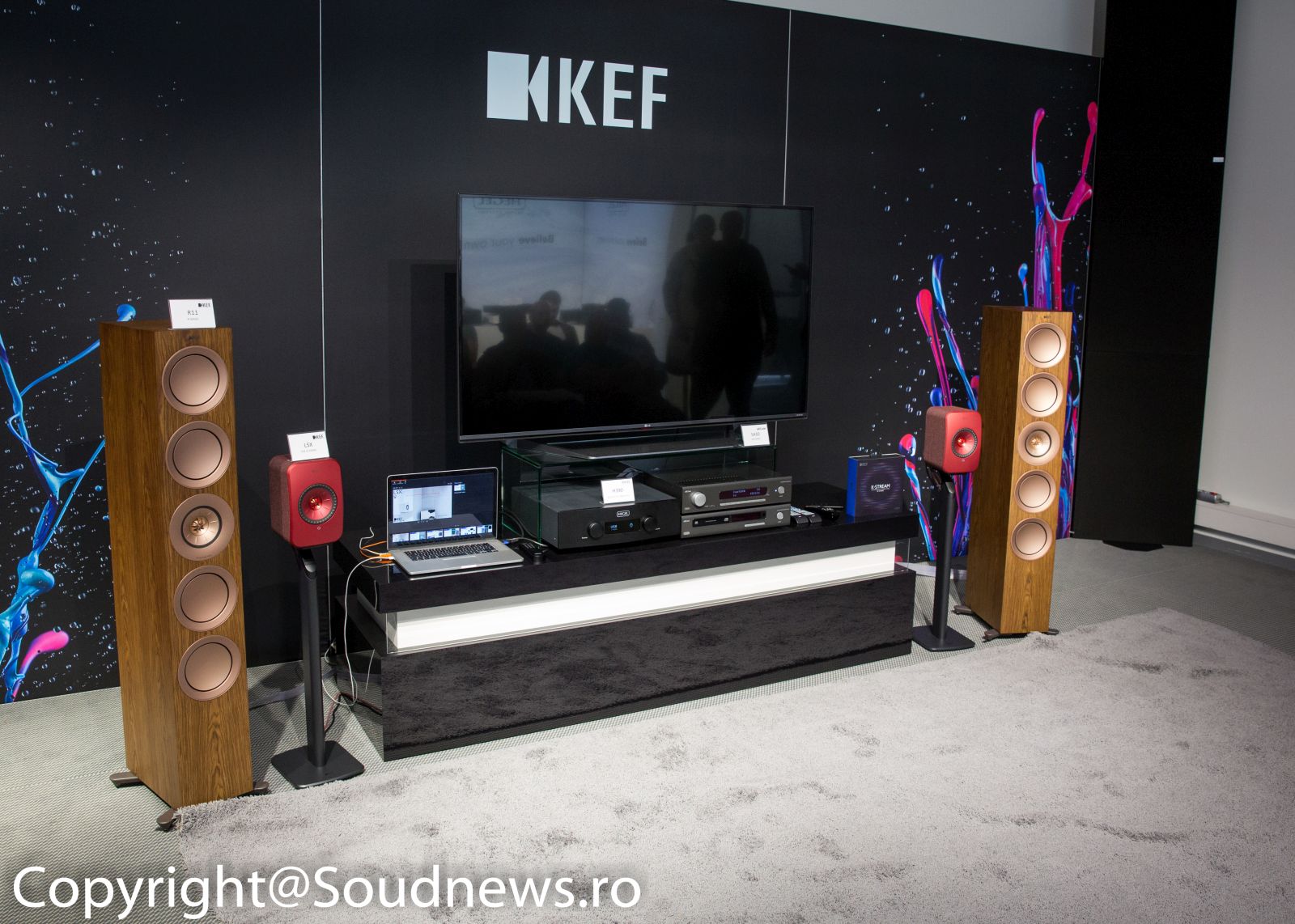
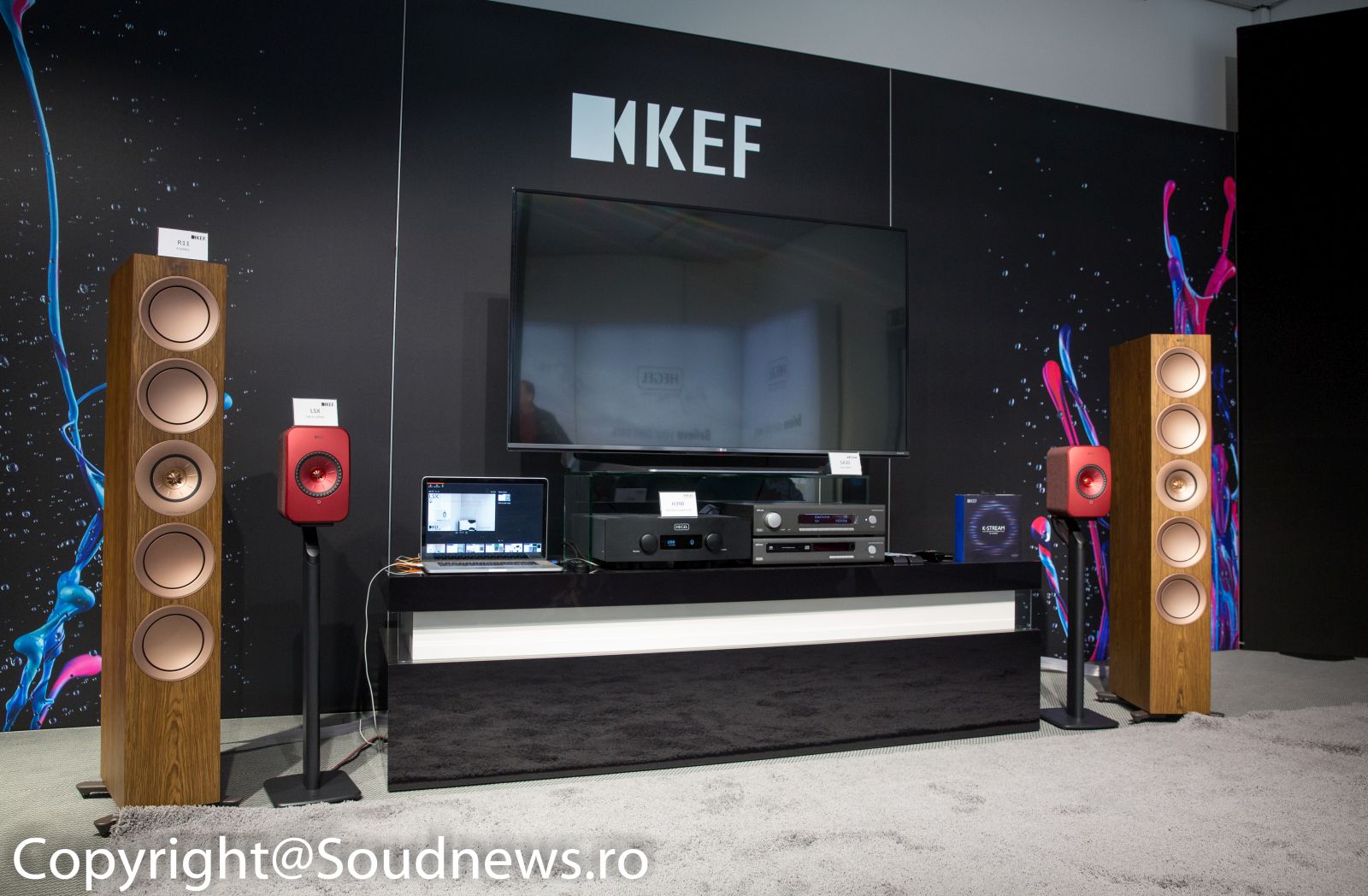
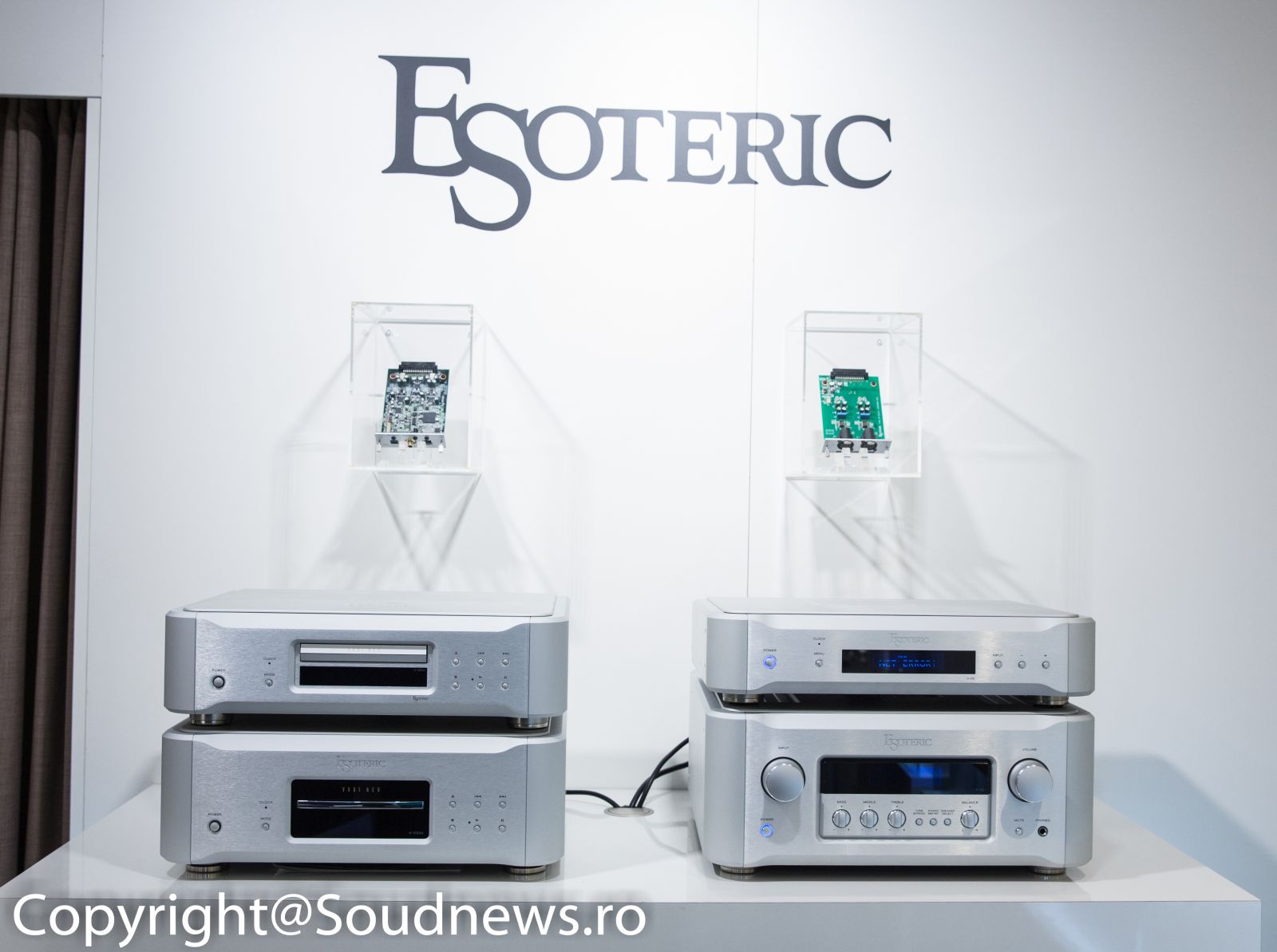
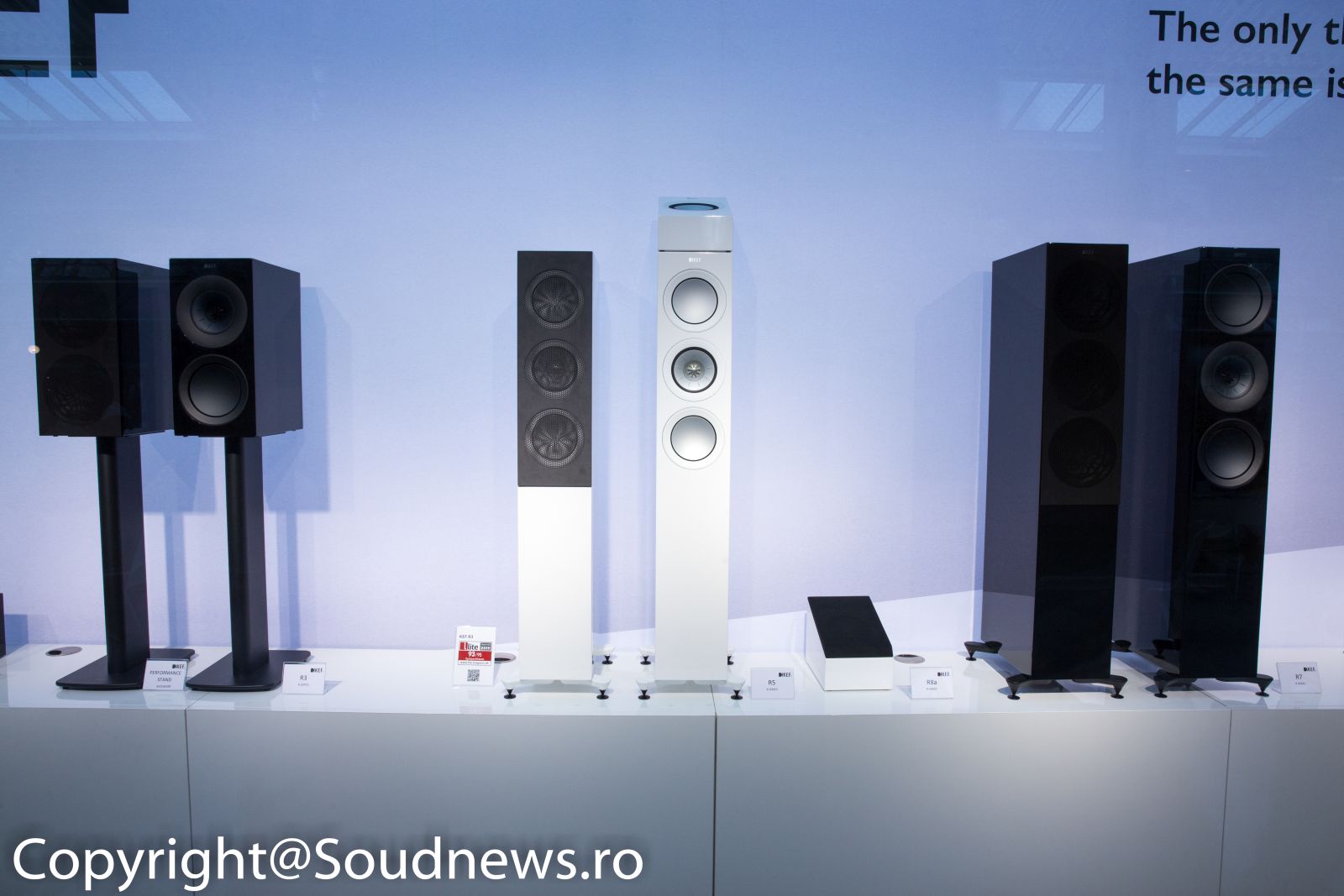
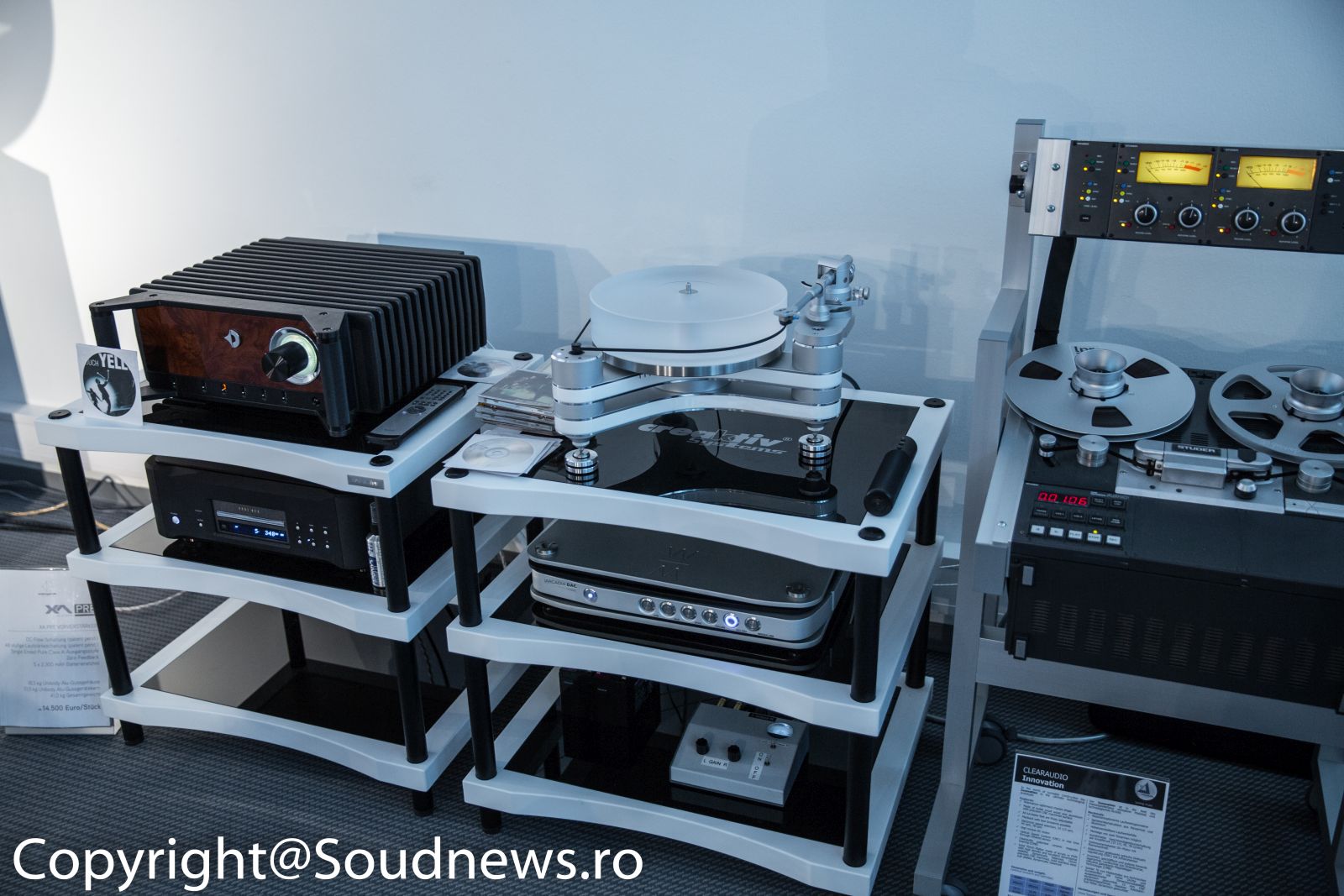
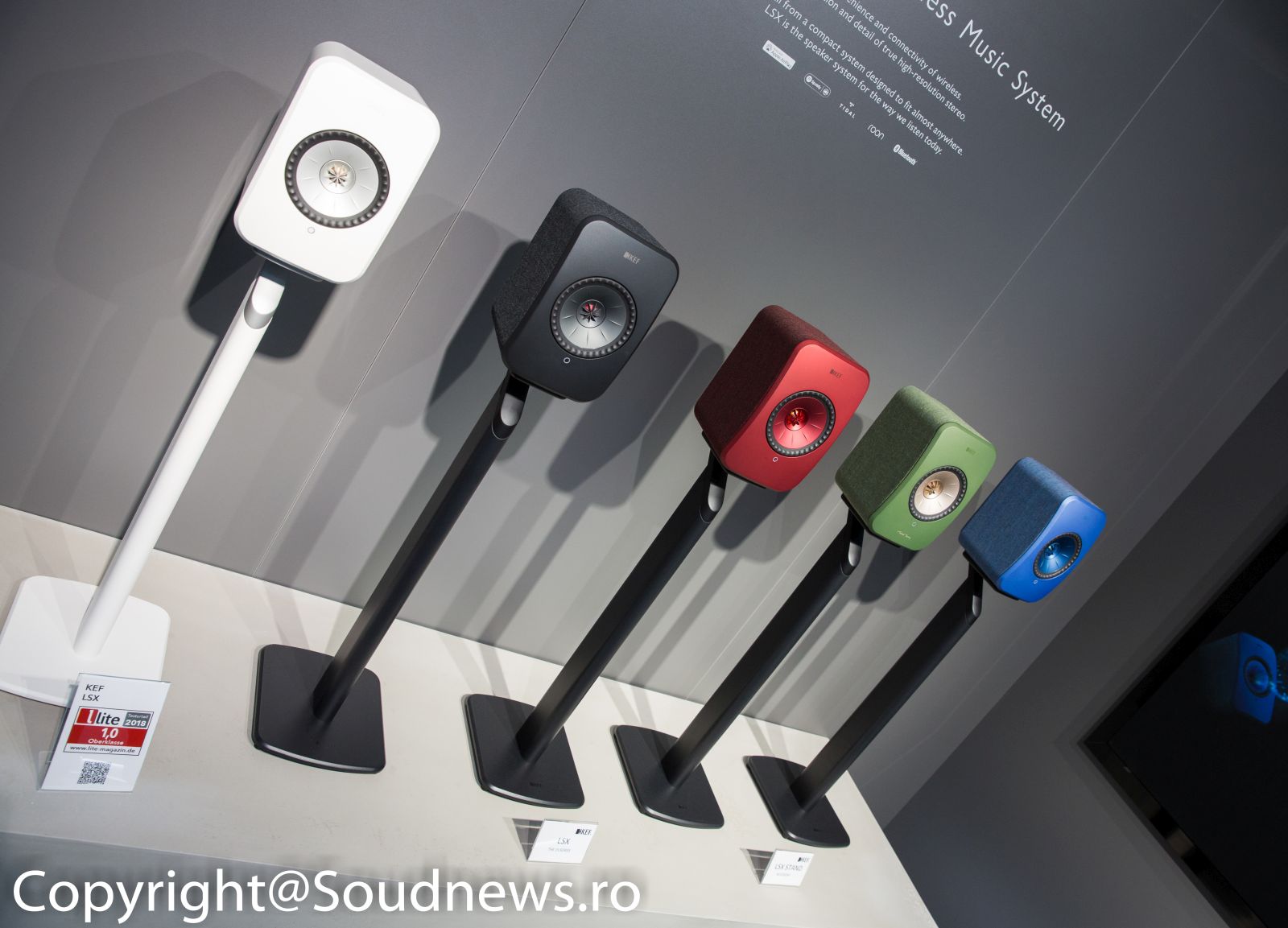
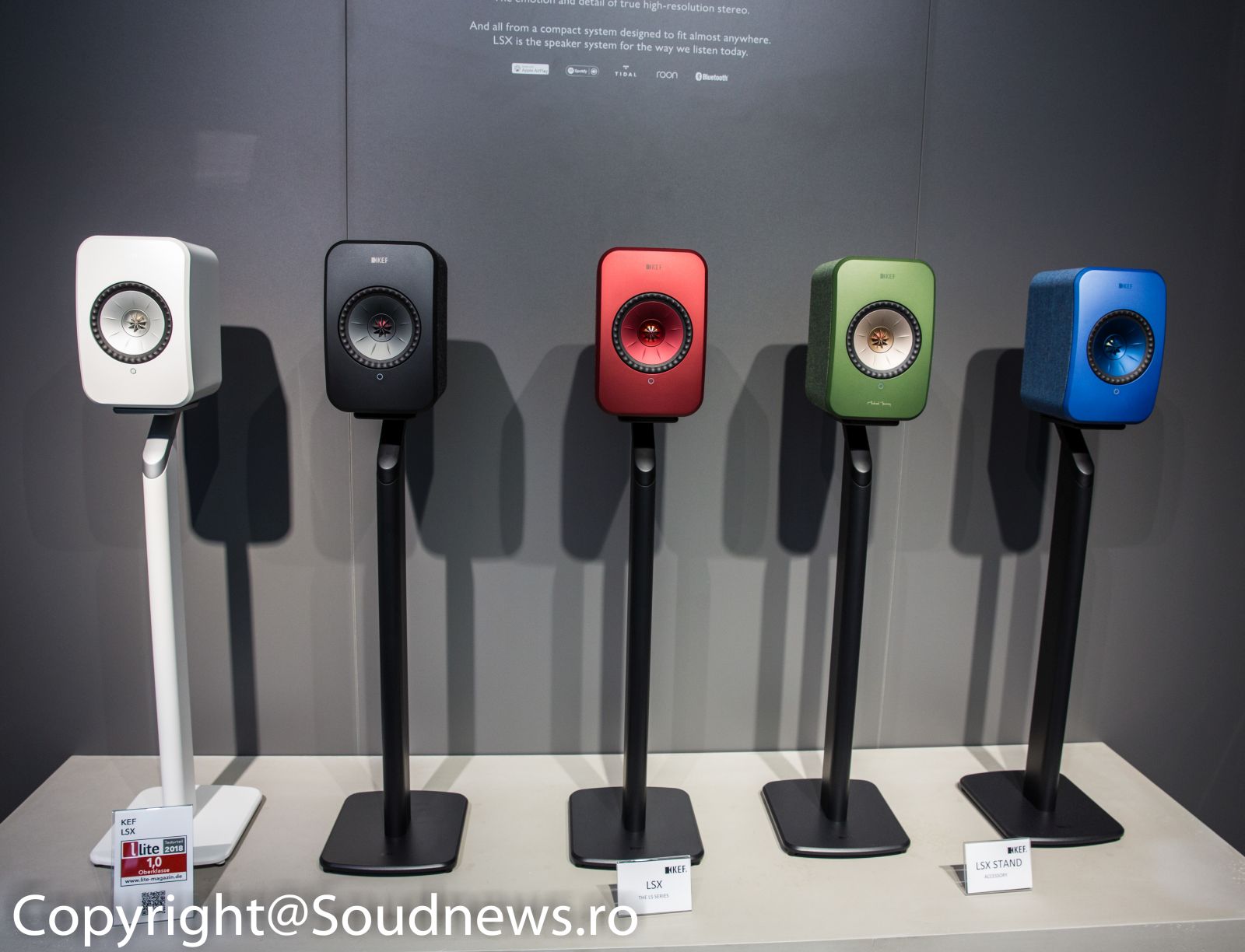
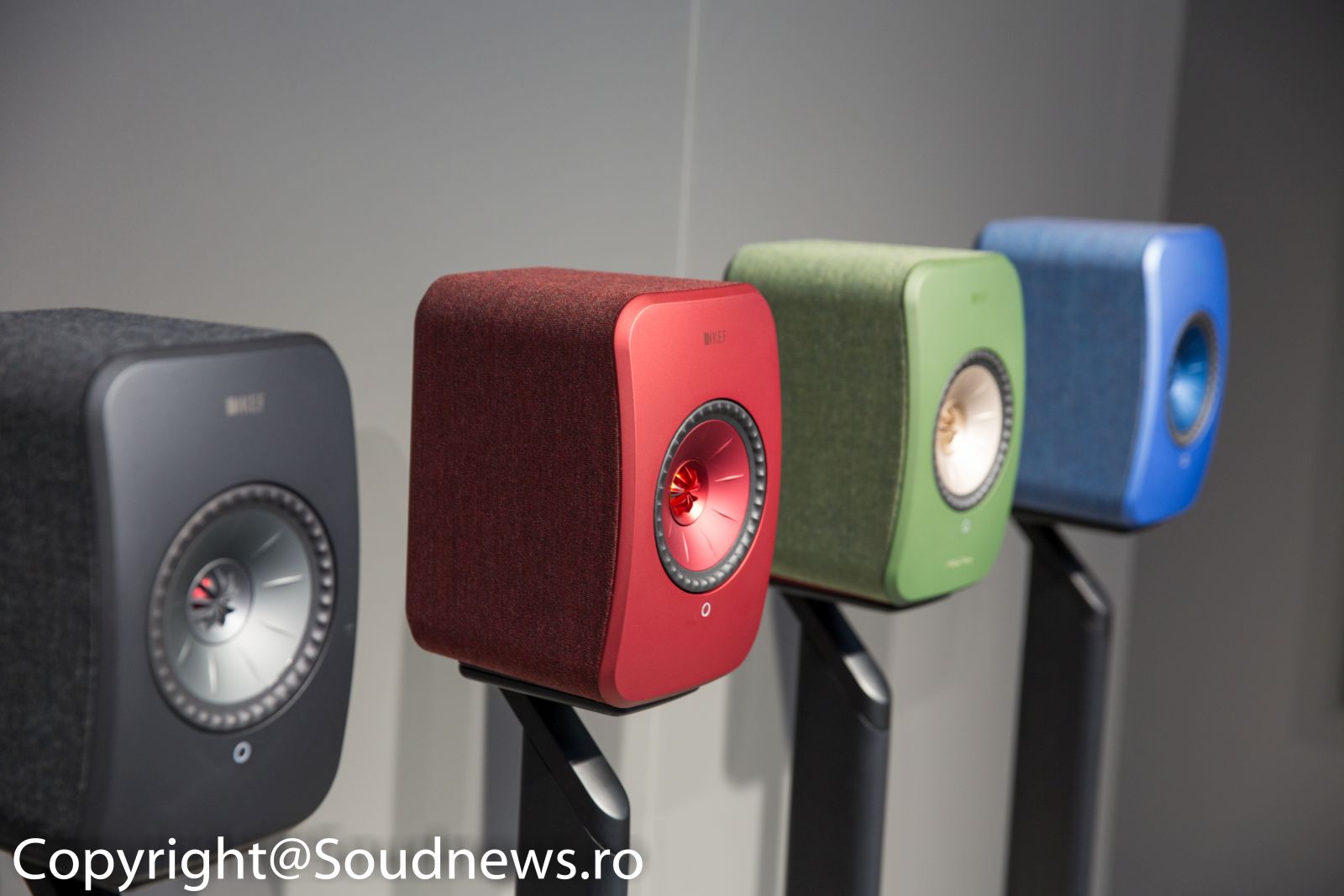
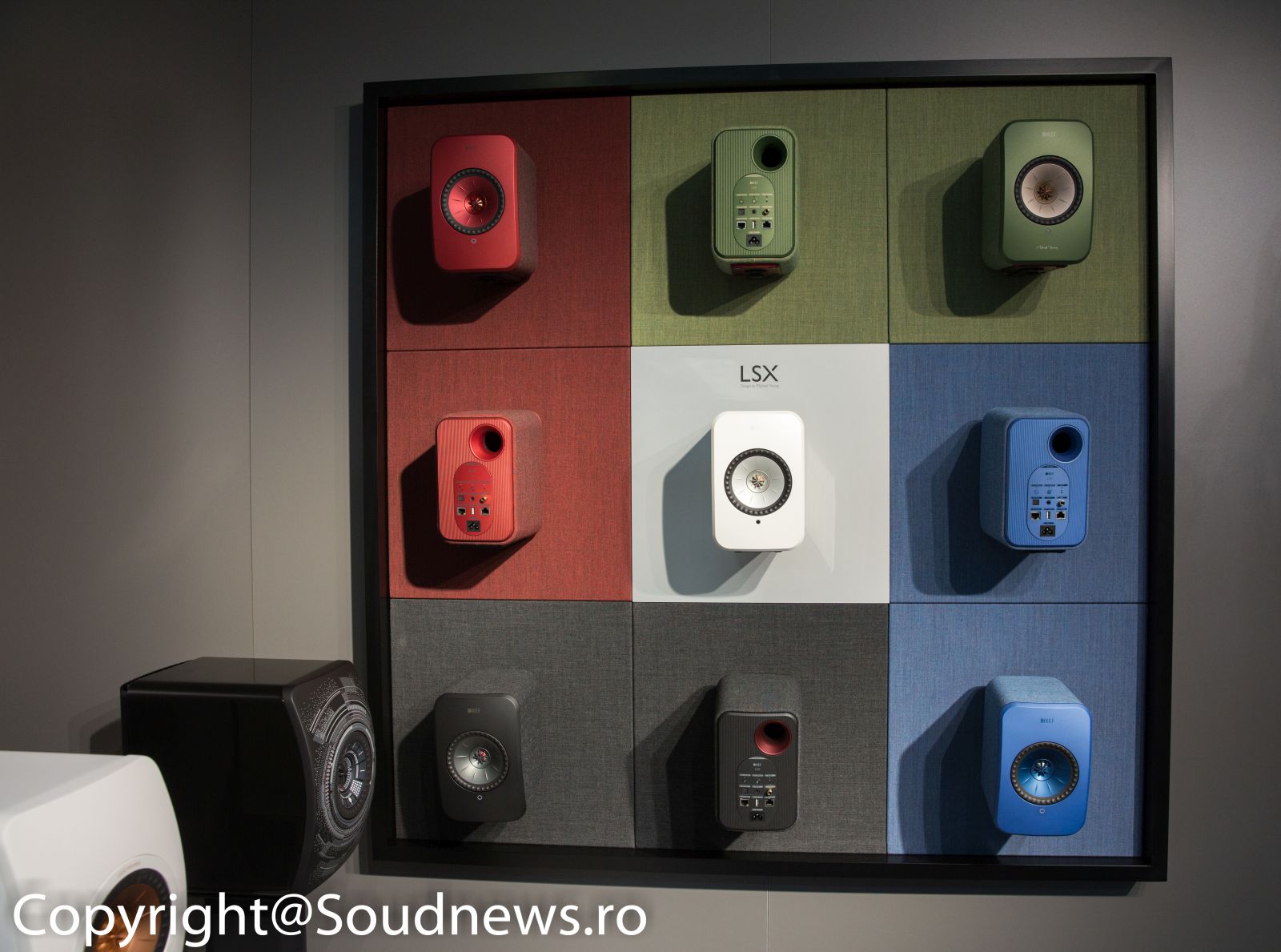
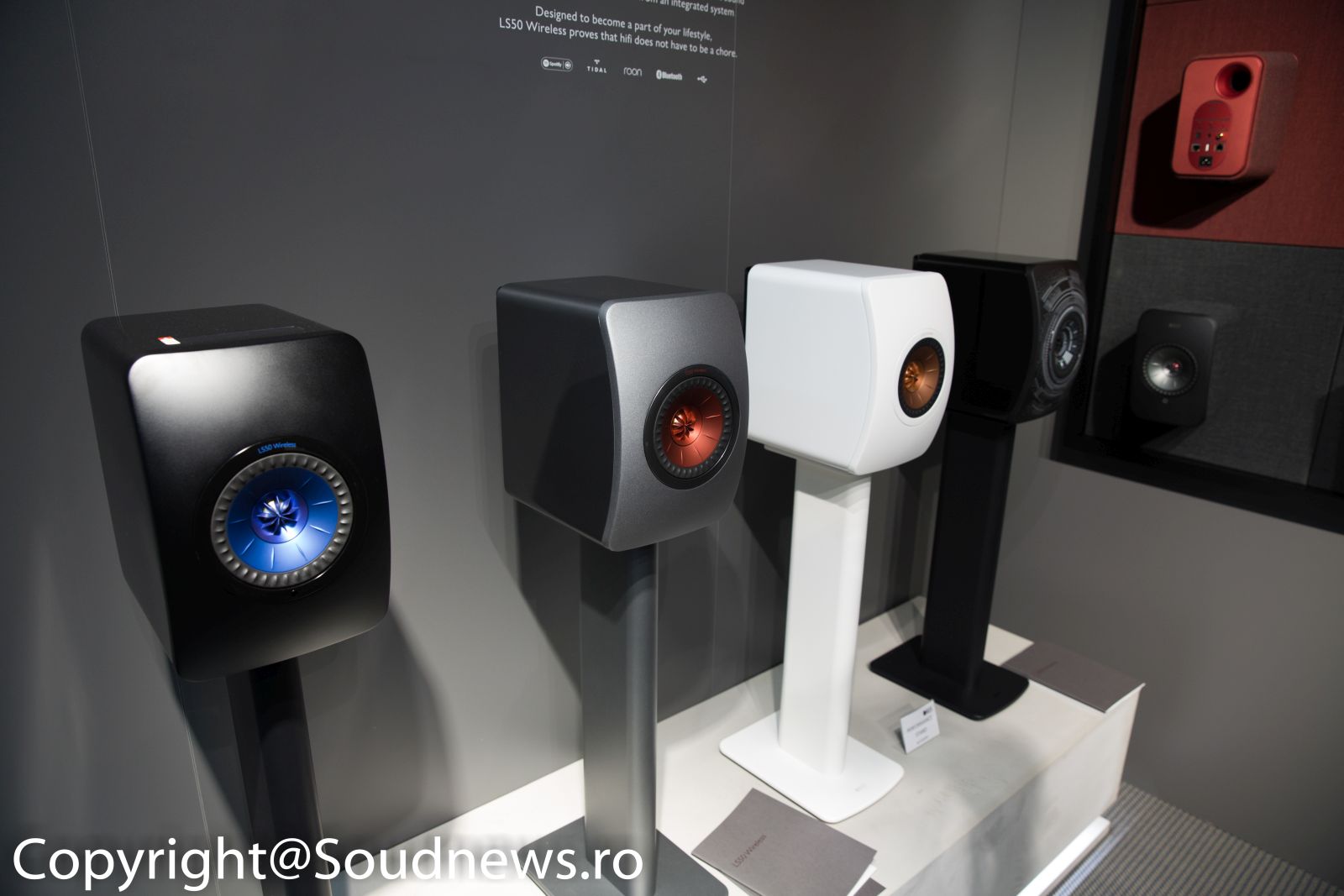
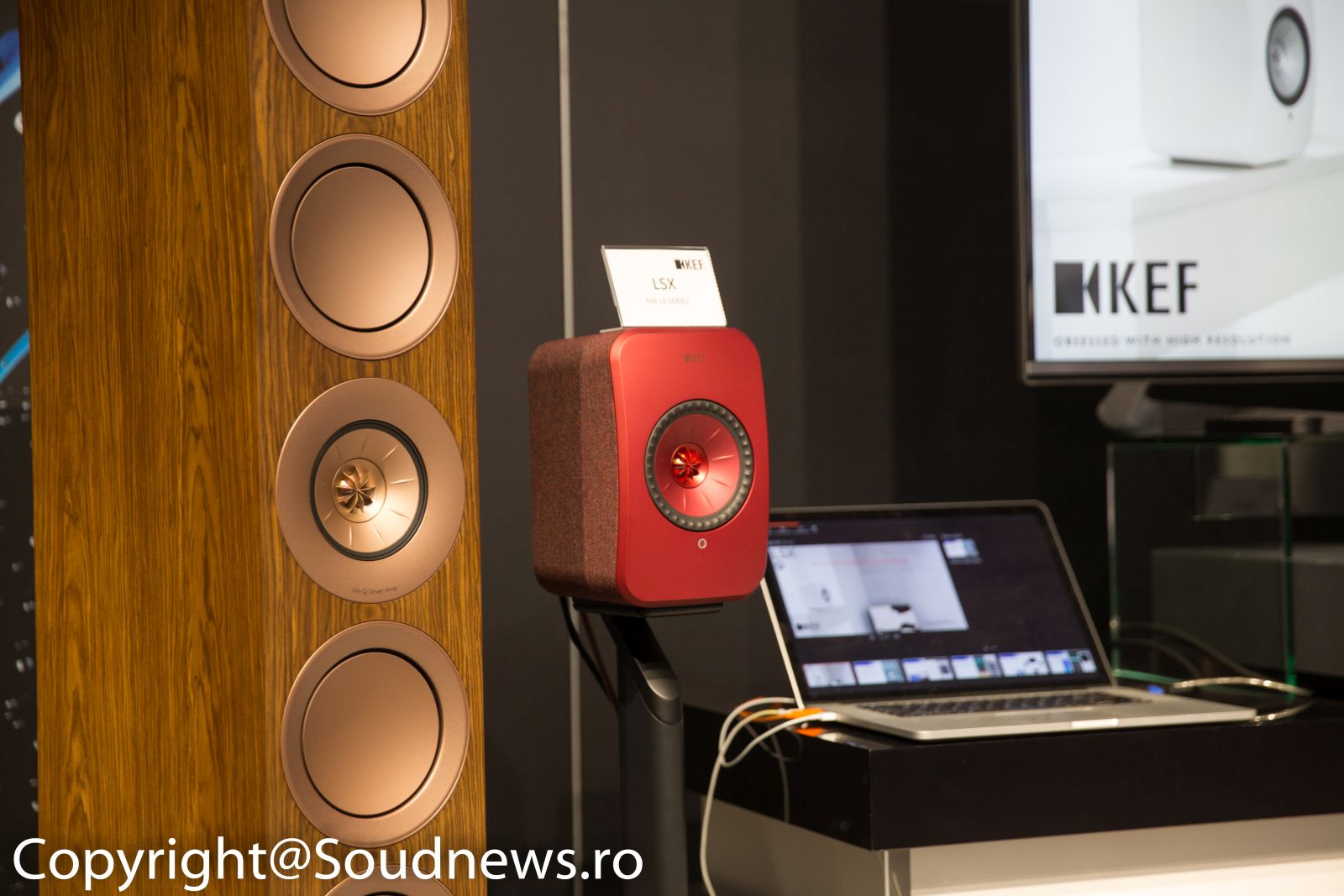
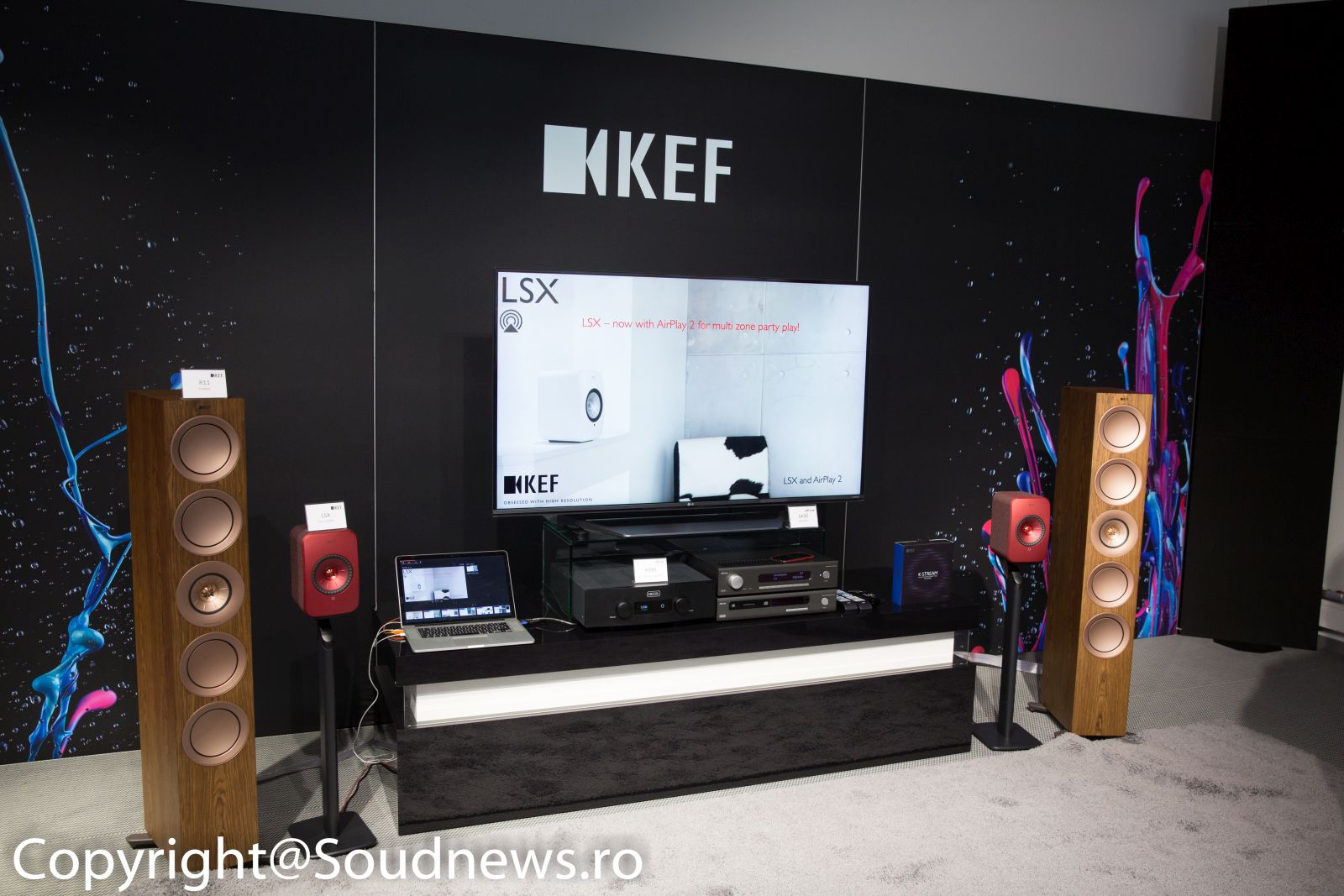
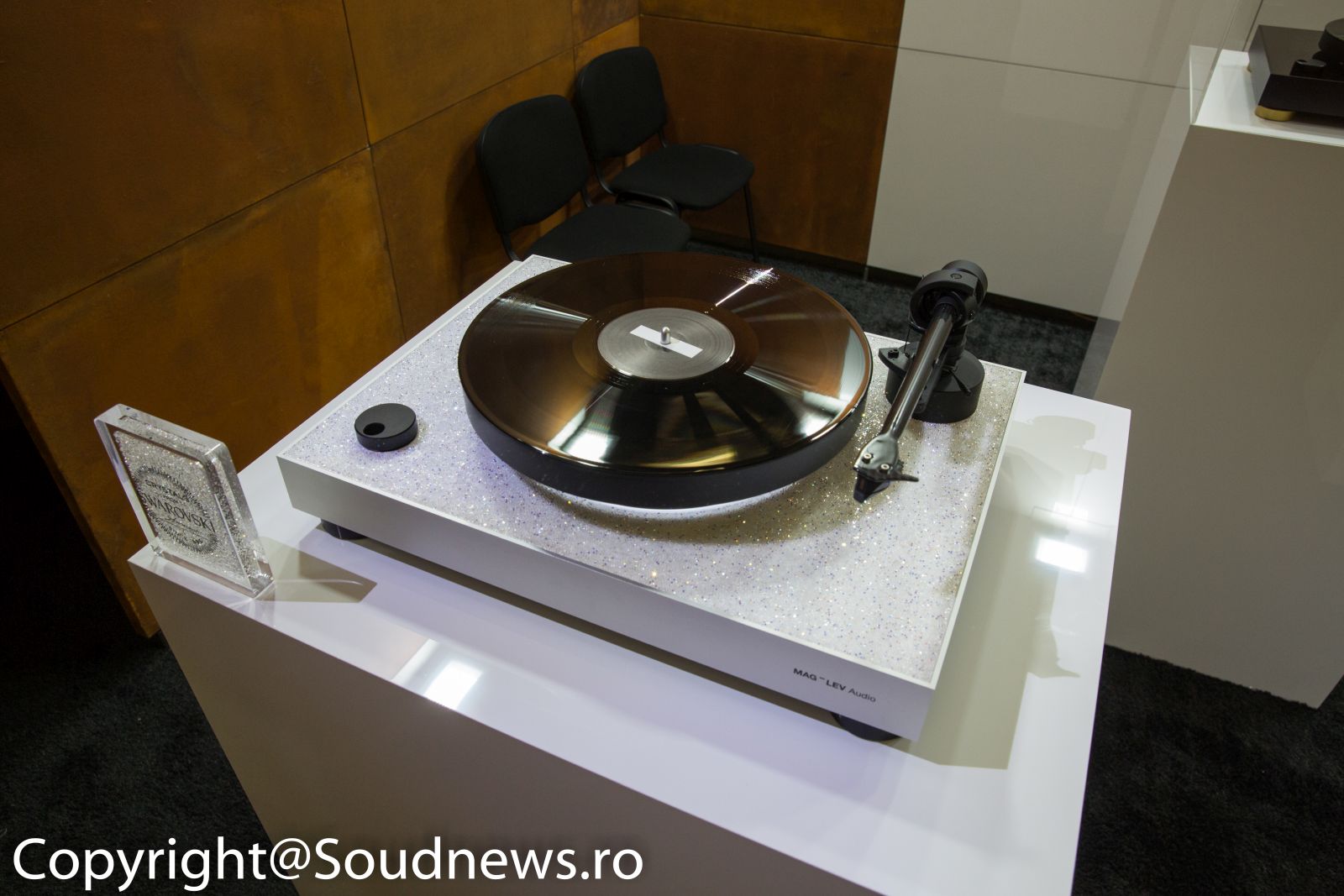
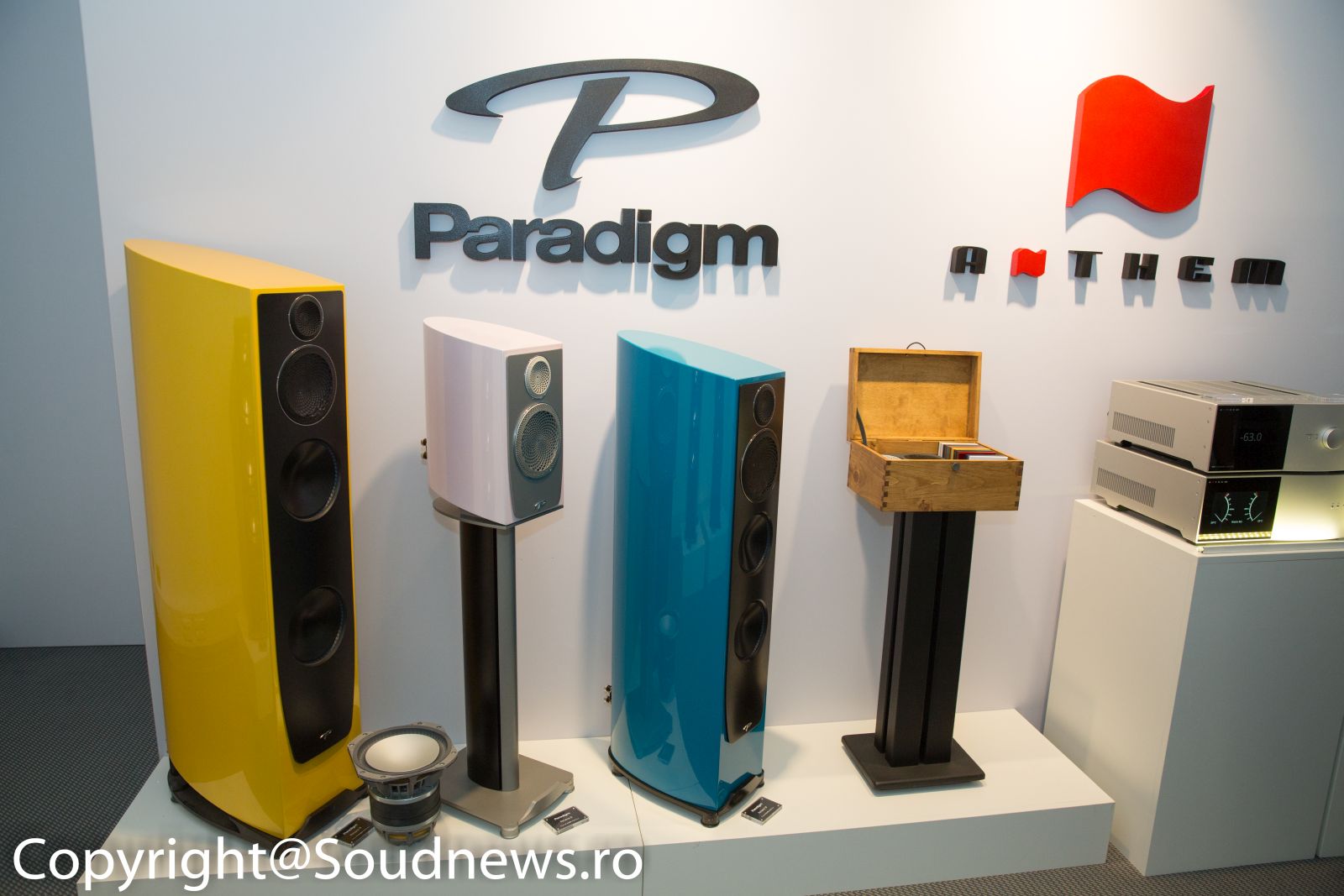
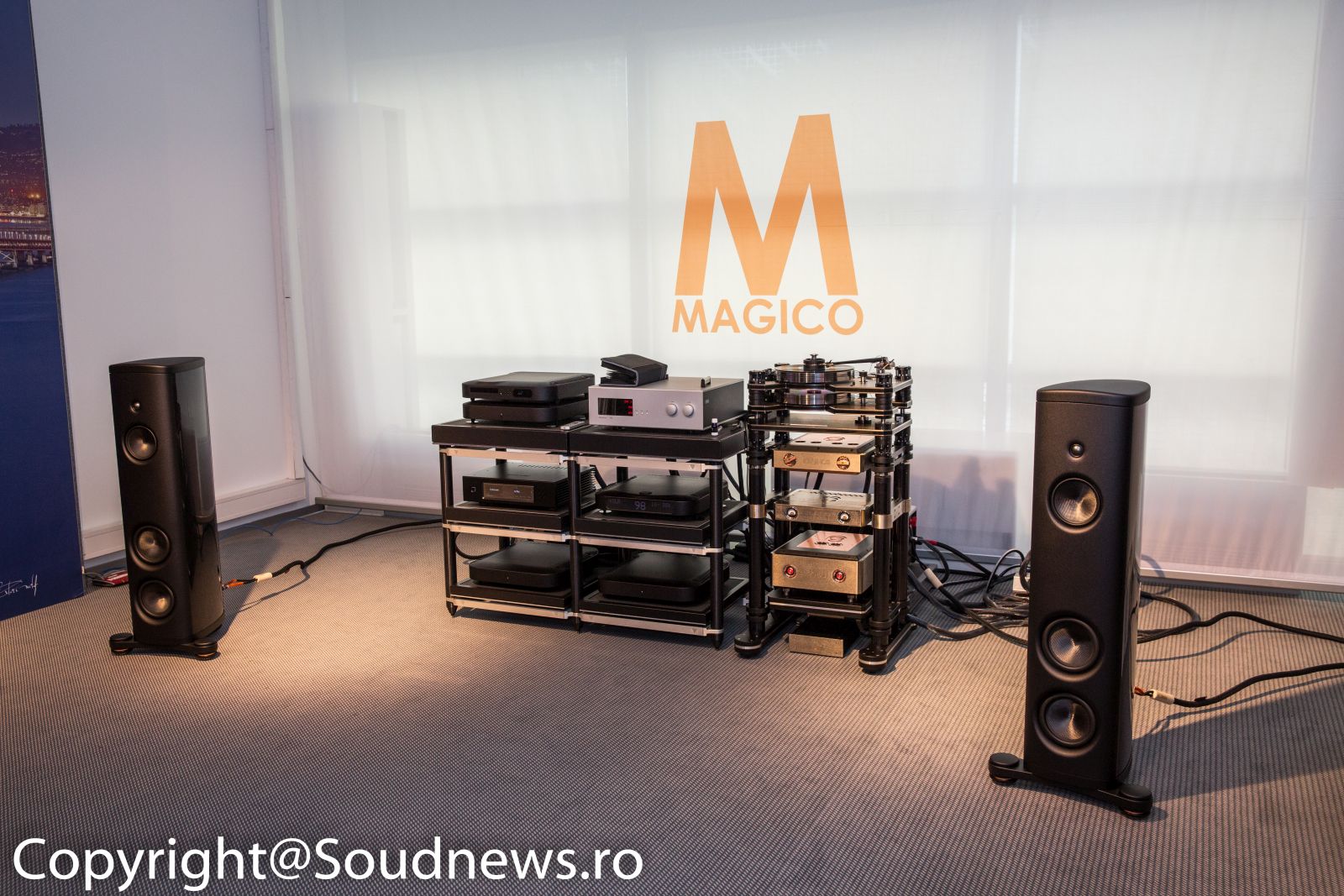
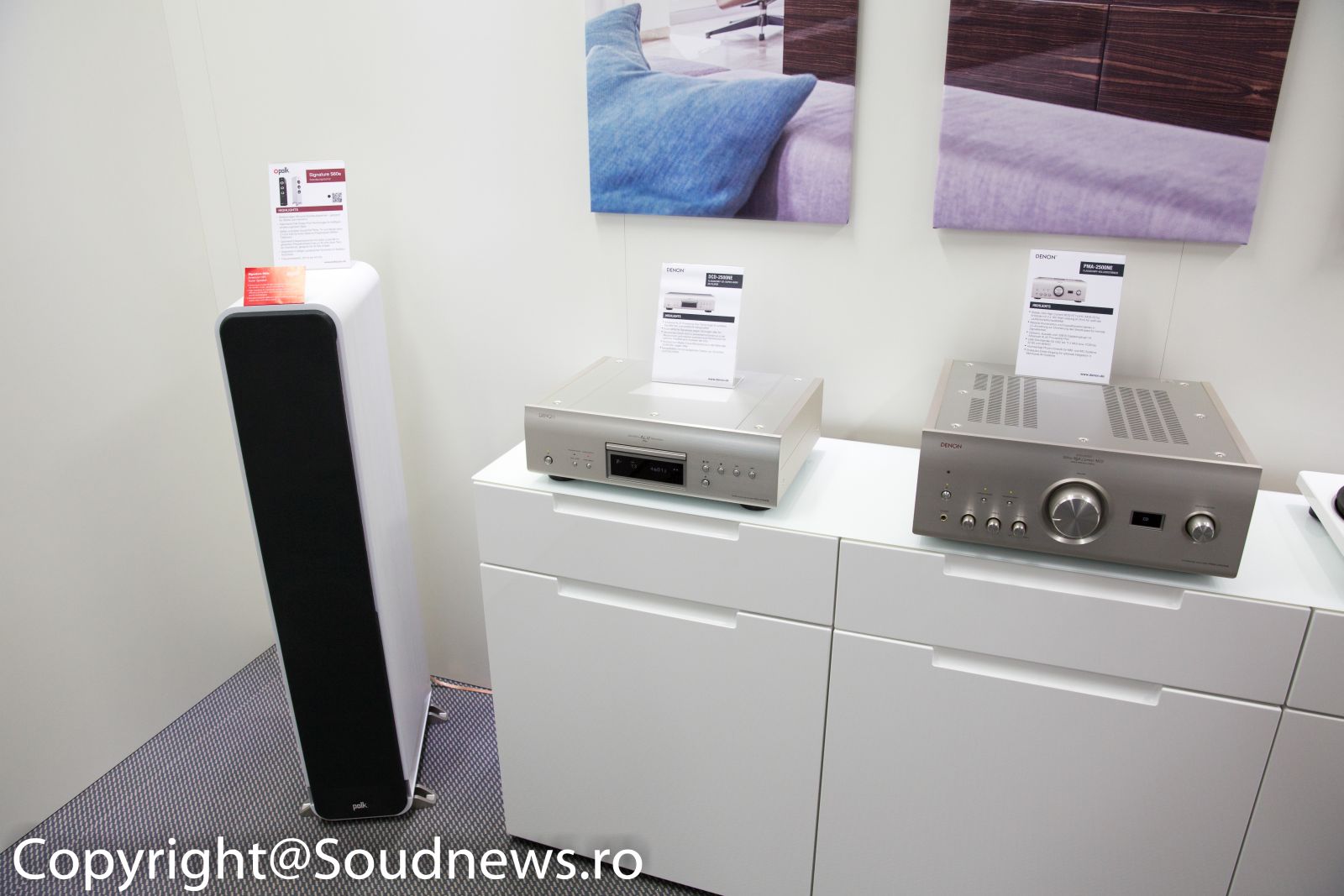
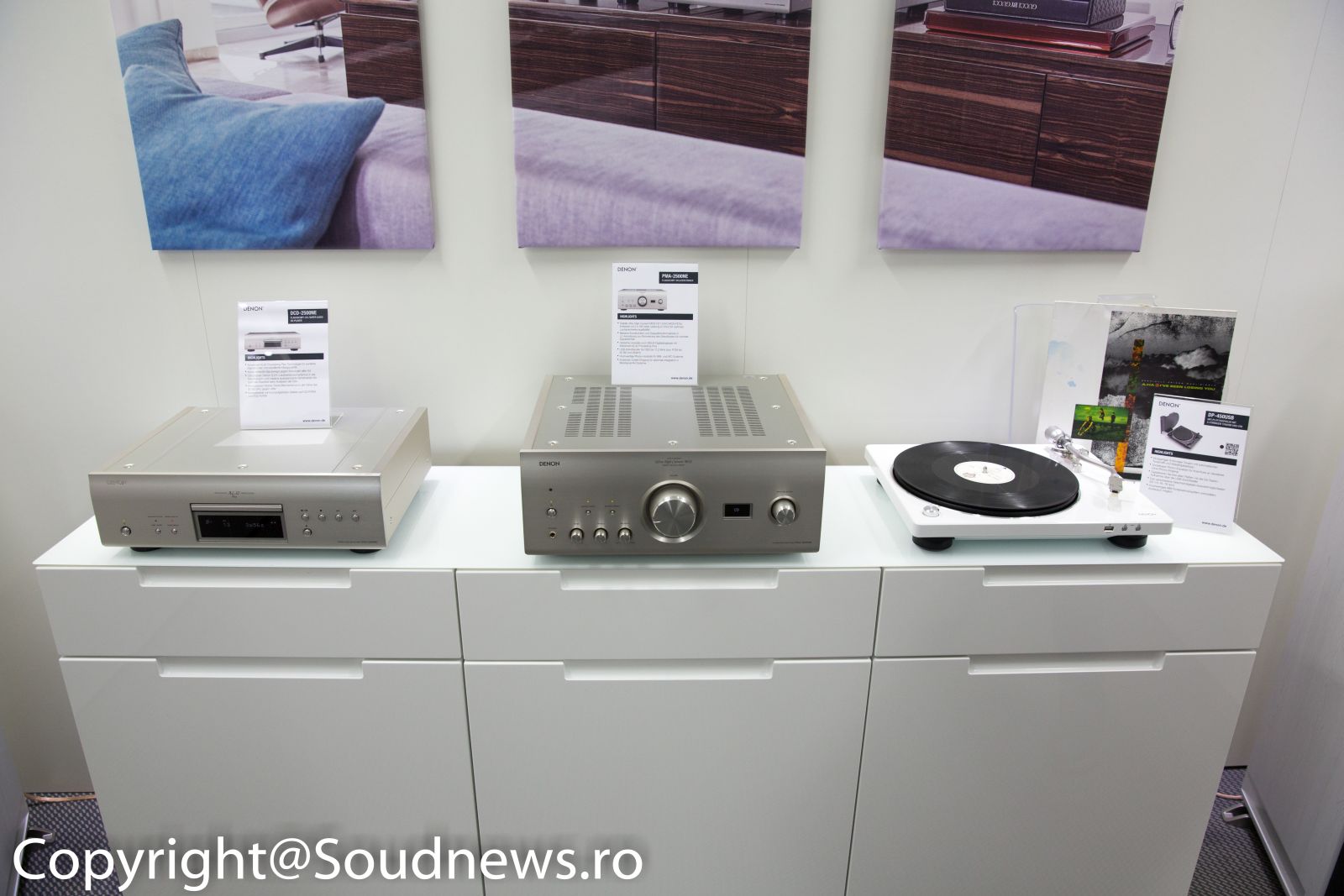
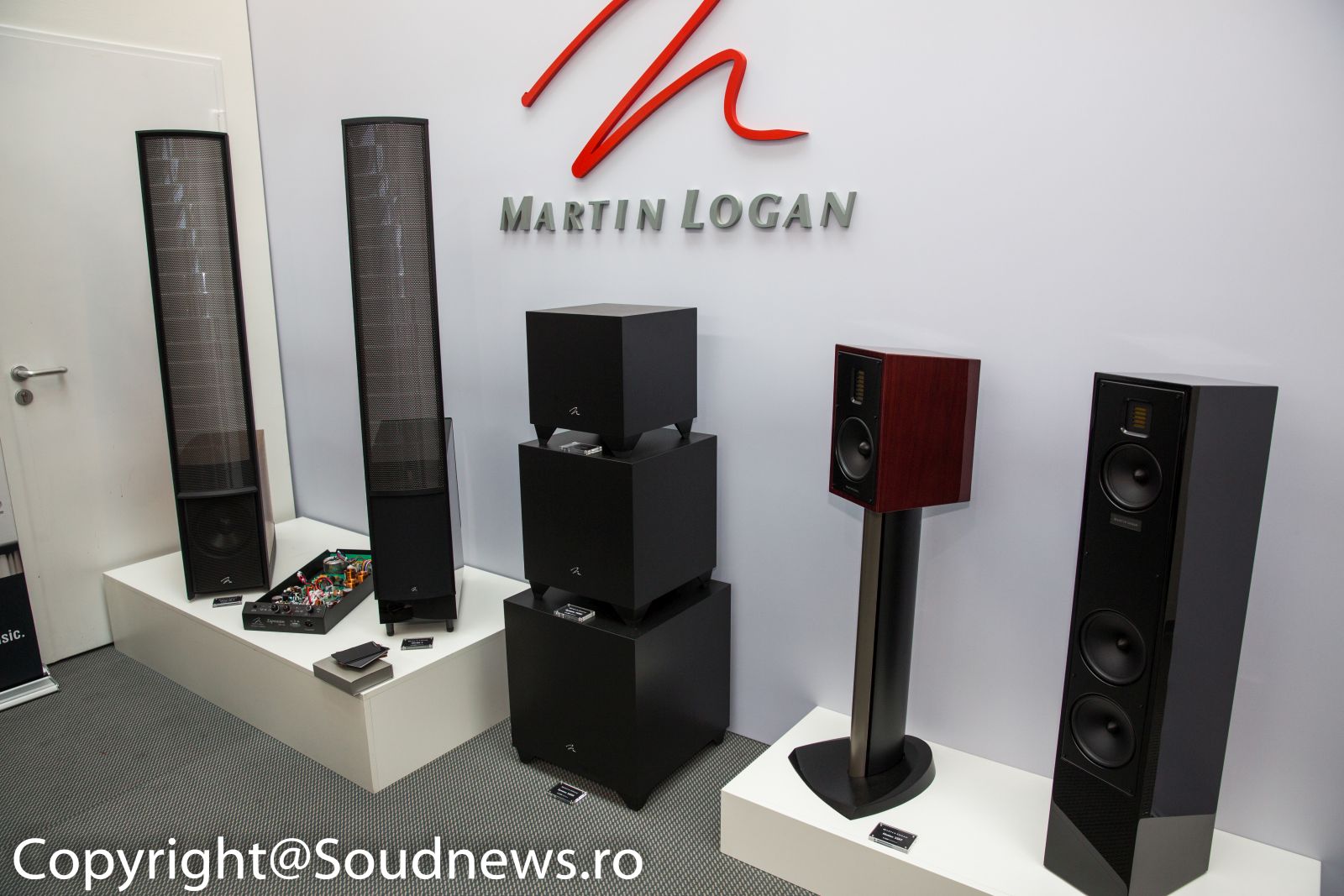
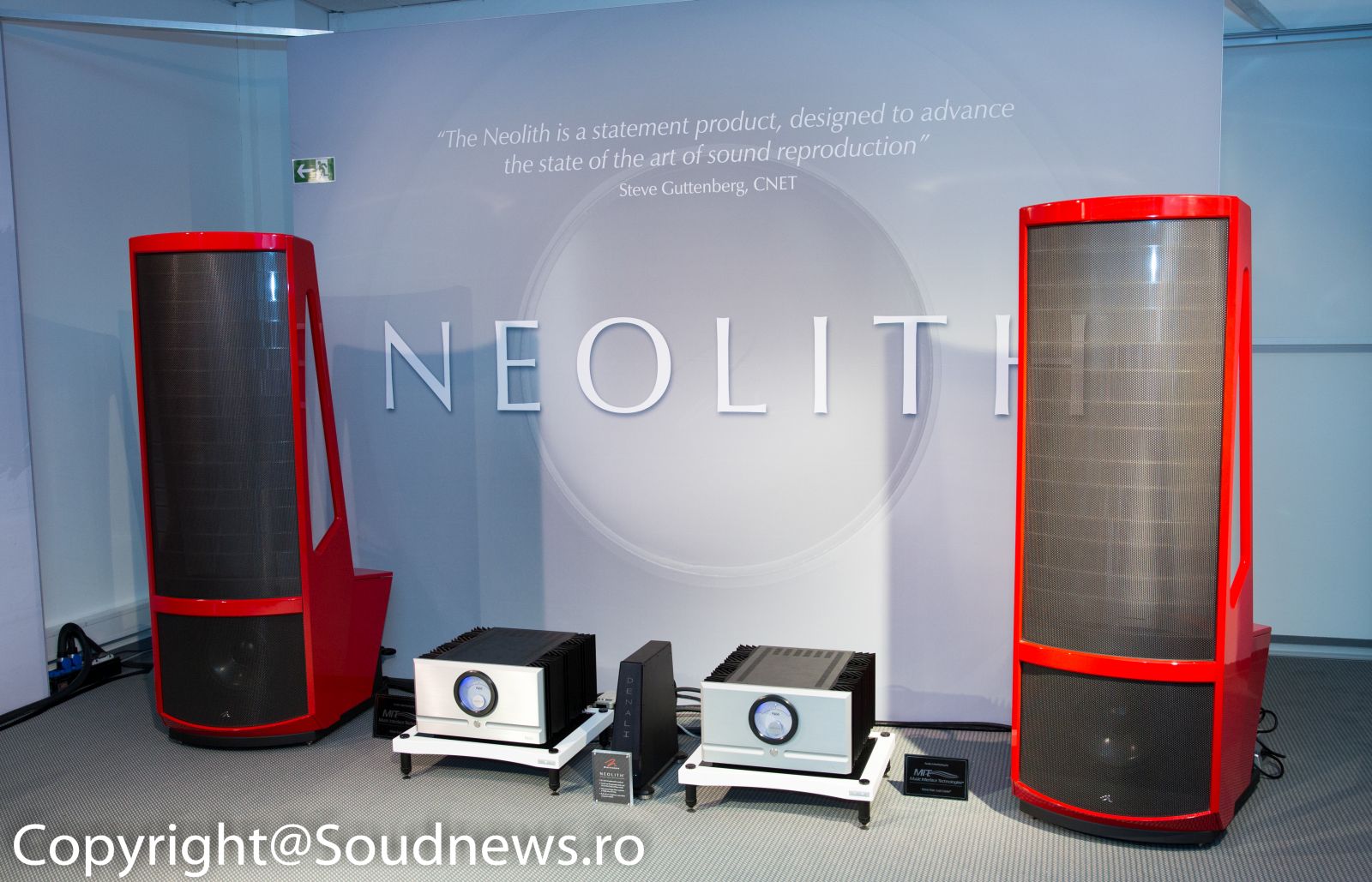
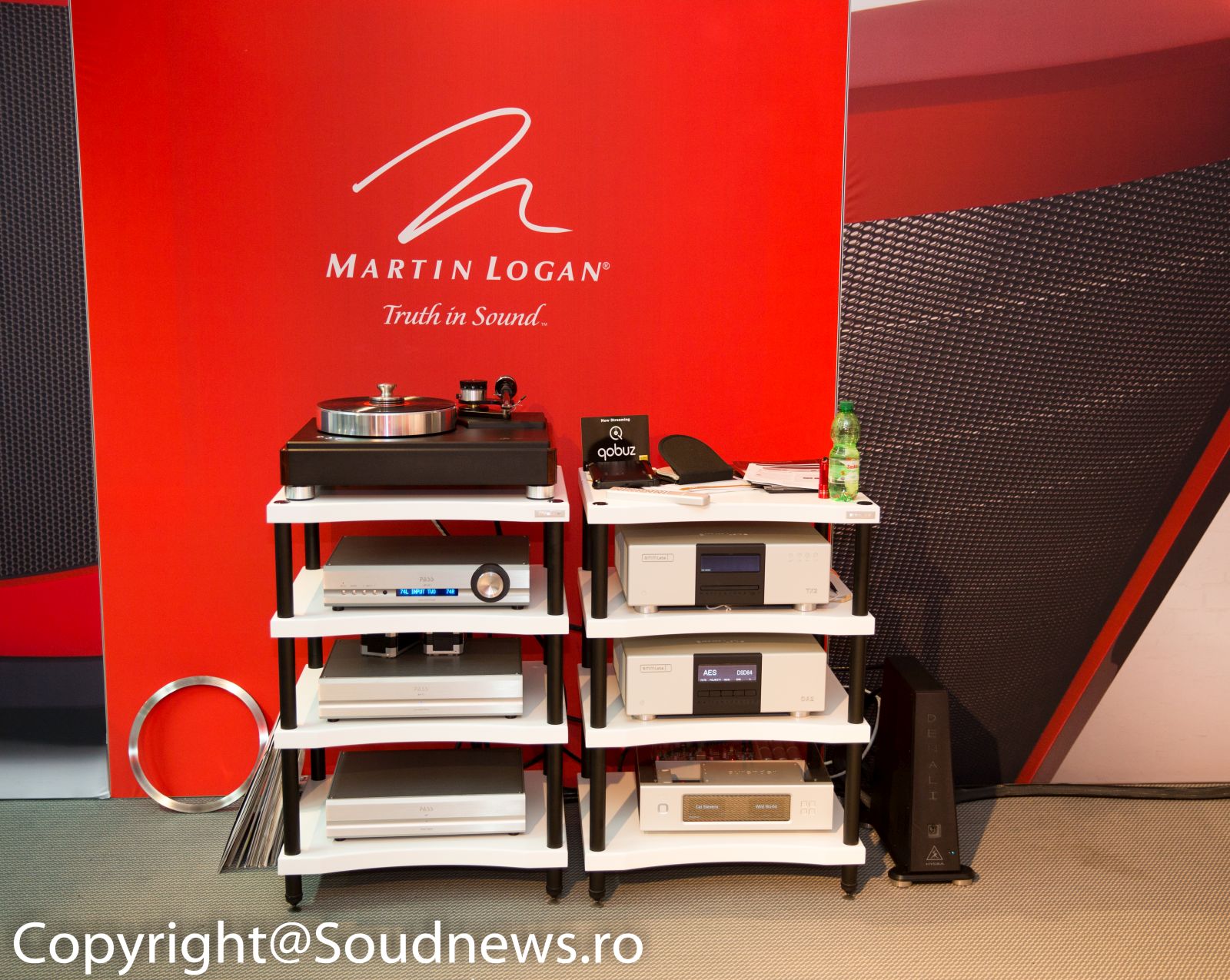
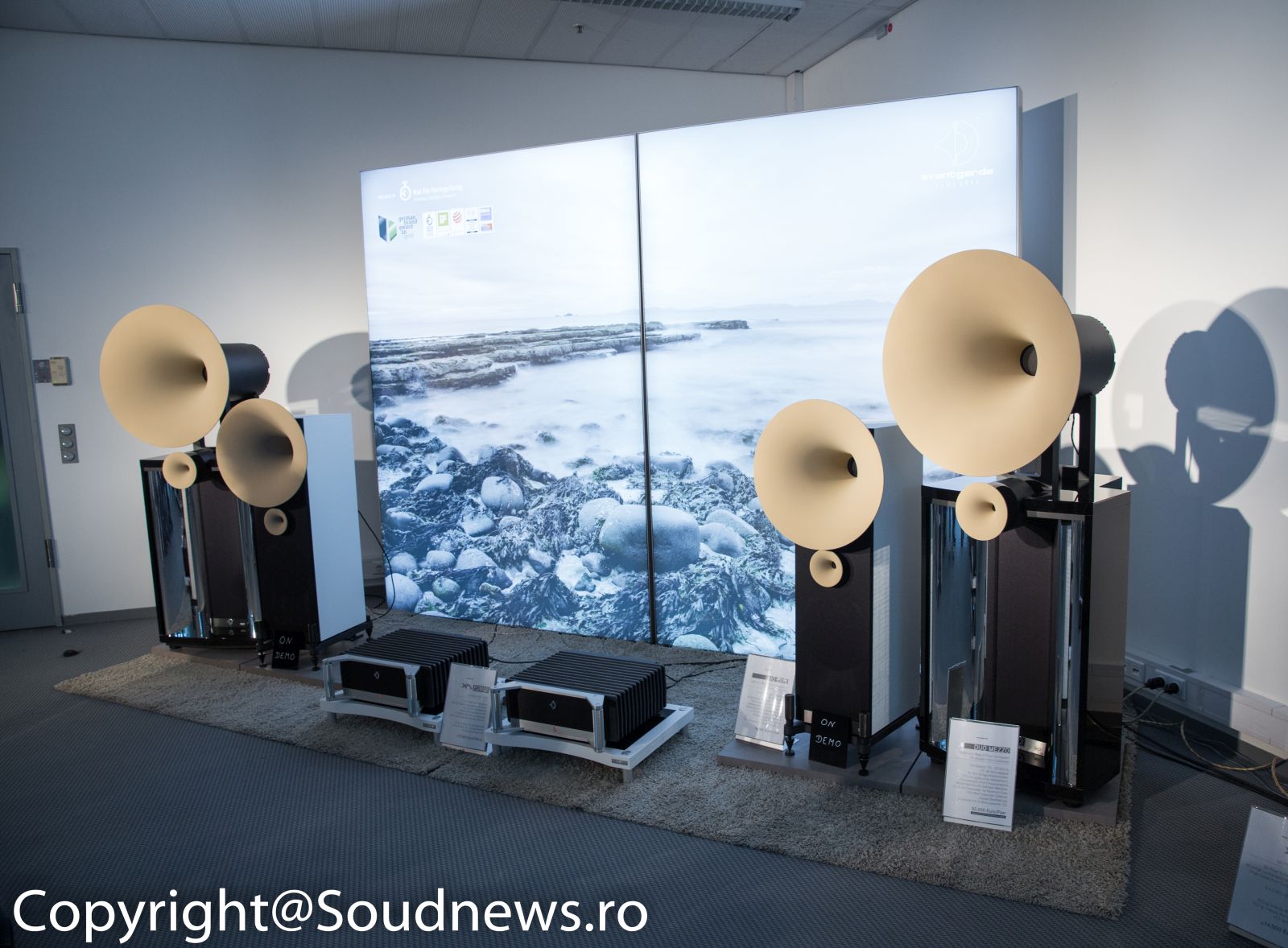
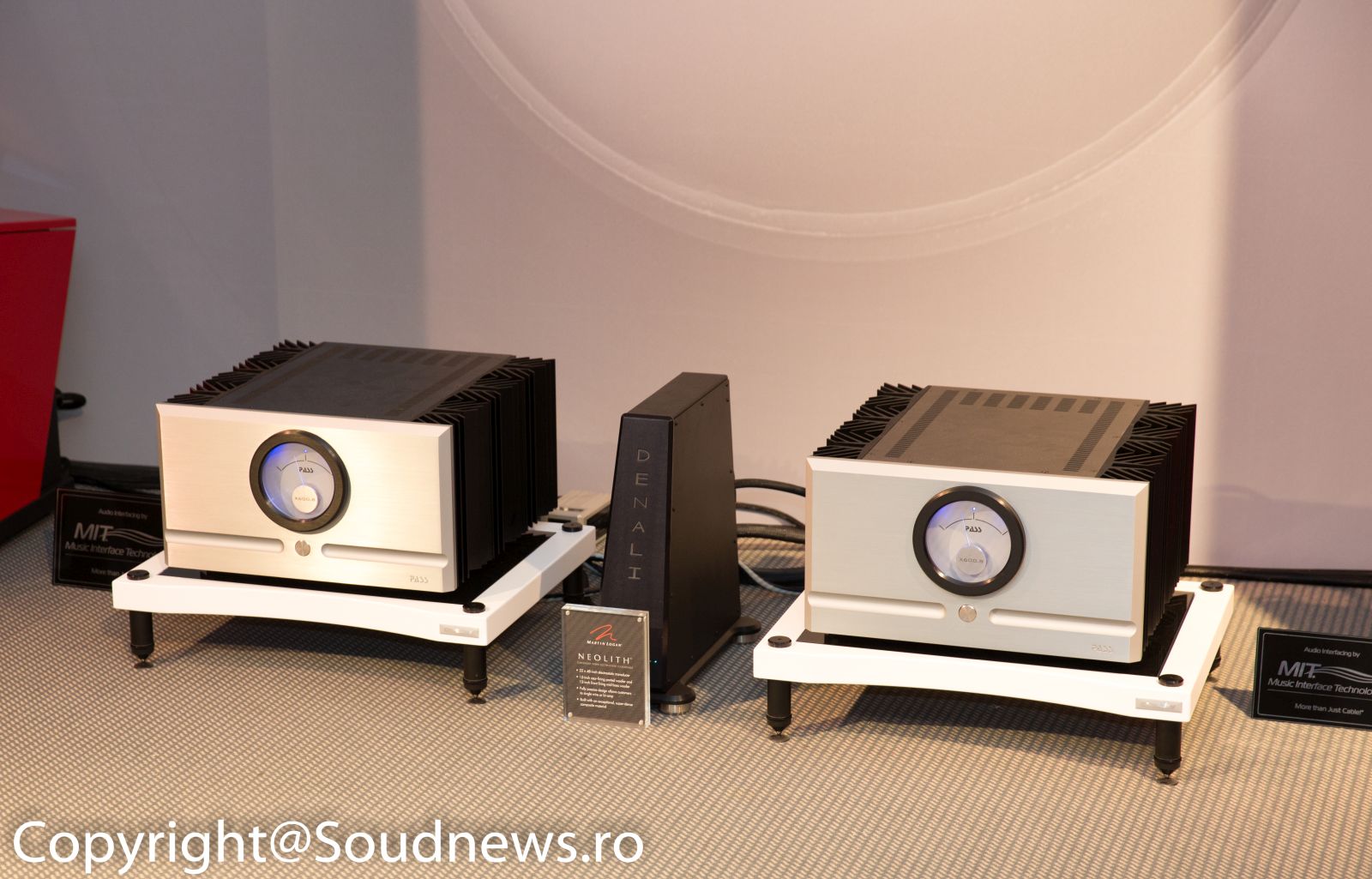
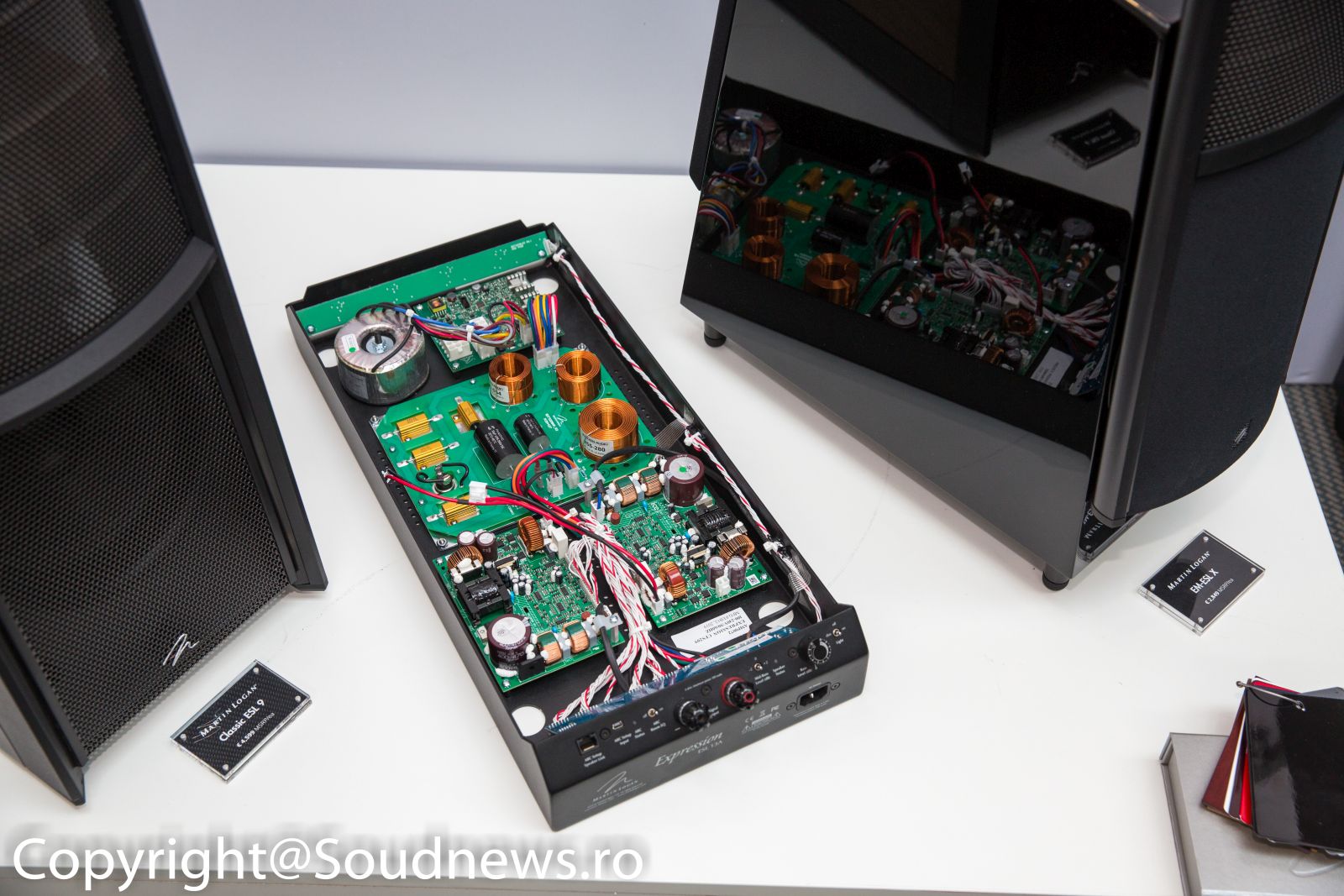
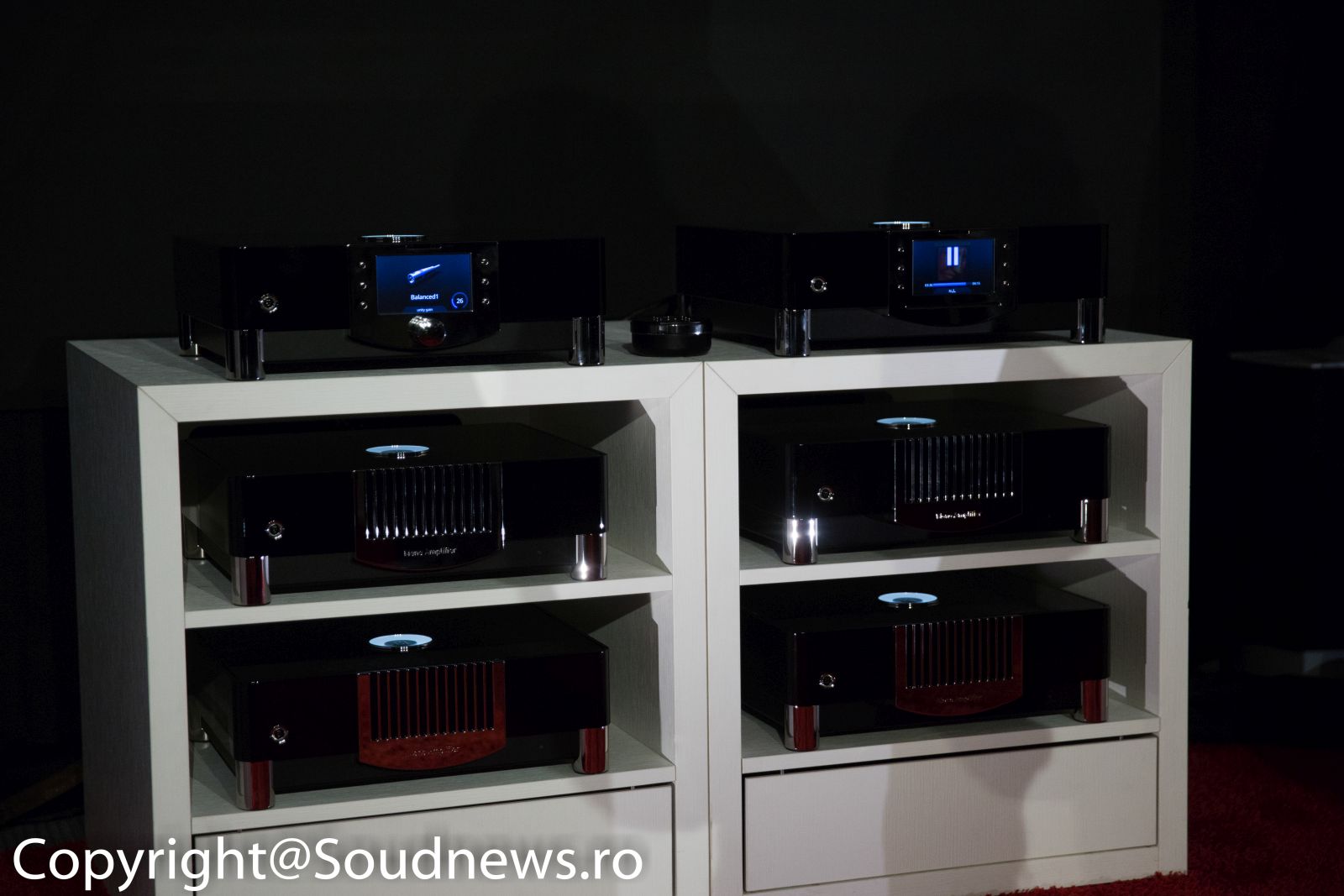
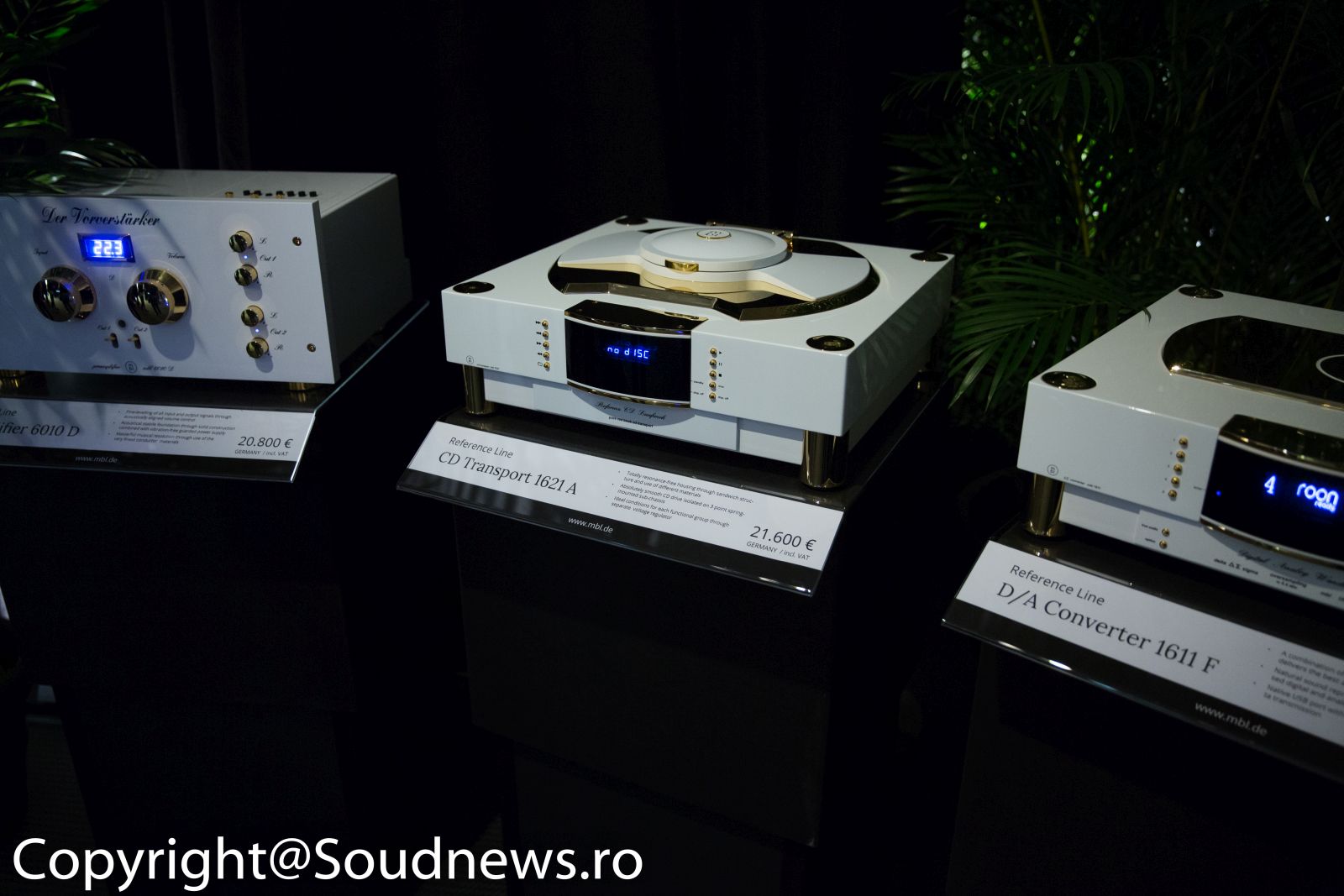
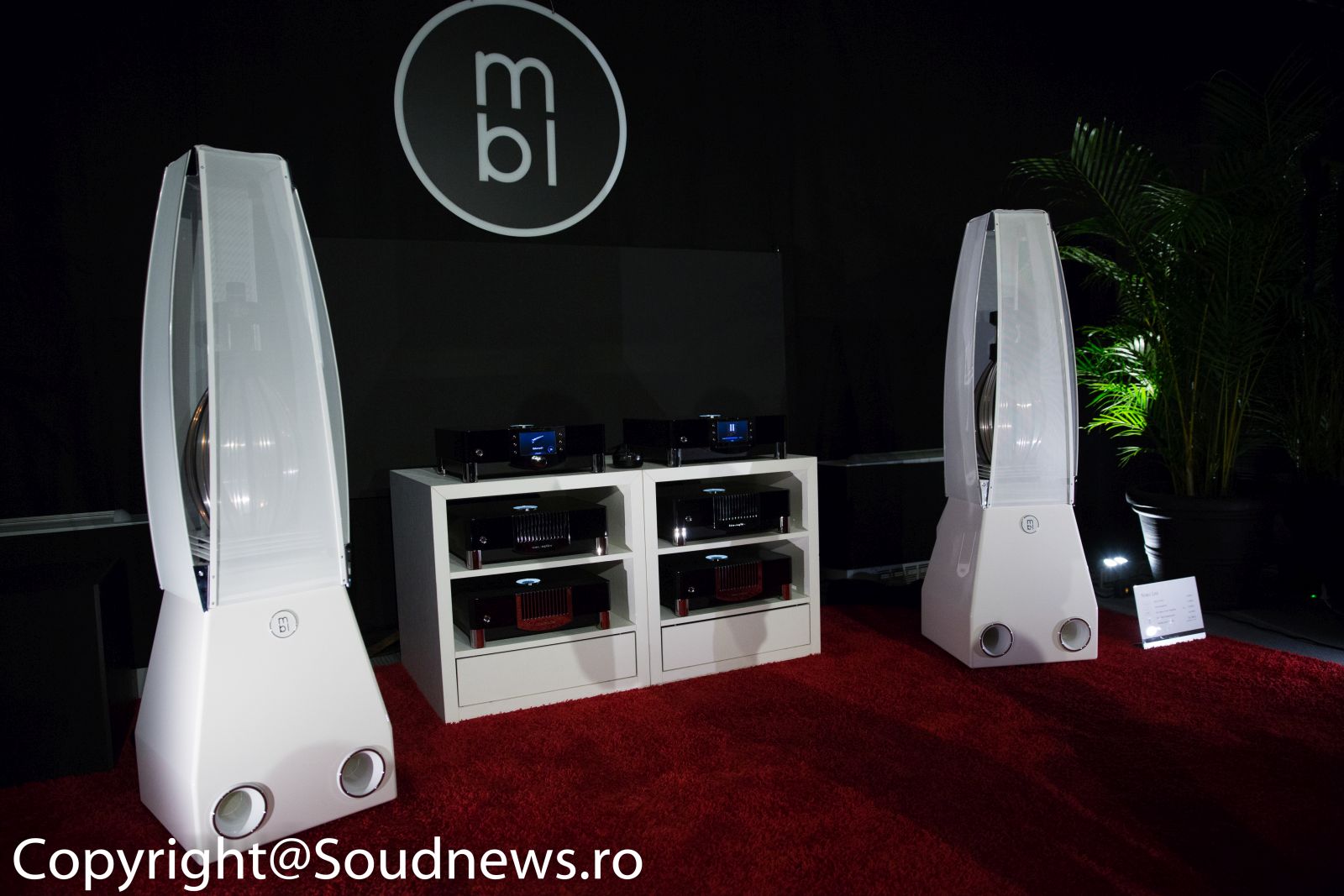
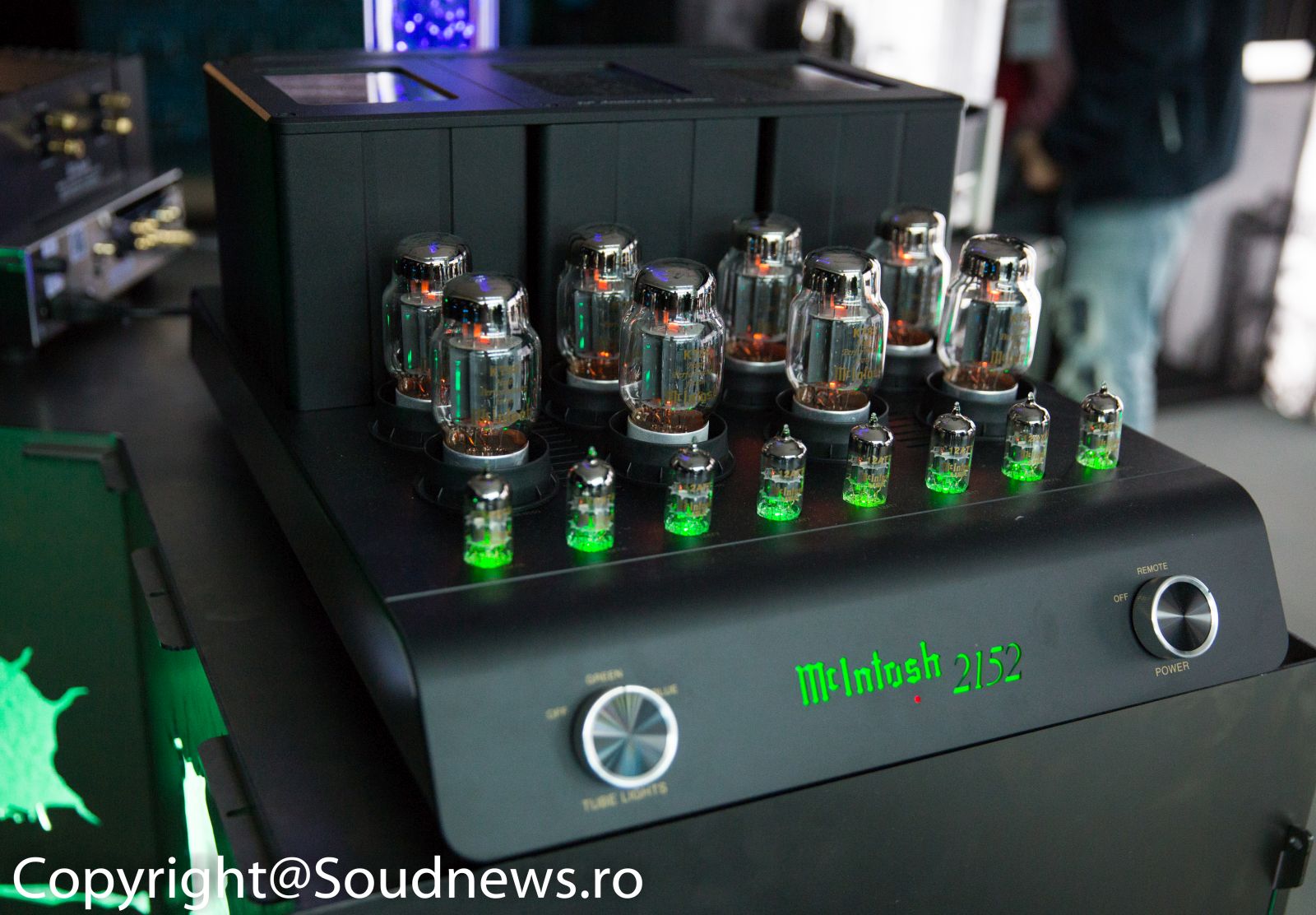
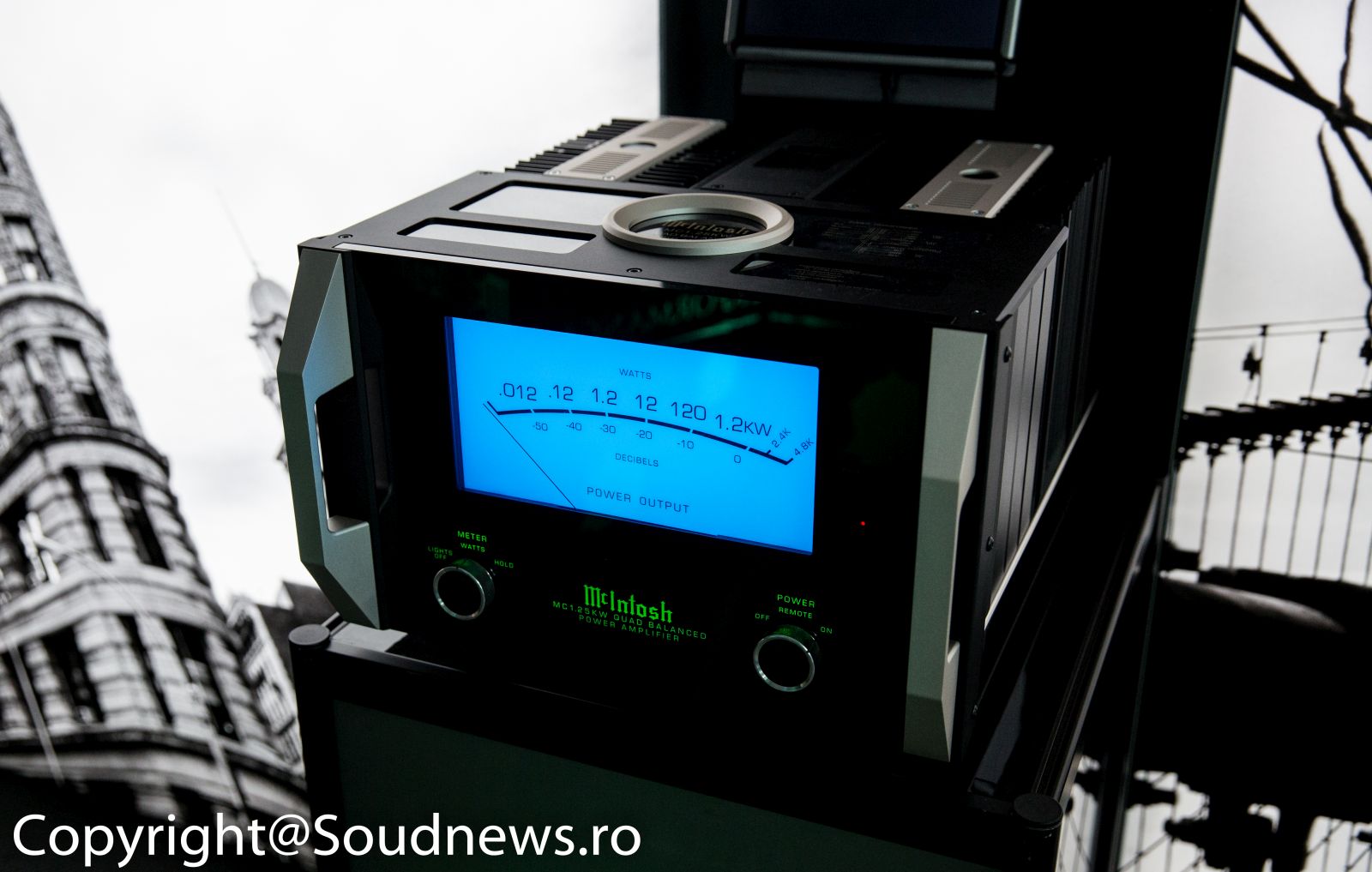
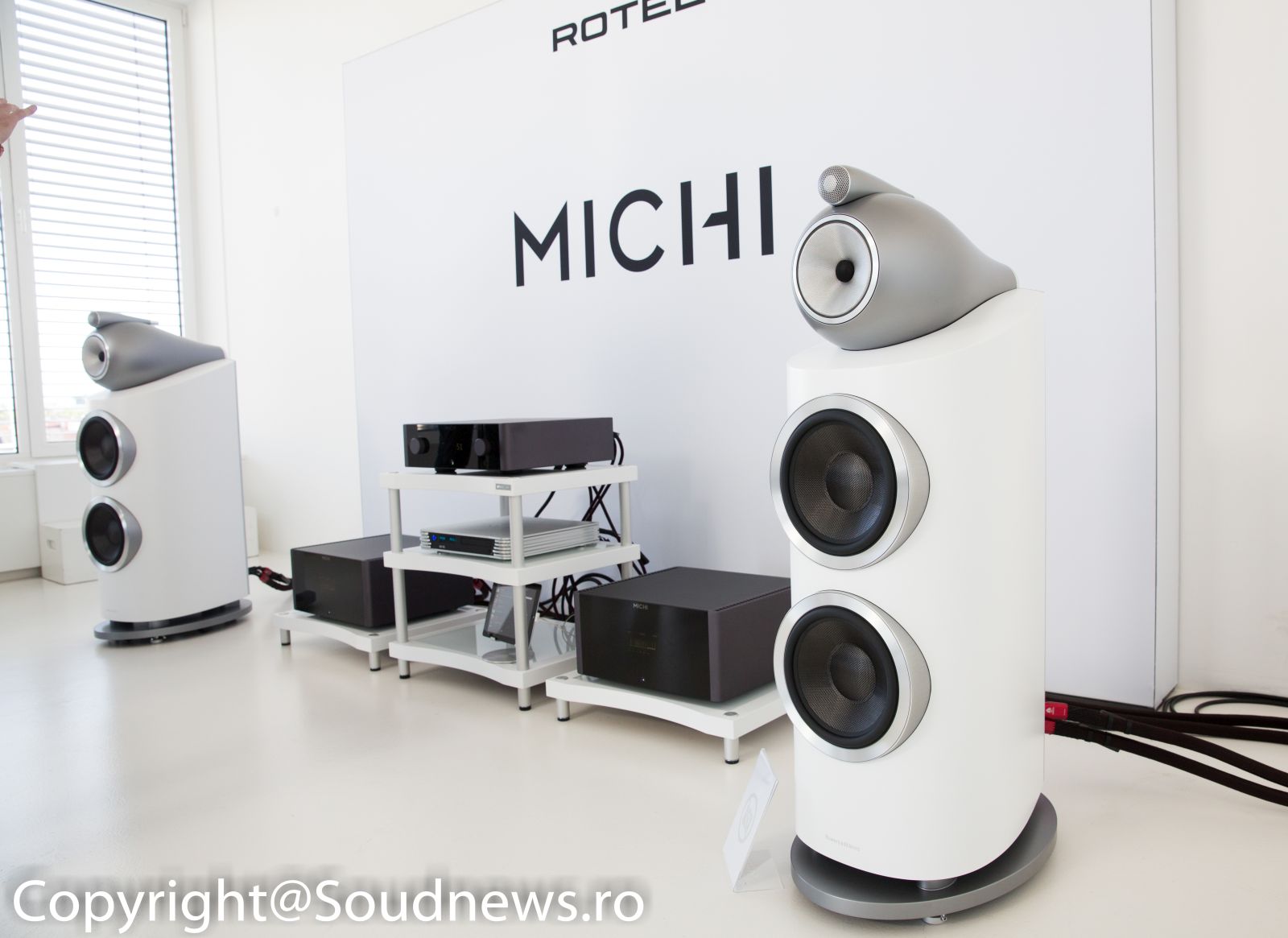
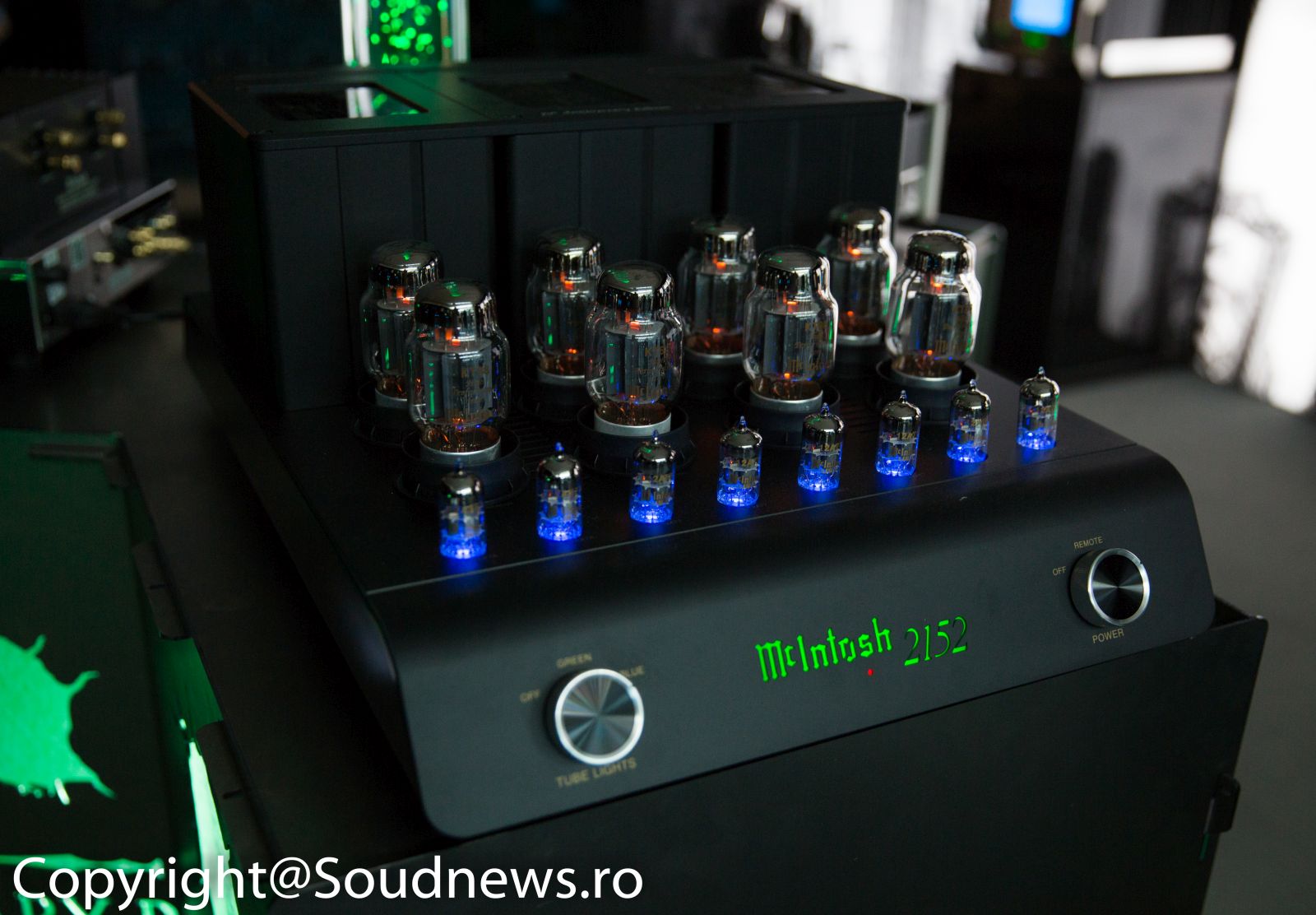
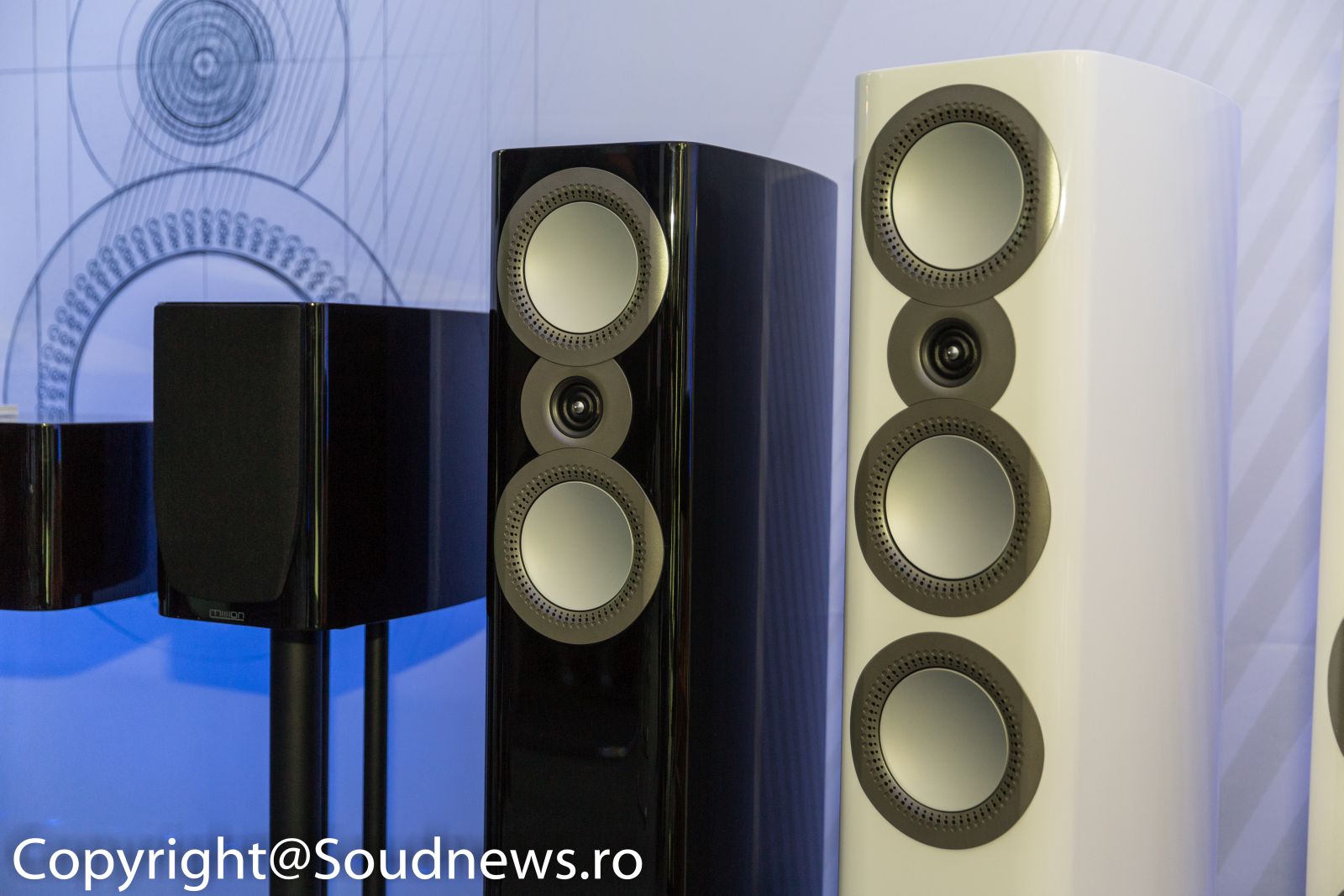
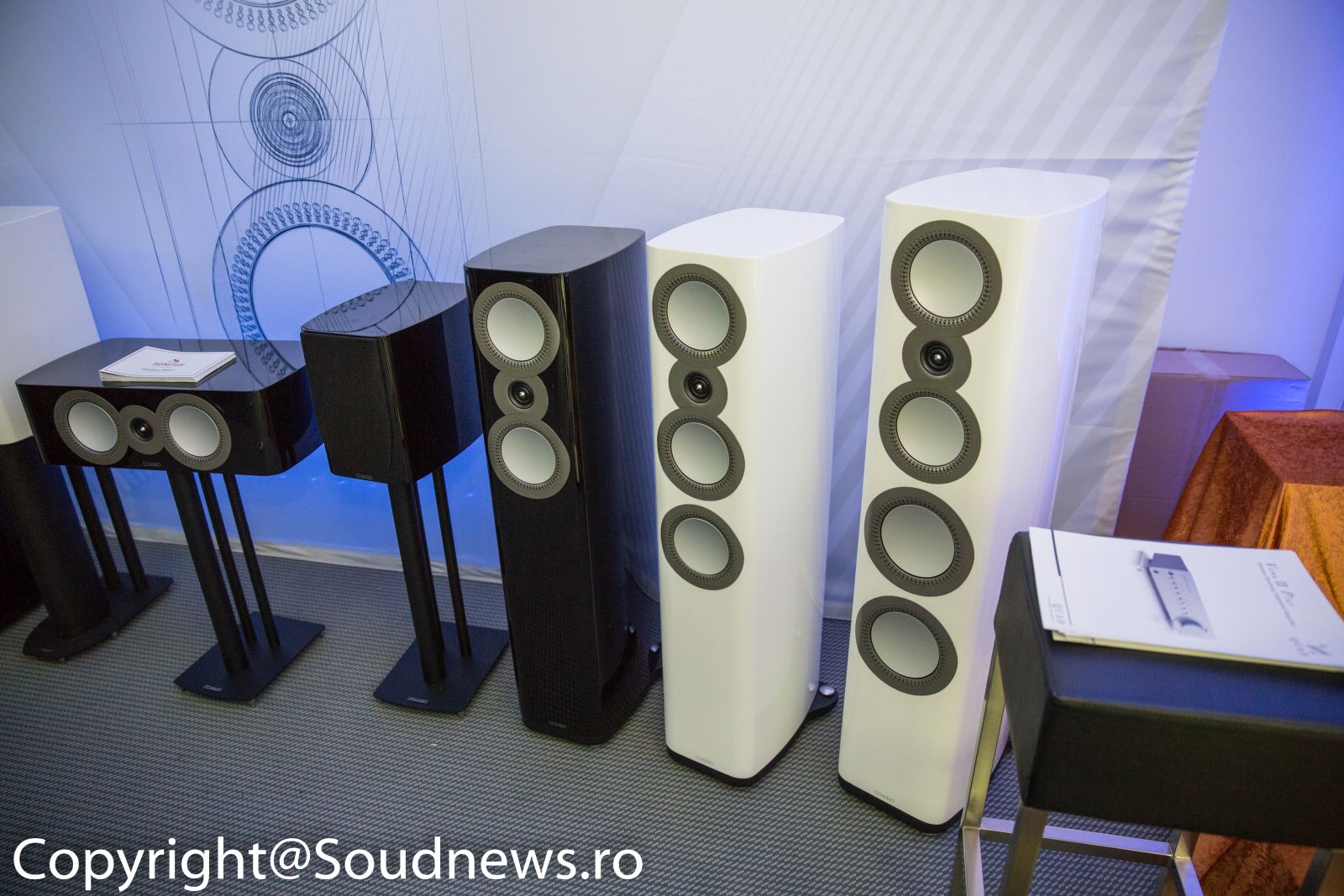
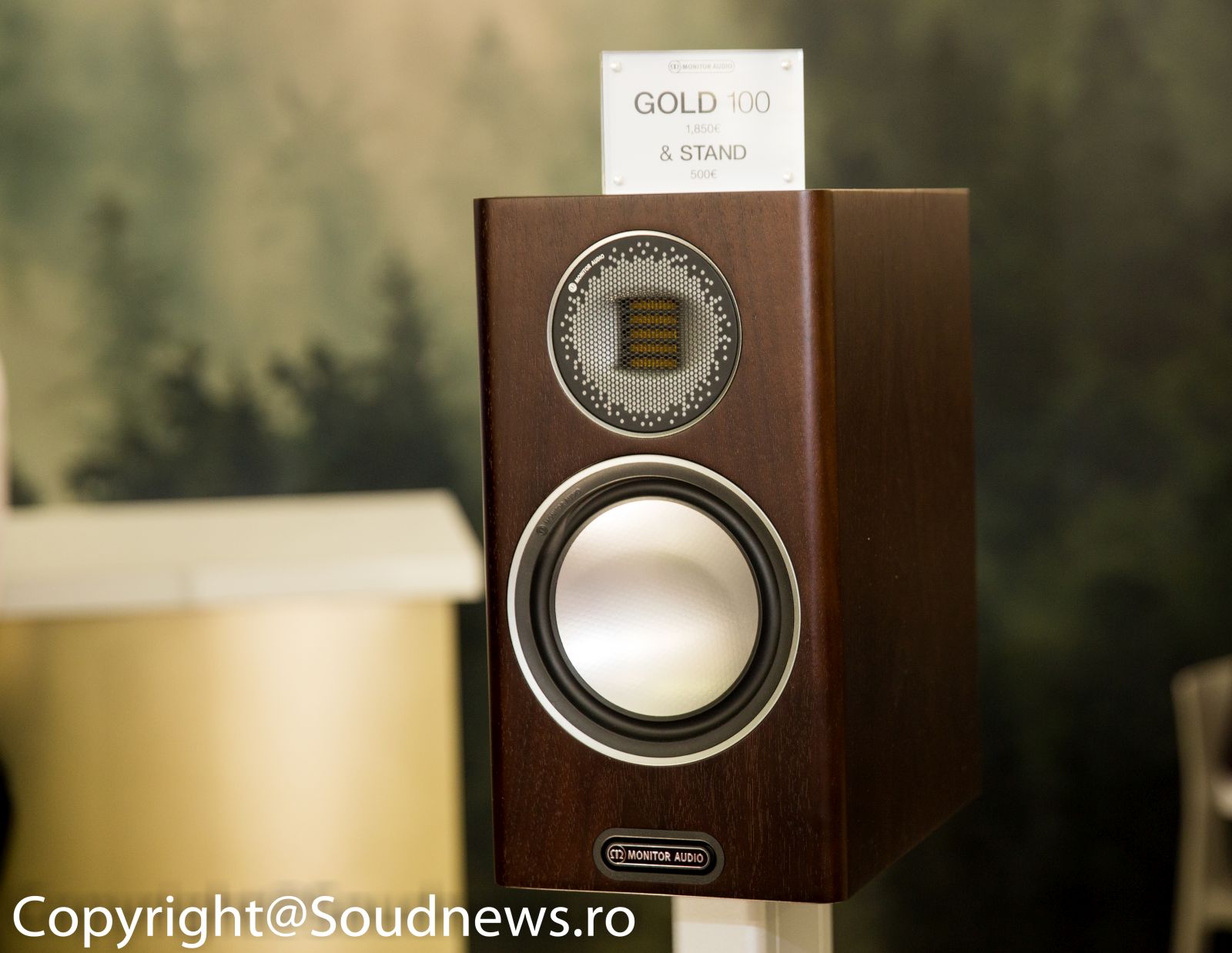
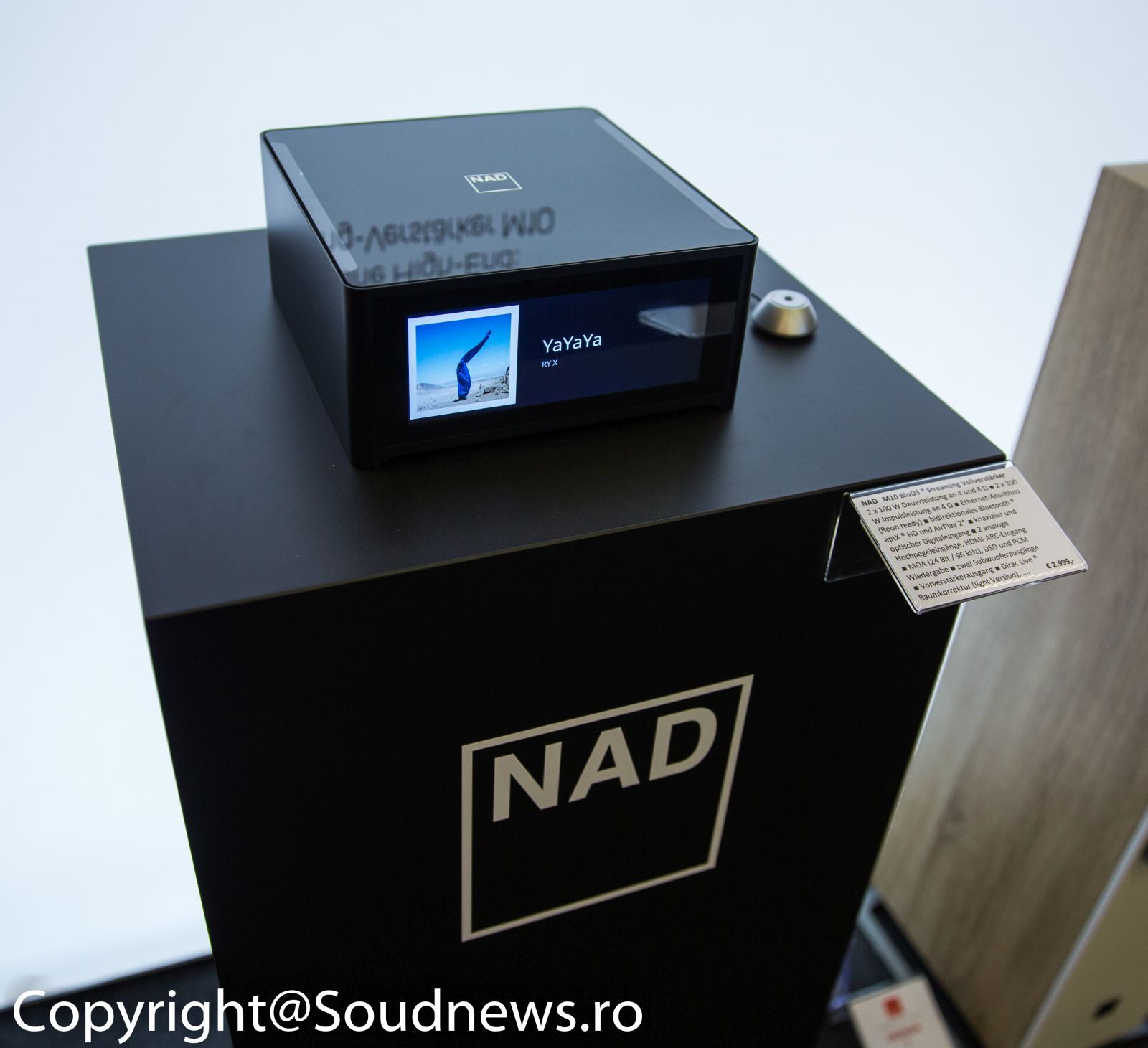
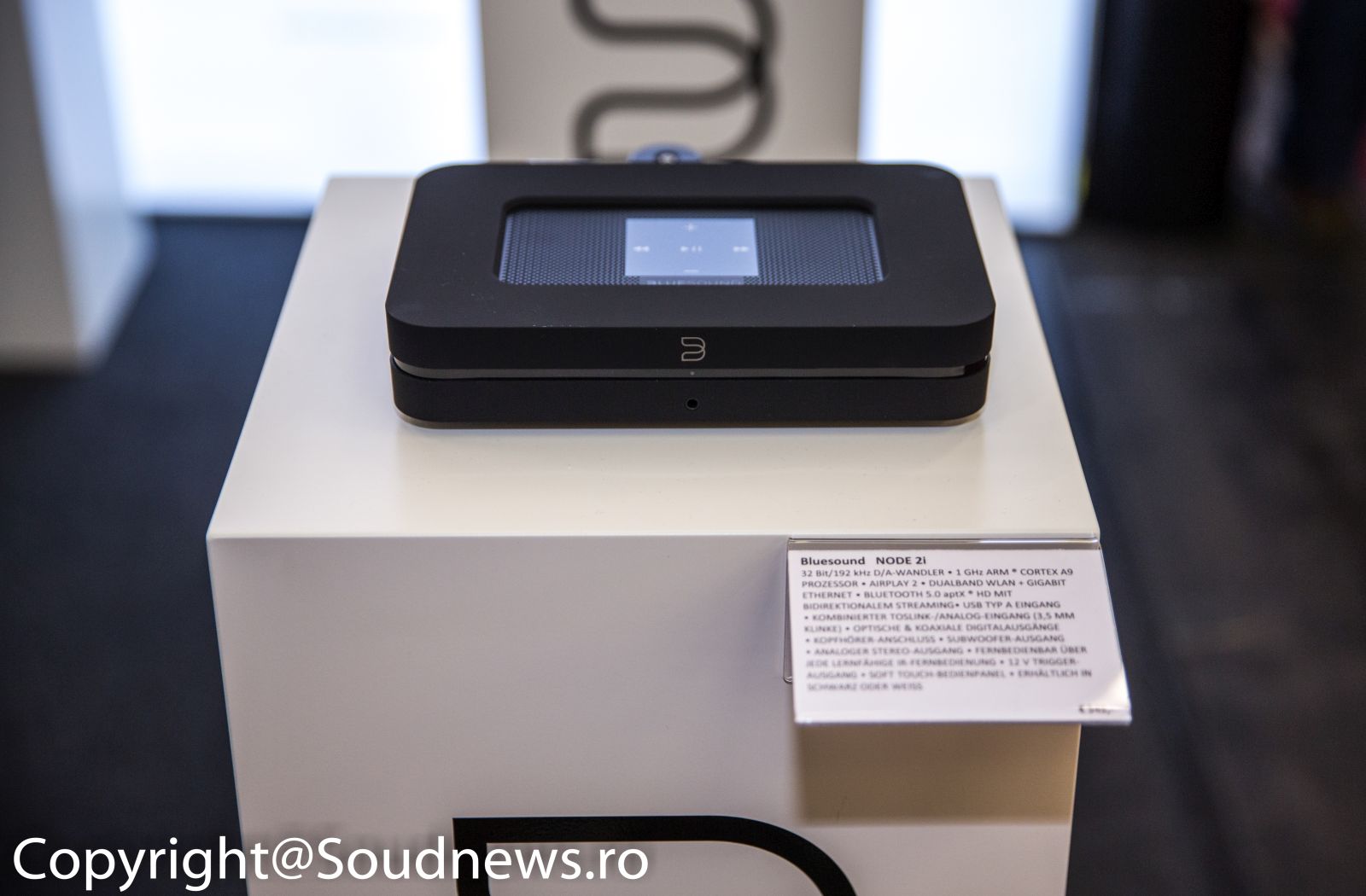
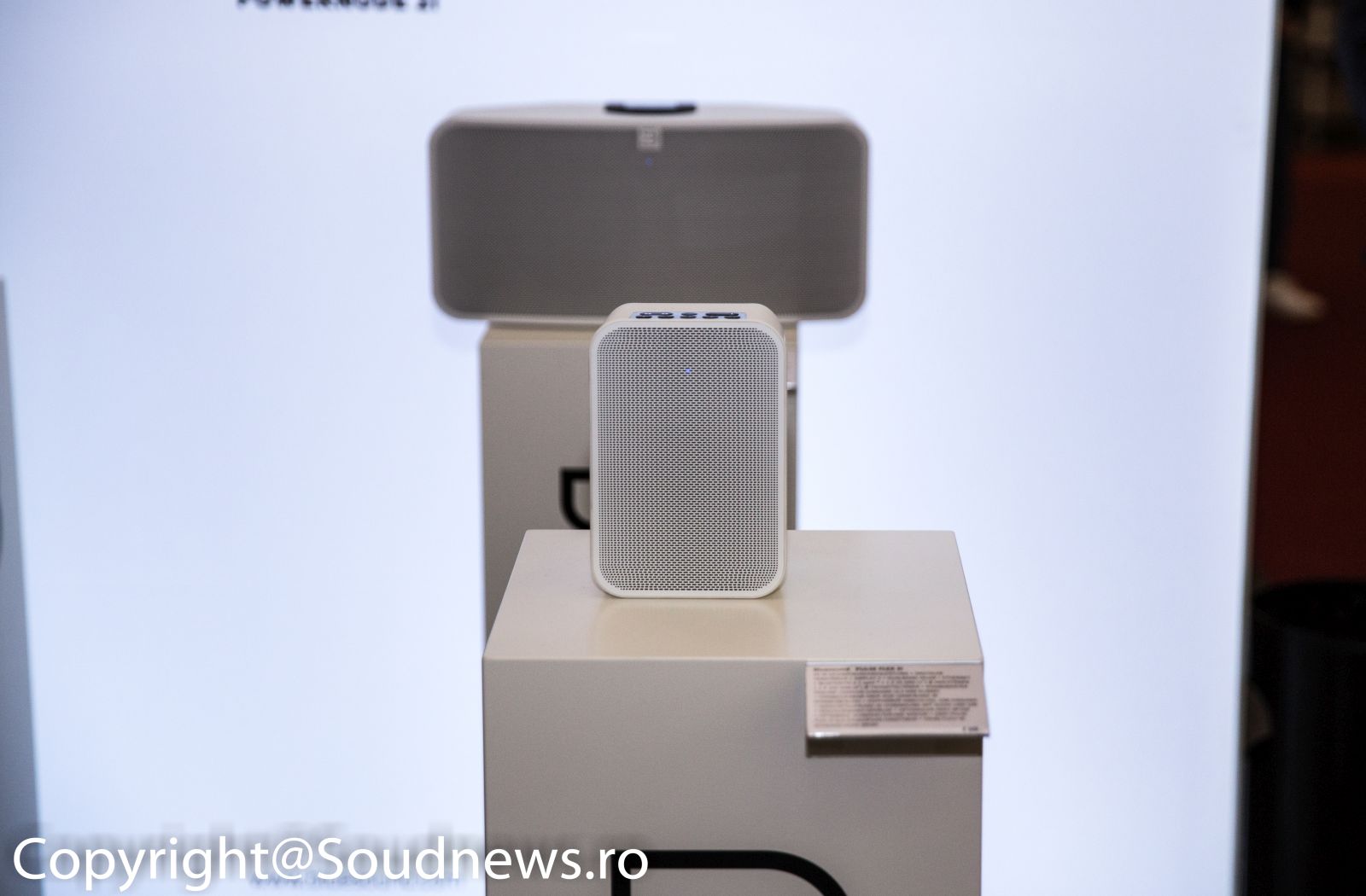
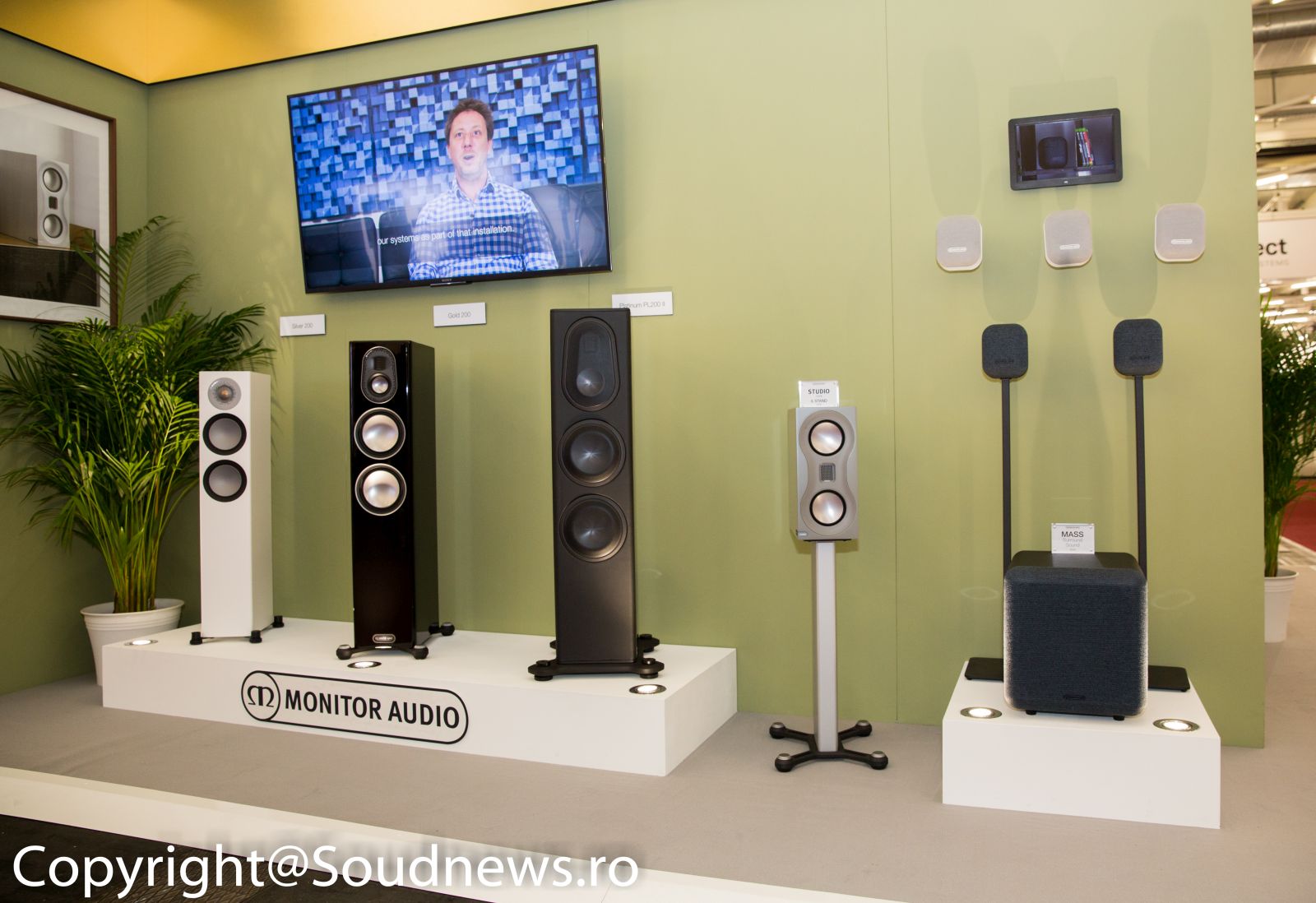
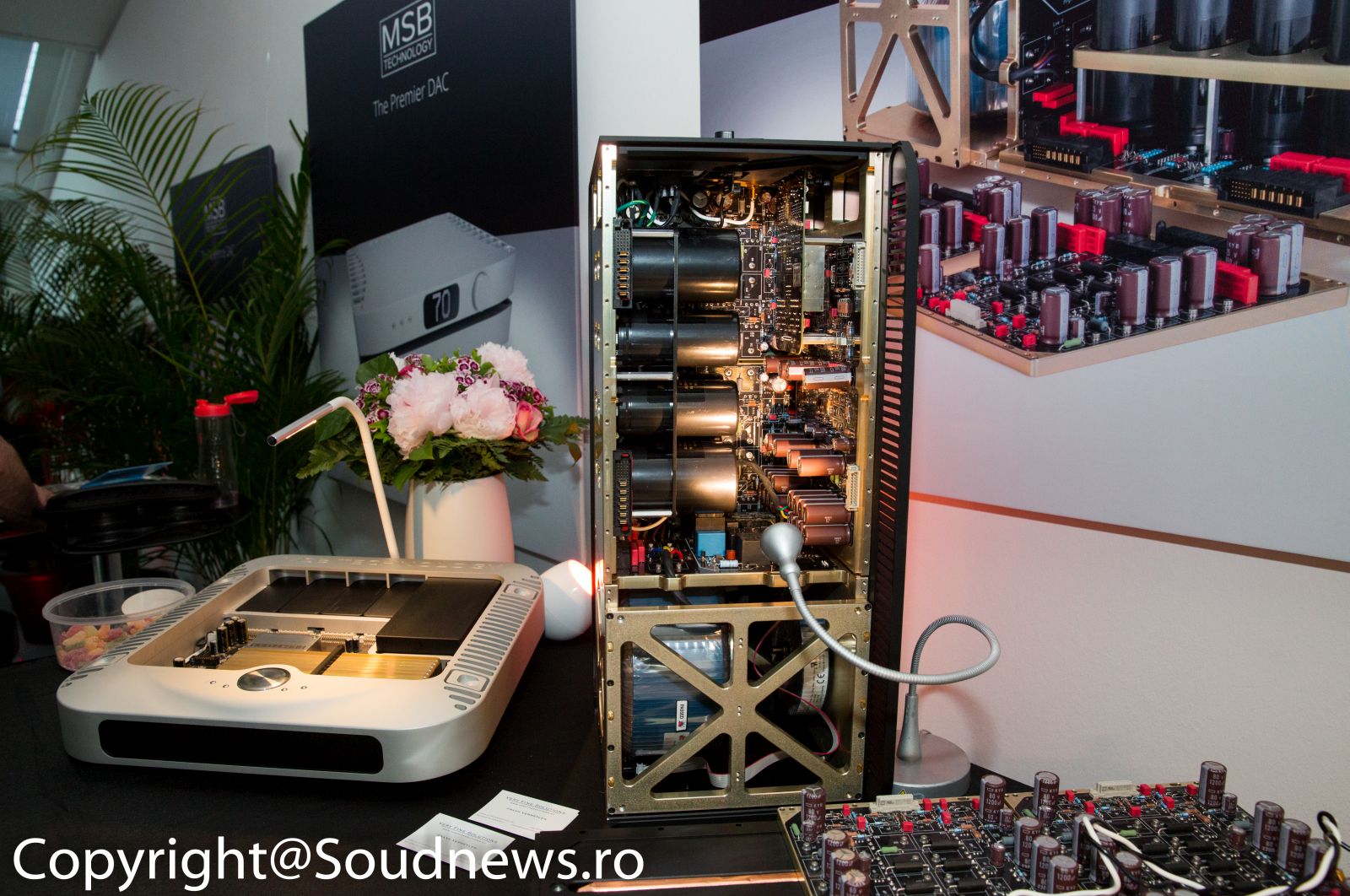
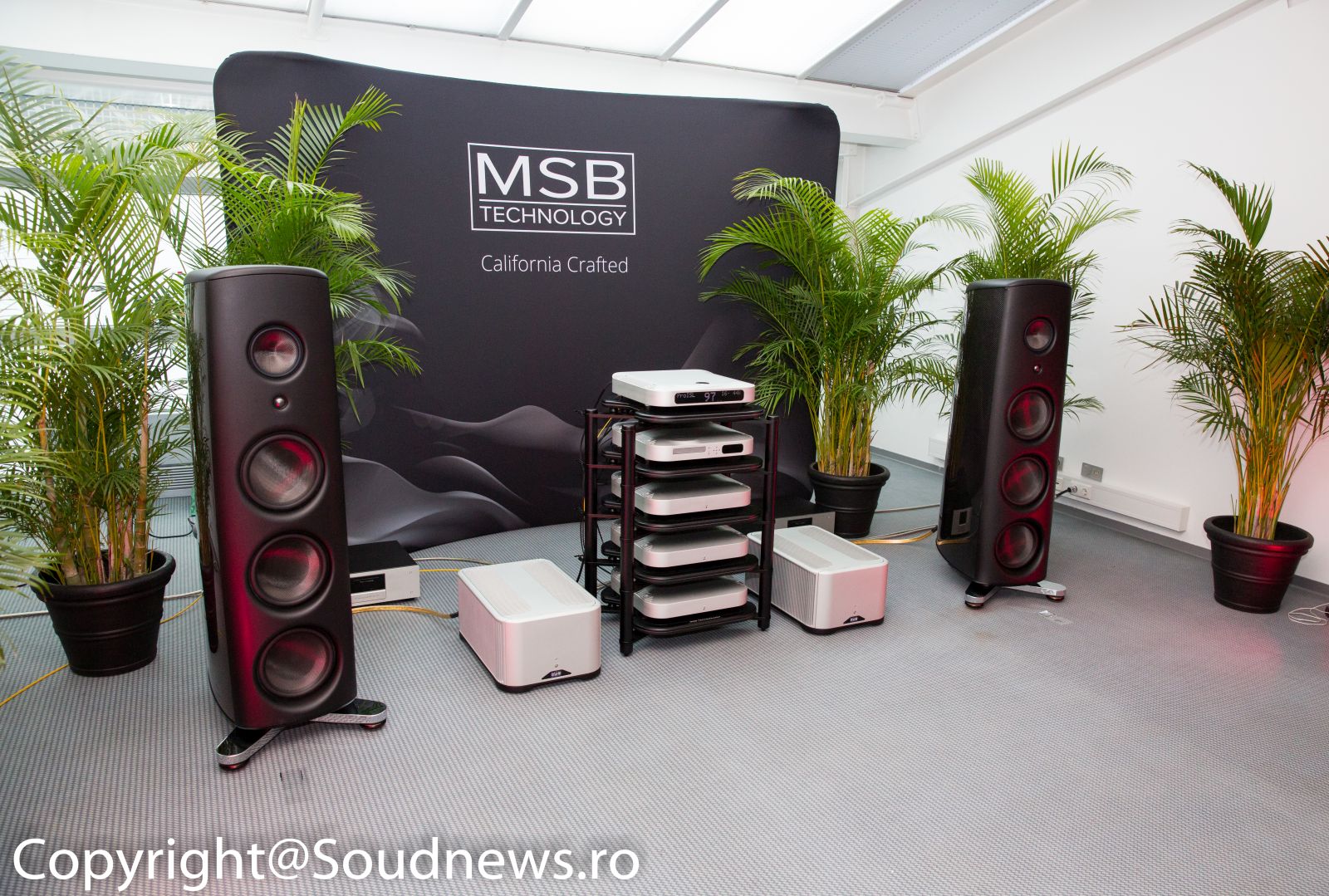
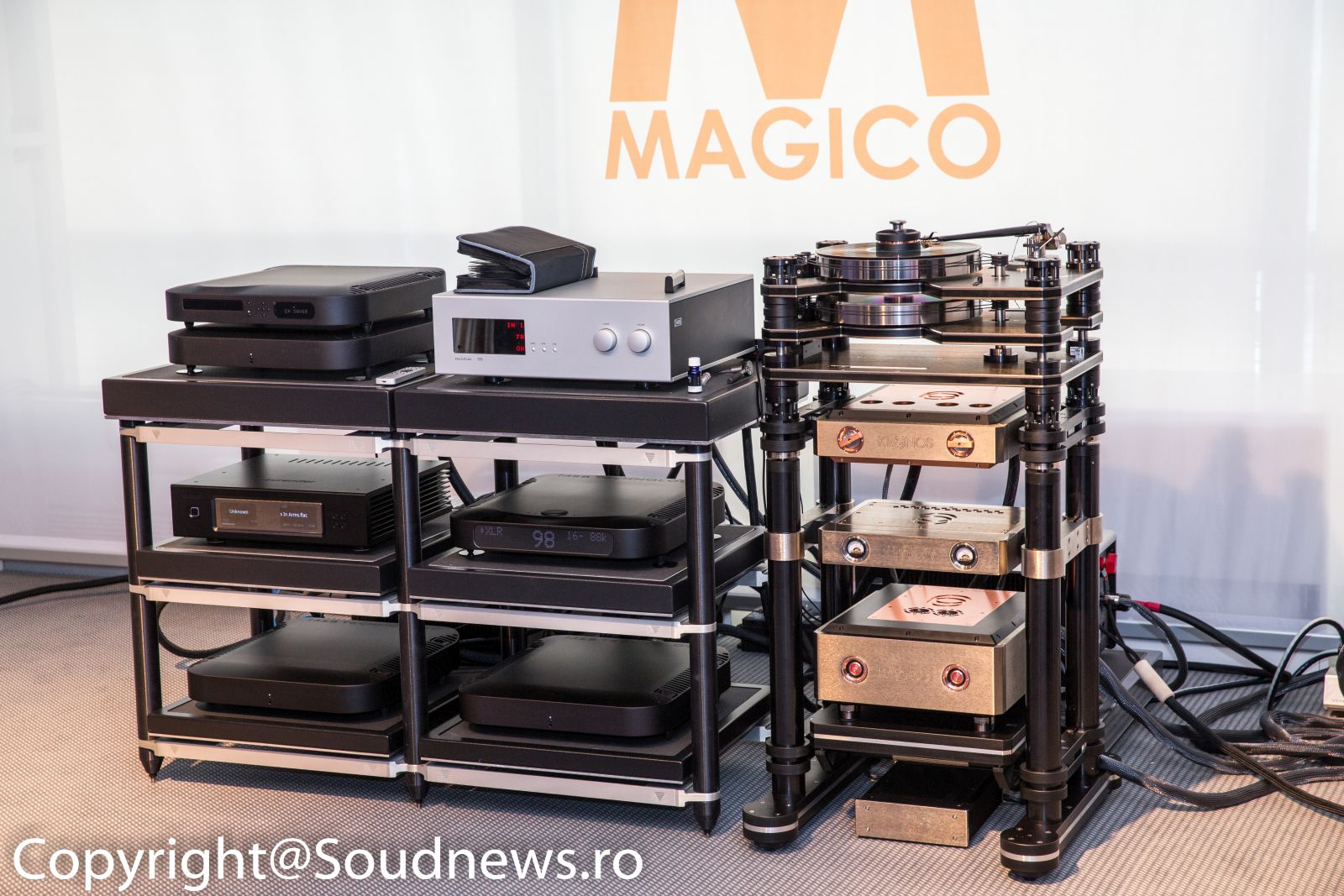
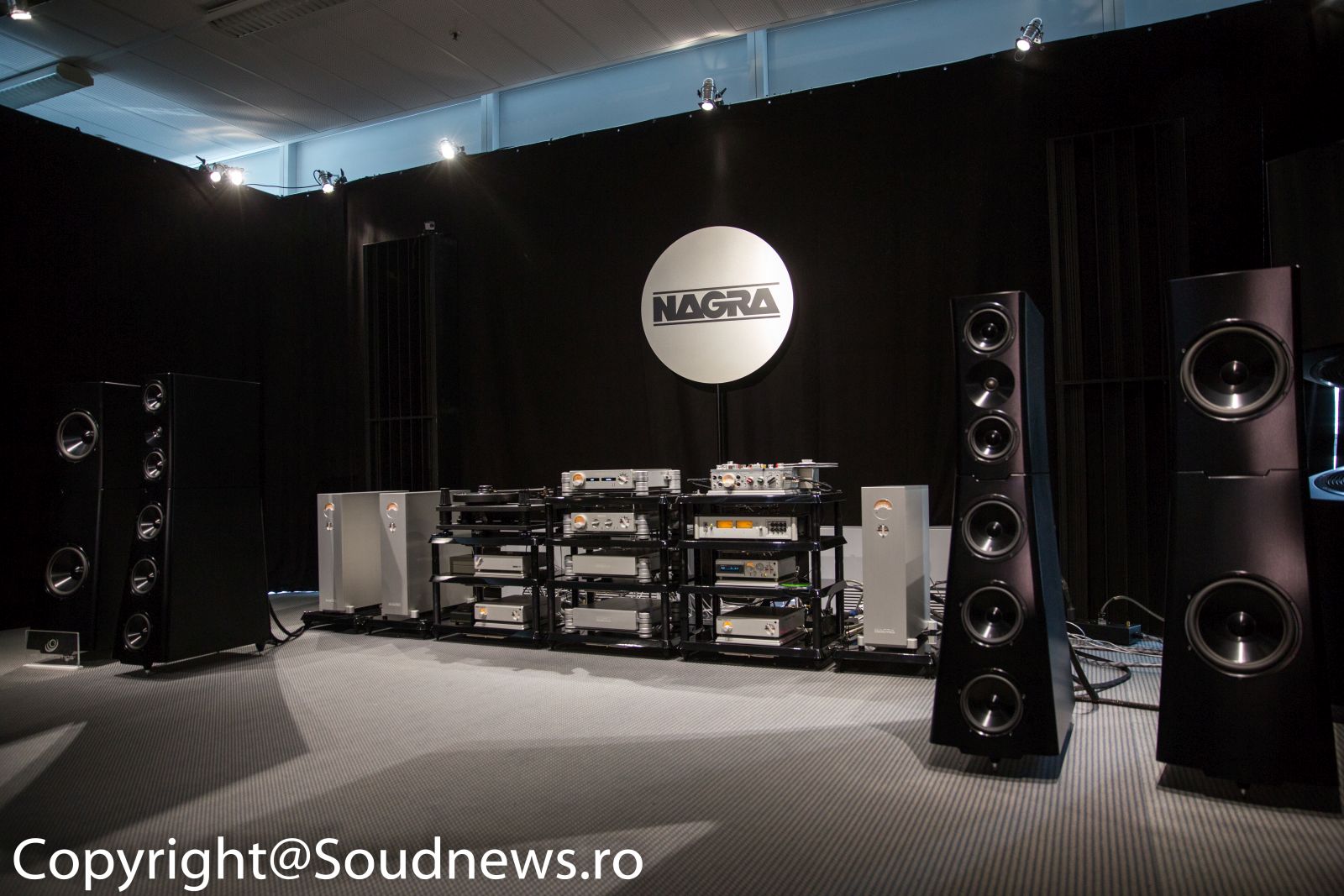
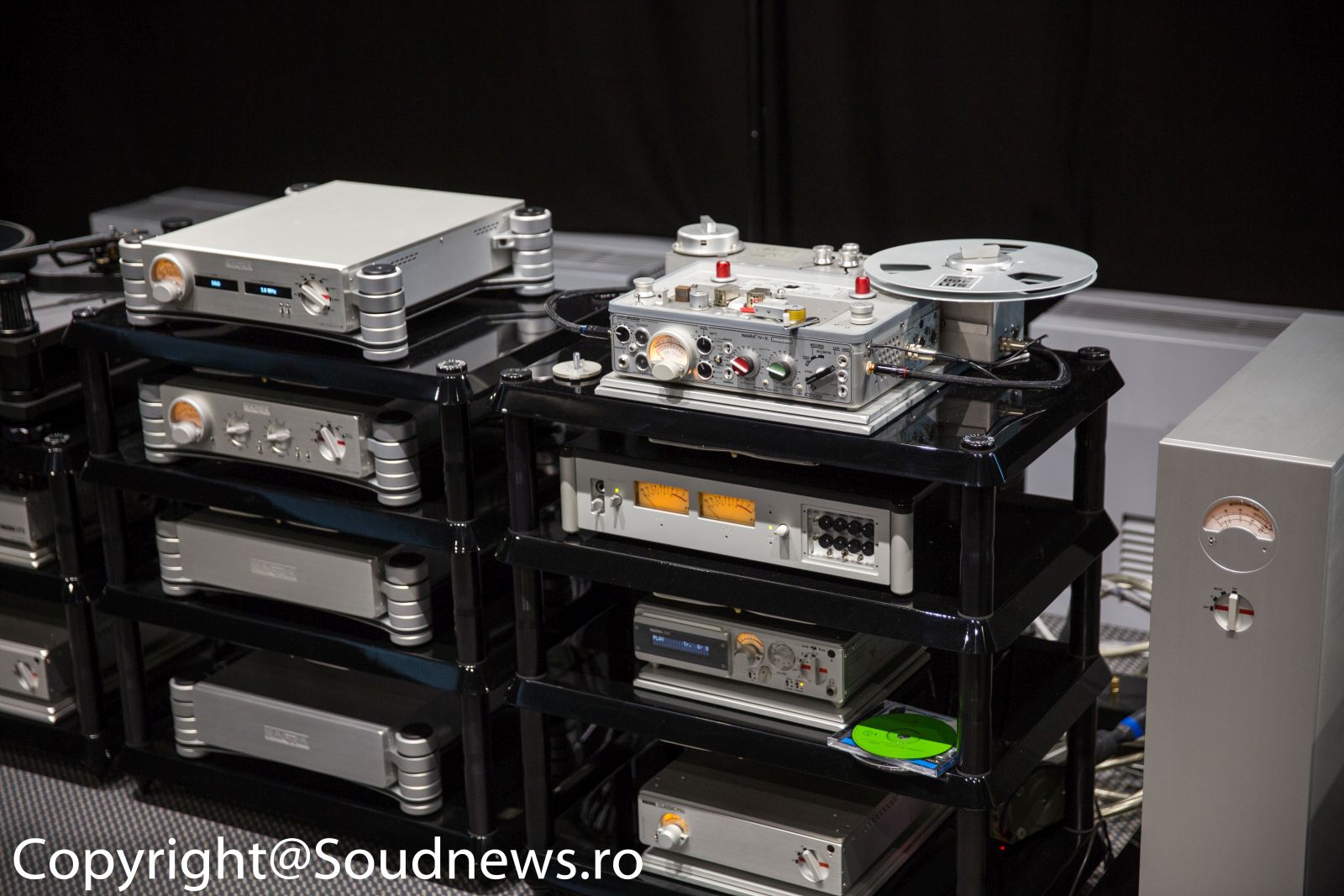
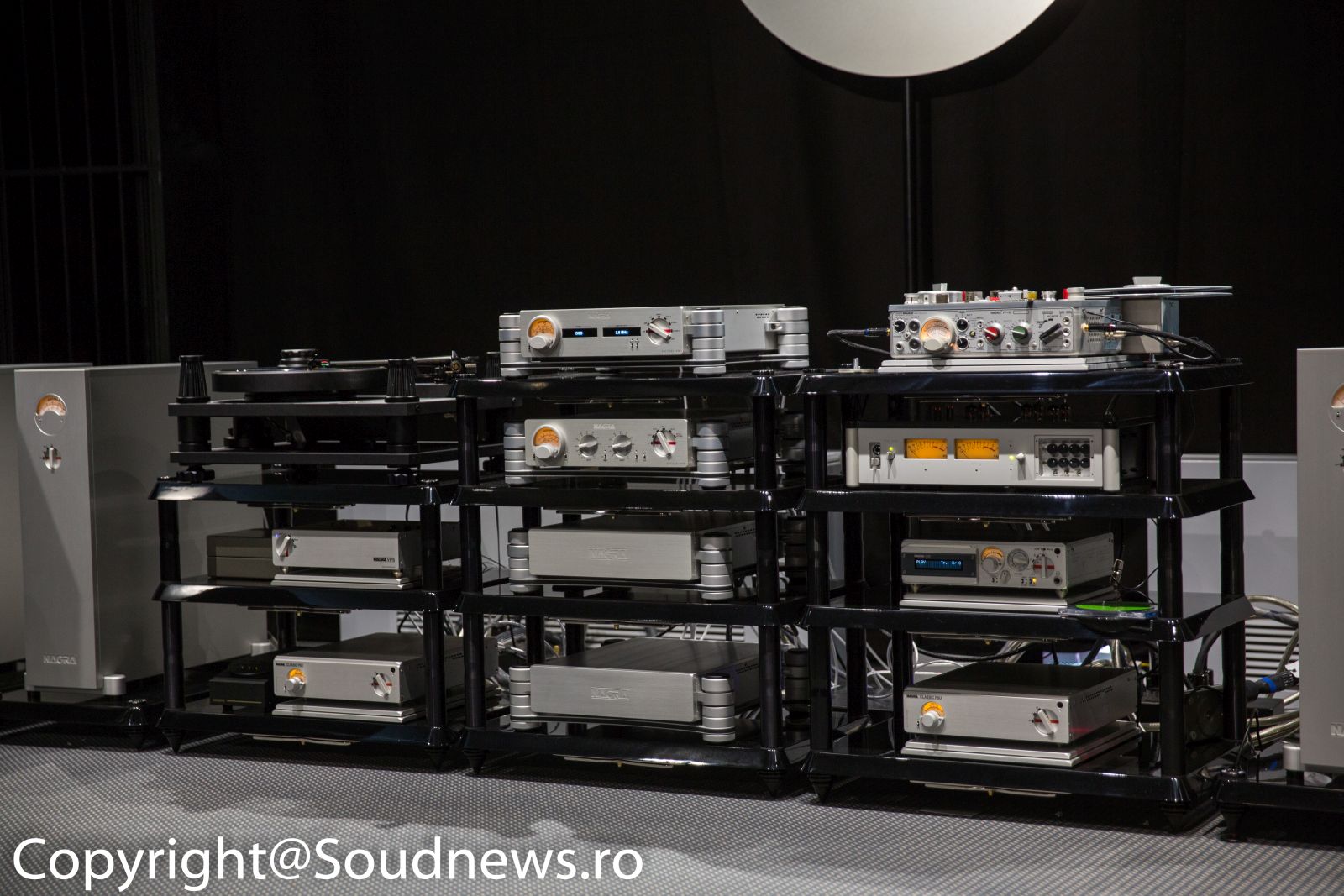
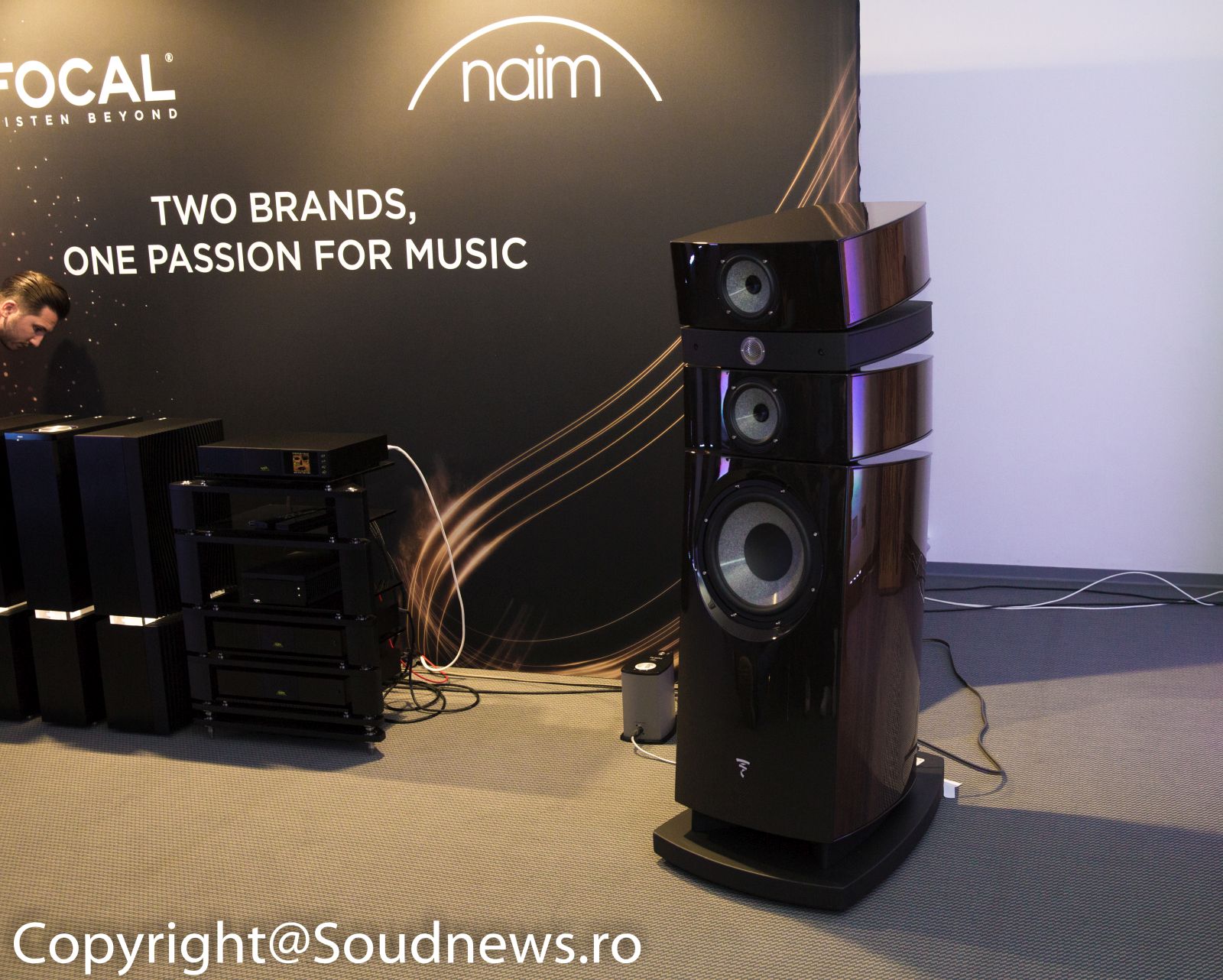
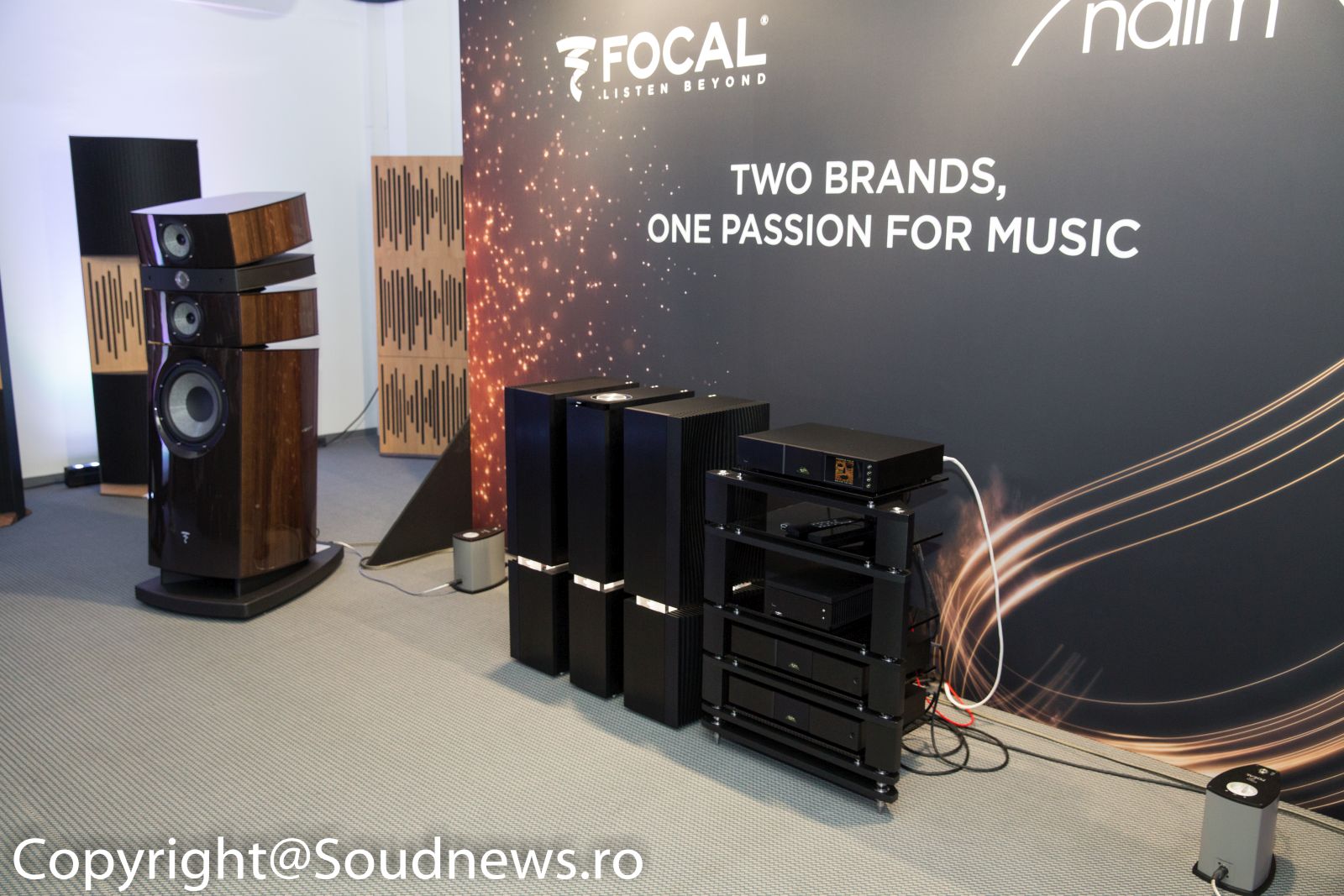
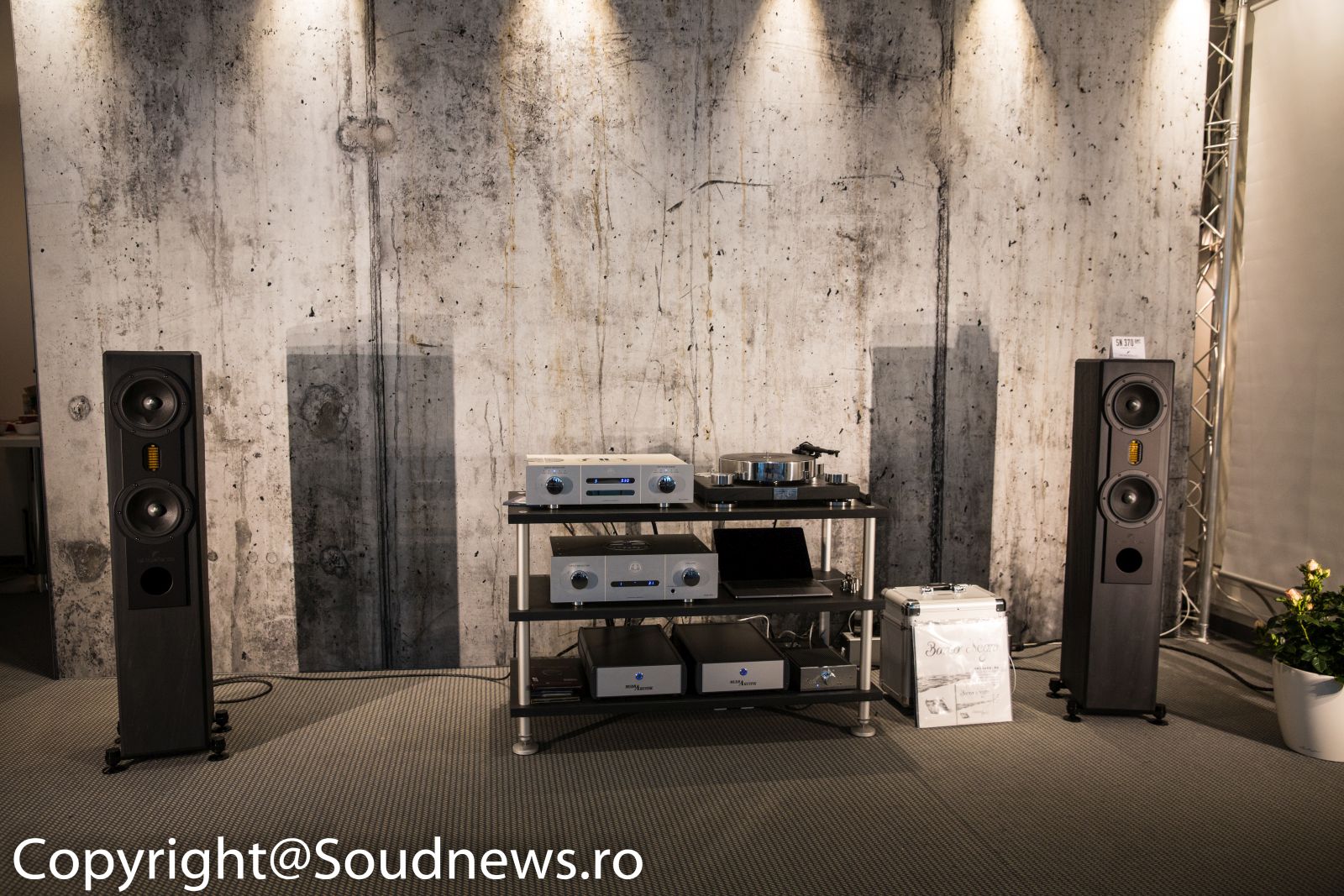
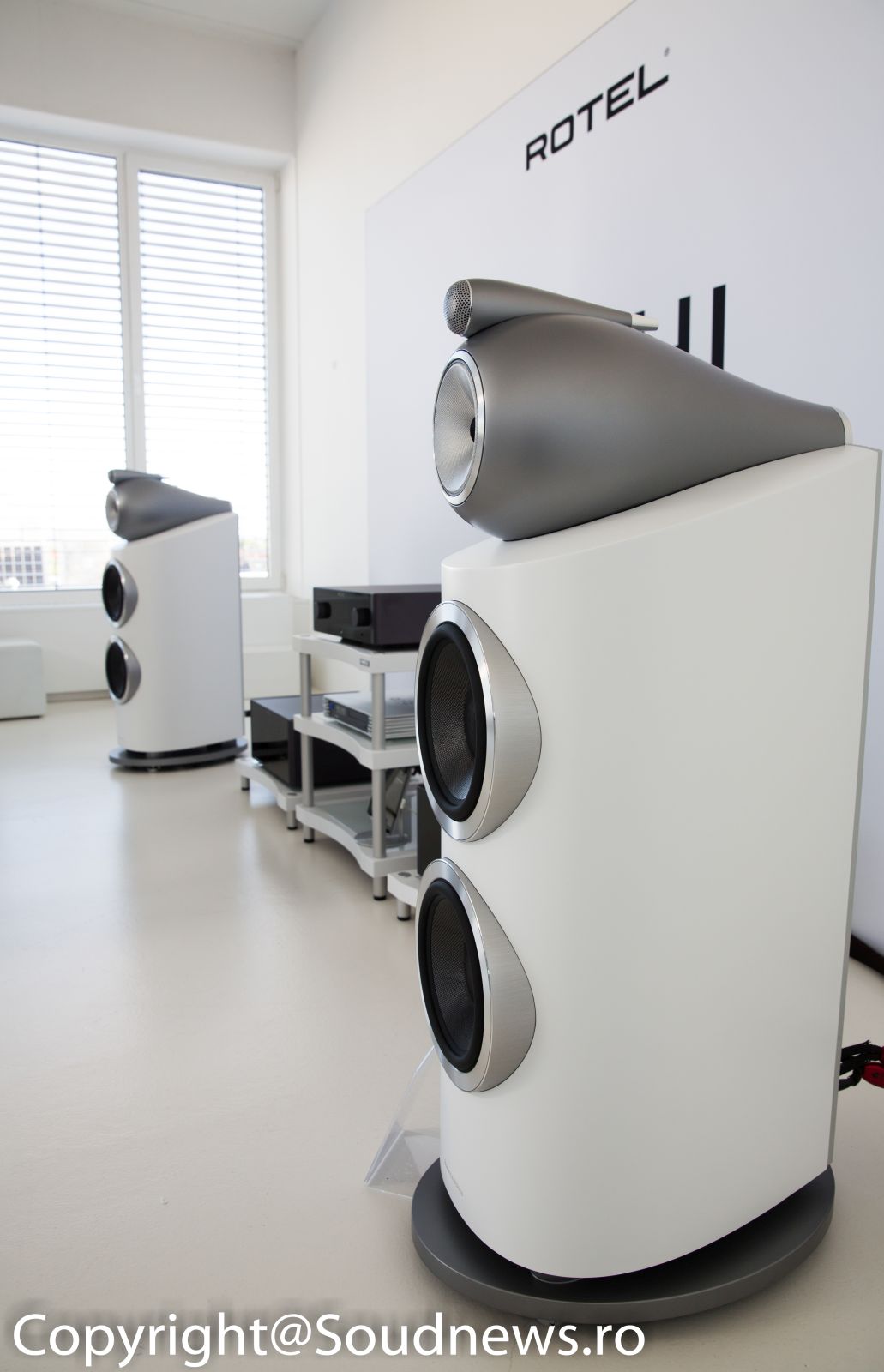
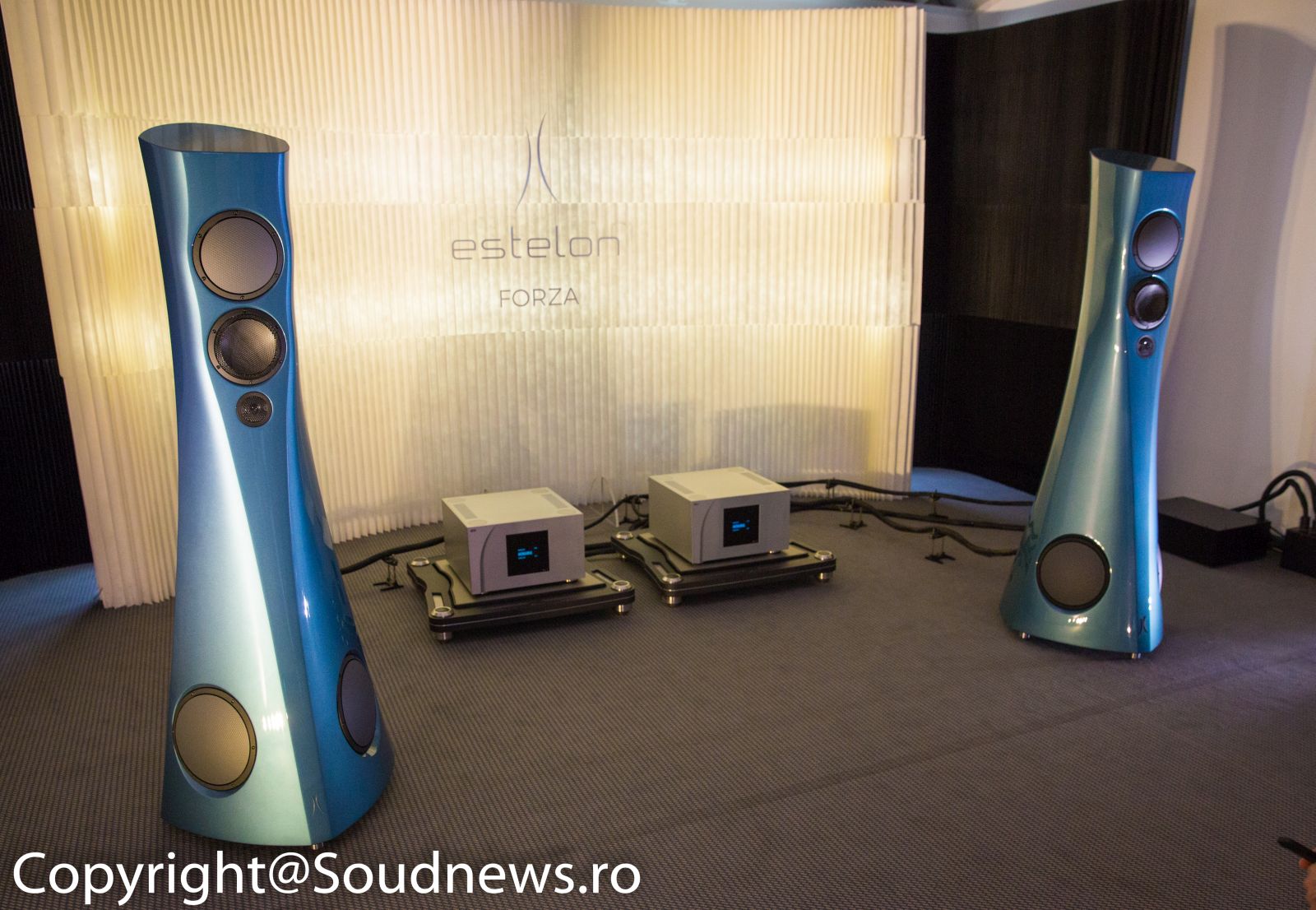
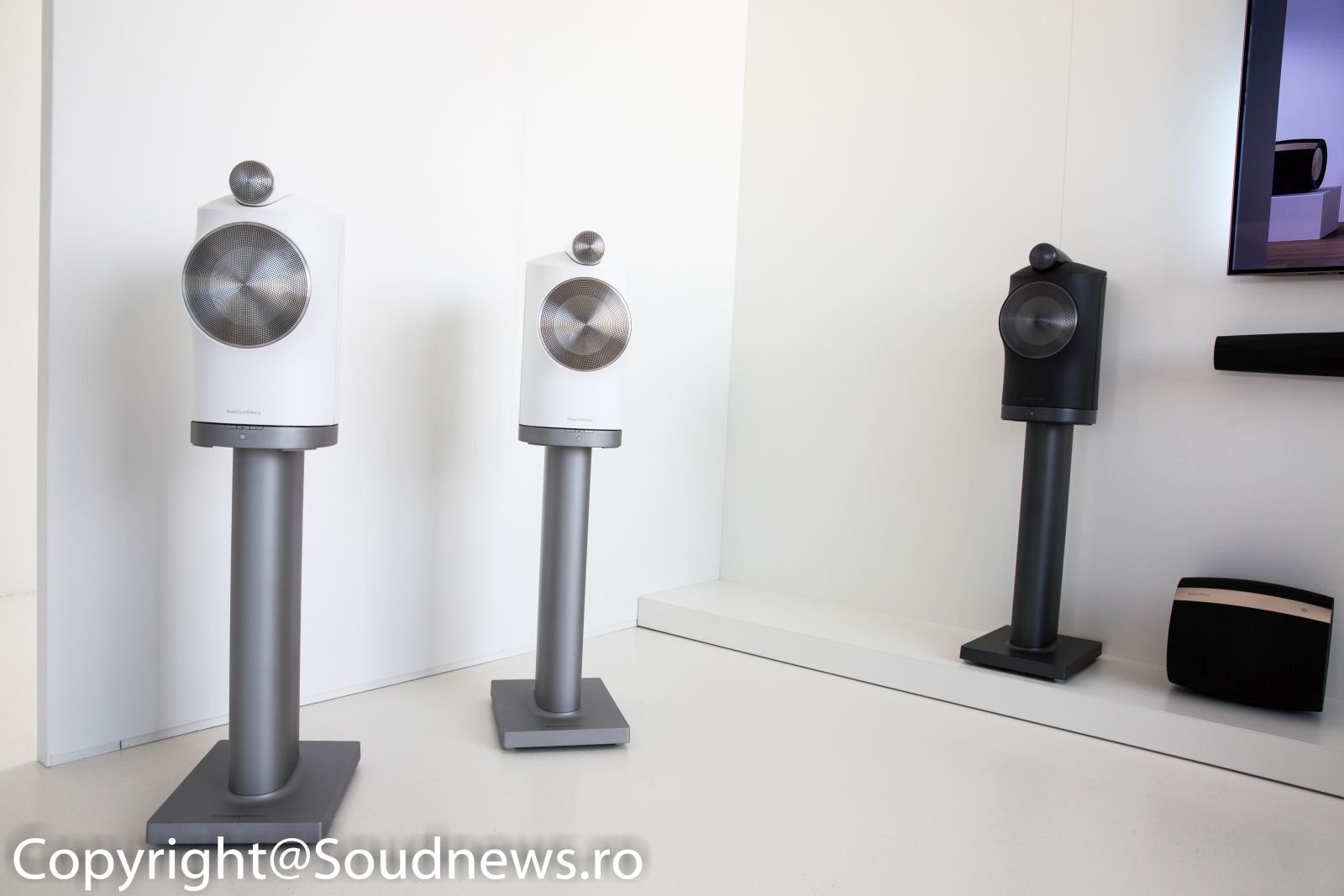
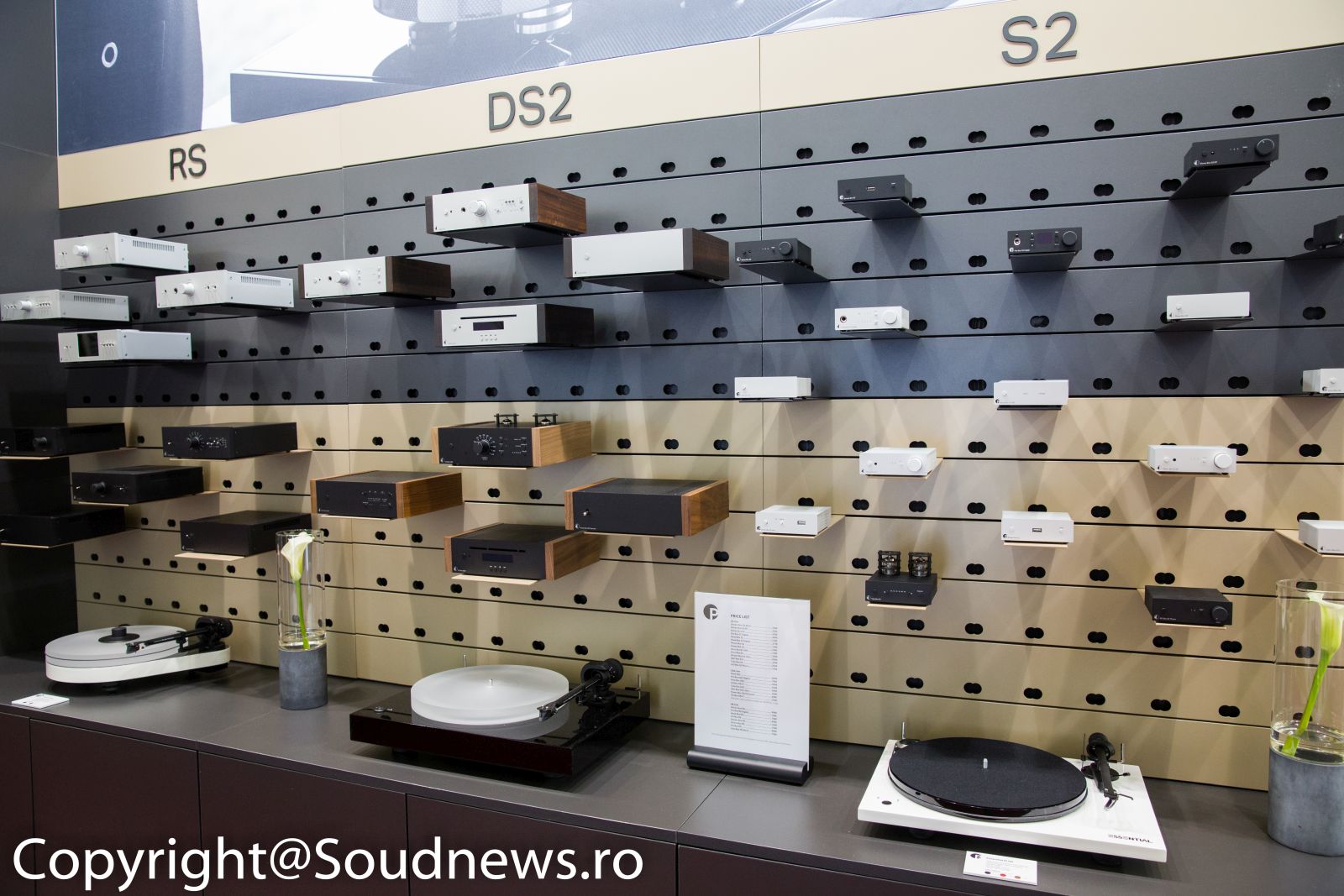
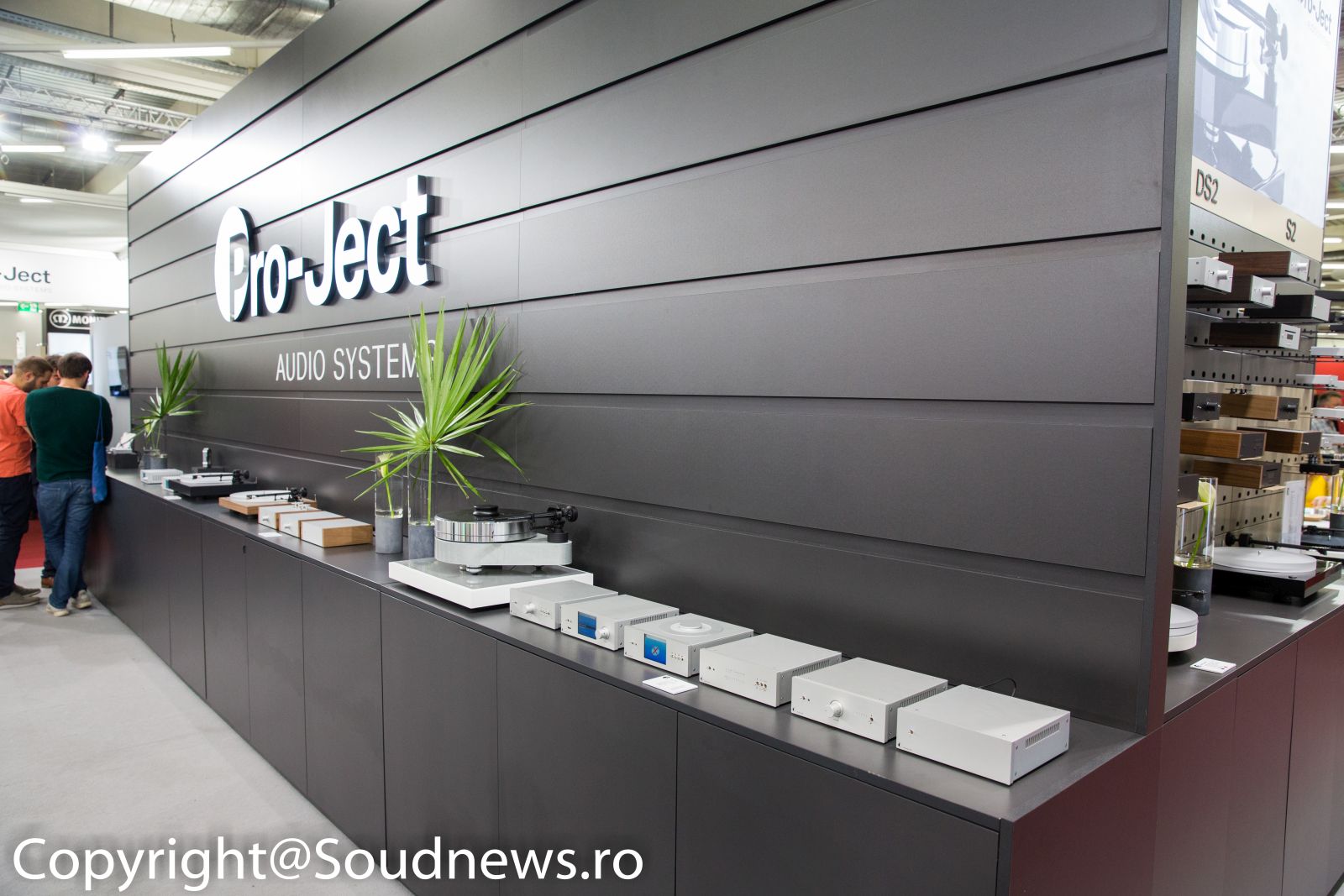
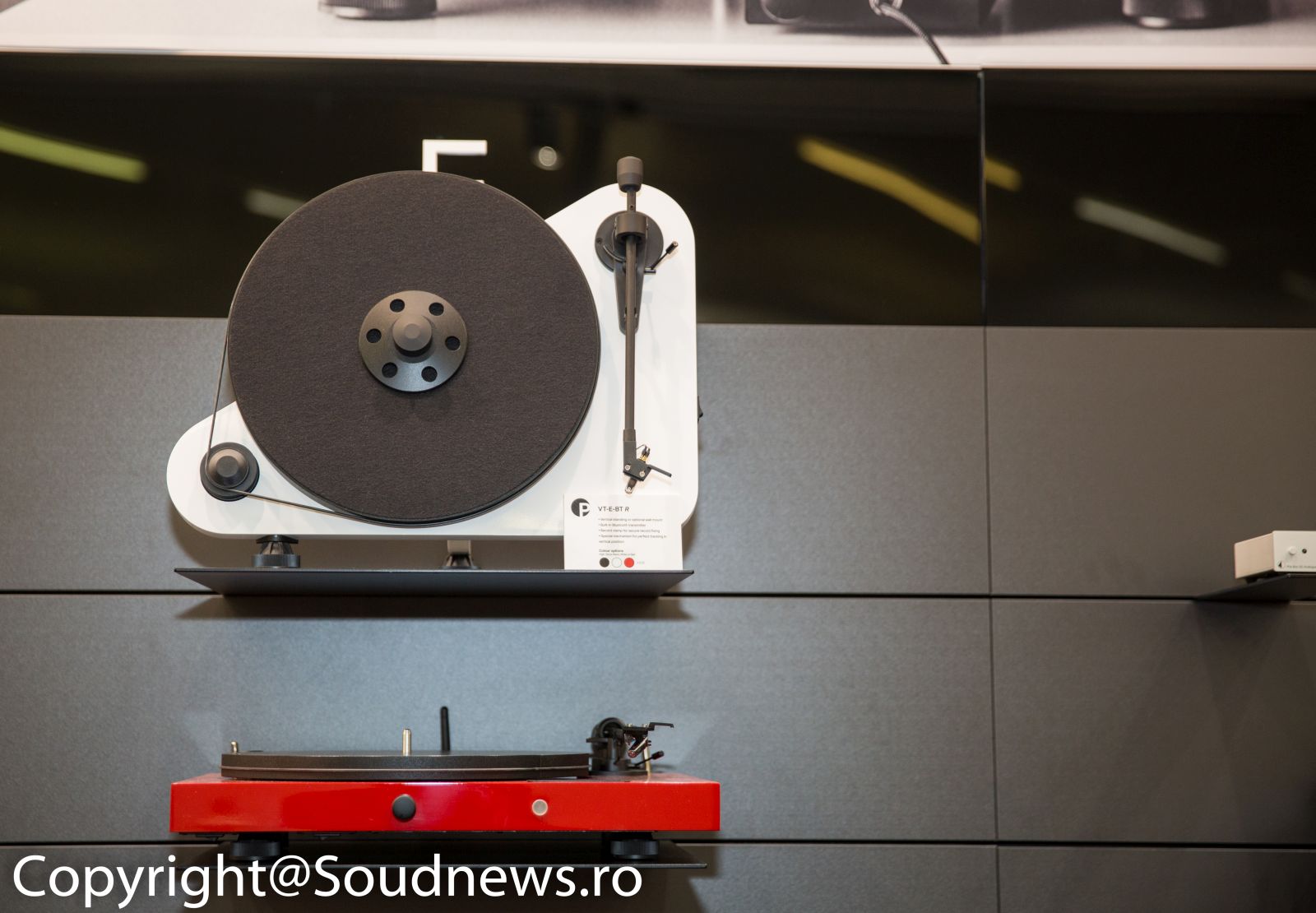
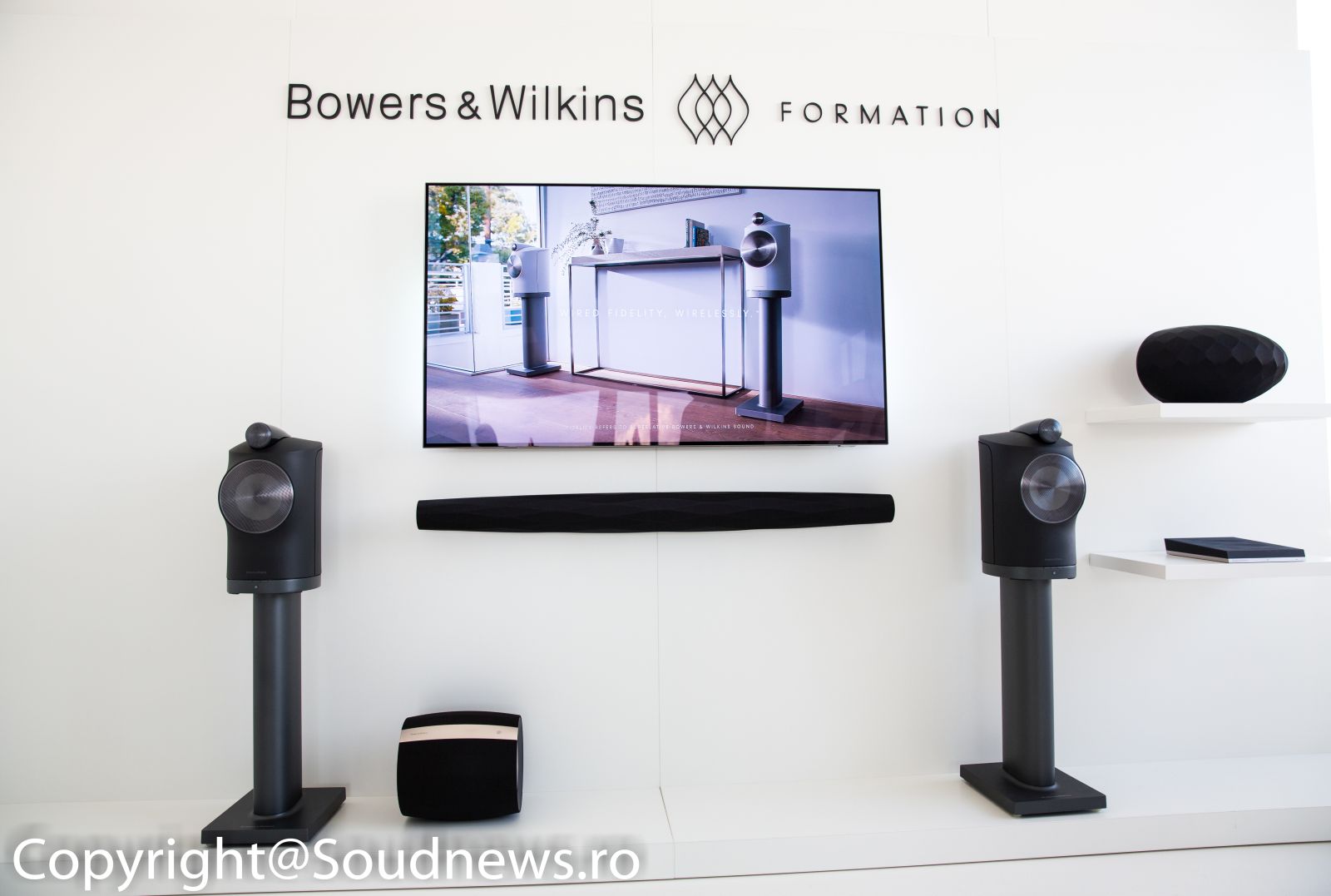
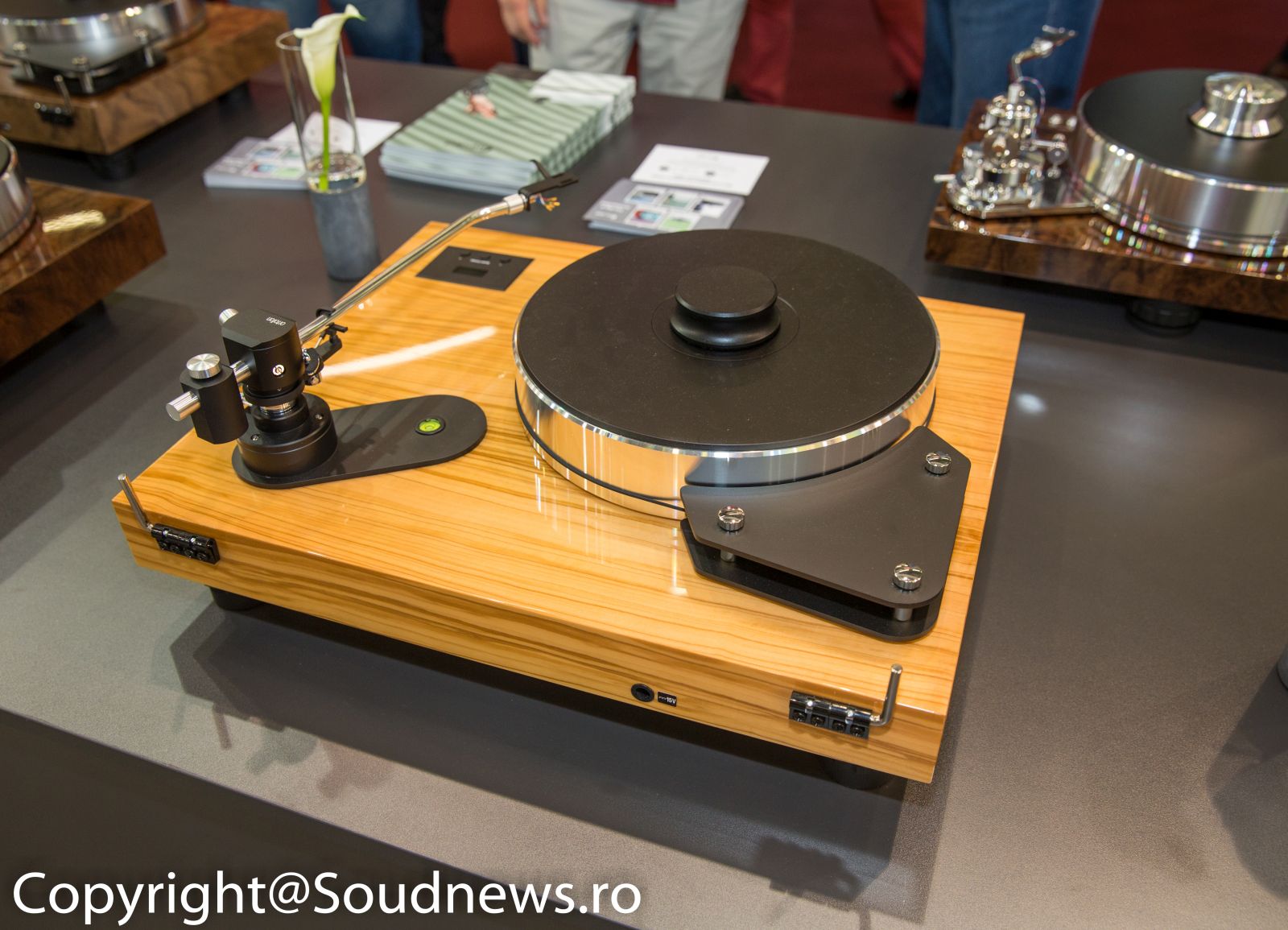
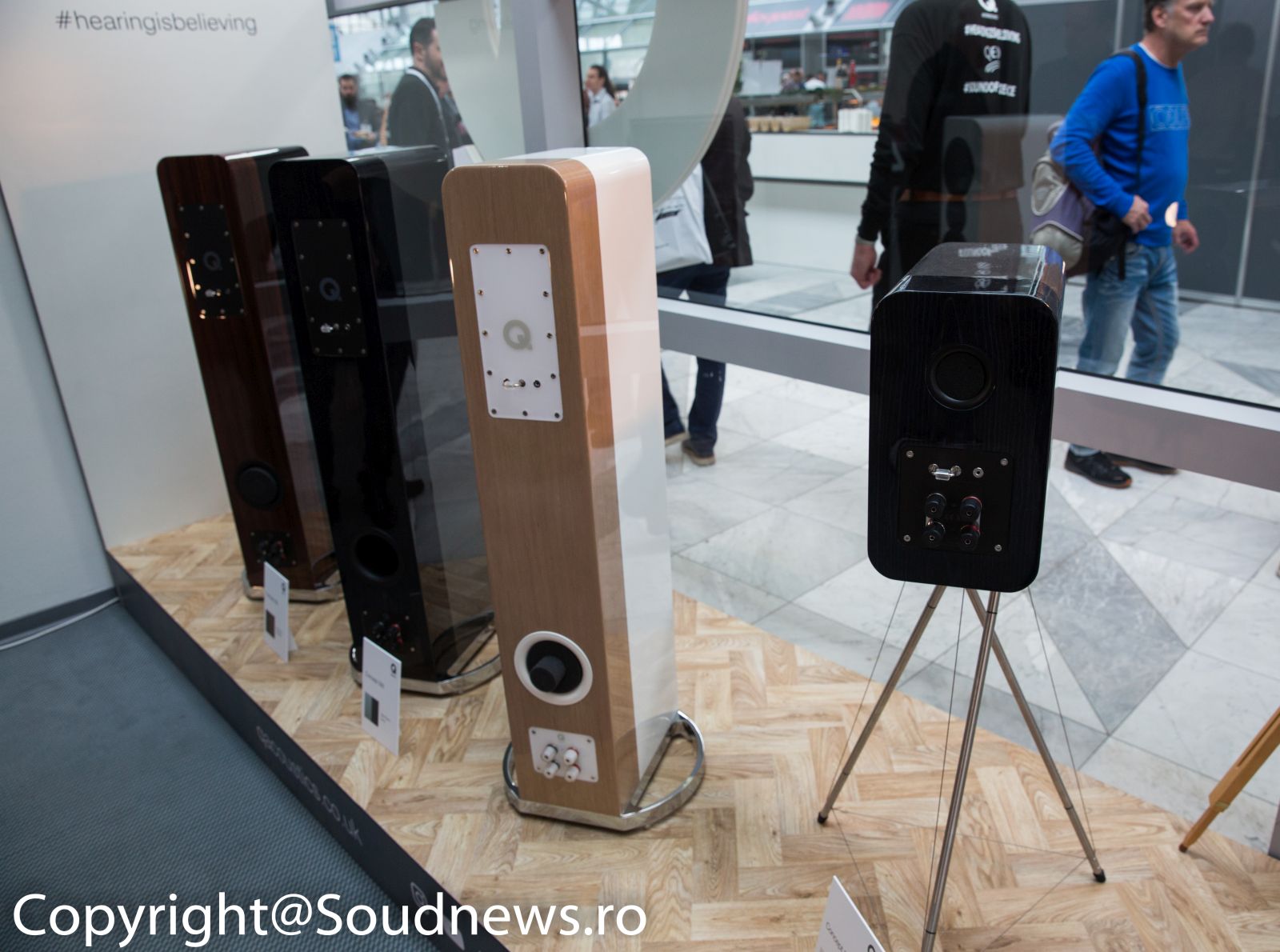
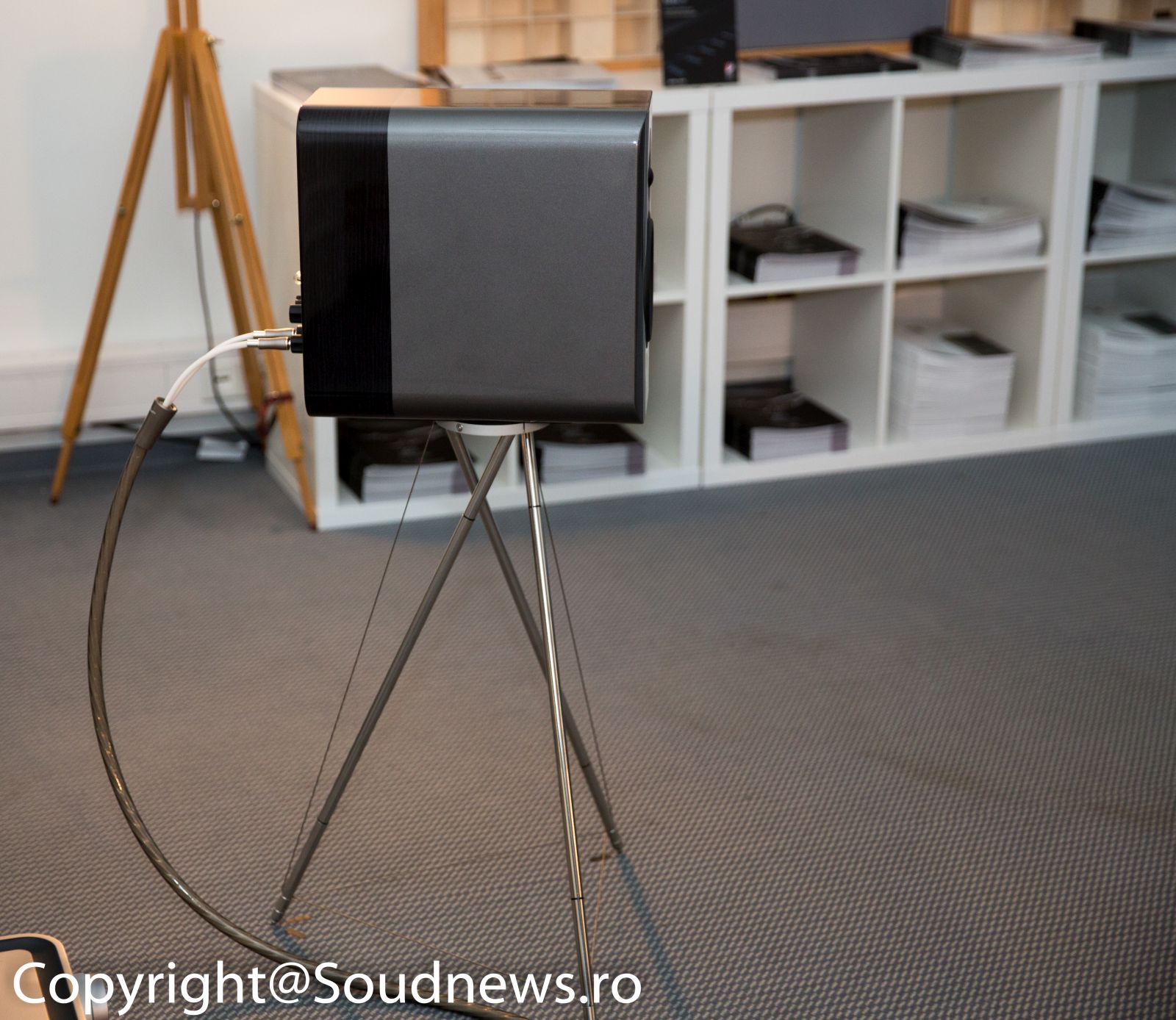
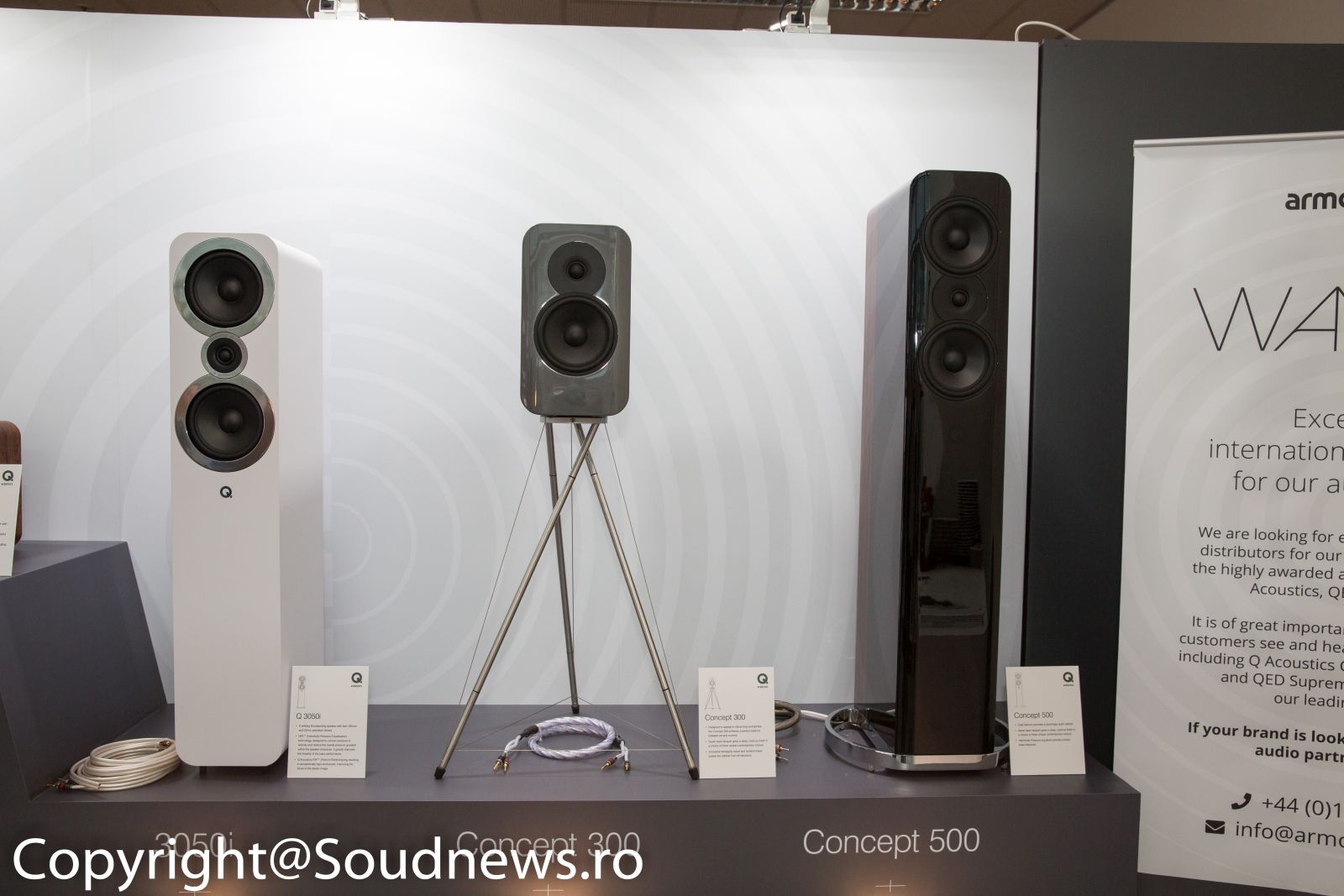
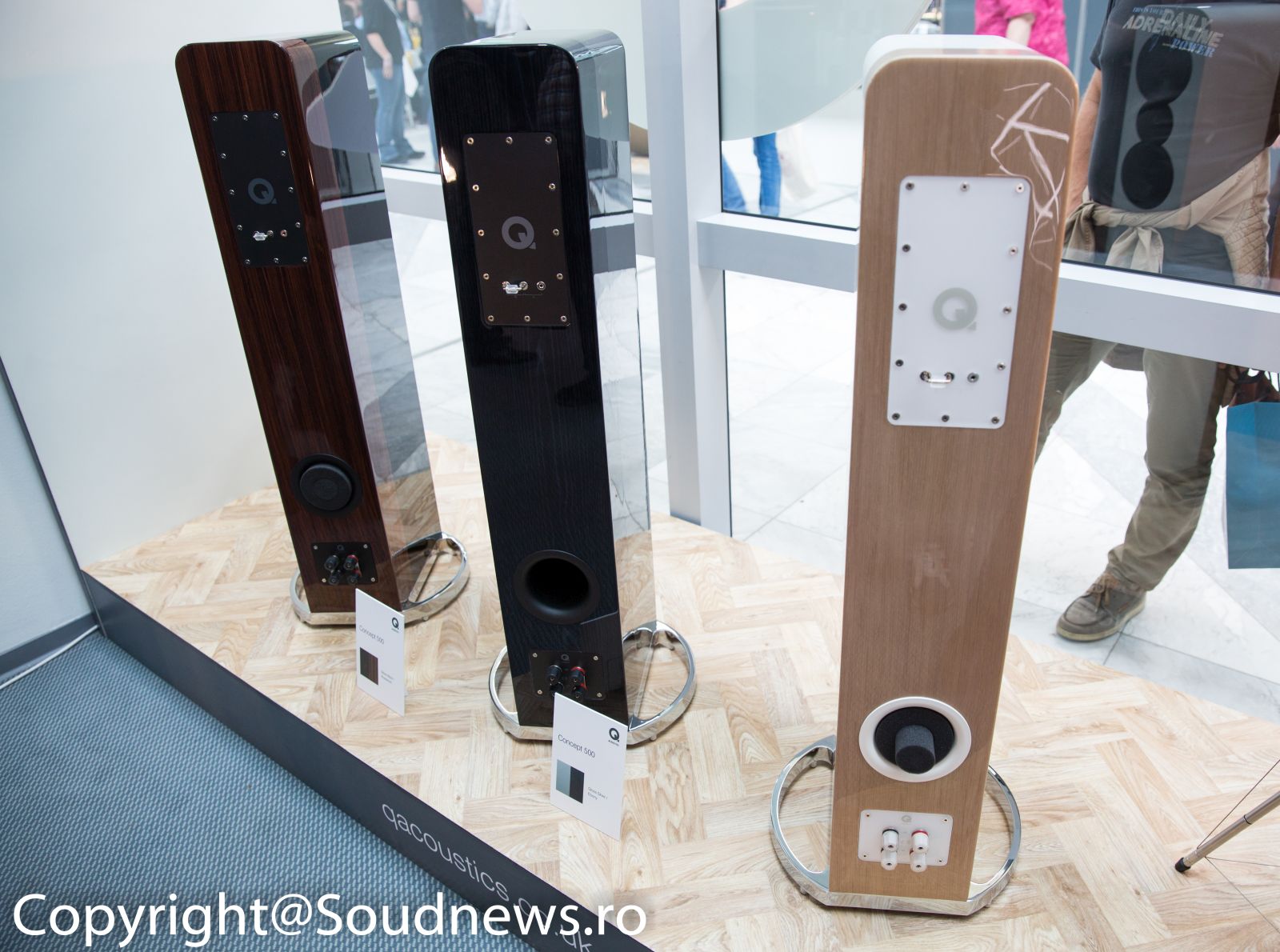
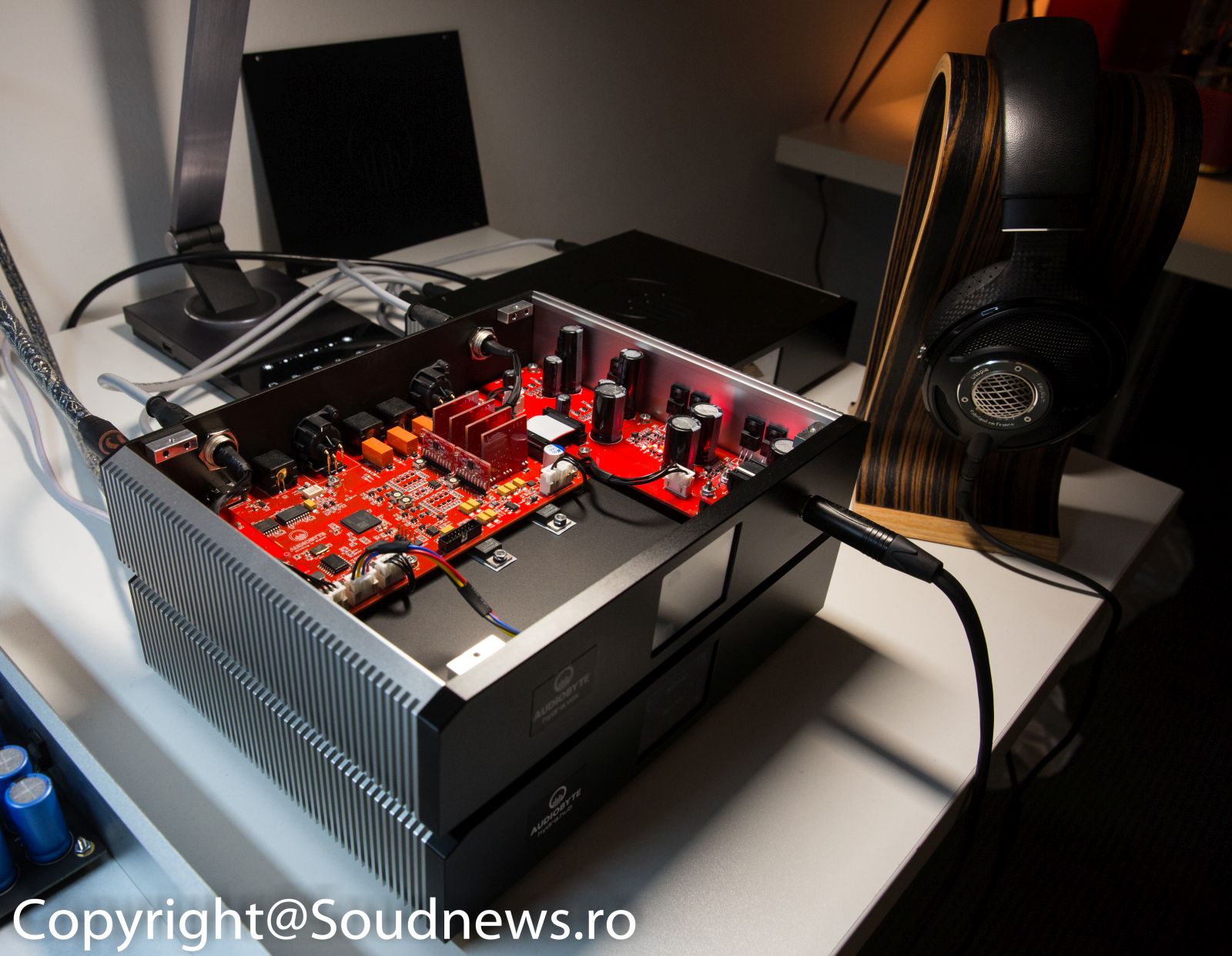
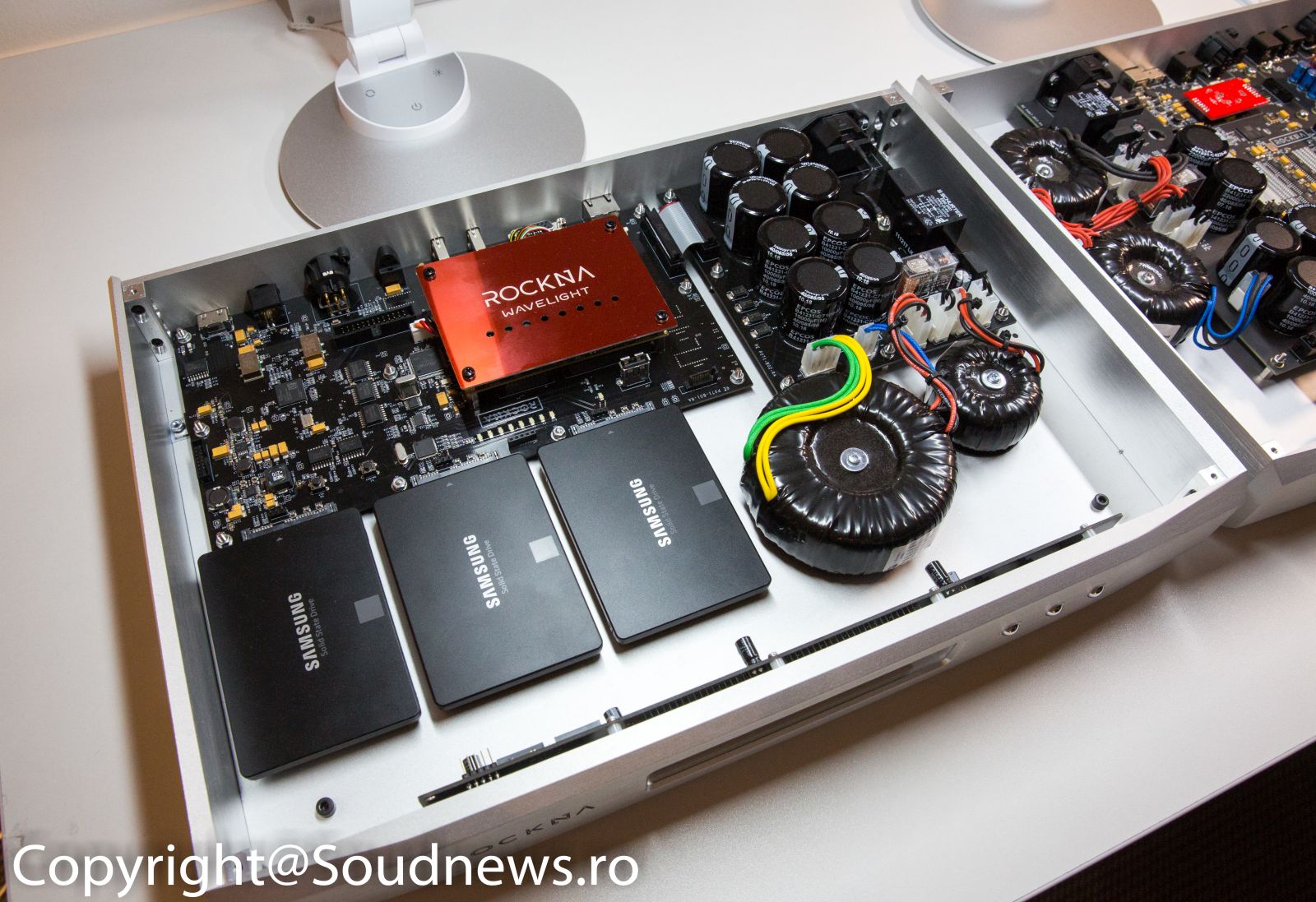
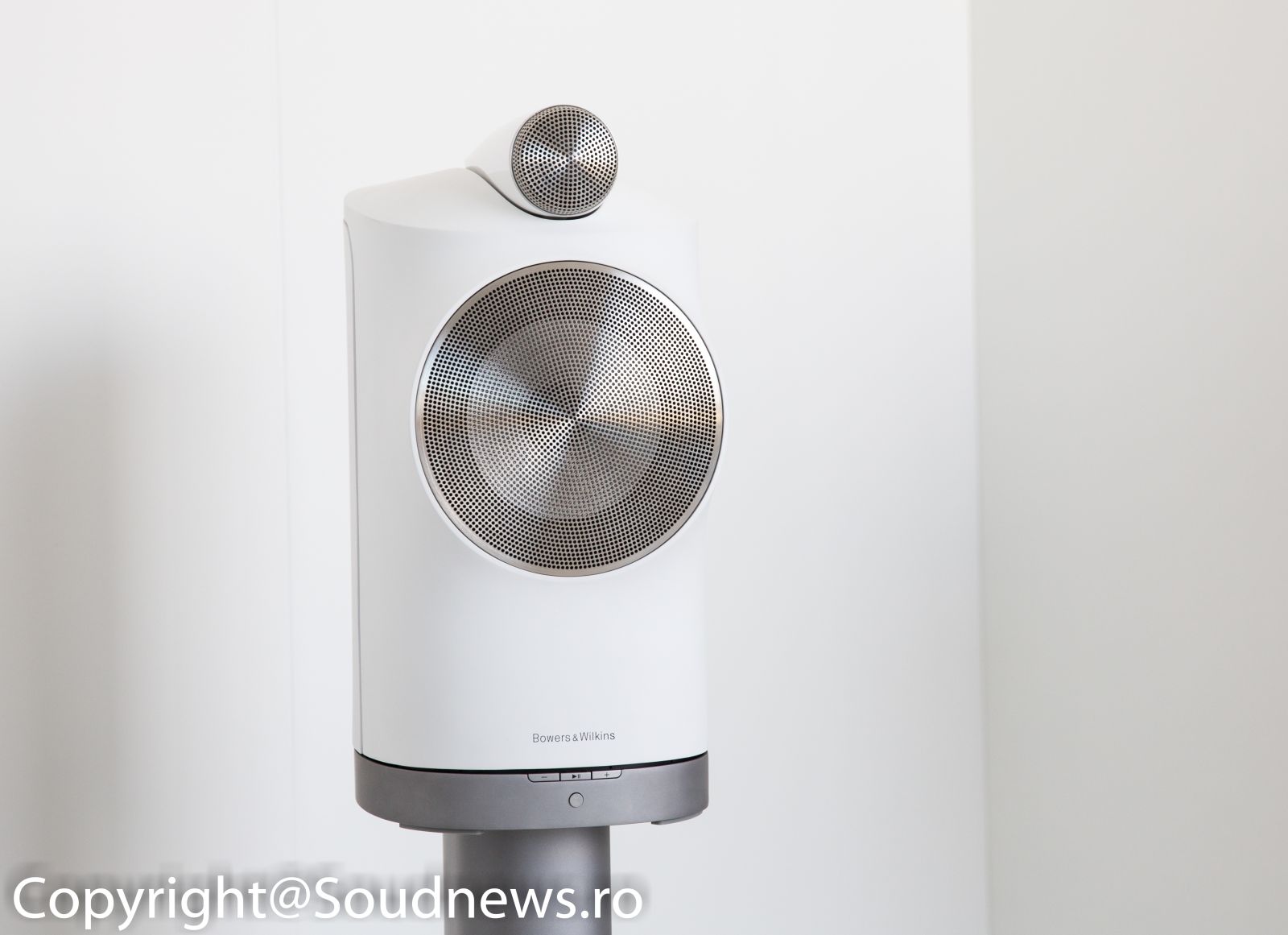
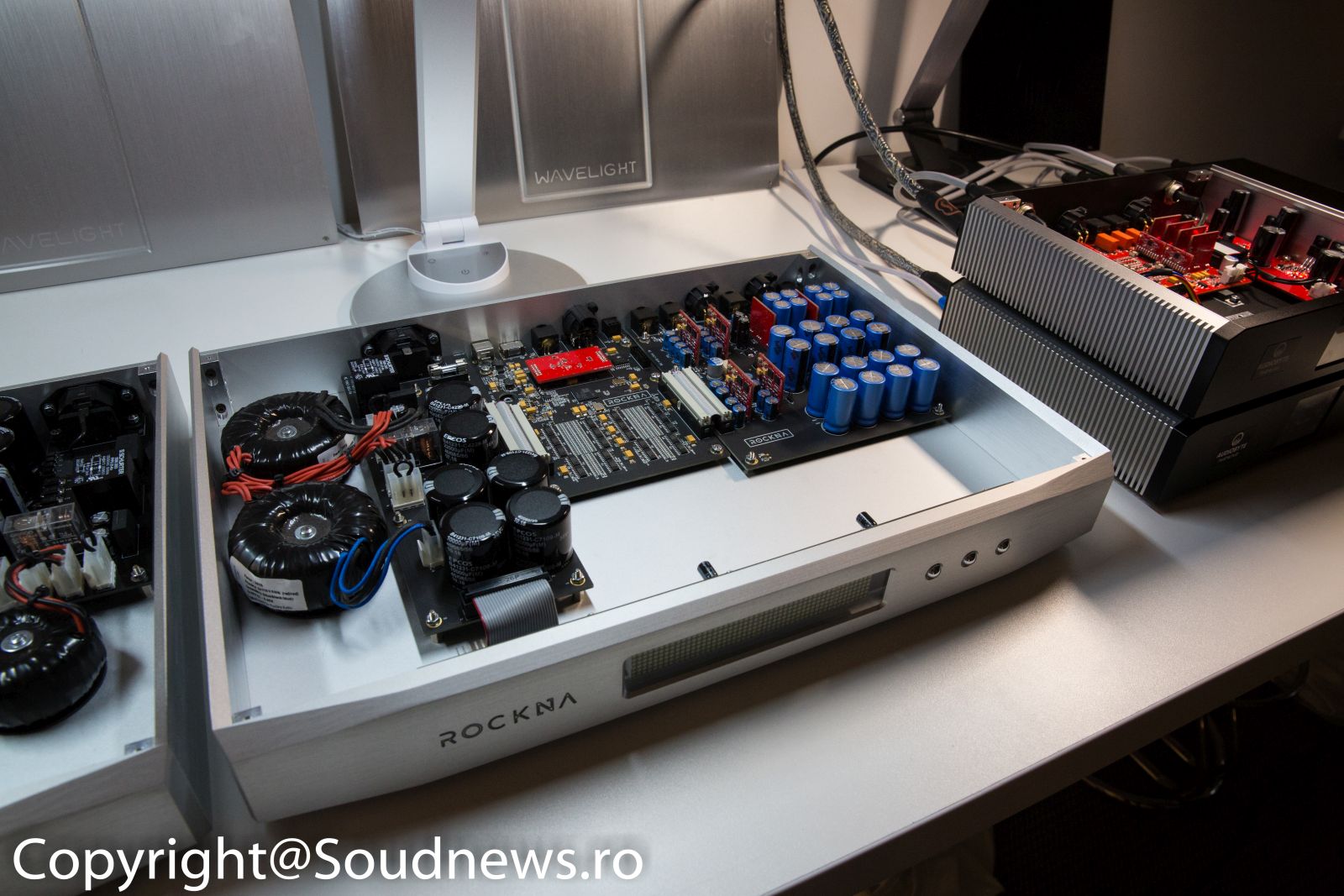
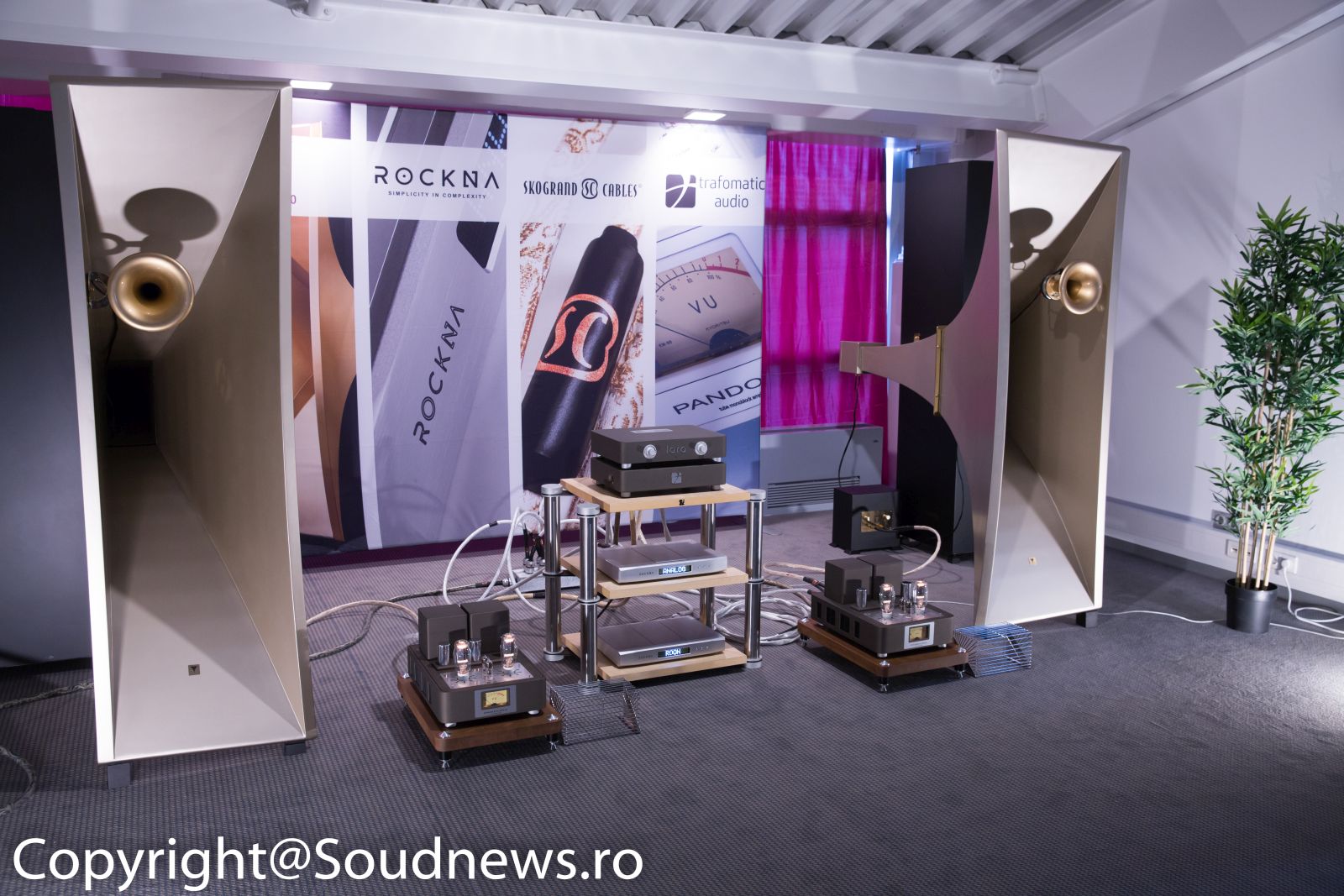
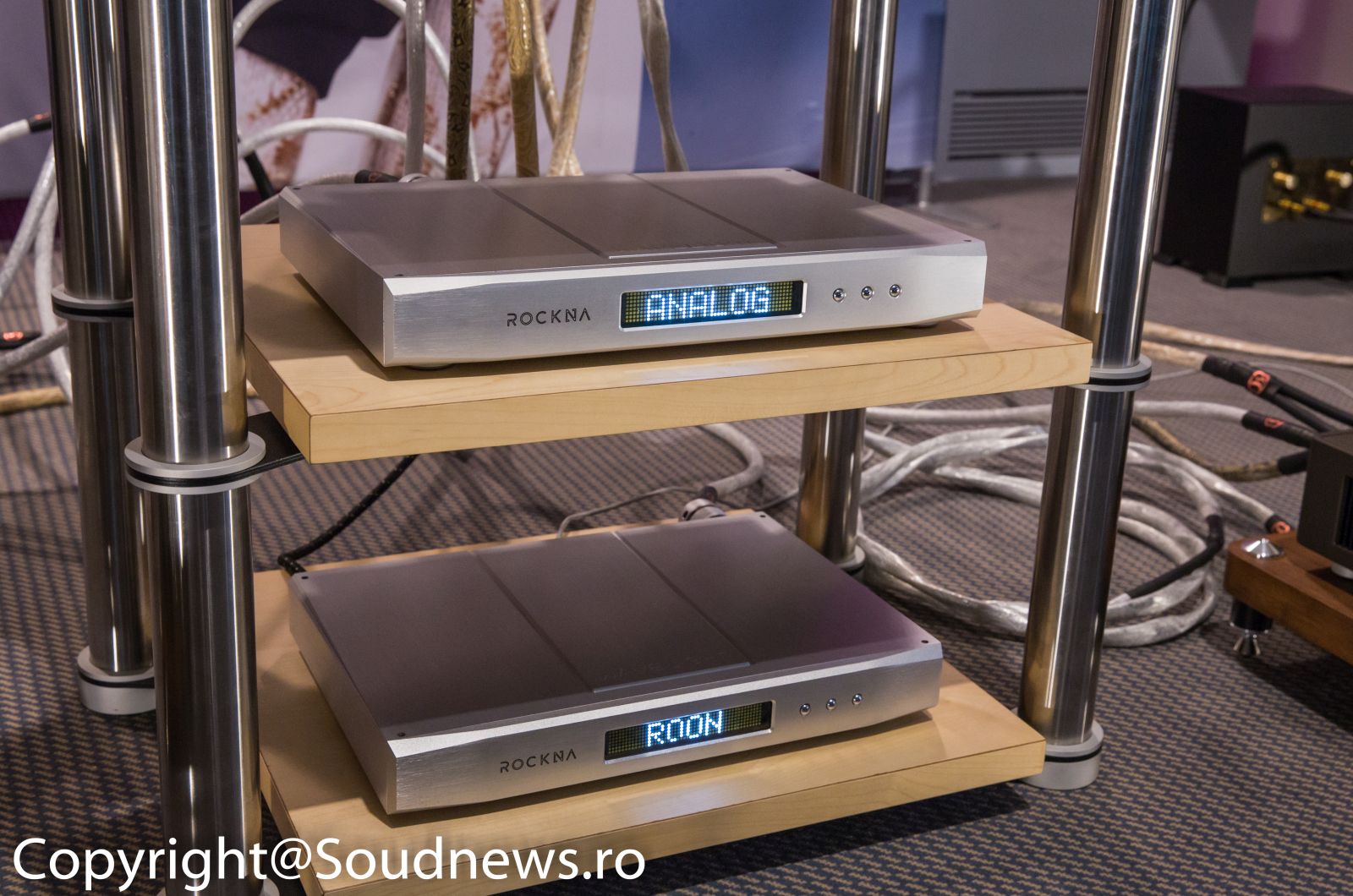
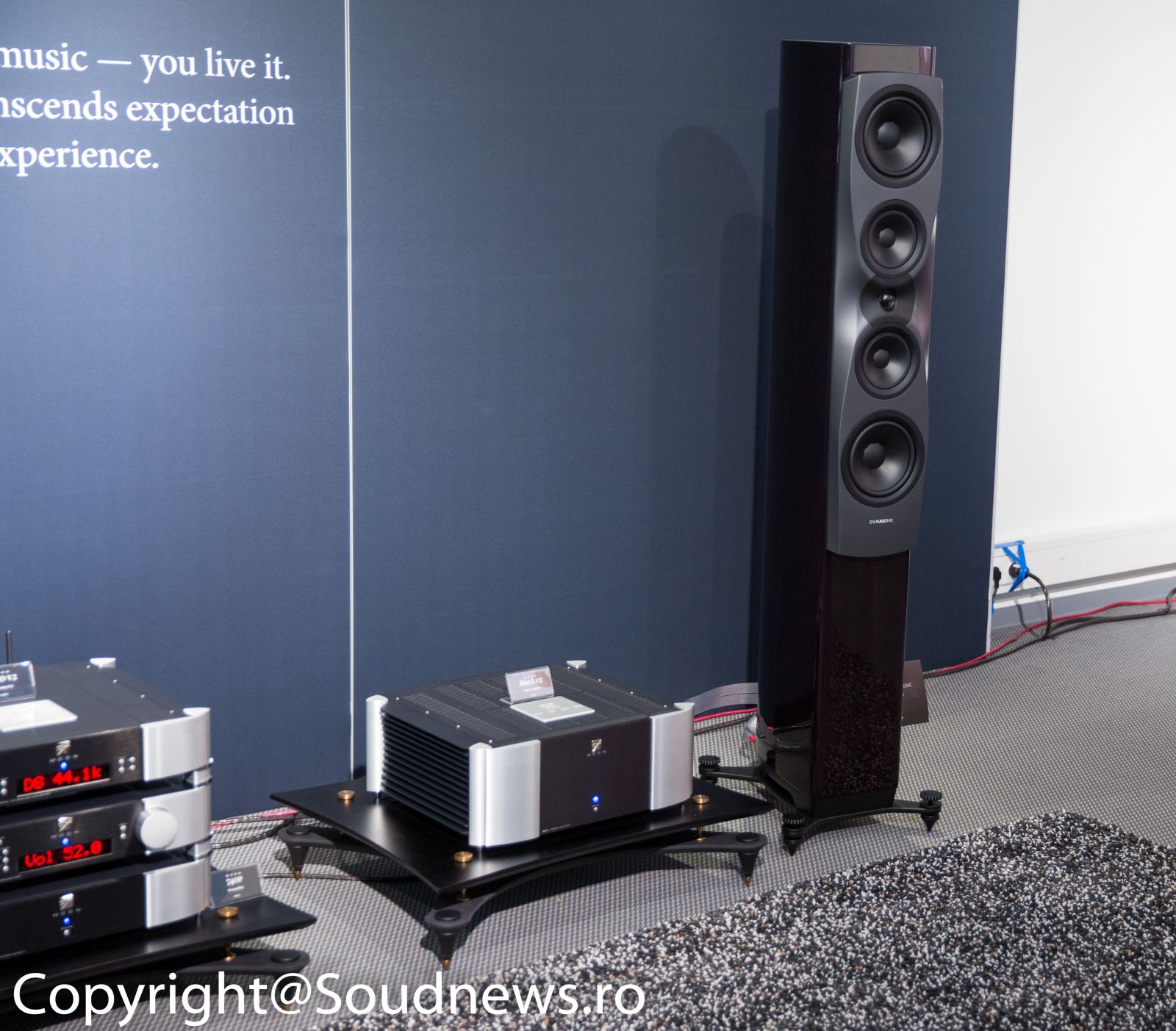
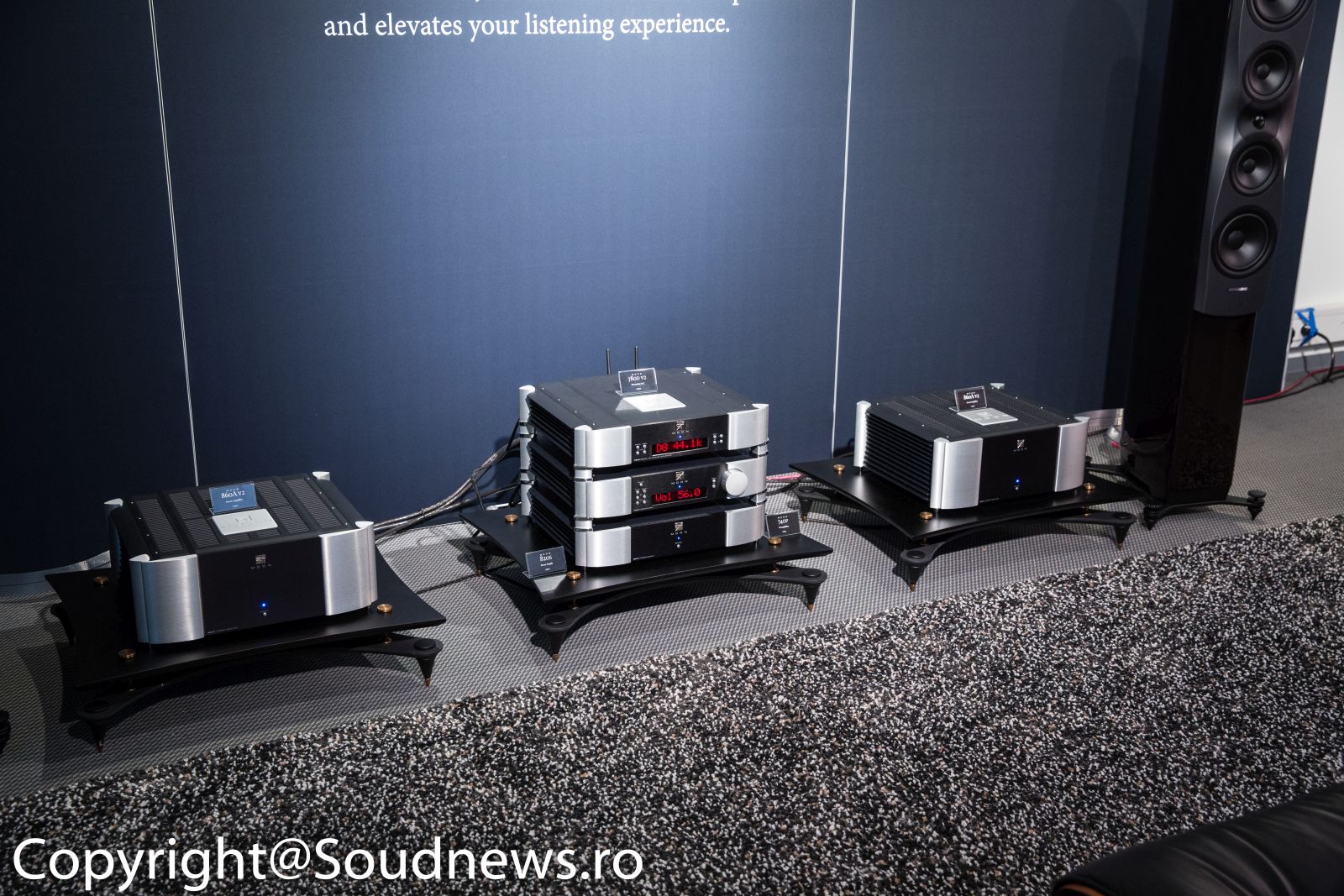
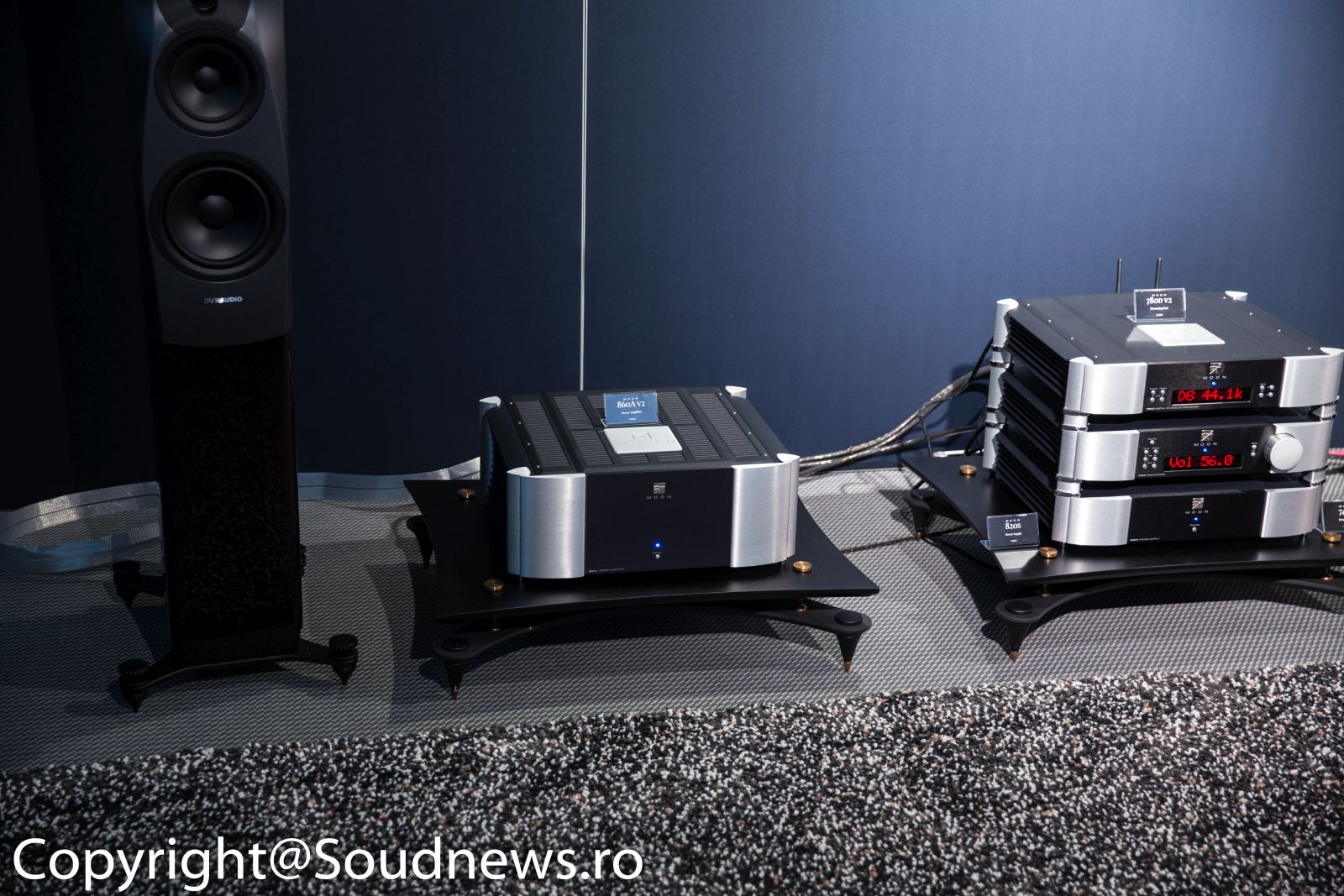
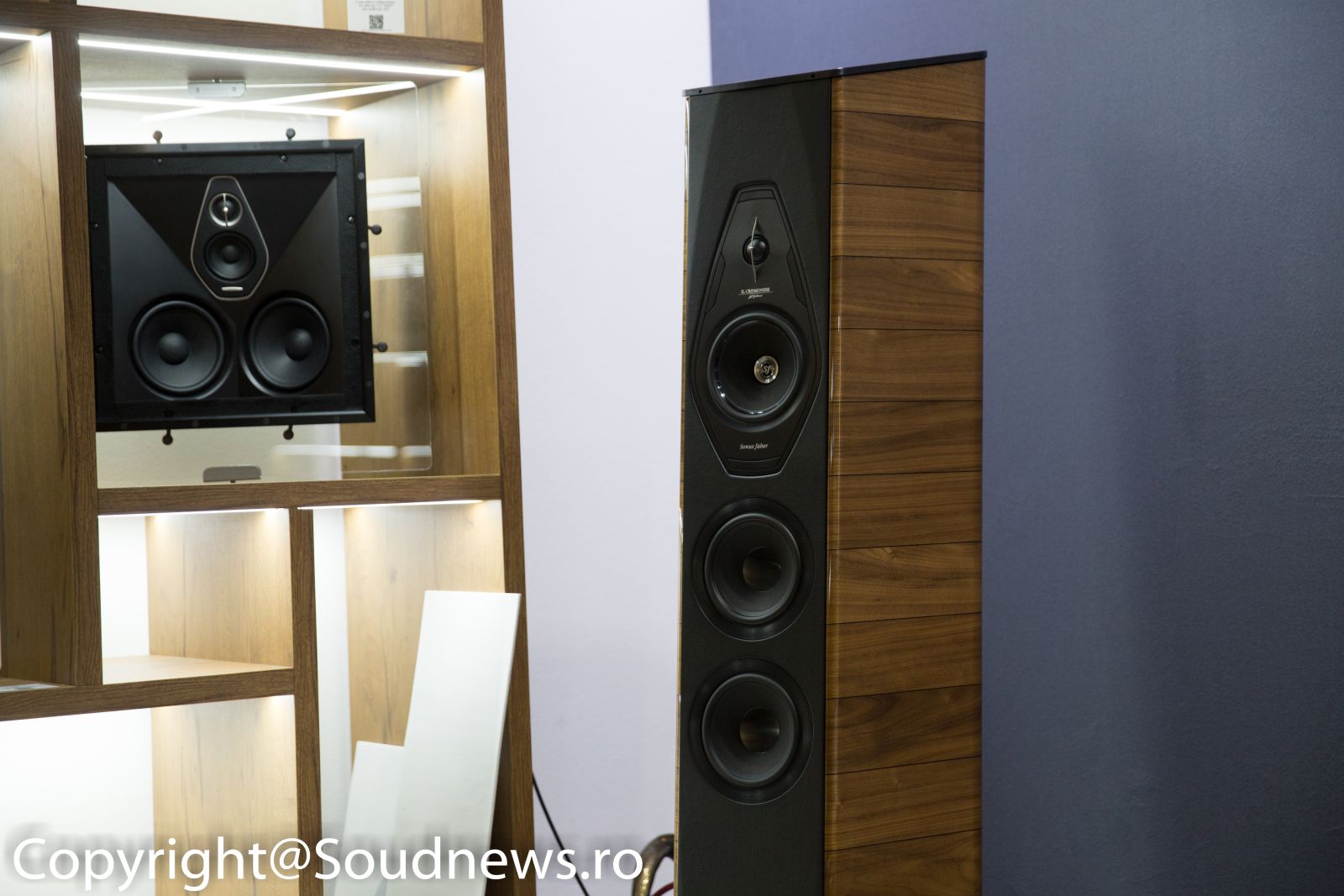
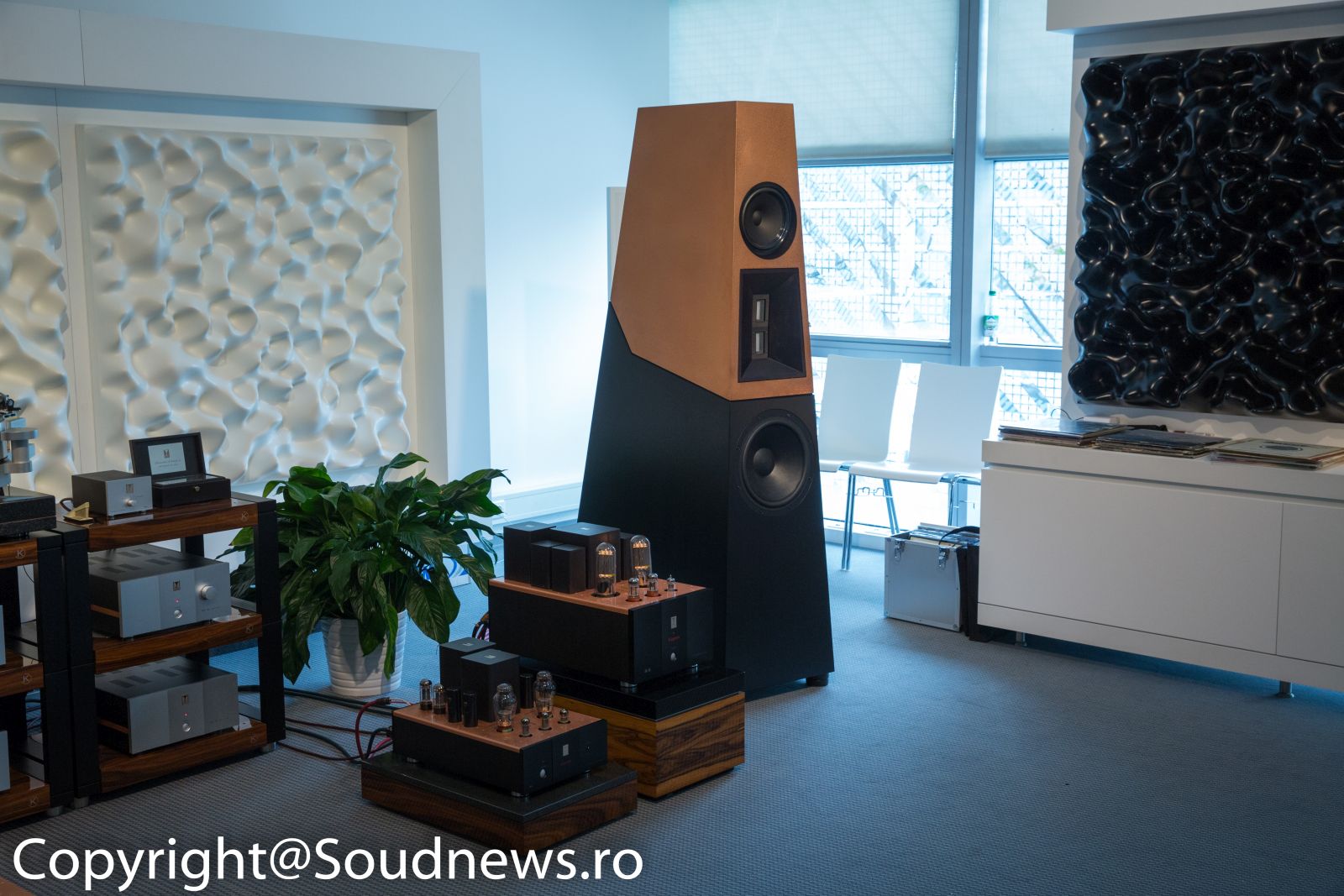
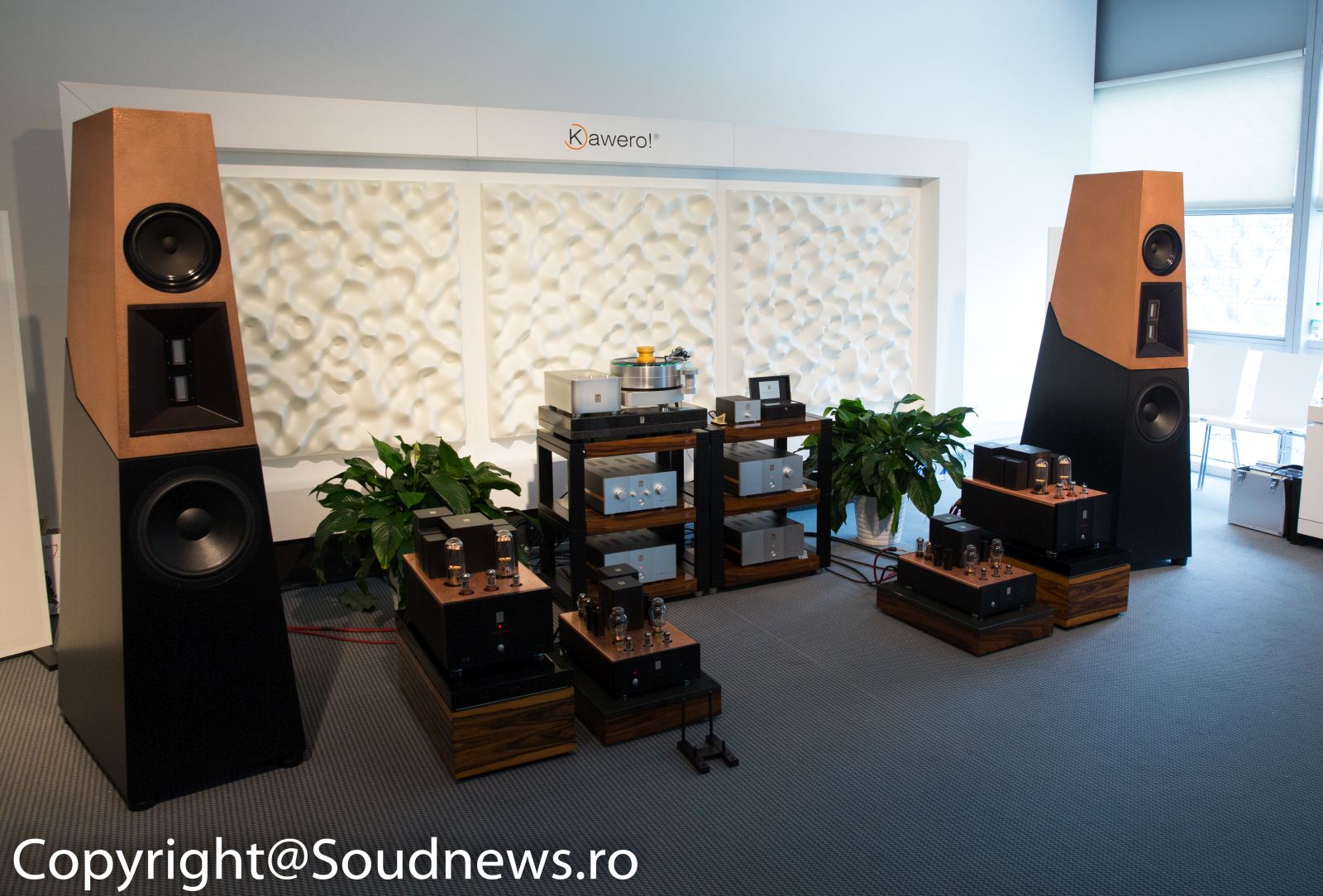
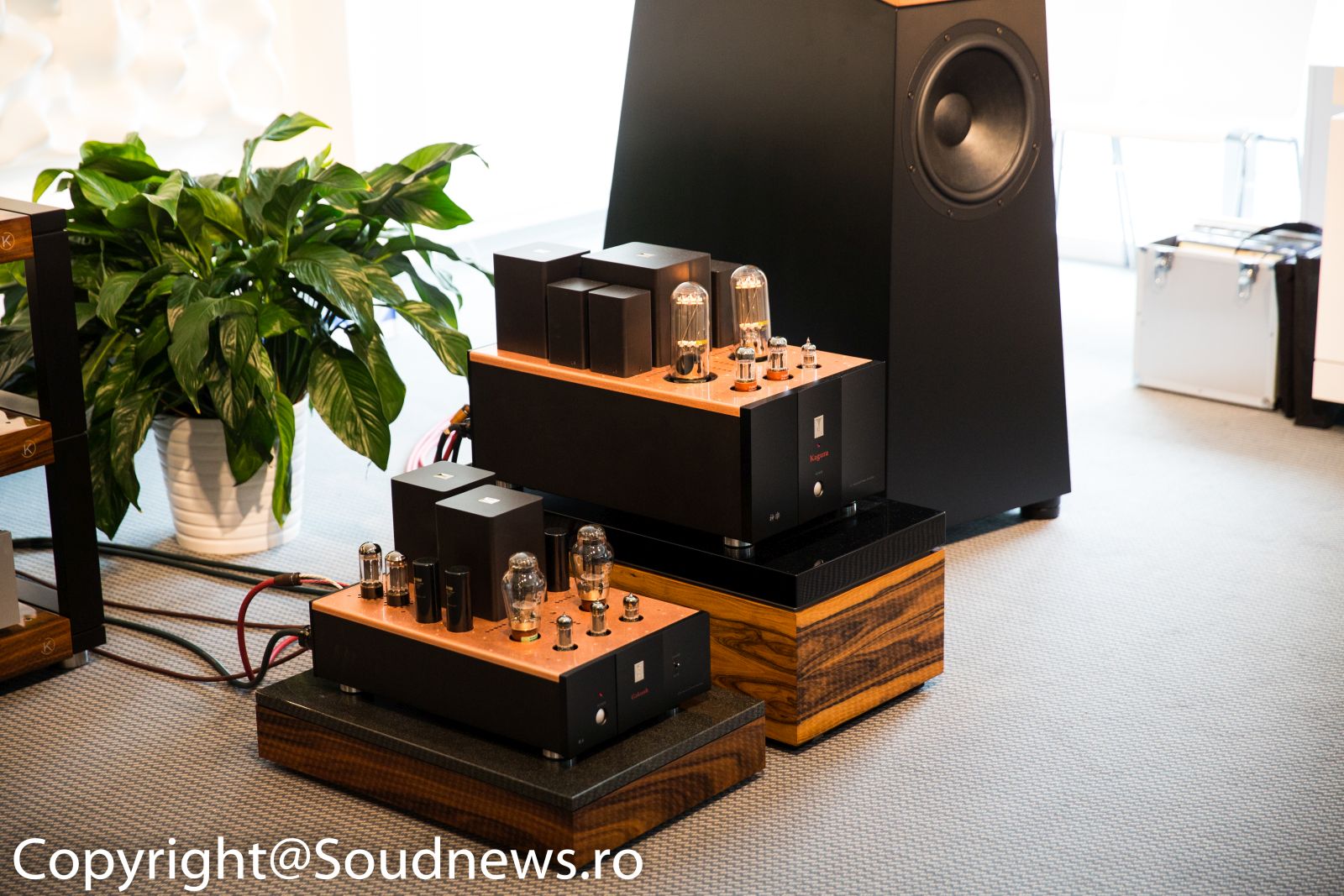
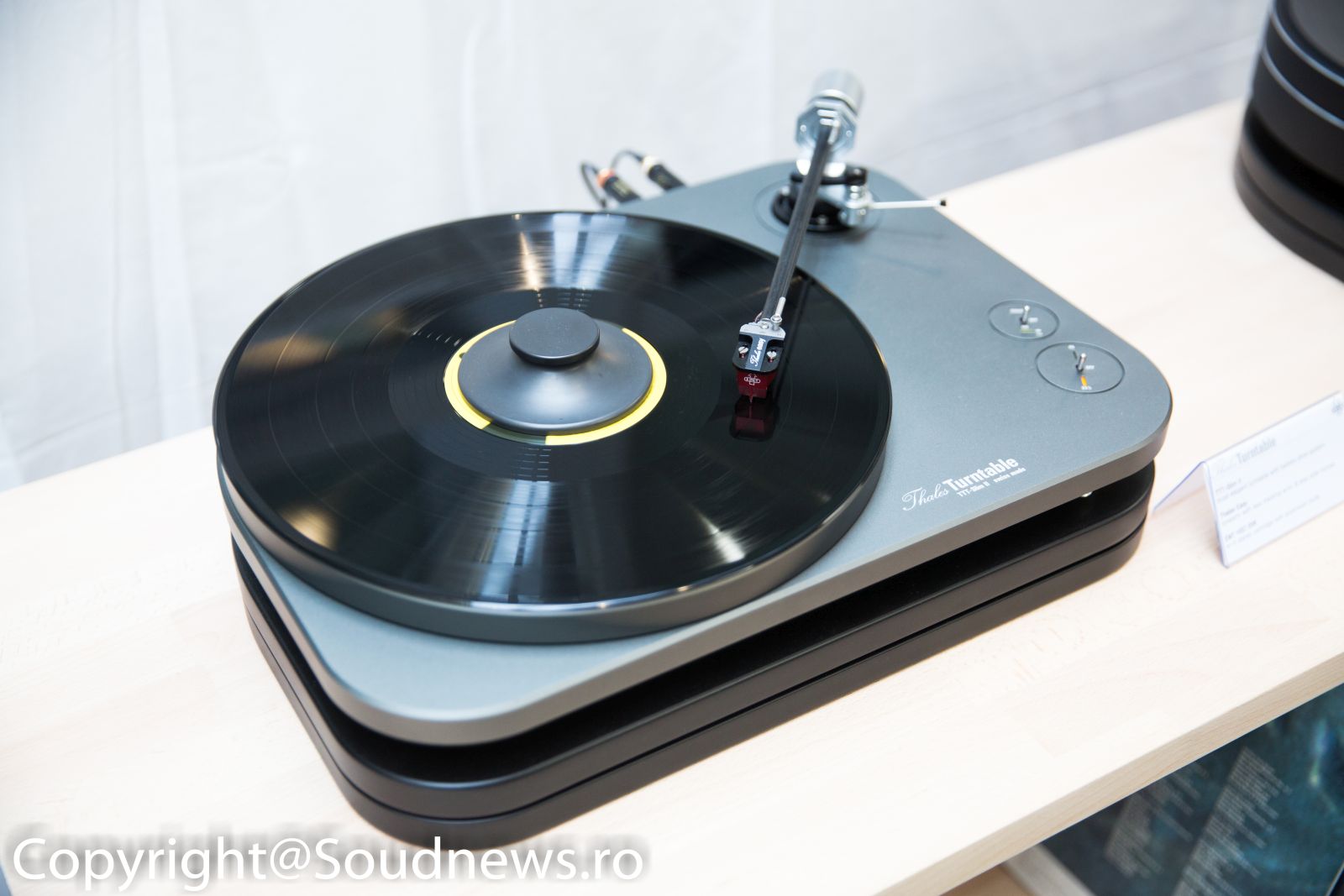
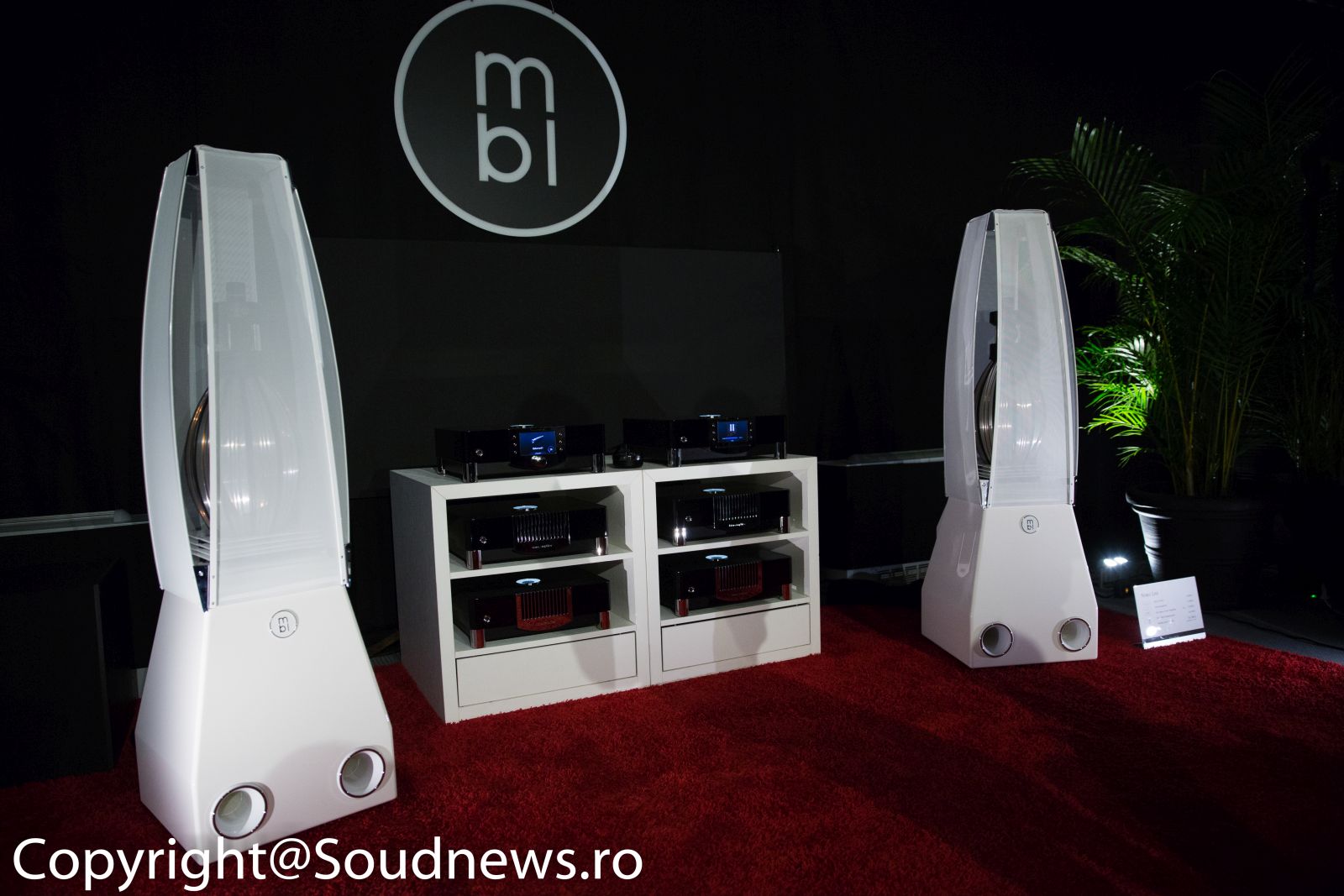
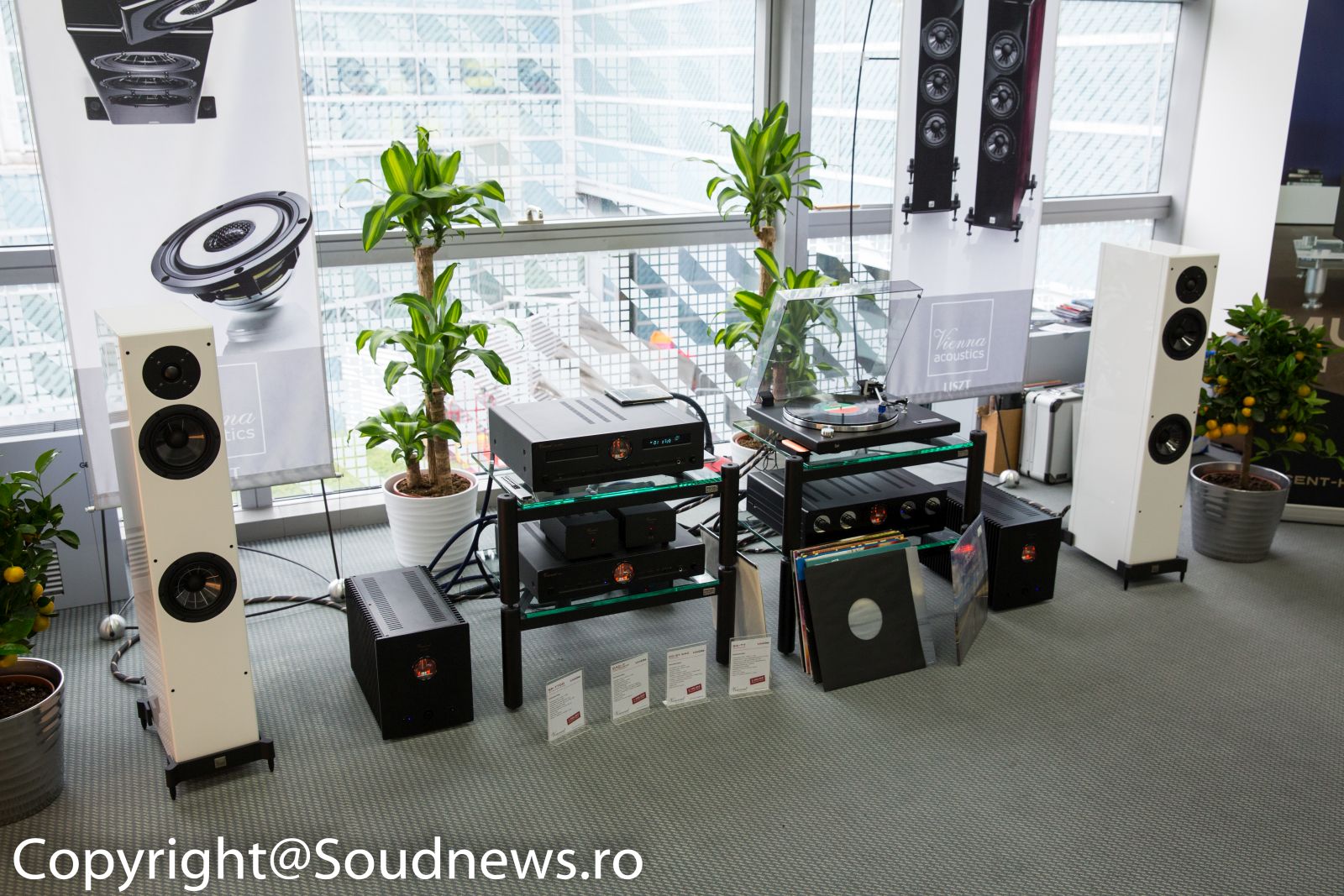
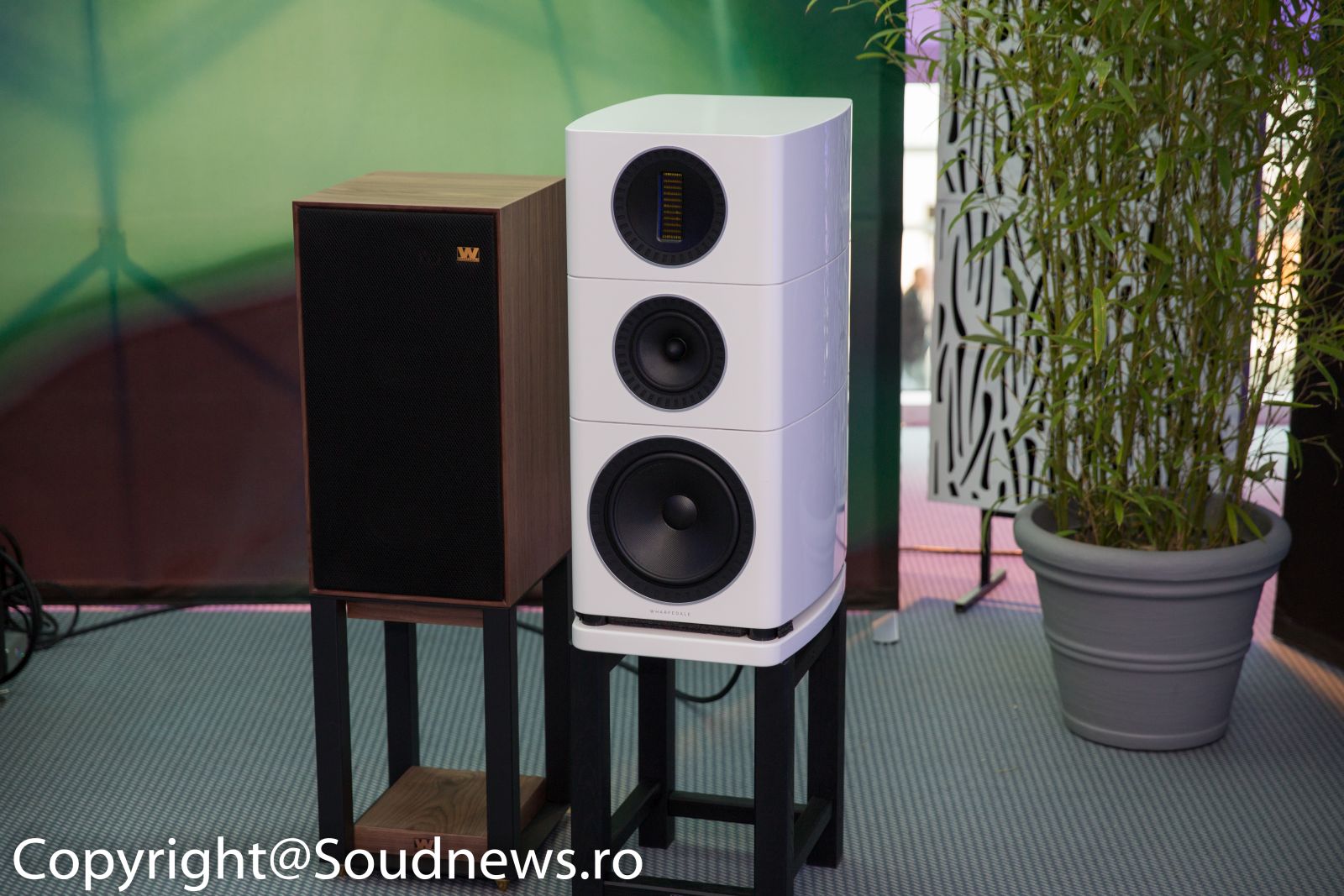
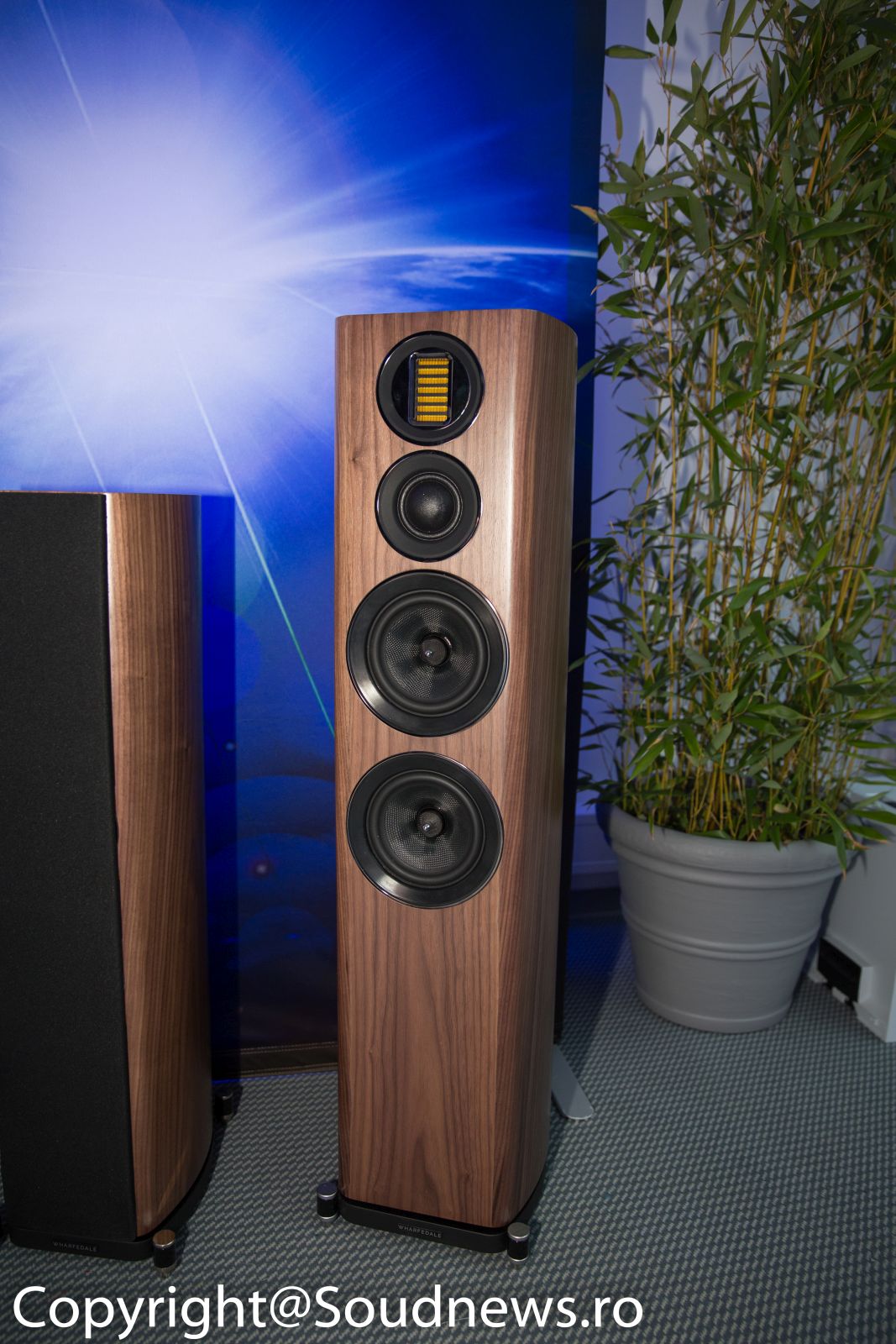
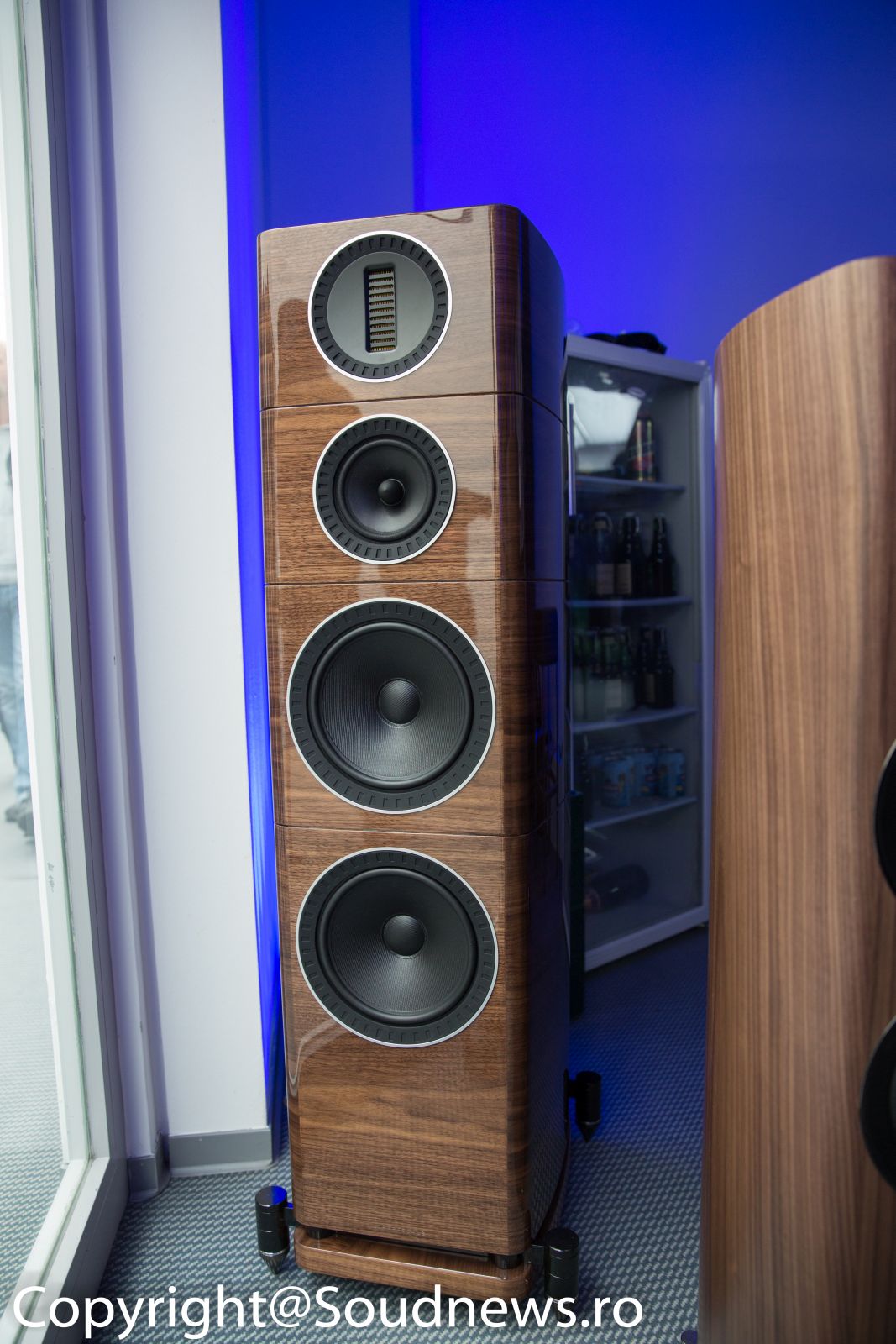
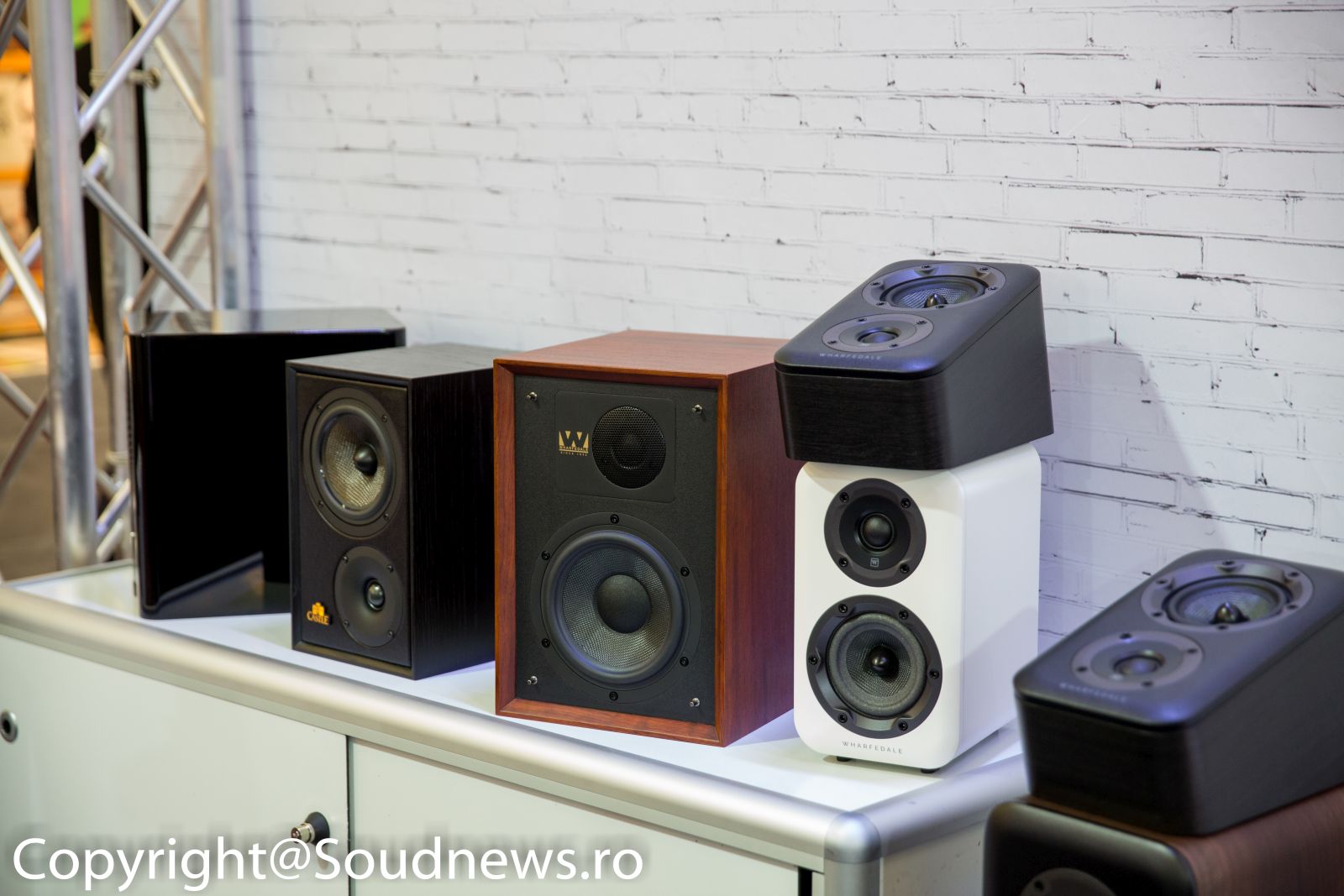
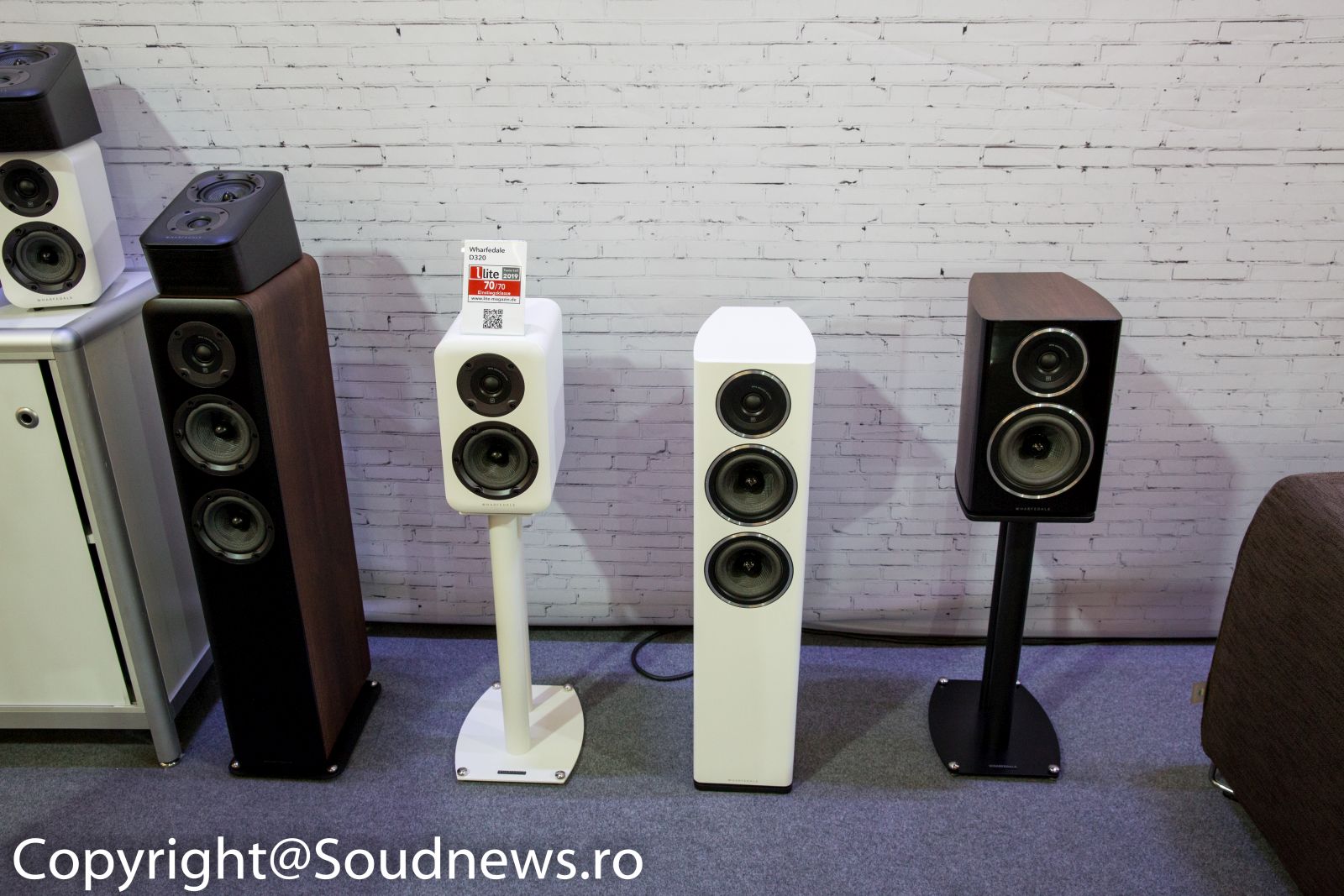
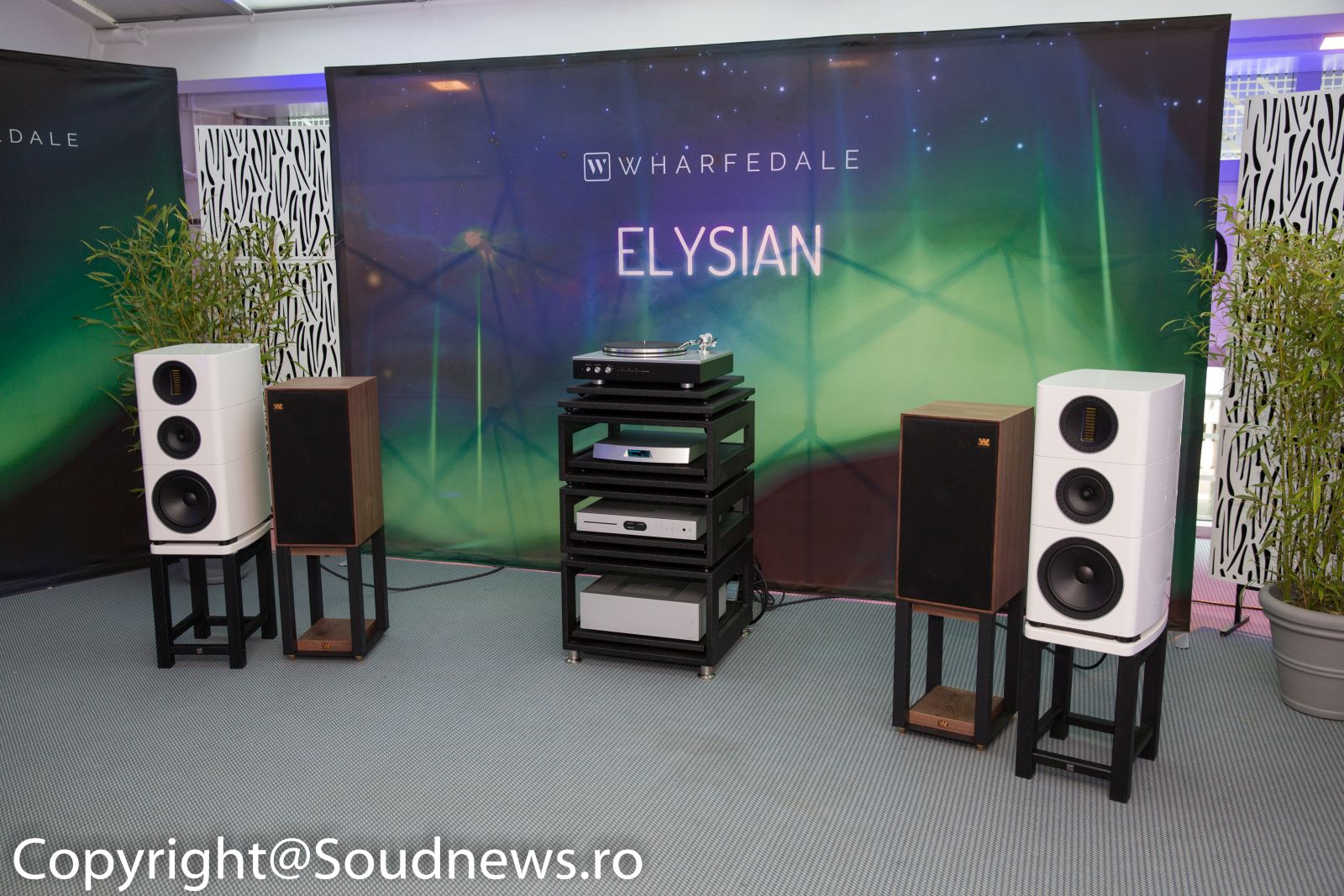
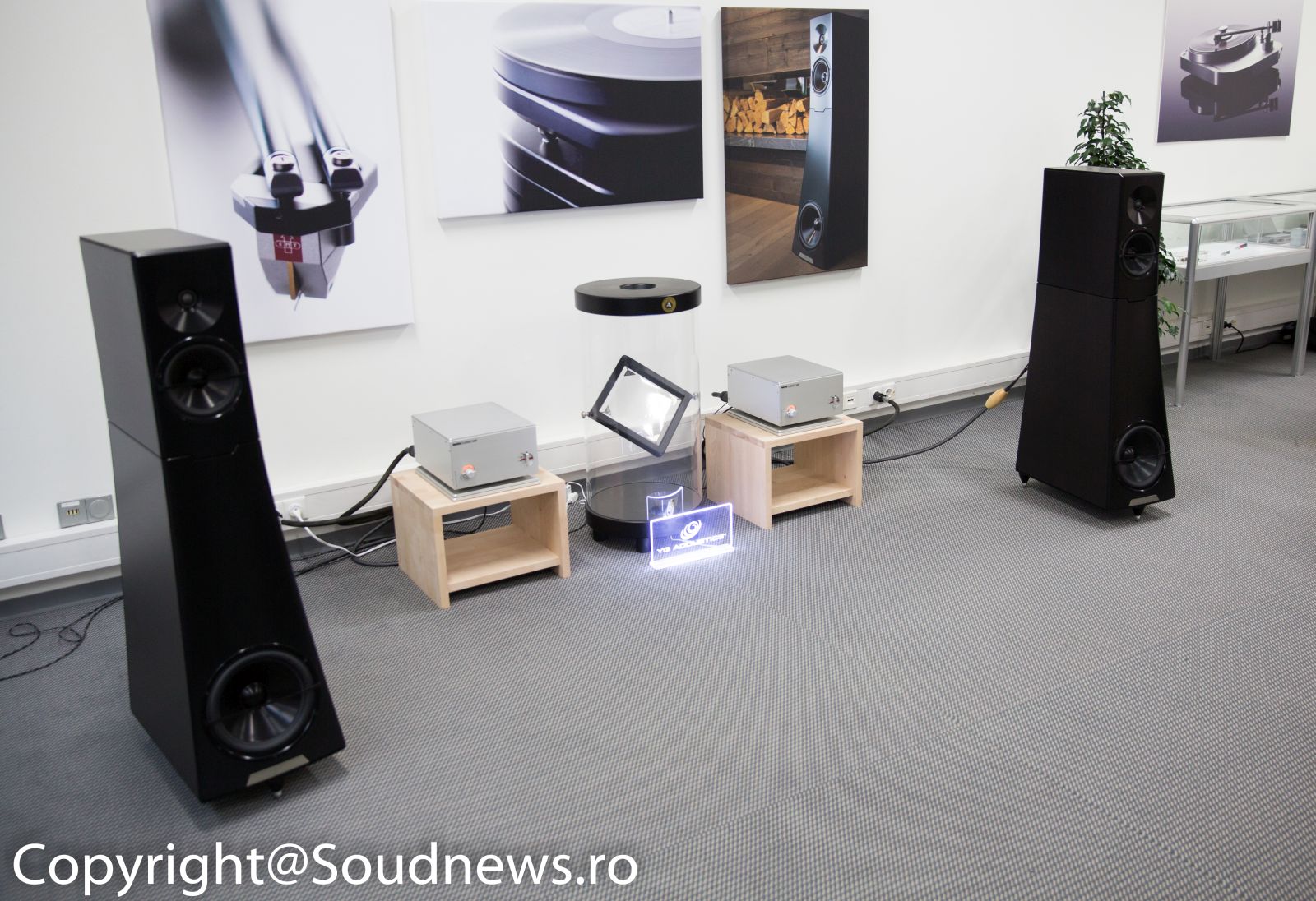
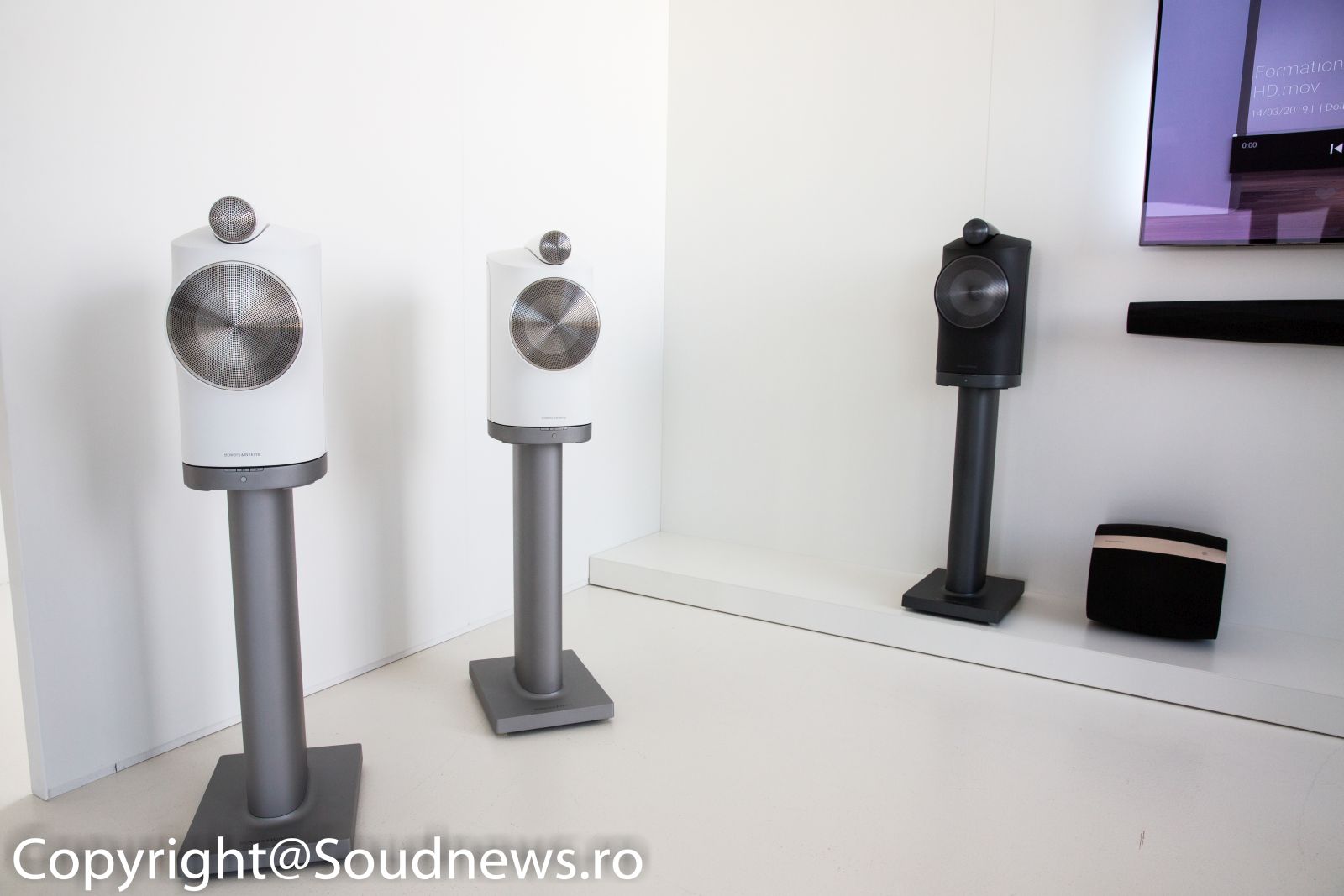
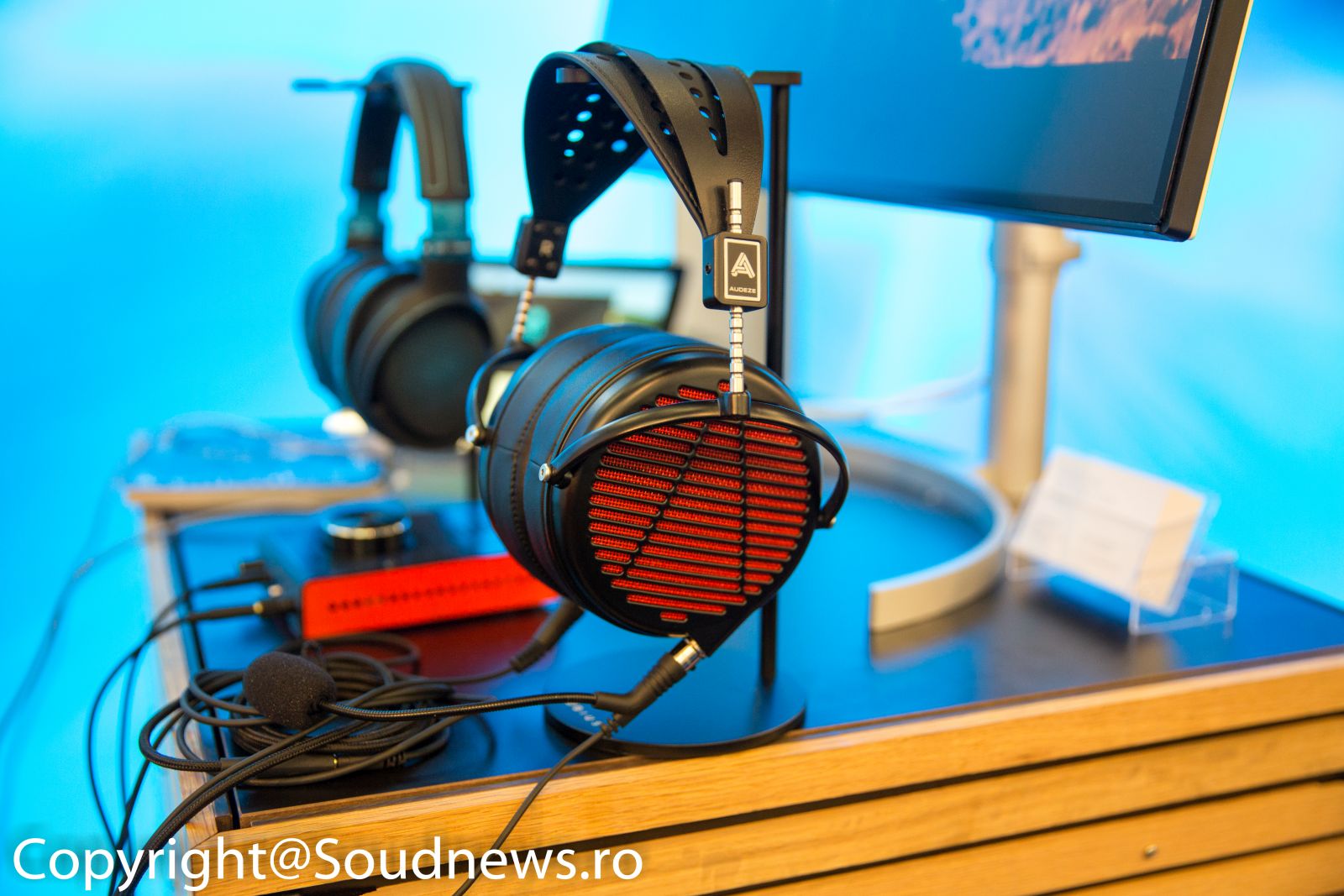
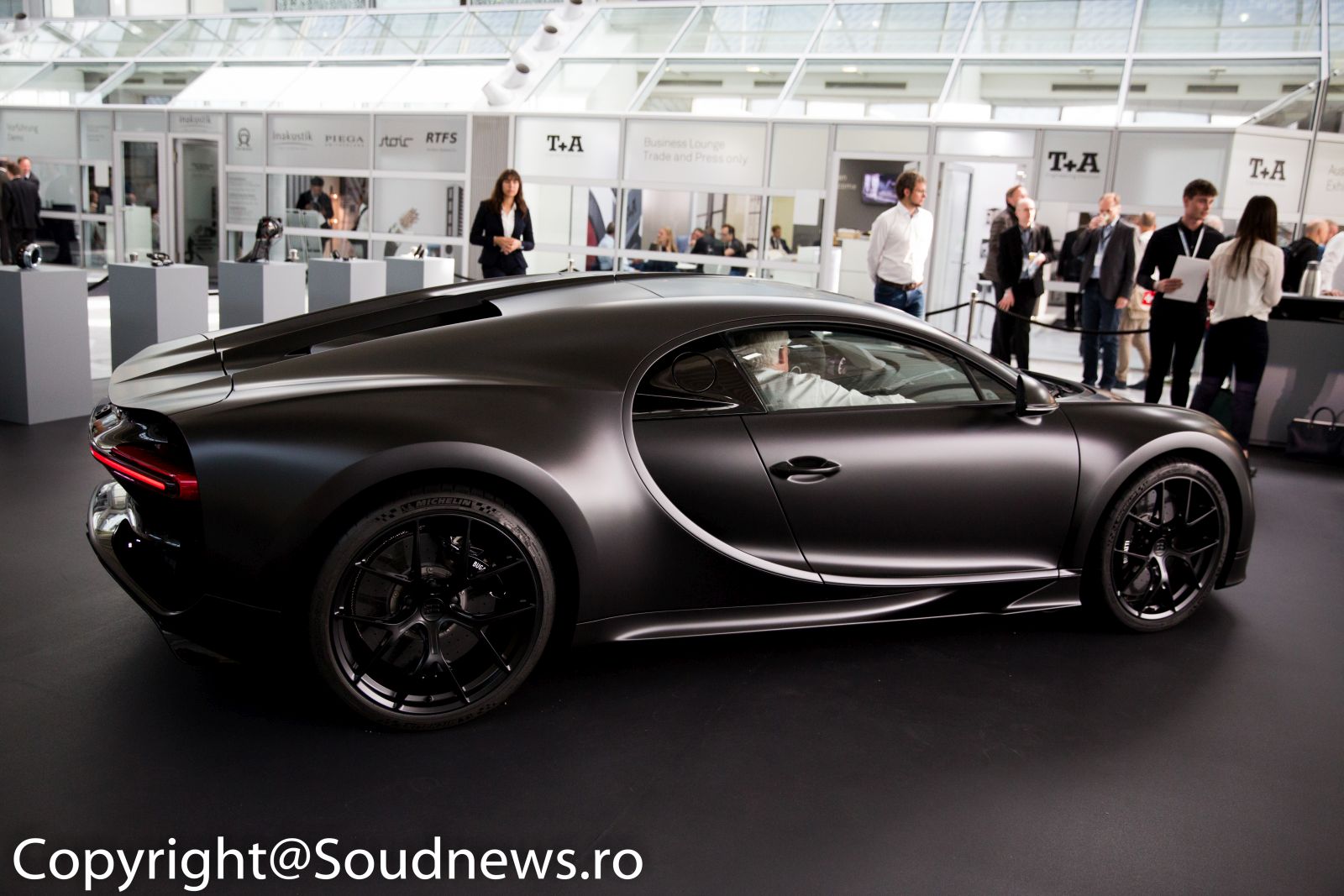
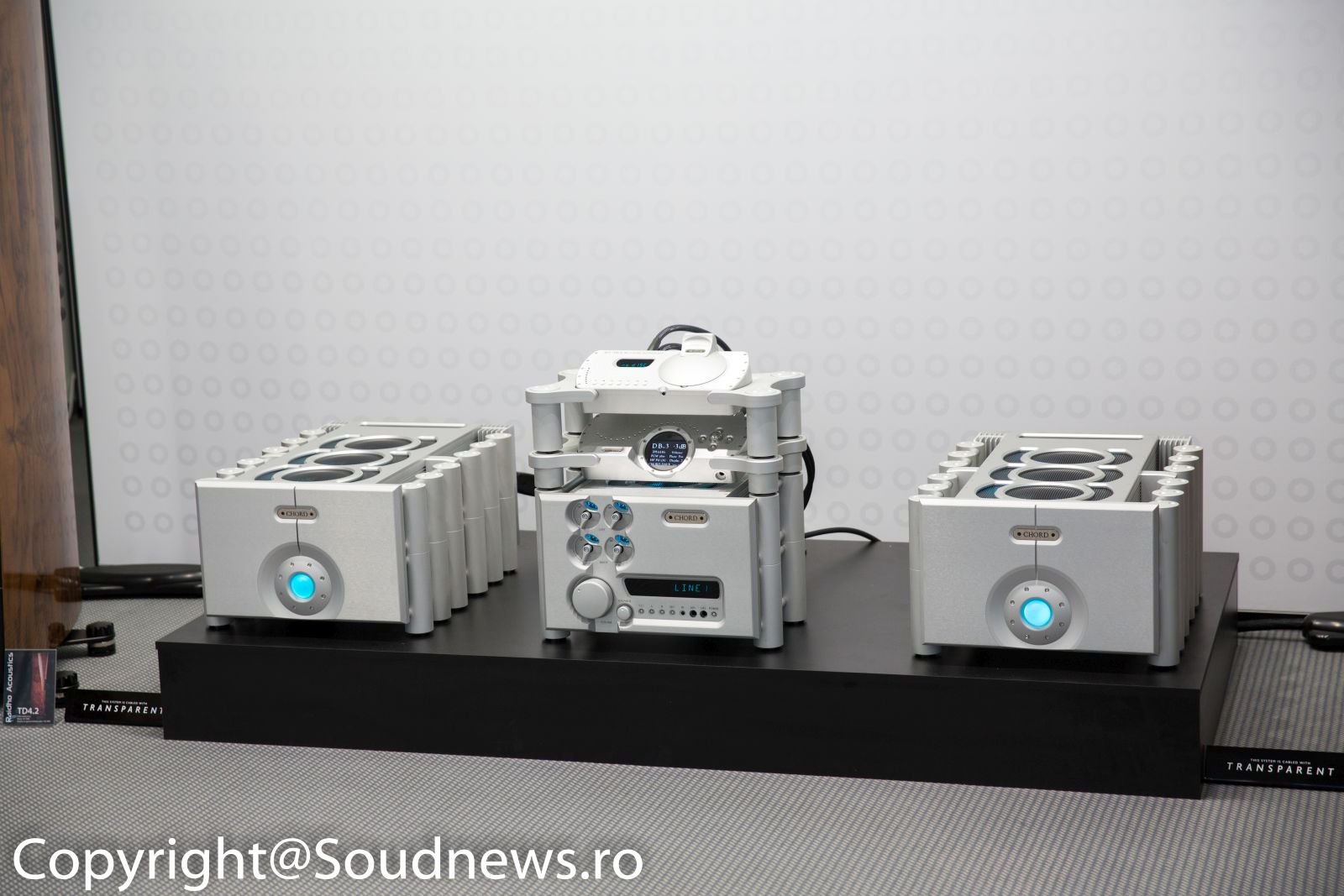
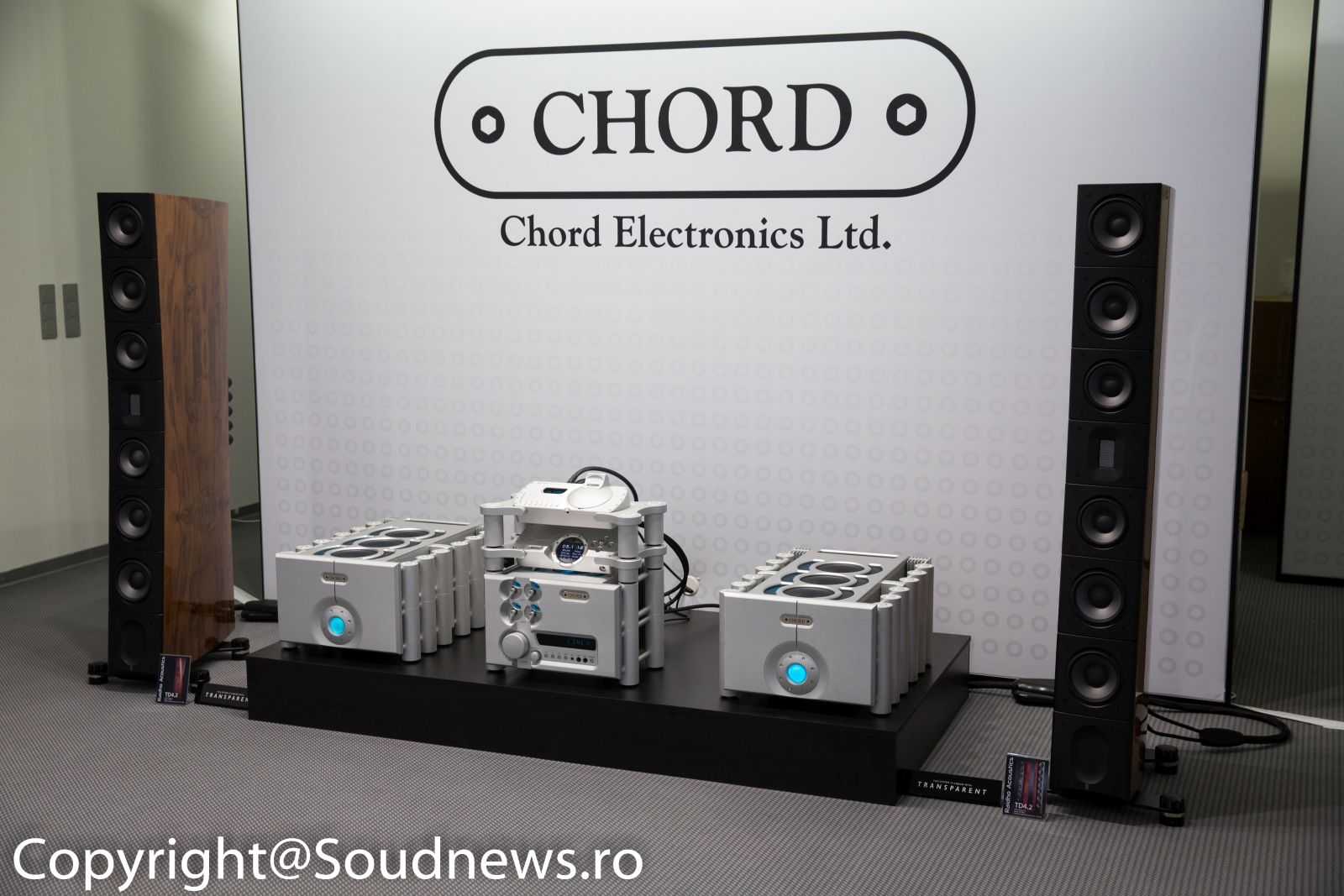
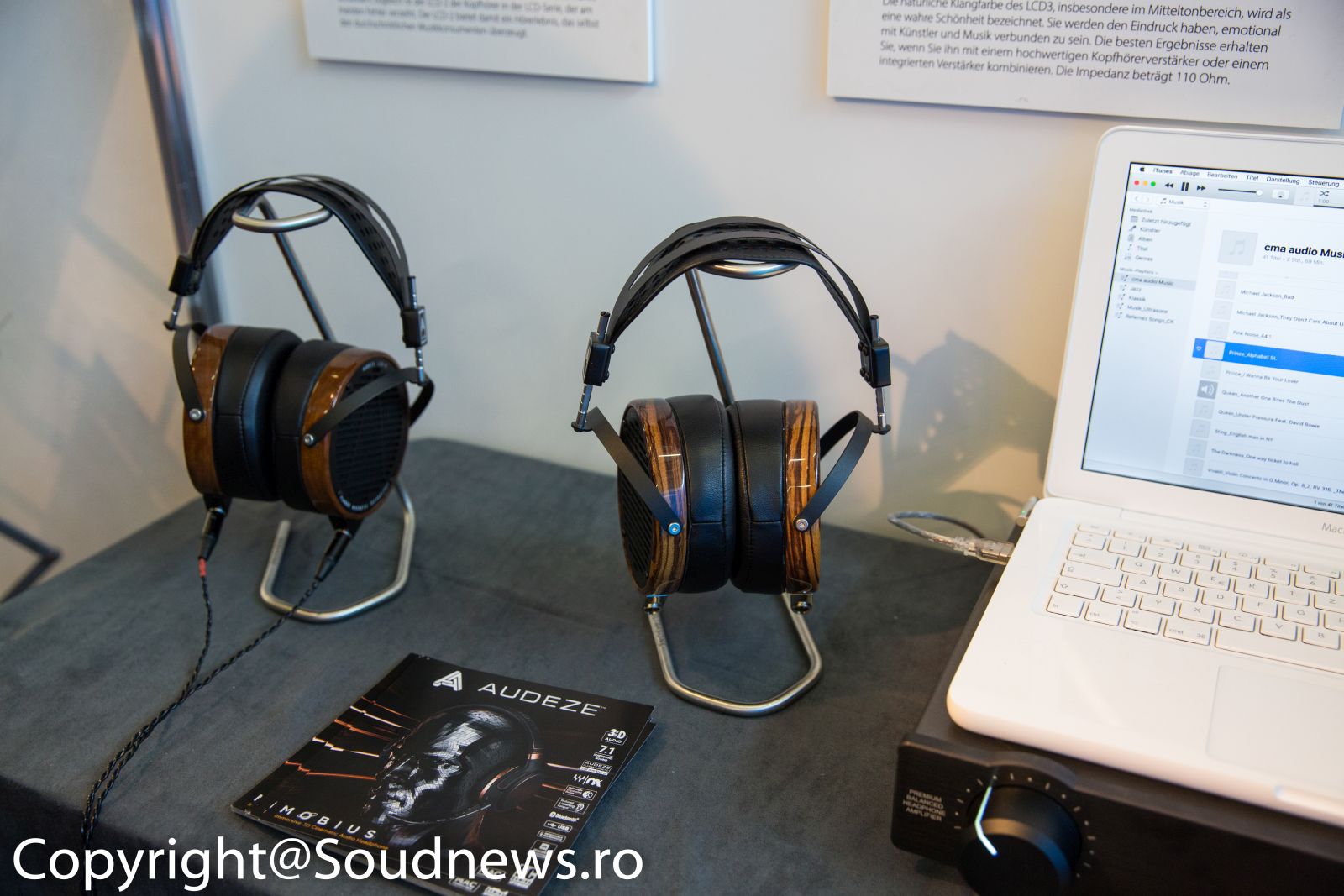
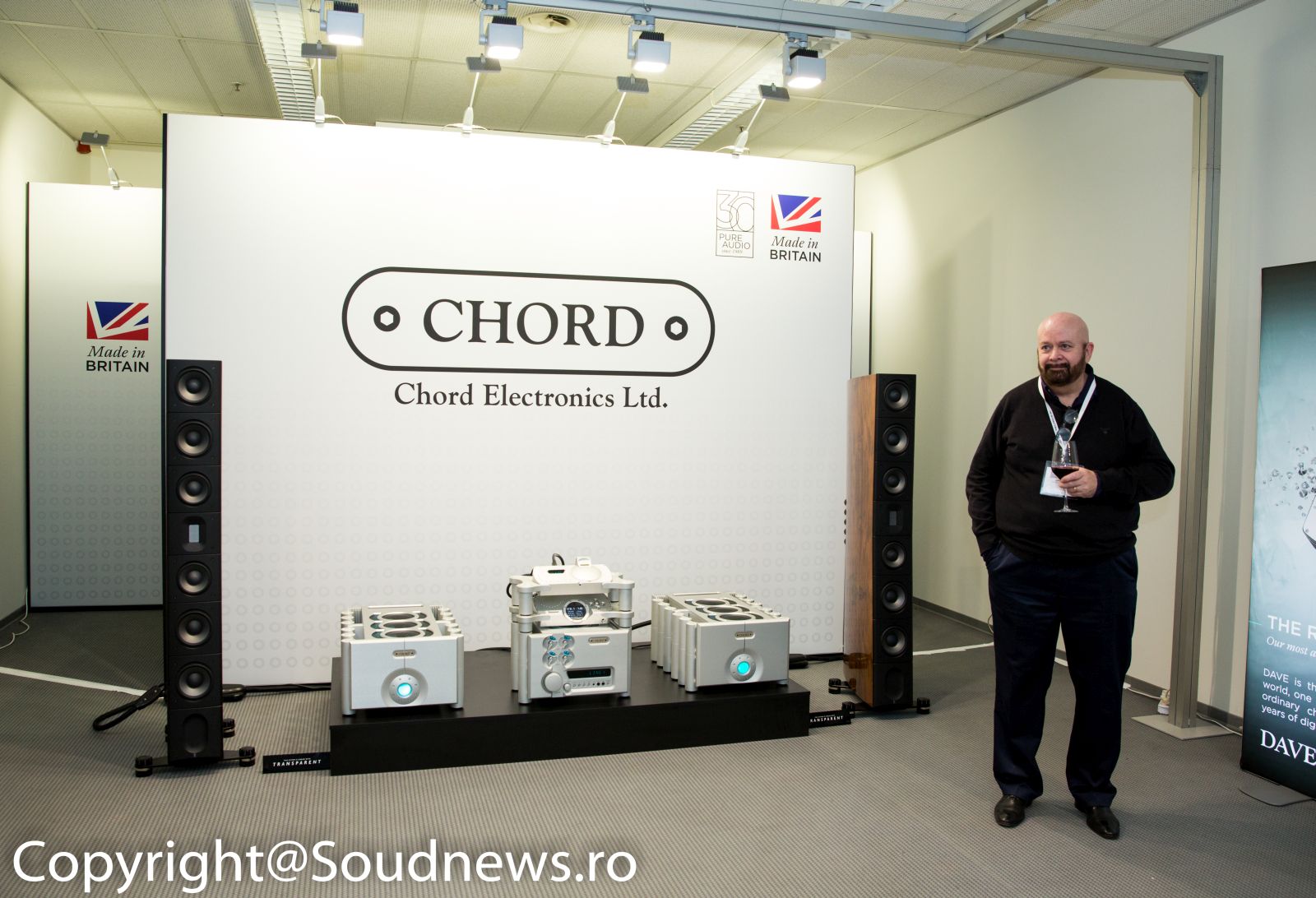
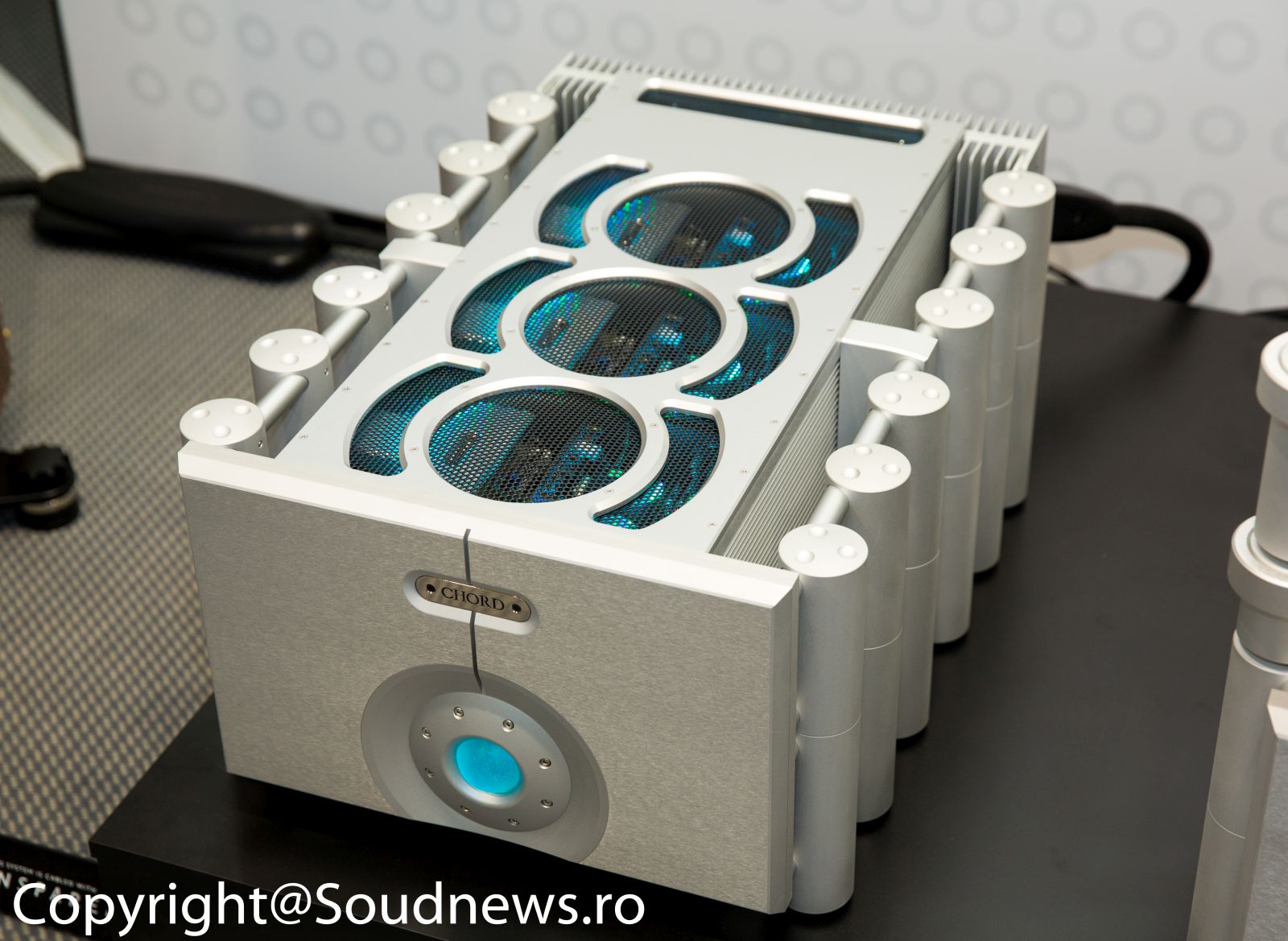
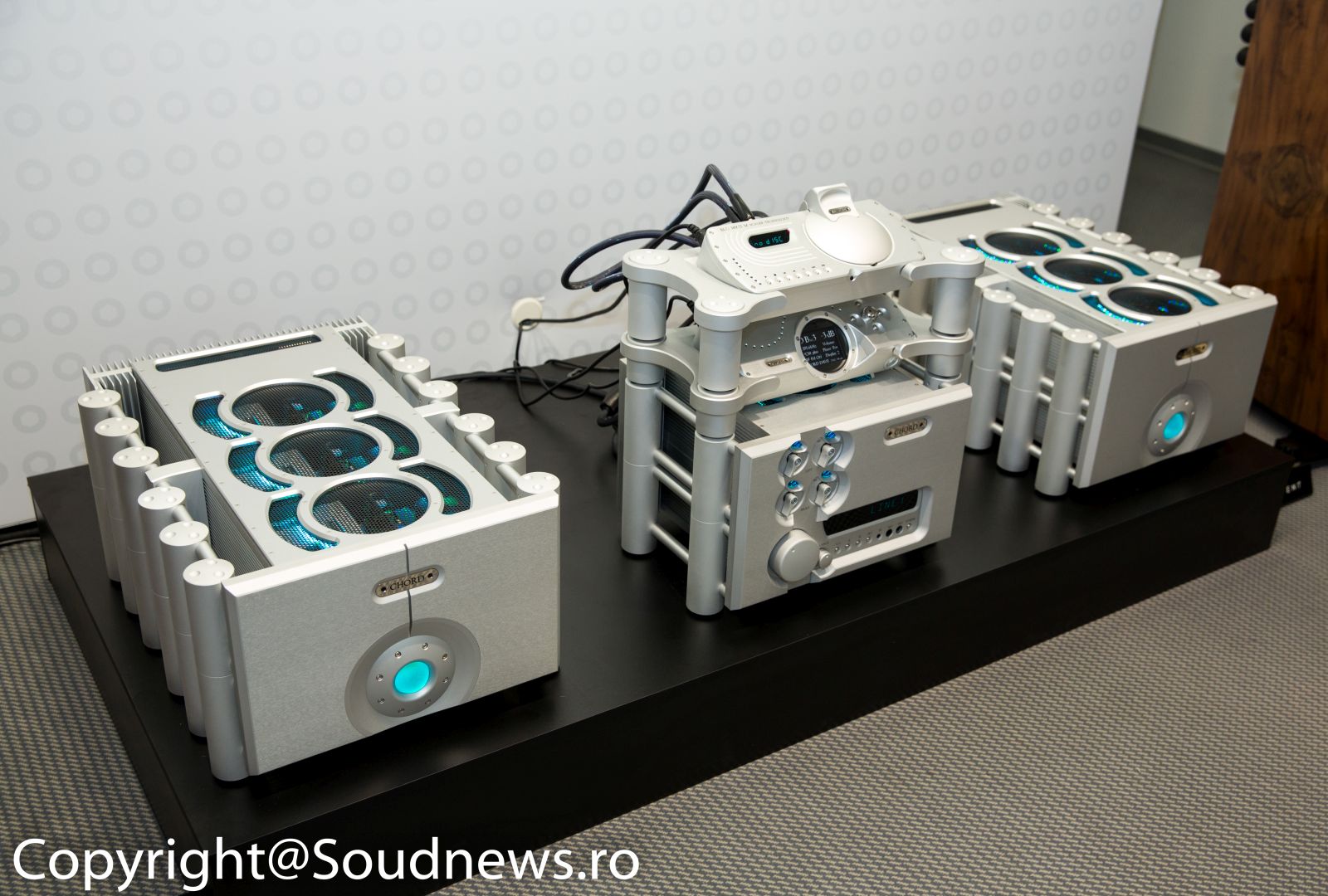
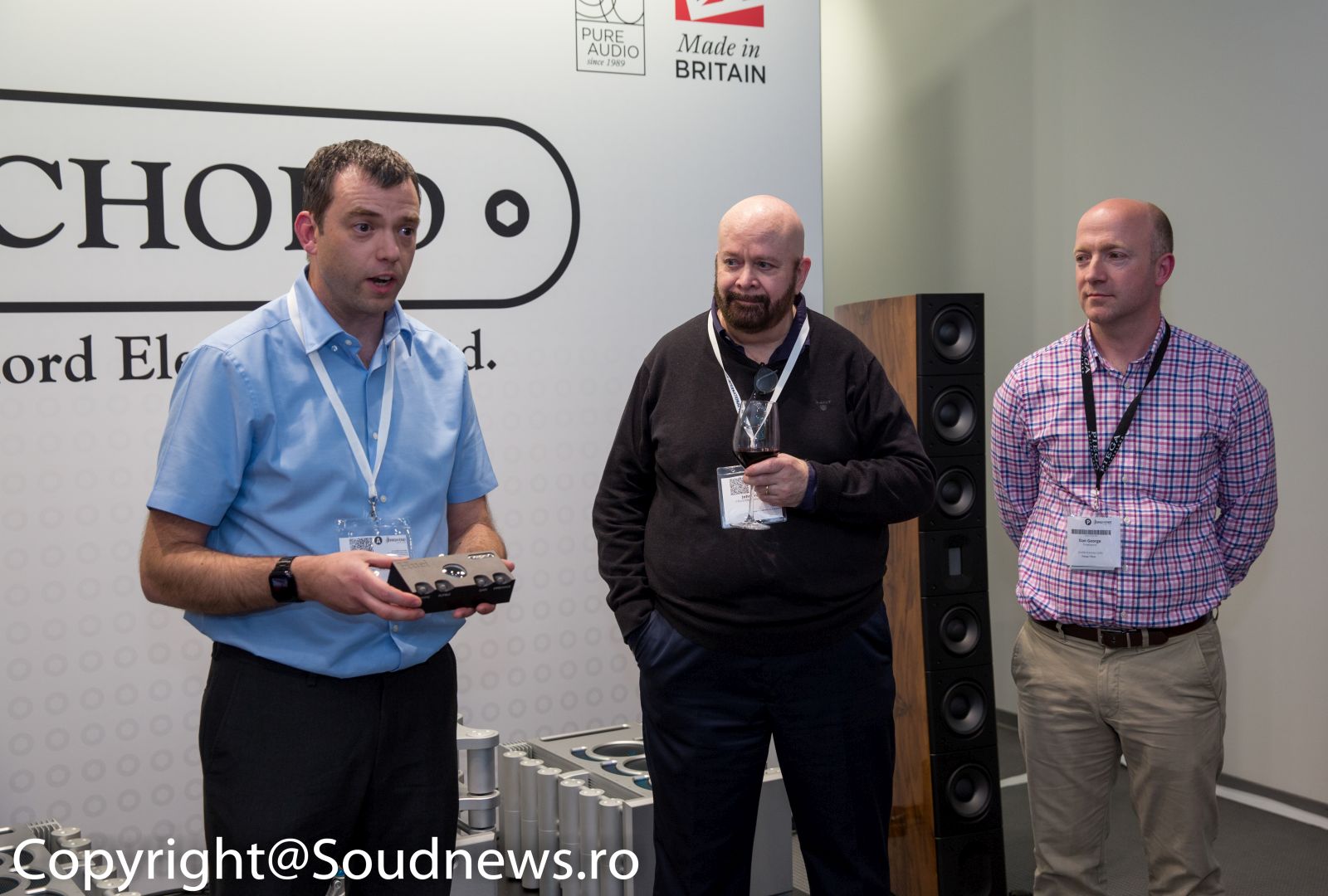
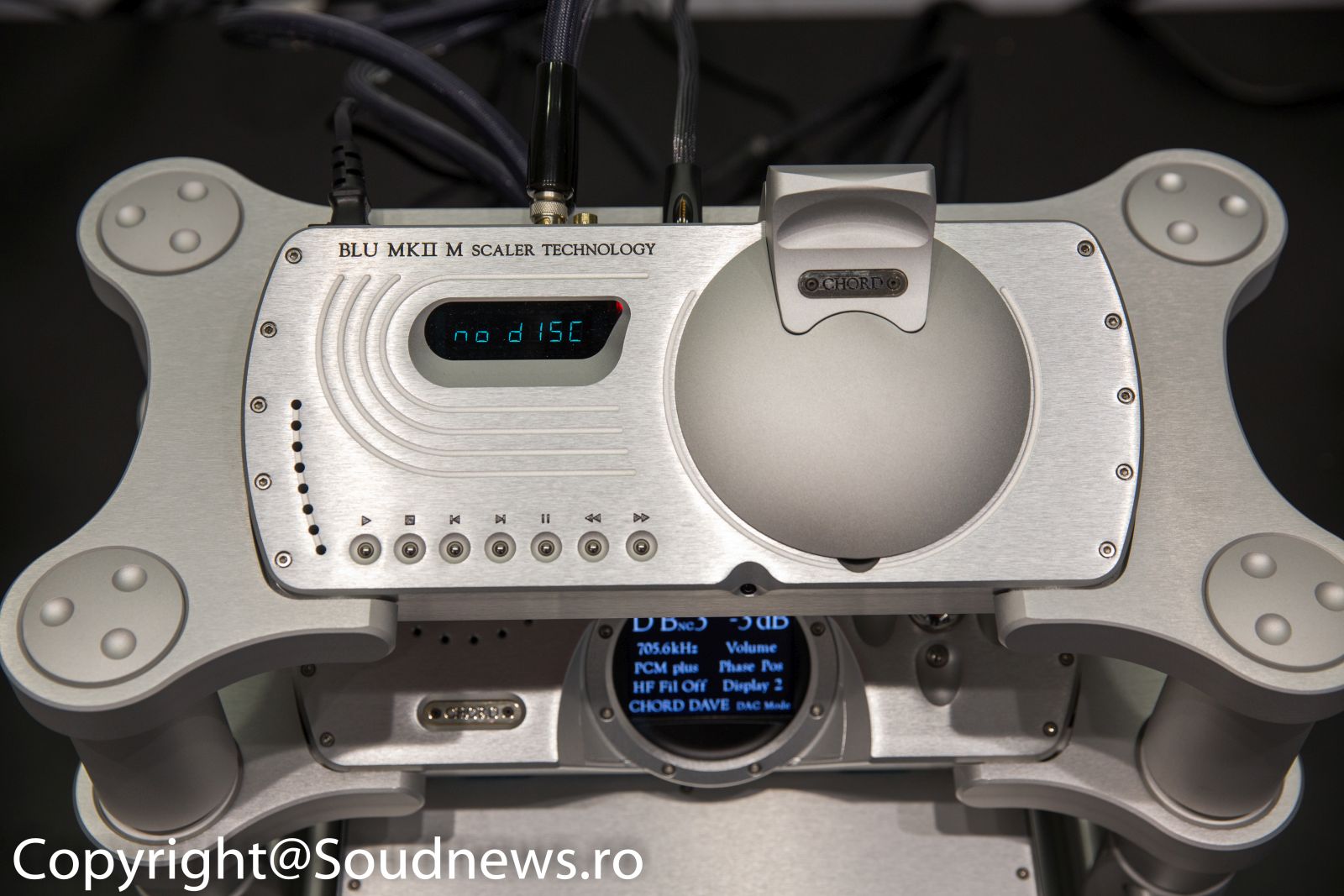
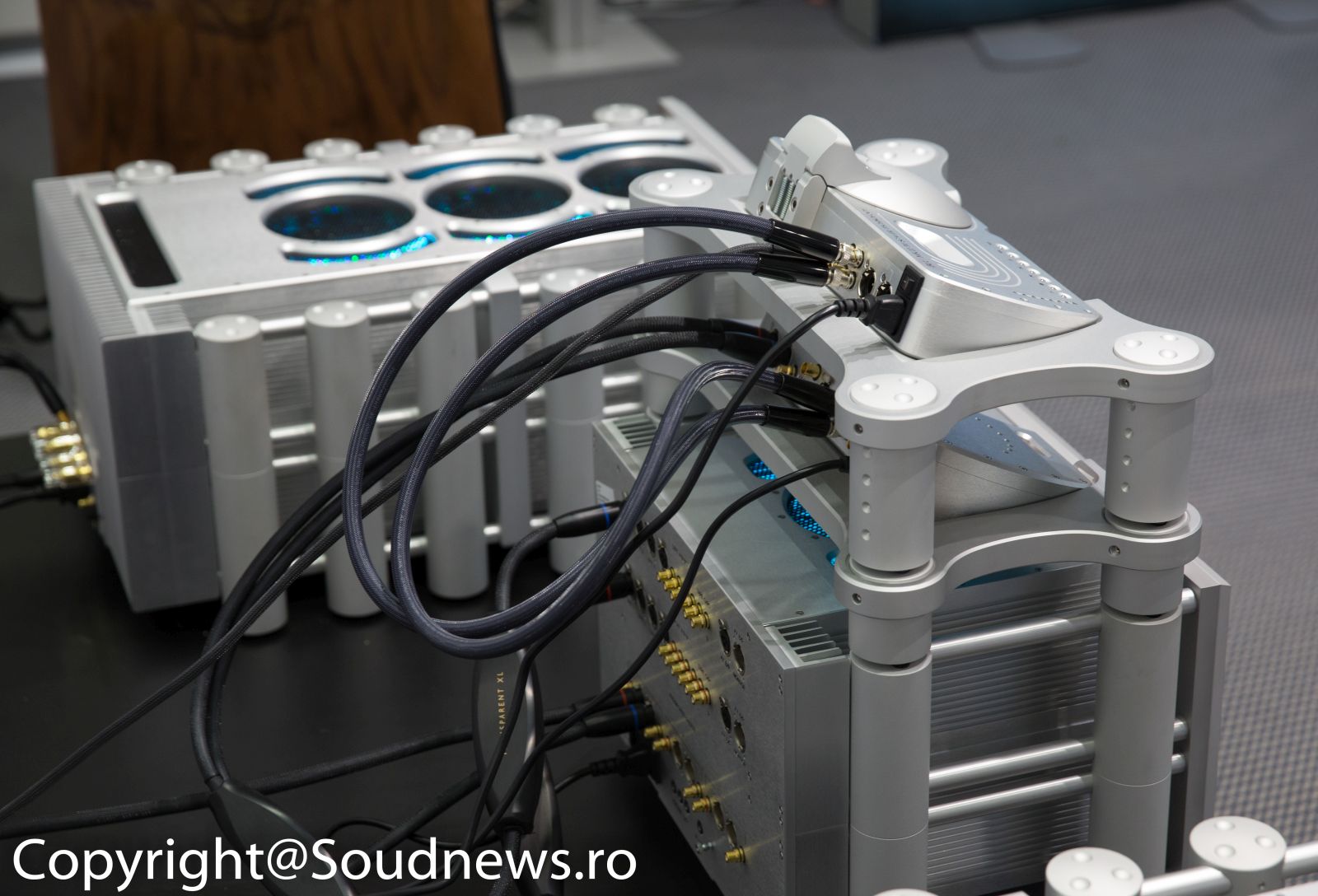
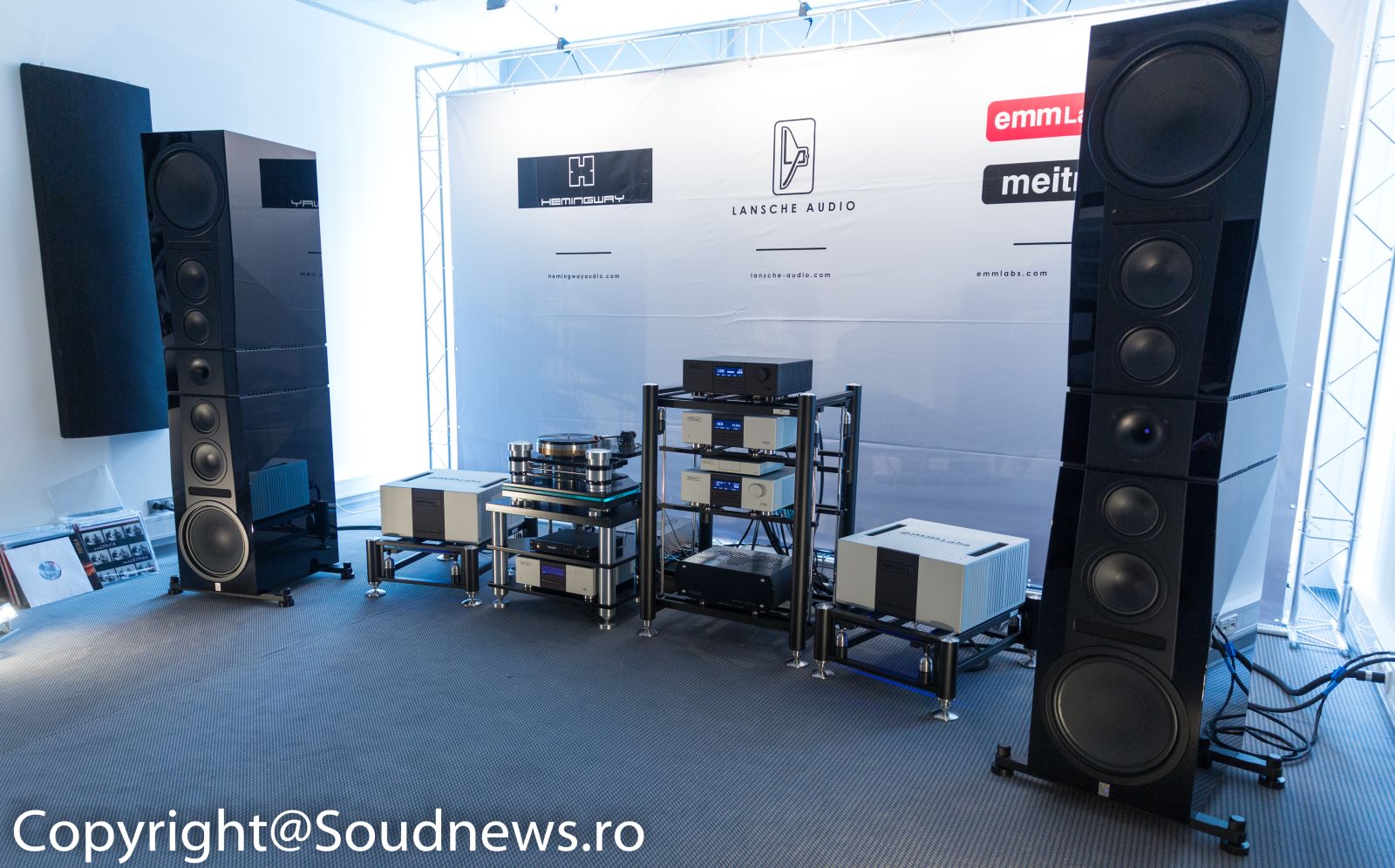
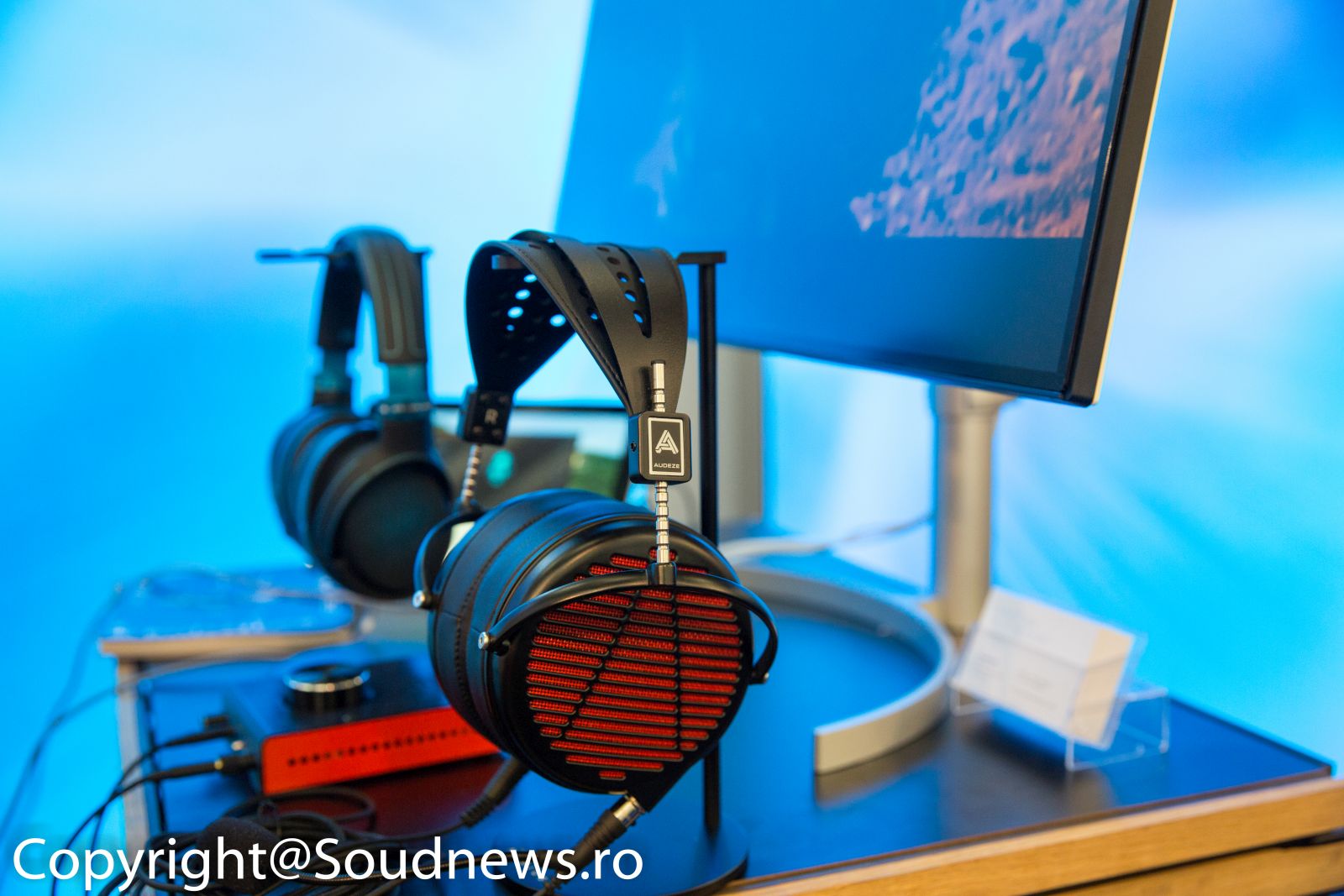
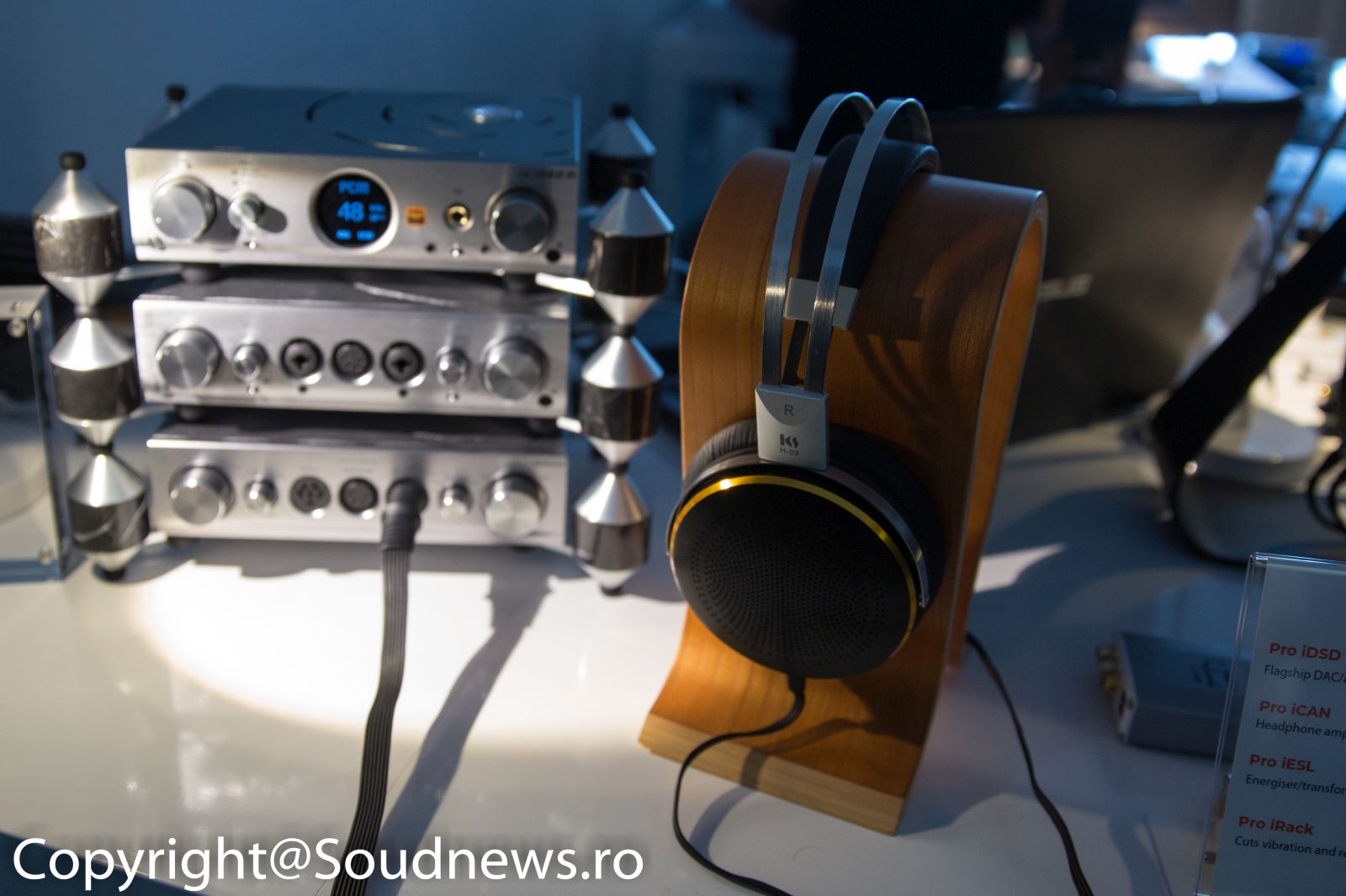
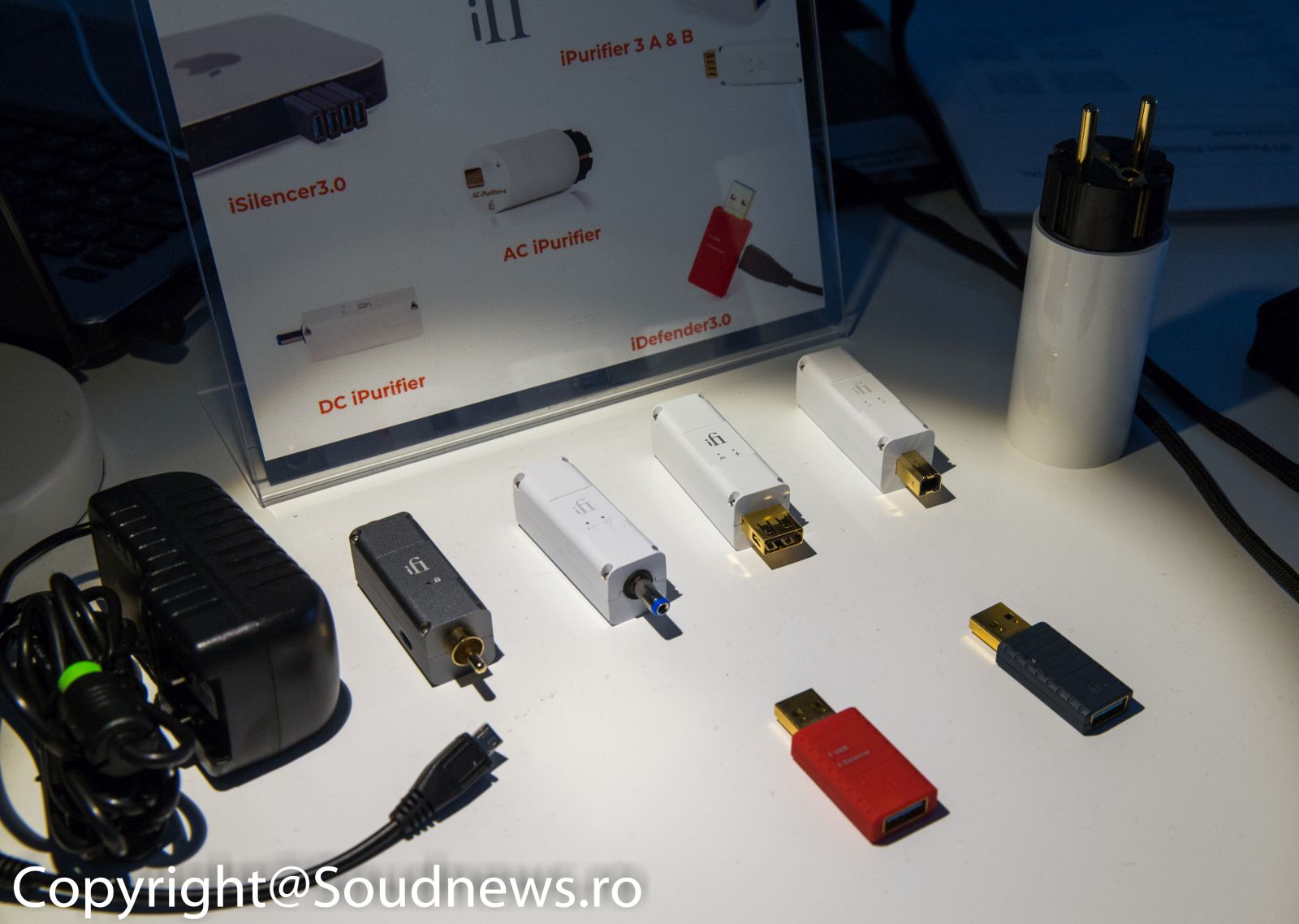
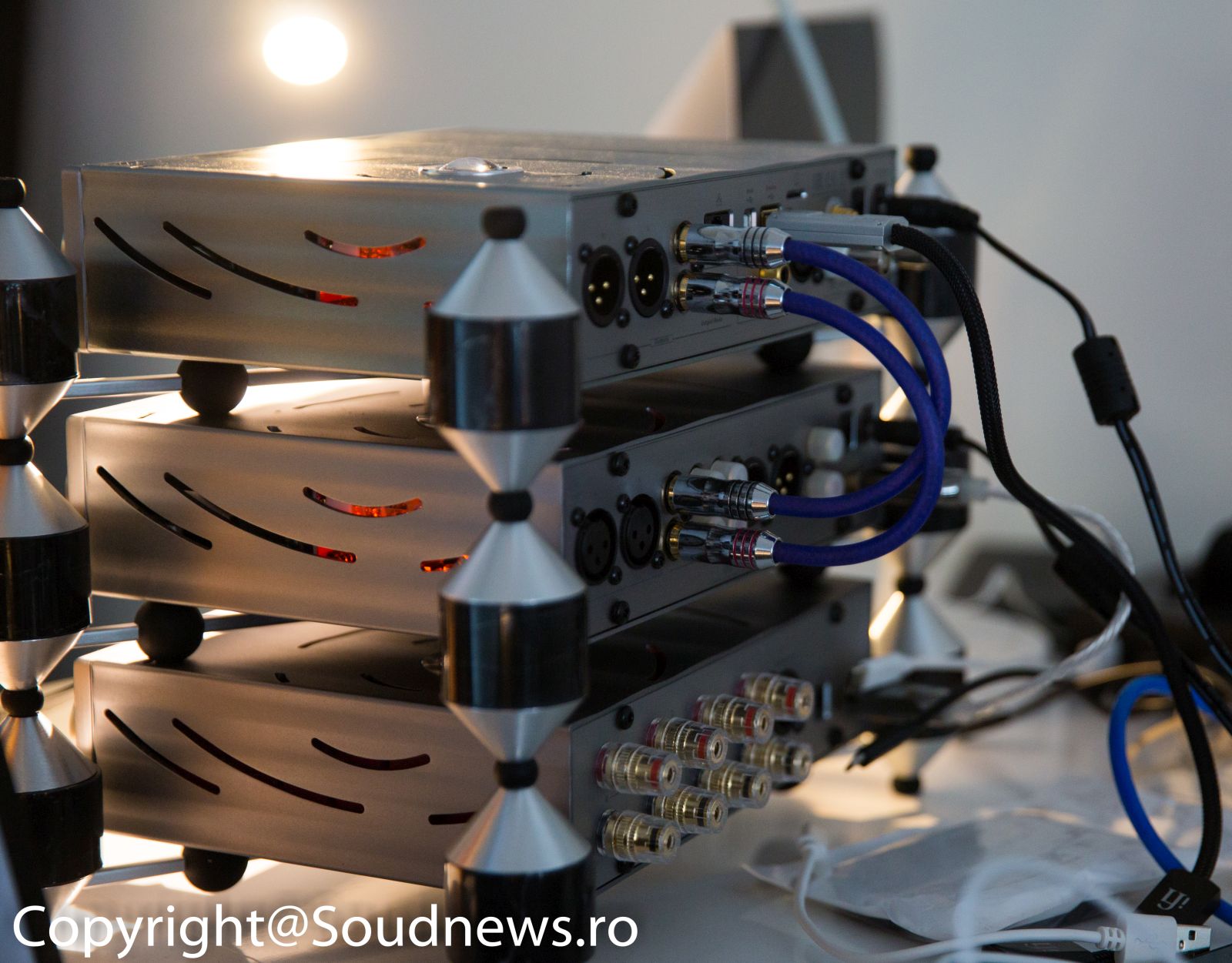
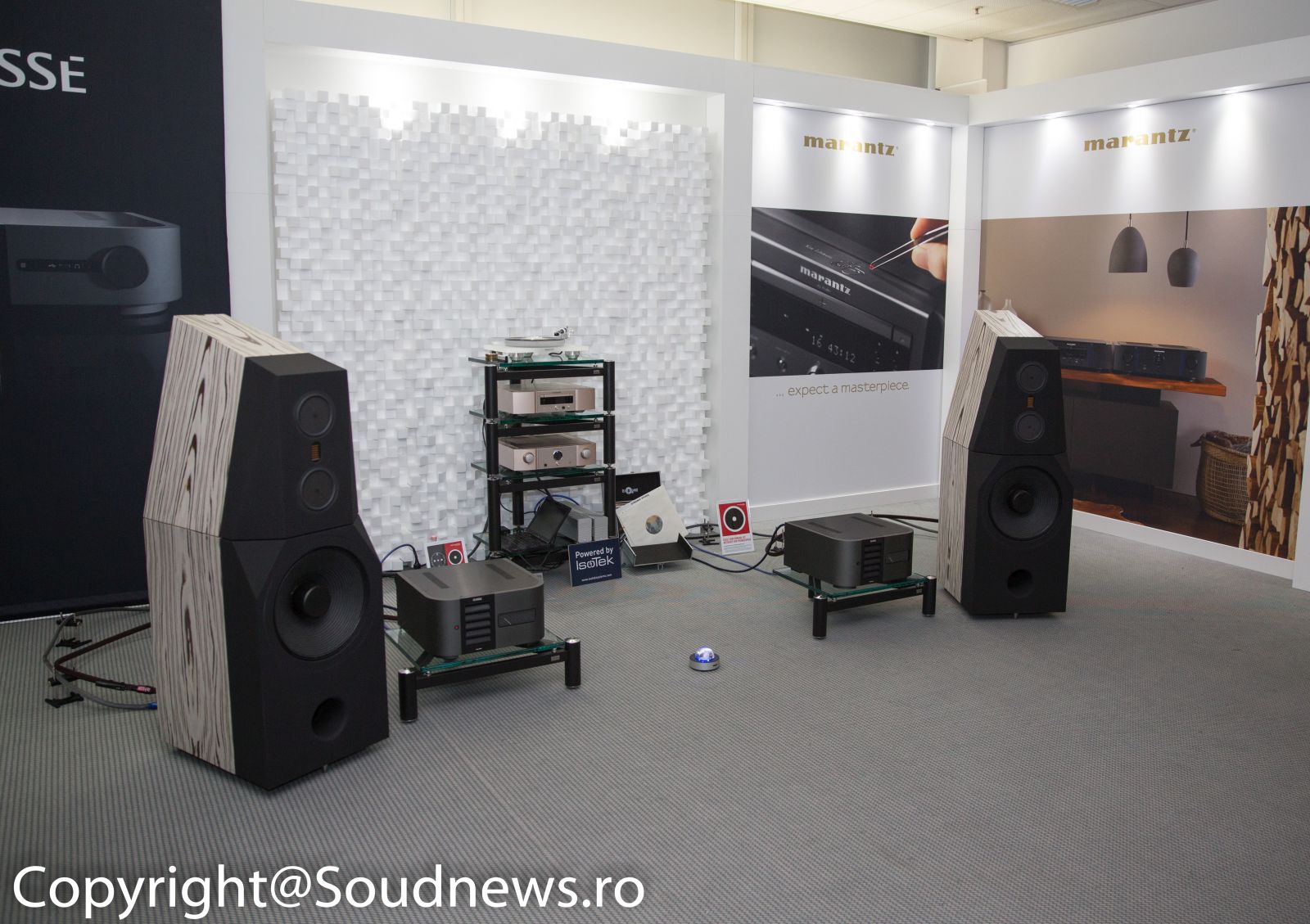
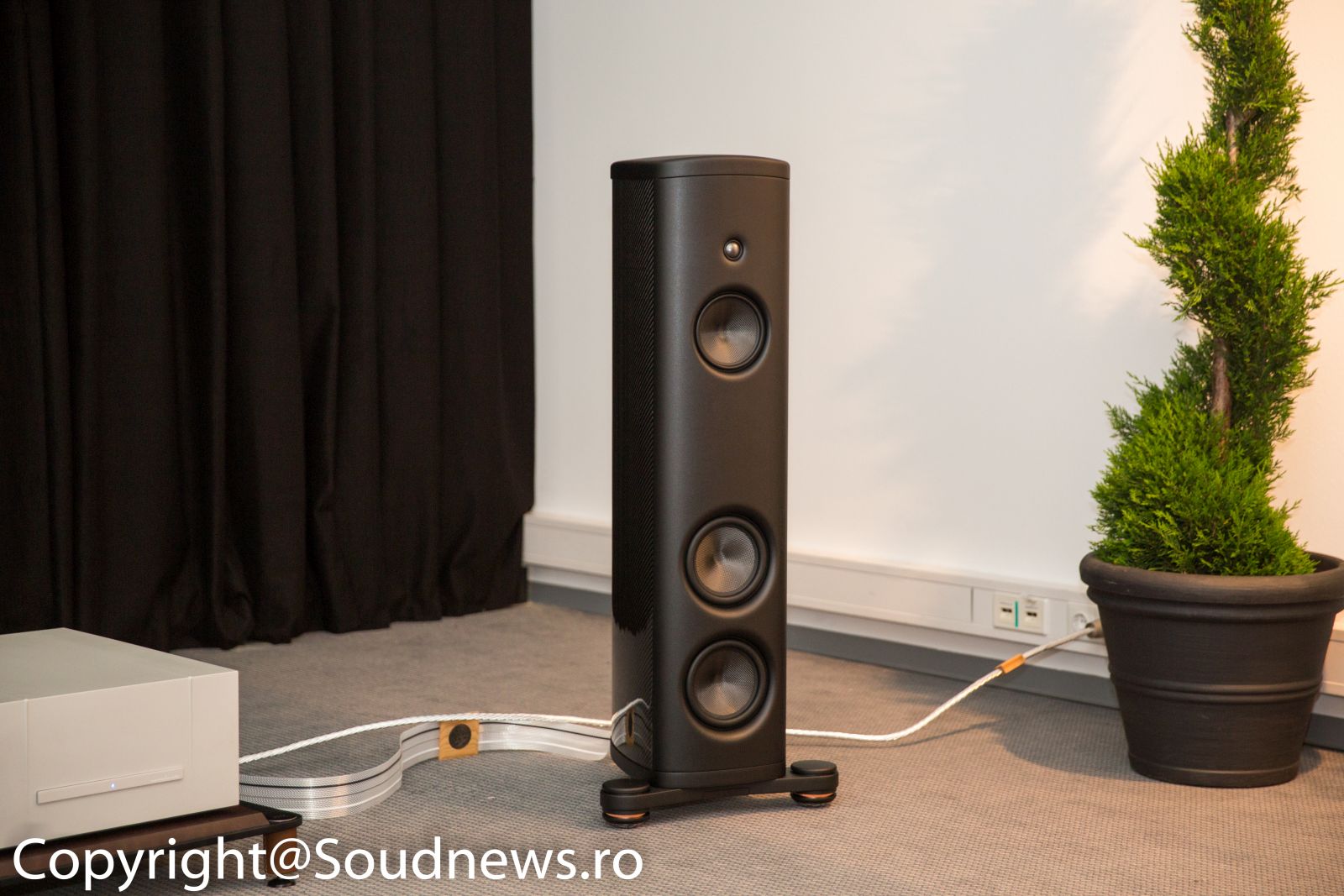
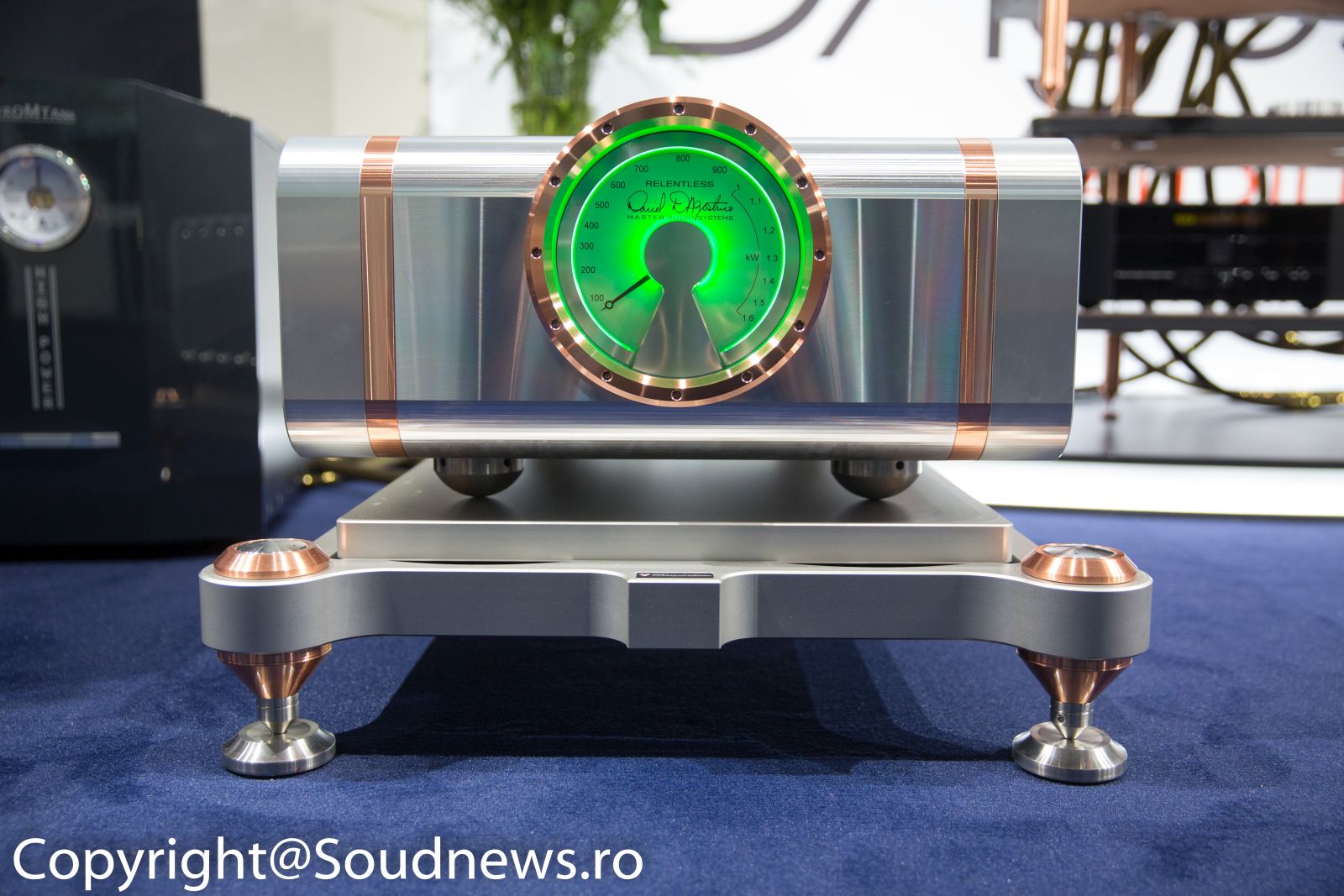
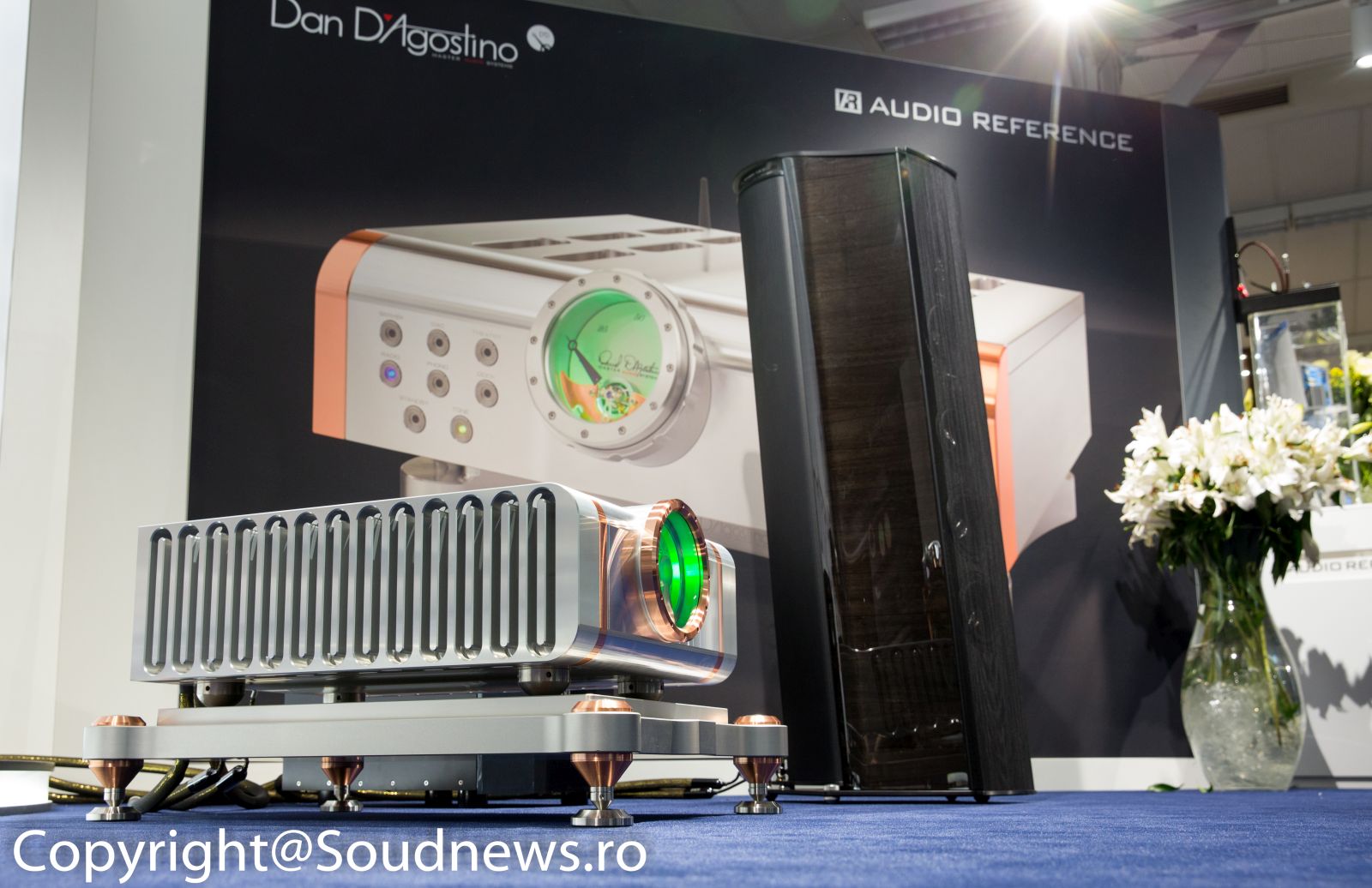
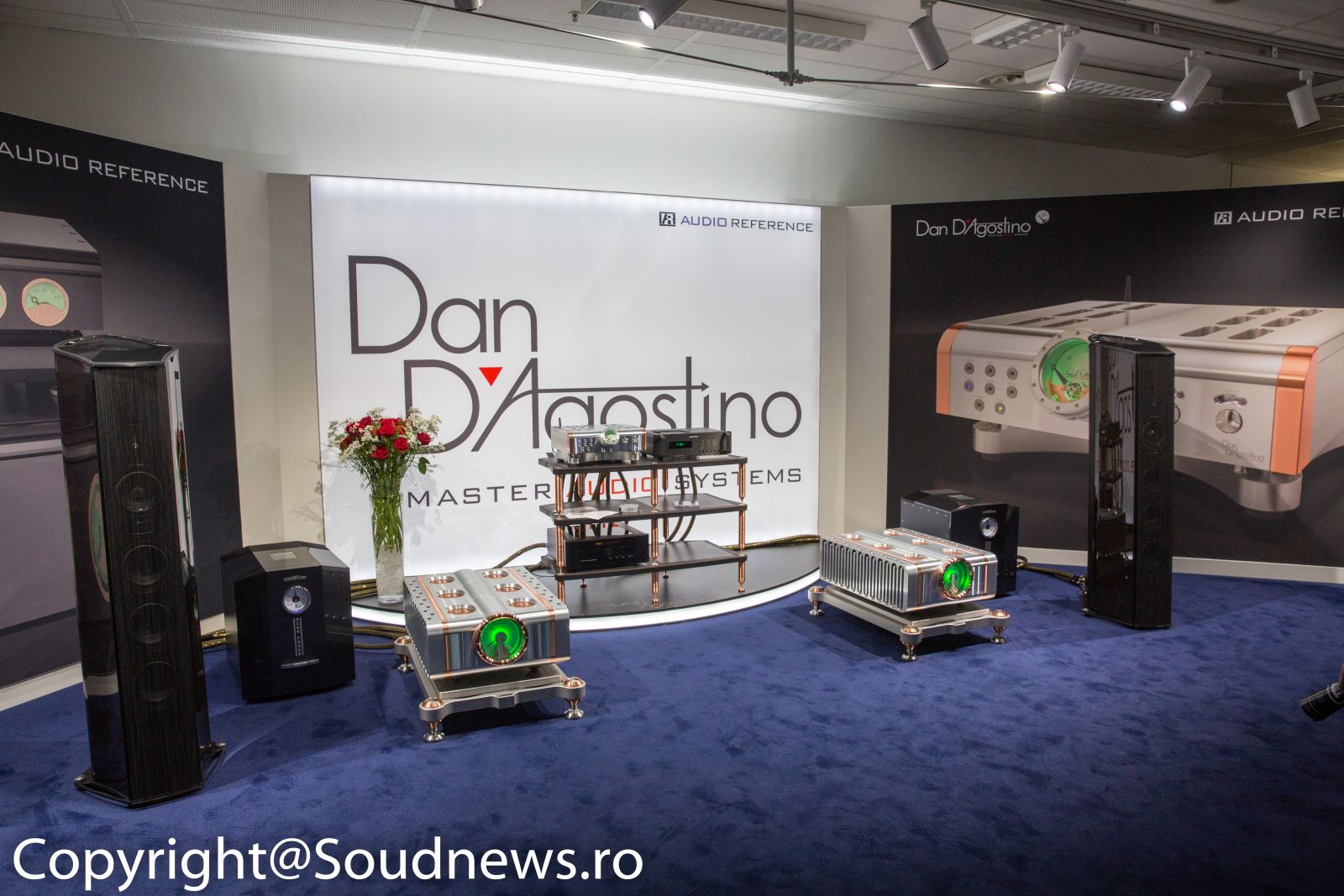
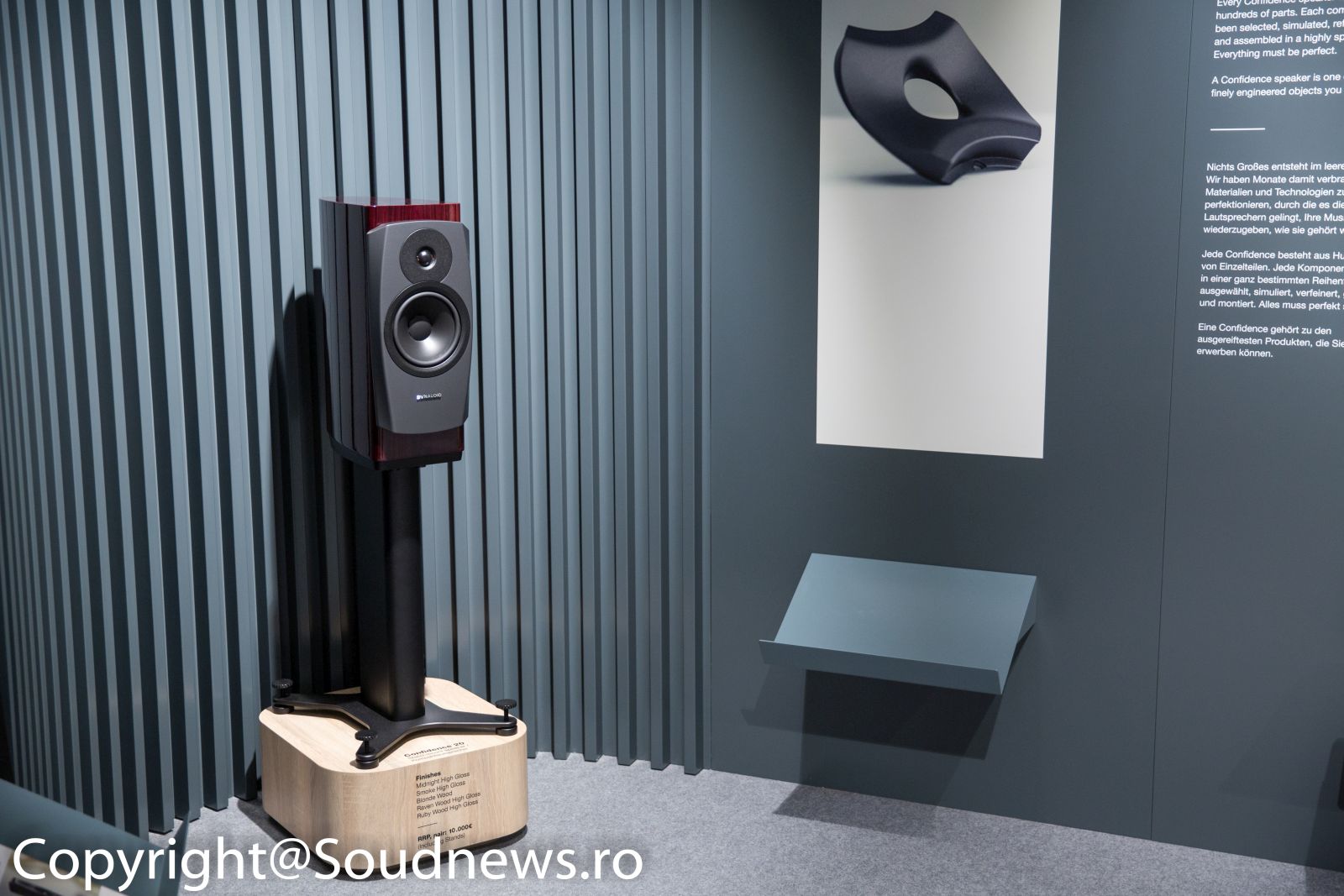
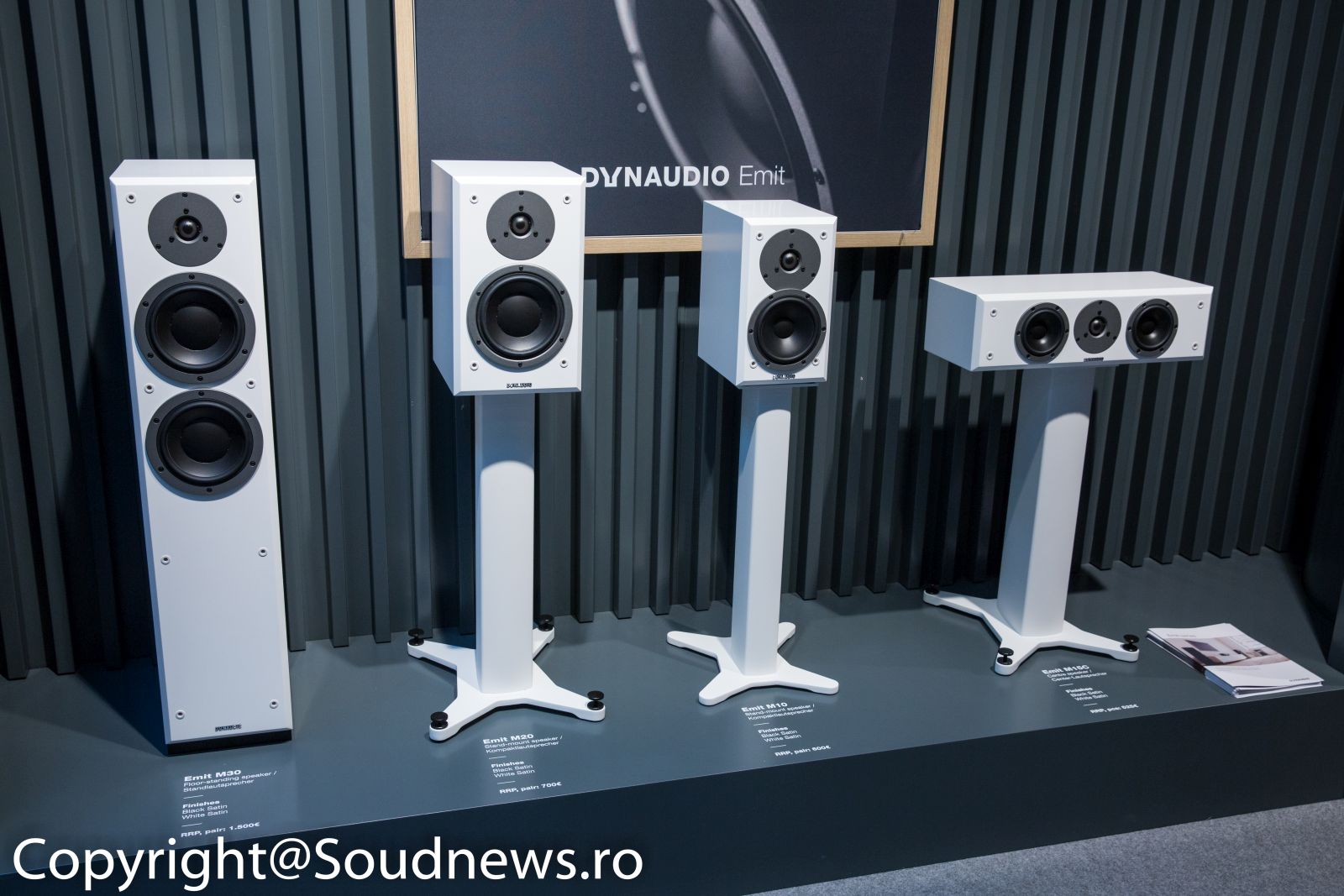
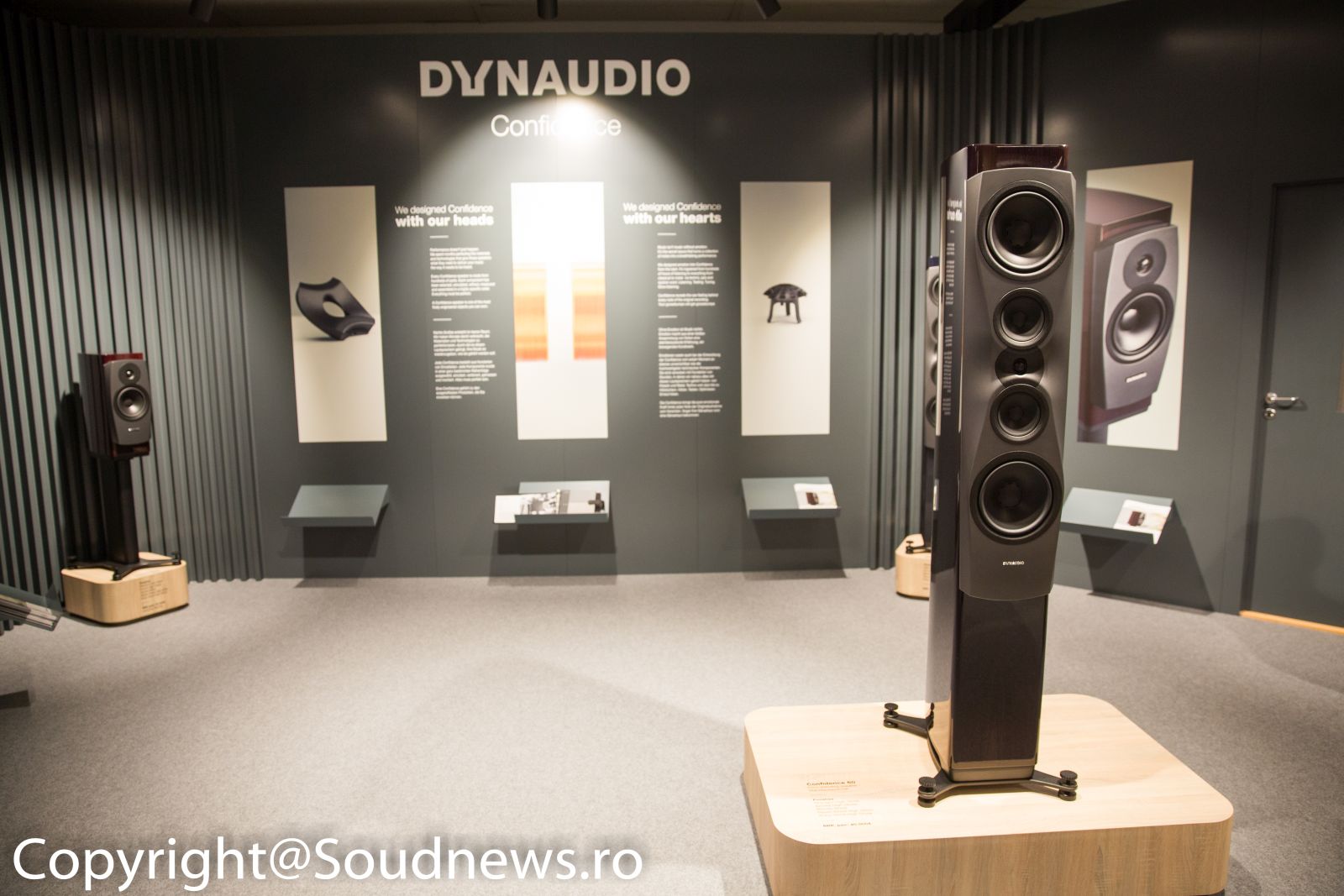
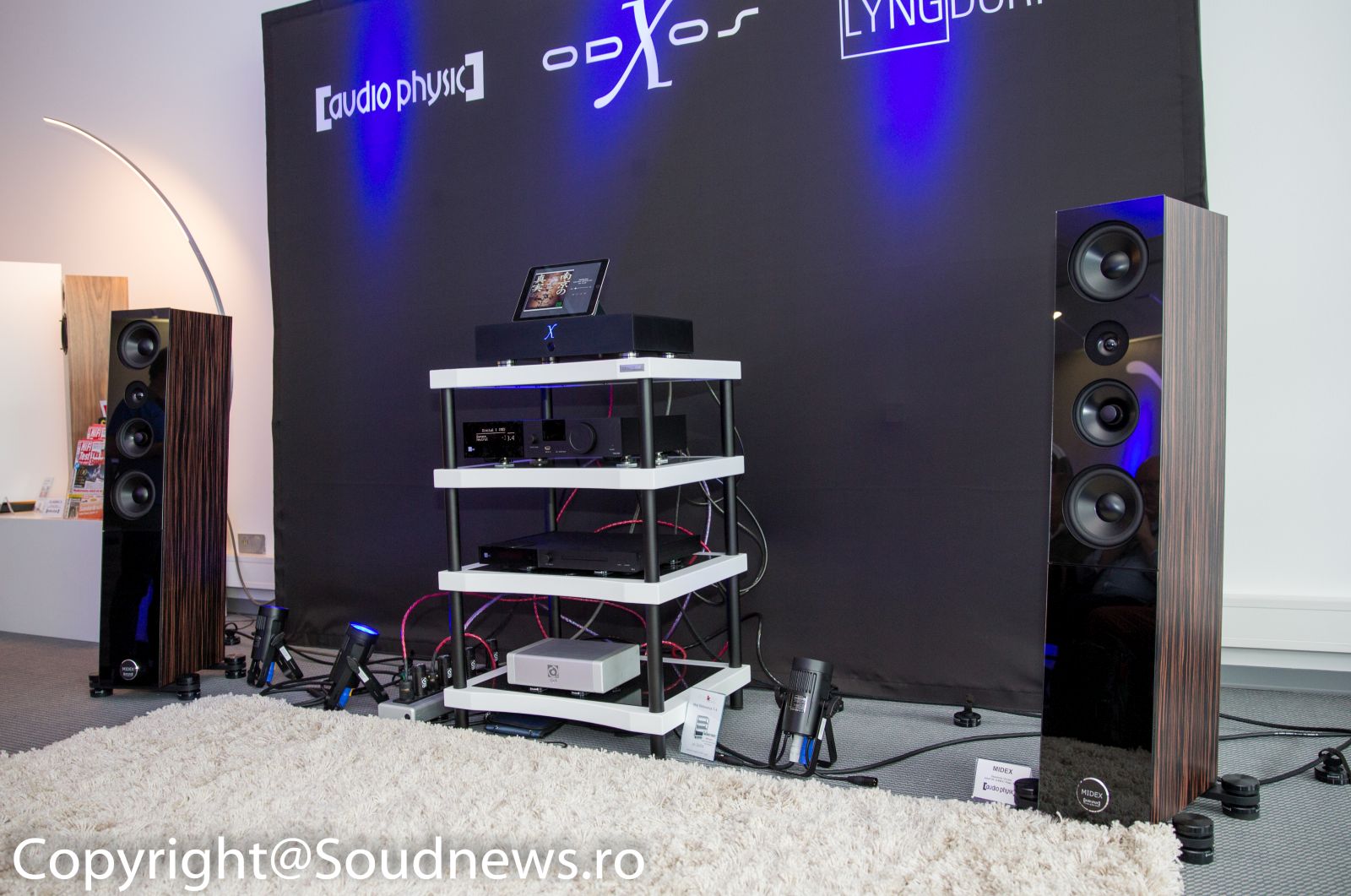
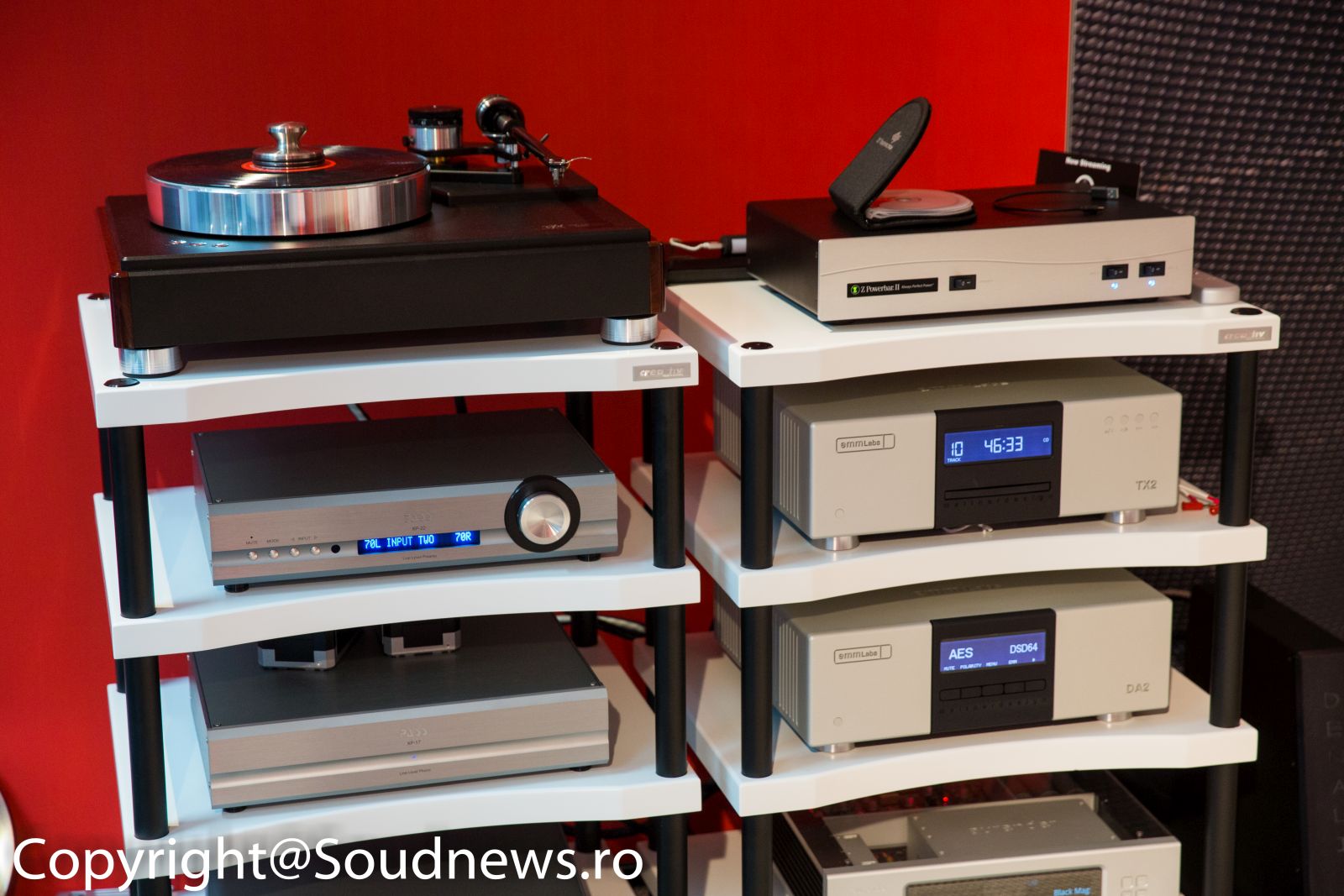
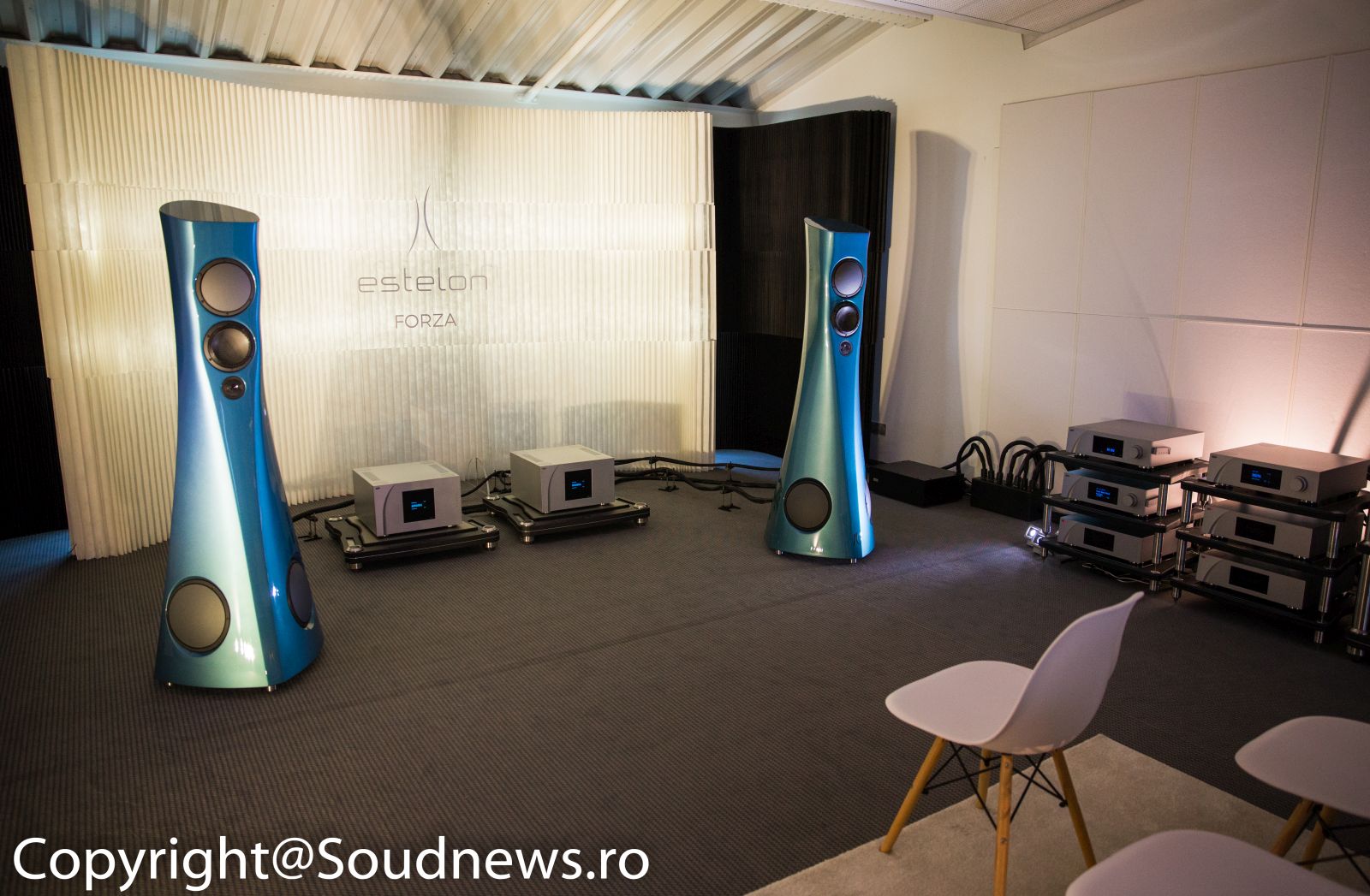
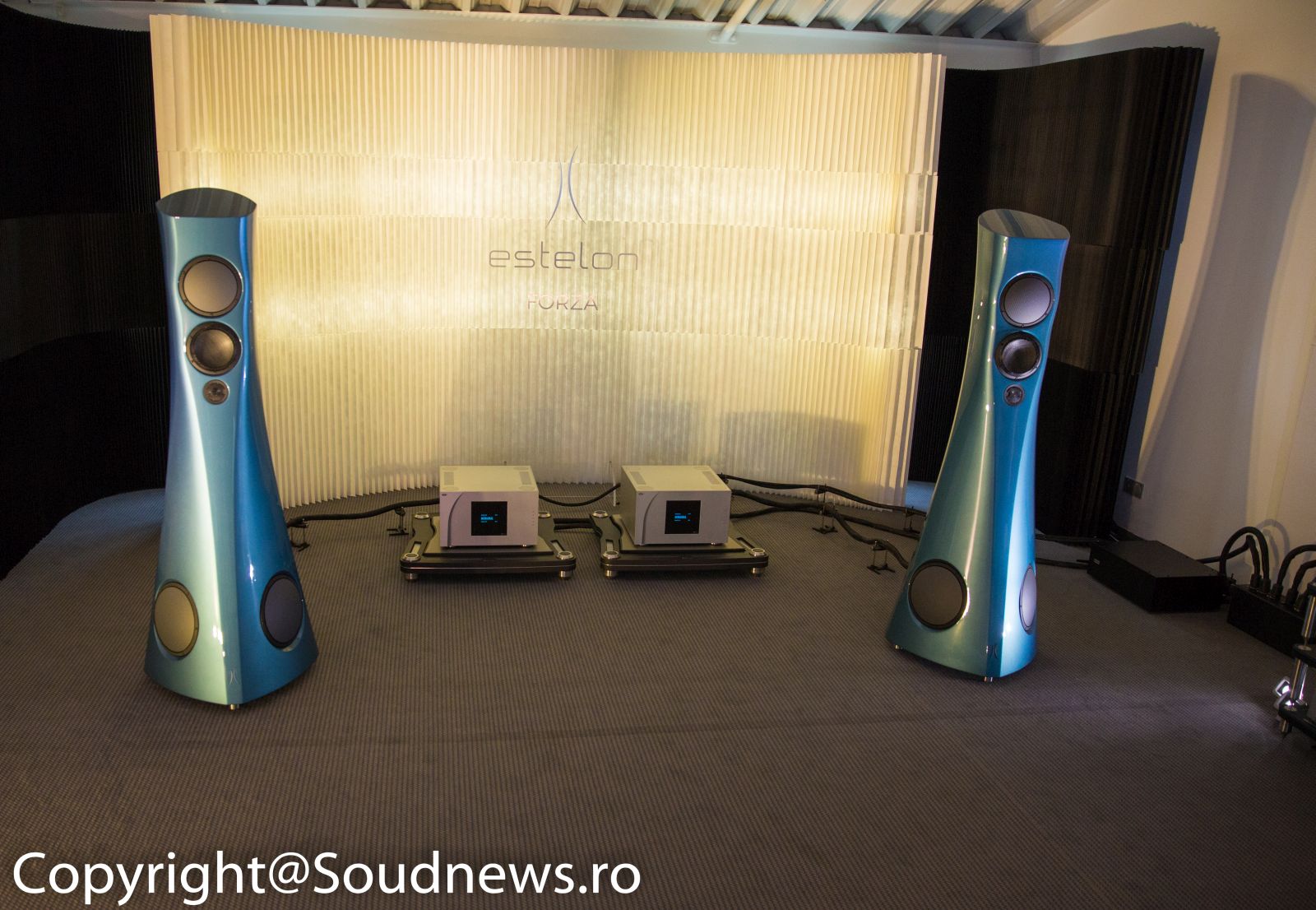
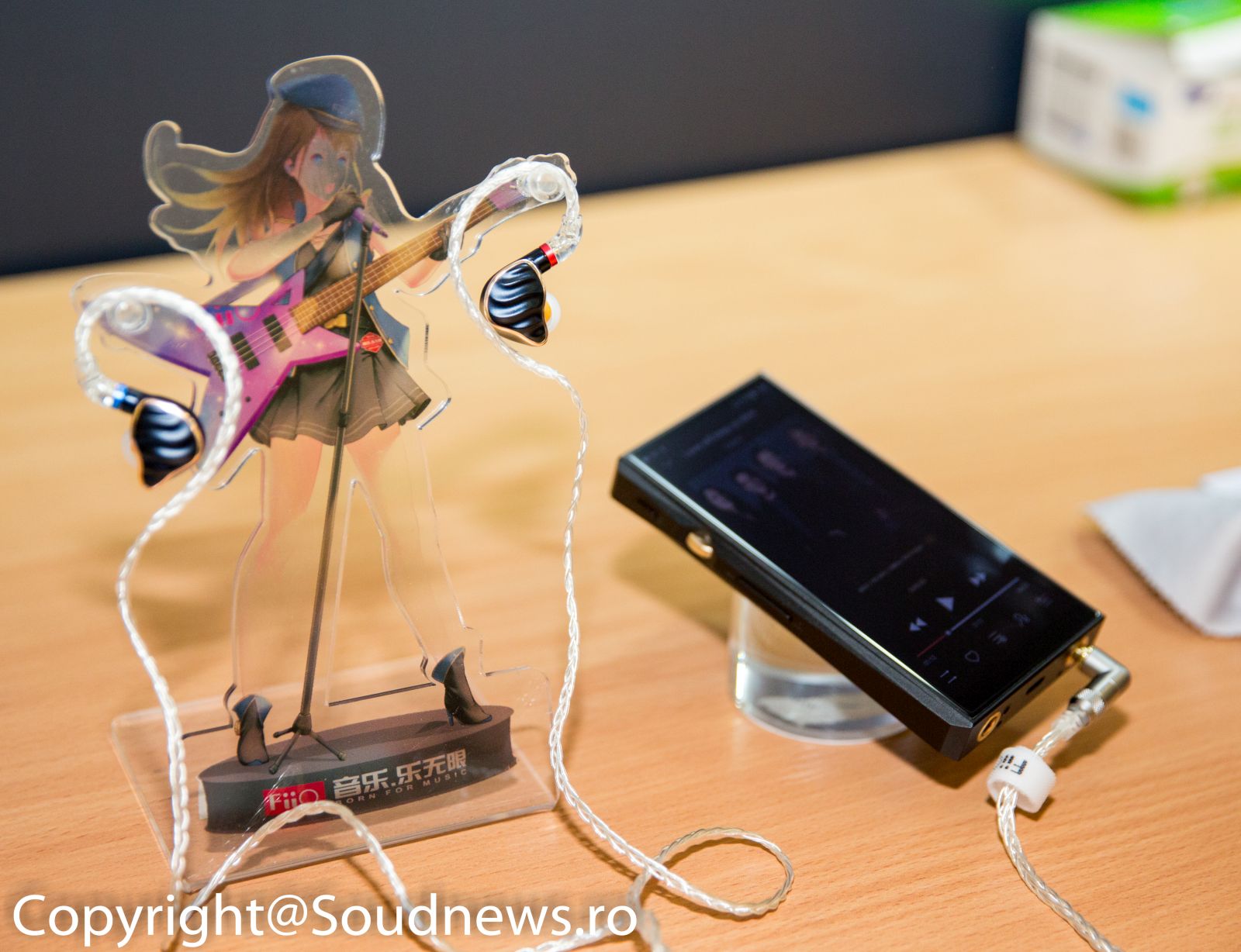
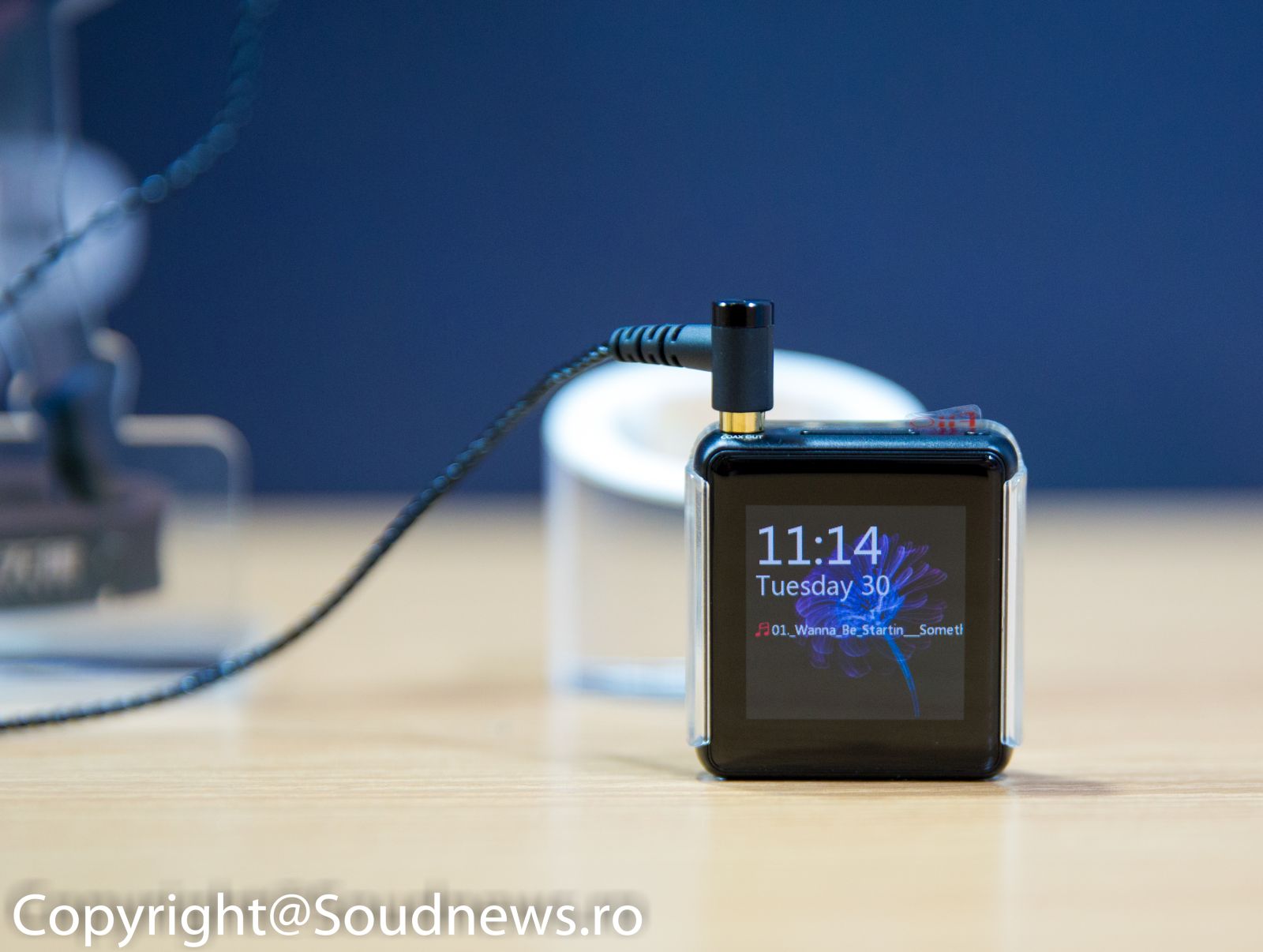
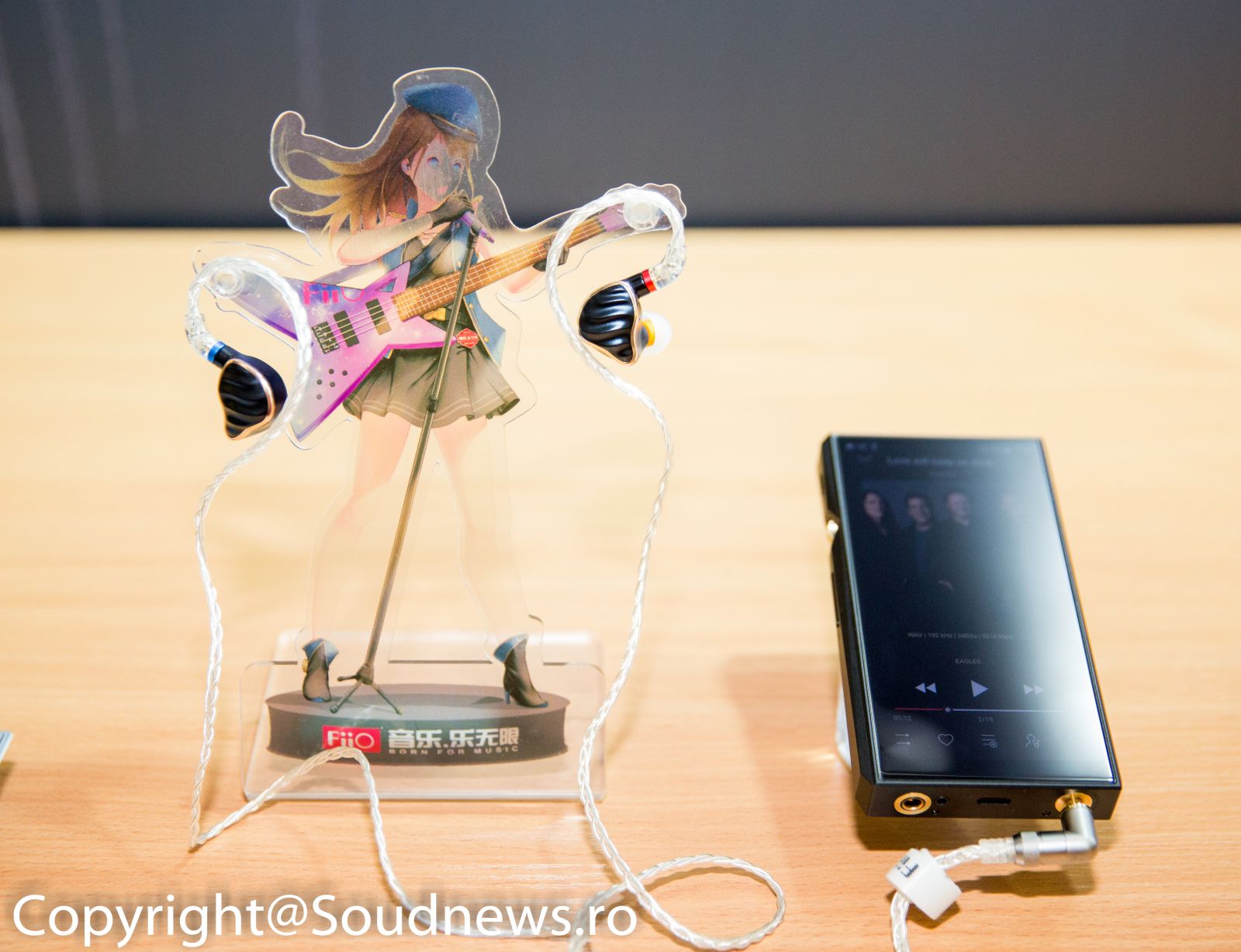
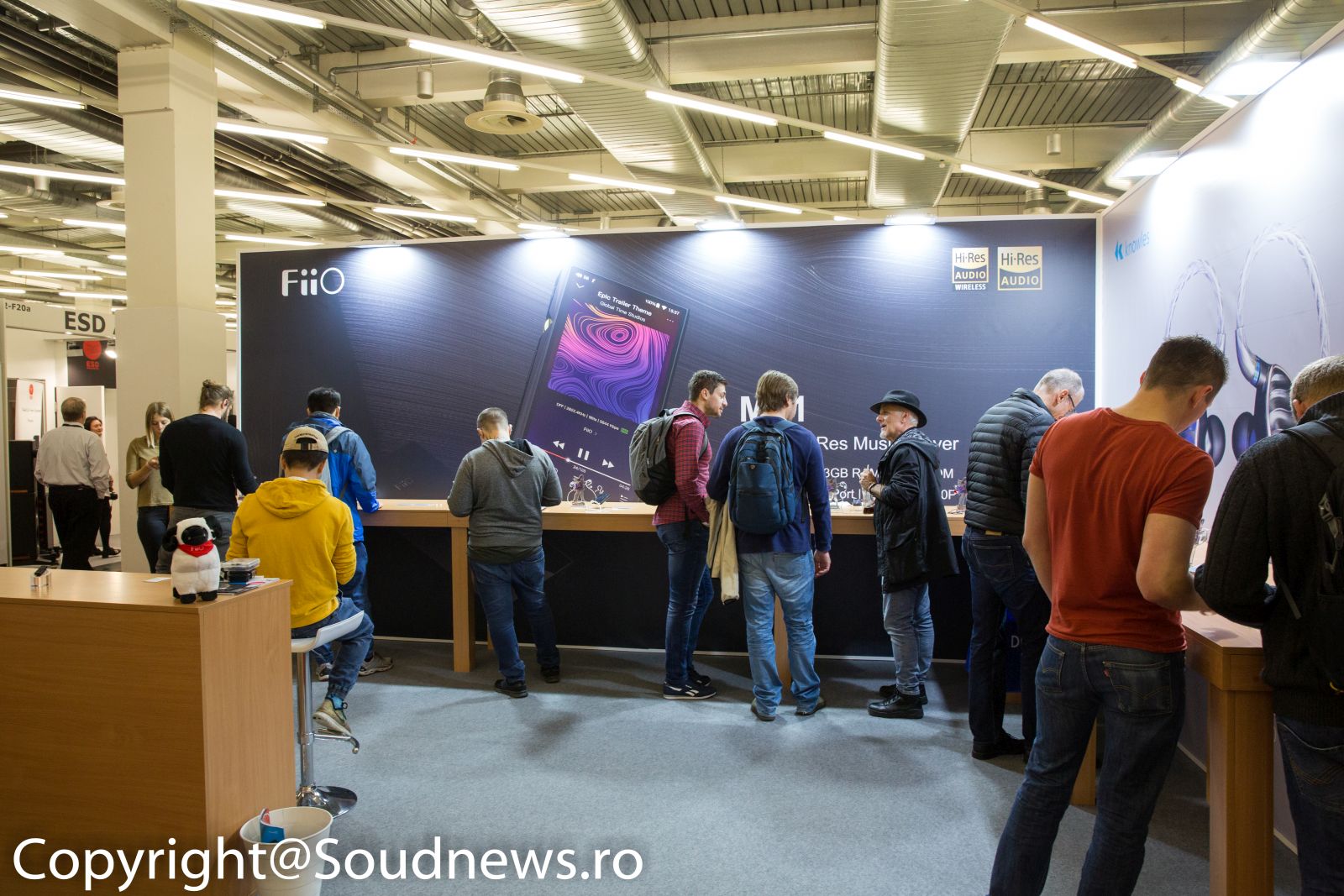
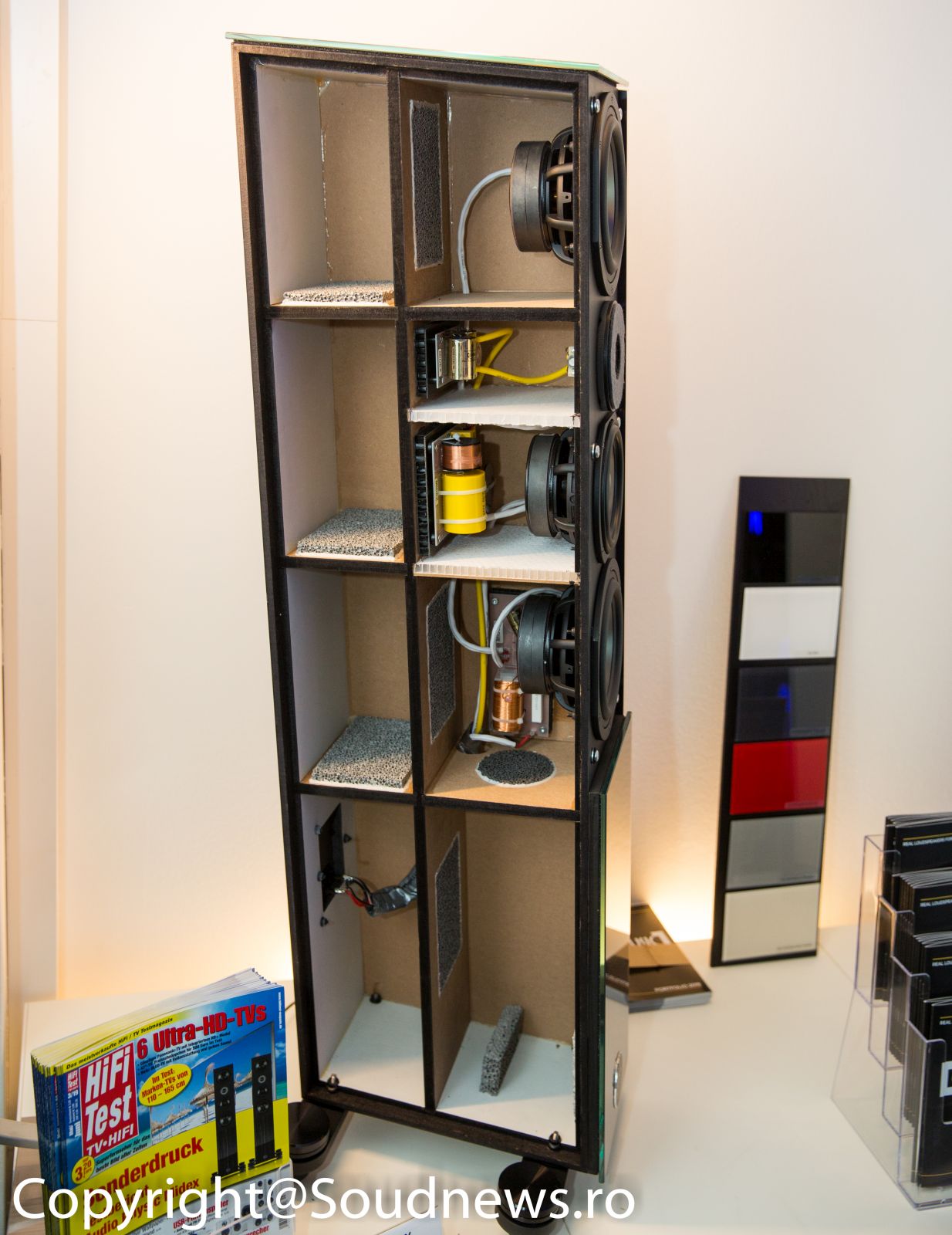
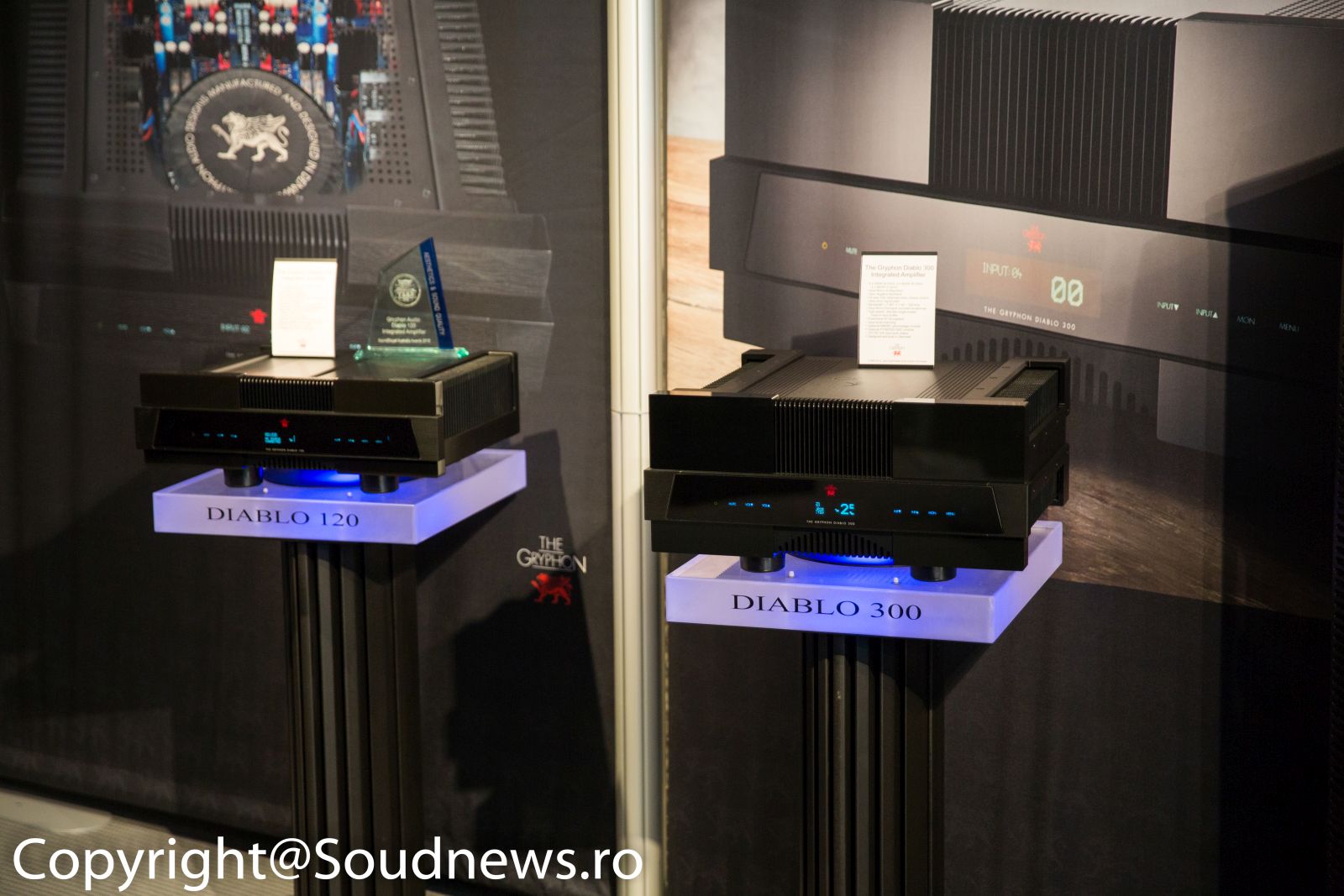
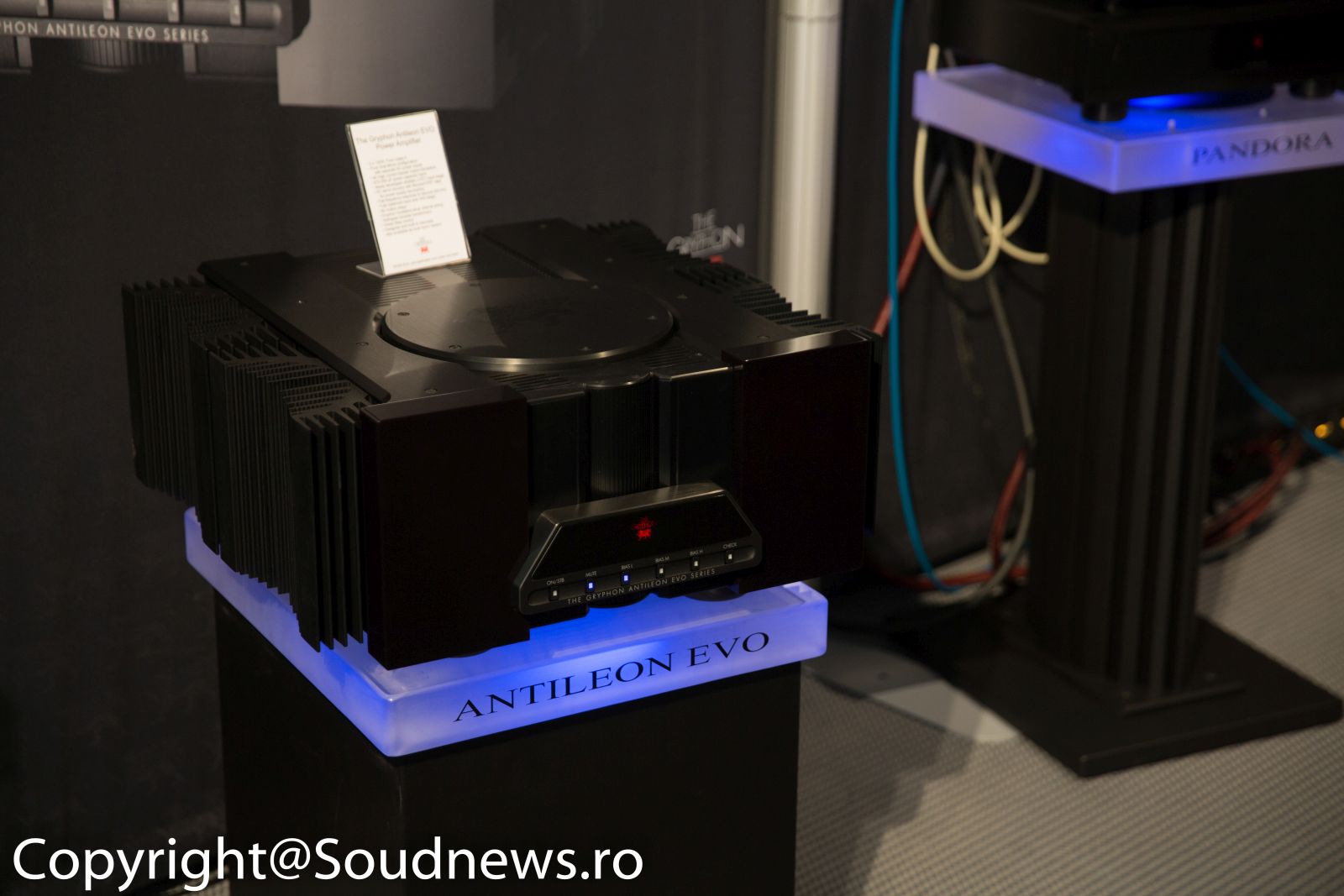
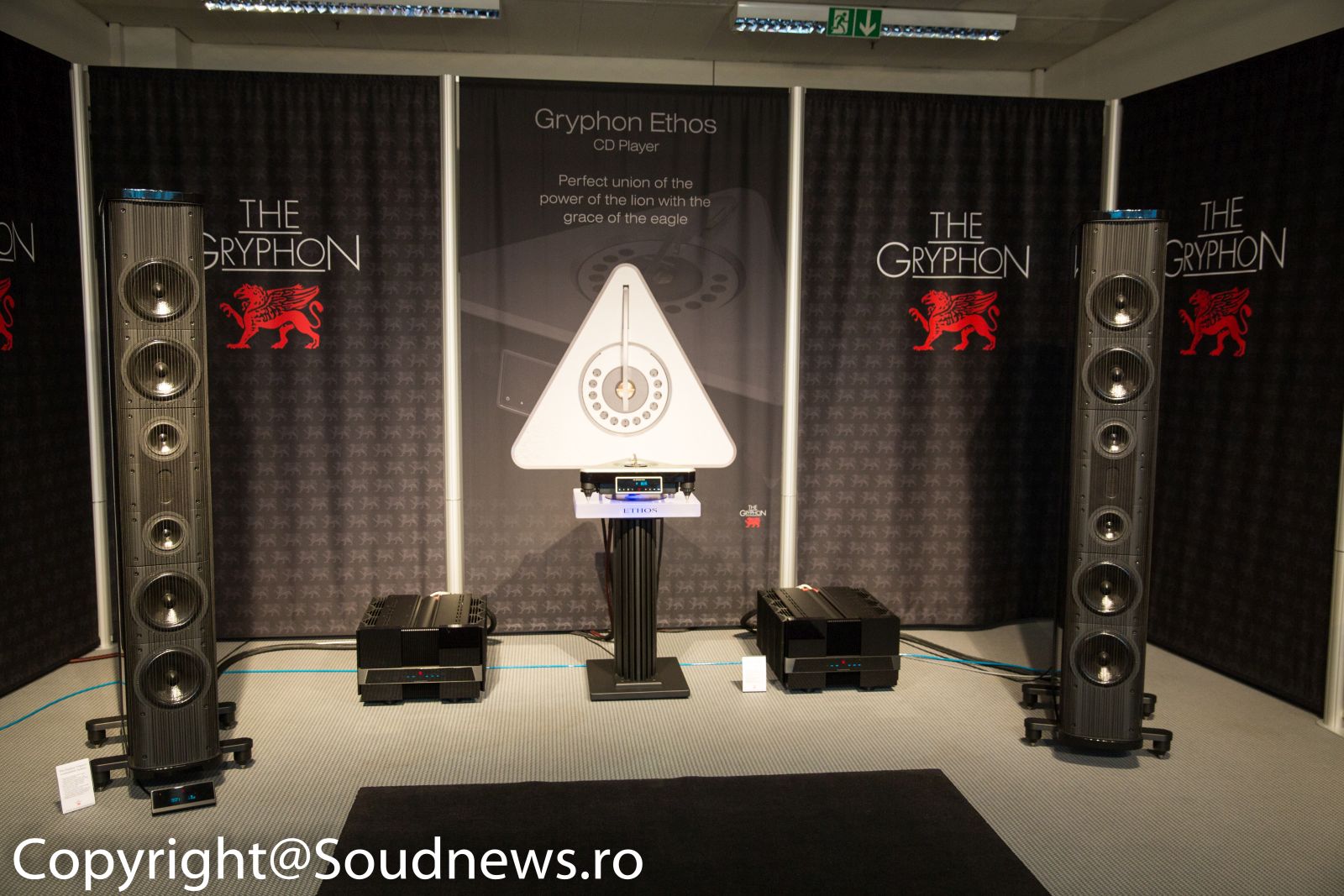
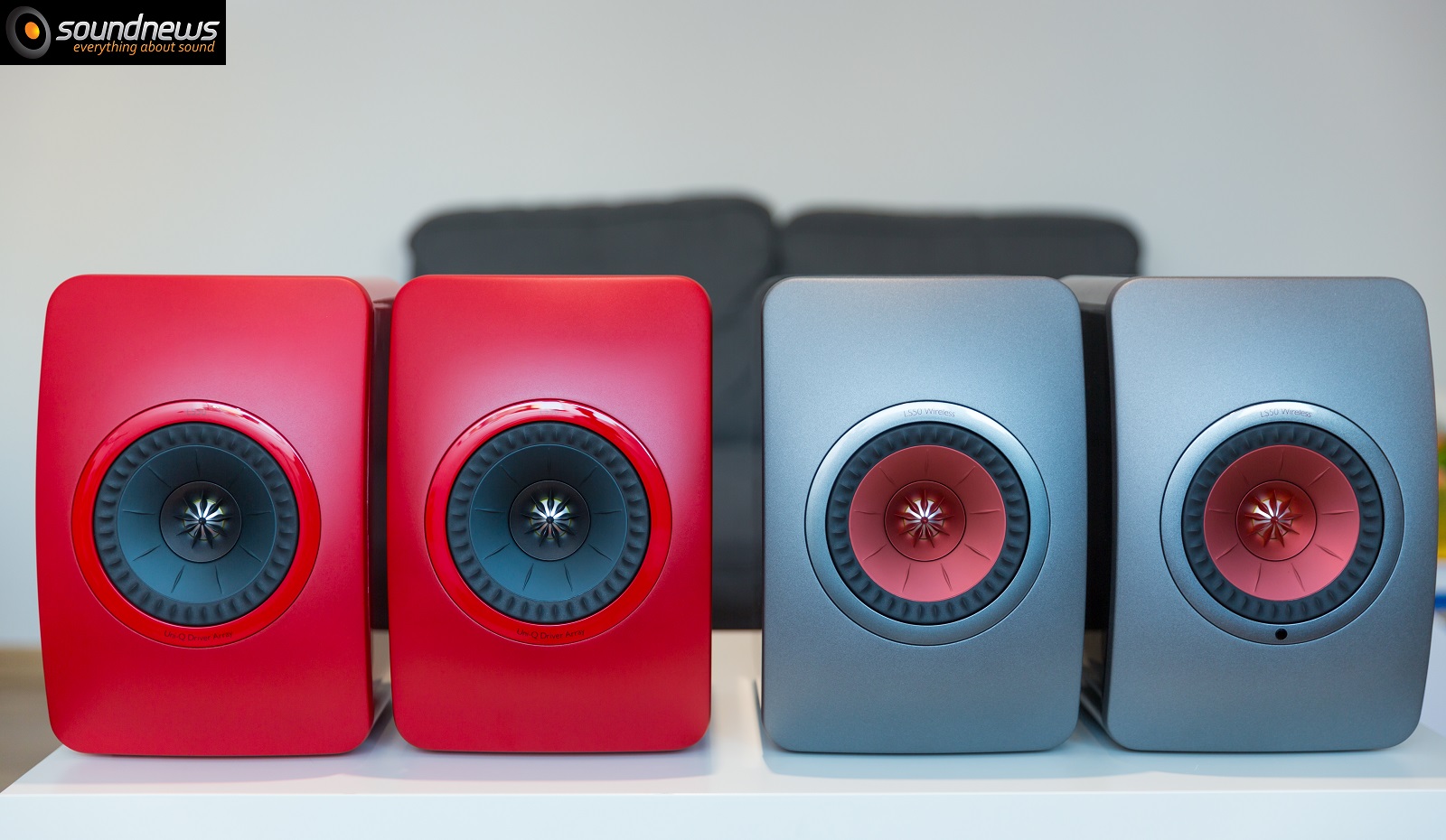
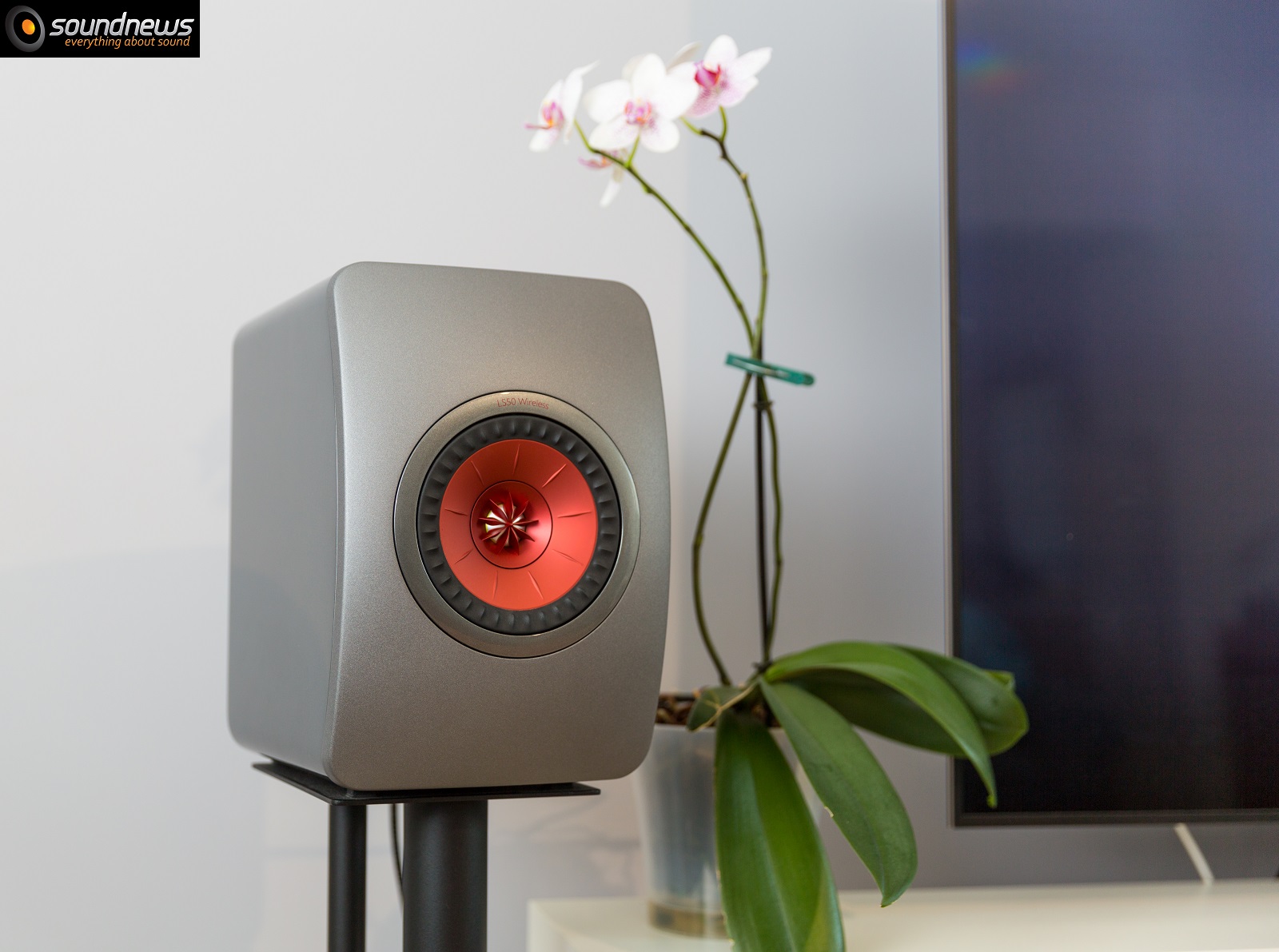
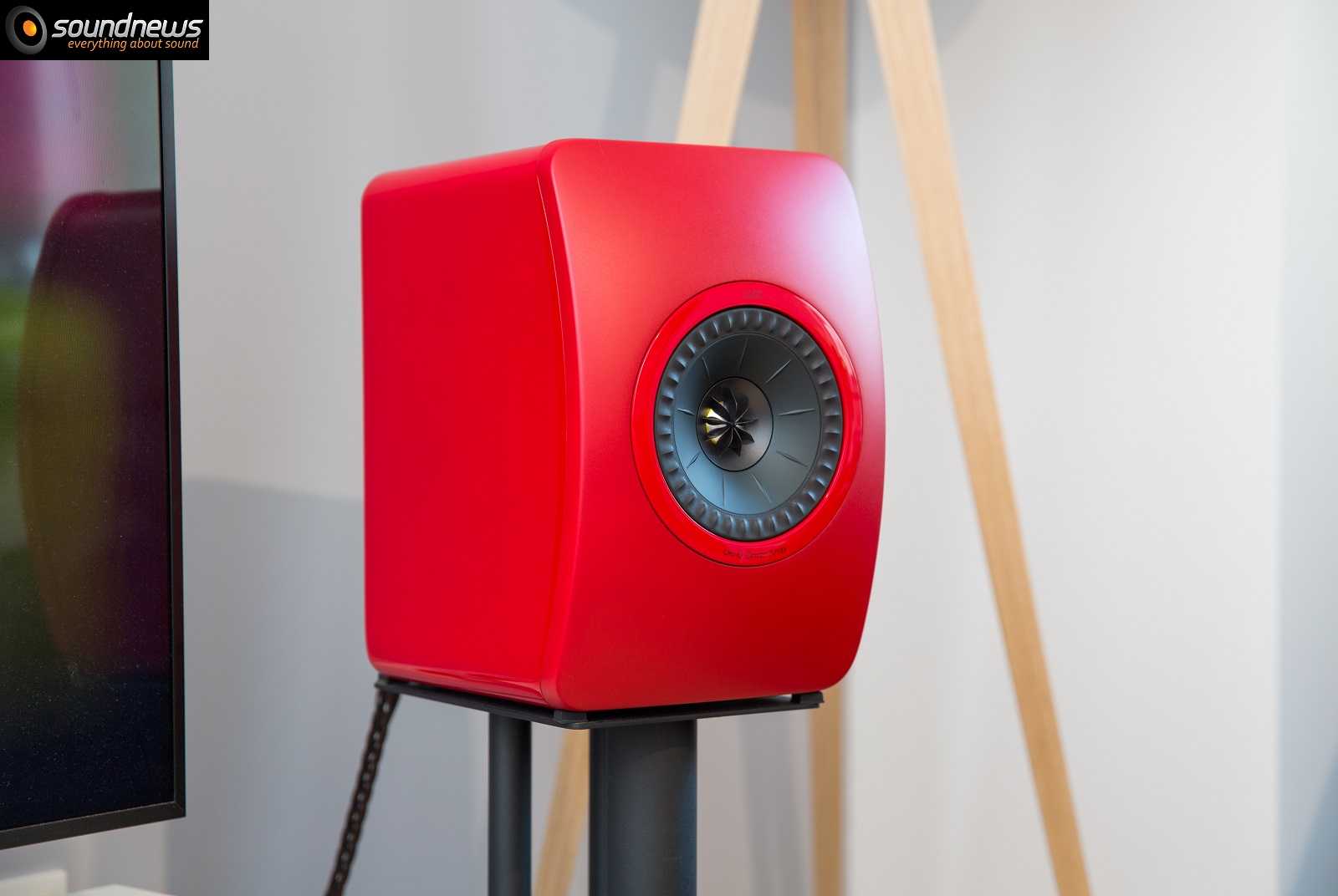
Am fost si la Munchen High-End 2019, am testat, admirat si binenteles pozat o mare parte din ceea ce era expus acolo. De la numele grele precum MBL, Nagra, MSB, Chord Electronics, Kef si pana la produse accesibile de la Q Acoustics, Monitor Audio, Mission sau FiiO am batut standurile in lung si in lat. Poate nu mai sunt asa de entuziasmat ca in alti ani, dar raman la parerea ca expozitia de la Munchen merita vizitata macar o data in viata, este cel mai mare targ High-End din lume si un loc in care poti sa vezi/asculti si chiar sa atingi produse la care in mod normal doar visezi.

Enjoy 🙂


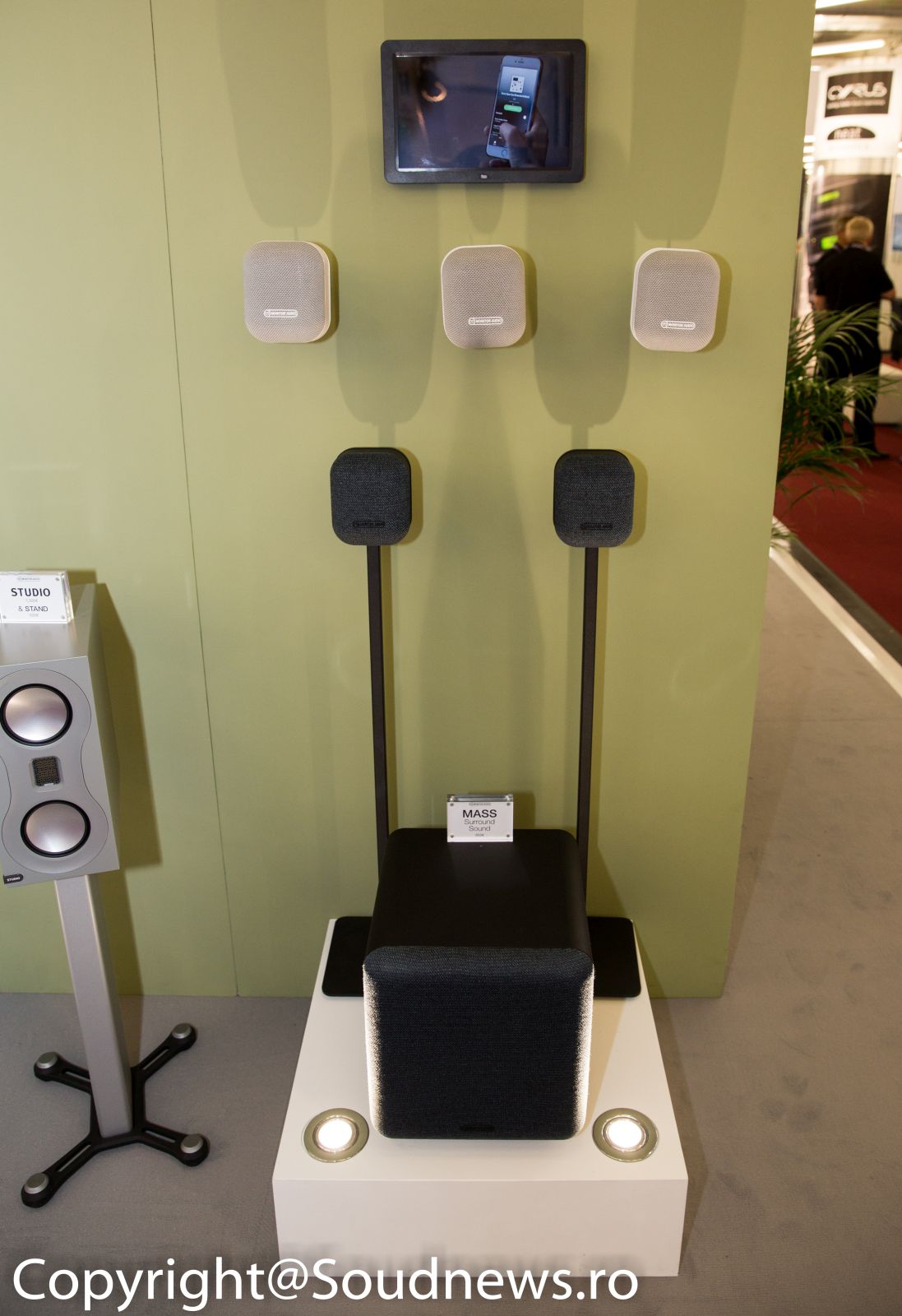
Noile MASS, sistemul 5.1 compact de la Monitor Audio sunt gata de lansare

0

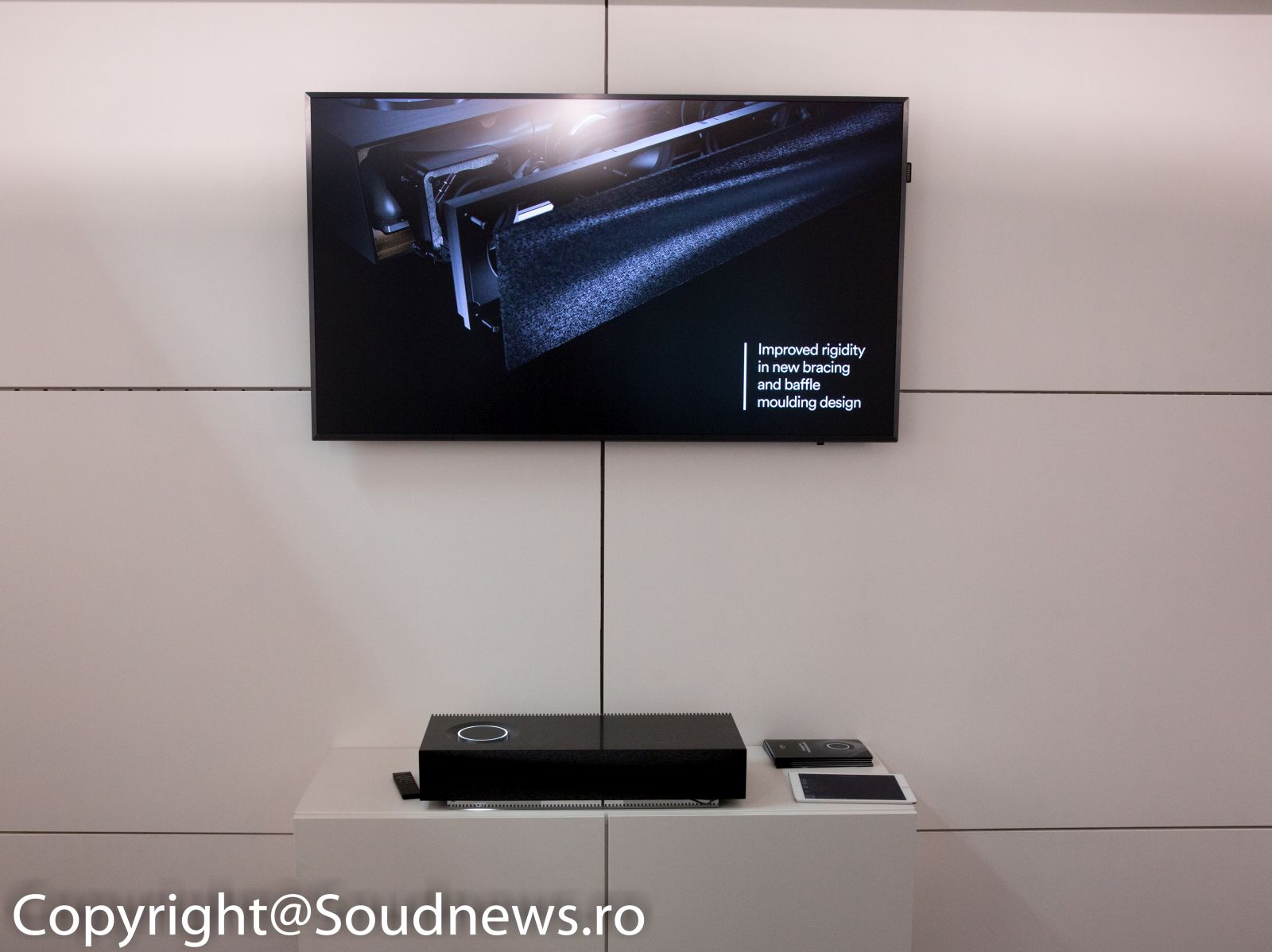
Monitor Audio has launched the second-generation version of its compact 5.1 home cinema speaker package, MASS – good news for those seeking domestically friendly surround sound, no doubt.

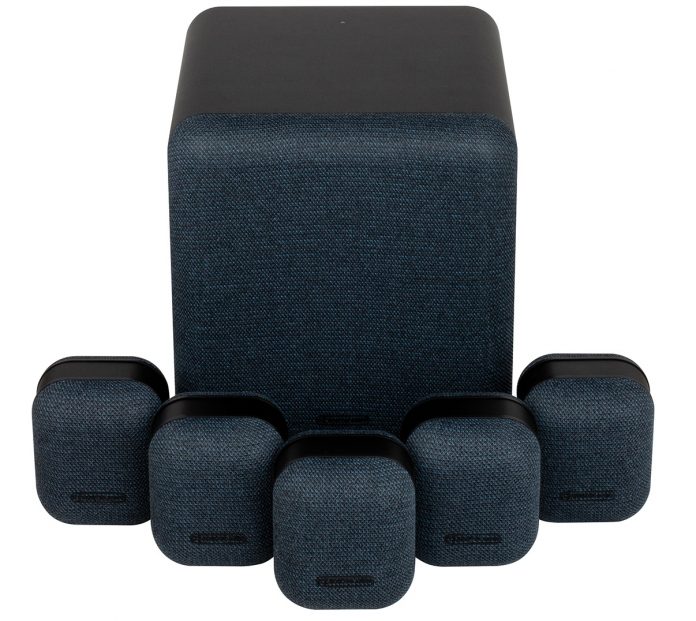
Monitor Audio sunt foarte aproape sa lanseze noua generatie a compactelor MASS – un sistem ideal pentru ce care-si doresc un pachet 5.1 discret, dar de calitate si cu un pret prietenos.

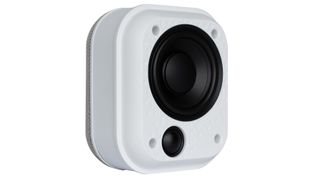
In ciuda dimensiunilor minimaliste, satelitii sunt pe doua cai, cu difuzor de medii/joase de 9cm, pozitionat deasupra unui tweeter cu dom din matase de 19mm.

In acelasi timp, subwooferul MASS este dotat cu un difuzor de 20cm din acelasi material Metal Matrix Polymer utilizat si la difuzorul de medii/joase din sateliti si are integrat un amplificator in clasa D de 120w.


The cabinet construction sandwiches a core MDF ring between two glass fibre reinforced ABS halves for optimum rigidity, designed to reduce unwanted vibrations. They’re finished in Monitor Audio’s custom-weave cloth finish, which have been exclusively developed to not only look luxurious but also be acoustically transparent.

Subwooferul este proiectat in asa fel incat sa se potriveasca perfect sonic cu satelitii sistemului si contine in plus un procesor de sunet cu presatari (Muzica, Filme si Impact) pentru o experienta personalizata.


FiiO M9 – When a great engineer befriends a great designer

8

When I first touched the M7 from FiiO I understood that FiiO is finally on the right path. It sent a clear message about what’s to come in terms of GUI, ease of use, simple and elegant design and of course sound quality.

The newest addition to the M series of DAPs will actually be the flagship of the M series of players; it’s the sleek looking M9.

There were many things that bothered me in the past regarding X series of DAPs from FiiO, they looked modern and cool but the actual finish was never top-notch and not at a very high standard. UI was looking good but response time was sloppy and not the fastest of the bunch, wireless connection plagues the X5 and X7 to this day, even X7 MKII had its quirks design wise.

On the other hand, M7 felt like fresh air from an open window, it felt, looked and performed much better, design wise there was nothing to complain about it too.

Well, now imagine simplifying that design even more, making it look unique compared to others and adding additional processing power and features: that’s how M9 was born.
Design and Build Quality

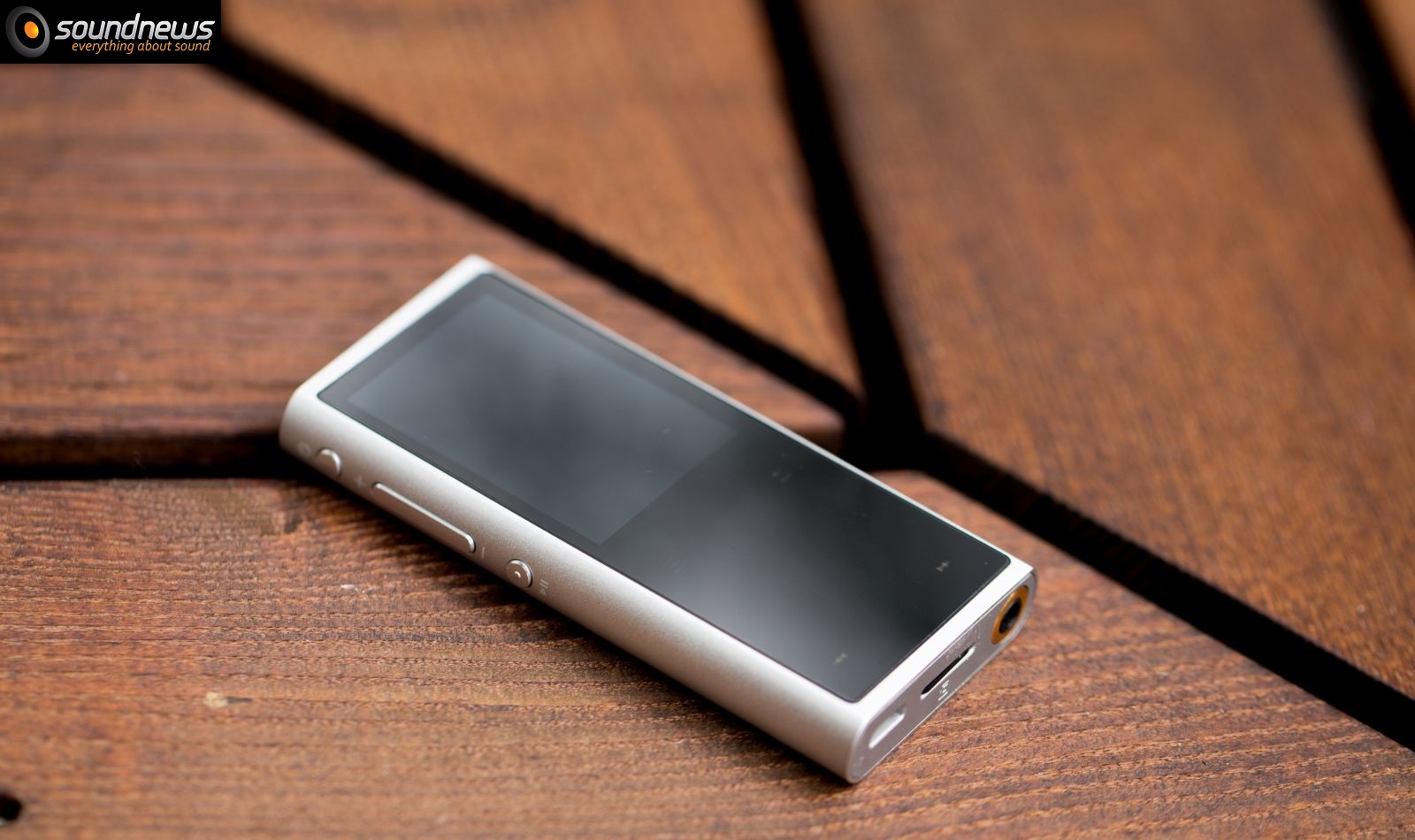
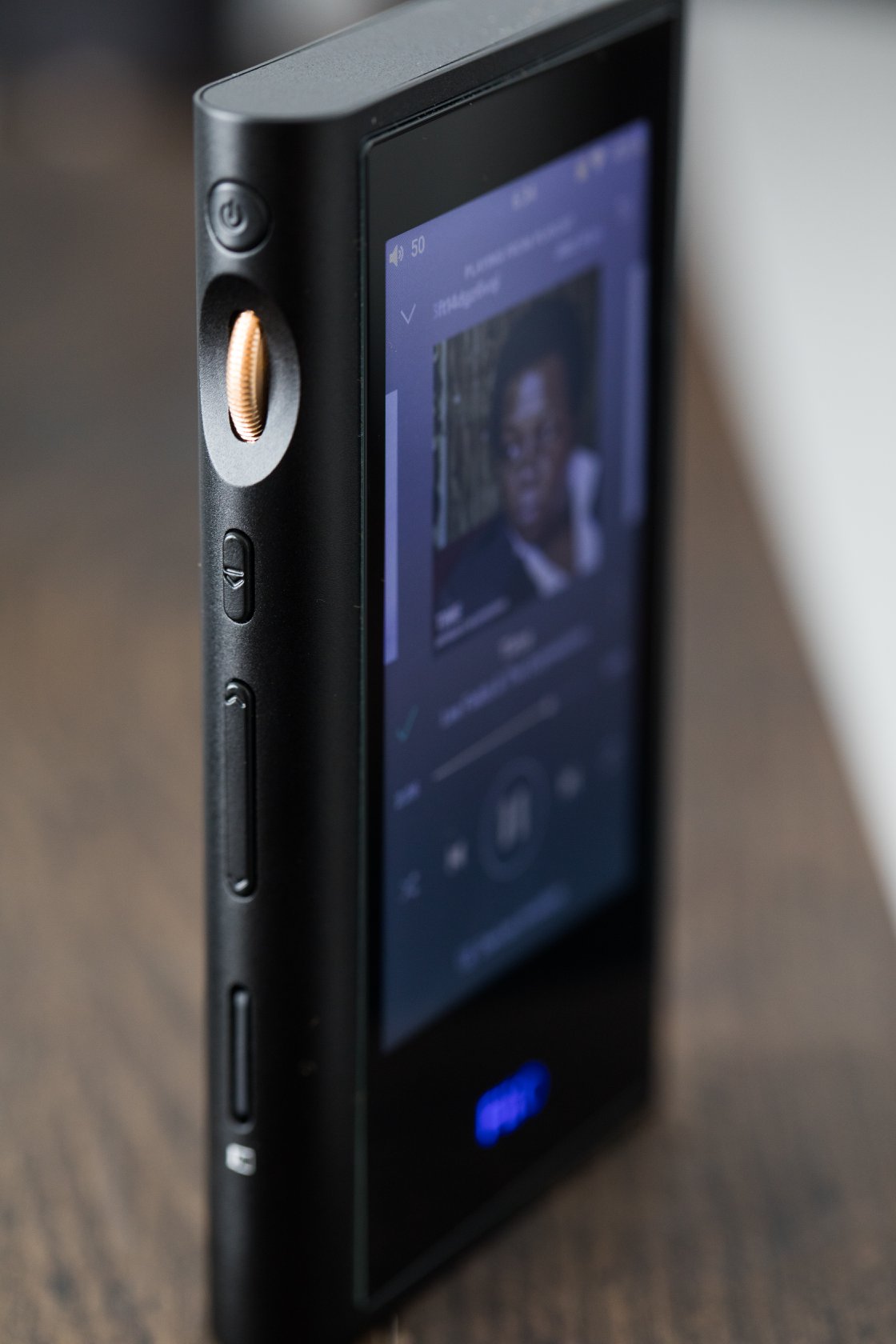
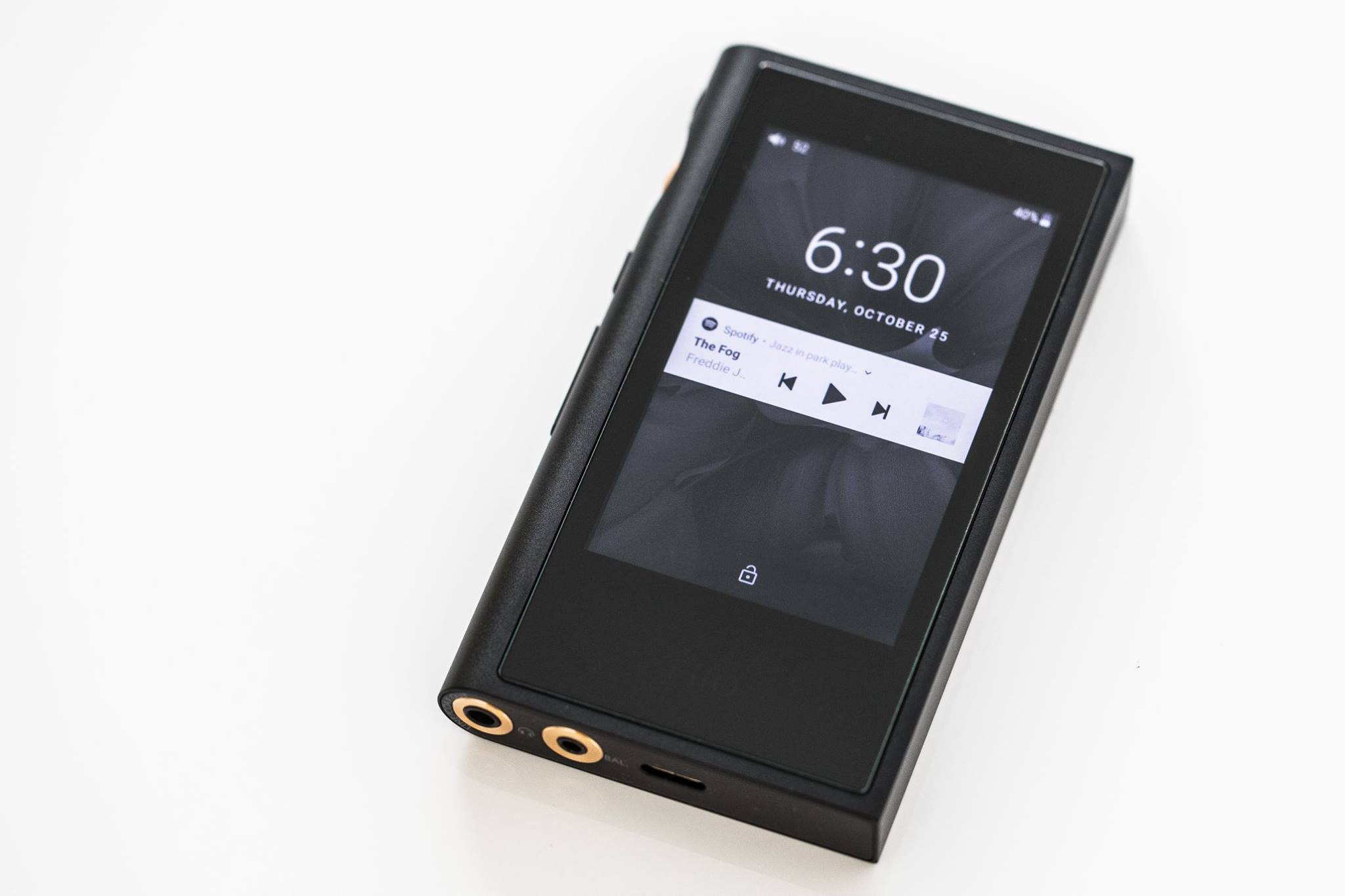
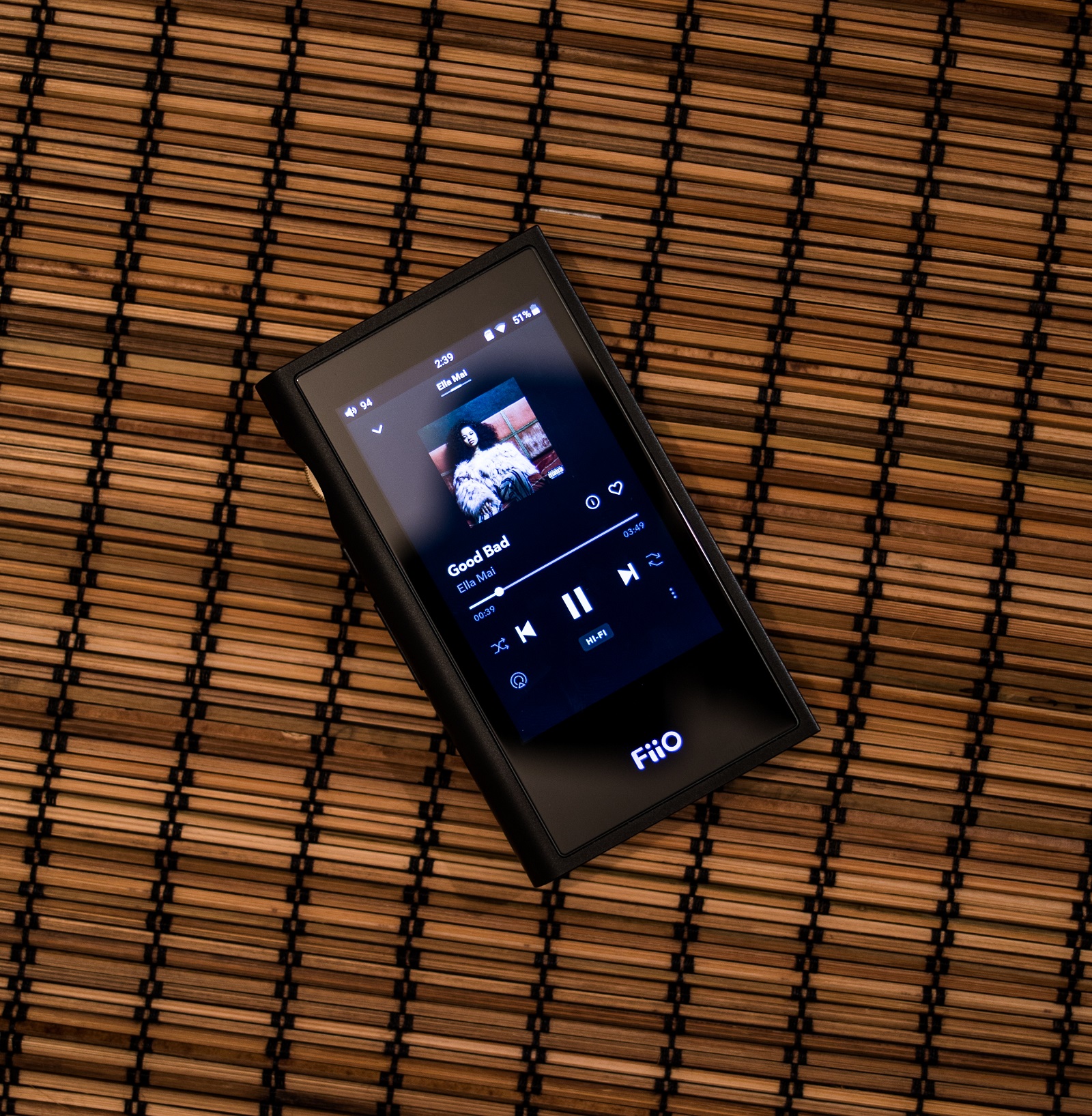
M9 feels really great in hand, ditch the TPU case, it is looking much better without it. There are times then I will just lift it off the table and stare at it for a minute or two. I’m glad to report it looks and feels impressive, built from a single block of aluminum with just a sheet of glass on top, it can’t be sleeker than that. I’m not a lefty but it feels better in the left hand due to left rounded edge. All the ports and dials were moved to the left and on the bottom; it looks much simpler this way, even all the screws were hidden from the human eyes.

All the small details (that sometimes do make a difference) from M7 are present here as well, like the Hi-Res logo laser engraved on the back (gone is the paper Hi-Res sticker), same easy to use UI and easy to remember button placement.

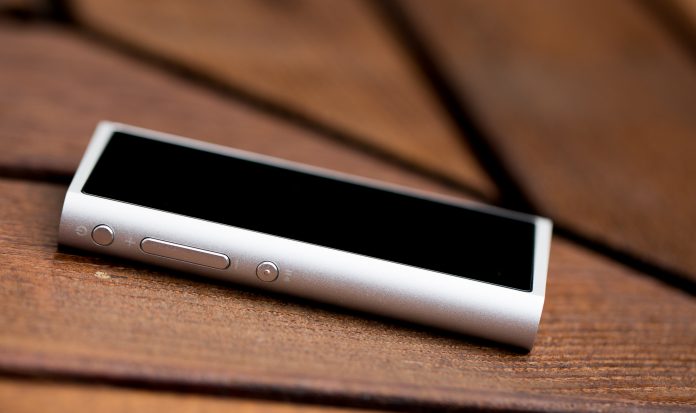
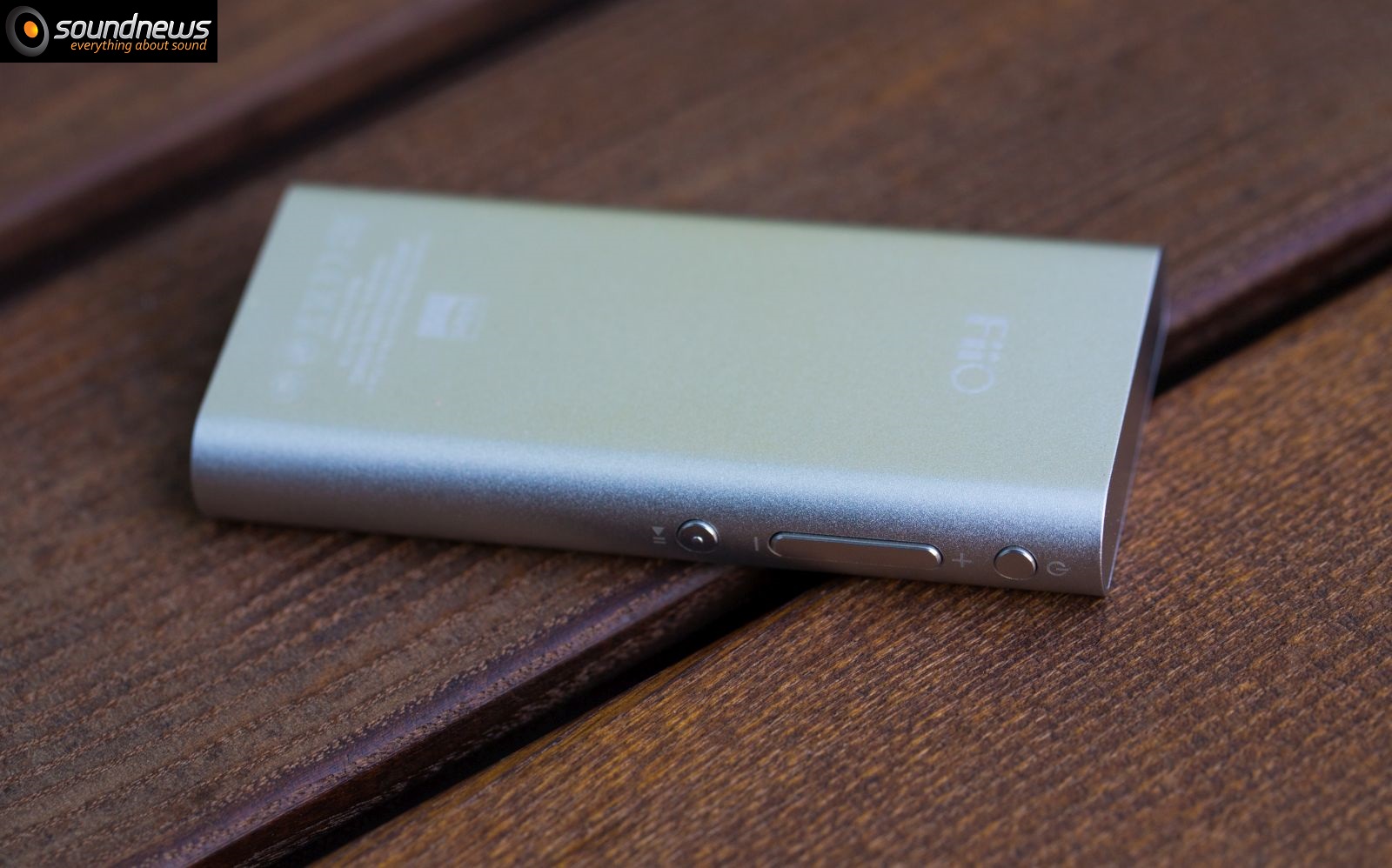
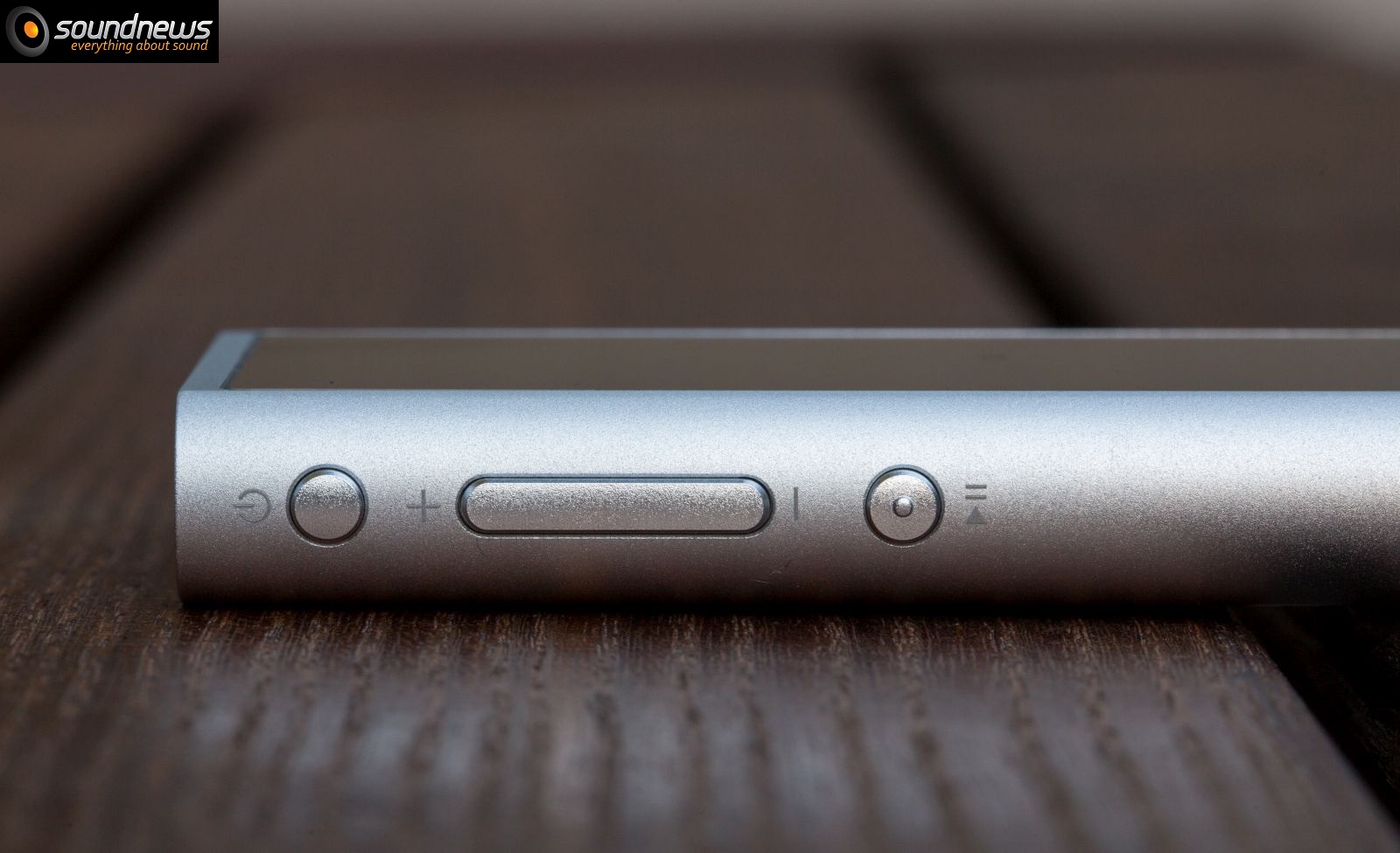
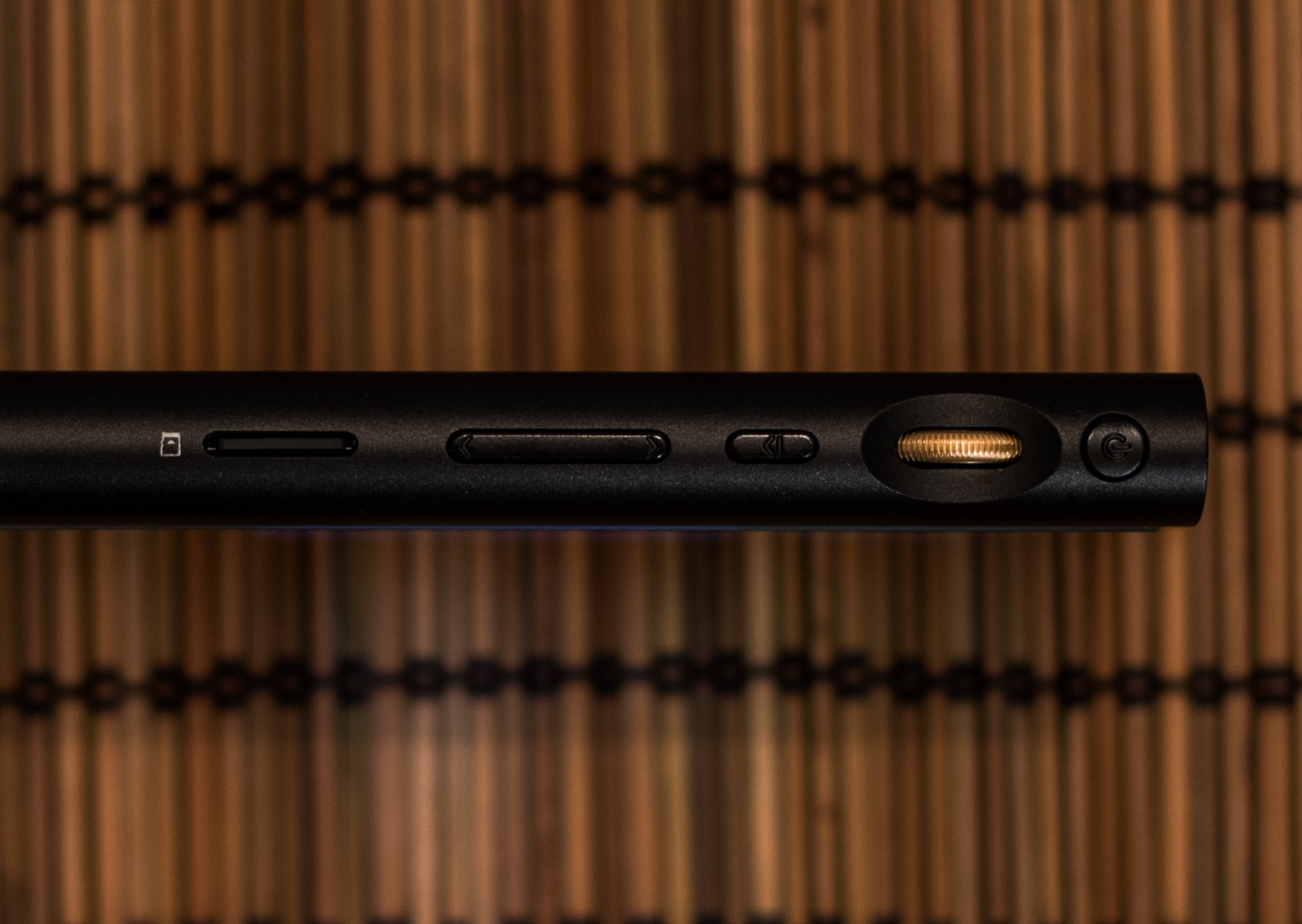
Speaking about the buttons, it has only 4 of them: power On/Off, volume up and down and the play/pause button.

Volume wheel looks very different this time around, with golden accents on it and it’s a bit harder to turn (no more accidental turning in the jeans pocket) offering a more tactile feedback. MicroSD card slot is also on the left, up to 400 Gb cards are supported, go go DSD nerds!

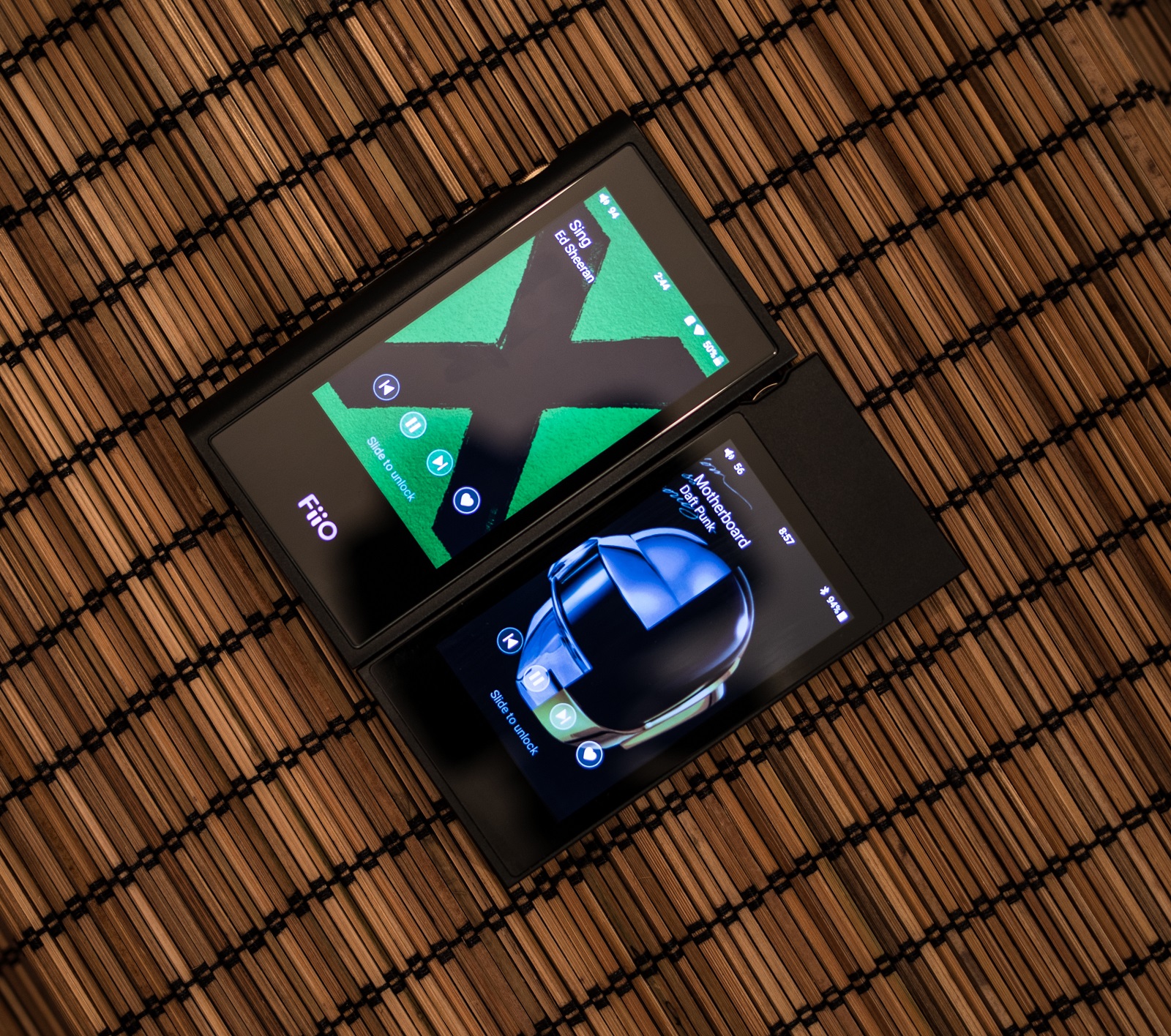
Physically it is smaller, thinner and lighter than both X3 MKIII and X5 MKIII that it replaces.

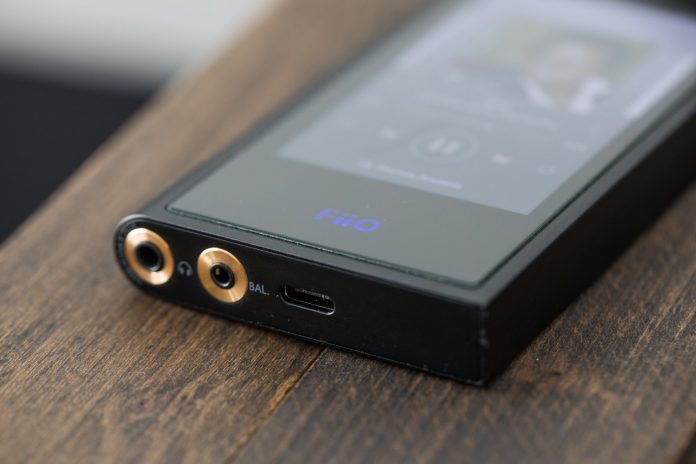
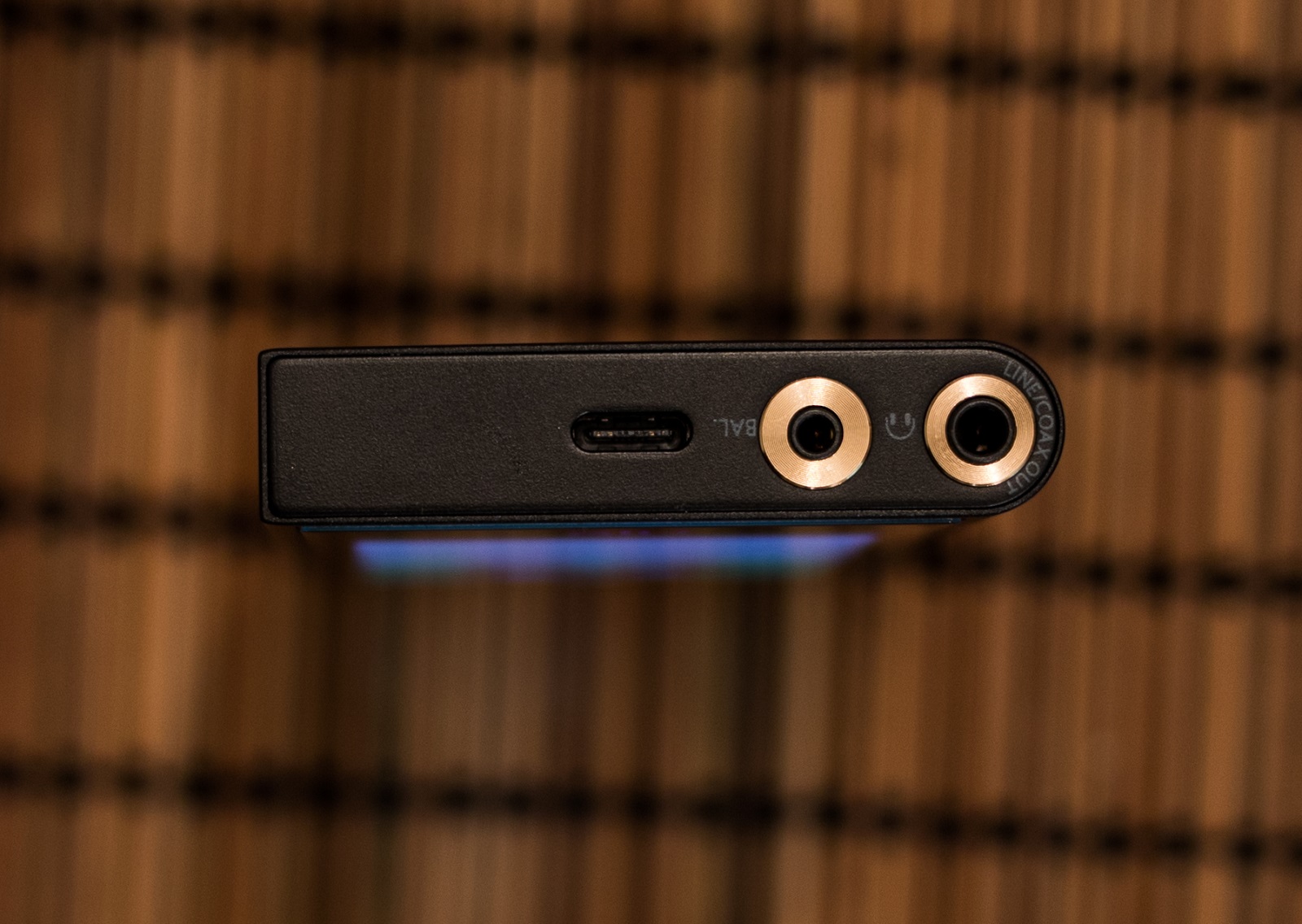
On the bottom 3 connections are spotted, USB type-C (thanks Lord!) for file transfer and charging, fast charging is also supported, there are also 2 headphone outputs: the regular 3.5 mm has a triple duty, it can work as a normal headphone out, as a clean 1.8 VRMS line-out or as a coaxial out to be used as a digital transport, the second 2.5 mm is the balanced TRRS output for that fat and juicy power output audiophile nerds like me crave about.

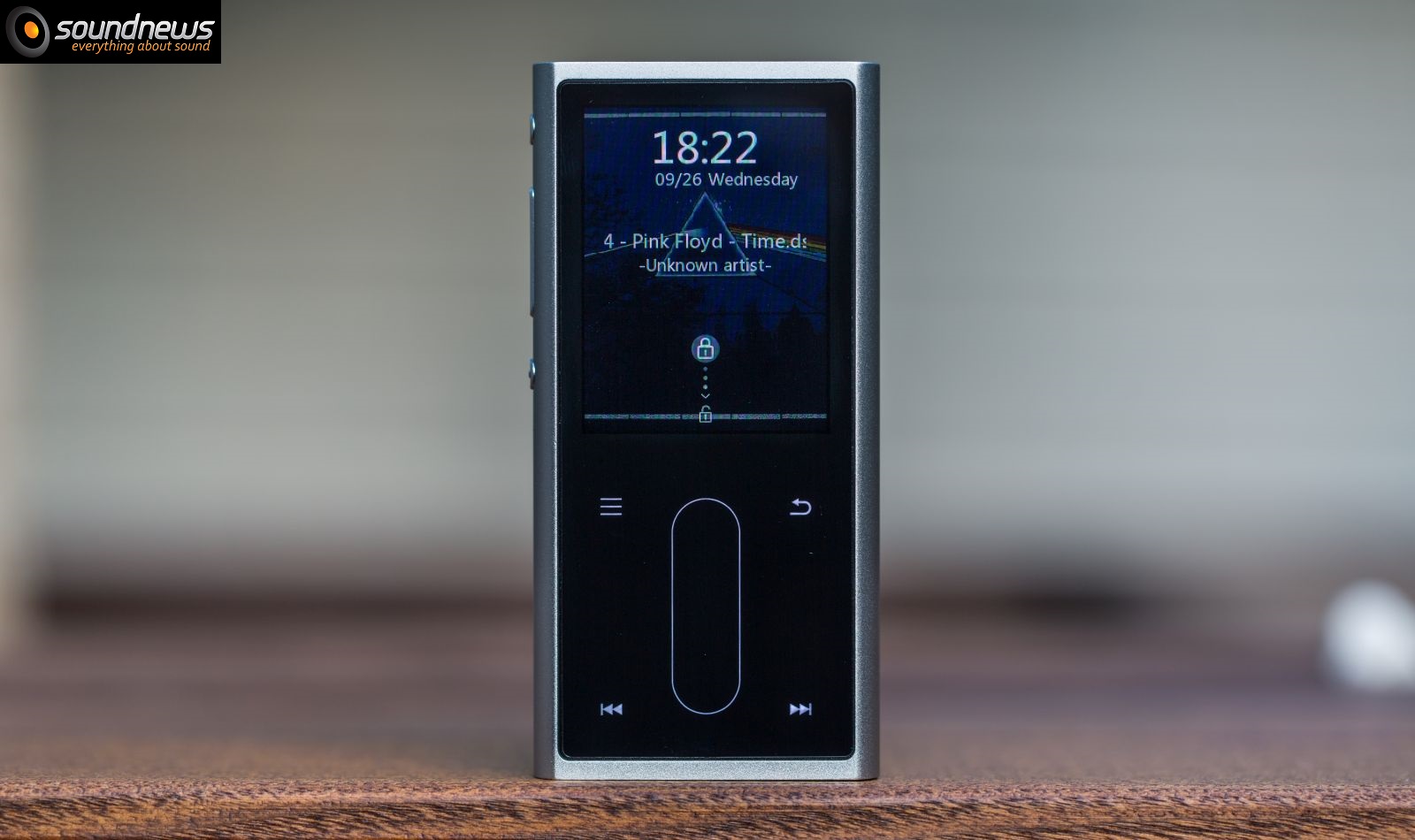
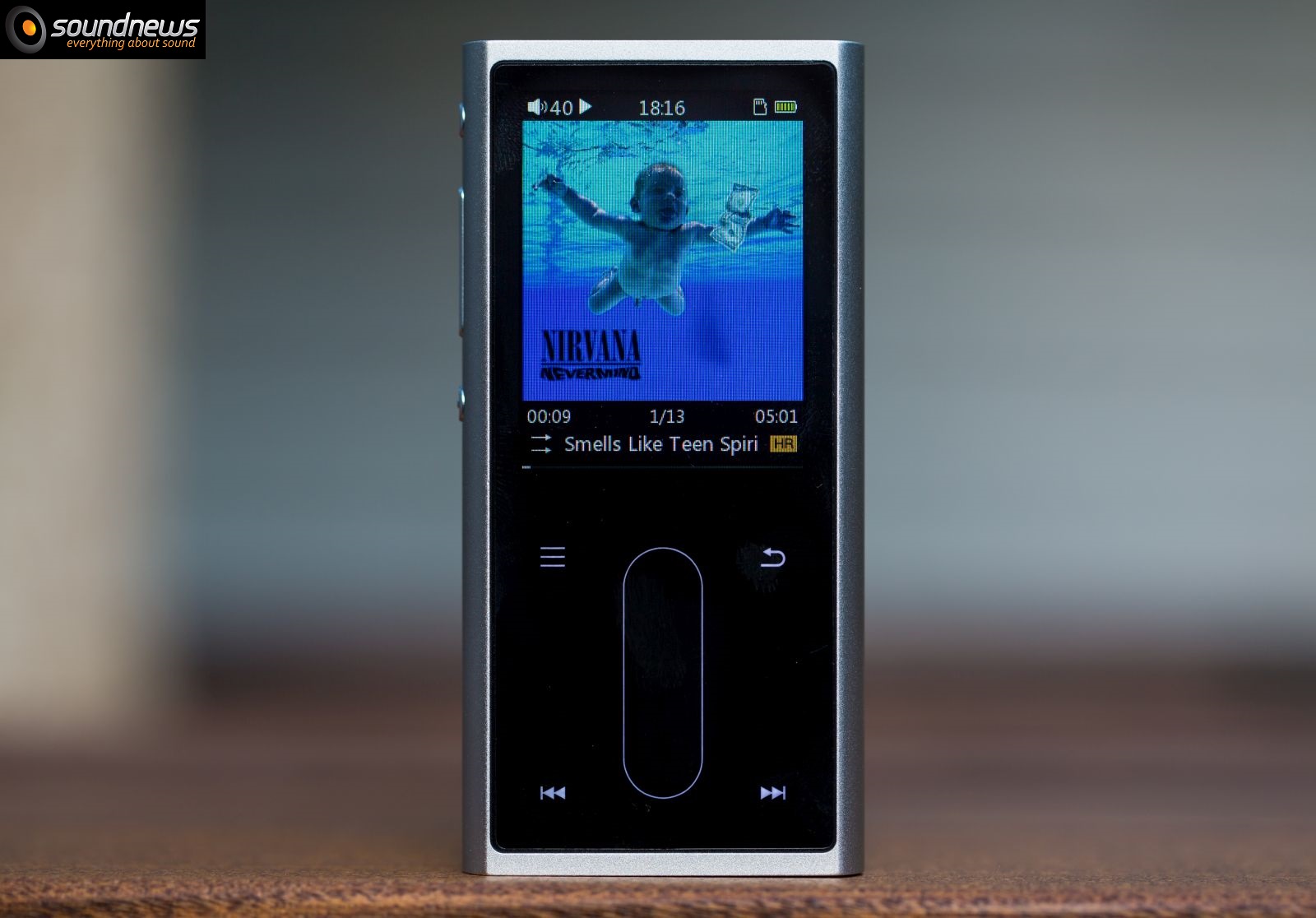
The 3.2” IPS touch-screen is very similar to the one found in the M7, they might be the same, I presume that is the case here, newest M6 seems to use the same display assembly, a wise financial decision I’m sure.

Due to smaller screen size and pretty high resolution of 800 x 480 pixels, the image is always crisp and clean due to a higher 292 dots per inch. I have nothing to complain about the display, I am actually very happy they didn’t go for a larger screen since that will have a massive impact on the battery life. I have my phone for Netflix and web browsing on the go right? It offers lower brightness numbers than a flagship mobile phone, but none of that is needed right here as I and most probably you listen to music with display turned off anyway.

Powering On the M9 a fat chin and a large forehead can be spotted, but that again doesn’t bother me too much, as the overall size and weight are low and M9 is very easy to carry, EDC (every day carry) test was passed with flying colors.

Under the Glass

M7 was the first to ditch a fully operating Android OS and use a lighter, custom made Android OS finely polished by the FiiO engineers, it is very different from what was seen on X5 MKIII and X7 MKII.

Gone are myriads of apps that can be installed, maybe it’s for the best to stay this way. The streamer in you can sleep easy at night as FiiO white-listed majority of audio playing and streaming apps such as Tidal, Qobuz, Spotify, Deezer, Apple Music, MOOV, NetEase Music and others…and before you ask: YES, you can save your favorite Tidal tunes and play them offline! Rise high those pints of ale!

The same Samsung Exynos 7270 (14nm build process) 1 Ghz CPU/SoC beats inside that is also powering the M7, 768 Megs of RAM were squeezed inside, there is also a shy 2 Gb ROM memory – insufficient for storing large quantities of music, which I truly recommended leaving alone (for a better response time), microSD cards are cheap nowadays, use those instead.

At the heart on M9 processing double AK4490EN DAC chips were used (the same that are powering the mighty FiiO Q5 and X5 MKIII) in a dual mono configuration, two OPA1642 for the LPF and a AD8620+OPA926 combo for the final output stage.

The op-amps used and the already classic velvet sound DAC chip are showing signs of great potential. I listened to AK4490EN on various devices and I do believe it expresses itself as a chameleon. It was warm and inviting on FiiO X5 MKIII and very technical and detailed on FiiO Q5, so you never know how it will perform on the M9, have patience my friends…

Power wise M9 is more than adequate powering down even desktop class headphones, at 170 mW per 32Ω on the 3.5 mm SE jack and 220mW per 32Ω on the 2.5 mm balanced jack it handles my Sennheiser HD660S pretty easy even on the 3.5mm SE output, volume wise it stays somewhere between 100-105 out of 120.

FiiO used a very powerful Samsung made Bluetooth chip, it’s a novelty in FiiO’s portfolio because it’s not only a transmitter but can be a receiver as well (Dual Bluetooth), it can send and receive data in aptX, aptX-HD, SBC, LDAC and HWA.

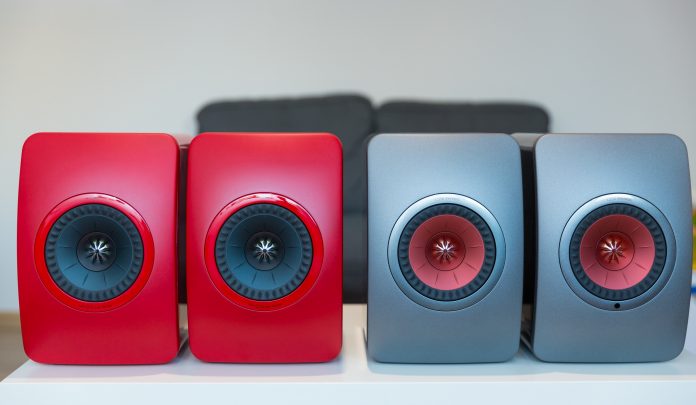
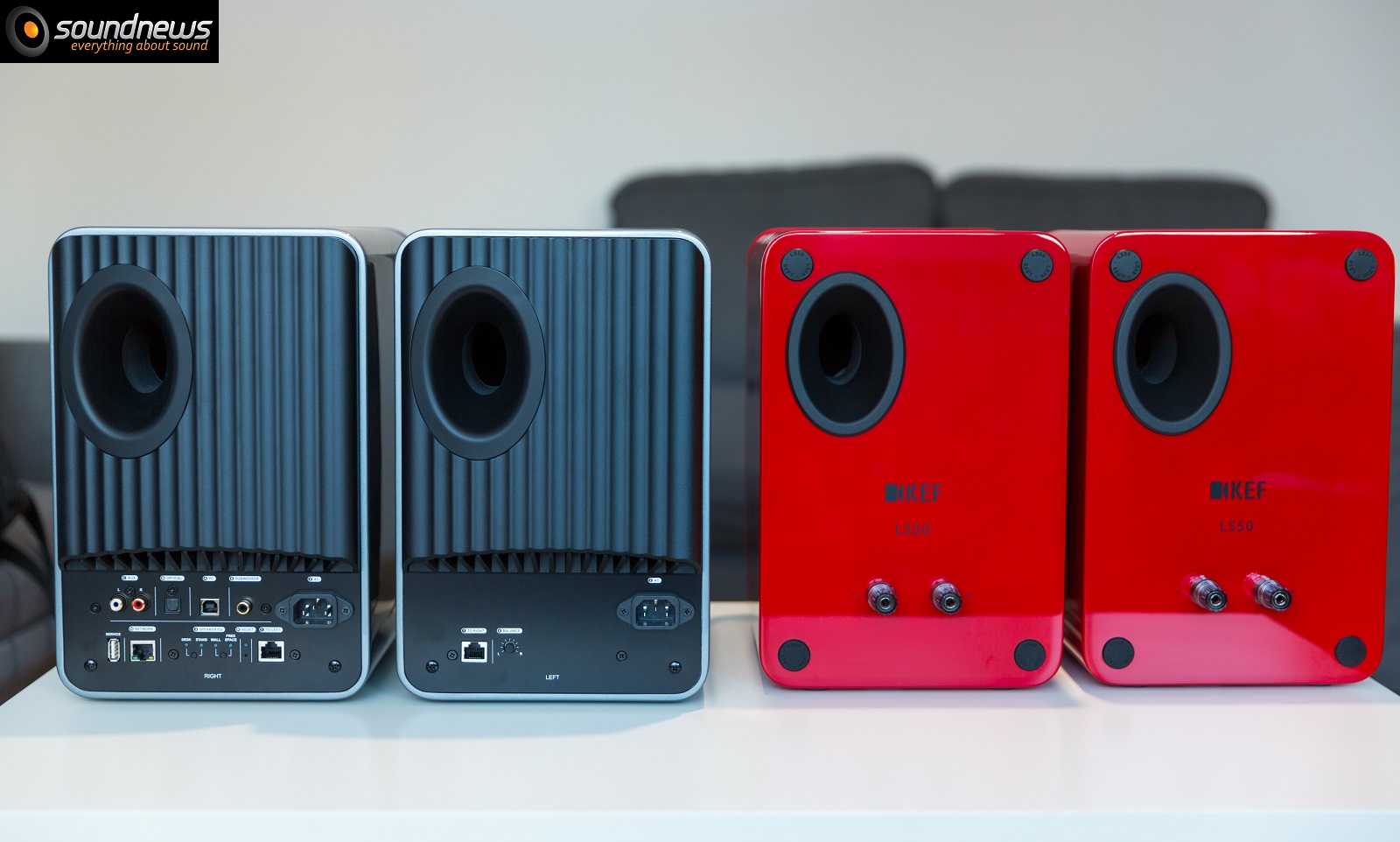
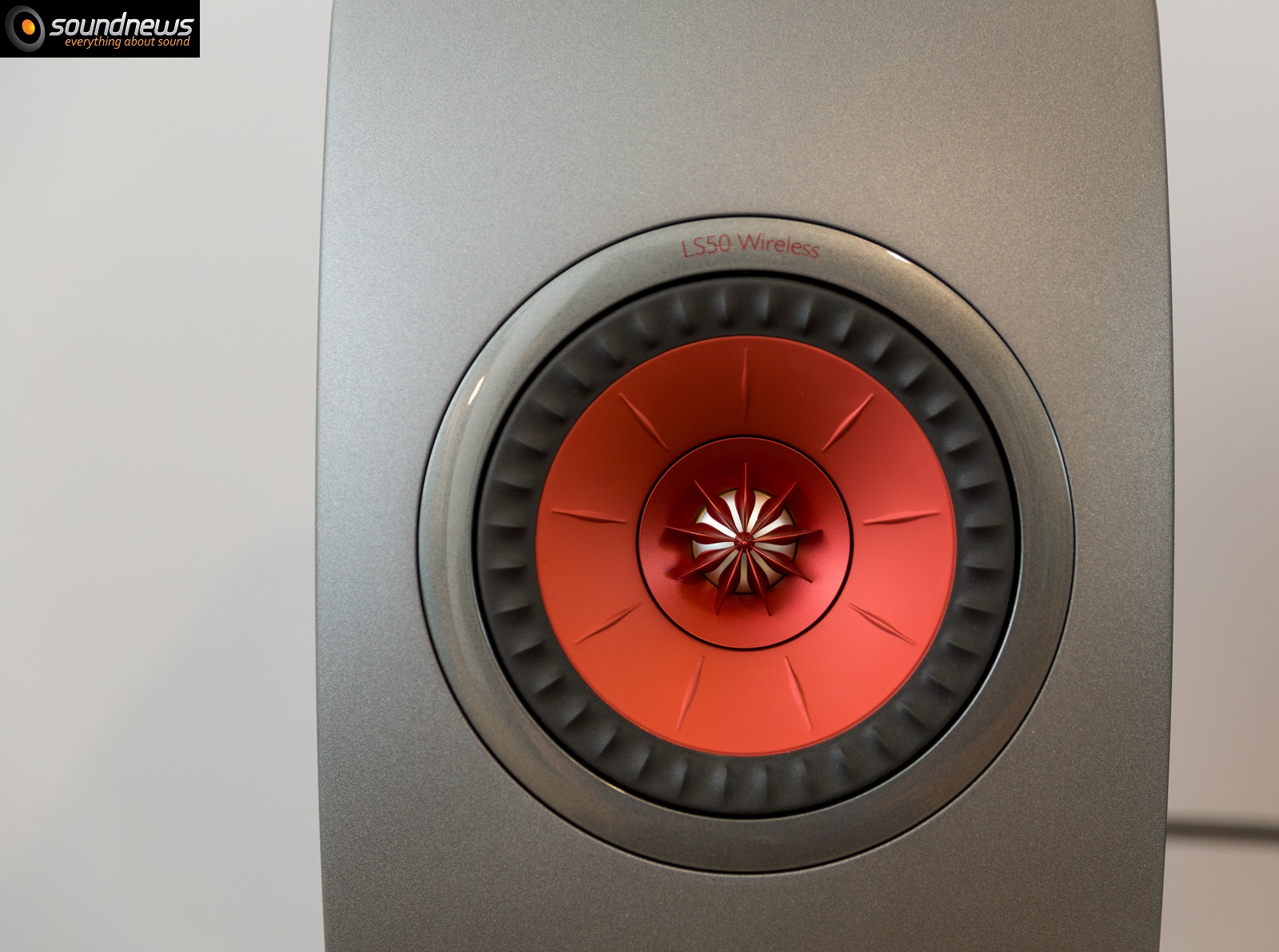
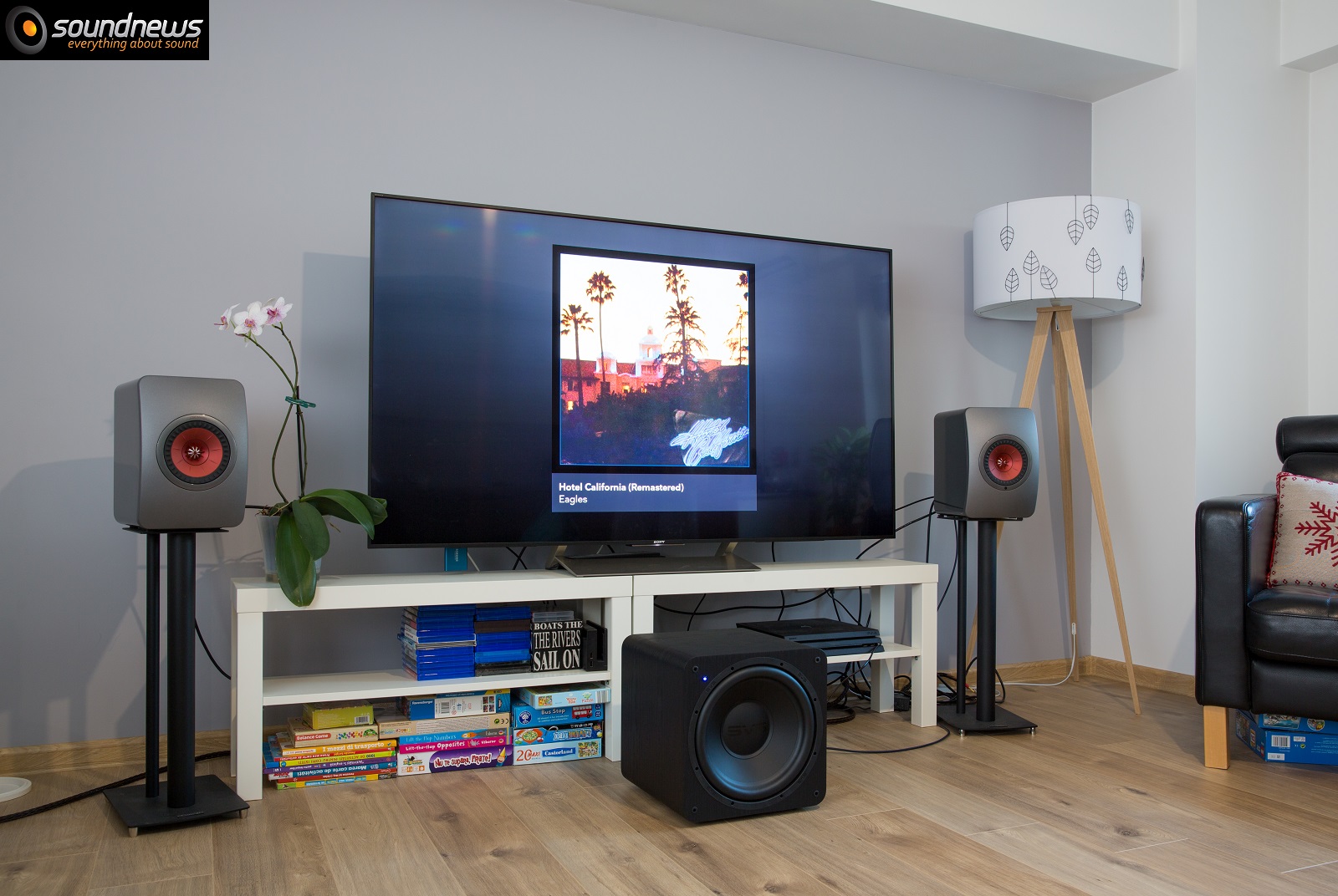
I paired my KEF LS50 Wireless via aptX-HD with M9 and got a truly great wireless experience, signal strength is pretty high as I was able to move across the apartment without having hiccups on the audio stream. I really dig the Bluetooth implementation of the M9, to this day it’s the most complete Bluetooth streaming DAP.

Wi-Fi connection is 2.4 Ghz only, it’s enough for lossless wireless streaming. However, Wi-Fi signal is much stronger compared to X5 MKIII and to X7 MKII, antennae placement was definitely not an afterthought.

The Li-PO battery has a capacity of 2350mA that delivers about 10 hours of listening time with all the wireless radios turned off. With my harder to drive Sennheiser HD660S I was able to squeeze 8 hour with volume of ~105 out of 120. With the FiiO FH5 volume wise it was at ~70 and I was able to achieve and surpass the declared 10 hour playtime. Turning Wi-Fi and/or Bluetooth will of course decrease those numbers.

The biggest improvement was the standby mode in which M9 can stay up to 45 days, that’s 1080 frickin’ hours! By comparison X3 MKIII has 19 days standby time and X5 MKIII together with X7 MKII have lower than that. I personally turn-off my device every time I go to sleep but if standby is your thing then M9 got you covered for more than a month.
Graphical User Interface (GUI)

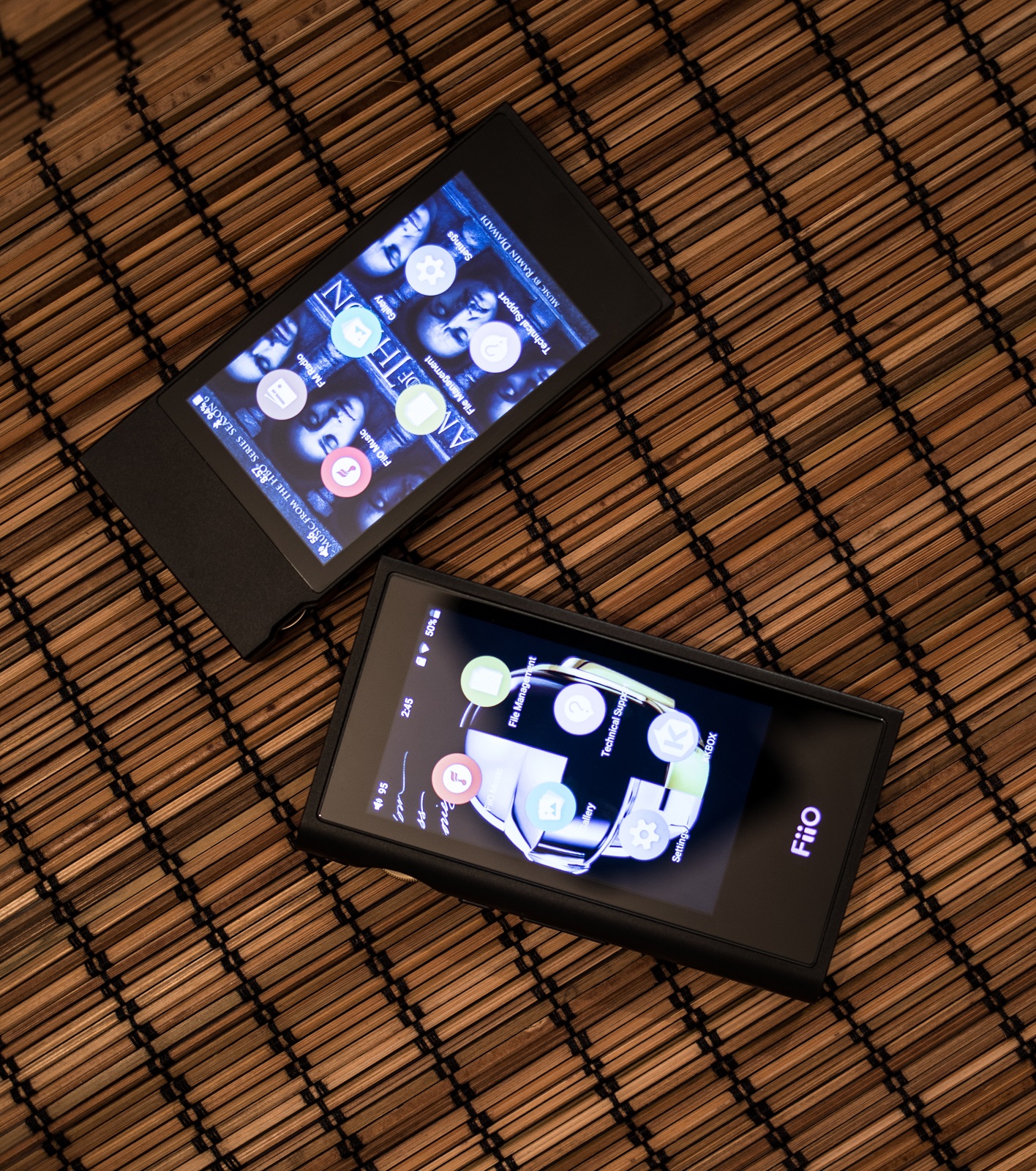
The standard FiiO Music app (on the 1.03 firmware) never crashed on me and works flawlessly for more than 2 weeks. It’s easy to follow and use, due to a larger music library I am mostly browsing by folder or directly use the search function.

Swiping down in the Now Playing screen will show your brightness levels, Wi-Fi and Bluetooth connections, gain and headphone out functions for the 3.5mm jack , the storage or DAC features and the filter settings.

Hitting the filter settings icon will shortcut you directly to all audio settings, toying around with the digital filter mode yielded marginal changes in the sound department, I left it as it is.

Since it is a touch screen device FiiO used a lot of screen shortcuts, the same were found on M7 as well: swiping upwards from the right corner will send you to the main menu, swiping upwards from the left corner will send you back one level in the OS, swiping from left to right will show the playlist, there are more shortcuts, I recommend checking the quick guide for more details.

Upgrading the firmware is recommended to be done Over The Air (OTA) as at the end of the update process the .fw file will be automatically deleted.

Overall the M9 GUI is very polished (on V 1.03 fw), it’s fast, it doesn’t stutter, it is a bit slower than my phone on Tidal, but that understandable given the hardware M9 uses.

Let’s fire some music as my ears are itching already.

Audio Performance

Most of the time I’ve listened to M9 via the FH5 and FA7 from FiiO which are quite picky in terms on noise floor, at home I’ve listened to it via Sennheiser HD660S desktop headphones and for giggles I have paired it via Bluetooth with a pair of KEF LS50 Wireless speakers to test out the Bluetooth capabilities.

Listening to M9 more and more often I couldn’t get out of my head a sense on deja-vu, that not so long ago I have witnessed the same sound signature. Ah, YES! I remember now, M9 in my mind sounds very close to the FiiO’s Q5 flagship DAC and that is a very important achievement.

I dare saying that Q5 was very different from what FiiO did in the past, it was conceived as having a very linear and revealing sound signature with tons of micro-details, tons of dynamic swings and not as having a warm and inviting sound with smeared dynamics.

M9 together with Q5 represent a long departure from the old FiiO sound I was accustomed to for so many years now and I glad they did that.

M9 puts a big emphasis on macro and micro-details, on fast dynamic swings and less on mellow and limited transient response type of sound.

With a good implementation AK4490EN can sound mean and biting, fast and kicking! Q5 and M9 are great examples of what can be achieved with the right implementation.

Firing up fast electronica revealed decent levels of lower bass and great level of mid bass. Rarely soft, bass notes will hit their mark and put a smile on your face most of the times. Yes, I’ve heard deeper and meaner bass but at a higher cost too.

Due to a quicker transient response I could pass over the slightly limited sub-bass response as the lower notes have great agility and hit me with the right amount of speed and impact.

The smooth transition from bass to midrange is seamless without any dips and rises, it leads to the best part on the M9 in my opinion and that is the midrange performance.
I found midrange to be often fuller than I was expecting, male and female voices have a longer decay, string instruments really shine too. Overall, I found them to have more meat to the bone and heavier at times. Sure, this frequency response it is a bit emphasized but rightfully it needs to be as 90% of the sounds of nature are born in this audible range.

Sound signature could also be considered as natural, with smooth transitions between FR.

Treble performance is very good and in my opinion its be second best part of M9, it has a good amount of “zing” and shimmer but without being harsh on the ear. HD660S are quite strong in this area too and I suspected I would not be a great combo, but I was wrong. M9 showed a honest character without being sibilant at all. Honestly with all the headphones I tested it with, I enjoyed it mostly with HD660S, a really great combo I must say.

Another interesting aspect that impressed me was the depth of the soundstage that could easily rival the performance of a desktop class DAC. Overall the sound was deep and quite wide (but not the widest I’ve heard) and pretty well spread too.

Think of Q5 or even X7 MKII but with more intimate soundstage, not small but not super wide either.

I enjoyed any type of music that uses lots of musical instruments as those shown good depth and lots of space between them. Live music never sounded crowded or closed-in, it surely shoots above its price point in this area.
Transient response is quite impressive, but it is not lightning fast as it was on Q5 and X7 MKII, nonetheless any fast electronica or metal will sound just fine. Bass-heads will need to look elsewhere as it will not rumble much and will not will go to the sub-bass territory very often.

As a total package M9 could be considered as having a good balance between all frequencies and staying on the safe side with the rest.

I had a blast when I connected the M9 to my KEF LS50 Wireless speakers via Bluetooth, my speakers are a bit limited by the aptX-HD that that’s OK in my book as it is already good enough (max 576 kbit/s).

What I’ve heard on headphones was applied to speakers too, my usual morning mood-lifting folk rock started tapping my feet and my head was shaking with a smile on my face.

All of it was there: wide and deep stage, fast transient response, wide FR, great leading edges of the notes, natural voices and crystal-clear treble.

The best part? I could go to any room in my flat and BT will not drop off a single time, it works better than I anticipated, this again suggest that BT was not an afterthought and was implemented really good this time around.
Driving Power

I consider HD660S to be quite efficient comparing to other ~500 USD desktop class headphones but it is not most of the times an easy task for the small and portable DAPs.

On the high gain at around ~105 volume M9 will drive just fine the HD660S and that is just on the 3.5 mm Single Ended (SE) output, on balanced it will drive them even better. Sure, adding an external headphone amp such as HeadAmp Pico Power will impress me more, but the combo will not fit in any pocket and it will add up to the overall cost.

Powering multi driver balanced armatures (all armature based or hybrids) is quite an easy task for M9 as I rarely hit the 70 volume mark.

Noise performance is great! No hum, no noise, no nothing! Just pure musical bliss!

I will test out the balanced connection in few weeks (a balanced cable is coming my way) to test out the noise performance of the balanced output, will comment on that at a later date.

So far I’m impressed by it, it will drive normal sensitivity headphones and easy to drive planars (portable ones) but cannot power up higher impedance ones or harder to drive ones, for that use a powerful portable amp.
Comparisons

M9 vs X5 MKII

I’ll be honest with you, I liked the X5 when it was released but it was pretty fast outperformed by latest DAP releases and M9 is not an exception.

X5 is mellower with a slower transient response, it also has an uneven (like a “W”) frequency response. Mid bass is a bit overdone, lower midrange is dry, upper one is emphasized, lower treble sounds just fine but upper treble can be sometimes tiresome and grainy.

M9 have a better transition between the FR, it has a nicer treble too, with a nice bite but without brightness.

X5 is also noisy when it comes to IEM pairings, it was too much with multi-driver IEMs and with sensitive ones, but offered more power for the desktop and hard to drive headphones.

In this regard M9 is noiseless but has a more limited power output, I accept this compromise.

M9 vs X7 MKII

X7 MKII is just a touch drier and has a wider sound field, you could also see deeper into the mix, so depth and soundstage are both improved. X7 MKII is also a bit faster, hits harder and offers more goosebumps inducing dynamic swings.

Yes, X7 is better, but it is also much more expensive so that is normal. M9 is not too far behind, as it has everything X7 has but at a lesser degree.

Where M9 shines thought is at the wireless capabilities (Wi-Fi and Bluetooth) as BT and Wi-Fi signals are much, much stronger, you no longer need to stay near your Wi-Fi router nor glued to your BT headphones, I’m really glad M9 solved all those issues.

M9 vs M7

M9 sounds a touch more natural and alive, has a better kick as well, has a better driving power and offers a balanced connection. M7 is just a tiny bit drier, especially in the mids section where voices will not grab your soul so often. M7 can be too flat at times and M9 has a good balance of sound techniques and musicality.

M7 is more power limited and will not drive any desktop class headphones as it doesn’t have dedicated op-amps for that purpose, even some multi-driver IEMs can suffer dynamics from limited power output.

M9 vs other FiiO DAPs

M9 is overall better than any other FiiO DAP like X3 MKIII, X1 MKIII and M3K, it has more of everything and it sounds more technical, it is just better.
Conclusions

So, here you have it, M9 solved all my fears regarding streaming and wireless signal strength. It also brought a fresh take in the sound department. It is also the most beautiful FiiO DAP to date, it is so simple and gorgeous, I like those simple lines and the uni-body approach, hey FiiO I think this designer needs a raise.

Design and build quality wise it is shoulder to shoulder with more expensive DAPs from the competitors, I really have nothing to reproach here.

What more can I say? I like it and it’s here to stay! That’s all folks, until next time.

PROS:

  • Best FiiO design so far, amazing build quality
  • Quick and responsive UI, including the streaming apps
  • Simple and elegant GUI, awesome button placement
  • Deep soundstage, quite wide as well
  • Balanced frequency response, great leading edges
  • Good amount of micro-details, has a revealing nature
  • Natural sounding, smooth just when needed
  • Good transient response and great eardrum impact
  • Awesome wireless capabilities

CONS:

  • Not the widest soundstage
  • Shy sub-base at times
  • Needs more ROM memory to be usable

Associated equipment:

FiiO M9, M7, X5 MKIII, X7 MKII, FH5, FA7, Sennheiser HD660S, Momentum M 2.0, HeadAmp Gilmore Lite MK2, Pico Power, Matrix X-Sabre PRO, X-SPDIF 2, KEF LS50 Wireless


FiiO M3K – Worthy of its name

0

FiiO M3K – Worthy of its name

At the beginning of 2016 I had the pleasure of testing the smallest Hi-Res capable DAP on the market, the FiiO M3. I was pretty enthusiastic about it as the sound was exactly what I was expecting, it had great battery life, however the plasticky case and the sloppy and hard to follow UI ruined the final experience for me. What could be an extraordinary and a very recommended DAP turned into an ordinary device due to not taking very serious the important aspects that define a portable DAP: first physical impressions, first SQ impressions and of course the easy to use interface.

The brand new M3K promises to solve all the problems raised by us

Let’s get the job done and check if the manufacturer kept his word.

Build quality & Design

Without a doubt in the development cycle of M3K a big emphasis was put on design and at finding the right selection of materials in its construction.

This time around the case is entirely made of anodized aluminum and the front panel is made out of tempered glass for a superior scratch and shock resistance.

From my point of view M3K looks much more elegant, simple and modern than its predecessor.

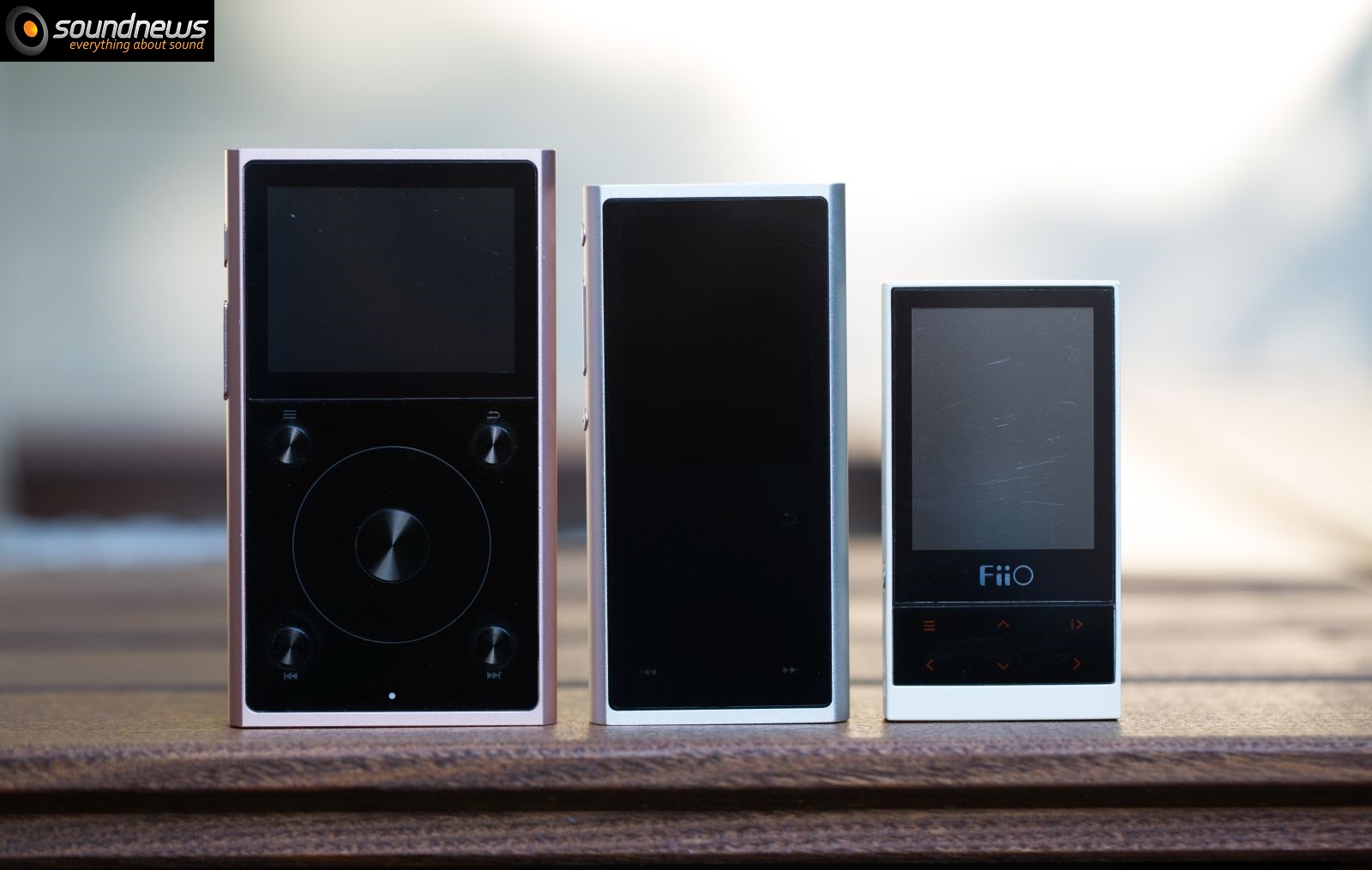
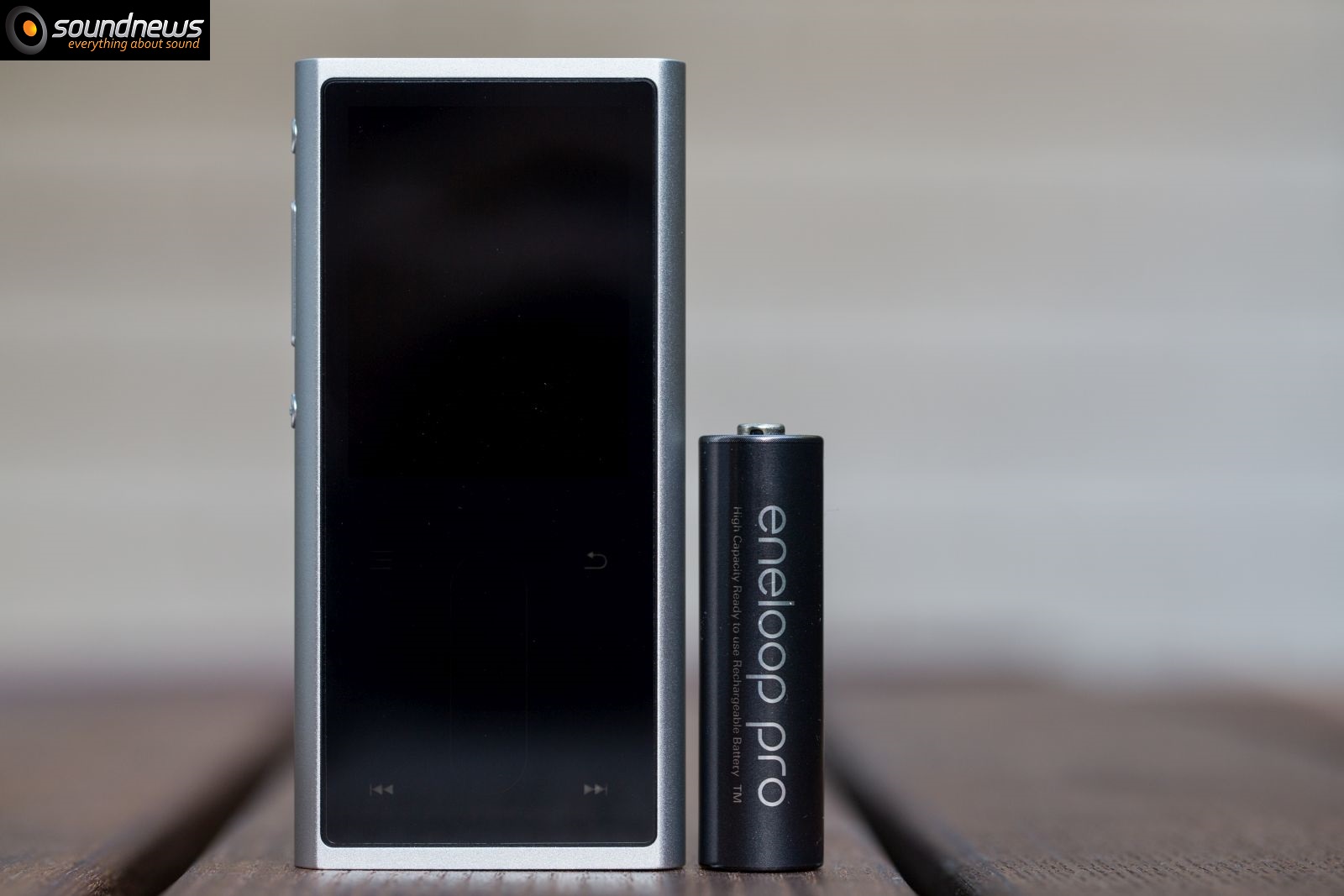
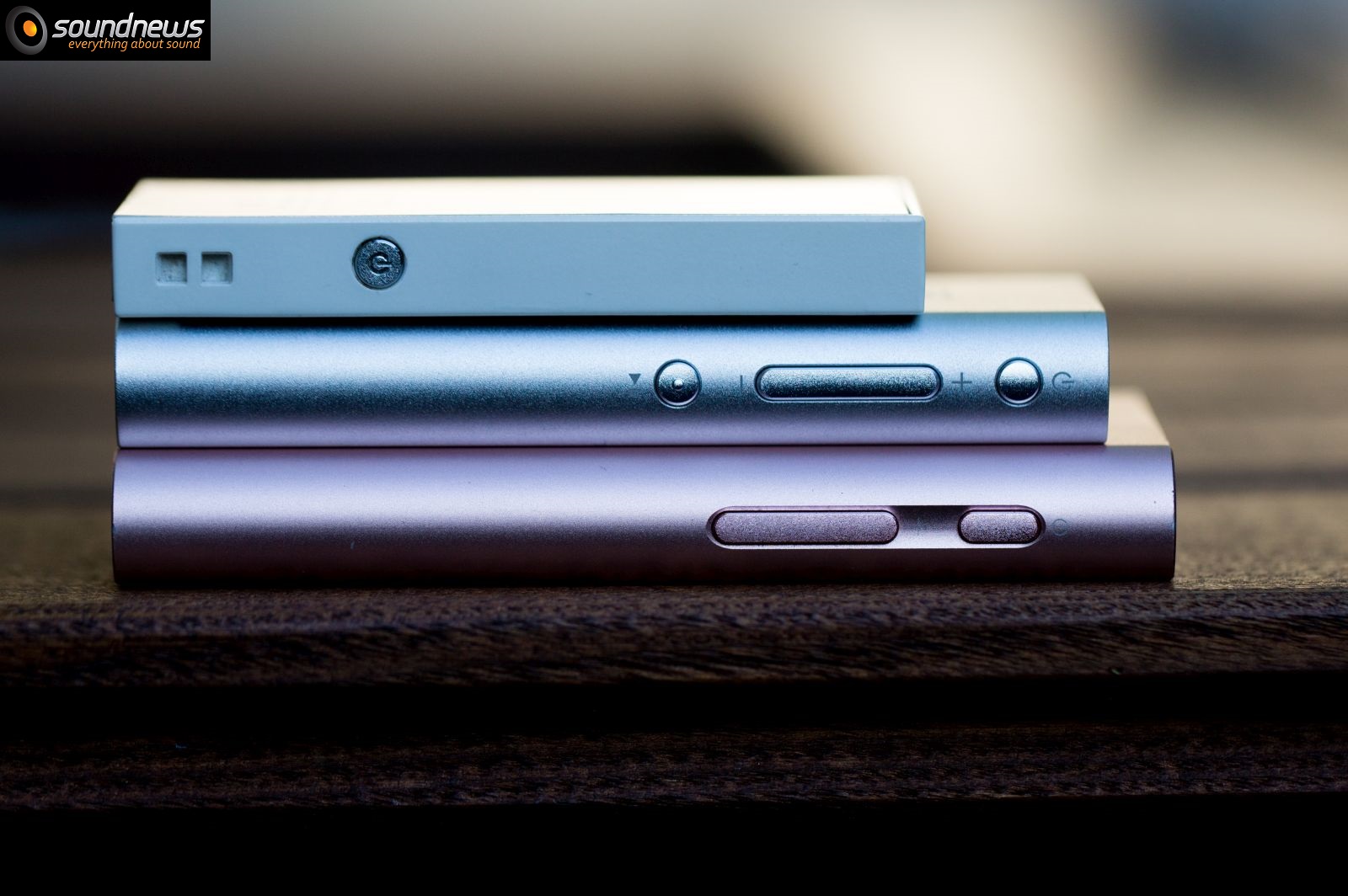
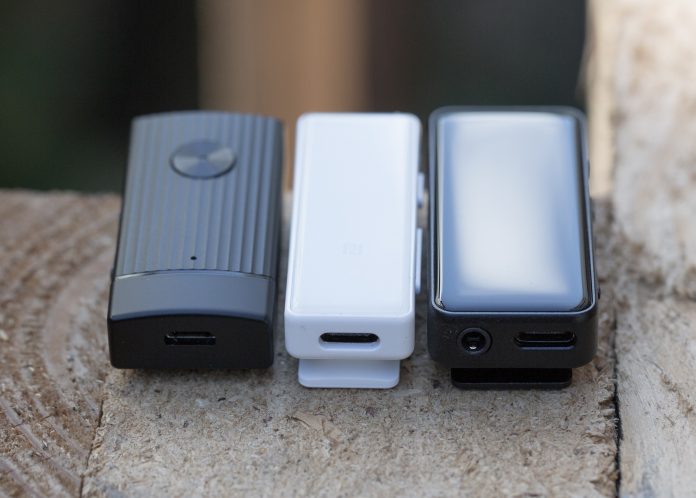
Physically it is smaller than X1-II but a bit bigger than M3, here’s a photo of the three siblings.

M3K together with other 2 devices represent the smallest Hi-Res DAPs we have tested that I consider to be truly portable and pocketable comparing to other heavy weight category of DAPs we have tested in the past.

M3K feels great in the hand and can be easily operated one handed due to the touch panel on the front and to all buttons conveniently moved to the left.

Besides the On/Off, R/F and Play/Pause buttons there is a standard 3.5 mm phone jack on the bottom, a microSD card slot and a microUSB jack for data transfer and charging.

M3K doesn’t have internal memory, music can be stored only on the microSD cards, theoretically up to 2 Tb cards are supported, we used a 128 GB Sandisk Ultra with great success.

The sexy rotary volume wheel found on the more expensive devices has been abandoned and changed with 2 simple volume buttons for two reasons: very limited internal space and production costs. After all, M3K is an entry-level DAP who does not want to disturb your budget too much.

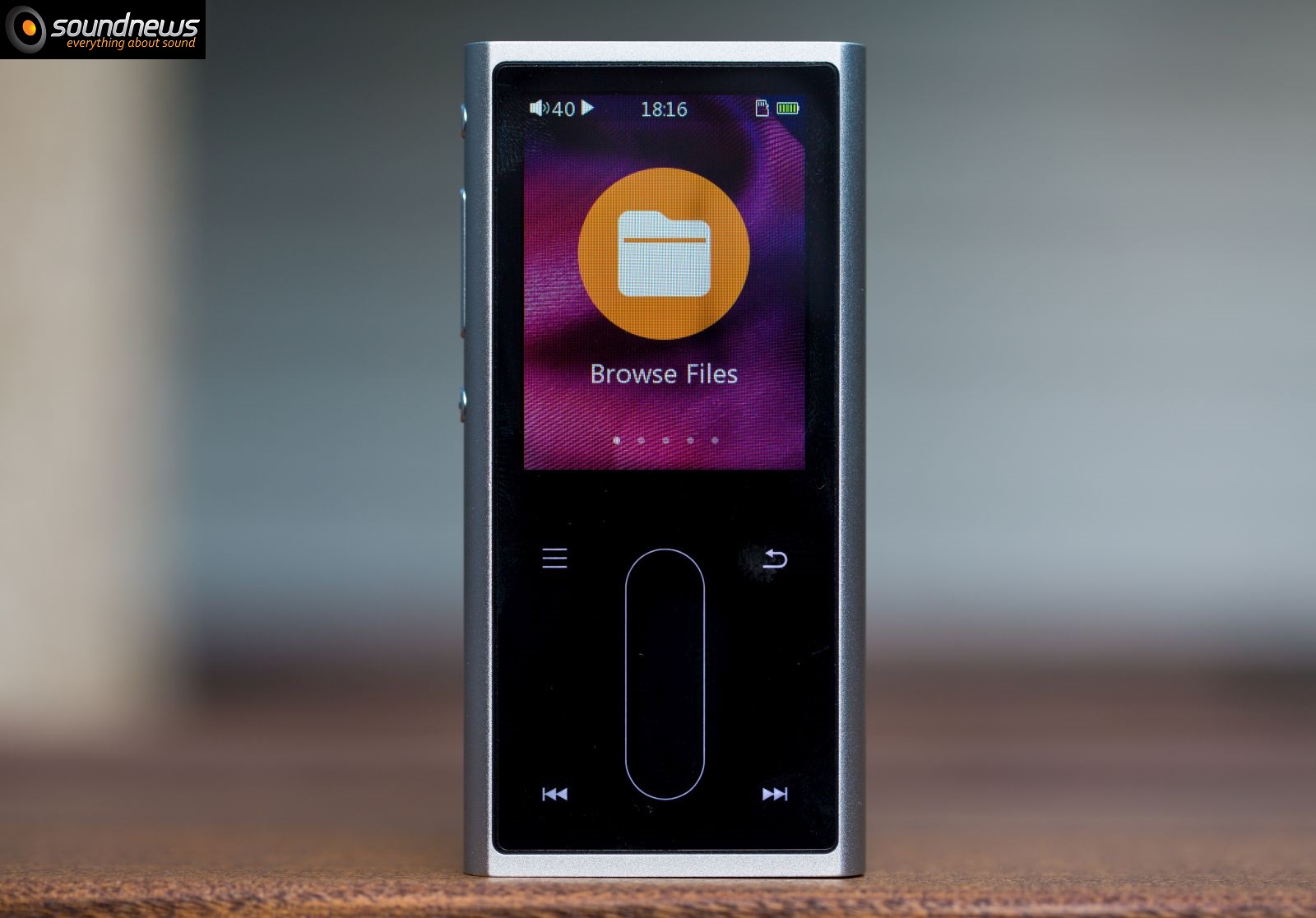
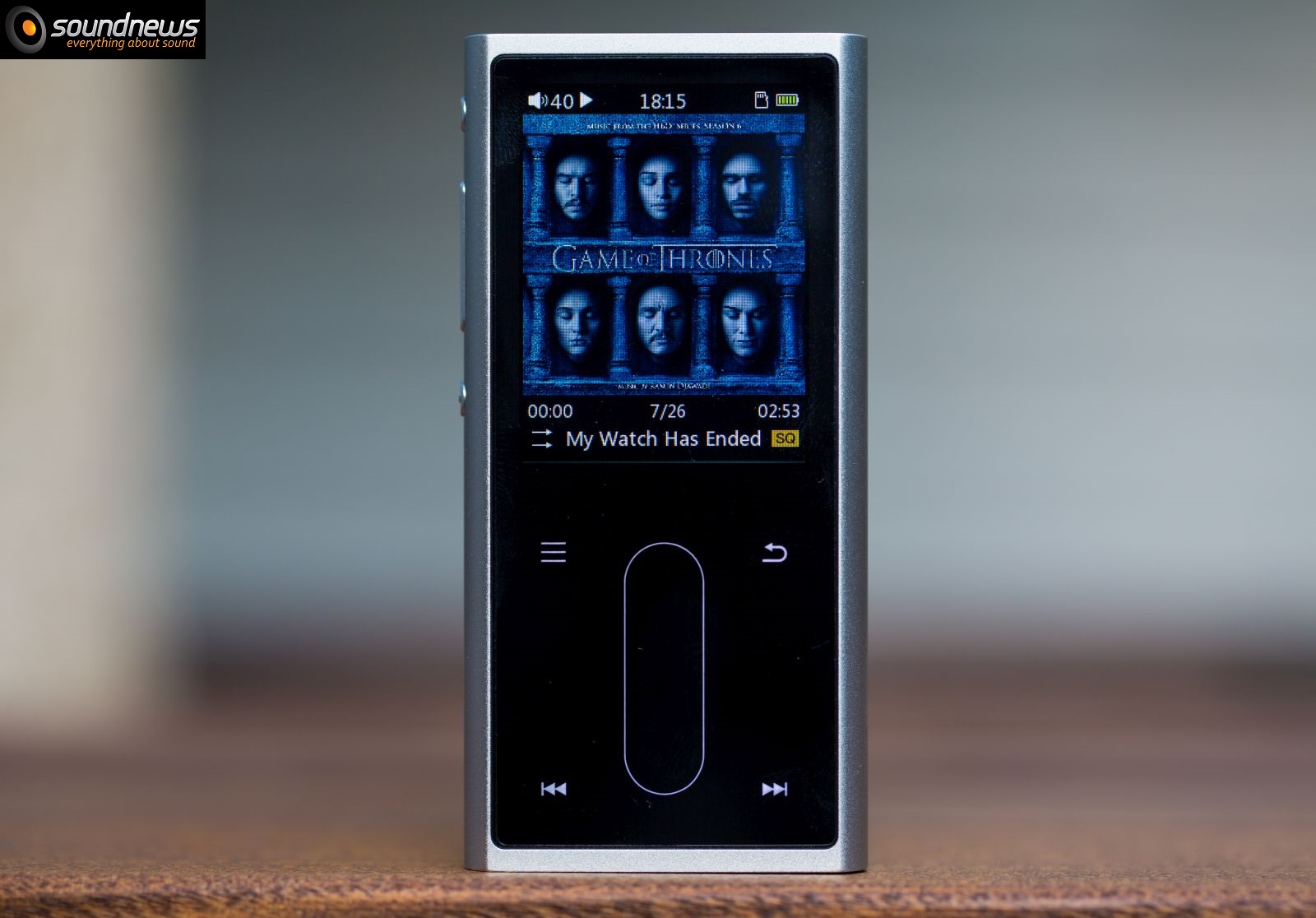
The IPS screen has a diagonal of 2″ and a 320 x 240 pixels resolution, it looks clear and bright, the colors are alive, the view angle is better than I expected. One important thing for me is that the album covers are natively displayed as a square, a small thing that was missing and bothered me on both the old M3 and on the X1-II.

I also enjoyed the small details (new in the FiiO portfolio) that sometimes makes the difference between a good device and a refined one, such as the Hi-Res logo is no longer just a sticker glued on the back of the device but it is laser engraved directly on the aluminum surface. Another interesting thing is that during the playback of a lossless file in the lower right corner the SQ logo (for sound quality) will be displayed, the HR logo appears if a Hi-Res file is being played, the DSD logo for playing a DSD file and if a simple lossy file (such as mp3) is played no other logo will be displayed. This way I will know in advance the quality of the track being played without checking it in the „view track info”.

For now there is nothing to reproach, it looks good, it can be easily used by one hand and above all the build quality plunged way ahead compared to the unit it replaces.

Under the Hood

The chosen CPU is the Ingenic X1000/E clocked at 1 Ghz that will handle the UI and all its functions and due to a simple OS this CPU is more than enough. M3K responds fast, boots almost instantly, clearly faster than M3, than X1-II and much faster than any Android-based DAPs of any manufacturer.

The UI itself runs smoothly if a PCM lossy or lossless (16 or 24 bit) is being played … however on DSD material it is another story, where I felt it responds slower to commands and generally the UI slows down quite a bit. If you own a vast collection of DSD material I think it would be a wiser choice moving to a better DAP that moves faster on such files as FiiO M7.

At the heart of audio decoding the AK4376A is doing a really fine job as it is much more advanced than the one found on the M3, it is even more advanced than Ti PCM5242 found on X1-II and on X3-III.

AK4376A is part of a newer generation of digital to analog converters specially made for portable audio devices. Besides the actual audio decoding this chip also incorporates the final stage of headphone amplification without the need of additional op-amps, an ideal choice for having a clearer and purer sound.

Connected to a PC/Mac the little M3K can work as an USB DAC as well that will be instantly recognized by the OS. USB connection is Asynchronous type for a better jitter immunity.

At the development of M3K, the dedicated line out, digital out and Bluetooth emitter were dropped in exchange of a new feature – a digital voice recorder, on the upper part of the case a small mesh like hole can be seen that represents the microphone. M3K can record in a lossy and lossless format.

By far the best part is the battery life; in stand by mode it will work up to 38 days and when listening to music at normal volume levels it will rock your ears for 24 hours straight!

This is the most impressive battery life I’ve seen on a Hi-Res DAP followed by that of M7 with autonomy of 20 hours.

Internal headphone amp is part of the AK4376A SoC and therefore does not impress as much as the FiiO X Series players do. M3K offers up to 42mW in 16 Ω and 25 mW in 32 Ω. As a reference with the FH5 IEMs from FiiO I can’t go more than 35 volume (from max 60).

Graphical User Interface (GUI)

New UI is much more friendly compared to the old M3, it’s simple and intuitive.

You can browse by folder (I used this the most) and by categories such as by artist, album, genre and by playlists. Custom playlists can be created as well which I always do.

The most important audio setting can be found in Play Settings, I see that there aren’t any gain settings.

Few shortcuts are present as well without touching the screen, and the Play/Pause button can be reprogrammed to do another function, I do recommend checking the manual for all extra things that can be done.

To this moment the GUI (together with the one of M7) represent a big step forward, it is extremely user friendly and intuitive, I need exactly 2 touches to play a song after the device boots up.

This is an interesting one, lets check what it can really do.

Audio Performance

Firstly M3K was tested solo in a portable setup and as an external DAC in a desktop setup and later on it was compared to M3 and to X1-II. I used it with hybrid IEMs as well as with portable dynamic headphones.

I had an attempt to use it with Sennheiser HD660S but without adding a proper portable amp in the acoustic chain I couldn’t drive them properly.

Let’s be serious, M3K was not designed to drive desktop class headphone and as such cannot do such things.

Instead the FiiO FH5 hybrids were driven excellent, volume was about in the 30 to 35 position (from maximum of 60) and on Sennheiser Momentum 2.0 (the over-ear ones) volume position was on 45 from 60.

Power reserve is there, it drives more than decently any portable headphones, including balanced armature based IEMs.

Oh, by the way M3K with BA IEMs is among the very few DAPs that can boast with a very low level of hiss or any type of noise. The background noise is inaudible on ultra-sensitive FH5! The old M3 as well as the X1-II cannot match it in this regard.

I do get that FH5 will be probably be overkill for this device but it is nice to know that M3K is completely free of noise, I personally know few guys that want a small DAP to use it with BA IEMs in the gym or when jogging.

Frequency response is quite linear, without massive gaps or rises.

The biggest improvement towards older M3 is that the sound is no longer hysterical, cramped and too laid back.

M3K sounds more open, smoother and much more detailed.

Overall the sound breathes well, it doesn’t have a well spread and deep soundstage, however it doesn’t sound claustrophobic (as it was with the old M3).

There is a decent amount of air between the notes, the mushiness present on the mobile phones is nowhere to be found, a sign that the Cross Talk is much better than that of a mobile phone.

Soundstage is not incredibly large but it is wide enough to listen to an orchestra and feel on stage with your favorite artists. Acoustic barriers as notes hitting an imaginary wall can still be heard. Overall sounds are heard mostly around my head and not just inside my head as mobile phones do.

The sound impresses more with its depth than with its width or height.
There is a short gap until the next note is heard, during which time the outline of each musical note can be appreciated more.

Probably the most important aspect of the little M3K is that it sounds clean and detailed.

Few weeks ago I was shocked of how good a simple Bluetooth receiver can sound; I’m speaking about the BTR3 that sounded almost like a desktop setup. I have the same feeling with M3K, these two are very alike. Not surprisingly because both devices are using the same DAC chips.

On M3K the sound goes towards a linear experience, a very honest sound that doesn’t want to interfere in the freq.response. In this regard M3K is very different to M3 and even to X1-II.

M3K together with M7 are showing the new direction that FiiO is embracing and by that I mean an airy and crystal clear sound signature.

As a result M3K doesn’t offer the warmness and tenderness that older generation of FiiO devices had (X1-II, X3-III), the emphasis is not put on bass and midrange presence but more on the sonic experience as a whole.

It is interesting that M3K mates really well with majority of earphones regarding of sonic signature it carries. Sound coloration together with M3K is minimal and most of the times you’ll hear the mastering coloration or of the headphones themselves.

I will not analyze the frequency response divided into bass, midrange and treble because there is a very good tonal balance between the three and none of them stands out.

The high level of detail retrieval and the airy presentation will always lead to good dynamics and to a faster transient response.

M3K again shows that older FiiO sound signature is long gone, the slower and romantic presentation is no more and it is being replaced with a faster transient response. Every note sounds more agile creating a better impact on the eardrums at the same time having a better control without overflowing the neighboring frequencies.

In this sense M3K surpasses the performance of more expensive DAPs such as X1 II and X3-III.
Slowly but surely I understand that FiiO transits to a new sound and somehow to a new beginning, the new M3K, M7 and very soon M9 go shoulder to shoulder in the same direction.

Comparisons

Old school M3 VS New School M3K

From the first touches I realize that M3K is part of a higher class.

Absolutely everything is improved: the build quality, the fit and finish, the interface is much faster and simpler, the battery life and last but not least the sound quality.

M3 sounds crowded and artificial somehow. M3 gives a feeling that it is struggling too much to sound good, it doesn’t have a good flow also. M3 is not binding the notes in a natural way, that smoothness present on higher quality DAPs is nowhere to be found. For a simple portable DAP M3 does a good job but if you have any audiophile standards then M3 is completely out of the question.

M3K sound smoother like notes are tied with silk thread, the transition from bass to midrange and later to the treble is felt more natural and more pleasant to the ears. Sound is more expansive, deeper and much clearer. M3K is also more detailed and will extract more information from your favorite tunes.

On Hi-Res material it is even a bigger difference, M3K simply spreads its wings on such files.

It is clear that M3K can already be classified as a DAP towards audiophiles, it has everything it needs: sound was above expectations and battery can easily last for a week if I listen for 3 hours a day.

Red pill M3K VS blue pill X1-II

X1 is a bit heavier, a bit bigger and navigation is a bit cumbersome, I prefer the up and down scrolling on the M3K compared to the circular scroll a la iPod. X1 battery life is weaker, it can be used with wireless headphones that will not work on M3K, instead M3k has a voice recorder built-in.

X1-II is also a bit more expensive and build quality is almost identical between the two.

Sound wise X1 its even smoother; it has a very special liquidity on slow music, sounds more melancholic and will grab my feeling more often.

On the other hand M3K sounds much faster, has quicker decay of notes and overall is more agile in its presentation. Between the two M3K is a faster guy, the sound has higher dynamics on M3K than on X1 and will impress more on rhythmic and modern music.

Transparency is slightly higher on M3K as well as the detail retrieval.

M3K is a bit more linear somehow without being clinical, boring and uninteresting, as a comparison X1 is emphasizing the midrange and bass response. Anything you listen to on X1 you will always hear the bass and midrange first, on M3K no particular frequency is being outlined, M3K is closer to reference in my opinion.

X1-II sounds more extended on width, and a little more airy, there is a greater void between the notes, while with M3K I can better appreciate the outline of each note, musical notes are clearly more defined.

M3K sounds closer to the listener, without being cramped.
For my music preferences M3K is more impressive, but I realize that on slower tunes X1-II will win every time.
Pick your poison!

Conclusions

For some reasons M3K exceeded my expectations, it is small and truly portable, its strong like a brick and has a very attractive price.
It doesn’t have a radio and doesn’t work with Bluetooth headphones, but the sound that I’ve heard easily rivals the more expensive DAPs out there. I decided to not compare it with its bigger brother X3-III because it could upset the owners of said device, I will only mention that the M3K can challenge X3-III any time if only the single ended headphone output (3.5mm) is taken into consideration and not the balanced one.
M3K outright shattered the old M3 who has been in KO since the beginning of the article. Although I felt M3 was not really worthy of the FiiO name, M3K is worthy of its name!

PROS:

  • Modern design, solid build quality
  • Neutral sound without being boring or clinical
  • Has a good tonal balance between musicality and acoustic qualities
  • Presence of a USB DAC and voice recorder
  • Total lack of hiss or background noise
  • Drives with ease portable headphones
  • Deep and well spread soundstage
  • Mega attractive price point

CONS:

  • Lack of a balanced output, dedicated line-out and of the Bluetooth
  • Limited power output for desktop headphones

Associated equipment:

FiiO M3, M3K, X1-II, X3-III, FH5, Sennheiser HD660S, Momentum M 2.0, HeadAmp Pico Power

FiiO M3K – Demn de numele sau

14

FiiO M3K – Demn de numele sau

La inceputul anului 2016 am avut placerea sa testez cel mai mic player Hi-Res la nivel mondial si anume FiiO M3, am fost destul de incantat. Sunetul era exact ce trebuia, autonomia era suficienta, in schimb constructia in totalitate din plastic si navigarea greoaie au ruinat experienta finala. Ce putea fi un player extraordinar si foarte recomandat a devenit un player ordinar din cauza neluarii in serios a celor mai importante aspecte ce definesc un player portabil: primele atingeri, prima impresie sonica si desigur usurinta in utilizare.

Noul M3K abia lansat promite sa indeplineasca toate cerintele noastre. Sa trecem la treaba si sa vedem daca producatorul s-a tinut de cuvant.

Design & Calitatea constructiei

Fara indoiala, in dezvoltarea noului M3K s-a pus un mare accent pe design si alegerea minutioasa a materialelor.

Carcasa este in totalitate din aluminiu anodizat, iar partea frontala este din sticla calita pentru a oferi o rezistenta superioara la socuri.

Acum M3K arata mult mai elegant, mai simplu si mai modern decat predecesorul sau.

Fizic este este mai mic decat X1-II insa putin mai mare decat M3, las aici o poza ca sa va fie mai clar.

Oricum M3K alaturi de celelalte 2 aparate reprezinta cele mai mici playere testate de noi, sunt cu adevarat portabile fata de alte monstruozitati pe care le-am mai testat.

Aparatul se controleaza usor cu o singura mana, datorita panoului frontal touch si a butoanelor care se situeaza doar pe partea stanga a aparatului.

In afara de butoanele pornire/oprire, reverse, forward si play/pauza (poate fi reprogramat sa faca si alte functii) mai gasim in partea de jos iesirea normala de casti de 3,5 mm, slotul de card microSD si conexiunea microUSB pentru incarcare si transfer date.

Aparatul nu are memorie interna, muzica se stocheaza doar pe cardul microSD, teoreric sunt suportate carduri de pana la 2Tb memorie, noi am folosit cu succes un card Sandisk cu memorie de 128 Gb.

Rotita de volum sexy de pe aparatele mai scumpe a fost abandonata si a fost inlocuita cu 2 butoane simple pentru a controla volumul si aceasta din doua motive: spatiul intern foarte limitat si costurile de productie. Pana la urma urmei M3K este un player entry-level care doreste sa nu agreseze prea mult bugetul.

Ecranul IPS cu diagonala de 2” si rezolutia de 320 x 240 pixeli este destul e clar si luminos, culorile sunt vii, unghiul de vizibilitate este mai bun decat m-am asteptat. Un lucru important pentru mine este ca, coperta albumelor este afisata nativ in forma partrata, lucru care lipsea si ma deranja destul de serios atat pe vechiul M3 cat si pe X1-II.

M-au bucurat si micile detalii (noi in portofoliul FiiO) care uneori fac diferenta dintr-un aparat bun si unul finut ca de exemplu sigla Hi-Res de pe spatele aparatului nu mai este un simplu sticker de hartie lipit dar este gravat cu laser direct de suprafata de aluminiu. O alta chestie interesanta este ca in timpul redarii unei melodii lossless in coltul dreapta jos apare sigla SQ (sound quality), la redarea unei piese Hi-Res apare sigla HR, la redearea fisierelor DSD pe sigla apare DSD iar la redarea fisierelor lossy (mp3 s.a.) nu apare nimic, astfel voi sti in avans calitatea fisierului redat fara al mai verifica in “view track info”.

Momentan nu am ce sa-i reprosez, este frumos, usor de utilizat cu o singura mana, iar calitatea constructiei a plonjat sus de tot comparativ cu aparatul pe care il inlocuieste.

Sub Capota

Procesorul ales este Ingenic X1000/E tactat la viteza de 1 Ghz care se ocupa de meniu si toate functiile aparatului. Aparatul se misca rapid, se porneste aproape instant, clar mai rapid decat M3, decat X1-II si mult mai rapid decat playerele superioare bazate pe Android.

Meniul in sine ruleaza fluent pe orice material PCM lossy sau lossless (16 sau 24 bit) …in afara de material DSD – unde am simtit ca raspunde mai greu comenzilor si ca in general se misca mai lent. Daca detineti o vasta colectie de muzica in format DSD cred ca ar fi mai bine sa va orientati catre un player care se misca mai rapid pe astfel de fisiere cum ar fi FiiO M7.

La baza decodarii audio al acestui player se afla convertorul digital catre analog AK4376A care este mult mai avansat decat cel gasit pe vechiul M3, este chiar mai avansat decat Ti PCM5242 gasit pe X1-II si pe X3-III!

AK4376A face partea dintr-o generatie noua de convertoare digitale special concepute pentru sursele audio mobile. In afara de decodarea propriu zisa acest chip inglobeaza si etajul final de amplificare casti fara a mai trece prin circuite integrate separate, un lucru ideal pentru a oferi un sunet cat mai curat posibil.

Conectat la un PC/Mac micul M3K poate functiona si ca un DAC extern care este imediat recunoscut de calculator ca fiind un decodor audio extern.

Conexiunea USB este de tip Asincron care nu va induce zgomot digital nedorit in lantul acustic.

La dezvoltarea lui M3K s-a renuntat la iesirea dedicata de linie, de cea digitala (coaxiala sau optica) si de emitatorul Bluetooth, in schimbul unei functii noi – reportofon digital. In partea superioara a carcasei se poate observa un mic orificiu care de fapt reprezinta microfonul aparatului. M3K poate inregistra atat in format lossy cat si in format lossless de calitate.

Un alt aspect important este durata de viata a bateriei, in modul standby playerul va rezista 38 de zile, iar in timpul auditiilor la volum normal am atins impresionanta cifra de 24 de ore!

De departe avem la indemana cea mai impresionanta autonomie, urmata de cea a lui M7 de 20 de ore.

Amplificatorul de casti face parte din SoC-ul AK4376A si ca urmare nu impresioneaza atat de mult cum o fac playerele din seria X. M3K ofera pana la 42 mW in 16 Ω si 25 mW in 32 Ω. Ca referinta conectat la o pereche de casti de tip IEM FiiO FH5 mai sus de 35 volum (din maxim 60) nu pot rezista.

Interfata Grafica

Noua interfata este mult mai prietenoasa decat cea a vechiului M3, este simpla si intuitiva.

Se poate naviga dupa fisiere (asa navighez cel mai des) si dupa categorii precum artist, album, gen, dupa playlist-uri. Se poate crea si un playlist cu piesele favorite ceea ce fac de fiecare data.

Cele mai importante setari audio se gasesc in categoria Play Settings, observ ca s-a renuntat la cele 2 niveluri de gain.

Sunt prezente si cateva scurtaturi fara a mai porni ecranul, iar butonul play/pauza poate fi reprogramat pentru a face o alta functie, recomand consultarea manualului de utilizare pentru a le invata pe toate.

Interfata grafica pana la acest moment (impreuna cu cea a lui M7) reprezinta un mare pas inainte, este extrem de simpla, am nevoie de exact 2 atingeri dupa pornirea aparatului pentru a asculta o piesa.

Interesanta jucarie, sa vedem ce poate cu adevarat.

Performanta Audio

In primul rand M3K a fost testat ca player portabil, ca DAC extern, iar ulterior a fost comparat cu M3 si cu X1-II. L-am folosit atat cu IEM-uri hibride cat si cu casti dinamice portabile.

Am avut o tentativa sa il folosesc cu Sennheiser HD660S insa fara adaugarea unui amplificator portabil de casti in lantul acustic nu am putut conduce decent aceste casti.

Sa fim seriosi, M3K nu a fost conceput sa conduca casti desktop si nu poate face acest lucru.

In schimb hibridele FiiO FH5 au fost conduse excelent, volumul situandu-se undeva intre pozitia 30-35 din maxim 60, iar pe Sennheiser Momentum 2.0 (cele over-ear) nu puteam urca volumul mai mult de 45 din 60.

Rezerva de putere este prezenta, conduce mai mult decat decent orice casti portabile, inclusiv cele bazate pe armaturi balansate.

Ah, ca tot veni vorba de cascutele ce folosesc armaturi balansate sa stiti ca M3K este printre putinele playere FiiO care se pot lauda cu un nivel scazut de his si zgomot de fond. Zgomotul de fond este inaudibil pe ultra sensibilele FH5! Vechiul M3 cat si X1-II nu se pot lauda cu asa ceva, auzindu-se un his in surdina pe aceste casti.

Inteleg ca FH5 probabil sunt overkill pentru acest aparat, dar e bine de stiut ca este complet lipsit de zgomot de fond, stiu cateva persoane care isi doresc un aparat cat mai mic pentru al folosi cu IEM-uri pe armaturi balansate in timp ce fac sport.

Raspunsul in frecventa este destul de liniar, fara gropi masive si fara urcusuri bruste.

Cel mai mare plus fata de vechiul M3 este ca sunetul nu mai pare isteric, inghesuit si lipstit de vlaga.

M3K suna mult mai extins, cumva mai lin si fluent si mult mai detaliat.

Per total sunetul respira bine, nu poate fi vorba de un sunet extrem de larg sau adanc, insa nu este nici claustrofobic (cum era in cazul vechiului M3).

Exista un nivel decent de aer intre note, terciul sonor auzit pe telefoanele mobile nu este prezent – semn ca Cross Talk-ul este mai bun decat cel al unui telefon mobil.

Scena stereofonica nu este foarte larga, insa indeajuns de mare incat sa asculti o orchestra si sa te simti pe scena impreuna cu artistii preferati. Se simt barierele acustice si lovirea brusca a notelor de catre un perete imaginar. Per total sunetele se aud in jurul meu mai tot timpul si nu doar in capul meu cum o fac telefoanele mobile.

Sunetul impresioneaza mai mult prin adancime decat prin latime sau inaltime.

Exista un scurt decalaj pana se aude urmatoarea nota, timp in care se poate aprecia conturul fiecarei note muzicale.

Probabil cel mai important aspect al micului M3K este ca suna curat, clar si detaliat.

Acum cateva saptamani m-a socat la propriu cum poate suna un receptor Bluetooth de la FiiO, ma refer la BTR3 care aproape ca suna ca un sistem desktop. Simt exact acelasi lucru si pe M3K, semnatura sonica ale acestor aparate seamana extrem de mult. Dupa o rapida verificare a specificatiilor mi-am dat seama ca ele de fapt folosesc acelasi DAC chip.

Pe M3K sunetul doreste sa fie unul liniar, foarte sincer si care nu altereaza raspunsul in frecventa. In acest sens M3K este foarte diferit fata de M3 chiar si fata de X1-II.

M3K impreuna cu M7 arata noua directie a sunetului pe care FiiO a decis sa o imbratiseze ultima vreme, si anume un sunet aerisit, curat si detaliat.

Ca urmare M3K nu ofera caldura si duiosenia pe care o avea vechea generatie de playere FiiO (X1-II, X3-II), accentul nu se pune pe redarea basului si a mediilor calde dar pe experienta sonica ca un tot intreg.

Interesant este ca M3K se impaca foarte bine cu majoritarea castilor indiferent de semnatura lor sonica. Coloratia sunetului impreuna cu M3K este minima si de cele mai multe ori veti simti coloratia inregistrarilor, a masteringului sau a castilor in sine.

Nu voi lua la puricat raspunsul in frecventa impartit pe bas, medii si inalte pentru ca exista un echilibru tonal foarte bun intre cele 3 si nu iese nici una din ele in evidenta.

Nivelul ridicat al detaliului si sunetul bine aerisit mereu conduc catre o dinamica mai sprintena si cumva mai fulgeratoare.

M3K din nou imi demonstreaza ca vechea semnatura sonica FiiO nu mai este prezenta, s-a renuntat la sunetul romantic si lent in schimbul unui raspuns tranzitoriu mai rapid. Fiecare nota este executata cu agilitate, creand un impact mai bun in timpane. Totodata fiecare sunet este mai controlat si nu se revarsa peste frecventele invecinate.

In acest sens M3K depaseste performanta playerelor mai scumpe precum X1-II si X3-III.

Incet dar sigur inteleg ca FiiO tranziteaza catre un nou sound si cumva catre un nou inceput, noile M3K, M7 si foarte curand M9 merg umar la umar in aceeasi directie.

Comparatii:

Old school M3 VS New School M3K

De la primele atingeri imi dau seama ca M3K face parte dintr-o clasa superioara.

Absolut totul este imbunatatit: calitatea materialelor, finisajul, meniul mult mai simplu si mai rapid, autonomia si nu in ultimul rand sunetul.

M3 suna aglomerat, claustrofobic si artificial intr-un fel. Am senzatia ca M3 da prea mult din coate pentru a suna bine, se chinuie prea mult, de fluiditate nici nu poate merge vorba. M3 nu leaga notele intr-un mod natural, acea fluiditate prezenta pe sursele de calitate nu exista. Pentru un simplu player portabil M3 isi face treaca, daca aveti deja pretentii audiofile atunci M3 iese complet din discutie

M3K suna mai fluent, notele sunt legata cu fir de matase, trecerea de la bas la medii si ulterior la inanlte se face mai natural si mai placut urechilor.

Sunetul este mai larg, mai extins, mai adanc si mult mai curat. M3K de asemenea suna mult mai detaliat si va extrage mai multa informatie din piesele favorite.

Pe material Hi-Res este o diferenta si mai mare, M3K pur si simplu prinde aripi pe astfel de fisiere.

Este clar ca M3K poate fi deja catalogat ca un player cu pretentii audiofile, are tot ce ii trebuie: sunetul a fost peste asteptari iar autonomia poate tine chiar si o saptamana daca ascult in jur de 3 ore pe zi.

Pastila rosie M3K VS pastila albastra X1-II

X1 este putin mai greu, putin mai voluminos, navigatia este putin mai greoaie, prefer scroll-ul sus-jos al lui M3K fata de cel circular a la iPod. X1 are autonomia mai slaba, poate transmite muzica wireless prin Bluetooth 4.1 ceea ce M3K nu poate oferi, in schimb M3K are in plus un reportofon digital.

X1-II este mai scump iar calitatea materialelor este practic identica.

Sonic X1 suna mai fluent, are o lichiditate foarte aparte pe muzica slow, suna mai melancolic si va trage mai tare de suflet.

Pe de alta parte M3K este mult mai agil, ataca si se retrage instant, de parca ar lupta categoria usoara cu cea grea. M3K este vitezomanul dintre cei doi, sunetul pulseaza dinamic mai mult pe M3K decat pe X1 si va impresiona mai mult pe muzica rapida si ritmata.

Transparenta si nivelul de detaliu extras din melodiile preferate este putin mai ridicata pe M3K .

M3K este mai liniar cumva, fara a fi clinic sau neinteresant/plictisitor, X1 pune un mic accent pe bas si medii. Orice ai face vei auzi intai mediile, basul si apoi restul frecventelor pe X1, pe cand pe M3K nici o frecventa anume nu iese in evidenta, M3K este mai aproape de referinta.

X1-II suna putin mai extins pe latime, poate un dram mai aerisit cumva, exista un spatiu vid mai mare intre note, pe cand cu M3K pot aprecia mai bine conturul fiecarei note, forma notelor muzicale este mai definita.

M3K suna mai aproape de ascultator insa nu e deloc inghesuit, mai e cale lunga pana acolo.

Pentru muzica care imi place M3K este mai impresionant insa imi dau seama ca pe genurile mai lente X1-II va castiga de fiecare data.

Mai trebuie mentionat ca X1 II este mai puternic si poate pilota casti mai pretentioase.

Concluzii

Din anumite considerente M3K mi-a intrecut asteptarile, este mic si cu adevarat portabil, nu ocupa prea mult spatiu in buzunar si are un pret foarte atragator.

Nu are un receptor radio si nici nu poate transmite muzica wireless prin Bluetooth, in schimb sunetul care l-am auzit a rivalizat playerele mai scumpe. Am decis sa nu il compar cu fratele mai mare X3-III pentru ca ar putea supara proprietarii respectivului aparat, voi mentiona doar ca M3K face fata unui X3-III fara nici o problema daca iau in calcul doar iesirea normala de casti (3.5 mm) si nu cea balansata.

M3K a spulberat fara drept de apel vechiul M3 care sta in KO inca de la inceputul articolului. Desi mai demult am simtit ca M3 nu era demn de numele FiiO, M3K este demn de numele sau!

Pro:

  • Design modern, constructie solida
  • Sunet neutru fara a fi clinic sau ne interesant
  • Are un echilibru bun intre muzicalitate si calitati acustice
  • Prezenta DAC-ului USB si a reportofonului
  • Lipsa totala a hisului si a zgomotului de fond
  • Conduce lejer castile portabile
  • Scena stereofonia adanca si bine imprastiata
  • Pretul mega atractiv

Contra:

  • Lipsa iesirii balansate, a iesirii de linie si a emitatorului Bluetooth
  • Putere limitata pentru restul castilor (desktop)

Echipamente folosite pentru recenzie:

FiiO M3, M3K, X1-II, X3-III, FH5, Sennheiser HD660S, Momentum M 2.0, HeadAmp Pico Power

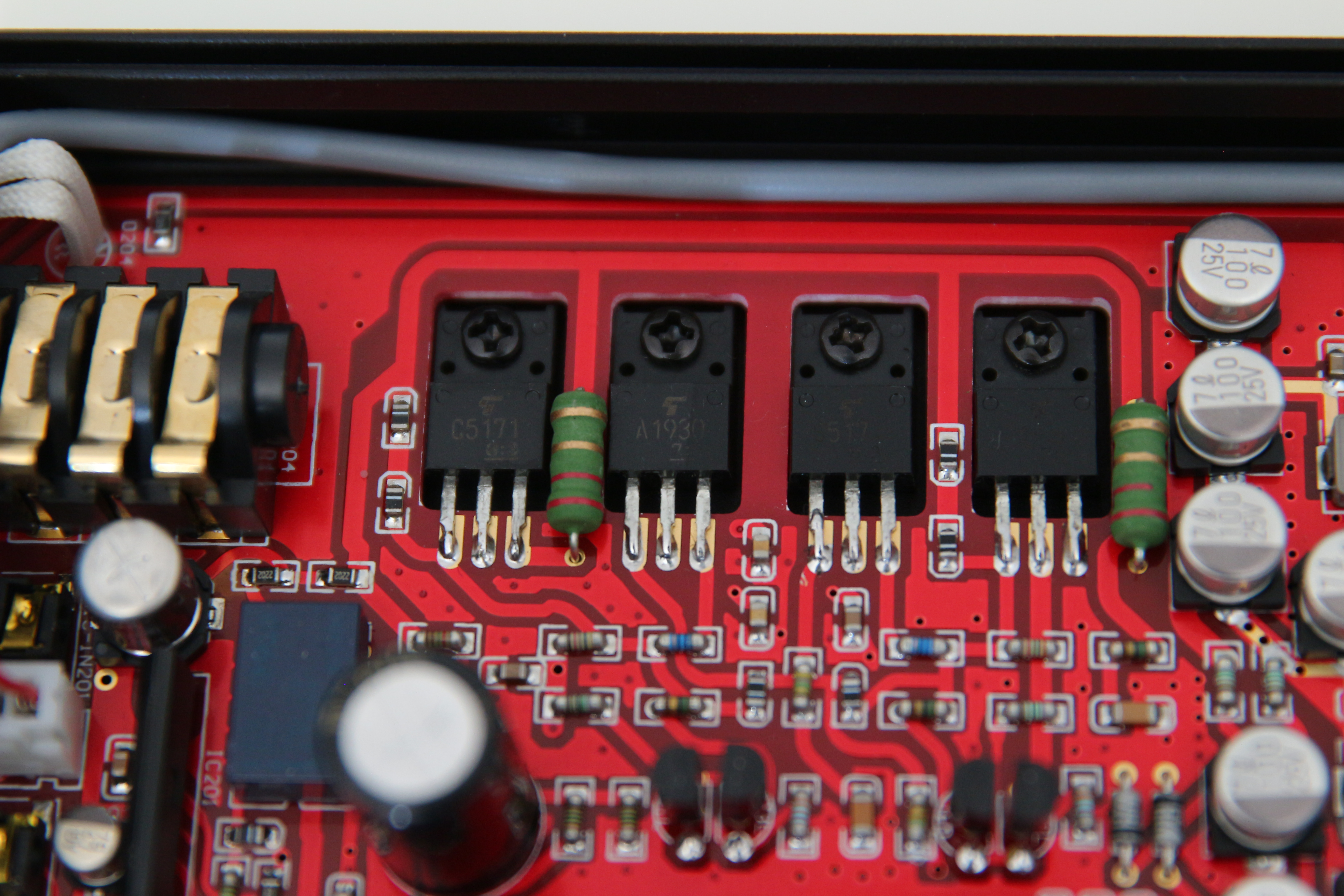
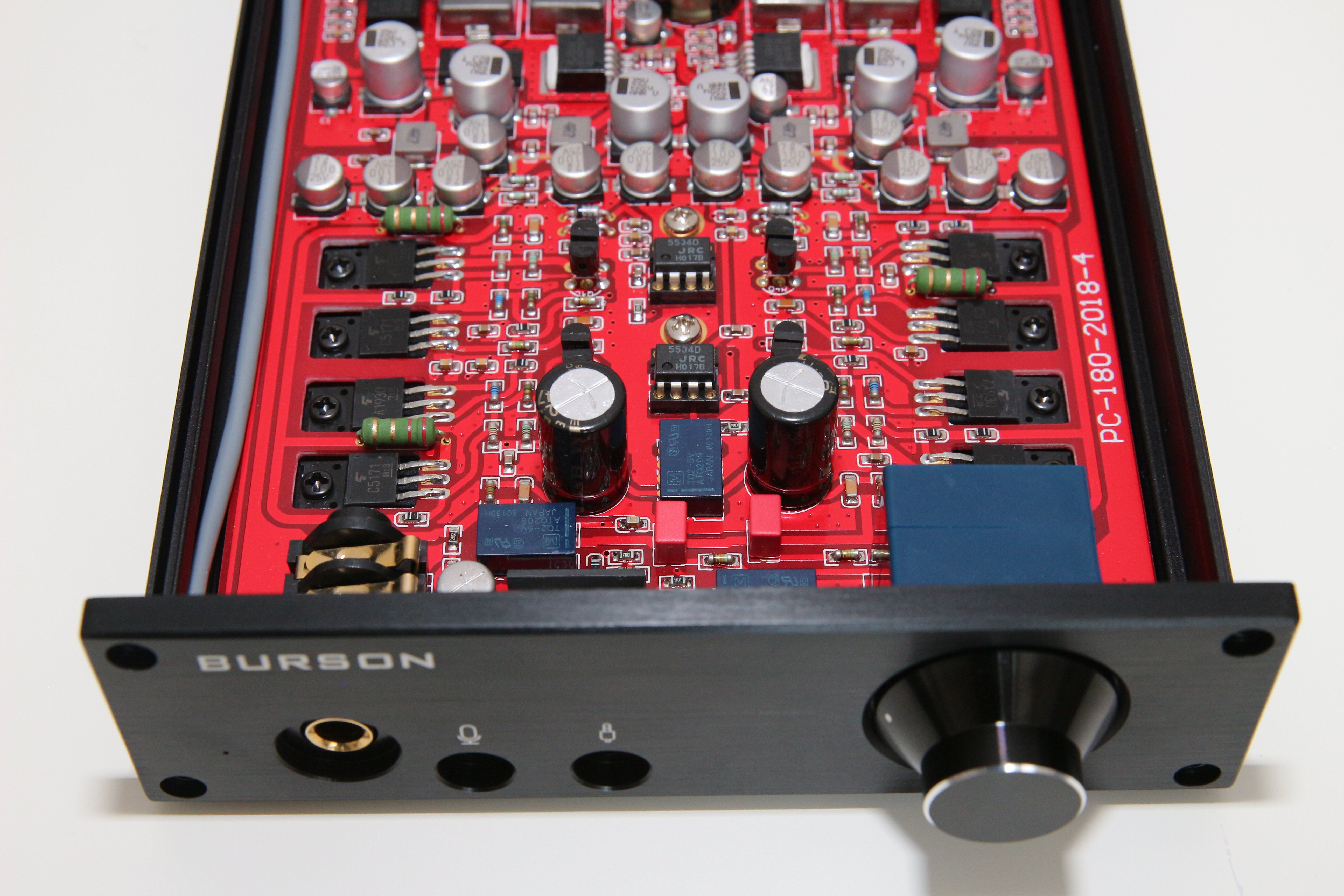
Fun begins with Burson (aka the Burson Fun review)

0

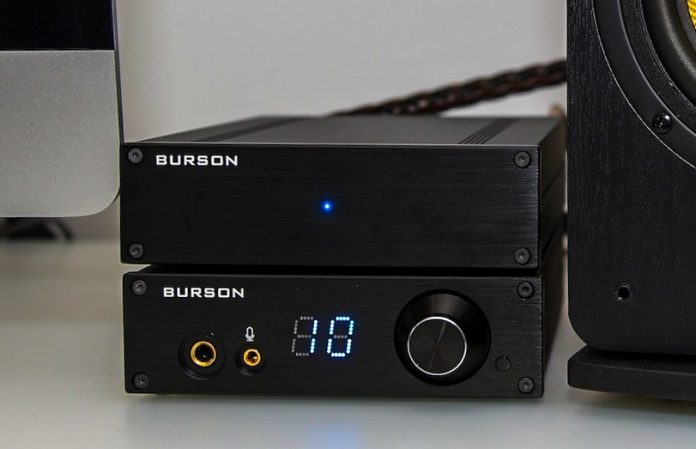
When I was testing out the Burson Play it really opened my mind that good sounding gear should not cost a fortune. I loved everything about the Play… well except the fact that it didn’t have RCA analog inputs, so it could not be used as a stand alone headphone amp to properly evaluate it with a higher quality DAC.

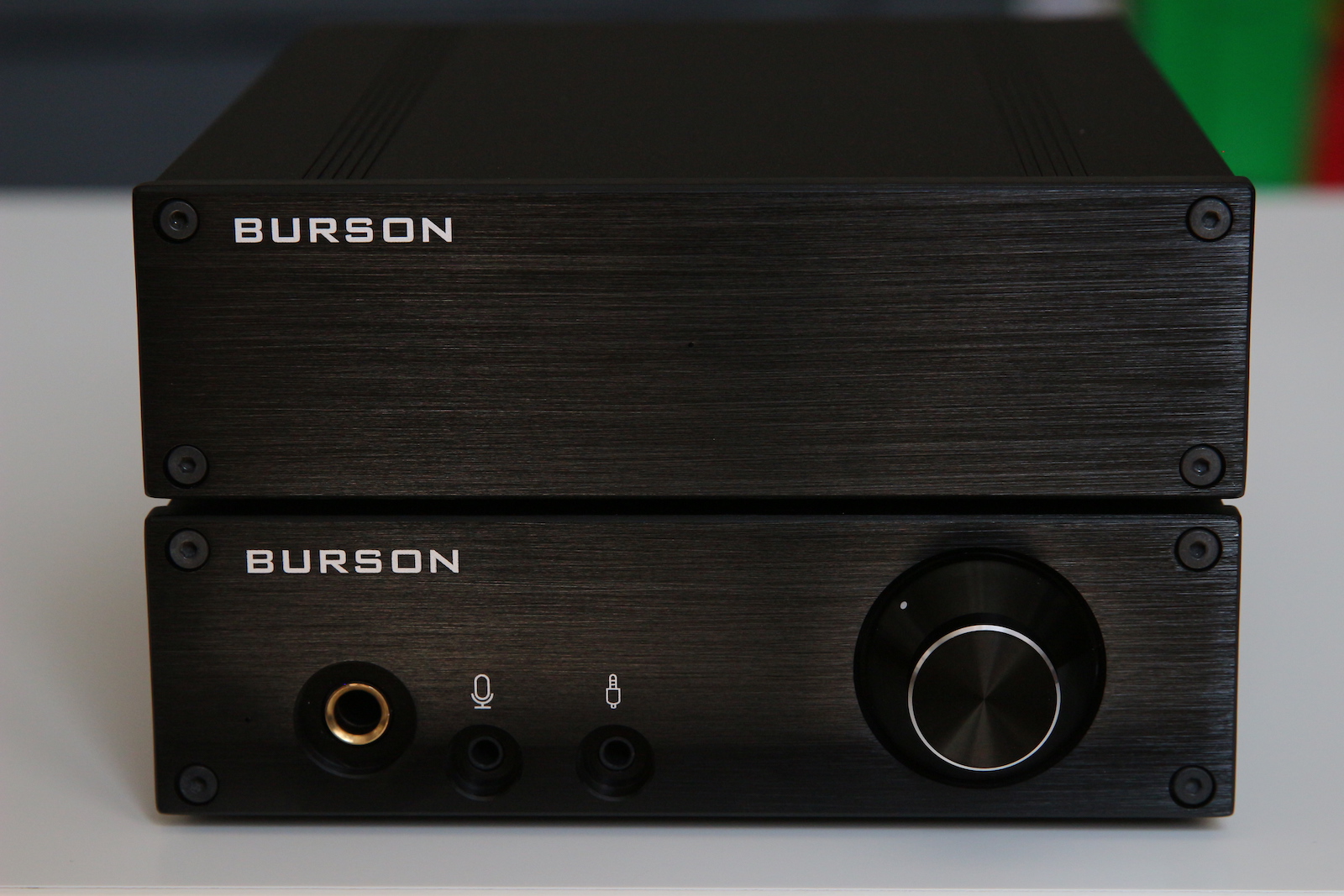
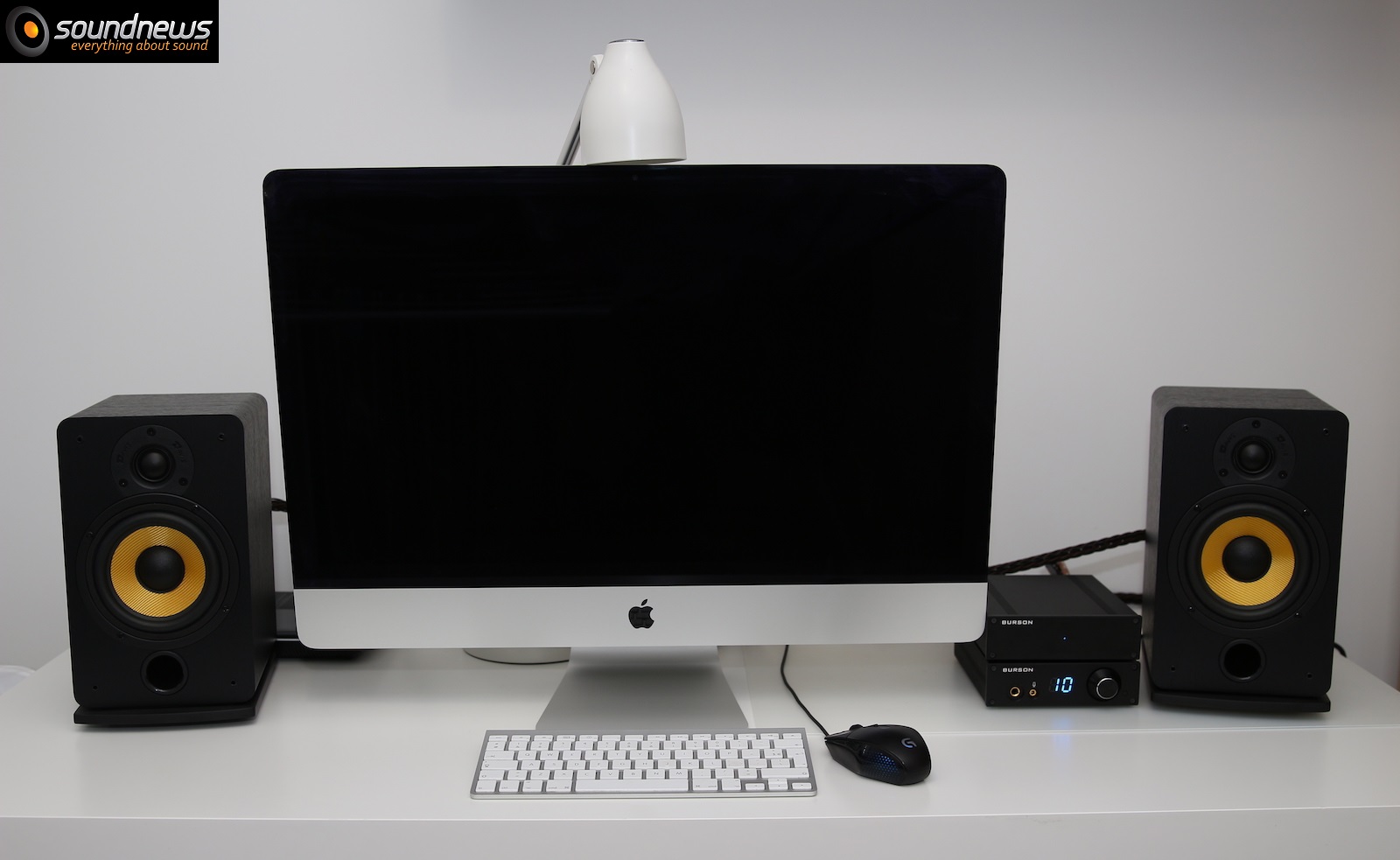
Burson completely solved my concerns with the introduction of the Fun: a simple and elegant desktop headphone amp and pre-amp.

On the plus side it has a higher driving power than Play, it has analog inputs (Duh!) but on the down side the DAC part was completely removed.

As a single solution Play probably is a better choice but for someone that already owns a higher quality DAC, the Burson Fun makes a lot more sense.

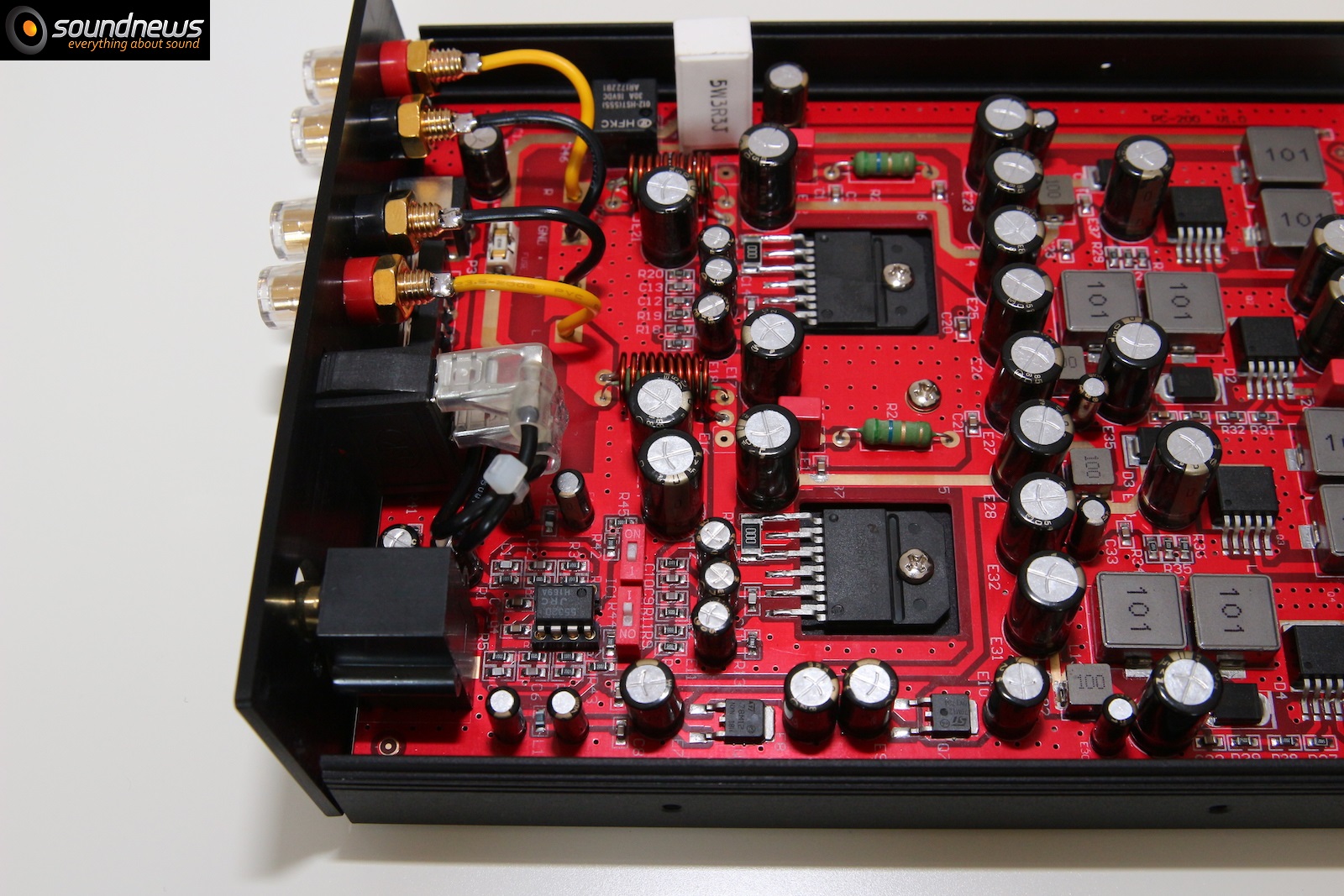
Fun along with the Play in my opinion has a very dynamic and mood lifting sound signature that I rarely hear at this price points. That’s due to dual mono Class A headphone and preamp inside. Its symmetrical circuit is powered by four sets of Max Current Power Supplies (MCPS). This power supply is more advanced and far superior to traditional transformers delivering instant, clean, and maximum electric current to the Fun

Is important to know that Fun is using the fully discrete amplification stage found in the 1500 USD Burson Conductor V2! It is basically the same circuitry Burson Audio is refining since 2008 and famed for its incredible micro details and musicality.

I am enjoying the Burson Fun for about one month already and I feel I’m ready to leave my full impressions.

Under the hood

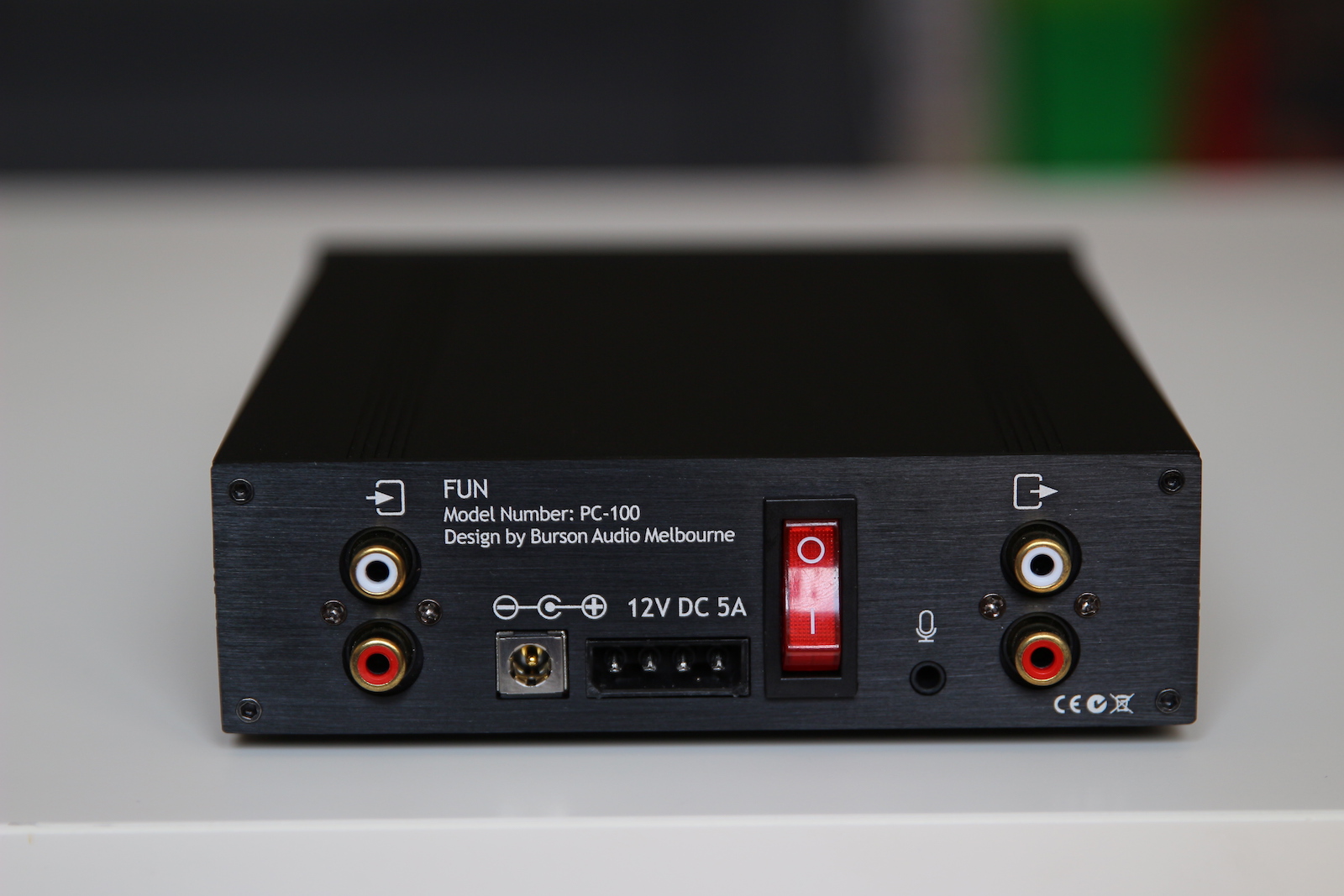
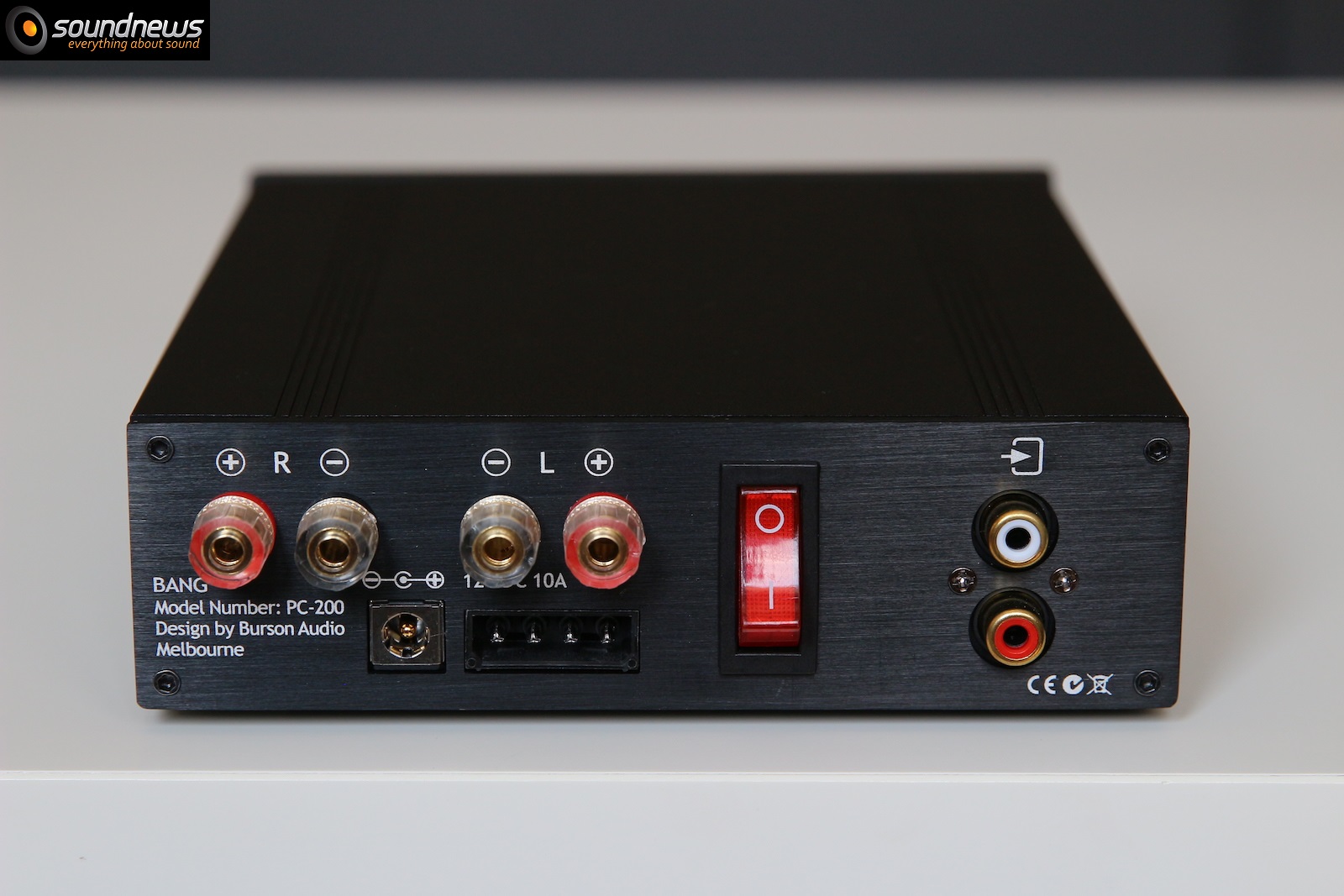
Do not be fooled by its small footprint, Fun as its siblings Play and Bang were designed around the 5.25” PC drive bays, so Burson Fun can be integrated in any tower gaming PC or in regular small, mid tower or full tower cases that have at least one 5.25” drive bay. In this case it can be powered by a single Molex 4 pin cable that goes directly from your PC power supply and you really should not worry about the quality of your power supply because Burson already thought about that in advance and integrated a voltage regulator inside so that your PC’s power supply will have a minimal impact on sound quality.

Fun can also be used as an external device as I was planning to do, being powered by a simple SMPS external power supply.

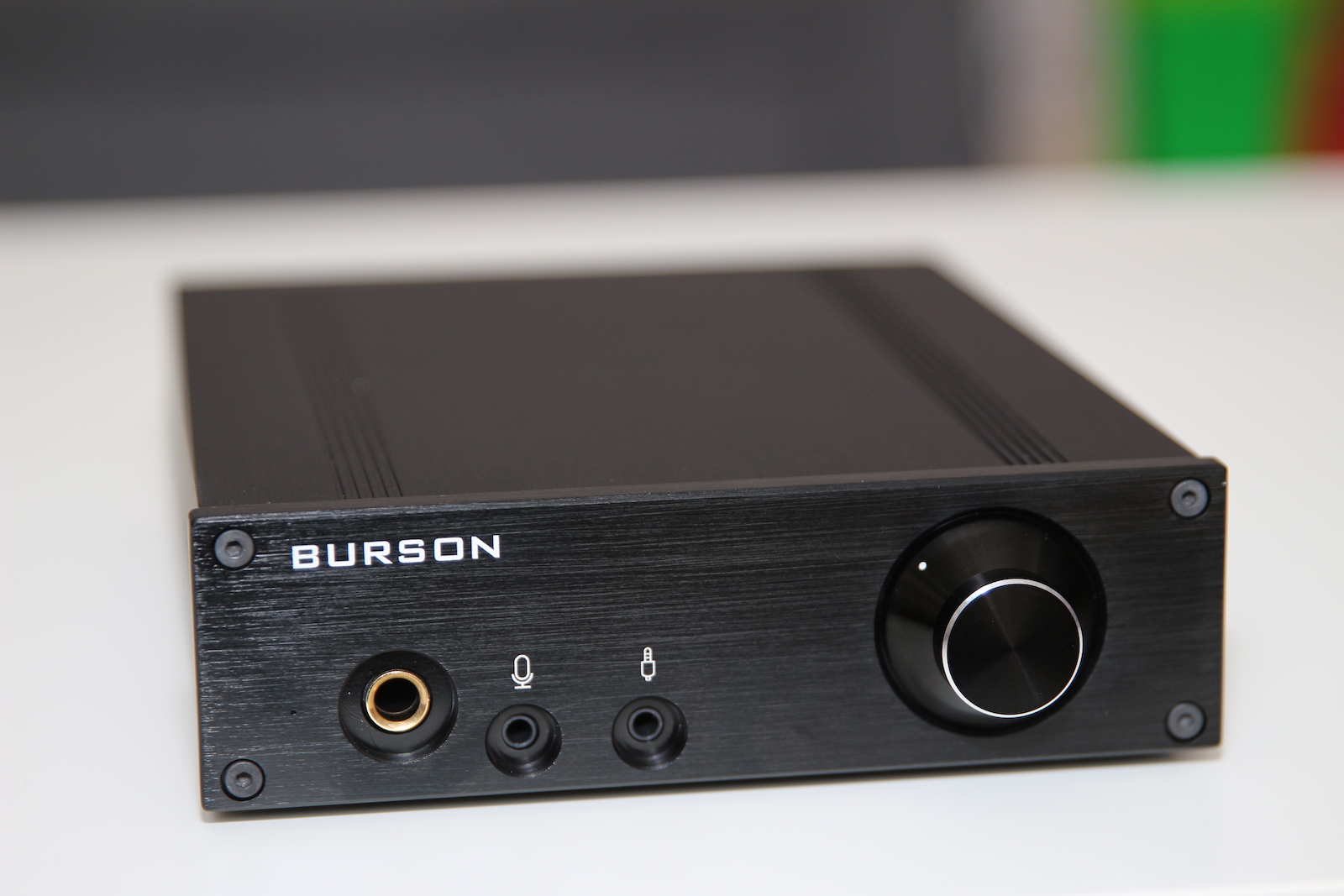
Besides the usual headphone out, RCA analog input and the RCA pre-amp output, there is also a 3.5mm (1/8”) Mic input and 3.5 mm (1/8”) Mic output, so gamers and streamers out there can really put those sockets to good use.

Of course the stars of the show are the Burson developed ICs always working in the magical class A circuitry powering the headphone amplifier that are fed by four sets of revolutionary Max Current Power Supplies (MCPS) developed by Burson, the Fun is really one of the most powerful headphone amplifiers in the world.

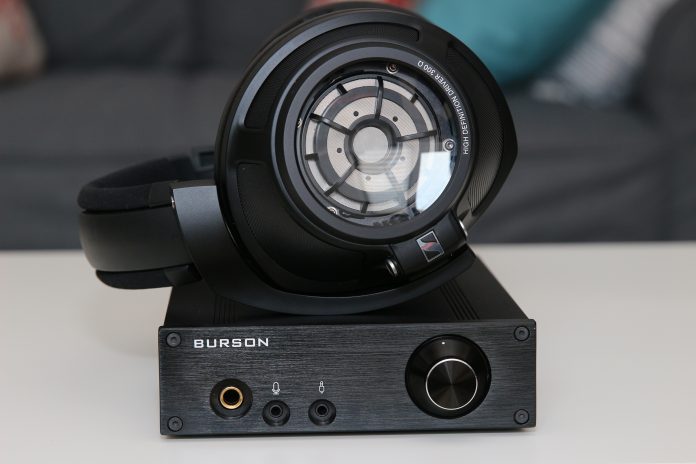
And I can attest that, if it can easily power a set of Audeze LCD-4 and Sennheiser HD820 with ease, then it can power any headphones in the world.

Compared to Play, Fun has only 2 op-amps in the signal path and both are Single op-amps. Play is using 5 op-amps in the signal path from which 3 are dual op-amps and 2 are single op-amps. If you plan to upgrade the basic version to higher quality op-amps, Fun will cost you much less to upgrade, keep that in mind.

Besides that, lesser op-amps in the signal path will always yield a more transparent and breathing sound, so in advance I already hope that Fun will sound even better than the Play.

The Fun is being sold in 3 variants: the basic one that uses NE5543 op-amps, other two variants are using much more advanced discrete op-amps such as V6 Classic or V6 Vivid.

I have the Basic version, but please don’t worry as in its stock form it already impressed me enough.

Audio Performance

1. Driving power

When I was testing the Play I was impressed by the output power it was capable of, delivering power even for most power hungry headphones such as Audeze LCD-4. Funny thing is that this little guy (Fun) is even more powerful. Using four sets of MCSPs instead of three sets on Play really made a difference. Especially for higher impedance headphones such as Sennheiser HD820 I was testing it with.

For HD820 Fun will deliver three times the output power compared to the Play.

Connected to a standard 2.2 Volt output DAC I can’t go higher than 50% volume on Fun powering a set of HD820, more than that and I feel that my eardrums will blow!

With lower impedance headphone the difference is not that big, with FiiO FH5 hybrid IEMs power wise both devices are almost identical, however due to lower impedance headphone output on the Fun, I hear a better control over the drivers on Fun compared to Play.

2. Controlling the power

Second thing that struck me is the control and speed Fun is capable of. For example Play in its own right had a remarkable control over the headphone drivers, small or big, headphone transducers always hit hard and fast. With Fun take that up a notch.

Every sound hits harder and faster with clearly a better control over the headphone drivers. As a headphone amp Fun will appease even vast majority of headphone enthusiasts, please take a listen to one if an opportunity will occur.

3. Transparency & Resolution

Third thing that was clearly different compared to Play is the overall clarity and resolution. It is on a higher level on Fun compared to Play, it even rivals my own Headamp Gilmore Lite MK2 in terms of transparency, airiness and resolution and we already know that Headamp is making ones of the most transparent head amps out there.

There is not a big difference in terms of overall clarity and transparency compared to Play but is a very noticeable one. It was very apparent on HD820 and on tiny FH5 hybrids.

4. Noise Floor

I personally don’t use IEMs at home connected to desktop audio gear, I use them exclusively on the go, but to those that use IEMs with desktop gear as well should know that Fun works much better than Play – it has a lower noise floor and hiss is practically non-existent with sensible earphones. There is only a faint hum only on higher volume when music is not playing. Apart from that, to me Fun can be used with BAs or hybrid IEMs no problemo, on the other hand Play was doing just an Ok job with those.

Before going forward just a quick summary: Up until now Fun has more power, better control over the drivers, sounds clearer and more transparent, has a lower noise floor and hiss with sensitive earphones compared to Play! Impressive isn’t it?

5. Transient response

More power and a better transparency will always lead to a better impact and to a faster transient response.

Listening to some local alternative/hardcore metal: Implant Pentru Refuz (IPR for short) it was clear to me that I am dealing with a really fast and agile performance.

Double drums and hi-hats had the right amount of spark and zing. I really liked that the treble was not as bright as it was on older Burson Designs (160D and Conductor V1 I am looking at you!) and in return it sounded as having a better shape/outlines. The hi-hats & cymbals never had an annoying delay but just right amount of presence and decay.

To me treble response is where I see the most improvement over the older Burson designs and a slight improvement even to Play where sometimes it had a little more bite than needed.

6. Frequency Response

The bass and mid frequency response is almost identical to that of Burson Play and other Burson designs. The sound overall has a lot of meat to the bone, sounds full and pleasant to the ear. It’s not warm or dark by any means; I’m calling it class A sound, if you get what I mean.

Trebles are crisp, maybe too sparkly sometimes; with few headphones I really like this effect. It is not overdone even with Sennheiser HD820 but it may be too much with something like a HD800 or Beyers.

I also like that sounds are not lingering too much so overall the sound is going towards great speed and impact and not towards a romantic experience.

If you are enjoying a slightly slower speed & impact and a more rounder & romantic experience I do recommend looking at other amps as Fun will not deliver that.

When I am thinking about Burson Fun I am thinking about big V8 American muscle cars, about spicy food and… roller coasters.

Select Comparisons

Fun vs Play

It is pretty difficult comparing the two since Play doesn’t have a true line-out, using the Pre-out will cause the double amping effect which will raise even more the Total Harmonic Distortion. I used the Matrix X-Sabre Pro to listen to the Fun, it uses a Sabre chipset as the Play does. Later on I also connected the Fun to the Play to see if my impressions will change.

As I was expecting Burson Fun sounds a bit clearer, has a faster transient response and a better control over the headphone drivers.

Power output is also higher, especially for higher impedance headphones. I really enjoyed my time with Fun powering the Senn HD820. HD820 sounded good on Play but great on Fun.

Fun is also a bit more transparent and offers a bit more air between the notes, it seems that less op-amps in the signal path made a big difference.

I also liked more how IEMs performed on the Fun as it had almost no hum or noise with sensitive earphones, Play has a higher noise floor and a higher impedance headphone output that may plague your listening experience with sensitive IEMs.

Fun vs Headamp Gilmore Lite MK2

Both headphone amps are working in Class A circuitry for the best possible sound quality and both have the same footprint and weight. Gilmore Lite MK2 goes for 500 USD and Burson Fun basic goes for 300 USD.

Let me start by saying that the Fun has clearly more power and a better control over the drivers. It can drive a pair of Audeze LCD-4 with headroom to spare, but that can’t be done with the Gilmore Lite.

Gilmore Lite sounds a bit more linear and flat, like disappearing completely from the acoustic chain, it has no coloration and can work with a wider range of headphones. It also has a lower noise floor with sensitive IEMs at a higher volume, at normal volume levels both have the same very low noise floor.

Fun adds a bit of its own flavor into the mix, it surely has a character of its own. For rock and fast electronica Fun will sound as having more energy and joy. Fun by comparison has a slight V shape frequency response boosting the low end and the treble response, not by much but it is sizable.

Fun also has a shorter decay of notes and a bigger impact to the eardrums, in this sense Gilmore Lite is a bit leaner, but that can be a result of a lower power output.

Stage size is bigger on Fun but it is deeper on Gilmore Lite, different strokes for different folks as they say.

On technicalities alone Gilmore Lite Mk2 wins, but on sheer power and enjoyment level Fun is clearly ahead.

Conclusions

When Fun was just introduced I remember seeing the price and specs and was a bit confused to why Fun as just as a headphone amp has the same price as Play (that besides being a headphone amp is a DAC as well). But now I understand why they both share the same price point. Yep, Play has a DAC as a bonus, but Fun is a higher performance headphone amp, there is no doubt about that.

To me Burson Fun is among the best compact sized single ended headphone amps out there regardless of output power or price and that says a lot.

Headbangers and electronica dancers will enjoy it a lot, it has a lot of energy under the hood and power to spare even for the most demanding headphones.

PROS:

  • Great kick, speed and impact
  • High level of transparency and airiness
  • Natural sound with a great flow
  • Powerful & potent headphone amp
  • Spread soundstage and quite deep as well
  • Sturdy and quality construction
  • Good price for great performance

CONS:

  • Slight sound coloration (V-shape frequency response)

Associated Equipment:

  • Headphones: Audeze LCD-4, Sennheiser HD820, 660S, Momentum 2, FiiO FH5
  • DAC: Matrix X-Sabre Pro with X-SPDIF 2, Burson Play
  • Headphone Amplifiers: Burson Fun, Burson Play, HeadAmp Gilmore Lite Mk2
  • Speakers: KEF LS50 Wireless

Bătălia dispozitivelor Bluetooth de la FiiO

5

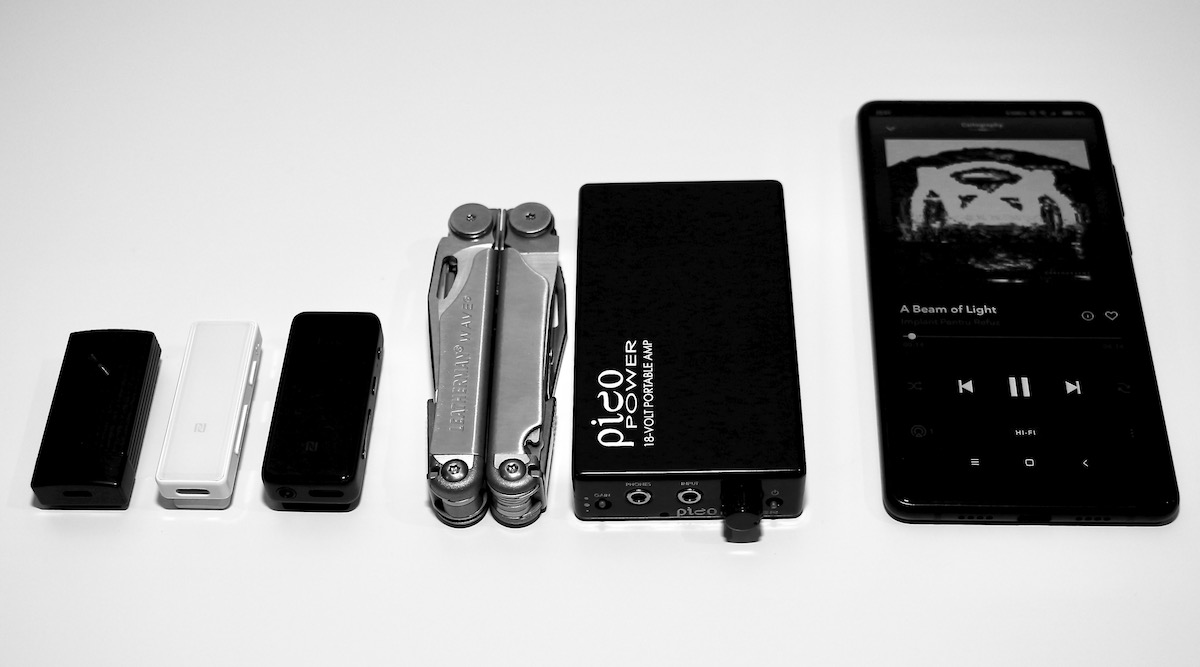
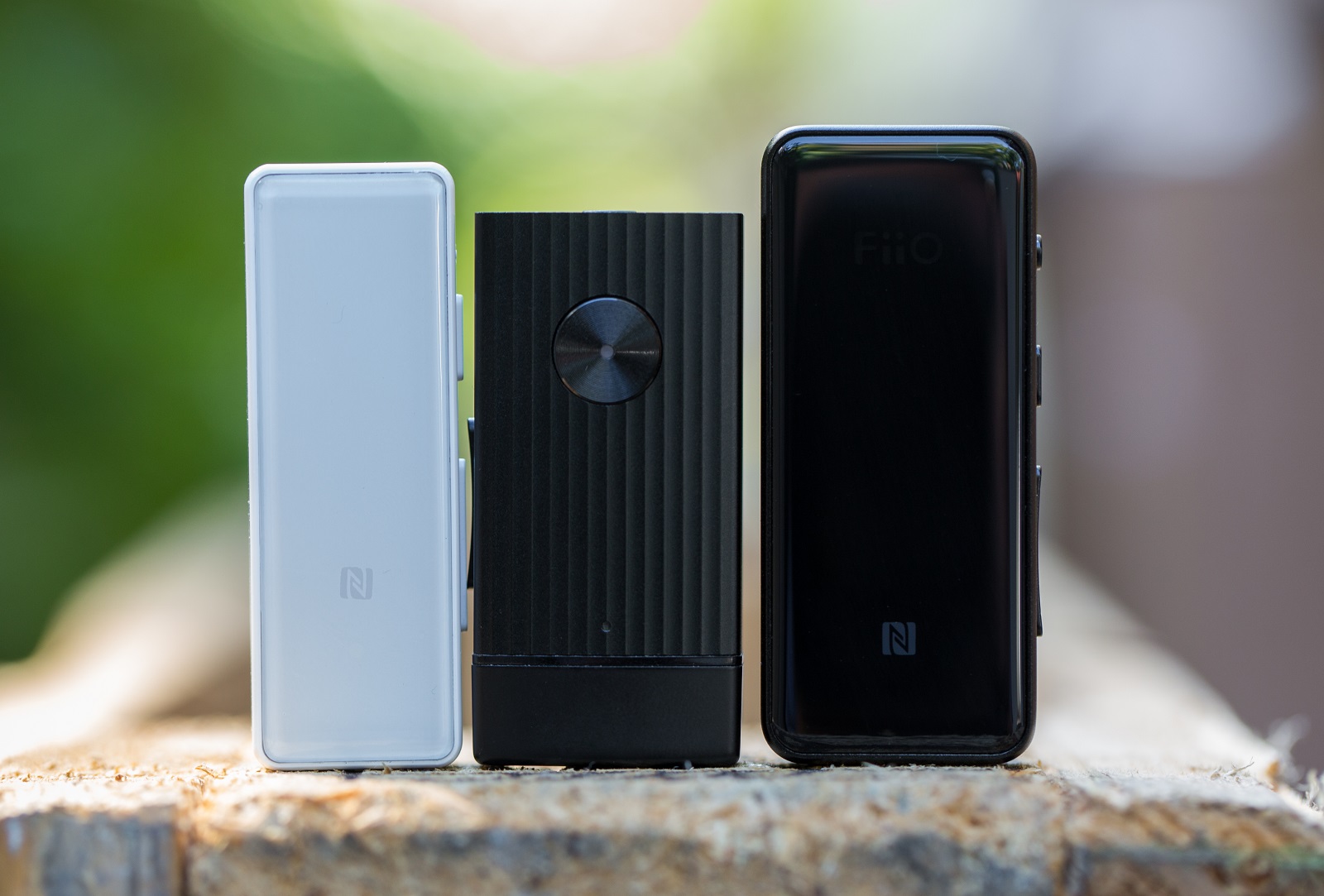
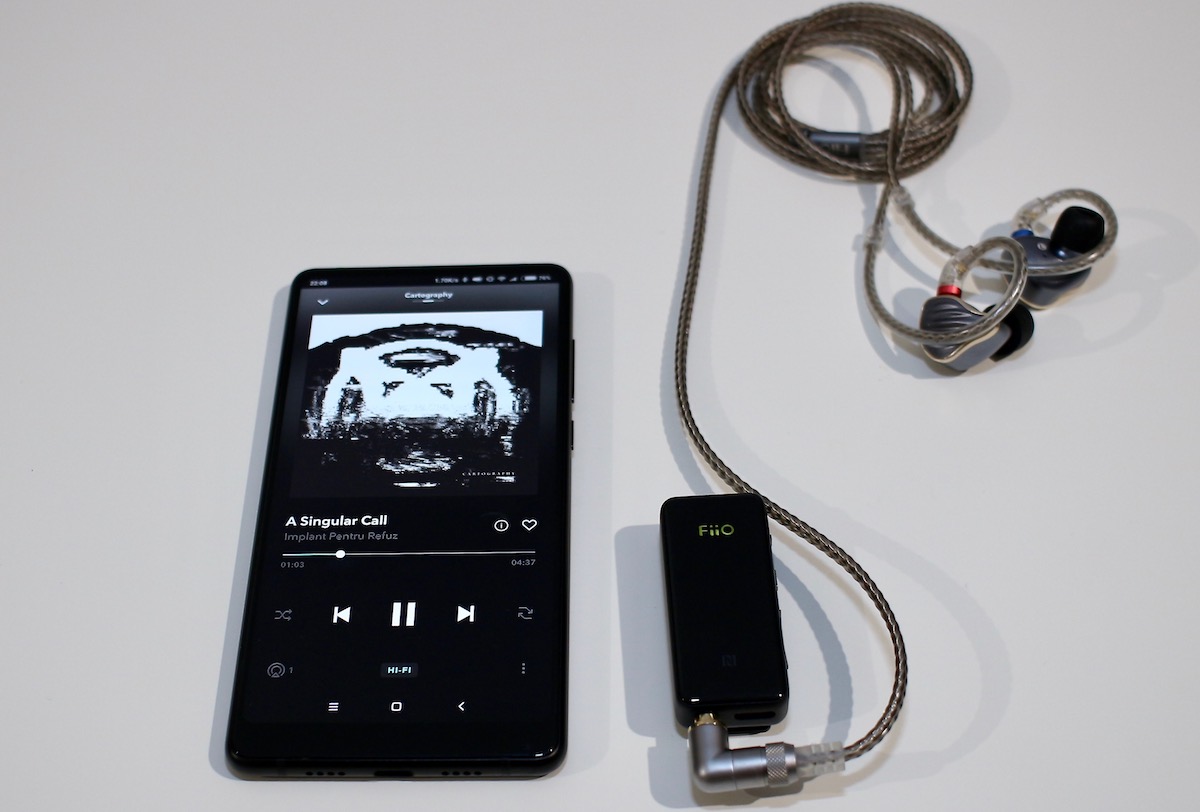
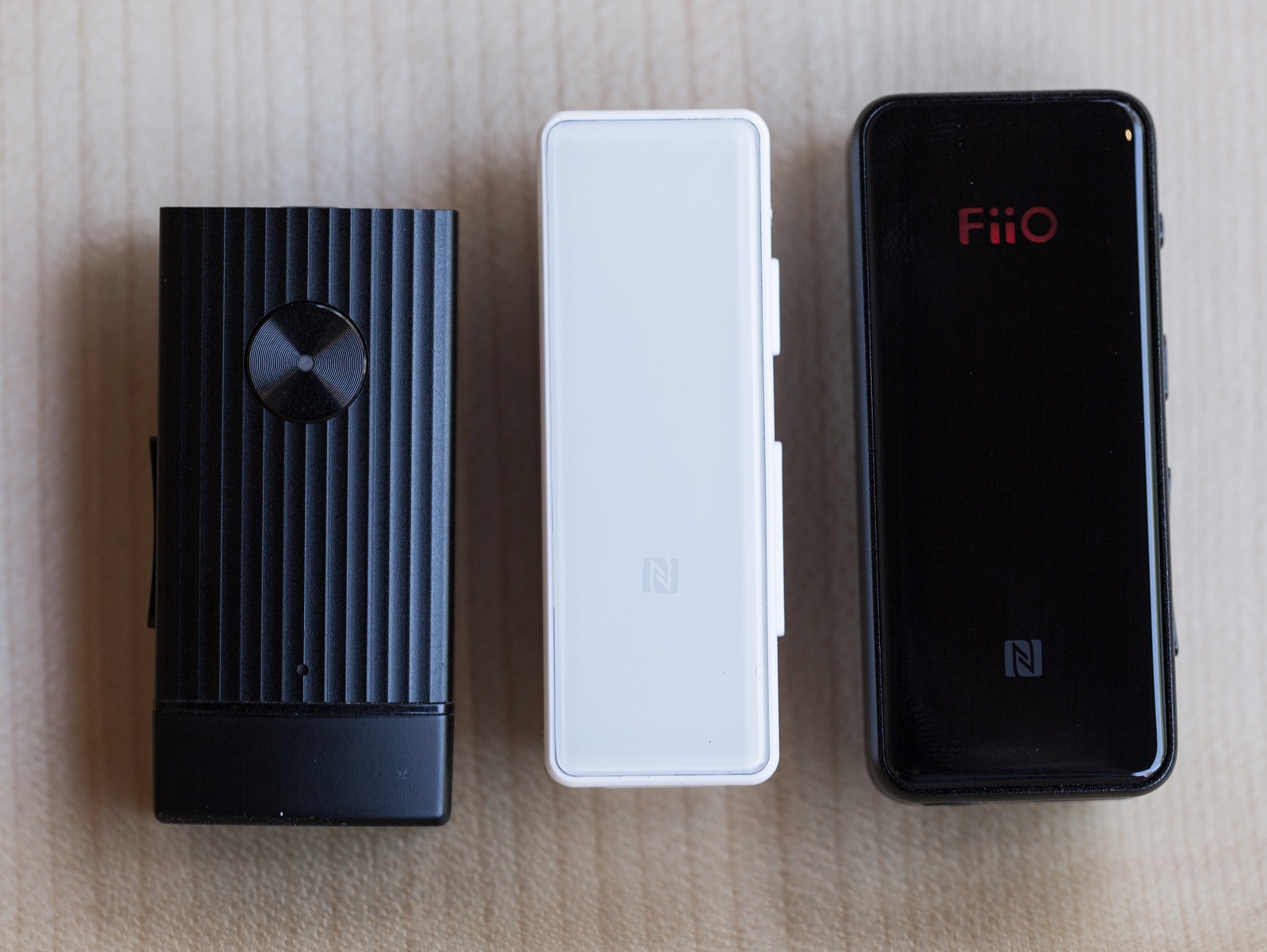
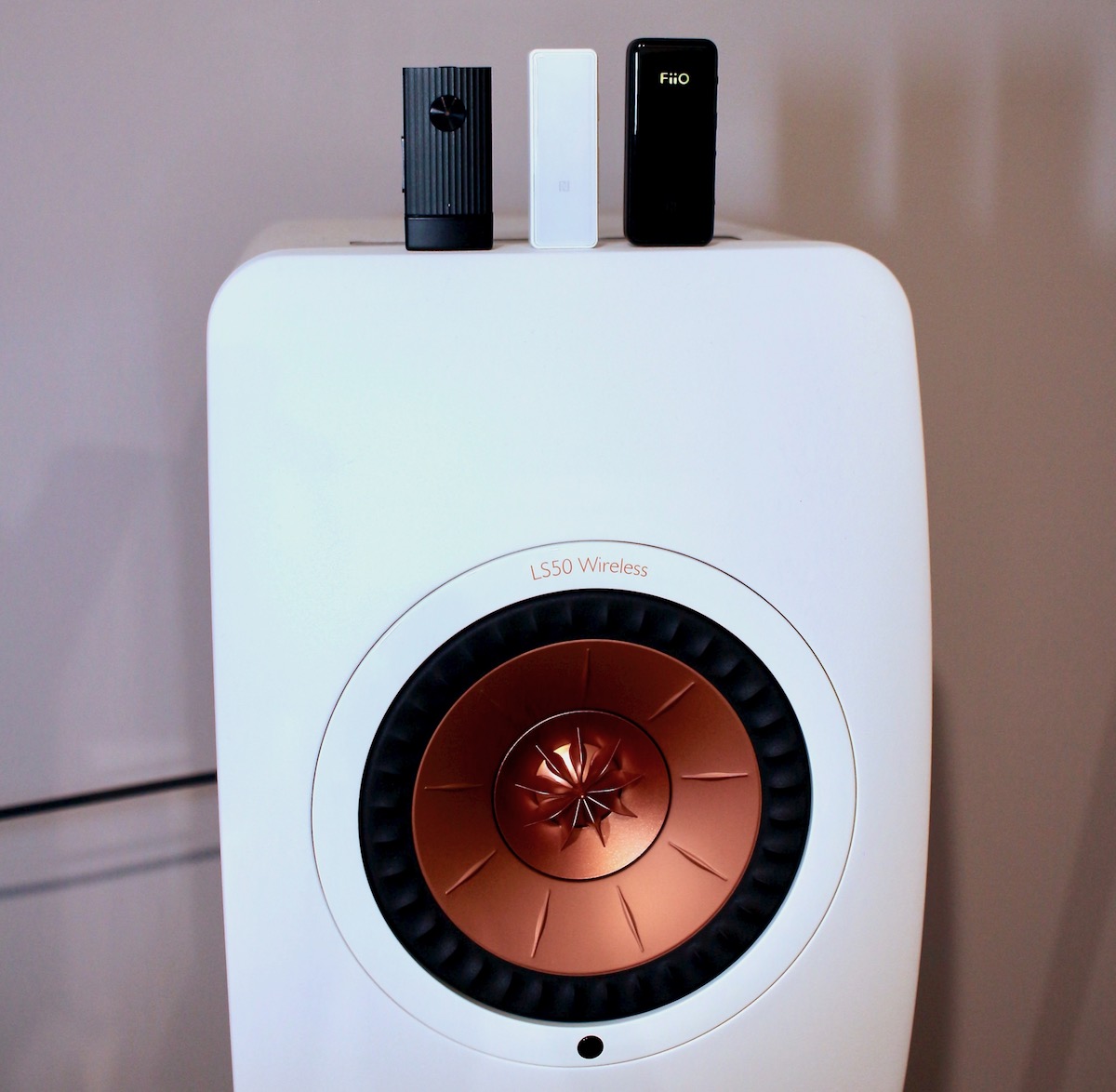
Sunt deja cateva luni de cand detin un adaptor BTR1 de la FiiO, de care sunt destul de impresionat. Recent am zis sa incerc si noile μBTR si BTR3 si m-am gandit ca ar fi o idee buna sa fac un test comparativ intre cele 3.

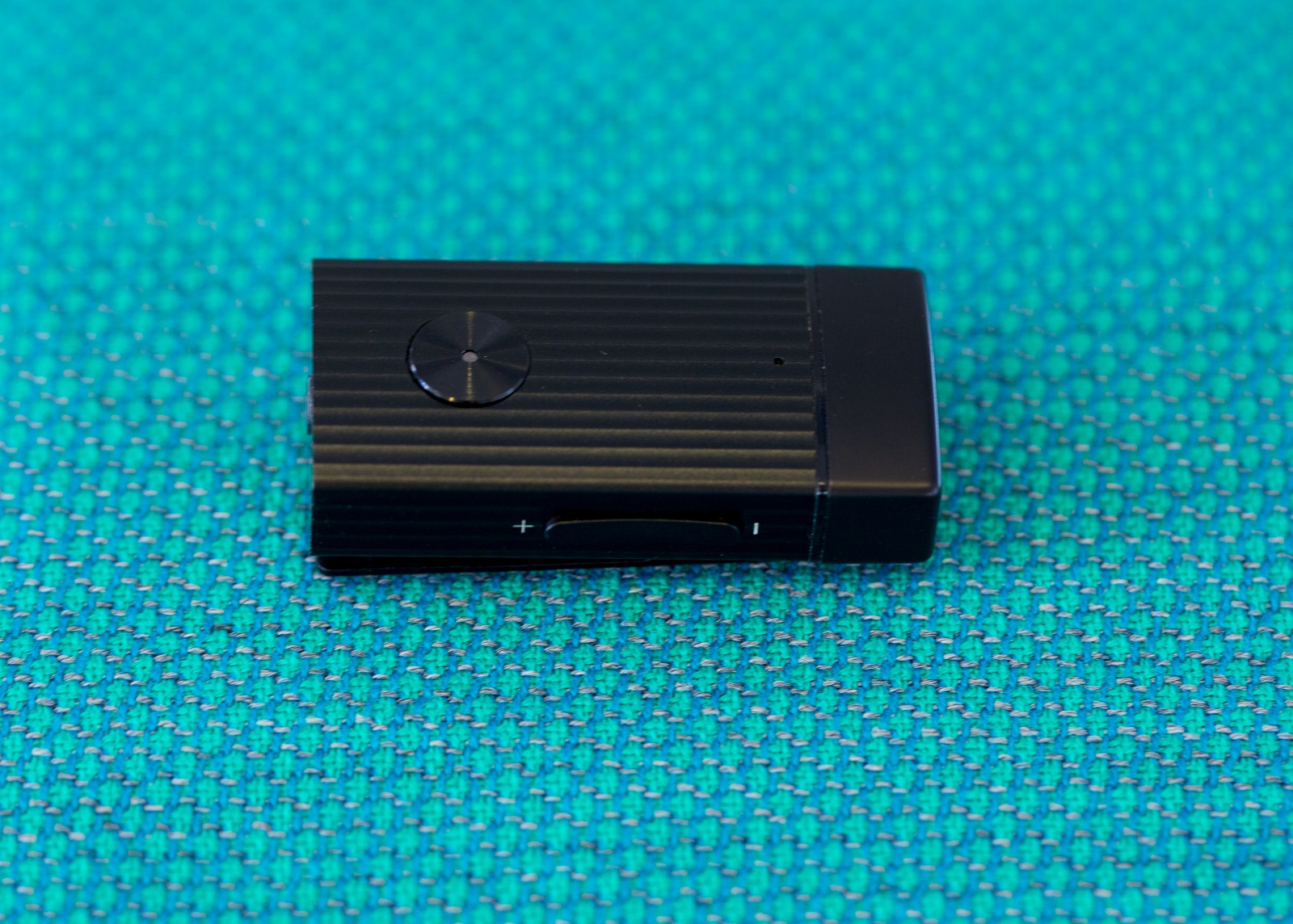
Daca va intreabati  ce sunt mai exact aceste mici aparate si ce  anume fac ele, atunci raspunsul este destul de simplu: ele transforma castile normale cu fir in casti wireless.

Raspunsul mai amanuntit este ca ele fac mult mai mult de atat, ele ofera cele mai noi tehnologii Bluetooth precum Aptx-HD si LDAC, inglobeaza un amplificator de casti dedicat si doua din ele folosesc si un DAC dedicat. Ele pot transforma telefonul Dvs ordinar intr-o sursa audio de calitate amplificand o pereche de casti.

Design si Specificatii

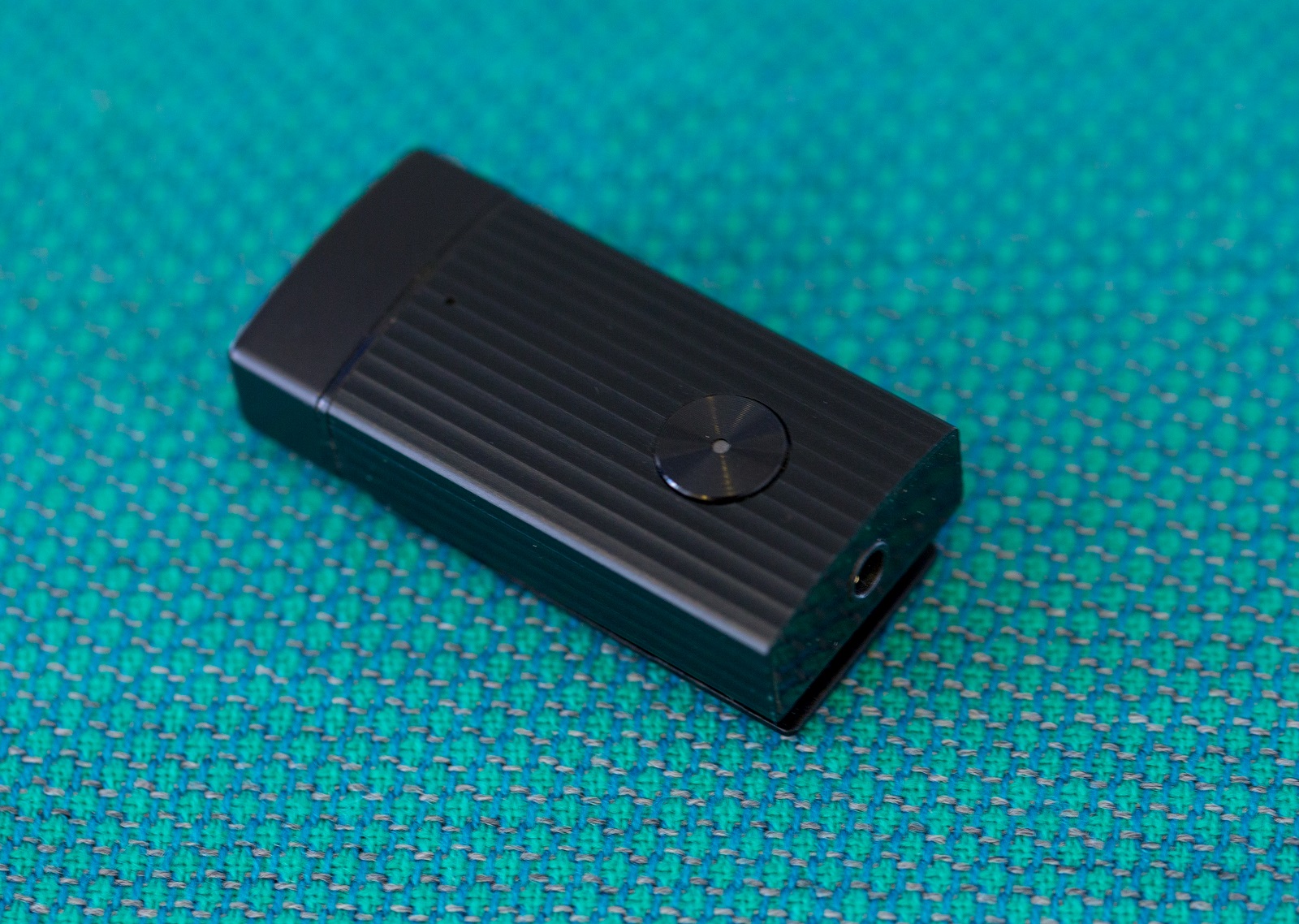
BTR1

Avand in vedere ca BTR1 s-a lansat acum cateva luni, FiiO nu a incorporat cele mai noi chip-uri Qualcomm, cel gasit in BTR1 este CSRA64215 care suporta doar standardele SBC si AptX.

BTR1 de asemenea foloseste un DAC dedicat pentru decodarea audio, cel folosit este AKM AK4376. Amplificatorul intern de casti ofera in jur de 15mW putere intr-o sarcina de 32 Ω, puterea oferita este suficienta pentru majoritatea castilor portabile.

Capacitatea bateriei este de 205 mAh ce ofera in jur de 8 ore de utilizare intensiva.

Corpul BTR1 este in totalitate metalic ce ii convera resiztenta  sporita la zgaraieturi.

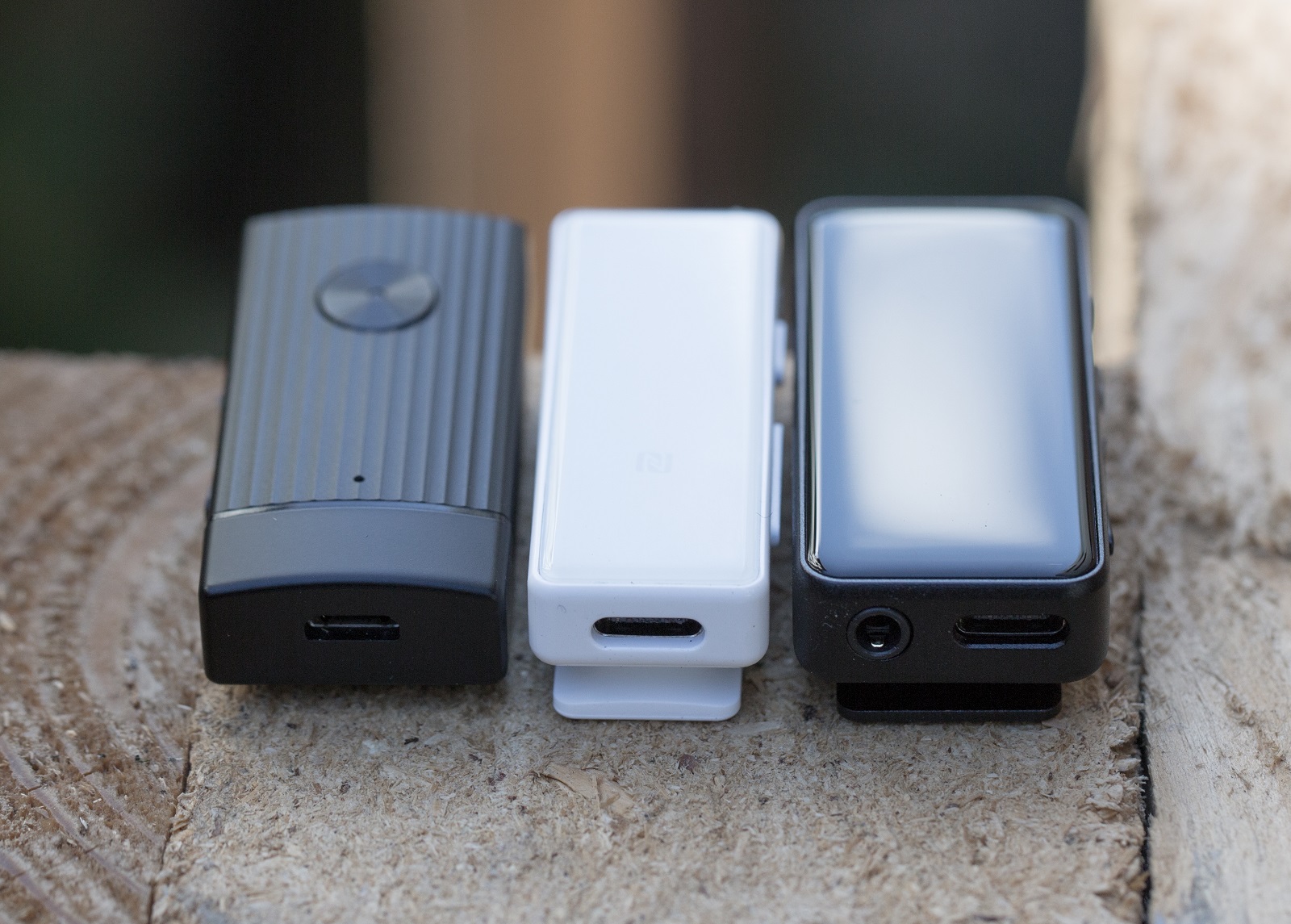
Unicul minus este folosirea conexiunii microUSB in locul USB type C gasit pe celelalte 2 dispozitive.

μBTR

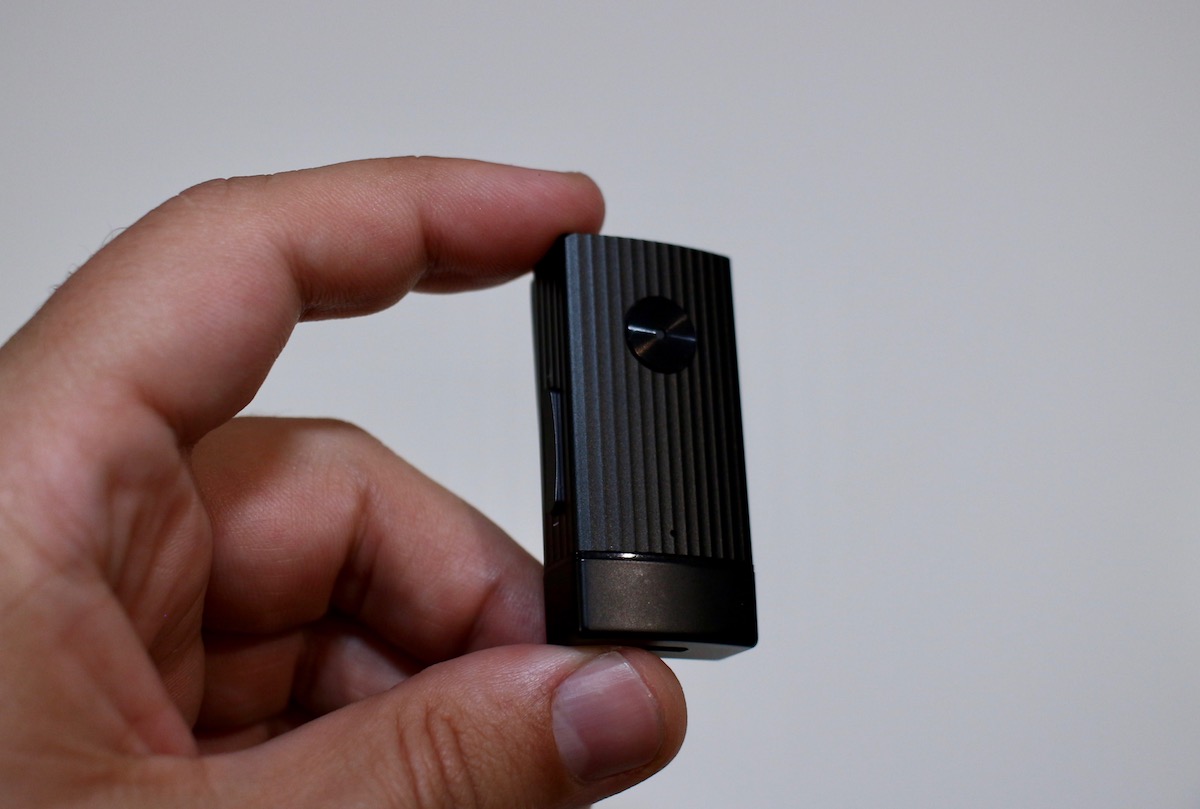
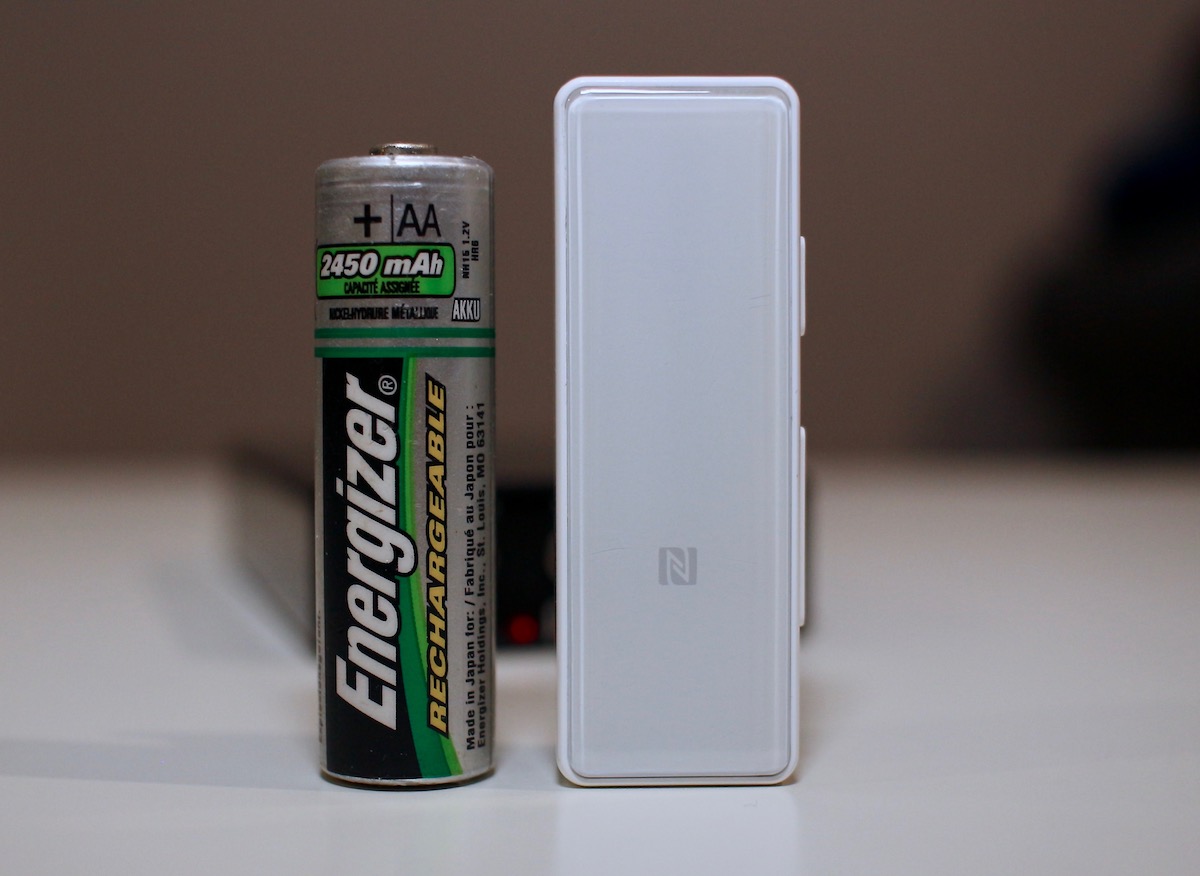
Noul microBTR este mezinul familiei, cel mai usor si cel mai accesibil aparat din cele 3.

Sincer, piticania nu este recomandata audiofililor inraiti pentru  ca nu are un DAC dedicat, performant si nici un amplificator de casti potent. Ofera numai 10mW in 32 Ω iar autonomia este in jur de 9 ore datorita bateriei de 120 mAh.

Cu toate acestea, μBTR fenteaza batranul BTR1 cand vine vorba de capabilitatile Bluetooth folosind chip-ul Qualcomm CSR8645 care ofera un codec suplimentar, cele suportate sunt: SBC, aptX si AAC. μBTR mai are si NFC pentru al imperechea cu dispozitivele compatibile printr-o singura atingere, comod nu-i asa?

Imi place destul de mult cum arata, este simplu si elegant, plasticul alb este placut la atingere, de apreciat este faptul ca au trecut pe USB type C pentru incarcare.

BTR3

BTR3 e complet alt animal fata de restul deoarece suporta toate formatele wireless precum: AAC, SBC, AptX, AptX LL, AptX HD, LDAC, LHDC si HWA!

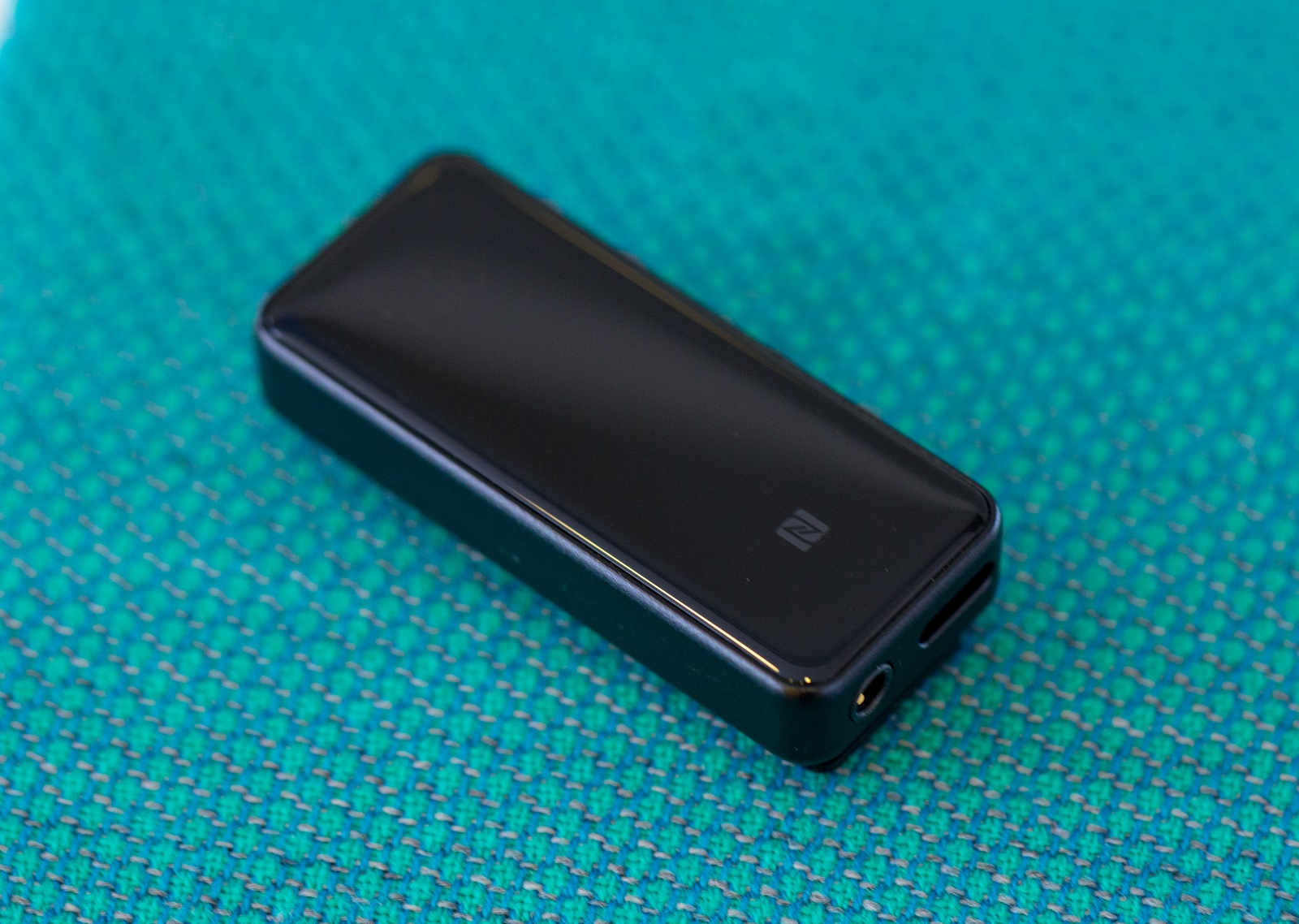
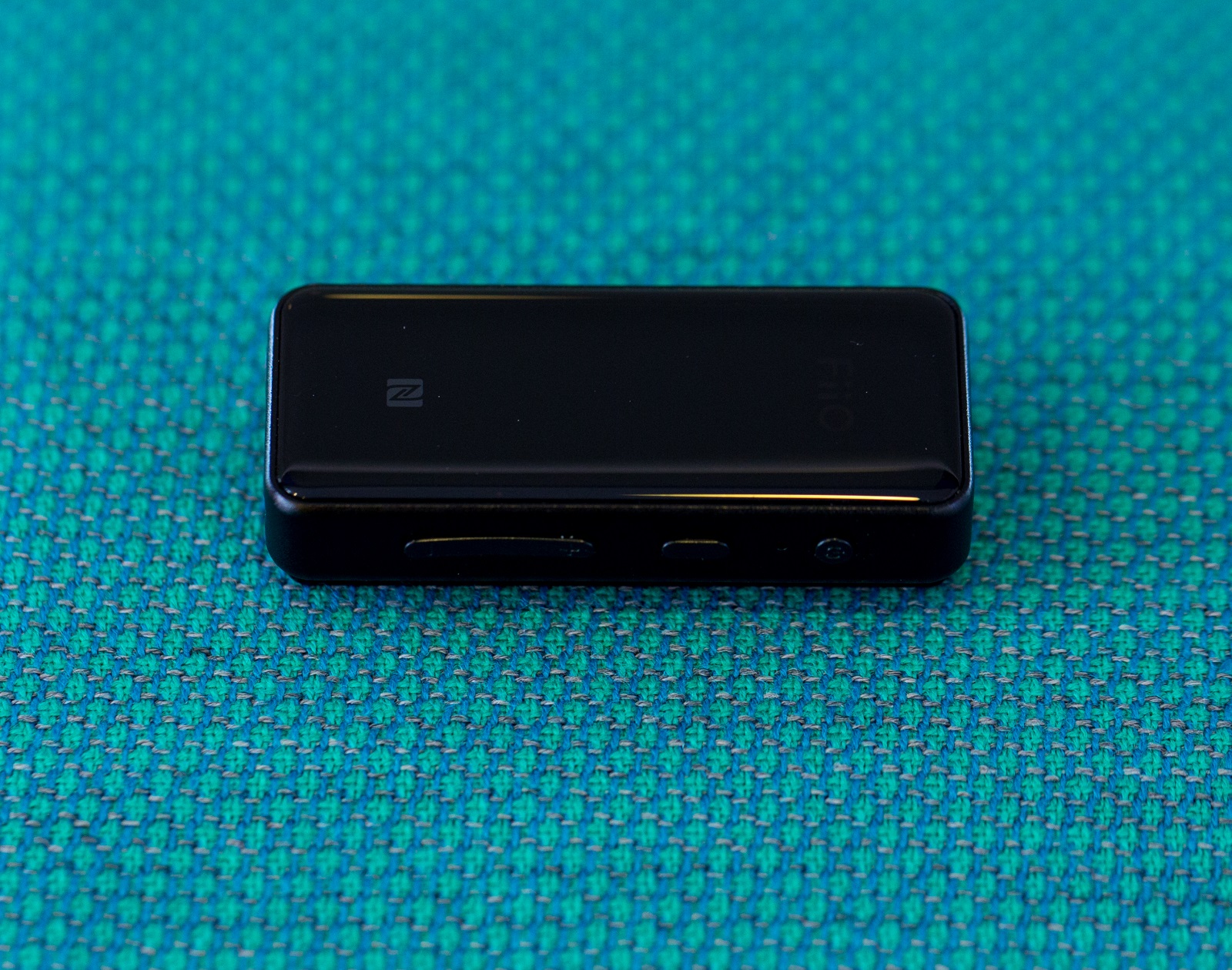
Totul se datoreaza celui mai performant Bluetooth chip de la Qualcomm: CSR8675. Regasim de asemenea FNC pentru cuplajul printr-o singura atingere si acelasi USB type C. Lumina de desubtul sticlei frontale indica codecul Bluetooth folosit. Se pare ca telefonul care il folosesc (Xiaomi Mi Mix 2) transmite semnal AptX HD (lumina galbena) care este mai mult decat bun in opinia mea.

BTR3 foloseste un DAC de inalta performanta, mai exact este vorba despre AKM AK7376A, este mai avansat decat cel folosit in BTR1. Raportul semnal / zgomot (SNR) este mai ridicat si are o plaja dinamica (dynamic range) mai extinsa.

Are de asemenea un amplificator de casti ma puternic oferind 25 mW putere intr-o sarcina de 32 Ω. Capacitatea bateriei este de 300 mAh iar autonomia este de 11 ore.

Comparativ cu celelalte 2 dispozitive foloseste un microfon “cVc noise cancelling” ce anuleaza unele zgomote, l-am testat personal in diferite locatii si functioneaza foarte bine.

Probabil cel mai mare avantaj fata de restul este ca BTR3 poate fi folosit ca un DAC extern pe USB pentru calculatorul Dvs. Odata conectat la PC apasati butonul de pornire de 3 ori pana lumina logo-ul FiiO devine alba, semn ca modul DAC USB a fost activat.

BTR3 are si el corpul metalic insa este infasurat cu un strat de sticla 2.5D oleofobica rezistenta la amprente. Pentru mine BTR3 arata cel mai “sexy” si suna cel mai bine comparativ cu celelalte doua.

O descoperire placuta

Inainte de a va dezvalui rezultatele testelor comparative doresc sa mentionez o functie interesanta pe care am escoperit-o.

Daca detineti un televizor inteligent atunci cel mai probabil are si un adaptor Bluetooth. Detin un smart TV Sony din generatia 2017 si unul din generatia 2014, ambele au conexiuni Bluetooth. Cat de bucuros am fost cand am descoperit ca toate cele 3 aparate functioneaza cu televizoarele din dotare.

Pe langa muzica sunt si un mare amator de filme iar dupa ce familia se duce la culcare mai vizionez cate un film sau doua. Pana la acest moment utilizam boxe la volum scazut pentru a nu deranja frumoasele adormite, multumita adaptoarelor Bluetooth FiiO pot viziona filme cu orice set de casti doresc.

BTR1 si BTR3 au condus cu usurinta o pereche de casti inchise Sennheiser Momentum 2.0, chiar si castile deschise HD660S au avut destul volum si autoritate.

Un prieten apropiat detine setul Bluetooth Sennheiser RS185 pentru a viziona filme seara tarziu, insa pe mine nu m-a impresionat atat de mult, castile suna destul de aglomerat, transparenta nu este la un nivel ridicat si uneori pot suna destul de murdar.

Folosind HD660S impreuna cu BTR3 toate problemele mentionate mai sus dispar, combinatia suna aproape la fel ca si un sistem desktop bazat pe auditia in casti.

Pentru acest scop μBTR e destul de bunicel folosind casti portabile, din pacate nu poate pilota casti mai mari cum o fac cu usurinta BTR1 si BTR3.

Performanta Acustica

μBTR

Voi incepe cu μBTR avand in vedere ca este foarte usor de setat si din perspectiva calitatii audio e mai putin impresionant.

Suna destul de Ok, nimic nu iese in evidenta si probabil cel mai important aspect este ca nu suna deloc rau. Per total semnatura sonica e destul de liniara, fara denivelari pe spectrul acustic, suna mai mult decat adecvat pentru majoritatea castilor de dimesniuni mici si portabile.

Va avertizez ca oferind maximum 10mW putere nu este capabil sa conduca casti mari dar se va descurca decent cu cele portabile. Pentru unele casti intra-ureculare va avea o rezerva destula de putere, pe altele se va auzi un his in surdina. De exemplu are his pe castile FiiO FH5 care se aud destul de incet, dupa ce dau play imi este foarte greu sa il mai detectez.

Raza Bluetooth este destul de buna, am lasat telefonul in fata PC-ului si am inceput sa ma plimb prin casa cu castile conectate la μBTR pentru a testa puterea semnalului BT. La o distanta de 5 m separat de un perete din beton, conexiunea mergea brici, la al doilea nu a rezistat si s-a deconecta, la 9 m distantanta intr-un spatiu deschis incepea sa aiba deconectari repetate, puterea semnalului BT este chiar suficienta in opinia mea.

Folosind servicii de streaming precum Tidal Hi-Fi de pe telefon a functionat destul de bine dar din nou nimic nu iese in evidenta, cu siguranta nu va impresiona un audiofil avid insa va suna decent pentru un ascultator casual.

L-am scos afara pentru o fuga sanatoasa de 5km avand telefonul in buzunarul drept si μBTR atasat de tricou. Folosind Tidal Hi-Fi si facand streaming de muzica lossless am avut cateva deconectari  scurte(am numarat 4) intr-o ora. Folosing muzica lossy stocata in memoria telefonului am avut mult mai putine deconectari, am avut exact doua in aceeasi perioada de timp.

Consider ca μBTR s-a descurcat decent si per total mi-a lasat o impresie pozitiva.

BTR1

BTR1 l-am testat pentru o perioada mai indelungata si va pot spune mai multe despre el.

Desi nu are NFC, USB type C si codecul AAC castiga mult teren cand vine vorba de performanta acustica. In opinia mea suna mult mai bine decat μBTR la orice capitol.

BTR1 are un amplificator de casti sensibil mai potent, castile mari vor suna mult mai tare si nici nu  vor intra in clipping la 100% volum. Datorita DAC-ului dedicat aparatul suna mult mai spatios, mai adanc si mult mai aerisit pentru ascultator.

Daca μBTR suna prea calm si lesinat pentru electronica rapida si rock, BTR1 rezolva complet aceasta problema sunand mai rapid, mai plin, mai carnos cu urcurusi dinamice  mult mai impresionante.

In opinia mea din toate cele 3 aparate BTR1 are cel mai cald si carnos sunet.

Se datoreaza frecventelor medii care sunt pozitionate mai in fata, asa ca toate vocile si instrumentele bazate pe corzi vor atrage atentia ascultatorului mult mai des. Niciodata nu m-am gandit ca un receptor Bluetooth poate suna atat de musical si plin de substanta. Pana acum sunt indragostit de BTR1.

Hisul nu se mai aude pe castile normale si nu e o problema nici pe sensibilele FiiO FH5.

Datorita raspunsului in frecventa al FH5 sub forma literei V – BTR1 ajuta mult aceste casti cu ale sale medii impinse in fata, astfel FH5 devin mai liniare si mult mai muzicale intr-un fel.

Basul cat si inaltele suna mai curat, in sfarsit basul nu mai suna ca din butoi iar inaltele au sclipiciul necesar unei auditii critice. Extremitatile de jos cat si cele de sus sunt mai prezente acum si pot fi auzite cu usurinta pe melodiile corecte.

Am fugit de multe ori cu BTR1 conectat la telefon. Cand faceam streaming de muzica lossless prin Tidal Hi-Fi rareori am avut deconectari, semnalul este mai puternic si mai stabil decat cel al μBTR dar este mai mult o presupunere decat un fapt real. Daca foloseam fisiere lossy stocate pe memoria telefonului posibil aveam o singura deconectare (pe o milisecunda) sau niciuna in decursul unei ore.

Intr-un spatiu deschis BTR1 rezista pana la vreo 11 m iar avand un perete de beton intre emitator si receptor semnalul rezista pana la ~7 m.

Cand foloseam televizorul pentru a viziona filme puteam lejer sa ma plimb prin casa in cautarea unor calorii fara a avea deconectari deranjante.

BTR1 a ridicat stacheta si mi-a intrecut asteptarile in materie de receptoare Bluetooth.

BTR3

Saltul calitativ de la BTR1 la BTR3 a fost mai mic decat cel de la μBTR la BTR1.
In afara de aspectul fizic, de toate codecurile si tehnologiile BT si de capabilitatile DAC-ului USB, sonic BTR3 suna putin mai bine, mai curat, mai detaliat si mai tare decat BTR1.

Cea mai mare diferenta este ca BTR1 suna mai cald si mai carnos pe cand BTR3 suna mult mai liniar si neutru cu toate castile testate.

Frecventele medii nu mai sunt impinse in fata si sunt pe aceeasi linie cu restul frecventelor, totul suna mai curat si mai clar.

Conturul notelor este mai delimitat pe BTR3 si circula mai mult aer intre note.

Performanta inaltelor e buna, poate chiar prea buna caci cateodata impreuna cu FH5 sunetul poate devein obositor pe termen lung, insa cu Momentum 2.0 este exact ce a prescris doctorul. Inaltele sunt putin evidentiate insa doar putin.

Prezenta codecurilor Aptx HD si LDAC au facut o diferenta mai mare decat anticipam, mai ales cand faceam streaming de muzica lossless. Telefonul meu se pare ca trimite semnal AptX HD iar pe playerul FiiO M7 am testat codecul LDAC. In ambele cazuri streamingul de muzica lossless a sunat identic cu conexiune prin cablu, un rezultat excelent in opinia mea.

Cand am folosit microfonul intern al BTR3 purtand o conversatie pe telefon, apelantul mi-a spus ca aude mai bine vocea mea si a celor din parc dar nicidecum alte sunete. Se pare ca tehnologia cVc noise cancelling si-a facut efectul, cu toate acestea ar trebui sa stiti ca va bloca majoritatea sunetelor in afara de voci, daca oamenii din jurul Dvs vorbesc, apelantul ii va auzi si pe acei oameni… deja vad cum SRI-ul comanda un lot de BTR3…J

Intr-un spatiu deschis BTR3 a avut cea mai stabila conexiune iar la o distanta mare de telefon, un perete din beton nu va deconecta aparatul.

In timp ce jogging si faceam streaming de muzica, sau redam direct din memoria telefonului nu am avut deconectari, in rare cazuri am avut una.

Totusi, avand in vedere ca un telefon inteligent are o multime de sunete, notificari, aplicatii s.a.m.d. cateodata se va auzi un scurt distors in momentul in care mai multe sunete sunt redate concomitant.

De asemenea am testat BTR3 in modul DAC USB conectat la un PC, a fost recunoscut instant aprinzandu-se lumina alba pe ecranul dispozitivului. A sunat la fel de bine ca si prin LDAC sau AptX HD insa fara intreruperi sau pierderi de semnal.

Din motive inexplicabile suna putin mai tare in modul DAC USB decat prin Bluetooth, nu imi explic ce se intampla, suna putin mai tare pe cablu dar nu cu mult.

A functionat ireprosabil in modul DAC USB, aplicatia desktop Tidal l-a recunoscut instant si il puteam controla precum un DAC USB normal.

In toate cazurile BTR3 s-a purtat extraordinar, nu am ce sa-i reprosez.

Concluzii

Toate cele 3 dispozitive s-au purtat admirabil in timp ce faceam jogging, in fata TV-ului sau in miscare folosind streaming sau muzica stocata.

Mi-au placut in mod deosebit BTR1 si BTR3 pentru cat de bine au putut suna. Pentru casti tipatoare unde inaltele sunt ceva mai accentuate recomand BTR1, iar pentru castile ce au caracter sonor mai cald sau mai neutru BTR3 va fi o alegere mai buna.

Pentru ascultatorii casual, pentru cei care vor face fitness sau jogging μBTR este sufficient iar conexiunea BT e destul de stabila. Aparatul va avea his doar pe casti ultrasensibile sau pe hibride, pe casti normale (dinamice) nu se va auzi.

Scurt la obiect voi pastra BTR3 pentru nevoile personale, mi-a placut destul de mult jucaria.

Echipamente folosite:
FiiO μBTR, BTR1, BTR3, M7, FH5, Sennheiser HD660S, Momentum 2.0, Xiaomi Mi Mix 2

Battle of FiiO’s Bluetooth devices (BTR1 vs μBTR vs BTR3)

10

I should apologize first to FiiO as I have the BTR1 for few months already in my possession and I was immensely enjoying it for this past couple of months already. I received recently the μBTR and BTR3 so I thought why not do an informative review between all three devices, surely it will help some readers.

If you are wondering what exactly are the newest BTR1, μBTR and BTR3 devices and what is their purpose the answer is quite simple: they transform your regular wired headphones into wireless headphones.
The longer answer is that they do so Much more than that, they offer the newest Bluetooth technologies such as Aptx-HD and LDAC, they pack a headphone amplifier and two of them have a dedicated DAC inside as well. They could transform your ordinary phone into a high quality source powering a good pair of earphones.

Design and Specifications

BTR1

Since BTR1 was released few months ago FiiO didn’t incorporate the newest Qualcomm chips, the one inside BTR1 is CSRA64215 that only supports Bluetooth SBC and AptX.

BTR1 also uses a dedicated DAC for audio decoding; the one used is the AKM’s AK4376. The internal headphone amp offers about 15mW of power into a 32 Ω load, that is quite enough for majority of earphones.

It also has a battery capacity of 205 mAh that offers a battery life of about 8 hours.
BTR1 body is made out of metal, the clip is also metal that should endure a lot of stress.

I only don’t like that a microUSB connection was used instead of the newest USB type C found on the other two.

μBTR

The newest microBTR is the smallest of the bunch, lightest and most affordable variant of all three.

Truth to be told it is not intended to be used by audiophiles and it does not have a dedicated DAC inside, nor a powerful headphone amplifier. It offers only 10mW into 32 Ω, battery life is about 9 hours thanks to a 120 mAh battery.

However where μBTR outsmarts the older BTR1 is the Bluetooth capability, it uses Qualcomm’s CSR8645 that provides additional codecs such as: SBC, aptX, and AAC and also has NFC for one touch pairing with compatible devices.

I like its looks very much, it is simple and elegant, white plastic feels nice to the touch. I also like that USB type C was used for charging.

BTR3

BTR3 is completely other animal compared to the rest as it supports all the wireless sound formats such as: AAC, SBC, AptX, AptX LL, AptX HD, LDAC, LHDC and HWA!
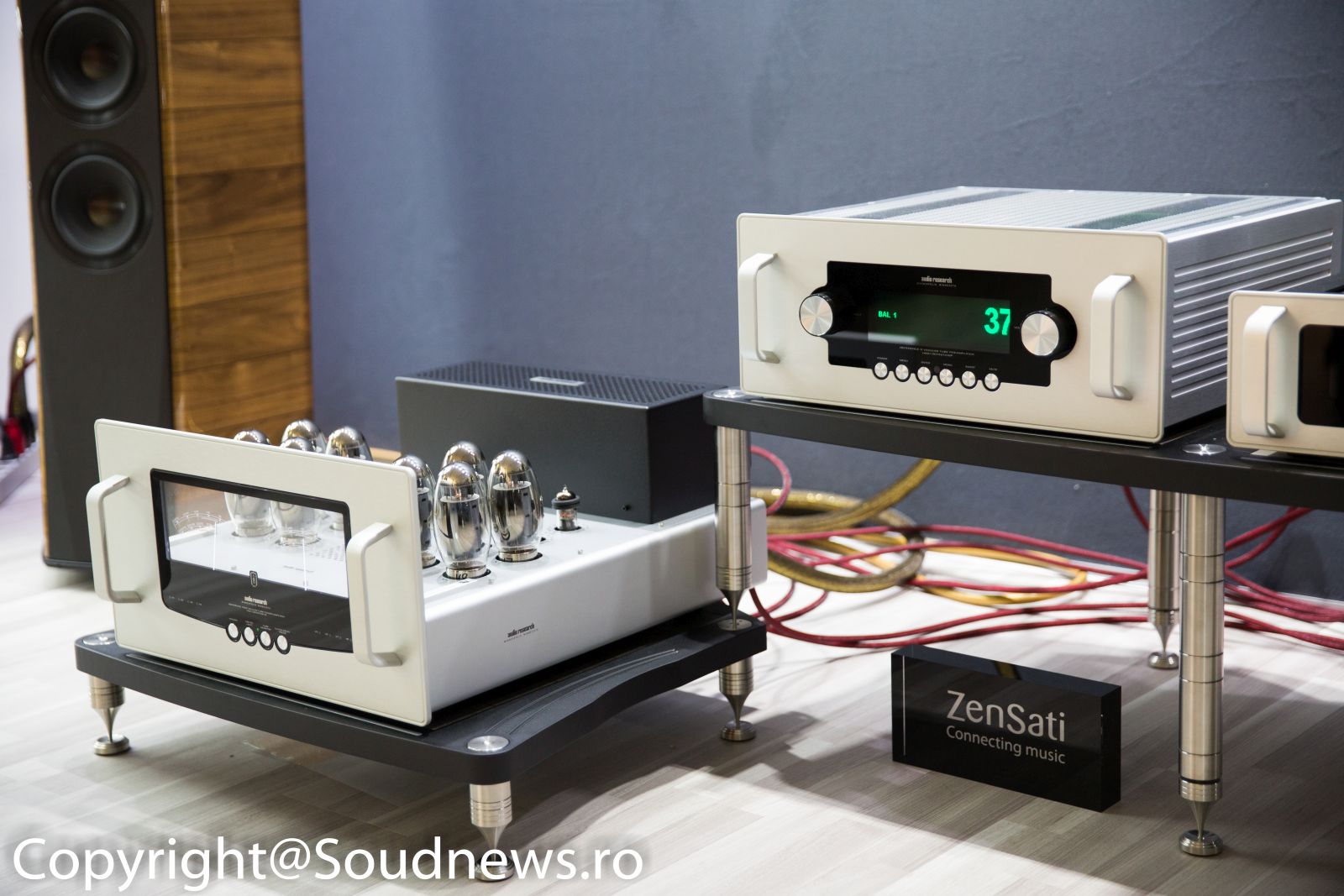
It all was possible thanks to the highest performance Qualcomm CSR8675 Bluetooth chip inside BTR3. It also has NFC for one touch pairing and the same USB type C as the μBTR. The Bluetooth light indicator underneath the front glass actually shows the exact audio codec it is being used. It seems that with my Xiaomi Mi Mix 2 the AptX-HD is being used (yellow light) which is good enough in my opinion.

BTR3 uses a high performance DAC chip, more exactly the AKM AK4376A, it is more advanced than the one found in BTR1 as it has a higher SNR number and a better dynamic range.

It also has a more powerful headphone amp inside as it offers 25mW of power into a 32 Ω load. The internal battery is a 300 mAh one that offers around 11 hours of playtime.

Compared to other two it uses a higher performance microphone with cVc noise cancelling technology, I tested it myself in various places and it works as intended.

Probably the biggest advantage over the rest is that BTR3 can be used as an external dedicated DAC for your PC. Once you connect it via the USB type C cable press 3 times the power button and the white FiiO logo will light up to inform you that DAC mode was enabled.

BTR3 has also a metal body but it is wrapped in a 2.5D glass with oleophobic coating that keeps the fingerprints away. To me BTR3 is the sexier device, it feels and sounds much nicer in my opinion compared to the other two.

A pleasant discovery

Before I start with the actual sound comparisons I should mention first a very nice feature that I discovered myself.

If you own a smart TV then probably it has Bluetooth capabilities as well. I own a 2017 Sony smart TV and how happy I was when I discovered that all 3 FiiO devices worked with my TV.

I am also a cinephile and when my family goes to sleep I tend to watch a movie or two. Until now I always lowered my speakers volume so I would not bother the sleeping beauties inside the house. Thanks to FiiO’s Bluetooth devices I can watch my movies with any headphones I want.

BTR1 and BTR3 easily drove my closed-back Sennheiser Momentum 2.0 and even the open-back HD660s with a really nice punch into eardrums.

A close friend owns the Sennheiser’s RS185 Bluetooth set for watching movies at late night but I never liked that particular set just because the RS185 headphones are not that great – they sound crowded, have poor transparency and detail retrieval and can sound muddy sometimes.

With BTR3 and HD660S all those problems go out of the window, it almost sounds like a desktop based headphone system.

For this task μBTR is quite good too with regular earphones; however it is not capable of driving bigger desktop headphones as BTR1 and BTR3 does.

Sound performance

μBTR

I will start with μBTR since it is very easy to set-up and from a sound quality perspective it is the least impressive from the rest.

It sounds Ok, nothing really stands out, but most importantly nothing is really screwed up. Overall sound signature is quite smooth, no major rises or dips can be heard, it sounds more than adequate with majority of my headphones.

Be warned that at maximum 10mW of power it is unable to drive any desktop headphones and will do an Ok job with portables. With some in-ears it is sounding too loud at times, with other IEMs it may hiss but not really bothersome. It has a small hiss with FiiO’s own FH5 but it is really faint and once the music starts playing it goes away.

Bluetooth range is quite good, I left my phone in front of my PC and started walking around the house to test the BT connection. At around 5m away and a solid concrete wall between us the connection was still going strong, another wall and I was getting dropouts, at 9 m outside in an open space I started getting drop-outs, its more than decent in my opinion.

Using my phone with lossless streaming services such as Tidal Hi-Fi it worked pretty good but again nothing really stands out, it will not impress an avid audiophile but it will work for a casual listener.
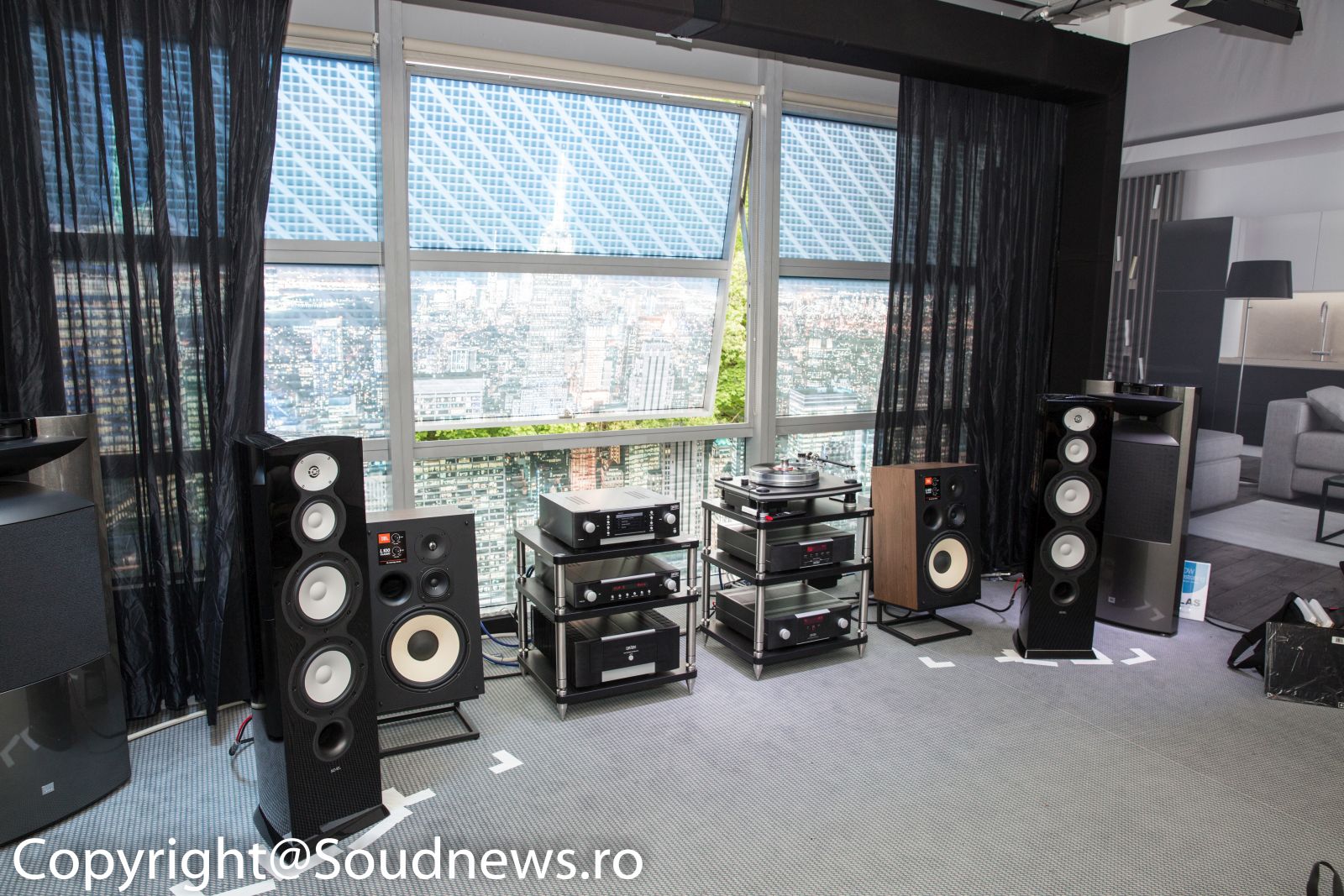
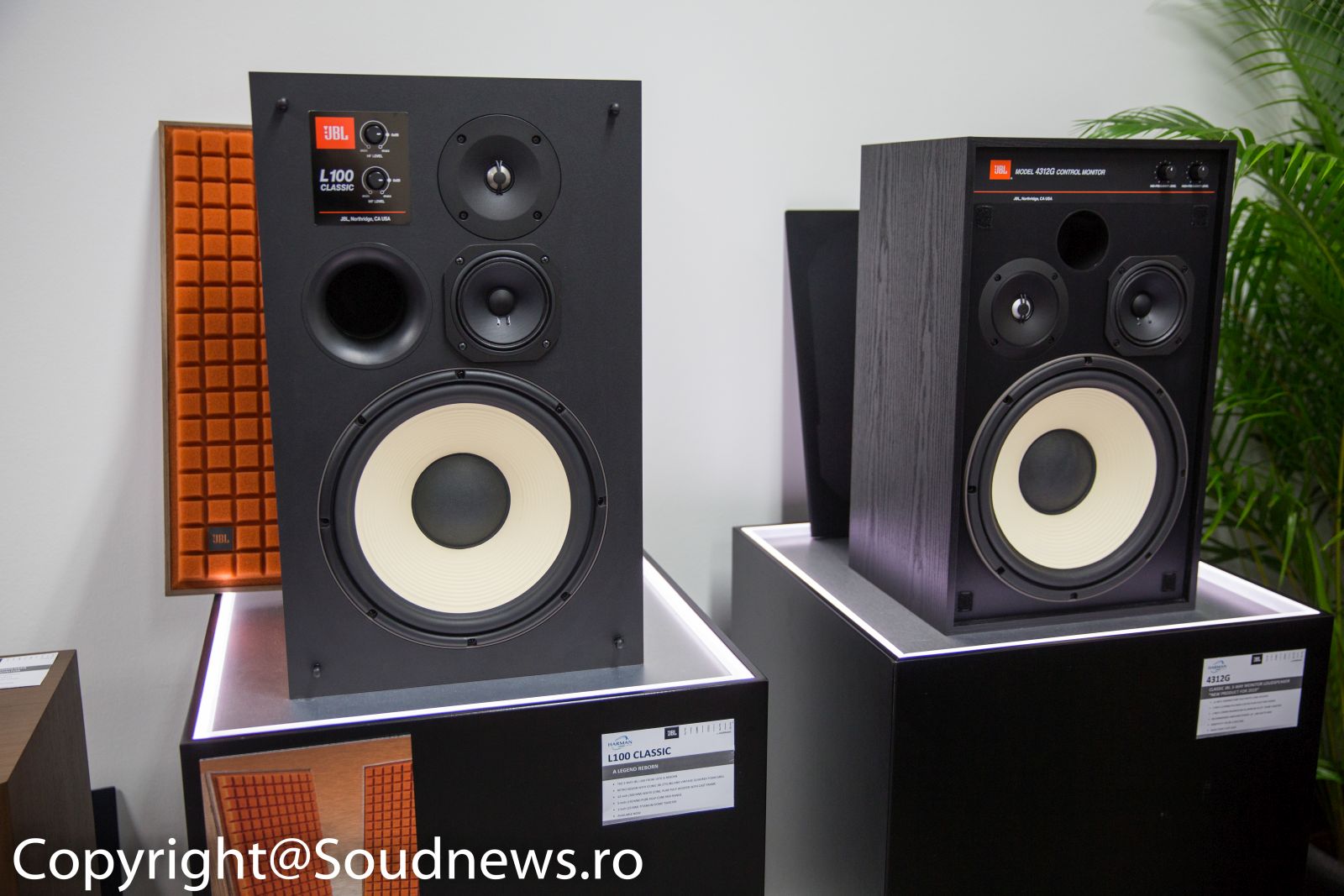
I took them out for a run of about 5 km with my phone in the right pocket and with μBTR attached to my T-shirt. Using Tidal Hi-Fi and streaming lossless tunes I’ve got very few drop-outs, I counted four short ones (more like pops and crackles) in one hour. With lossy music stored on my phone I’ve got much less dropouts, I’ve had exactly two short drop-outs during the same period of time in the next run.
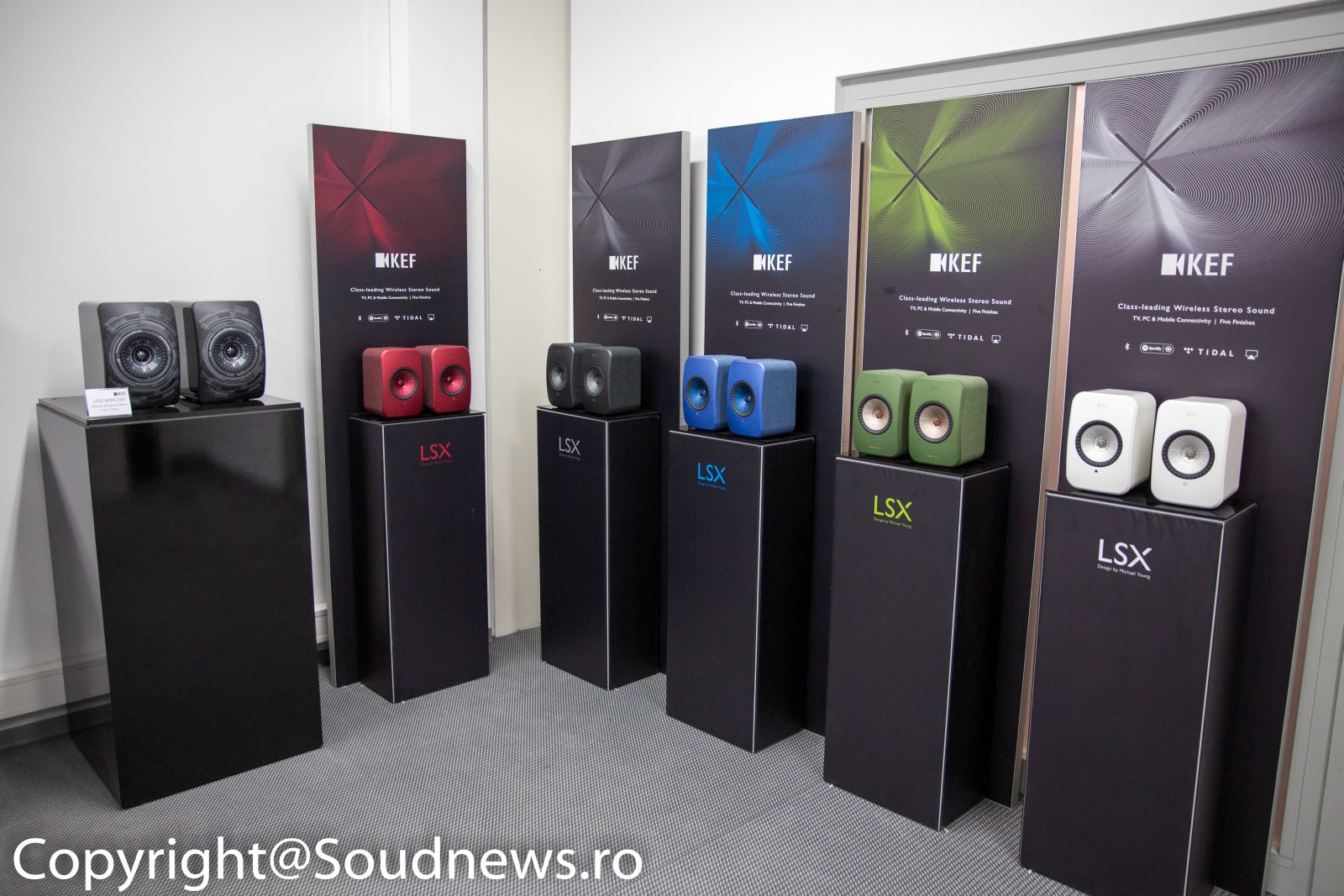
I consider it more than a decent performance and so far I liked how μBTR performed.

BTR1

I have tested BTR1 the longest period of time and can tell you more about it.

Although it doesn’t have NFC, USB type C and AAC codecs it makes up in the sound quality department. In my opinion it sounds much better than μBTR in all aspects.

BTR1 has a higher performance headphone amp and demanding headphones will sound louder, it doesn’t clip at 100% volume either.
Due to its dedicated DAC chip it sounds much wider, deeper and everything is clearly layered for the listener.

If μBTR sounded too calm and smooth for fast electronica and rock, BTR1 resolves this issue completely as it sounds not only faster and greater dynamic swings it also sounds fuller and meatier.

Actually in my opinion BTR1 have the meatiest/warmest sound of all three devices.

It has a slightly stronger mid-range influence as it is positioned more forward, so all the voices and string instruments will catch your attention easier.
I never thought a Bluetooth receiver can sound so full of substance and musical. So far I’m in love with BTR1.

It hisses a little bit less than μBTR and it’s a non-issue with FH5 hybrids.

Due to a slightly V-shape frequency response of the FH5 – the BTR1 is actually helping FH5 with its forward mid-range and due to this fact FH5 became more linear and much more musical somehow.

Bass and treble sounds much crisper, at least bass is not one-note sounding anymore and trebles have the right amount of zing. Lower and upper extremities are now present and can be easily heard on the right tracks.

I ran with BTR1 too many times connected my smartphone. When streaming lossless files via Tidal Hi-Fi I’ve rarely got any drop-outs or pops, signal power is maybe a little bit stronger than that of μBTR but its more like an educated guess than a fact. If I was using lossy files stored on my phone I’d got maximum one drop-out in an hour of running or none at all.

In an open space BTR1 goes up to 11 m of strong connection and a concrete wall will not interfere up to 7 m or so.

When I was using my TV watching movies at night, I could easily walk around the house searching for some sneaky snacks and have no drop-outs at all.

In my opinion BTR1 raised the bar for me from what I was anticipating from a BT device.

BTR3

The move from BTR1 to BTR3 is not as big as moving from μBTR to BTR1 was.
Apart from looks, all BT codecs available, USB type C and USB DAC capabilities, sound quality wise BTR3 sounds a bit better, a bit clearer and a bit louder than BTR1.

The biggest difference is that BTR1 is a bit warm/meaty sounding and BTR3 is much more linear and neutral with all headphones I’ve tested.

The midrange is not that upfront and it is more in line with the rest of frequency response, everything sounds clean and clear.

The outlines of the notes are much clearer on the BTR3 and more air around the notes can be heard as well.

Treble performance is good, maybe too good sometimes, with FH5 it is a bit tiresome in the long run, but with Momentum 2.0 it’s exactly what doctor ordered.
Treble seems like a tiny bit emphasized but not by much.

The presence of AptX HD and LDAC codecs made a bigger difference than I was anticipating, especially when I was streaming lossless music via Tidal. My phone outputs in Aptx-HD and with FiiO M7 I tested the LDAC codec.
In both cases the BT streaming sounded indistinguishable from a wired connection, a really good result if you ask me.

When I was using the BTR3 Mic when talking, the caller told me he can hear clearer my voice AND all other voices around me from the park I was running in, but no other sounds. So the cVc noise cancelling technology is doing its work – however you should know that it will block all noises other than the voices, if people around you are talking, the caller will clearly hear them as well.

In an open space BTR3 had the stronger BT connection and with a concrete wall between us it was holding the connection better than the other two, it did hold 2 concrete walls at around 4 meters away!

When running, in both cases (streaming lossless music and using local stored lossy tunes) I didn’t get drop-outs, maybe one or two on very rare occasions.

However since a smartphone has tons of sounds, notifications, apps, so on and so forth It will pop and it will crackle sometimes when multiple sounds are being played (for example a notification is being played, a Whatsapp call occurs and streaming music in the same time).

I also tested the BTR3 in the DAC mode connected to my PC, it was instantly recognized. It sounded as good as with a LDAC or Aptx-HD connection but of course no drop-outs, no nothing.

I also heard a slightly louder sound in the DAC mode than in the BT mode. Can’t explain why that happens, it is just a tiny bit louder, so not by much.

It works as intended in the DAC mode, the desktop Tidal app sees it as well and controls it as a normal desktop DAC. It may sound just a little bit better wired in this mode but there is no denying it that in all cases BTR3 performed extraordinarily!

Conclusions

All three devices performed admirable on the run, in front of my TV and on the go listening to stored or to streamed music.
I particularly liked the BTR1 and BTR3 for how much better they sounded.
For brighter headphones BTR1 will be a better match and for warmer or neutral headphones BTR3 will be a better choice.

For casual listeners or non-audiophiles (read regular/normal people) μBTR is more than enough, AptX, AAC and SBC codecs are good enough and BT connection is quite strong. It will hiss only with multi-BA or hybrid IEMs and not at all with regular earphones.

Long story short I will be keeping the BTR3 for myself, I really like that one.

Associated equipment:
FiiO μBTR, BTR1, BTR3, M7, FH5, Sennheiser HD660S, Momentum 2.0, Xiaomi Mi Mix 2


Burson Audio goes with a Bang

3

When I’ve tested the Burson Play around one month ago I was kind of impressed by it’s small footprint yet with a really big and bold sound signature.

I’m really glad that Burson started thinking out of the box this last year and sincerely I dig every new product they released so far such as Play, Fun and Bang.

Small footprint and lower desk space doesn’t mean you’ll get a lower quality sound with boring dynamics.

When I heard the Play it was everything you’d want but not boring at all and I do hope the same can be said about Bang and Fun.

Burson Audio was kind enough to send us the Bang and Fun to test the hell out of them and we did exactly that so at this time my review is concentrated around the Bang power amp that I am enjoying for a week or so.

Bang is quite small, it has the same size as the Play and Fun but when I connected it to my Davis Acoustics Eva speakers I was a bit shocked by how much gain and power it has compared to my upper class Cambridge Audio Azur 851A.

I will test the Bang connected directly to Play and to my digital pre-amp inside the Matrix Audio X-Sabre Pro and later I will compare it a bit with the Cambridge Audio Azur 851A.

Under the hood

As the manufacturer suggests: “Bang is the smallest dual mono Class AB power amp in the world. Bang’s size is deceiving as Bang packs a jaw – dropping punch!”

I agree and I can attest that, using my Davis Acoustics Eva speakers together with Play and Bang I can’t go higher than 20 volume out of 99! Take into consideration that with my Cambridge Azur 851A I was using 50 out of 100 volume for the same SPL in the same room but with a difference source.

Using four sets of Max Current Power Supplies (MCPS) developed by Burson, Bang delivers overwhelming power, speed and details.

Taking into account it’s small size and weight you might think it uses a Class D amplifier stage, but you would be wrong. Bang is using a purist Class AB output stage for an organic, transparent and musical sound.

Bang is quite versatile as well because it has an internal gain buffer stage with selectable impedance levels.

It doesn’t matter if you are using a portable DAP, a desktop DAC or a high performance pre-amp, Bang will work with any of them giving you’re the perfect performance and volume control every time.

Bang’s input buffer stage in basic form is controlled by a single NE5532 op-amp but you can change it to your liking with a better performing op-amp like Burson’s own V6 Vivid Dual or V6 Classic Dual op-amps to squeeze the best out of it.

I am using the basic NE5532 version, but don’t worry as in it’s stock form Bang impressed me enough.

It wouldn’t be a Burson device if it would not use highest performance ELNA aluminum electrolytic capacitors and Vishay resistors; we literally see them in every Burson product.

Burson states that Bang has around 40W of power into 4 Ohm load and around 29 W into 8 Ohm loads but after hearing it with my speakers I am thinking they didn’t get the numbers right as it sounds much more powerful than that.

There are two possibilities: It has a higher power output and Burson somehow didn’t measure it right or the second one would be that Cambridge Audio inflated too much their power ratings to have a higher sales numbers on their hands. We will probably never know the truth but I am betting on the second possibility.

I am kicking myself in the nuts of not having at the time of writing a pair of stand-floor speakers as I anticipate Bang would drive those to ear bleeding levels and have some power reserve left.

For my Davis Acoustics Eva, Bang is too much, much more than enough, at 15% volume my desk trembles, at 20% volume my neighbors are knocking on the wall to lower my volume levels, it has gobs of power!

I want to add that for a better impedance matching I used the Burson Cable Pro+ between the Play and Bang to better evaluate its acoustic properties.

Lets go with a Bang shall we?

Audio Performance

As you probably guessed Bang drives my Davis Acoustics Eva with tons of headroom left on the volume dial.

I did test it with Play, Fun and with my digital preamp inside the X-Sabre Pro DAC.

Play + Bang was the easiest setup to play with as you have everything you need for a small yet powerful setup for all your headphones or speaker needs.

I think the Preamp section of Burson Play is too powerful, as I never got more than 20 on the volume dial.

First thing I noticed is that Bang is free of any noise; even at lowest volumes background is free of any noise or hum.

Secondly after pressing play I’ve heard an easiness of sound that often is heard only in Class A or Class AB amplifiers, but wait Bang is a Class AB design so this makes sense now.

Bang has a really good flow with any type of music, it’s like any music fast or slow, with longer or shorter decays will always sound natural and easy going. It is a type of sound that you don’t want to analyze but just relax and enjoy for a longer period of time.

Actually this just happened to me, I sit down trying my best critically evaluating the Bang on all its sides, but after few tunes I brought a glass of wine, put my legs on the table, took the keyboard away and just enjoyed the music for the rest of the evening.

The next day I put some Subcarpați – De Dor Și De Bucurie and involuntarily started tapping my feet. This simple yet complex tune has everything from the frequency response point of view.

From lowest sub-bass to the upper treble I didn’t notice any dips or rises in the FR, so I can’t say it lacks or adds anything into the mix.

However I felt a stronger bass response and a hint of naturalness on mid-range that again is heard mainly on high quality power amps.

There are few seconds at the start of the tune where sub-bass rumbles a bit longer than normal and I was curious if it will distort, it didn’t, way to go Burson.

Actually sub-bass response is really good, in my opinion it has the right amount of decay and rumble.

The same can the said about the bass response.

Trying the latest Infected Mushroom album, listening to Groove Attack track at the 01:00 minute mark a deep and clear bass response should be heard and with the right gear it really shakes you up. Bang passed the bass test with flying colors.

Mid-range performance is where I think Bang shines the most as it adds just a little character of its own to make it unique sounding.

Yes, that is right; mid-range goes a bit upfront compared to the rest of the spectrum. Most of the time the attention will be caught by the musical mid-range performance, can’t say I dislike that, but can’t say it’s a linear performance too.

Depending on the taste, if you prefer a slightly musical performance Bang will be to your liking. My speakers do not have a lot of mid-range presence so the Bang actually helped a bit.

Voices and string instruments have just a tiny longer decays than how I would call natural decays, the notes are lingering just a little bit longer than how for example I’ve heard on Play but that is all right.

Bang sounds quite fast, but it’s not reference material for sure in term of speed and impact. My Cambridge Azur 851A sound faster and kicks harder but it’s also 3 times more expensive so it should not be a surprise.

Truth to be told I was immensely enjoying the Bang with everything from fast to slow music. Even if decays are a little bit longer it doesn’t mean sound will be muddy or uncontrolled. With Bang it was quite the opposite.

Bang almost never sounds crowded or muddy.

But possibly more importantly is that it has lots of control over speaker transducers, I never experienced sloppy dynamics or any kind of muddiness.

In this regard Bang stays among the clearer side of power amps I’ve heard in the past.

Treble in my opinion has the right amount of zing and energy. It is never too edgy and abrasive but always just a bit crispy and clear. I would probably want just a tiny bit more energy up top to be called a linear performance.

I think it will work well for bright speakers and with linear ones, with mid-range heavy speakers it might be too much, it should be tested in advance for a good match.

Overall I think it matches well with majority of speakers, can’t say a lot about the stand-floor speakers, don’t have a pair at this moment but with higher sensitivity ones it should be enough.

Soundstage performance is better than expected; especially looking at its size and at those power ratings.

It never sounds tiny or crowded, the stage is medium to large in size and it fills the room quite nicely. I tried my speakers in two rooms, one that has around 13 mp and one that has around 34 mp, in both rooms but especially in the bigger one the sound really opened up and a real sense of scale was heard.

The next day I decided to use the Bang with my reference DAC – Matrix X-Sabre Pro that also has a digital pre-amp section.

Well the stage opened up even more, sound became not just wider but much more deeper.

I started hearing voices not in front of my speakers but behind them, a weird but interesting effect.

Speed ranked up, impact was better and the FR overall became more linear.

More details could be picked up and sound became even more controlled, it should not come as a surprise as X-Sabre Pro is much more expensive than the Play Basic.

Comparison with my Cambridge Audio Azur 851A

Burson Bang goes for 500 USD/EUR and Azur 851A for 1500 USD/EUR so it is not a fair comparison at all but an interesting one.

Using the same source (X-Sabre Pro) I finally got a better sense of power and scale with Azur 851A. I had more volume with Azur 851A but not much more as I was expecting. Azur 851A kicked a bit more and sounded more linear.

However, Burson Bang sounded more…alive, it has a touch of warmth that could really help in some situations.

What really impressed me is that Bang sounded as clear as the Azur 851A. Not a single micro-detail was missed, not a single note was unheard and for that I think Bang punches way above its weight and price point.

Conclusion

For a simple and elegant desktop solution I can recommend enough the Burson Bang, it is just perfect in a small environment, hell it even worked great in my living room as I didn’t hear any soundstage or scale restrains.

It always sounded big and bold; it is exactly how Burson gear always sounded.

Having bogs of power, a large soundstage and a natural tone, you really can’t go wrong with the Bang.

Burson again goes with a Bang! Until next time my friends!

PROS:

  • Great sense of scale, wide spread soundstage
  • Sounds much bigger and powerful compared to its size
  • Pretty linear FR with just a slight midrange emphasis
  • Natural tone with a great sound flow
  • Quality and minimalist construction
  • Works great with Burson Play an Fun
  • Very good price/performance ratio

CONS:

  • A slight grain on treble

ASSOCIATED EQUIPMENT:

  • Speakers: Davis Acoustics Eva, KEF LS50W
  • Power amp: Burson Bang
  • Integrated amp: Cambridge Audio Azur 851A
  • Pre-amps: Burson Fun, Matrix X-Sabre Pro
  • DACs: Matrix X-Sabre Pro, Burson Play
  • Cables: Burson Cable Pro+, Kimber PR8, QED Reference

KEF LS50 wireless vs KEF LS50 pasive
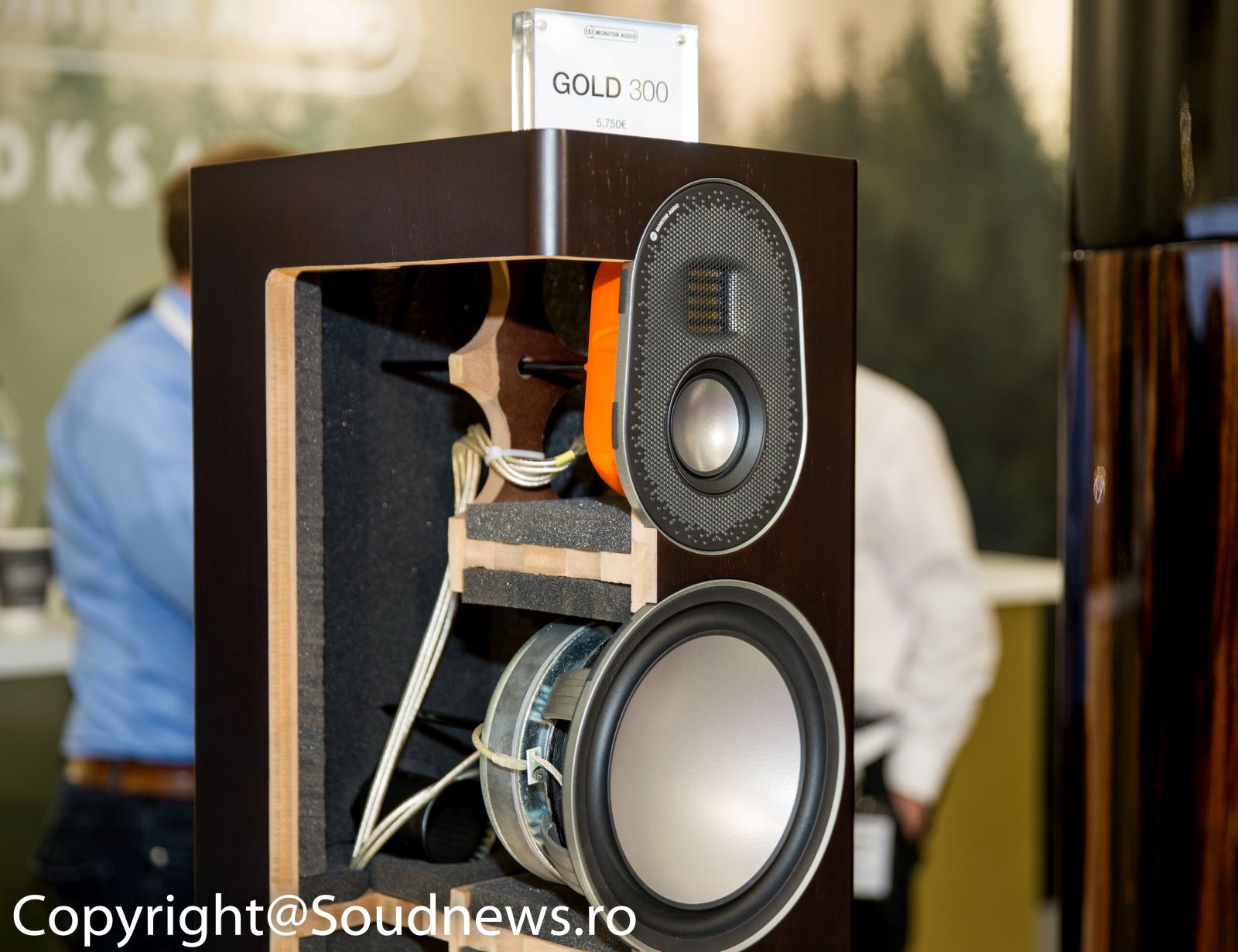
7

Salutare prieteni.

Cine mi-a urmarit testele comparative cu boxe de pana in 2000 de lei si respectiv pana in 4000 de lei a inteles prea bine ca batranul Darku vaneaza o pereche de boxe din gama superioara.

La un moment dat insa aceasta misiune devenise prea obositoare. Am carat acasa de nenumarate ori boxe de la diversi producatori si la diferite niveluri de pret insa nici una din ele nu m-a impresionat cu adevarat.

Am dat vina pe electronice, am dat vina pe camera netratata acustic, am dat vina pe alcoolul din sange, insa nu si pe urechile de critic.

Spre exemplu Monitor Audio Gold 300 au sunat necontrolat pe bas iar inaltele mi-au parut obositoare pe termen lung, Audio Physic Tempo Plus au sunat interesant si extrem de natural insa mereu lipsea ceva: sclipiciul pe inalte si controlul absolut pe care il tot cautam.

Din pura coincidenta am dat peste niste KEF Reference 3 si am stat jos sa le ascult pret de cateva minute si acela a fost momentul cand mi-am dat seama ca acesta este sunetul care mi-l doresc: acuratete, viteza si impact, sclipici pe inalte, bas adanc, foarte controlat si executat cu mare precizie. Acelasi sentiment l-am avut dupa ce am ascultat si KEF Blade 2 insa totul a devenit mai impunator, mai grandios, scena infinit mai larga si mai adanca.

Dupa ce am verificat pretul respectivelor modele am coborat cu picioarele pe pamant si am decis sa ascult micile si simpaticele LS50 de la acelasi producator. Sunetul auzit a fost foarte apropiat de cel auzit in Reference 3 cu exceptia scenei acustice care era sensibil mai mica, sunetul devenise mai putin adanc, basul nu cobora atat de jos, insa impactul, controlul si detaliul absolut erau la locul lor.

Am decis sa le imprumut si pentru a face un test mai interesant am luat si o pereche de LS50W (wireless).

Design si specificatii

N-am kef de specificatii tehnice, care oricum le gasiti pe site-ul producatorului insa vreau sa mentionez ca driverul UNI-Q este cu totul si cu totul special. In primul rand este exact acelasi driver coaxial folosit in Reference 3, Reference 5 cat si in frumoasele Blade 2, boxe de cateva ori (zeci de ori in ultimul caz) mai scumpe decat micutele LS50 si LS50W.

Avand in vedere ca tot spectrul acustic este redat de un singur difuzor coaxial format dintr-un tweeter de aluminiu de 2.5 cm si de un woofer de 13 cm din magneziu si aluminiu, sunetul redat devine foarte inchegat si legat, iar precizia inalta este auzita pe absolut tot spectrul acustic.

De multe ori boxele construite pe mai multe cai au un crossover complicat si pot avea probleme de timing, gropi pe anumite frecvente si deseori exista un spatiu gol intre frecventele joase si cele inalte.

Datorita difuzorului coaxial LS50 cat si LS50W sunt complet lipsite de aceste probleme iar prestatia lor mi-a amintit de sunetul castilor de top, care redau la fel tot spectrul acustic folosind difuzoare full-range fara a mai avea probleme de timing.

LS50W (wireless) sunt complet alt animal fata de LS50 pentru ca sunt conduse de doua amplificatoare interne dual-mono de 230W putere, inglobeaza un DAC Hi-Res ce stie 24 bit/192 kHz si supriza: mai au si un streamer integrat foarte inteligent.

LS50W ofera 4 conexiuni digitale: USB, Optic, Wi-Fi si Bluetooth (Apt-X). Producatorul ne pune la dispozitie si o aplicatie care integreaza serviciile de streaming Tidal, Spotify, Roon si DLNA si un tuning acustic precis in cazul in care se doreste integrarea ulterioara a unui subwoofer.

Pe scurt LS50W sunt compuse din: Boxele LS50, DAC-ul Hi-Res, amplificatoarele dual-mono de 230W si un streamer inteligent controlat direct de telefonul Dvs.

Cat de cool pot fi aceste boxe? Deja am inceput sa ma uit ca un vulpoi la frumoasele LS50W.

Ambele boxe sunt foarte dragute avand un look modern si minimalist. Calitatea constructiei este la un nivel ridicat iar finisajele sunt incredibile pentru acest nivel de pret.

Electronicele folosite pentru test

KEF LS50 au fost conduse de catre un Cambridge Audio Azur 851A conectat la un DAC Matrix X-Sabre Pro ruland Tidal Hi-Fi. Am folosit cabluri QED Reference XLR, Audioquest Type4 si Kimber PR8.

KEF LS50W au fost folosite atat in combinatie solo cat si legate la X-Sabre Pro pentru a face o comparatie cat mai obiectiva si reala fata de LS50.

Si acum sa cante muzica!

Ascultand muzica ritmata mi-am dat seama ca driverul coaxial poate face minuni creand un impact sensibil in piept si in timpane. Pe langa timing-ul excelent este foarte evidenta viteza si controlul de care sunt capabile aceste boxe.

Mai mult ca niciodata mi s-a facut pofta de ceva Daft Punk asa ca am dat play albumului Random Access Memories.
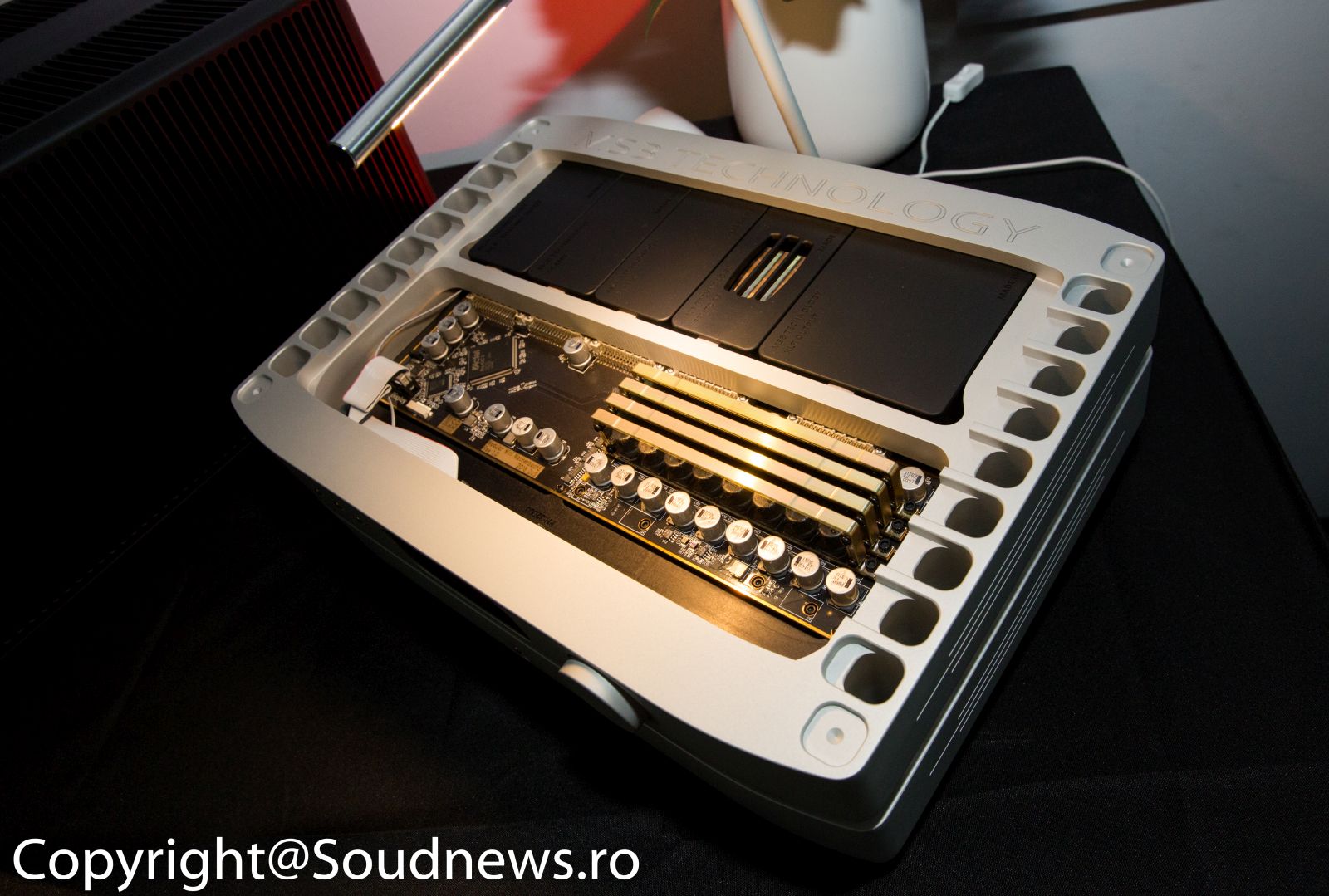
Prestatia auzita a fost incredibila cu exceptia basului care mi-as fi dorit sa coboare mai jos si sa loveasca mai tare in piept.

Precizia chirurgicala a ramas intacta, urcusurile dinamice mi-au creat fluturi in stomac, iar nivelul ridicat al dopaminei din sange mi-a ridicat dispozitia imediat.

Asa da! Asa mai merge!

Boxele stau intr-un spatiu deschis de aprox. ~33 mp in care prima jumatate a camerelei este livingul.

Boxele asezate mai aproape de perete (20-30 cm) mi-au oferit prestatia cea mai naturala, accentuand putin basul care initial era dat in urmarire generala.

Mixul bine pus la punct dintre voci, chitari, tobe si sunete digitale imi puneau la mare incercare imaginatia. Notele muzicale erau plasate natural intr-un camp tridimensional. De exemplu vocile in majoritatea cazurilor veneau din perete sau din spatele sau, clopoteii in auzeam undeva in partea dreapta sus, micile detalii ascunse mi se pareau destul de accentuate comparativ cu alte modele de boxe ascultate anterior.

Vocile si instrumentele bazate pe corzi au avut o textura naturala si simteam lejer corpul acestor sunete. Sunetul per toal a fost plin si palpabil. Vocile niciodata nu au fost seci sau fara vlaga. Viorile si chitarile au avut o vibratie prelungita si un ton placut. Efectul de terci des intalnit pe modele entry spre clasa mijlocie nu s-a regasit deloc.

Boxele au o precizie si o extragere a detaliilor mult peste medie, nu as dori sa dau exemple dar au sunat mai bine decat concurenta la acelasi nivel de pret.

Inaltele auzite pe Radiohead – OKNOTOK mi s-au parut foarte prezente si definite intr-un fel, aparte si foarte diferite de cele auzite pe tweeterele din matase sau cele din ribbon.

Au un sclipici clar si bine definit, insa nu sunt abrazive si nu tipa deloc.

Trecerea de la mid-bas catre medii si ulterior catre inalte se face atat de natural si real, nu am mai auzit asa efect pe boxele conventionale pe mai multe cai care au un sunet mai incoerent, unde unele note le aud primele si altele le aud cu un mic decalaj, nu exista asa ceva pe LS50.

Mid-basul este bine pus la punct si suna curat, pe unele piese se aud valuri de mid-bas ce demonstreaza capacitatea boxelor de a reda basul pe mai multe niveluri.

Sub-basul a avut de suferit insa, dar nu este de mirare avand in vedere dimensiunile boxelor si a driverului coaxial. Daca nu folositi aplicatia KEF Music boxele coboara pana la 45 Hz pe setarea standard din fabrica, in aplicatie le poti stresa folosind optiunea “more bass” in urma careia basul va cobora pana la 40Hz, insa pe aceasta setare basul nu mai este la fel de curat si pare usor incordat, ca sa nu spun bubuit.

Recomand setarea standard si o apropiere de peretele din spate pentru un bas mai adanc si mai dinamic.

Desi nu este adanc sub-basul suna mereu curat si bine aerisit iar la nevoie poate fi ajutat prin integrarea unui subwoofer ceea ce am si facut ulterior.

LS50W + SVS SB1000 = Sex Aural

Monsieur Savu detine subwooferul SVS SB1000, l-am imprumutat in ideea imbunatatirii performantei basului pe muzica de test.

Aplicatia KEF Control disponibila pentru terminalele Android si iOS pune la dispozitie destule setari pentru o integrare usoara a unui subwoofer in camera de auditii.

Integrarea e usoara…insa tuningul dupa ureche nu este. Nu am avut la dispozitie un microfon pentru calibrare si masurare a frecventelor asa ca tuningul s-a facut urechiometric.

Mi-a luat 2 zile pentru a gasi cea mai buna setare, dupa ureche bineinteles.

Dupa nenumarate teste mi-am dat seama ca boxele suna cel mai bine in modul full-range iar un filtru high-pass va strica echilibrul tonal, pentru ca in afara de bas el modifica nitel si prestatia mediilor, inclusiv a vocilor. Jucati-va si voi cu aplicatia respectiva si probabil veti simti acelasi rezultat.
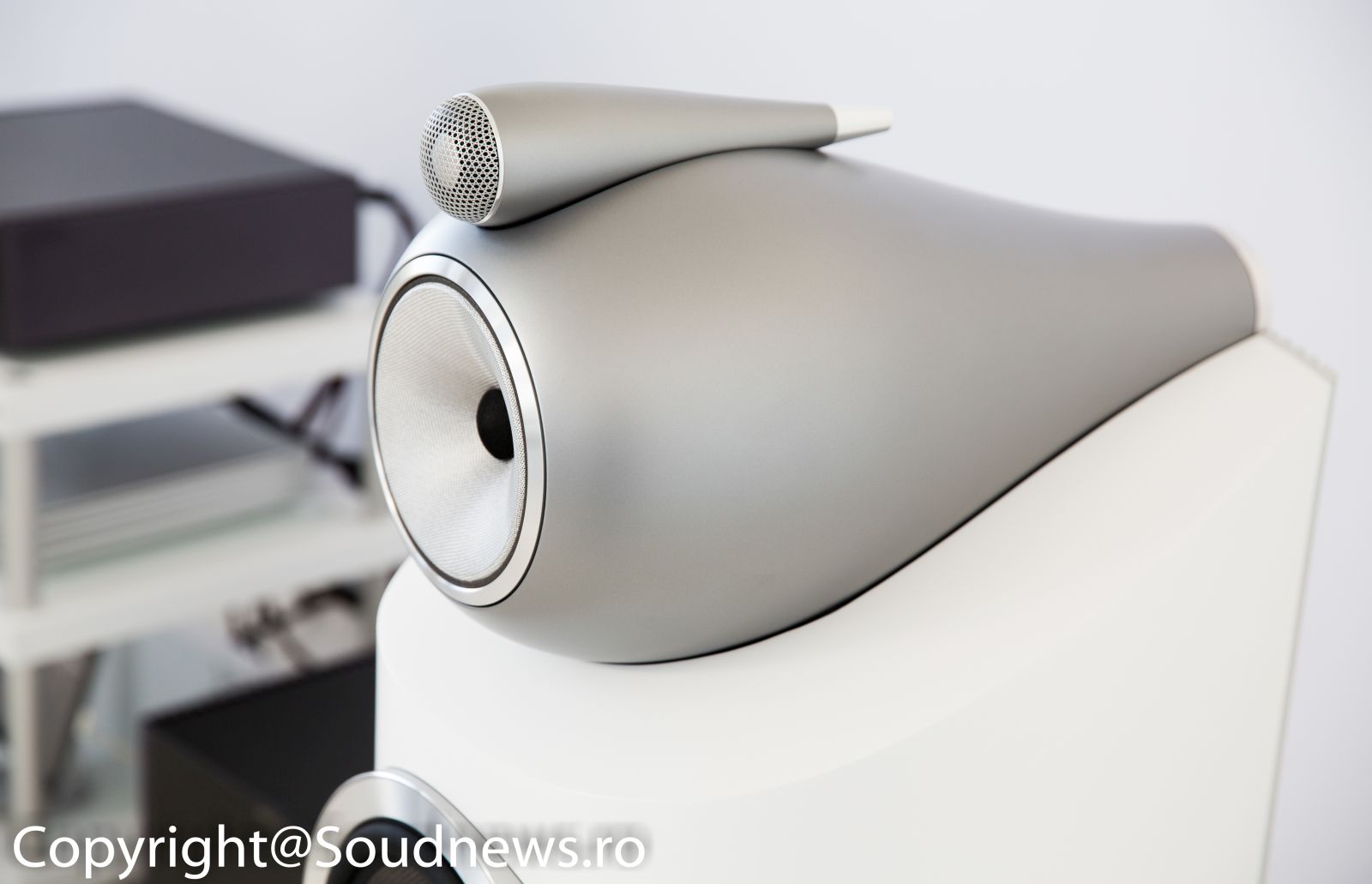
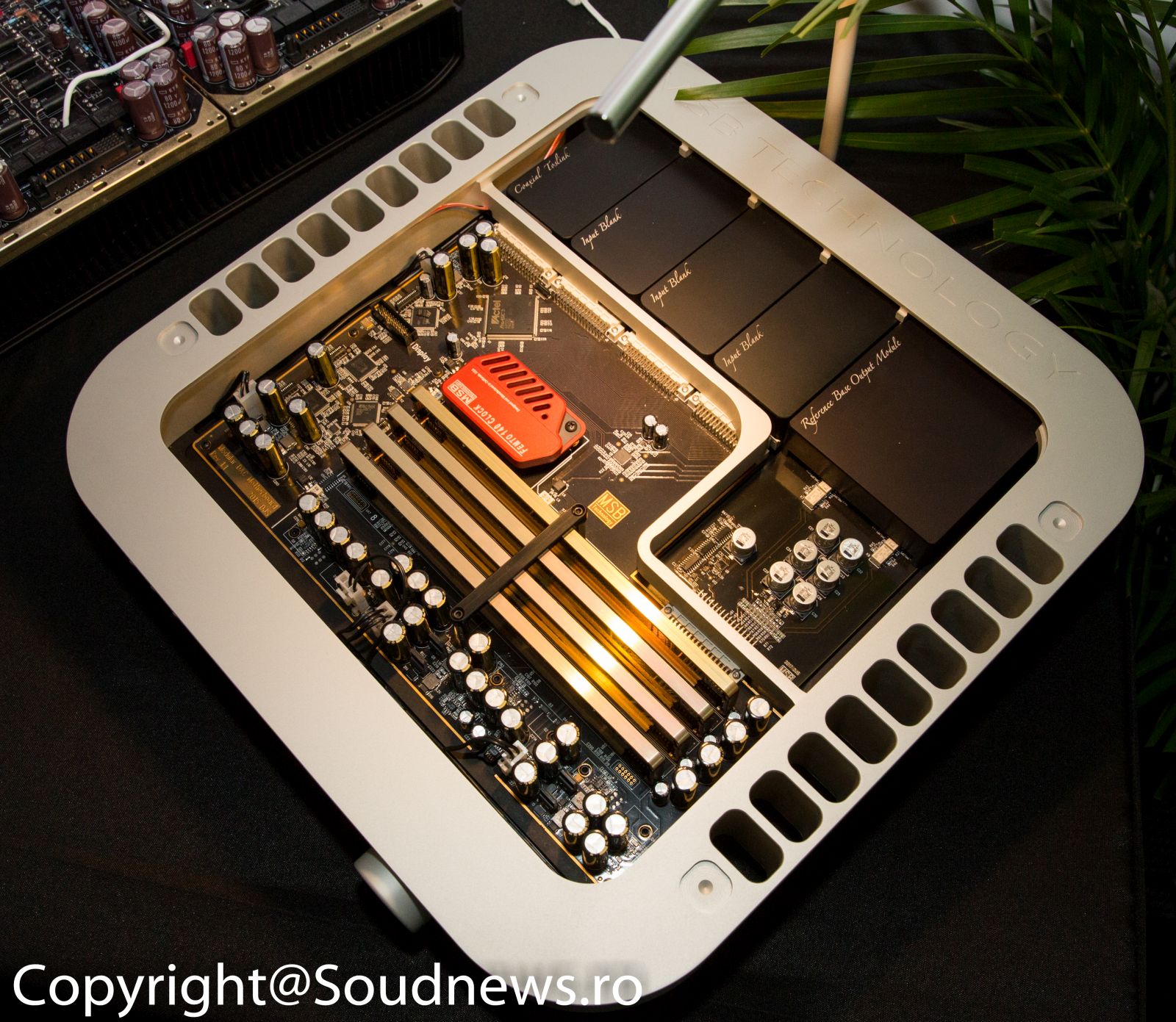
Filtrul Low-pass a fost setat la 70 Hz, adica subwooferul se va ocupa doar de frecventele de pana la 70 Hz, iar de restul se vor ocupa boxele. Cu cat maream frecventa filtrului Low-pass cu atat dadeam o sarcina mai grea subwooferului iar sunetul devenea mai murdar si mai distorsionat, ca sa nu mai spun de rezonantele si distrorsiunile suplimentate induse de camera datorita unui SPL mai ridicat.

Volumul subwooferului il tin la max 40% iar volumul din aplicatie la -9dB.

Ca sa fie mai clar atasez 2 capturi de ecran.

Pentru mine aceste setari au sunat cel mai corect, basul astfel mi s-a parut corect si dinamic, avand atacul destul de bun fara a influenta negativ claritatea basului.

KEF vs. KEF

Personal as alege oricand LS50W in detrimentul LS50 chiar daca sunt de doua ori mai scumpe si va zic de ce:

Cambridge Audio Azur 851A este un amplificator peste medie, fiind mare si greu, cu o rezerva de putere chiar si pentru boxele de podea, costa putin peste 7000 Ron si totusi supriza mare a fost cand l-am conectat la LS50 si mi-am dat seama ca nu suna la fel de bine ca LS50W in varianta solo.

Pentru o comparatie corecta LS50W au fost conectate si ele la DAC-ul Matrix X-Sabre Pro, deci ambele foloseau aceeasi sursa, amplificarea a fost factorul decisiv dintre cele 2 modele.

LS50W au sunat mai dinamic si mai vioi, parca mai exploziv pe unele piese, pe cand LS50 sunau mai lent si mai calm cu urcusuri dinamice mai lente.

Impactul a suferit cel mai mult, diferenta nu a fost uriasa dar sesizabila in cazul meu.

Ascult in majoritatea cazurilor muzica rapida cu urcusuri dinamice des intalnite si din acest motiv LS50W au sunat mai impresionant.

Daca mai iau in calcul DAC-ul Hi-Res si streamerul intern al LS50W atunci LS50 sunt demult in KO.

Daca aveti deja in dotare un amplificator stereo foarte bun, poate mai potrivit decat Azur 851A – nu neaparat mai scump, dar cu sinergie mai buna – atunci discutia se schimba si LS50 pasive pot fi varianta castigatoare.

Concluzii

Per total LS50 dar mai ales LS50W m-au impresionat nespus datorita pachetului All-In-One si a sunetului pe masura. Ambele modele mi-au demonstrat din nou ca exista un salt urias fata de boxele folosite in testele precedente.

Este primul meu contact cu un driver coaxial care suna complet diferit fata de boxele conventionale pe mai multe cai, efectul de perete de sunet este foarte prezent pe LS50/W iar erorile de timing practic nu exista.

Incerc de mai bine de 6 luni sa fac un sistem pe masura format dintr-un DAC, amplificator integrat si boxe iar pana acum nimic nu a sunat asa cum mi-am dorit in camera de auditie, abia LS50W se apropie de etalonul pe care il caut.

Prin urmare am decis sa ma calmez si sa raman cu o pereche de LS50W.

Super duper recomandate!

PRO:

  • Claritate si transparenta acustica foarte ridicata
  • Extrag cu usurinta detaliile ascunse
  • Echilibrul tonal este bine pus la punct
  • Trecerea lina intr-un mod natural de la bas la medii si la inalte
  • Suna mult mai larg decat dimensiunea pe care o au
  • Finisaj de calitate
  • LS50W sunt un sistem All-In-One!
  • Intr-o camera corecta LS50/W suna ca un sistem high-end

CONTRA:

  • Scena limitata in adancime
  • Sub-basul neimpresionant
  • 99% veti avea nevoie si de un subwoofer bun

Echipamente folosite pentru recenzie:

  • Boxe: KEF LS50, LS50W, Audio Physic Tempo Plus
  • Amplificator integrat: Cambridge Audio Azur 851A
  • DAC: Matrix X-Sabre Pro + X-SPDIF2, Chord Hugo2, FiiO Q5
  • Cabluri: QED Reference, Kimber PR8, Audioquest Type4, Burson Cable+ Pro


Cele mai comentate articole