
Acasă Blog Pagina 3

FiiO Q5 – Regele Liniaritatii

4

Asteptam de mult timp un combo DAC/Amp de top de la FiiO, mai ales daca luam in considerare ca ultimele astfel de aparate au fost E18 si E17K lansate acum 4 ani si respectiv 3 ani in urma.

Q1 Mk2 mi-a demonstrat ca FiiO nu si-a uitat clientela de odinioara, dar eu asteptam ceva superior, ceva care sa ma surprinda si sa ma uimeasca.

Stiam prea bine ca se lucreaza la noul flagship Q5 de mai bine de doi ani – amiralul producatorului in materie de DAC/Amp. In sfarsit este lansat si avem posibilitatea sa il bibilim si testam minutios atat pe casti cat si pe boxe.

FiiO Q5 inlocuieste E17K/E18 si toti predecesorii sai, oferind nu doar un sunet mai bun si amplificare mai potenta de casti, dar si functii noi mult asteptate.

Ce reprezinta de fapt noul Q5?

In primul rand este un adevarat hub audiofil, atat pentru casti cat si pentru boxe, numai bun de folosit pe strada cu un telefon inteligent prin Bluetooth sau prin cablul microUSB dar poate fi si un DAC potent pentru PC-ul Dvs sau pentru sistemul Hi-Fi din sufragerie.

Sub capota Q5

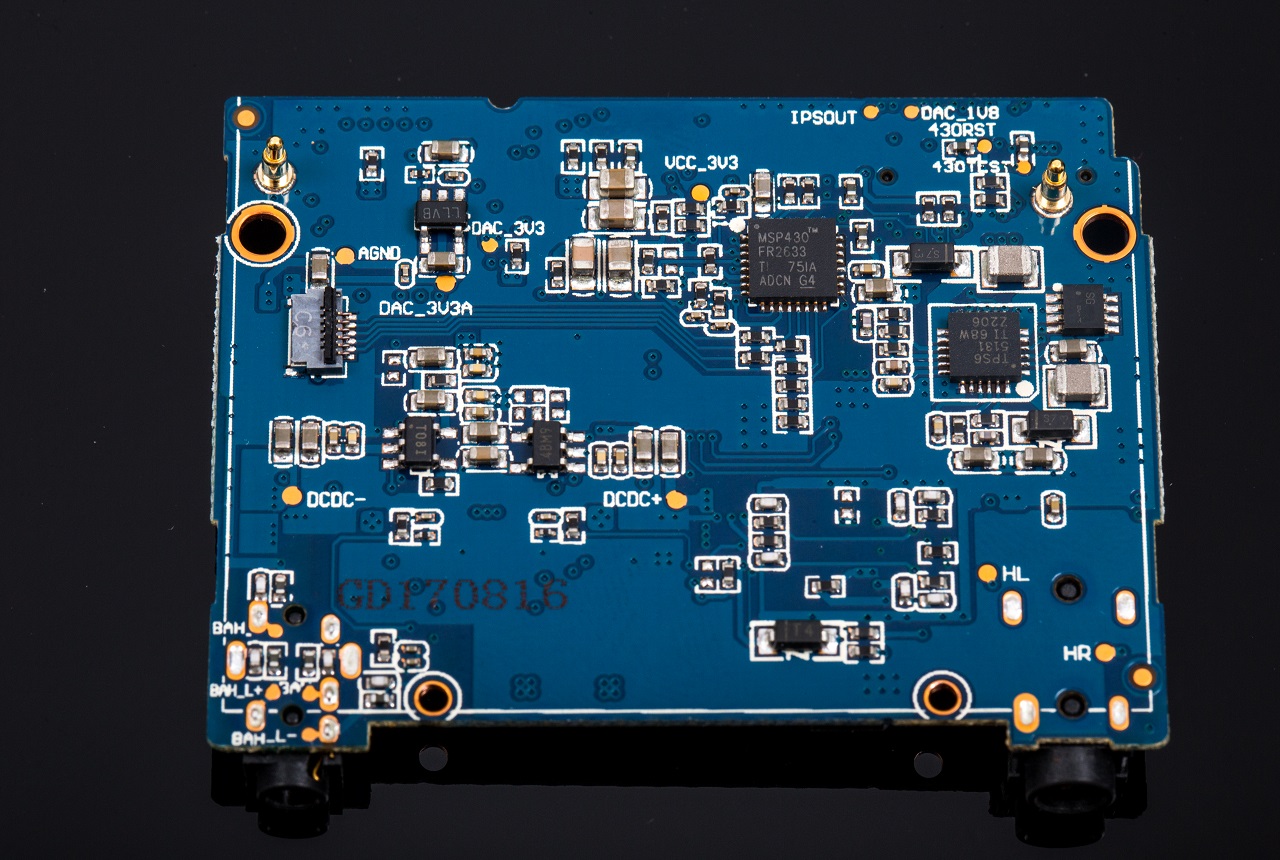
Hardware-ul a fost ales cu mare atentie, Q5 fiind burdusit cu multe componente de top, multe dintre ele se regasesc doar in echipamente mult mai scumpe.

Inima aparatului o reprezinta cele doua chip-uri de la AKM si anume AK4490EN folosite din ce in ce ma des in industria audio datorita sunetului catifelat si rezolut. Cele doua DAC chip-uri sunt capabile sa decodeze atat material PCM pana la 32bit/384 kHz si material DSD nativ pana la DSD 256!

De intrarea USB se ocupa noua generatie XMOS, mai exact interfata XMOS XUF208 care ofera stabilitate, zgomot digital (jitter) redus si transport nealterat al semnalului catre celelalte componente.

Doua bucati Textas Instruments OPA1642 de inalta performanta se ocupa de filtrul low-pass care transmit semnalul catre modulul de amplificare casti AM3A, adica acelasi modul folosit si in playerul X7 MkII.

Amplificarea se face de catre un amplificator operational OPA8620 (JFET) si un OPA926.

Initial acest modul a fost conceput pentru playerul de top X7 MkII, insa datorita performantei ridicate a acestui modul s-a decis folosirea lui si in Q5. Puterea de iesire este totusi putin mai mare fata de X7 MKII (470mW in 16 Ω fata de 380 mW in 16 Ω pe X7 MkII folosind iesirile balansate).

Pentru fiecare circuit in parte s-au folosit 7 regulatoare de tensiune, pentru a oferi tensiune curata care stim ca direct afecteaza performanta audio.

Q5 poate primi date si prin Bluetooth, chip-ul folosit este Qualcomm CSR8670 care ofera suport oficial pentru AptX. Inainte de a ridica o spranceana trebuie sa stiti ca decodarea nativa prin aptX o vor face tot cele doua AK4490 si nu decodorul integrat din CSR8670. Deoarece este inca imposibil de transmis in timp real un stream de date PCM in format 16 bit/44.1 kHz, aptX a fost alegerea potrivita datorita compresarii semnalului pana la 352 kb/s (rata de compresie este de 4:1), care poate fi suficient pentru majoritatea ascultatorilor. Desi tehnic chip-ul Bluetooth poate suporta BT versiunea 5.0, la momentul testarii versiunea BT este 4.2. Din cate inteleg in viitorul apropiat ar putea aparea update-uri de firmware care printre altele pot updata si versiunea de Bluetooth, inclusiv la aptX HD.
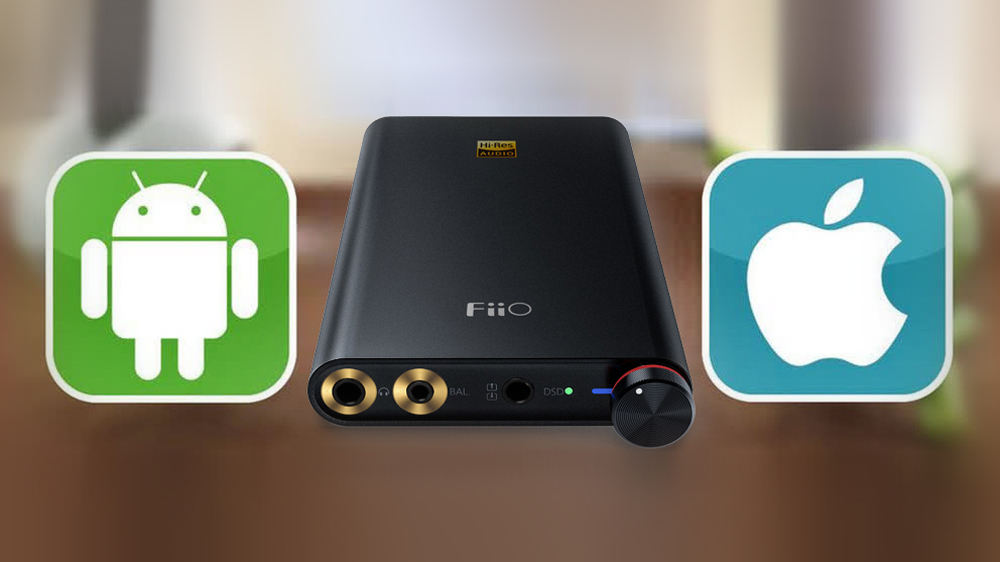
Ca si in cazul Q1 Mk2, noul Q5 este certificat MFI (Made For iPhone) si functioneaza perfect cu terminalele iOS, atat prin cablul microUSB > Lightning din pachet cat si prin Bluetooth. El va functiona si cu terminale Android, desi producatorul nu specifica acest lucru. Totusi recomand testarea in prealabil pentru a verifica functionalitatea pe telefoanele Android. Din testele noastre a functionat perfect cu toate aparatele dotate cu USB-C si cu toate terminalele Android ce suporta OTG audio out.

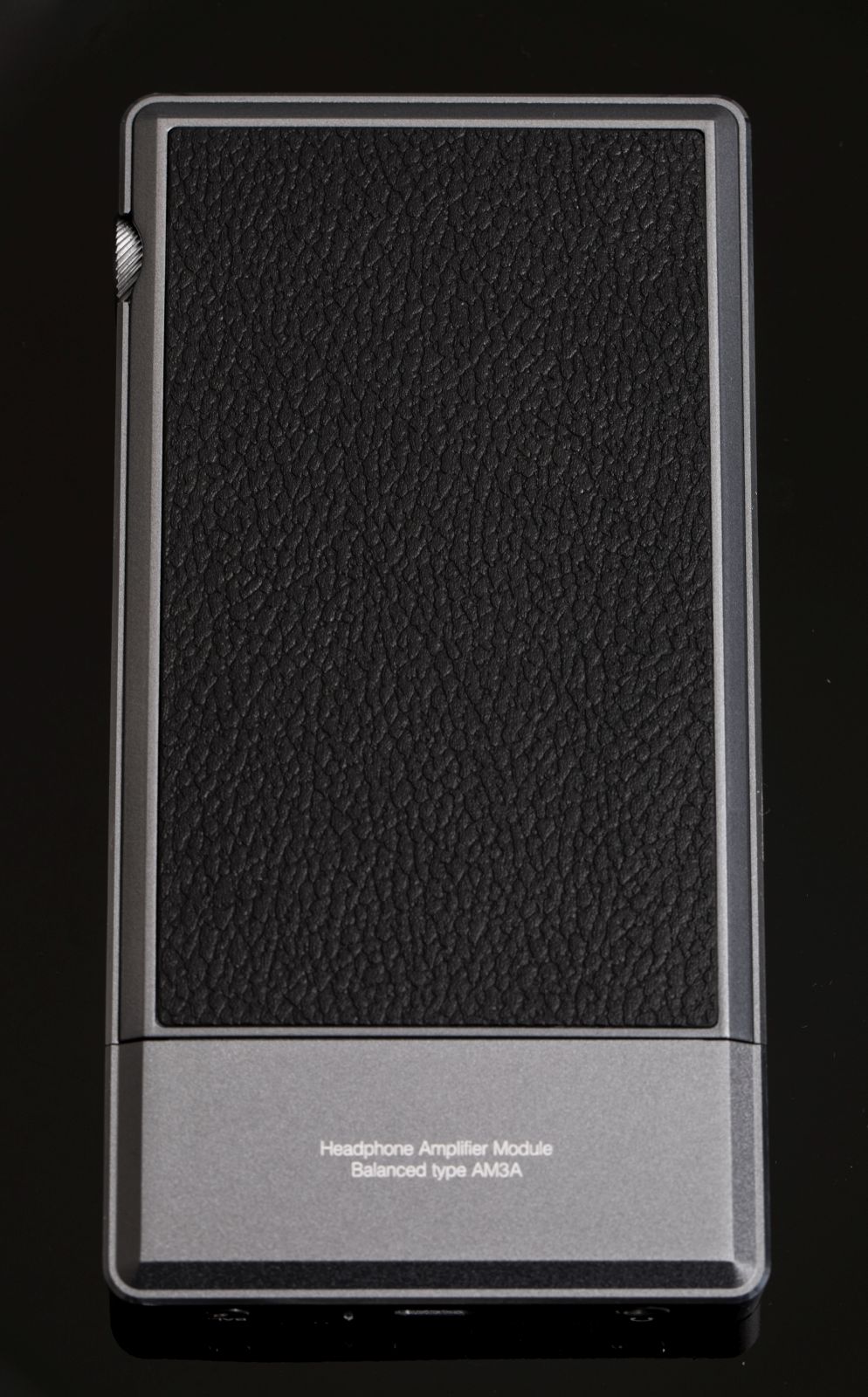
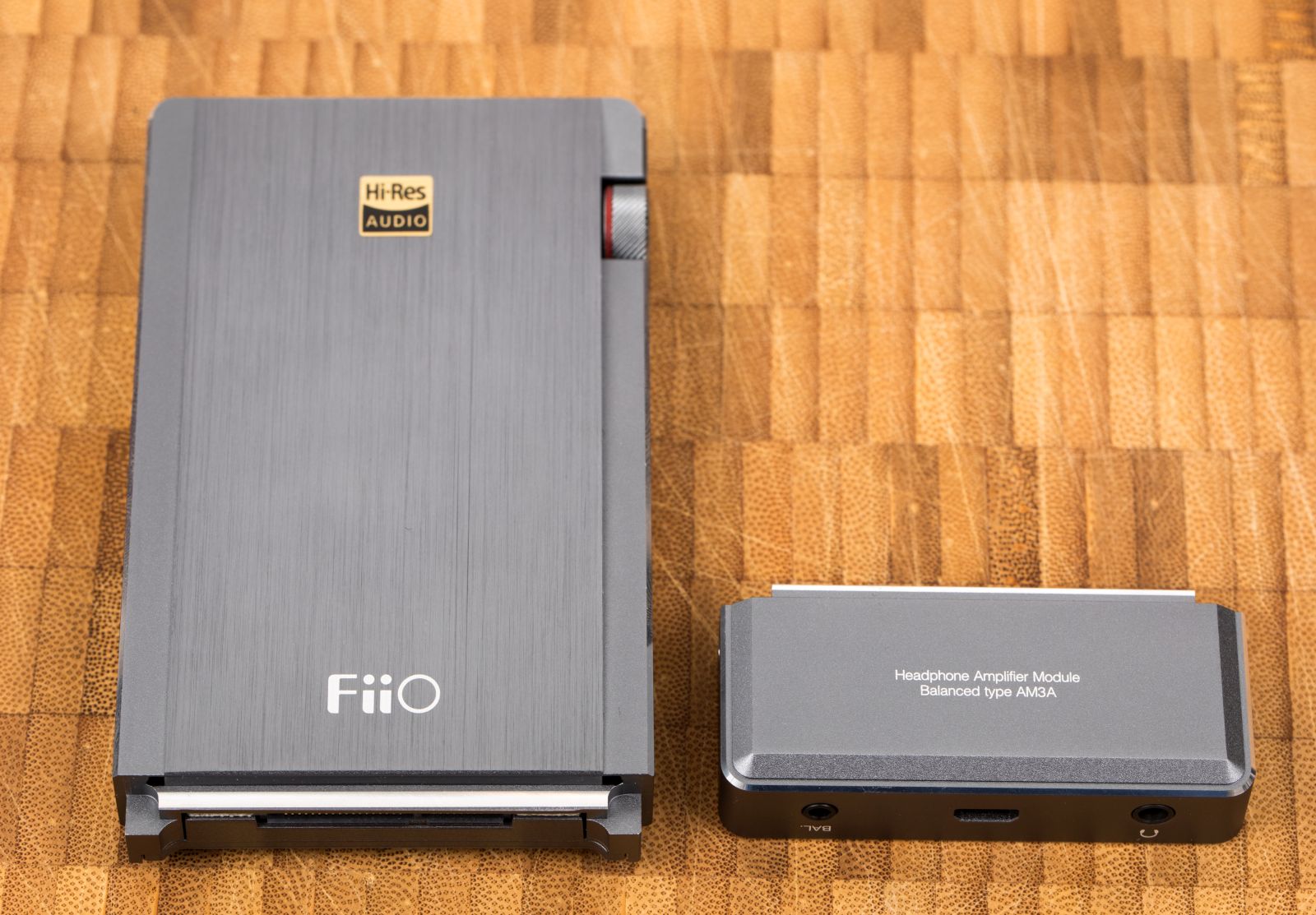
Dupa cum spuneam la fel ca in cazul lui X7 MkII, amplificarea de casti se face prin module interschimbabile, ia acest moment 6 module de amplificare sunt puse la dispozitie, cel mai recent fiind AM3B, cu intrare pentru mufa balansata Pentacon 4.4mm.

Modulul stoc de la Q5 este AM3A care pe langa iesirea normala de 3,5mm oferta si o iesire balansata de 2,5mm TRRS.
Continutul pachetului

  • Husa de transport din material textil cu logo-ul FiiO

  • Cablul microUSB pentru incarcare si pentru conectare la PC

  • Cablul microUSB catre Lightning pentru dispozitivele iOS

  • Cablul analogic de la jack 3.5mm la jack 3.5mm

  • Cablul adaptor digital de la jack 3.5mm la coaxial

  • Adaptorul de la coaxial RCA la Optic

  • Surubeltina pentru schimbarea modulului de amplificare si un set aditional de suruburi

  • Doua seturi de inele de cauciuc petnru a atasa o sursa mobile (smarphone, player)

  • Un despartitor din silicon care se poate folosi intre Q5 si o alta sursa audio pentru a evita zgaraieturile.

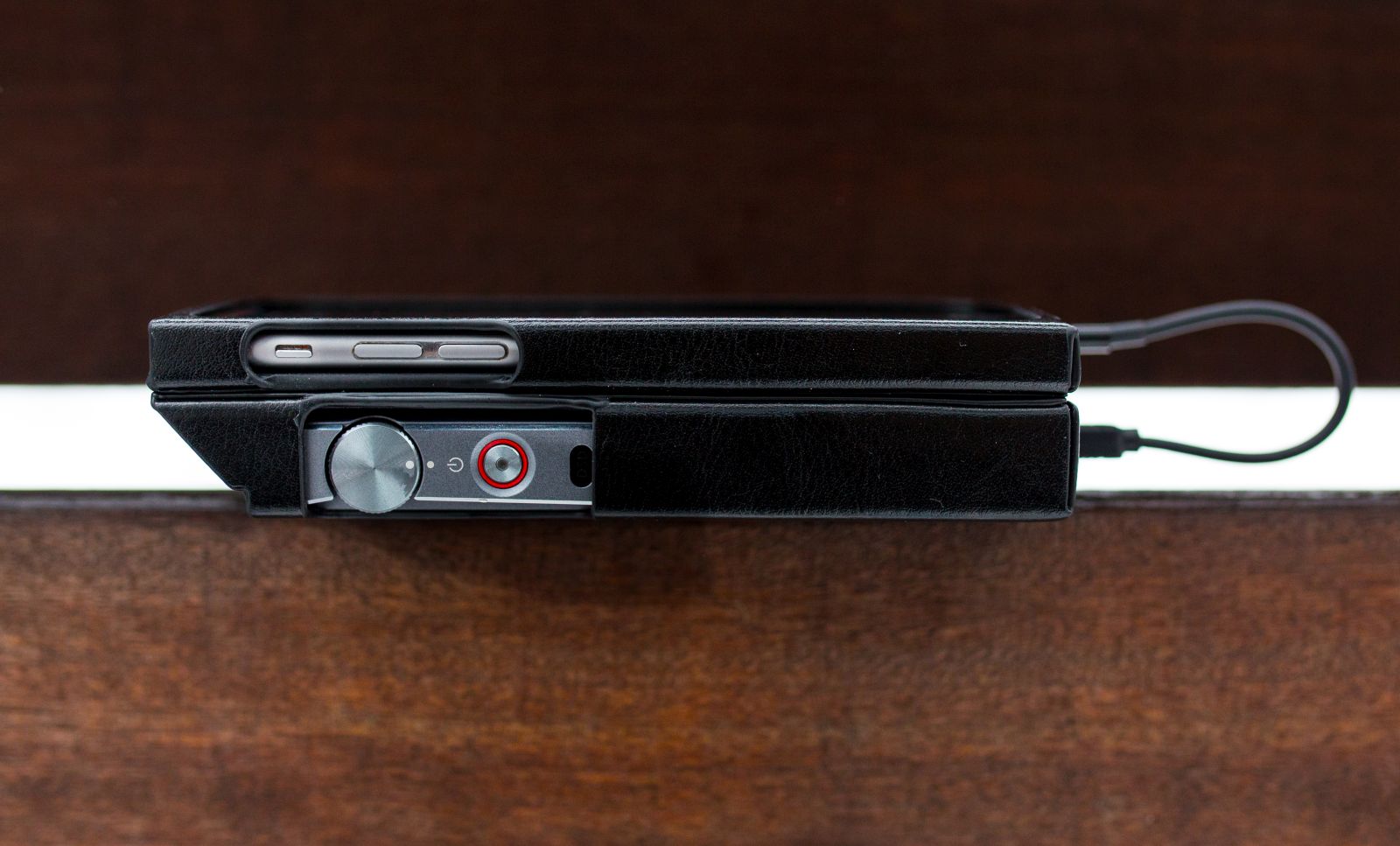
Observ ca FiiO ofera separat si cateva accesorii aditionale cum ar fi husa din piele, si husa 2-in-1 din piele pentru Q5 si un iPhone 6/6S/7/8.

Pentru cei cu terminale Android trebuie achizitionat un cablu USB-C la micro USB sau micro USB la micro USB. Noi pentru teste am achizitionat de pe Amazon, acolo am gasit versiuni scurte de 10cm.
Design si Functionalitate

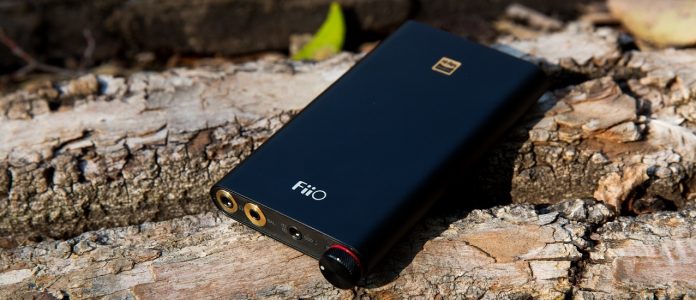
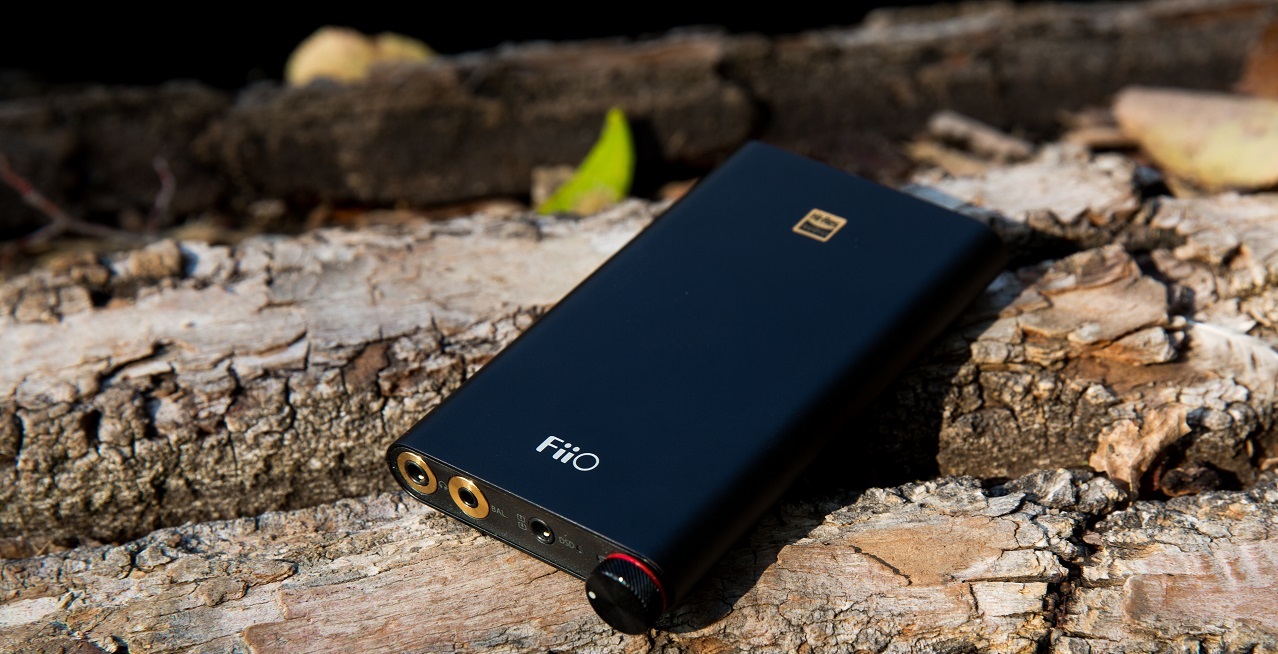
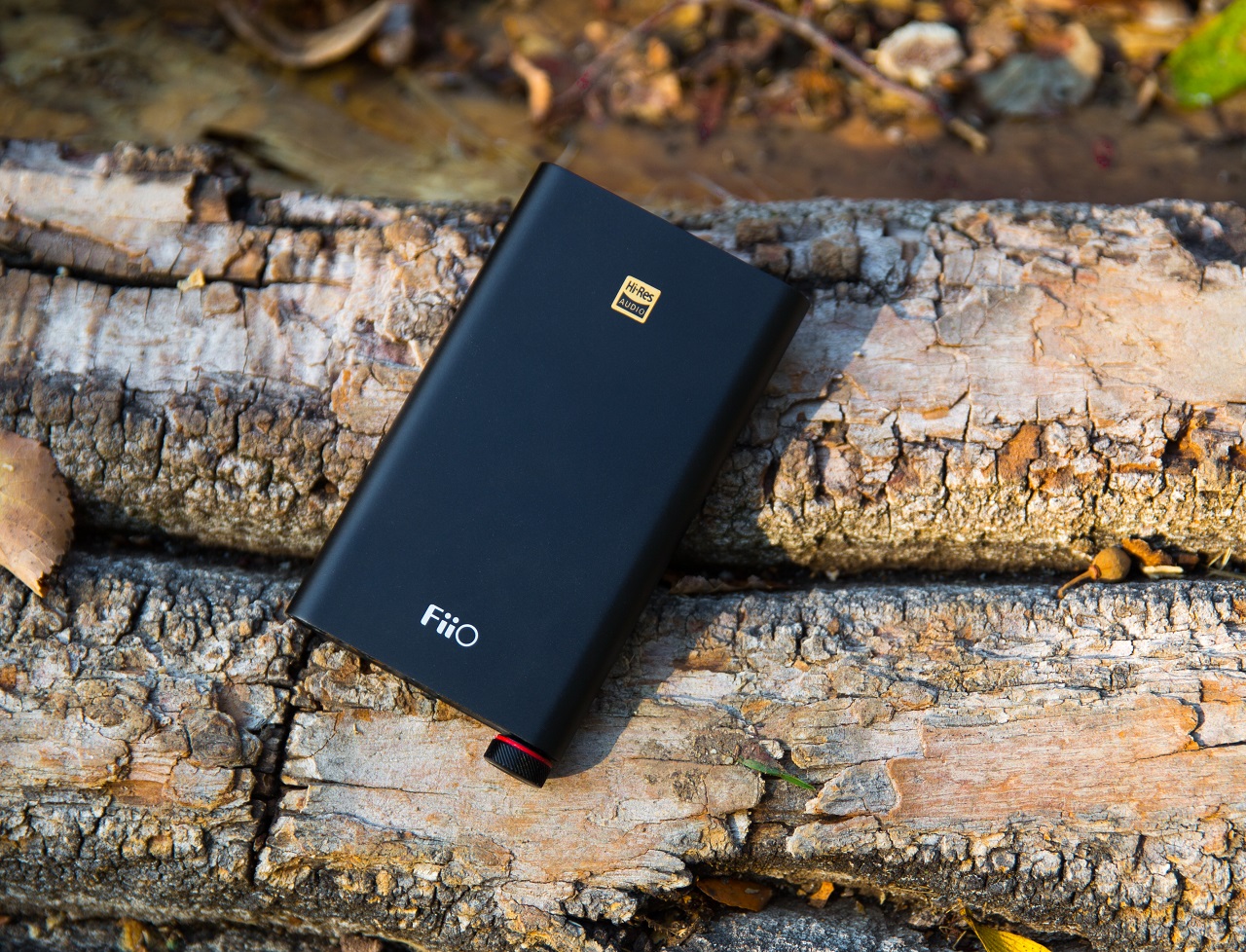
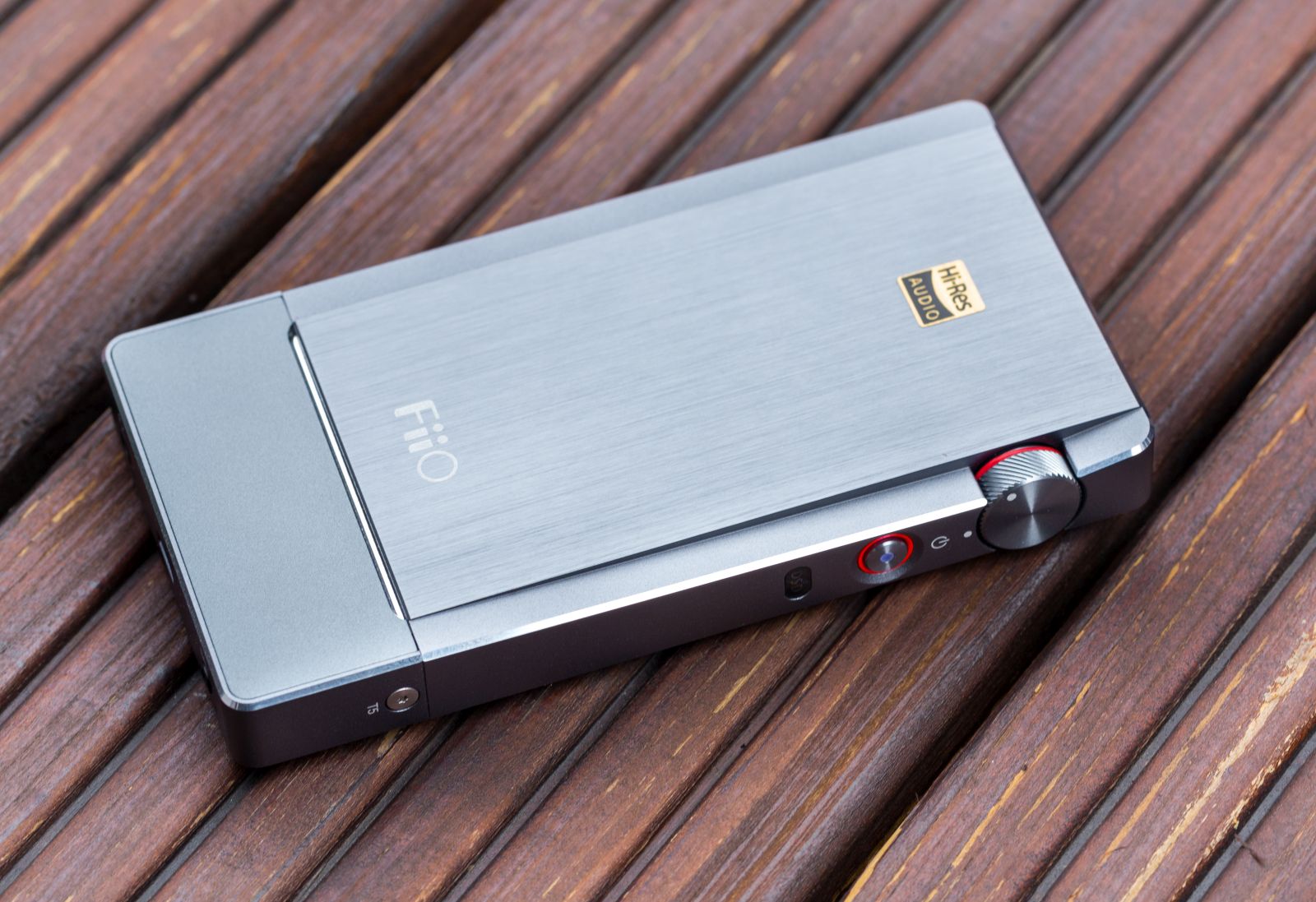
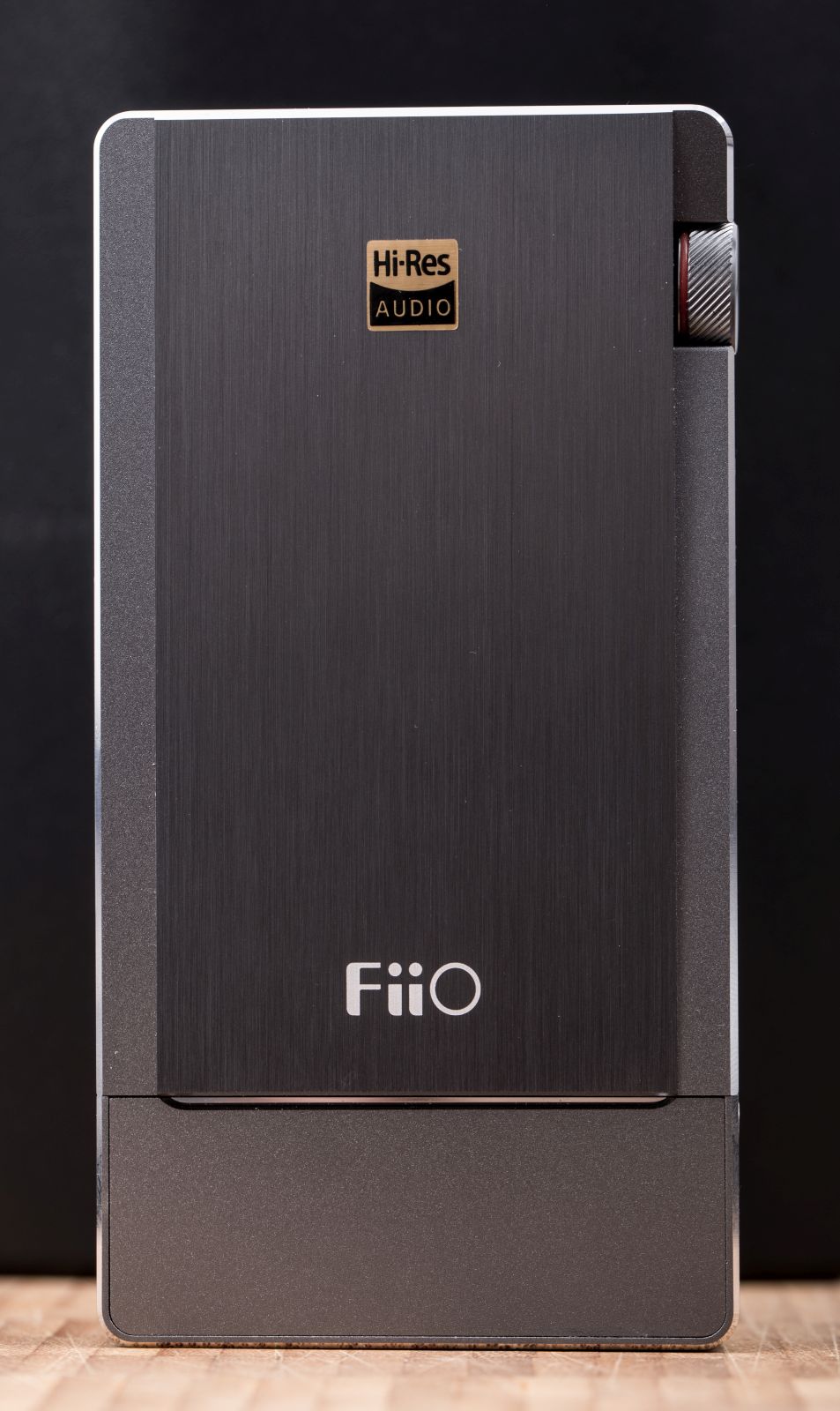
Combinatia dintre aluminiu anodizat si aluminiu sablat (cu zirconiu) arata izbitor de bine.

Spatele acoperit cu pielea ecologica da un aer de rafinament si bun gust. Aparatul are butoane, iesiri si intrari pe toate cele 4 parti laterale asa ca tineti-va bine. Este putin complicat la inceput, insa in doar cateva minute totul devine clar ca buna ziua.

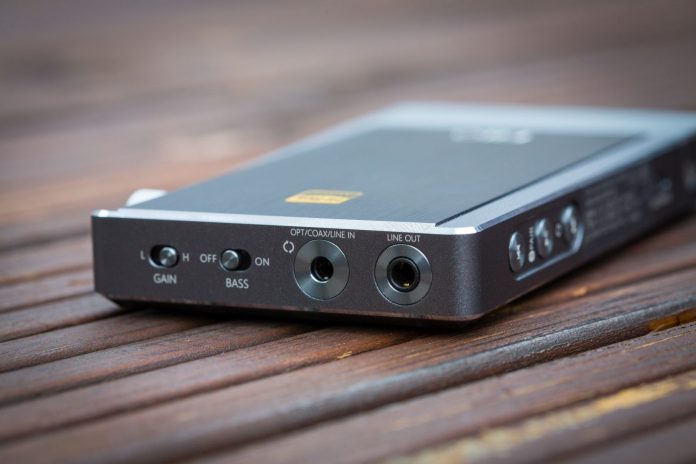
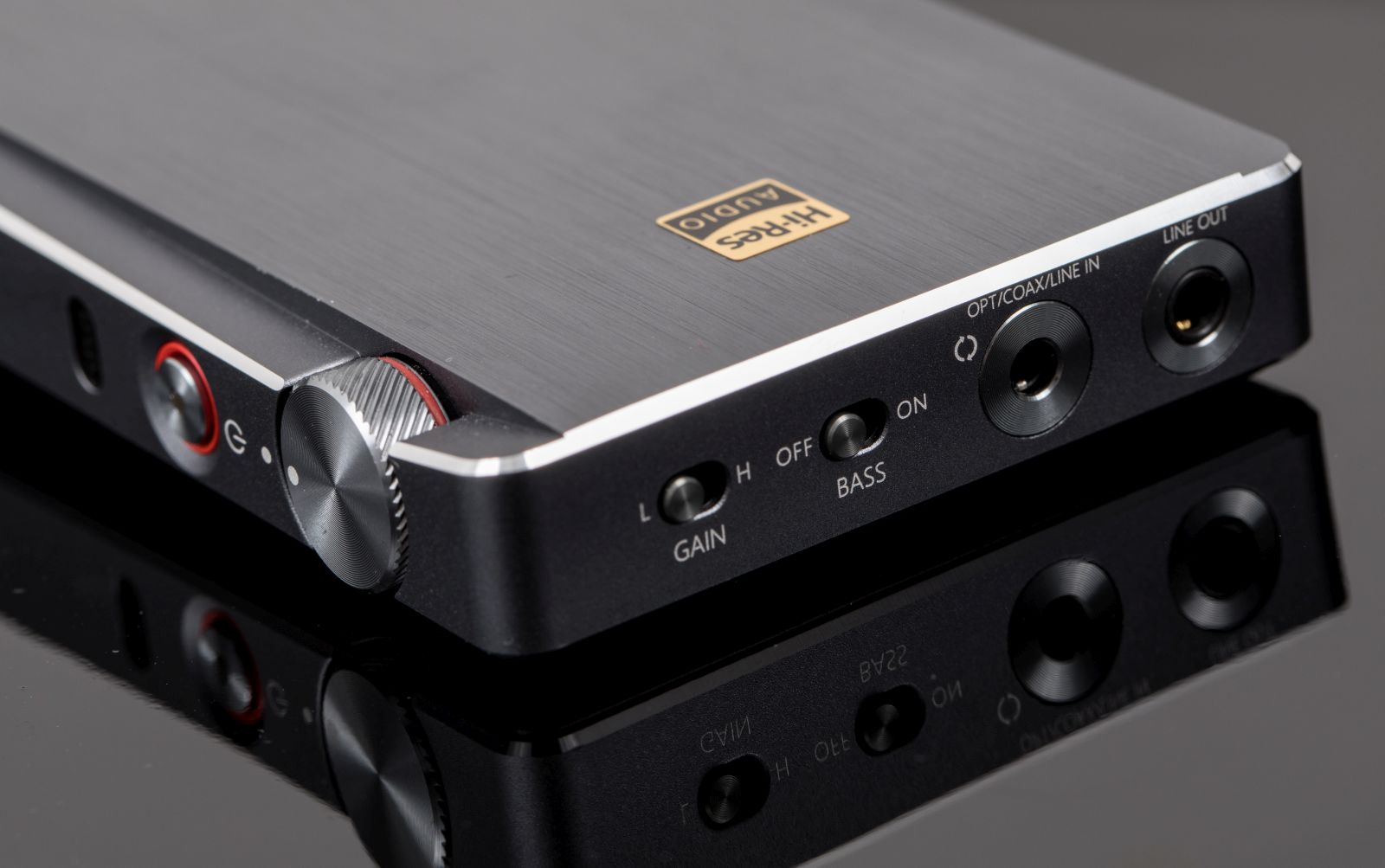
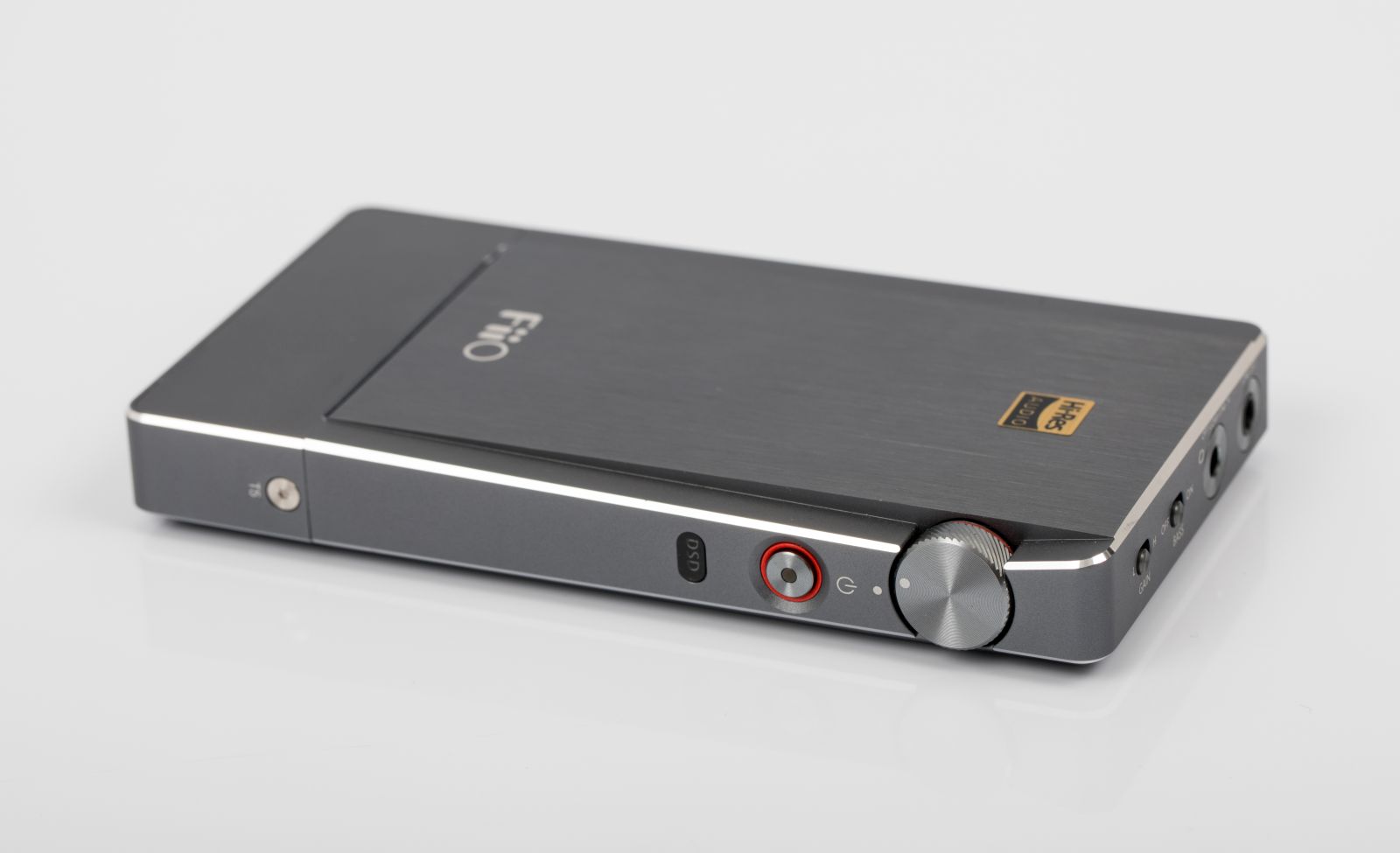
In partea de sus gasim cele doua comutatoare de bass (On/Off) si de gain (Low/High), de asemenea o intrare digitala combo coaxiala sau optica si iesirea curata de linie (1.8 V Rms).

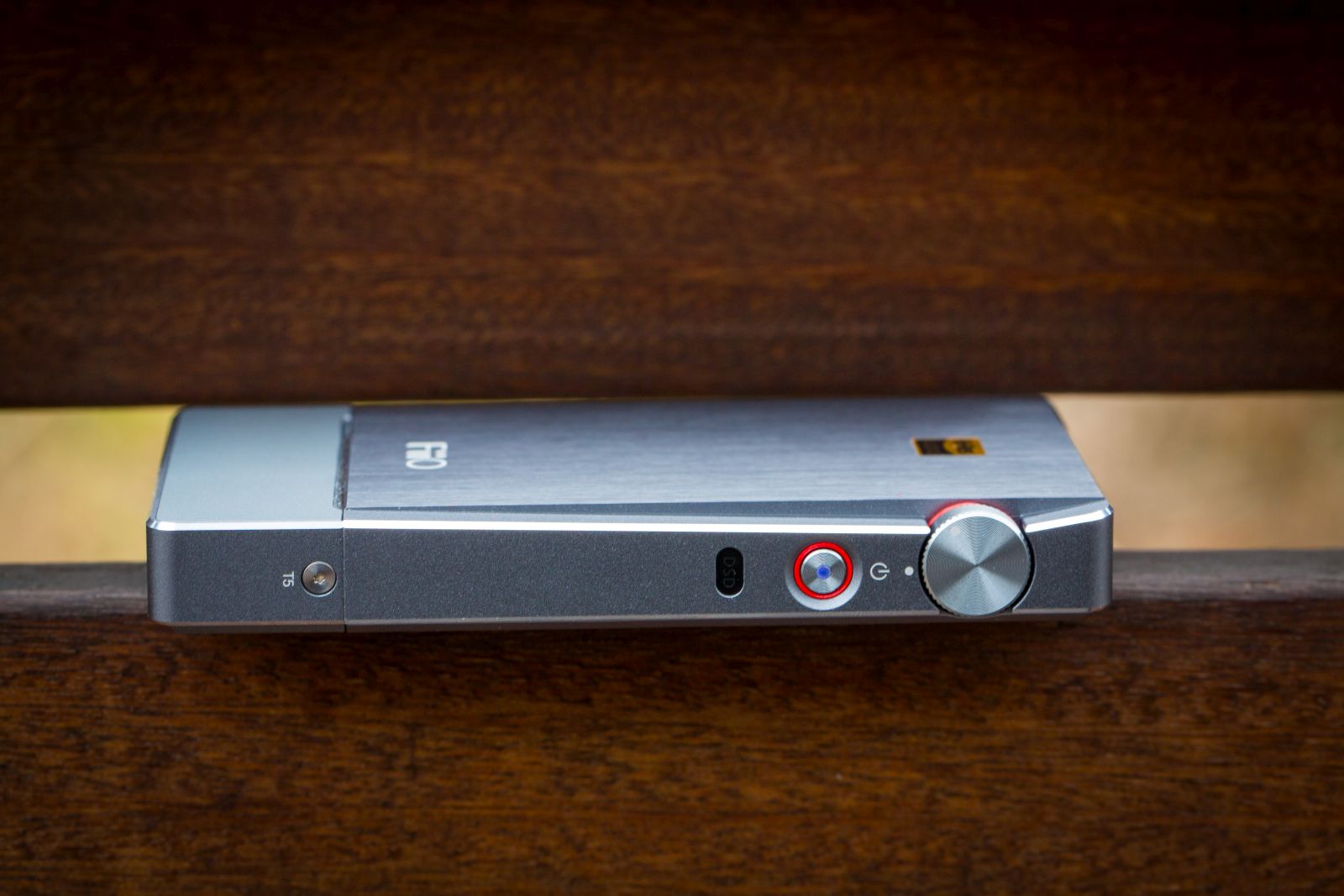
In partea dreapta gasim rotita de volum digitala, butonul de pornire/oprire si led-ul care se aprinde la redarea pieselor DSD. In partea stanga avem o intrare microUSB care se ocupa doar de incarcarea dispozitivului si cele trei butoane de play/pause, inainte si inapoi care din pacate functioneaza doar la redarea muzicii prin Bluetooth.

In partea de jos se afla modulul de amplificare unde mai gasim inca un port microUSB ce incarca si conecteaza USB DAC-ul la PC si doua iesiri de casti: cea normala de 3.5mm si cea balansata de 2.5mm.

Per total imi place mult cum arata si cum se simte in mana, pare solid si este lucrat finut.

De mentionat este ca aparatul mai are cateva functii suplimentare care se pot accesa doar dupa instalarea aplicatiei FiiO Music.

Dupa conectatea lui Q5 prin Bluetooth la iPhone apar optiuni suplimentare in aplicatia FiiO Music cum ar fi: ajustarea balansului canalelor stanga si dreapta, alegerea filtrului digital (5 la numar), activarea unui temporizator de oprire dispozitiv dupa un timp la alegere, oprire led, comutarea functiilor porturilor USB, afisarea nivelului bateriei.

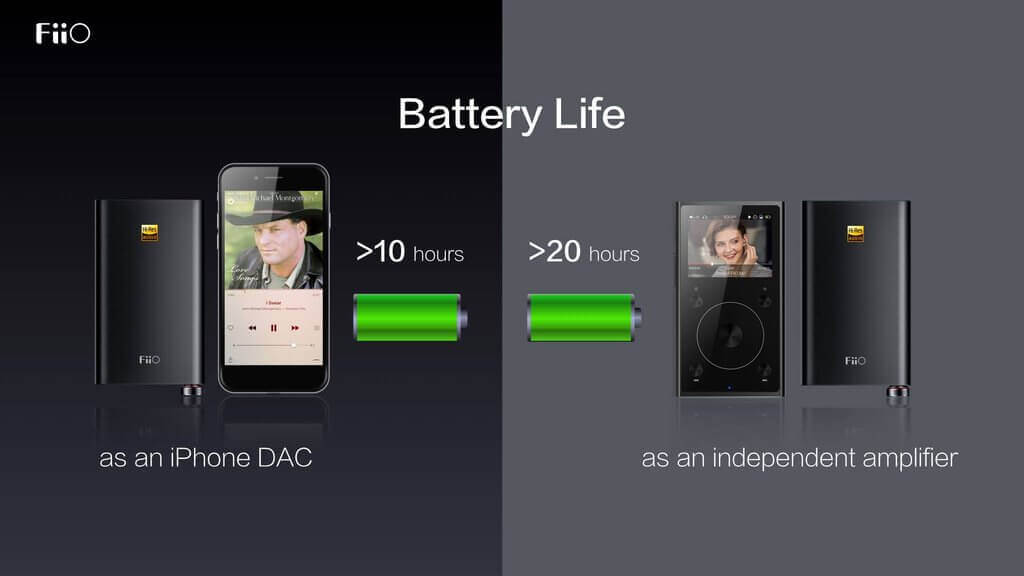
Bateria are capacitatea de 3800 mAh si tine in jur de 25 de ore folosindu-l pe post de amplificator de casti si in jur de 10 ore in modul DAC/Amp.

Folosind aparatul pe Bluetooth a functionat ireprosabil avand telefonul in celalalt buzunar, intr-un spatiu deschis incep sa am intreruperi de semnal cam de la 10 m distanta.

Vorbind de calitatea audio prin Bluetooth am ramas destul de surprins, cu o pereche de casti portabile precum Sennheiser Momentum M2.0 diferenta este insesizabila pe Bluetooth fata de redarea directa din PC al unui fisier lossless 16 bit 44.1 khz.

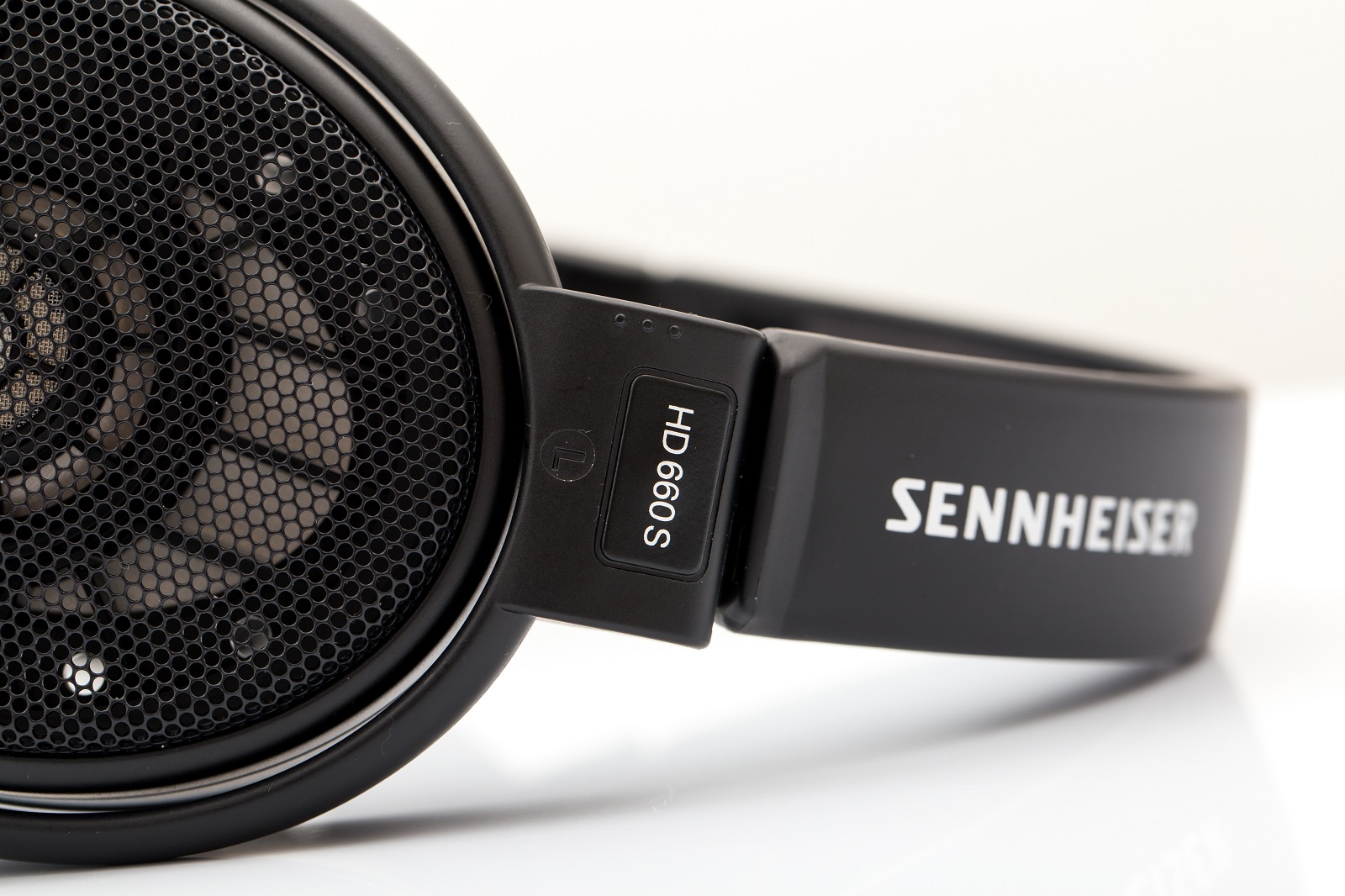
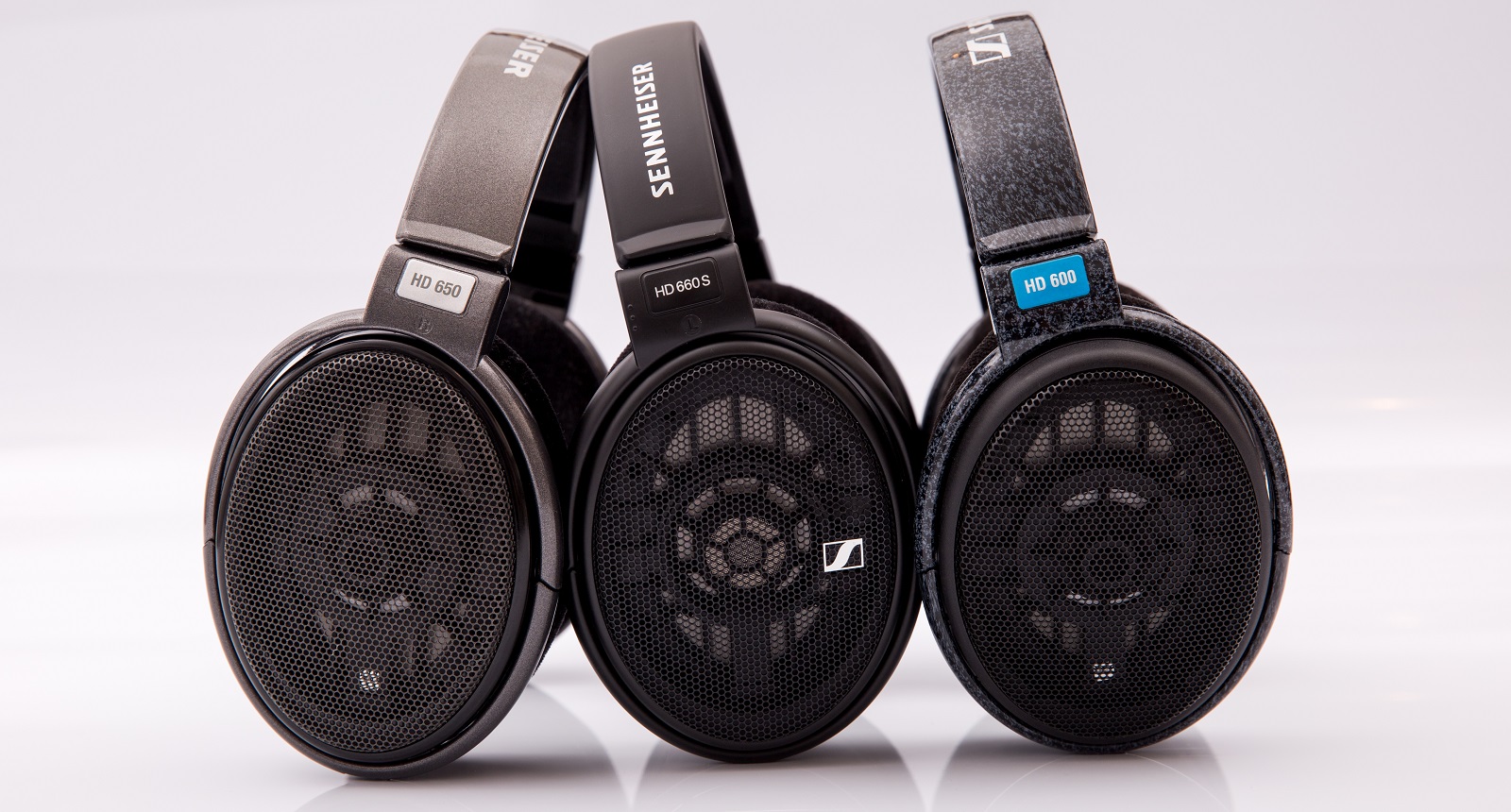
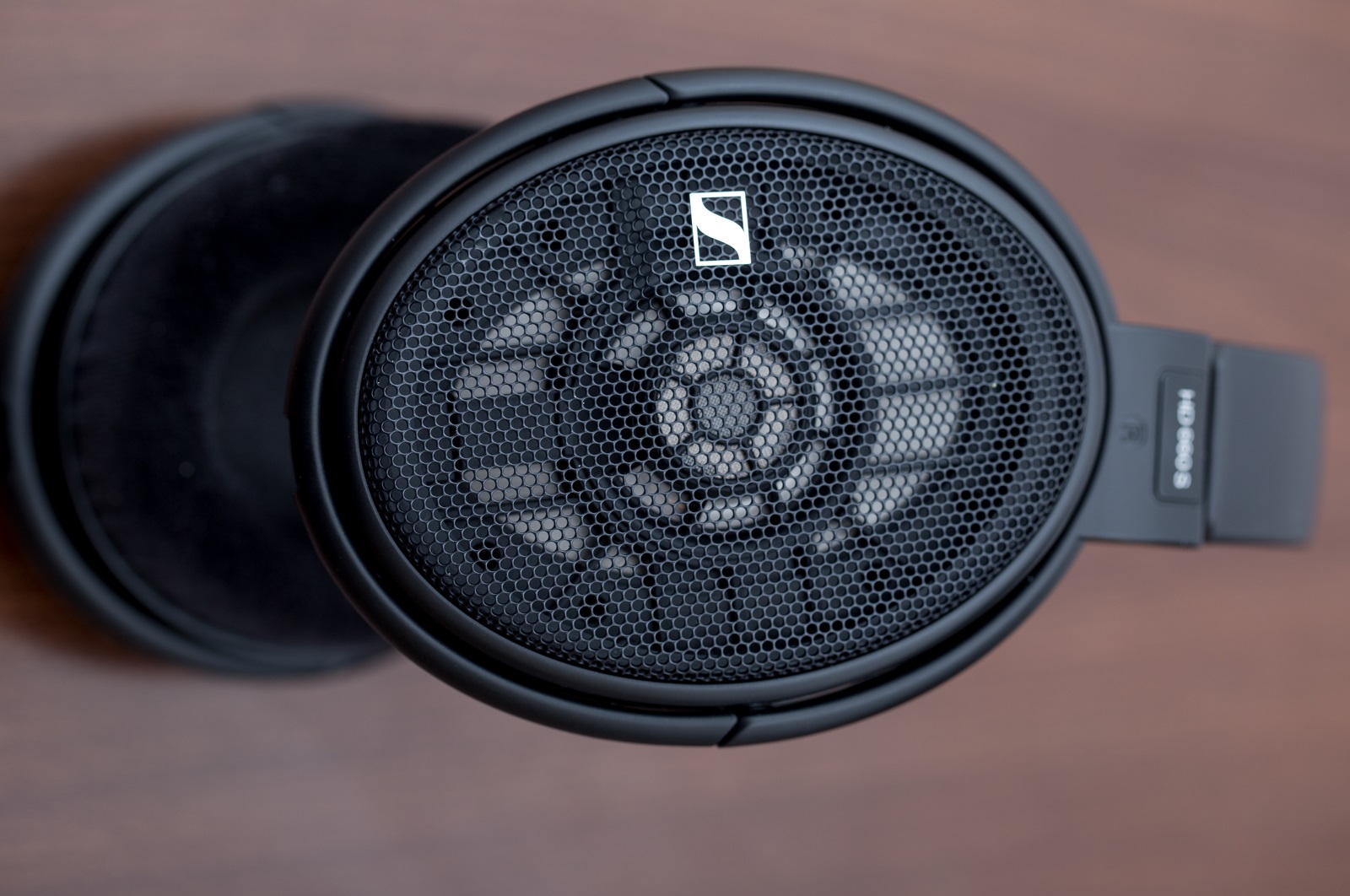
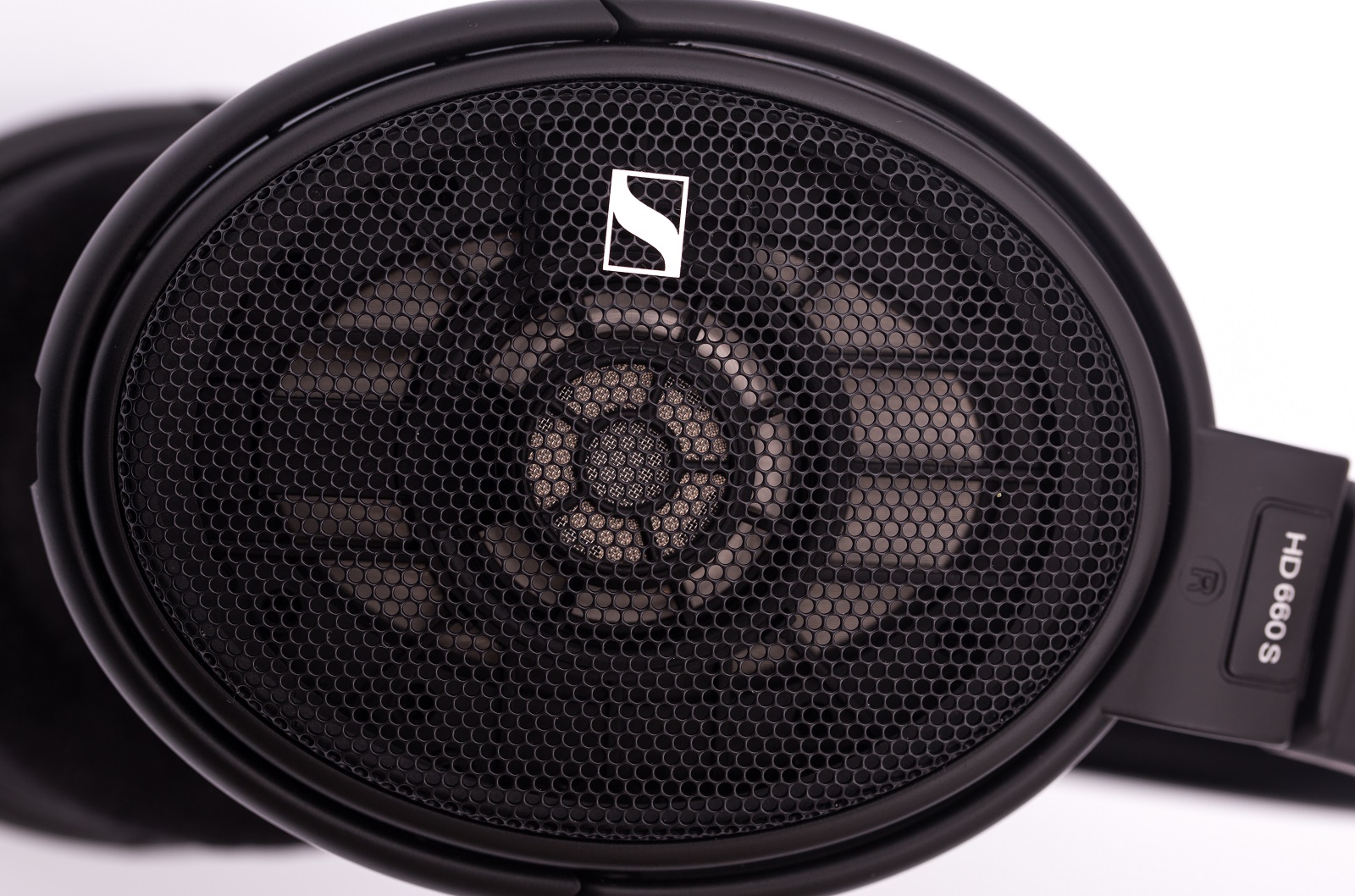
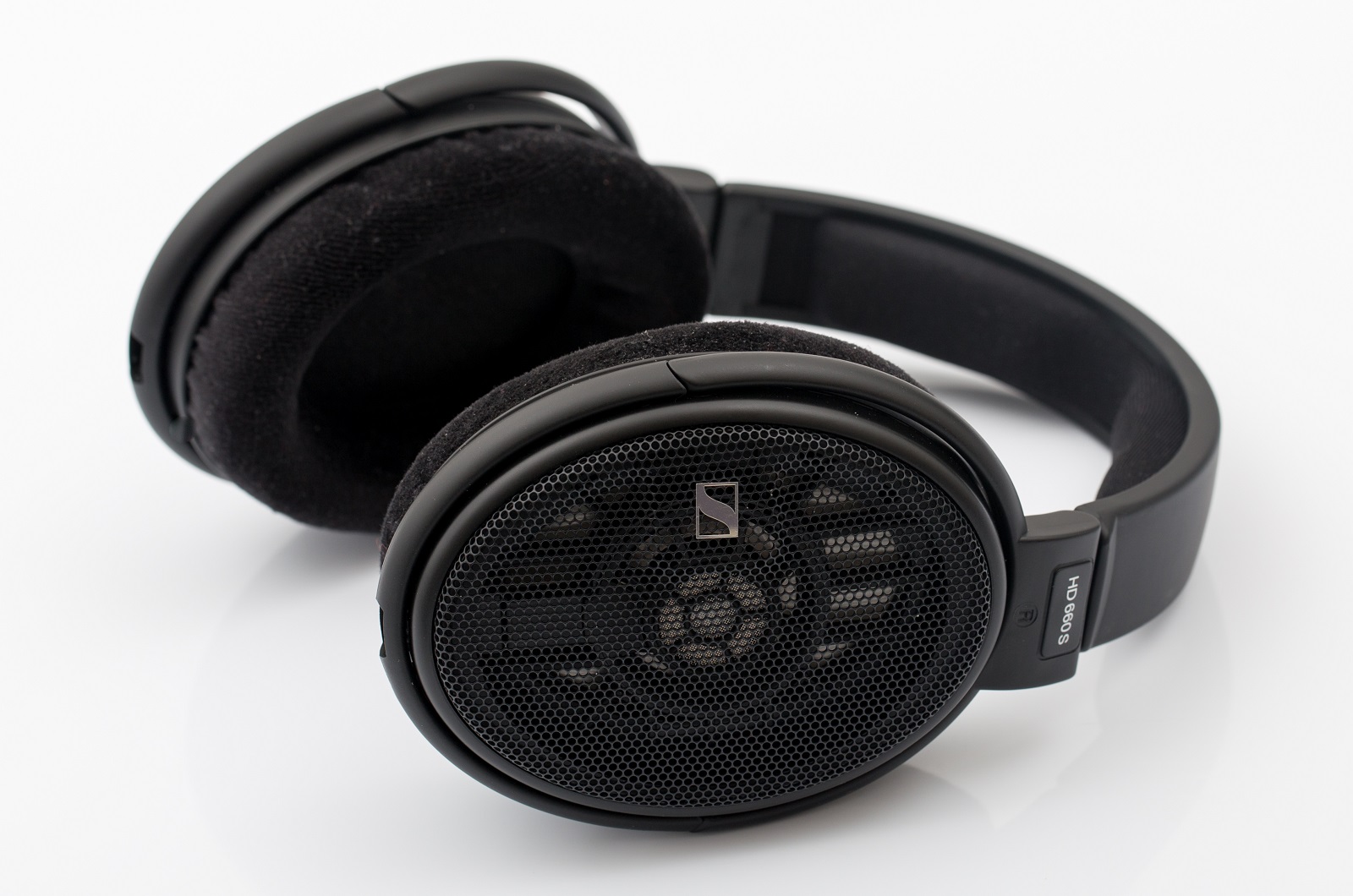
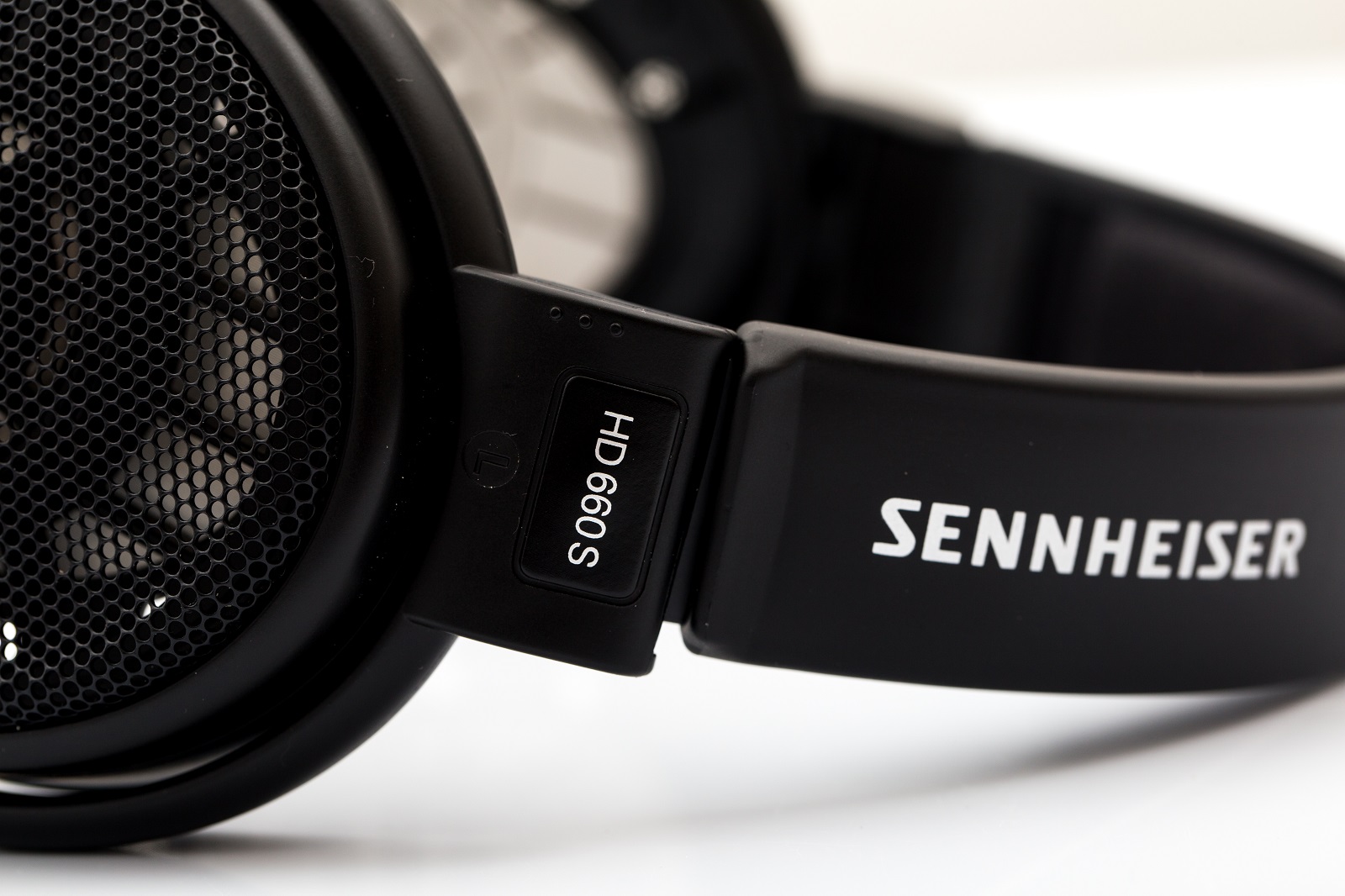
Pe casti de calibrul Sennheiser HD660S am sesizat diferente mici, cred ca se pierde putin din rezolutie si din claritatea imaginii stereo pe Bluetooh insa diferensa este mica, exact cum ai compara un mp3 de calitatea 320 kb/s cu un wav la 1411 kb/s.

Performanta Audio

Pentru inceput vreau sa va spun ca am ascultat cu mai multe ocazii chipseturile AKM, am o idee foarte solida cum ar trebuie sa sune unul, sunetul catifelat de care sunt capabile l-am auzit pe Hegel HD25 si pe FiiO X5 MkIII.

Nu stiu exact ce mumbo-jumbo au facut FiiO insa Q5 suna foarte diferit.

Sunetul cu extremitatile taiate a lui X5-III a disparut, muzicalitatea destul de accentuata al lui Hegel HD25 nu mai este prezenta, Q5 suna mult mai liniar si mai corect.

Suna atat de liniar incat il poti folosi lejer intr-un studio, seamana mult cu un sunet de monitoring, fiind extrem de precis si liniar.

Nu este clinic sau plictisitor deloc, este destul de incisiv avand un atac bun si o retragerea instantanee a notelor si o redare neasteptata a microdetaliilor.

AKM-urile mereu au pus accentual pe lejeritate, aerisirea buna, insa mult mai putin pe extragerea detaliilor.

Presupun ca datorita alimentarii bine puse la punct Q5 suna mult mai detaliat decat aparatele mai sus mentionate, atat de detaliat incat il clasez lejer peste playerul X5-III. Prestatia audio este foarte asematoare celei auzite pe FiiO X7 MKII si in general ma duce cu gandul mai mult spre chipseturile ESS Sabre decat spre cele de la AKM.
Pacat ca nu am la indemana un Chord Mojo presupun ca este cel putin la acelasi nivel in materie de extragere a detaliilor din piesele preferate (revin in cazul in care fac rost de unul).

Micile detalii se aud cu mare usurinta, cu Sennheiser HD660S pot distinge cu usurinta imperfectiunile inregistrarilor fara a depune prea mult efort , detaliile ascunse devin mult mai evidente si mai conturate.

Un alt aspect care m-a impresionat este largimea scenei audio care rivalizeaza lejer prestatia DAC-urilor desktop. Sunetul respira usor, notele se lovesc foarte tarziu de un perete imaginar, declinul lor este destul de rapid, dar neted si calm. Consider ca scena larga de care este capabil este mai mare decat cea auzita pe alte dispozitive FiiO. Daca pe X7 MKII m-a impresionat mai mult adancimea sunetului, aici pot sa spun ca grandoarea sa pe axele X,Y,Z este mult mai interesanta si iese bine in evidenta.

Am savurat cu usurinta muzica jazz si clasica, iar datorita atacului bun si a declinului instantaneu al notelor au stralucit atat pasajele rapide cat si cele aglomerate.

Atacul si impactul sunt la un nivel superior, mi-am dat seama imediat dupa ce am conectat Q5 la amplificatorul integrat Cambridge Audio Azur 851A si la boxele Monitor Audio Silver 100.

Basul a inceput sa loveasca rapid, au aparut straturi si substraturi, este clar ca accentul s-a pus mai mult pe calitate decat pe cantitate.

Controlul bun asupra notelor este din nou prezent, lipsa totala a ecoului sau a unei perdele duce la o prestatia cristalina in care notele respira usor si in care dinamica nu are de suferit.

Frecventele medii si basul au sunat bine conturate, avand o textura calda si destul de naturala dar cu toate acestea suna la acelasi nivel cu restul frecventelor, mi se par neutre si bine imprastiate in jurul ascultatorului.

Frecventele inalte sunt si ele foarte bune, poate chiar prea bune avand un contur bine realizat. Fata de predecesoarele sale Sennheiser HD660S sunt bazate bine in aceasta zona a frecventelor, foarte rar pot deveni sibilante, impreuna cu Q5 si-au aratat caracterul sincer de care sunt capabile.
Rareori am auzit o usoara sibilanta, in special pe rock modern unde masterizarea buna nu a fost prioritatea numarul 1.

In afara de acest aspect, inaltele sunt cristaline, nu sunt deloc taiate, ba chiar cred ca extremitatile de jos (sub-bas) cat si cele de sus sunt bine realizate, fara nici o taiere, le aud clar fara a ciuli prea mult urechile.

De data aceasta FiiO a incercat sa imbine calitatile audio de care trebuie sa fie capabil un flagship precum Q5 cu o usoara muzicalitate in care sufletul muzicii trebuie sa fie prezent. Le-a iesit cu brio aceasta imbinare si cred ca Q5 suna peste multe aparate ascultate la acest nivel de pret.
Tot pe sistemul pe boxe am observant un bun contur al notelor, puteam simti textura instrumentelor acustice si vibratia destul de usor. Am auzit si bas pe mai multe nivele, bubuiala lipseste cu desavarsire si acest lucru ma bucura.

Pe MA Silver 100 am auzit din nou inalte mai cristaline decat cum eram obisnuit, cinelele, talgerele au sunat mai rezolut si mai curat, au fost executate rapid cu un declin la fel de rapid.

Folosind modulul stoc de amplificare casti AM3A am pilotat pe high gain destul pe usor perechea de Sennheiser HD660S pe iesirea normala de 3.5mm. Avand in vedere ca iesirea balansata ofera cam de doua ori mai multa putere, puteti pilota lejer casti dinamice ce au impedanta de pana la 300 Ω.

Dinamica a fost nealterata chiar si pe casti de asemenea calibru, deci poate fi folosit lejer ca un 2-in-1 intr-un setup simplu dar performant de casti.

Am incercat si micutele IEM-uri F9 PRO care sunt foarte eficiente dar destul de exigente la nivelul de zgomot al unui amplificator.

Hisul nu a fost prezent nici macar la volumul dat la maximum pe high gain, desigur ca nu am dat play la acel volum pentru ca parleam atat cascutele, cat si aparatul de masura personal.

Asadar consider iesirea de casti una exceptionala si curata, fara urme de his sau alte zgomote de fond, dar si foarte potenta, fiind capabila sa conduca sarcini dificile precum castile testate de mine.
Concluzii

Q5 mi-a placut atat legat la un iPhone prin Bluetooth, cat si pe cablul lightning direct. A sunat excelent ca DAC USB si ca DAC legat via optic la un Chromecast intr-un sistem stereo cu boxe.

Iesirea de casti nu a fost trecuta nici ea cu vederea, este bine implementata si poate pilota la mod superlativ o gama foarte larga de casti.

Designul este unul reusit si atragator, calitatea constructiei este si ea la un nivel ridicat, chirpiciul din aluminiu sta foarte comod in mana.

Sunetul a fost peste asteptari, intr-adevar isi merita statutul de dispozitiv amiral DAC/Amp din portofoliul FiiO.
Pro:

  • Desing simplu si frumos

  • Constructie foarte solida

  • Raspunsul in frecventa liniar/neutru

  • Viteza si impactul notelor bine realizat

  • Aerisire buna a sunetului, spatiu vid clar intre note

  • Scena larga in toate directiile

  • Dispozitiv multifunctional care poate fi usor integrat in orice sistem audio

  • Lipsa hisului pe casti ultrasensibile

  • Amplificator de casti puternic

Contra:

  • Rareori inaltele devin sibilante (posibil sa dispara dupa o rodare mai indelungata)

  • Unele setari pot fi accesate doar din aplicatia FiiO Music

  • Era minunat si un cablu USB-C micro USB in pachet

Echipamente folosite pentru recenzie:

FiiO Q5, F9 PRO, Sennheiser HD660S, Momentum M2.0 over-ear, Audio-GD Master 9, HeadAmp Gilmore Lite Mk2, Matrix X-Sabre Pro, Cambridge Audio Azur 851A, Monitor Audio Silver 100

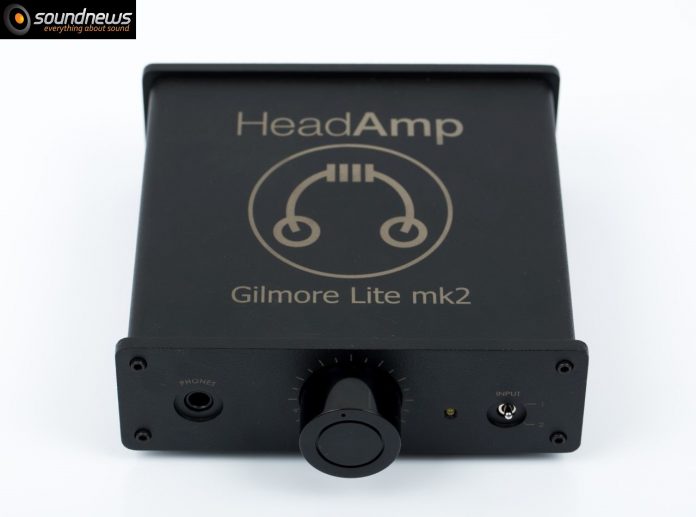
HeadAmp Gilmore Lite Mk2 – Superlative design and performance!

6

Dear friends,

Before I start with my actual review I would like to tell you a short story.

A little bit over 11 years ago when I decided to invest in this wonderful hobby, headphone manufacturers but especially headphone amplifier manufacturers could be counted by fingers on a hand.

In top 3 of those manufacturers there is an American company that I mentioned many times in my reviews, and that is HeadAmp Electronics.

My first contact with this company was the moment when I wanted to have the smallest most performing DAC and headphone amplifier, both cramped into a case smaller that a pack of cigarettes and that device became HeadAmp Pico.

Thanks to that device I gave up on my desktop DAC that I was using and to my desktop headphone amplifier, only because with my Grado RS-1i that I was using at that time, the tiny Pico sounded (much) better than those two bigger boxes put together.

There were many times when I would just lift it off the table and just stare at it for minutes in a row, design is simply perfect, it was far beyond what I had seen before!

A couple of years later I decided that I want the best portable headphone amp on the market, I didn’t want it to be only very powerful, capable of driving big and inefficient headphones, but I wanted it also to have a very transparent and revealing nature as possible. So a few months later I became the happy owner of the famous Pico Power.

I still use it today; it’s actually my reference to which I compare any other portable headphone amplifiers that goes through my hands.

No wonder because until this day it has the best measurements ever recorded in the category of portable or desktop headphone amplifiers.

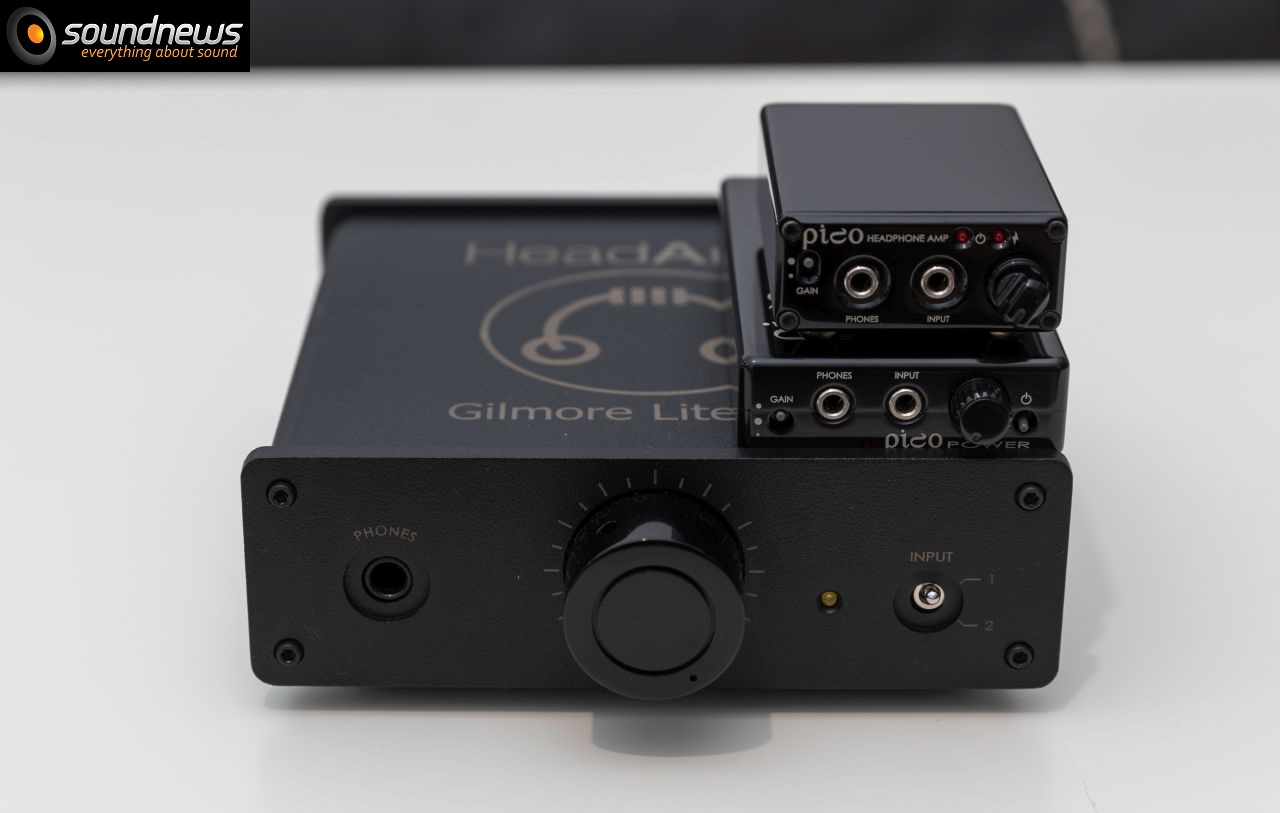
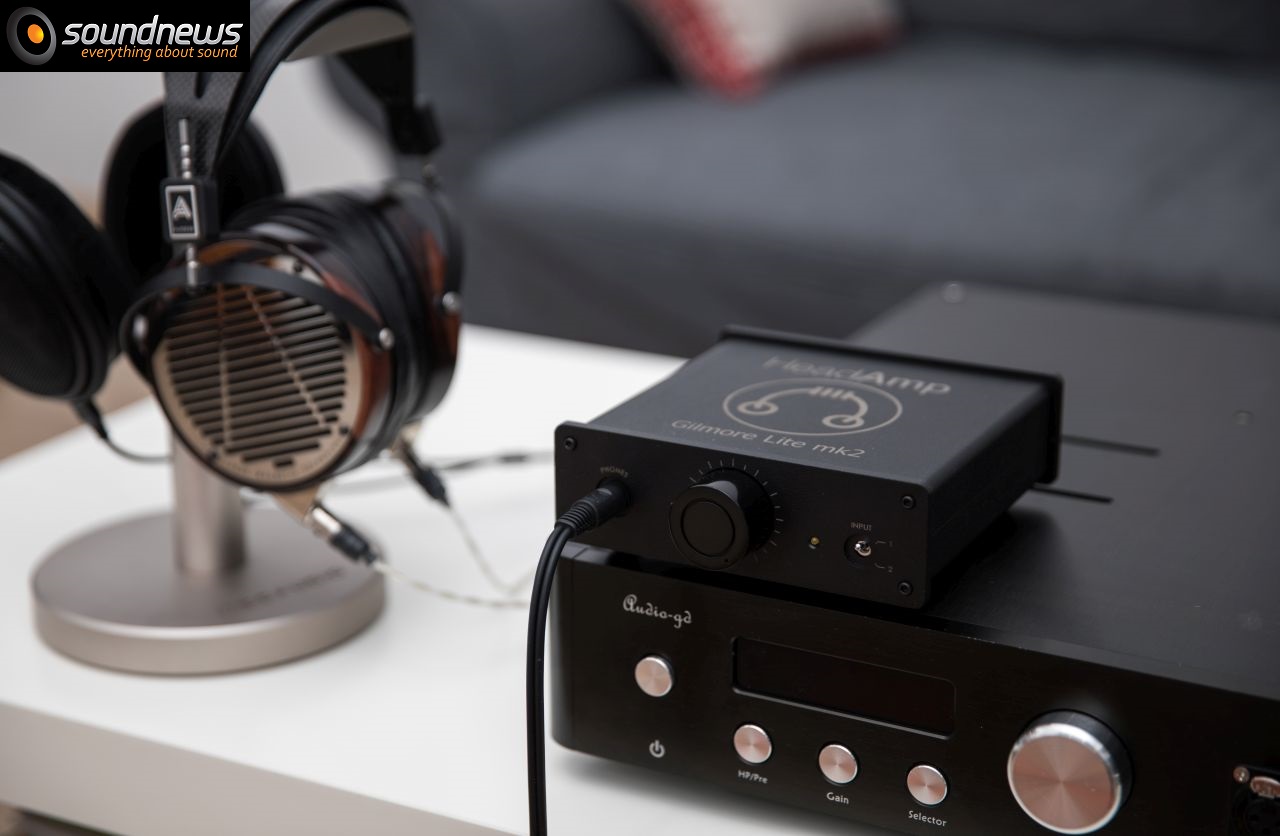
Here it is in a family photo with his younger brother Pico and his bigger brother Gilmore Lite Mk2.

During these years, I have begun to have a tremendous respect for this brand, but also a great deal of confidence in what they do, unfortunately rarely encountered in these lands.

As far as I know, they produce among the best balanced headphone amplifier on the market today: GS-X Mk2 and also the best electrostatic headphone amp available on the market: Blue Hawaii Special Edition (BHSE for short).

Unfortunately, I cannot afford the GS-X Mk2 balanced amplifier, maybe one day I will test it too, who knows?

Today I will test a newly released desktop headphone amplifier, much more accessible than the balanced version and that is the HeadAmp Gilmore Lite Mk2.

Design and specifications

Like the other amplifiers developed by HeadAmp, the quality of the construction is impeccable.

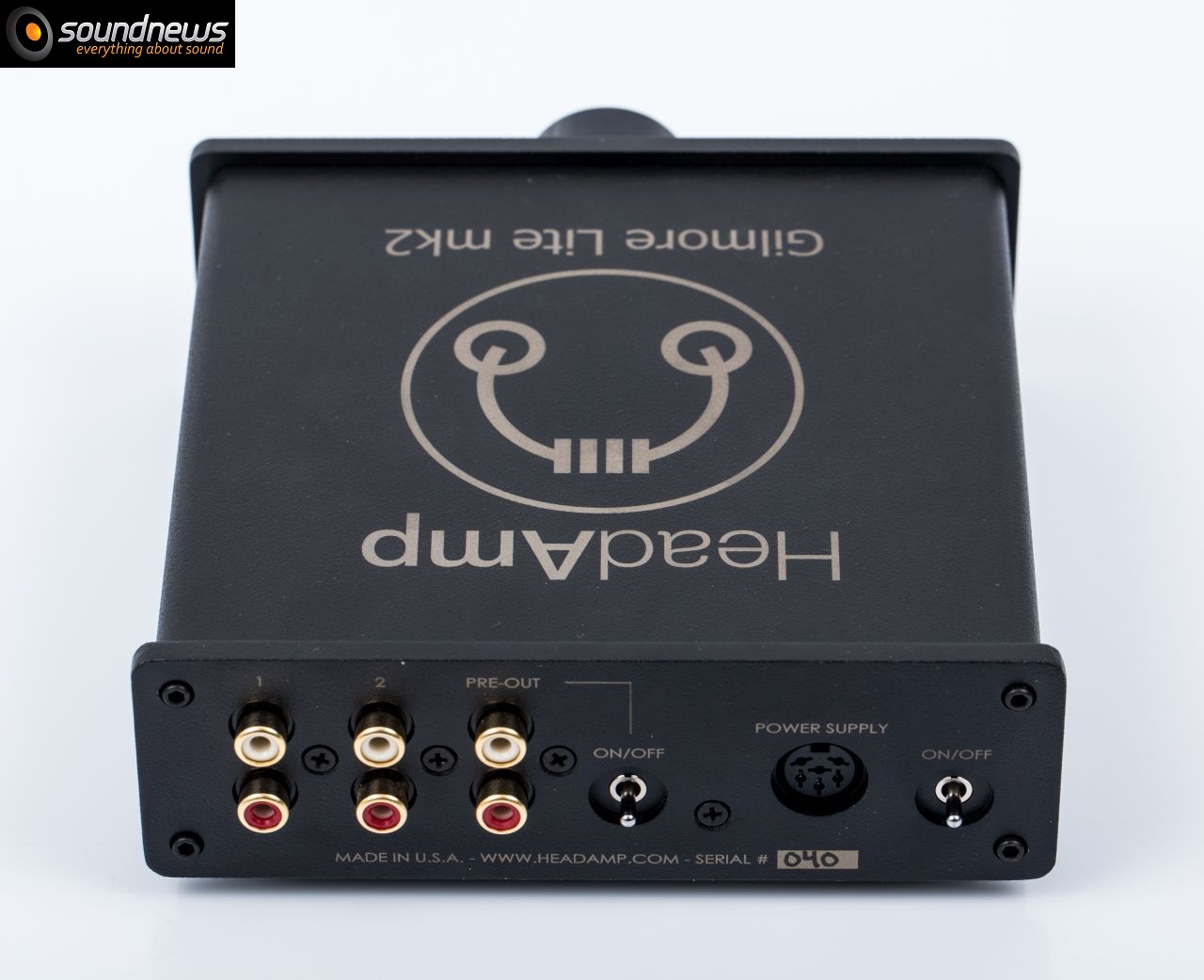
The amp has a small footprint and uses an external regulated power supply to stay away from noise; however there might be a possibility in the future for manufacturer to provide a higher performance dedicated power supply in a matching case.

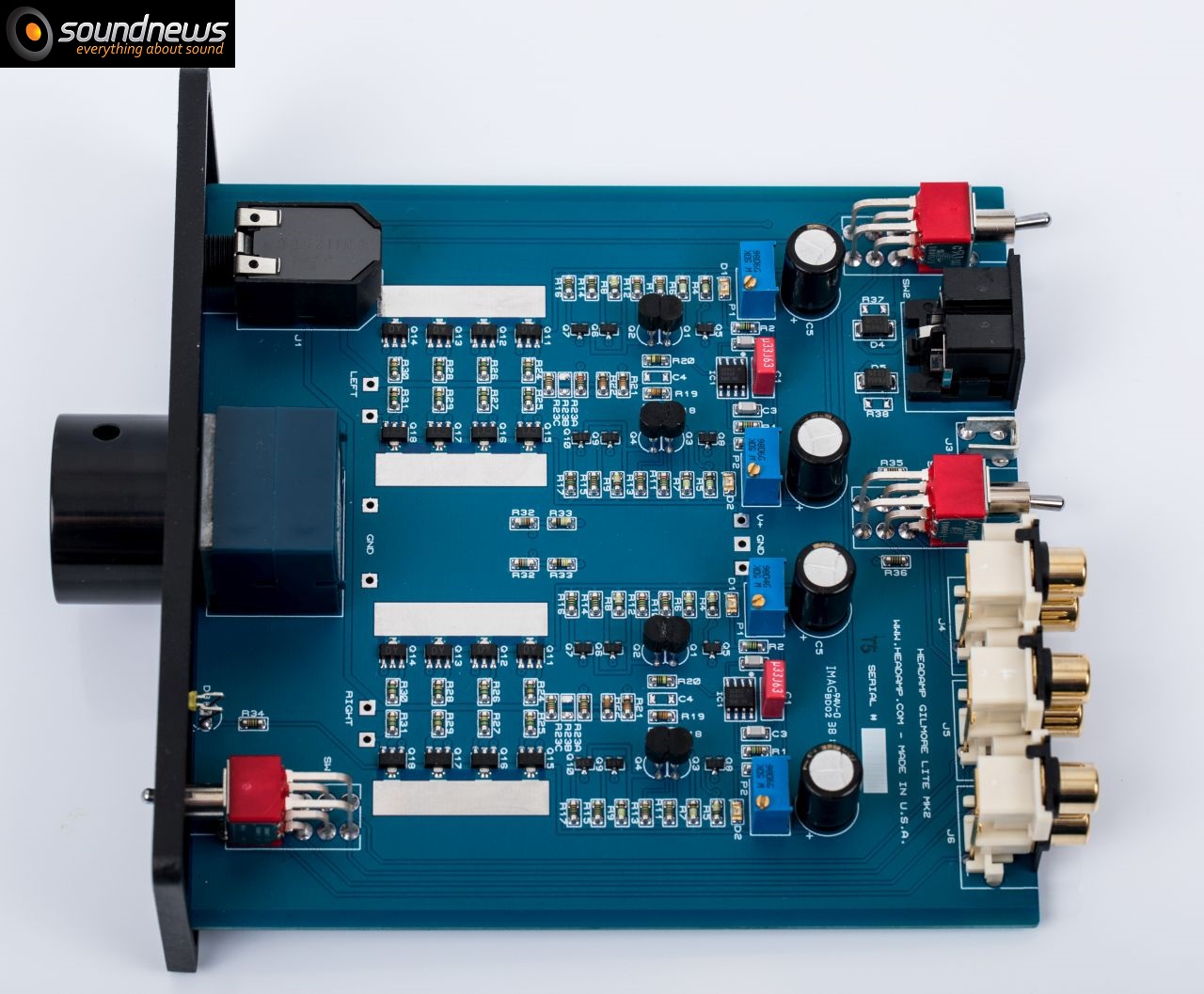
The best part is that this amplifier is based on the same circuitry found in the legendary GS-X Mk2 (3000 USD). At the input ultra low noise JFETs are used, and at output bipolar transistors that always work in class A!

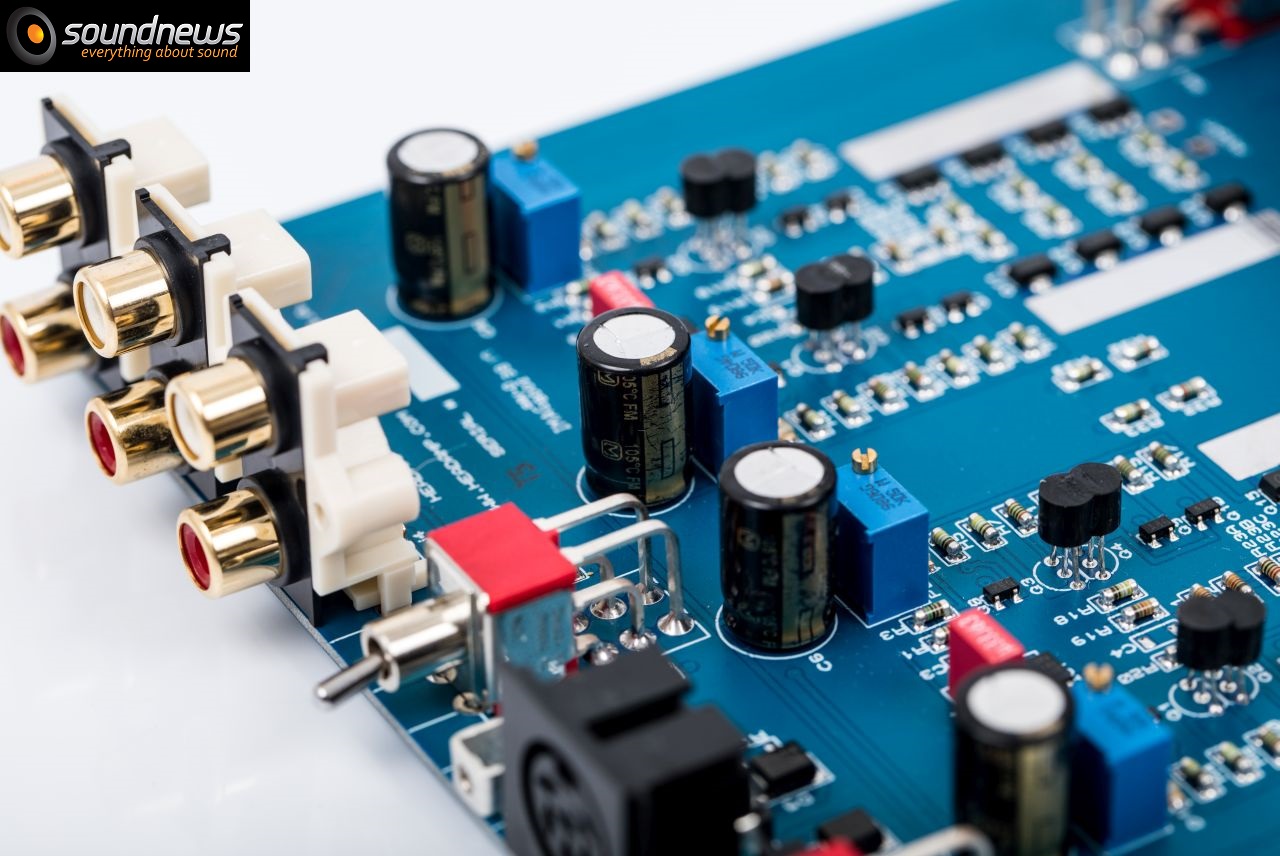
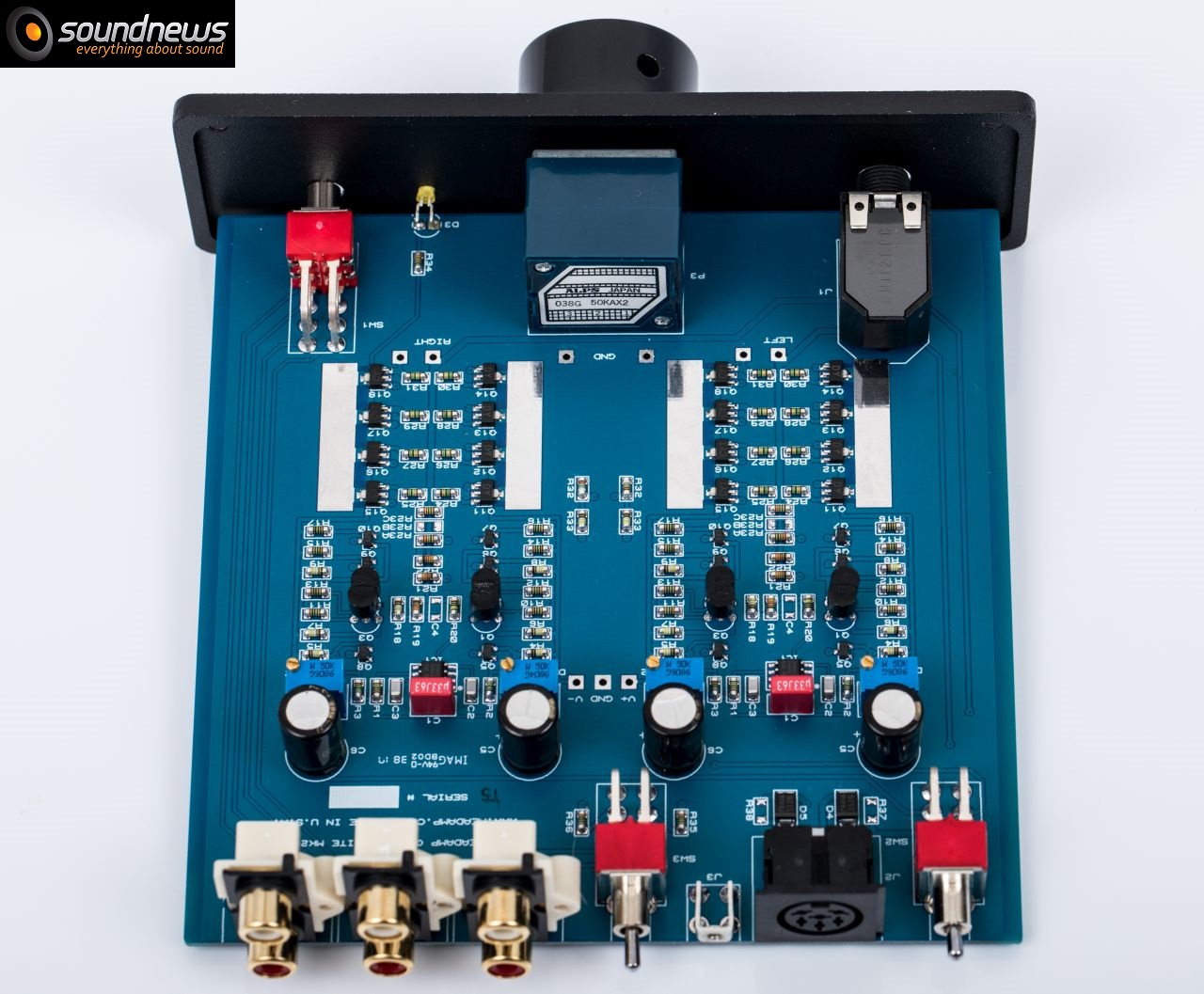
As you can see it’s a circuit composed entirely of discrete components, there are no op-amps and no capacitors in the signal path (the four ones from the pictures below are filtering the power supply).

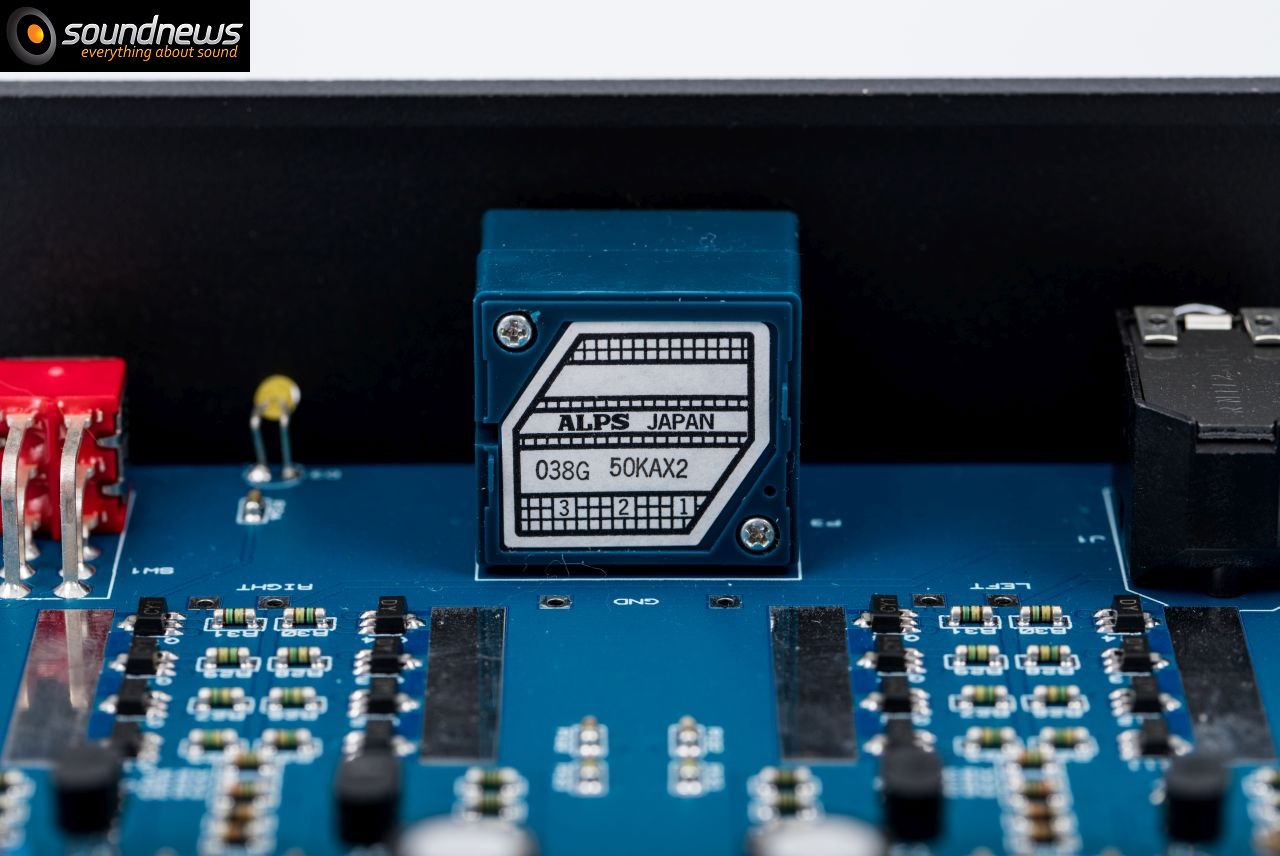
An ALPS Blue volume potentiometer of a superior quality was used, often seen in more expensive audio gear.

The amplifier doesn’t offer a gain switch, but sincerely there is no need for one due to a very black background.

The ample power of 1.5 W and low noise levels make it perfect for both the most sensitive IEMs and for power hungry planar-magnetic headphones.

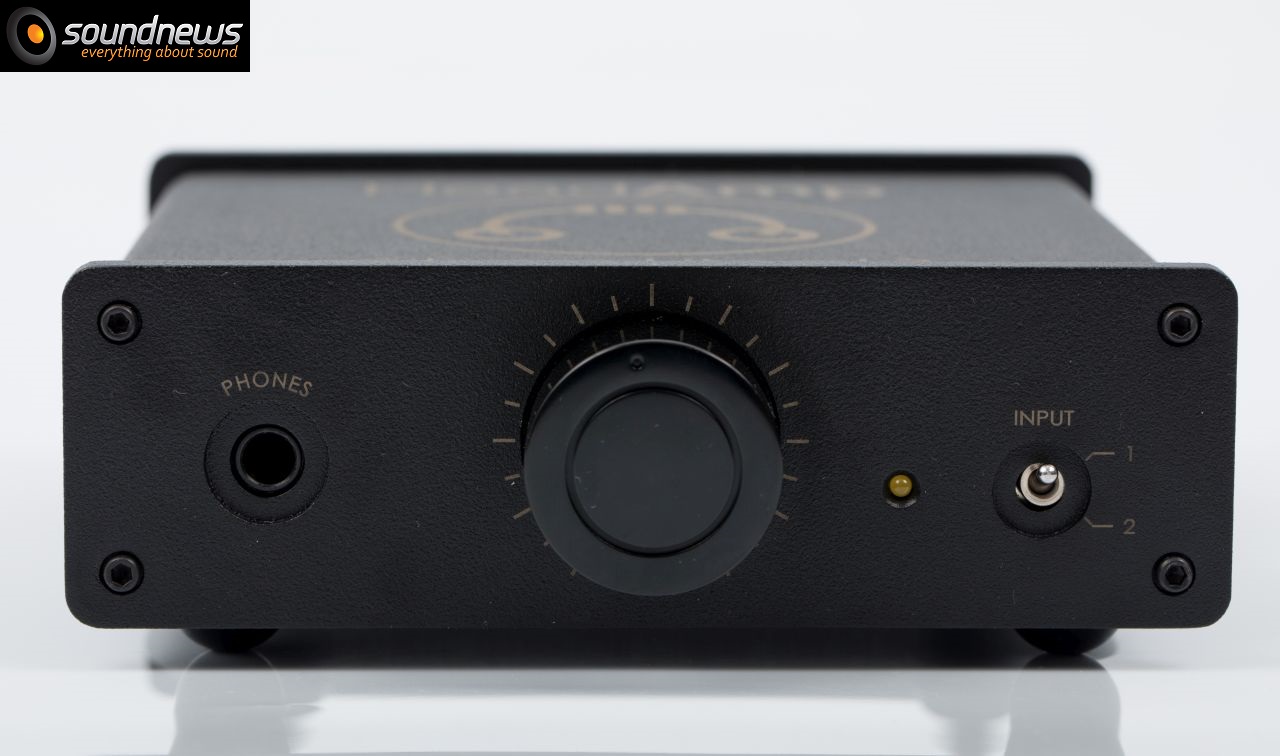
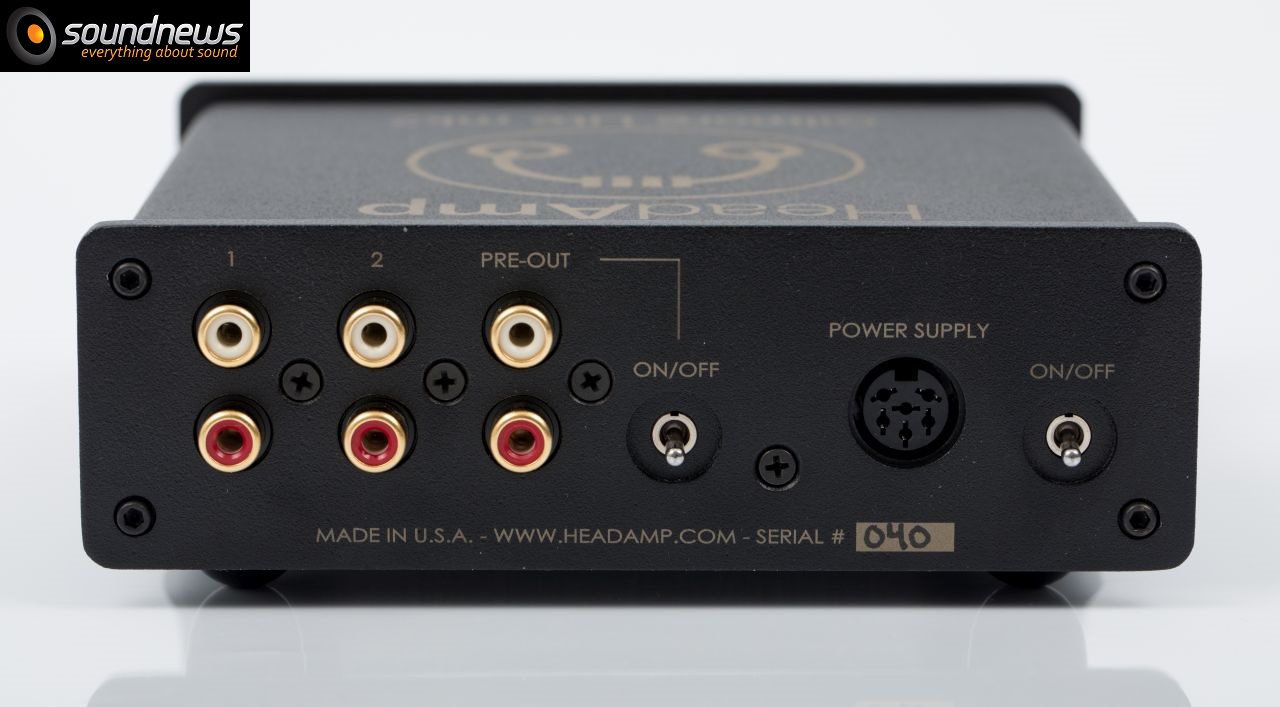
Two RCA analog inputs are provided, an active preamp out on RCA and a 1/4” (6.5mm) headphone output.

It looks very simple and modest but we already know that initial appearance can be deceiving.

Let’s get to the most interesting part.

Unleashing the Beast

Although compact and lightweight, the sound produced by this amplifier is big and bold, very airy and deep, contrary to its size.

How can you describe an audio component that doesn’t have a character, which does not interfere almost at all with the sound, which virtually disappears in front of the listener?

Ladies and Gentleman I think I’m witnessing the purest sound ever coming out of the Sennheiser HD660S, and I’m not just talking about single ended amplifiers, I’m talking about all amplifiers that passed through these hands.

It is very hard to describe an audio component that practically disappears and does not interfere with the audio signal. Purity and transparency are second names of this device.

Listening more and more I realize that I am actually listening to my audio source, my Matrix X-Sabre Pro DAC fed with lossless files and nothing else.

Let’s start from the beginning step by step.

Transparency and resolution

Listening to Elvis Presley – Fever always puts a smile on my face and on Gilmore Lite Mk2 I was stuck in my chair for three minutes paying attention to the air that moved so easily and to those micro-details that sounded so clear and alive.

Transparency is just mind blowing; the capable resolution is also superior.

The very clean performance without any acoustic interventions jumps too much at me, but please do not associate it with a clinical sound, because that’s not the case at all.

Fluidity and acoustic tonality

Often in my favorite songs I’m not looking for the ultimate resolution but for a soft bonding of the notes, that fluidity that gives sound a smooth and tireless presentation that floats lightly to my eardrums.

Take for example the Dave Brubeck quartetTake Five that sounded not only super resolving but also super liquid.
The technical and full of subtlety presentation has been greatly helped by a good fluidity that binds the notes in a natural and tireless way.

I think it is due to the class A witchcraft which many praise to the skies, otherwise I do not explain the phenomenon.

Continuing with Pink Martini – Simpatique and Radiohead – OKNOTOK gave me the same feeling: a sound that easily breathes and a fluency that brings a touch of naturalness and unsurpassed reality.

The micro-details were so apparent that I’ve heard how the mouths of the artists opened before they sang anything, the purity of the voices being unaltered in any way.

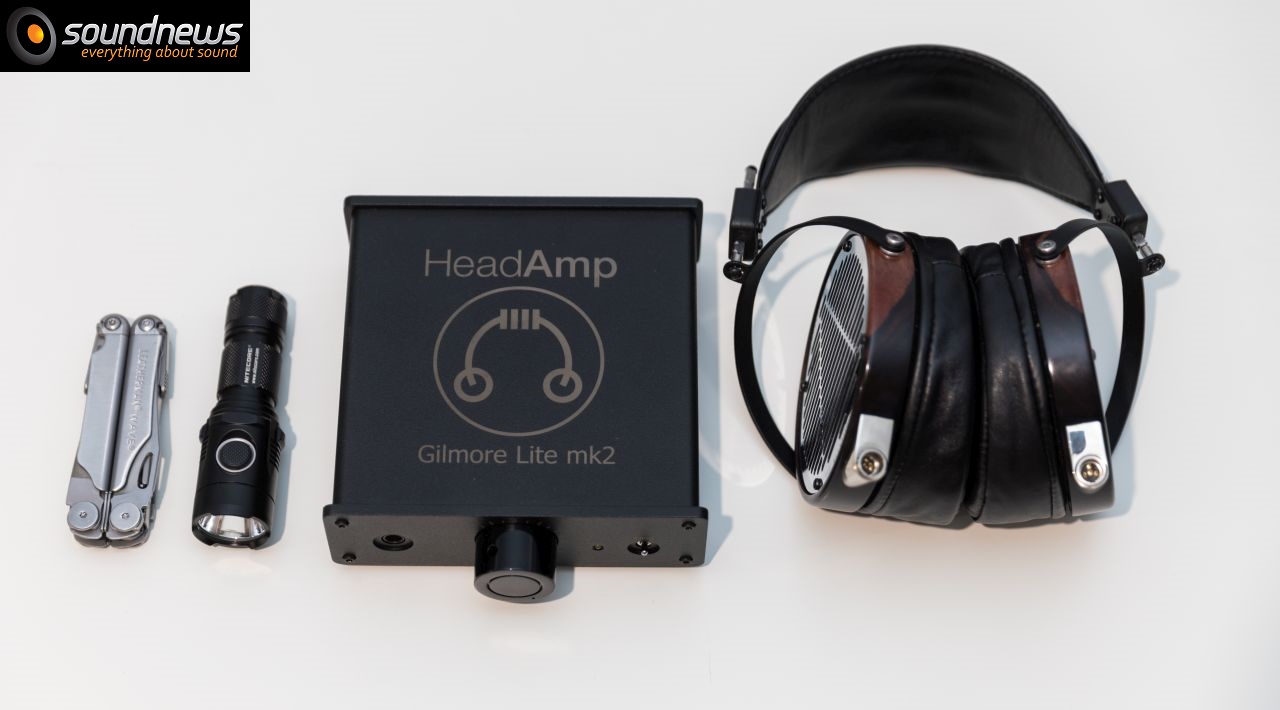
From left to right: Leatherman Wave, Nitecore MH20GT, Gilmore Lite Mk2, Audeze LCD-4

Impact, speed, execution and withdrawal of notes

Thanks to a good transparency and to a sound that easily breathes, each note is no longer impeded by anything in their way to the listener, so the impact of the notes becomes tremendous, hitting hard and heavy.

The Sennheiser HD6XX series, like my HD660S, are not known to have a reference attack or impact, but this amplifier has completely changed my mind about these headphones.

Finally, I hear a serious impact that easily rivals the planar-magnetics performance.
The flashing speed of the notes directly influences the withdrawal of the notes that is as quick as its rise.

Listening to Infected Mushroom – Spitfire I was astonished, immediately after the first minute my ears began waving because of the stunning deep bass, impact and the speed it was capable of.

Without exaggerating, the impact of the little Gilmore Lite Mk2 exceeded any expectations, it surpassed the performance of my own balanced amplifier, I will do a comparison of the two at the end of the article.

Good timing and fast transients have always been part of the company’s DNA, and this little amplifier is demonstrating it again.

Harmonic distortion and background noise level

Besides inefficient headphones, I also used a pair of FiiO F9 PRO in-ears that are extremely efficient but also very demanding when it comes to the output quality of an amplifier.

I’m glad to report that there is no background noise, the background is blacker than the night, and I can easily listen even to balanced armature based IEMs. Just take care of the volume pot as it grows exponentially from 10:00 o’clock upwards.

When I was just unboxing it, I was nervous a bit that it would not be a good match with the ESS 9038 chipset present in my Matrix X-Sabre Pro DAC, but once I pushed play all my fears were gone. The lack of grain on higher notes holds under a strict control the performance of the treble; having the necessary glitter and the total lack of disturbing brightness.

Linear Frequency Response

From the lowest sub-bass to the highest treble no ups can be heard, no downs, no dips or irregularities. Frequency response is linear, unaltered and untouched.

Due to this fact, there is no fierce competition between the notes, all of them will have their moment of glory, neither one will go unnoticed.

Holography, Depth and width of the soundstage

Lack of grain especially on treble as well as a higher level of transparency which the amplifier is capable of lead to a deeper performance in which I can walk imaginary more easily than ever.

Soundstage width is medium to large, but not huge as in the case of balanced amplifiers, or tube based designs. Still, Sennheiser HD660S as well as Audeze LCD-4 sounded wider with much improved depth than usual.

I started my day listening to some Therion – Deggial, an album in which my attention was caught by notes that surrounded my whole body. Vibration of voices heard on multiple tones made me feel goose bumps and I hummed my favorite songs for the rest of the day.

Amplification

If this amplifier managed to drive with authority a pair of LCD-4 then I can say it can drive any other pair of headphones.

HD660S for sure doesn’t need more than this, I can add here the rest of dynamic headphones on the planet, it will be a child’s play for it.

The absolute level of control over the diaphragm is very apparent, especially when I analyze under a magnifying glass a faster and more demanding song.

I’ve heard an absolute control on the LCD-4 as well, but from about 90% volume and up, the amplifier started clipping and losing control.

For such headphones as LCD-4 or HE-6 I still suggest a balanced amplifier with a bigger power reserve, a GS-X Mk2 would be the perfect choice for this task.

I did not hear any hiss on IEM type earphones, I find it very universal. As for what headphones can be used with it, the answer is quite simple: any headphones.

David VS Goliath

I made a single comparison but an important one that was a little painful in my case.

You see, my reference headphone amp that I am using almost the second year is the Audio-GD Master 9: a monster machine literally and figuratively.

It weights 16 kg and it occupies about 1/3 of the work space on my desk, it offers plenty of power for any headphone set, offering single ended as well as balanced outputs – a real tool that helped me testing various headphones but also helped quietly listening to the music.

I considered it very transparent, agile, very sincere in terms of frequency response and also very powerful having just a slight coloration on mids.

I connected the little Gilmore Lite Mk2 to X-Sabre Pro and started comparing both amps on the same LCD-4 and HD660S.

And that my friends was the moment when my jaw hit the floor…

The differences were not huge but Gilmore Lite Mk2 sounded even faster, executing a more impressive attack, hitting harder my eardrums. Bass notes caught a new contour and I felt it pulsating, how layers and sub-layers of bass floated towards me, a feeling that was not so apparent on Master 9. I went to bed thinking I was too tired and that I started dreaming.

The next day armed with more mood and leisure I resumed the comparative test.

This time around I felt that sound becomes deeper and breathes easier on the little amp, again an effect less apparent on Master 9.

More than ever I felt disappointed by the transparency and micro-details extraction that was lacking on my personal amplifier, little David offered a more sincere and unaltered sound.

Instead Gilmore Lite Mk2 lost without the right to appeal when a higher volume was needed, Master-9 offered almost infinite power for any set of headphones and had a better control over the headphone drivers at higher volume.

When I reconnected LCD-4 to the balanced output of the Master-9, audio performance plunged upward dethroning both previous performances on almost any aspect, well…except for that intoxicating transparency and micro-detail extraction that is still superior on Gilmore Lite Mk2.

Gilmore Lite Mk2 VS Audio-GD Master 9

Conclusions

Even I strongly believed that a high-end amplifier with a top audio performance is impossible to achieve at less than $1000.

Nevertheless HeadAmp with its Gilmore Lite Mk2 proved the opposite.

Really a great achievement with the Mk2 that offers a sincere and balanced sound across the board.

We are talking about a truly high-end sound that does not kill your wallet and that can dance with any dynamic headphones. It will dance with majority of planar-magnetics as well, but not so well with inefficient ones.

The amp receives my vote of confidence if you are interested in a single ended amplifier which does not want to add any coloration to your audio performance in any way and disappears as an audio component from the acoustic chain.

There is no point in mentioning the design and the quality of the construction taken to the extreme.
Impressive what was accomplished by a team of just two people, good job my friends!

Pros:

  • Excellent acoustic transparency, easy extraction of micro-details
  • Linear and untainted frequency response
  • Pure and honest audio performance
  • Crazy speed and impact
  • Plenty of power for easy (IEMs) and harder (planar-magnetics) tasks
  • Lack of harmonic distortion, black as the night background
  • Great sound fluidity
  • Extraordinary price related to impeccable performance
  • A jewel like amp, built to high standards

Cons:

  • It laughs at most of the single ended headphone amplifiers

Equipment used for review:

HeadAmp Gilmore Lite Mk2, Pico, Pico Power, iFi iPurifier2, Matrix X-Sabre Pro, Audio-GD Master 9, Sennheiser HD660S, Audeze LCD-4, FiiO F9 PRO

HeadAmp Gilmore Lite Mk2 – Design si performanta la superlativ!

0

Salutare prieteni,

Inainte de a incepe recenzia propriu zisa am decis sa va relatez cate ceva.

Putin peste 11 ani in urma cand am decis sa investesc in acest hobby minunant, producatorii de casti, dar mai ales producatorii de amplificatoare de casti puteam sa ii numar pe degete.

Iar in top 3 al producatorilor se afla o companie americana care a fost mentionata de mai multe ori in recenziile mele, este vorba despre HeadAmp Electronics.

Primul meu contact cu aceasta companie a fost in momentul in care mi-am dorit sa am cel mai performant DAC si amplificator portabil de casti, ambele intr-o cutiuta de marimea unui pachet de tigari, acel DAC/Amp avea sa fie Headamp Pico.

Datorita acelui aparat am renuntat la DAC-ul desktop pe care il foloseam si la amplificatorul desktop de casti tocmai pentru ca pe castile Grado RS-1i pe care le foloseam la acea vreme micutul Pico suna (mult) mai bine.

De multe ori il ridicam de pe masa si analizam jucaria minute in sir, atentia la detalii este uluitoare, design-ul este pur si simplu perfect, era mult peste ce vazusem pana atunci dar chiar si pana acum!

Cativa ani mai tarziu am decis ca am nevoie de cel mai bun amplificator portabil de pe piata, il doream nu doar puternic, capabil sa imi conduca casti mari si ineficiente dar voiam si un sunet transparent si cat mai rezolut. Astfel cateva luni mai tarziu am devenit fericitul posesor al faimosului Pico Power.

Il folosesc si in ziua de astazi, este de fapt referinta mea fata de care compar oricare alt amplificator portabil de casti care imi trece prin mana.

Nu este de mirare pentru ca pana la aceasta zi are cele mai bune masuratori inregistrate vreodata in categoria amplificatoare de casti portabile sau desktop.

Uitati-l aici intr-o poza de familie alaturi de fratele mai mic Pico si de fratele mai mare Gilmore Lite Mk2.

In decursul acestor ani am inceput sa am un respect enorm pentru acest brand dar si o mare incredere in tot ceea ce fac, din pacate rar intalnit pe aceste meleaguri.

Din cate stiu la momentul actual produc cel mai bun amplificator pentru casti dinamice: GS-X Mk2, inclusiv cel mai bun amplificator pentru casti electrostatice: Blue Hawaii Special Edition (prescurtat BHSE).

Din pacate nu imi pot permite amplificatorul balansat GS-X Mk2, poate intr-o buna zi il voi testa si pe acesta, cine stie?

Astazi voi testa un amplificator desktop recent lansat, mult mai accesibil decat varianta balansata si anume HeadAmp Gilmore Lite Mk2.

Design si specificatii

Ca si celelalte amplificatoare dezvoltate de HeadAmp, calitatea constuctiei este impecabila.

Amplificatorul este de dimensiuni mici si foloseste o sursa de alimentare externa, exista o mare posibilitate ca in viitorul apropiat sa se ofere si o sursa de alimentare dedicata avand aceleasi dimensiuni ca si amplificatorul.

Partea imbucuratoare este ca amplificatorul se bazeaza pe absolut acelasi circuit gasit in legendarul GS-X Mk2 (3000 USD). La intrare se folosesc JFET-uri ultra low noise, iar la iesire tranzistori bipolari care functioneaza mereu in clasa A!

Dupa cum observati este un circuit compus in totalitate din componente discrete, nu exista nici un op-amp in calea semnalului audio cat si nici un condensator (cele 4 condensatoare electrolitice din poza de mai jos se ocupa de filtrarea sursei de alimentare).

S-a folosit potentiometrul Alps Blue de o calitate superioara folosit de obicei in design-uri mai scumpe.

Amplificatorul nu ofera un comutator de gain, dar sincer nici nu prea este nevoie de unul. Puterea ampla de 1.5 W si nivelul de zgomot foarte scazut il fac perfect atat pentru cele mai sensibile IEM-uri cat si pentru flamandele casti planar-magnetice.

Sunt prezente doua intrari analogice RCA, o iesire de preamplificator activ pe RCA si o iesire 6.5 mm de casti.

Arata foarte simplist si modest, dar deja stim ca de multe ori aparentele inseala.

Sa trecem la partea cea mai interesanta.

Dezlantuirea Bestiei

Desi este compact si usor, sunetul produs de acest amplificator este grandios, bine aerisit si adanc, contrar dimensiunilor sale.

Cum ai putea descrie o componenta audio care nu are caracter, care nu intervine aproape deloc asupra sunetului, care practic dispare in fata ascultatorului?

Doamnelor si Domnilor cred ca asist la cel mai pur sunet iesit vreodata din difuzoarele castilor Sennheiser HD660S, si nu ma refer doar la amplificatoarele single ended, ma refer la toare amplificatoarele trecute prin aceste maini.

Este foarte greu sa descrii o componenta audio care practic dispare si nu intervine absolut deloc in calea semnalului audio. Puritatea si transparenta sunt numele mici ale acestui aparat.

Ascultand din ce in e mai mult imi dau seama ca de fapt imi ascult sursa audio, adica X-Sabre Pro alimentat cu fisiere lossless si nimic altceva.

Sa o luam de la inceput pas cu pas.

Transparenta si rezolutie

Ascultand Elvis Presley – Fever imi pune mereu un zambet pe fata iar pe Gilmore Lite Mk2 am intepenit trei minute fiind atent la aerul care se misca cu atata usurinta si la acele microdetalii care au sunat atat de clar si viu.

Transparenta este pur si simplu uluitoare, rezolutia capabila este si ea la un nivel superior.

Performanta foarte curata, lipsita de interventii acustice sare prea mult in evidenta insa rog sa nu va ganditi la un sunet clinic, pentru ca nu este deloc cazul.

Fluiditate si tonalitate acustica

De multe ori, intr-o melodie nu caut rezolutia suprema, mai degraba urmaresc legarea usoara a notelor cu fir de matase, acea fluiditate care da senzatia de sunet lin si neobositor ce pluteste usor spre timpane.

Cvartetul Dave Brubeck – Take Five a sunat nu numai super rezolut dar si super fluid.

Prestatia tehnica si plina de subtilitati a fost ajutata enorm de o cursivitate buna care leaga notele intr-un mod natural si neobositor.

Consider ca se datoreaza vrajitoriei sunetului clasei A pe care multi il ridica in slavi, altfel nu imi explic fenomenul.

Continuand cu Pink Martini – Simpatique si cu Radiohead – OKNOTOK mi-a gadilat urechea aceeasi senzatie: sunetul care respira usor si cursivitatea care aduce o tenta de naturalete si realiatate de nedescris.

Microdetaliile erau atat de aparente incat auzeam cum li se deschid gurile artistilor inainte de a rosti ceva, puritatea vocilor fiind nealterata in nici un fel.

Impact, viteza, executarea si retragerea notelor

Datorita transparentei ridicate si a sunetului care respira usor fiecare nota nu mai este impiedicata de nimic in calea sa spre ascultator, astfel impactul notelor devine zguduiotor.

Castile Sennheiser din seria HD6XX, cum sunt si HD660S ale mele nu sunt cunoscute ca avand un atac sau impact de referinta, insa acest amplificator mi-a schimbat complet parerea despre aceste casti.

In sfarsit aud un impact serios care rivalizeaza cu usurinta prestatia planar-magneticelor.

Viteza fulgeratoare a notelor influenteaza direct si retragerea notelor la fel de rapida.

Ascultand Infected Mushroom – Spitfire am ramas inmarmurit, imediat dupa primul minut al piesei au inceput sa imi fluture urechile datorita basului uluitor de adanc, impactului si vitezei de care este capabil.

Fara sa exagerez, impactul micului Gilmore Lite Mk2 mi-a intrecut orice asteptare, a intrecut chair si prestatia propriului amplificator balansat, voi face si o comparatie intre cele doua spre sfarsitul articolului.

Timing-ul bun si transientii rapizi mereu au facut parte din ADN-ul companiei si acest mic amplificator demonstreaza din nou acest lucru.

Distorsiunea armonica si nivelul zgomotului de fond

Pe langa castile ineficiente am folosit si o pereche de casti in-ear FiiO F9 PRO, casti hibride extrem de eficiente dar si foarte exigente cand vine vorba de calitatea iesirii unui amplificator.

Ma bucur sa raportez ca nu exista nici un zgomot de fond, fundalul este negru ca noaptea si pot asculta lejer chiar si IEM-uri bazate pe armaturi balansate. Dar, mare grija la rotita de volum, acesta creste exponential de la pozitia orei 10:00 in sus.

Cand abia il despachetam aveam emotii ca nu se va impaca bine cu chipsetul ESS 9038 prezent in DAC-ul Matrix X-Sabre Pro, insa odata ce am dat play toate temerile au disparut. Lipsa granulatiei pe inalte tine un control strict asupra prestatiei inaltelor, avand sclipiciul necesar si lipsa totala a sibilantei deranjante.

Raspunsul in frecventa liniar

De la cel mai jos sub-bas pana la inaltele cele mai de sus nu aud arcusuri, coborari, gropi sau neregularitati. Raspunsul in frecventa este liniar, nealterat si neatins.

Datorita acestui fapt nu exista o concurenta apriga intre note, toate urmeaza sa aiba momentul sau de glorie, nici una nu trece neobservata.

Adancime si latime scena, holografie

Lipsa granulatiei in special pe registrele de sus cat si transparenta ridicata de care este capabil amplificatorul duc la o prestatie adanca in care ma pot plimba imaginar mai usor ca niciodata.

Scena este de latime medie spre mare, insa nu este uriasa ca in cazul amplificatoarelor balansate sau a celor bazate pe lampi. In continuare HD660S cat si LCD-4 au sunat putin mai extins pe latime insa mult mai adanc decat sunau de obicei.

Mi-am inceput ziua ascultand Therion – Deggial, album in care mi-au captat atentia notele ce imi inconjurau imaginar tot corpul. Vibratia vocilor pe mai multe tonalitati mi-a facut pielea de gaina si am fredonat tot restul zilei piesele preferate.

Amplificarea

Daca acest amplificator a reusit sa conduca autoritar o pereche de LCD-4 atunci pot spune ca poate conduce oricare alta pereche de casti.

Sennheiser HD660S cu siguranta mai mult de atat nu au nevoie, aici pot adauga si restul castilor dinamice de pe planeta, pur si simplu se joaca cu ele.

Nivelul de control absolut asupra difuzoarelor este foarte aparent, mai ales cand analizez sub lupa o melodie ceva mai sprintena.

Am auzit un control absolul si pe LCD-4, insa cam de la 90% volum in sus amplificatorul intra usor in clipping si isi pierdea vocea.

Pentru casti de asa calibru precum LCD-4 sau HE-6 sugerez totusi un amplificator balansat cu o rezerva mai mare de putere, un GS-X Mk2 ar fi alegerea perfecta pentru acesta misiune.

Nu am auzit his pe castile de tip IEM, este foarte universal. In ceea ce priveste castile care se pot asculta la el, raspunsul este simplu: orice casti.

David VS Goliat

Am facut o singura comparatie insa una importanta si in cazul meu putin dureroasa.

Vedeti voi amplificatorul de referinta care il folosesc deja al doilea an consecutiv este Audio-GD Master 9: un monstru de aparat la propriu si la figurat.

Cantareste 16 kg si imi ocupa cam 1/3 din spatiul de lucru de pe birou, ofera putere ampla pentru orice pereche de casti, oferindu-mi atat iesiri single ended cat si balansate – o adevarata uneala care m-a ajutat la testarea castilor dar si la ascultatul in tihna a muzicii.

Eu il consideram transparent, rapid, foarte sincer in ceea ce priveste raspunsul in frecventa si foarte puternic, avand o mica coloratura pe medii.

Am conectat frumos micul Gilmore Lite Mk2 la X-Sabre Pro si am inceput sa compar ambele amplificatoare folosind aceleasi casti LCD-4 si desigur acelasi DAC.

Acela a si fost momentul in care am ramas cu gura cascata.

Diferente nu au fost uriase insa Gilmore Lite Mk2 a sunat mai rapid, executand un atac si mai impresionant, lovind si mai serios in timpane. Basul a prins un nou contur pentru ca il simteam cum pulseaza, cum straturi si substraturi de bas plutesc catre mine, lucru care nu era atat de aparent pe Master 9. M-am dus la culcare crezand ca visez si ca sunt prea obosit.

A doua zi inarmat cu mai multa dispozitie si timp liber am reluat testul comparativ.

De data acesta am simtit cum sunetul devine usor mai adanc si respira lejer pe micul Gilmore Lite Mk2, chestie mai putin aparenta pe Master 9.

Mai mult ca niciodata m-a dezamagit transparenta si extragerea detaliilor mai retrasa a amplificatorului personal, micul David oferind un sunet sincer si nealterat.

In schimb Gilmore Lite Mk2 a pierdut fara drept de apel cand am avut nevoie de mai mult volum, Master-9 oferind putere aproape infinita pentru orice set de casti, are un control mai bun asupra difuzoarelor la volum ridicat.

Cand am reconectat LCD-4 pe iesirea balansata al Master-9, performanta audio a plonjat in sus detronand ambele prestatii la aproape orice capitol inafara de transparenta si extragerea microdetaliior care in continuare a fost superioara pe Gilmore Lite Mk2.

Concluzii

Chiar eu credeam cu tarie ca nu se poate realiza un amplificator high-end cu pretentii audiofile sub suma de 1000 USD.

Insa HeadAmp cu al sau Gilmore Lite Mk2 mi-a demonstrat contrariul.

Asa da realizare si asa da sunet echilibrat si foarte sincer.

Vorbim despre un sunet cu adevarat high-end care nu iti violeaza portofelul si care poate dansa cu orice model de casti dinamice. Va dansa si cu majoritatea planar-magneticelor insa nu atat de bine cu modelele ineficiente.

Amplificatorul primeste votul meu de incredere in cazul in care va intereseaza un amplificator single ended (RCA) care nu sta sa iti coloreze in nici un fel prestatia audio si care dispare ca o componenta audio din lantul acustic.

Nu are rost sa mentionez designul si calitatea constructiei duse la extrema.

Impresionant ce a putut realiza o echipa de doi oameni, bravo frate american!

Pro:

  • Transparenta acustica de invidiat, extragerea lejera a microdetaliilor

  • Raspunsul in frecventa liniar si nealterat

  • Puritarea si sinceritatea prestatiei audio

  • Viteza si impactul uluitor

  • Putere destula de la mic (IEM-uri) la mare (planar-magentice)

  • Lipsa distrosiunii armonice, fundal negru ca noaptea

  • Fluiditate buna a sunetului

  • Pret extraordinar raportat la performanta impecabila

  • O bijuterie de amplificator, construit la standarde ridicate

Contra:

  • Face de ras majoritatea amplificatoarelor de casti single ended

Echipamente folosite pentru review:

HeadAmp Gilmore Lite Mk2, Pico, Pico Power, iFi iPurifier2, Matrix X-Sabre Pro, Audio-GD Master 9, Audeze LCD-4, Sennheiser HD660S, FiiO  F9 PRO

FiiO F9 PRO & FH1 – Double Dragon (English)

2

Hello friends,

Immediately after the launch of F5, F9SE and F9 IEMs, FiiO instead of catching a breath of fresh air, decided to be seriously involved in the improvement of their own designs, thus F9 PRO and FH1 see the light of the day, I’ll write about both products in detail in the shortest time.

I. FiiO F9 PRO

As in case of F9 to which you can read the detailed review right here, F9 PRO are hybrid earphones that uses a dynamic driver to deliver a good base response and two balanced armatures that takes care of the mids and treble.

Unlike the original F9, the PRO version uses balanced armatures from the renowned American manufacturer Knowles, the exact models is TWFK-30017-000.

Package contents

The same two detachable cables can be found, one is a normal 3,5mm one that offers in-line controls, the other one is a balanced 2,5mm cable of a higher quality.

This time package contains 12 pairs of ear-tips, classified in 4 different categories (each having 3 pairs of small/mid/large ear tips) as follows:

  • Black silicone ear tips – they offer the most balanced sound, nothing stands out too much, for me those are little uncomfortable and isolate not as great, negatively affecting the bass performance.
  • Black silicone ear tips with a red inner tube – these ones absorb some of the treble highlighting the low end – the perfect ear tips for bass heads.
  • Transparent silicone tips with a red inner tube – with this tips mids come forward a bit highlighting voices. For a relaxed and more natural sound signature this are the right tips for the job.
  • Black memory foam tips – very similar with Comply tips, they offer the best comfort and isolation helping a bit that bass response. The heat from the ear canal makes memory foam soft that easily takes its shape so this are my favorite ear tips because of the superior comfort and slightly accentuated bass.

Besides the hard shell case that is also waterproof a mini pouch is offered as well. Made from fabric and being that small is really great at safe transporting of F9 PROs.

Sound Quality

F9 PRO compared to the original F9 uses Knowles balanced armatures that had a greater impact on sound that I initially anticipated.

Impressive is the very good tonal balance that F9 PRO is capable of – the only real downside of the F9.

Frequency response is no longer V-shaped, the mids this time around are much more present and the treble is not that bothering any more. Overall I think they offer a reference sound at an entry level price.

Bass is reminiscent of the one from F9, on the other hand using memory foam tips really wakes up a deep and rumbling bass.

I still think bass response of F9 PRO is fast, having a good precision and extension.

On both F9 and F9 PRO I feel that bass puts more emphasis on quality rather than on quantity. It goes pretty low, but it cannot be considered as reference level due to shy sub-bass, however using the right ear-tips care completely resolve this issue.

It is executed strikingly fast with a serious impact on the eardrums, very obvious on electronic music, at higher volume I have a feeling that my entire inner ear is vibrating.

Unlike the former F9 IEMs, PROs do not sound as aggressive – a good consequence if you listen to more musical genres.

I was impressed by the mids as well that are much more present and alive, offering more emotion and soul than the F9 predecessors.

As a result bass as well as mids almost always are coming forward offering an exact dose of musicality and acoustic performance.

The more pronounced mids have greatly reduced the feel of plasticky and false sound, sometimes heard on F9.

At last I can easily listen to vintage music where mids are really bold and outlined, and to modern music too where bass can be the most important aspect.

I enjoyed the most the performance of the highs which is much more natural and I was even wondering if it is due to new balanced armatures or due to crossover changes, because the differences are quite big.

Overall, I liked F9 but razor sharp nature of the treble made me use F5 more often to the detrimental higher performance of F9.

The PRO version has completely solved this problem, providing not just the same level of detail and resolution in the higher registers but also making it more relaxed and natural. Brightness is no longer present and I enormously enjoy the new sound signature.

Moving from F9 to F9 PRO the immediate impression is that the sound becomes livelier and more natural, much closer to reality that seemed calmer.
Finally, the tonal balance is present and as a result almost nothing stands out, everything seems in its place.

Holography is more impressive this time around; closing my eyes I can swear that the sound emanates at 1-2 m away from me and not millimeters away from my ear-drums, the sensation is really interesting. Few IEMs can sound so airy and fast, with a good tonal balance.

The disappearance of harmonic distortion on treble (present on F9) creates a soundstage that is not only deeper and broader but also airier and clearer.

F9 PRO on the right equipment is completely another animal than F9. I’m sad that they have not been offered at the same time because I consider them a logical upgrade to F9 – especially if natural sound is what are you looking for. Very rarely I can associate a natural sound with balanced armatures, but it is possible and F9 PRO shows exactly that.

Together with F9 PRO I’ve tested a pair of FH1 on the same equipment; I’ve made a solid impression about F9 PRO so FH1 will have a fierce competitor this evening.

II. FiiO FH1

FH1 are also hybrid earphones that uses a dynamic driver for base response and just a single balanced armature (instead of two on F9 and F9 PRO) at that is Knowles 33518.

Another important change is the use of a larger diameter dynamic diaphragm, more exactly a 10 mm one instead of 9.2mm one on F9 and F9 PRO. Besides this fact, it is reinforced with a brass metal ring that increases the surface area by 25.7% – two important changes that suggest a better reproduction of the low end, will see if that is the case.

A last change that again had an impact on the sound is the use of brass in the construction of the sound tube to which ear tips are attached, and the balanced armature is placed much closer to the ear than in case of F9 and F9 PRO.

To reduce production costs in place of an aluminum body shell a high-gloss plastic one was used, I do hope this change will not have a bad impact towards sound quality.

The same hard shell protection case can be found in the package and two detachable cables: a normal 3.5 mm one with in-line controls and a balanced 2.5mm one of a higher quality.

Again 6 pairs of ear tips can be seen, from which 3 pairs are the standard black silicon tips – most balanced sound across the board and another 3 pairs that has a red sound tube that are used for waking that bass from hibernation.

Overall the package and its accessories is very similar to the F9 one.

Now lets get to the most interesting part.

Sound Quality

If the original F9 would represent the Yin concept, then surely FH1 will be their opposite twin brother Yang – both are opposed diametrically when it comes to acoustic performance.

But lets get it from the start.

Bass performance is very different, it reminds me a lot about F5 performance, even by that of Sennheiser Momentum In-ear or IE-80. Bass vibrates sensibly more, it goes lower and has clearly longer decays. Fortunately it doesn’t overflow the mid frequencies.

Not just extension is better going into sub-bass region, but it’s inner kick is stronger as well. This time around I feel like the emphasis was placed more on quantity rather than on quality.

The transient response bothers me a bit, the vibration of the notes is longer than what I am accustomed to and layers and sub-layers of bass are not present.

If I would not be so critical with it’s bass response, it can be considered really good.

Besides the muscular bass I have an impression that the balanced armature emphasizes mids a little bit more that the higher notes. Thereby mids are more pronounced, capturing attention to throughout the song.

Voices are becoming syrupy and warm and as a result vintage music sounds foggy  masking some micro-details from the decor.

Holography has little to suffer as well, due to the less airy sound, everything sounds closer to the listener, the action takes place closer to the eardrum and that leads to a smaller soundstage both in depth and in width.

It is shocking enough to think that a hybrid earphone that uses a balanced armature can sound so warm and sweet, without a touch of artificial sound.

Although the mid frequencies are warm and pleasant, they do not always come upfront due to a less airy presentation.

The highs are completely opposed to those heard on F9, they are much calmer, more relaxed and placed deeper into the stage.

The highest notes have a slight attenuation, as if the top was cut a bit, this effect was only heard on higher quality Hi-Res material. On normal lossless music this effect is rarely heard.
Attenuation of the treble creates both the impression that notes hit an imaginary wall but also the sensation of intimacy, in which the action takes place in a more cramped and crowded place.

I think the frequency response of FH1 is opposite to that heard on F9, and the F9 PRO is exactly between the two models, with the most accurate and linear sound.

Conclusions

Consequently I think that FH1 are most musical and relaxed earphones from FiiO’s portfolio, while F9 PRO have the most accurate and natural sound from all its stable.

I am glad that I can easily tune the sound using only the ear-tips found in the package, especially those in the F9 PRO package are sounding very different from each other.

F9 PRO easily rivals IEMs from established manufacturers. Just a week ago I have listened to a pair of Shure SE315 and those sounded as if I had wool in my ears, the F9 PRO easily outperformed them by a long shot.

I recommend at least trying F9 PRO, it’s worth your effort, I decided to keep them in my stable for a comparison with the next review candidates.
The FH1 is the embodiment of musicality, offering a relaxed and easy-to-listen sound for hours and hours.

FiiO F9 PRO

Pros:

  • Removable cables, package rich in accessories
  • Good extraction of details
  • Airy presentation
  • Naturalness and rich tone
  • Wide open soundstage
  • Rivals performance of more expensive earphones
  • Best comfort until now (using foam ear-tips)

Cons:

  • None at this price point and performance

FiiO FH1

Pros:

  • Lively and dynamic sound
  • Very obvious musicality
  • Good macro-details
  • Excellent textures of the notes
  • High level of comfort due to lack of air pressure in the ear canal
  • Excellent price for what it offers

Cons:

  • Lack of linearity, coloration on bass and mids
  • Extraction of micro-details was not a priority
  • Shy top end

Equipment used for review:

FiiO F9 PRO, F9, FH1, Q5, HeadAmp Pico Power, Gilmore Lite Mk2, Matrix X-Sabre Pro, Audio-GD Master 9, iFi iPurifier2, unobtanium edition audio cables

FiiO F9 PRO & FH1 – Double Dragon

4

Salutare prieteni,

Imediat dupa lansarea castilor in-ear F5, F9SE si F9, FiiO in loc sa traga o gura de aer s-au pus serios pe treaba imbunatatindu-si propriile creatii, astfel F9 PRO si FH1 vad lumina zilei, despre care voi vorbi pe larg in cel mai scurt timp.

I. FiiO F9 PRO

Ca si in cazul castilor F9 la care puteti citi recenzia dedicata aici, F9 PRO sunt casti hibride care folosesc o diafragma dinamica pentru a reda basul si doua armaturi balansate care se ocupa de medii si de inalte.

Spre deosebire de originalele F9, versiunea PRO foloseste armaturi balansate de la renumitul producator american Knowles, modelul exact este TWFK-30017-000.

Continutul Pachetului

Gasim aceleasi 2 cabluri detasabile, unul normal de 3.5mm ce ofera comenzi pe fir si un cablu balansat impletit de 2,5mm de calitate superioara.

De data aceasta in cutie se gasesc 12 perechi de dopuri, cate 3 perechi (mici, medii, mari) clasate in 4 categorii:

  1. dopurile de silicon negre – ofera cel mai echilibrat sunet, nimic nu sare in evidenta, pentru mine sunt mai putin comode, izoleaza mai putin afectand negativ prestatia basului.

  2. Dopurile negre avand cilindrul acustic de culoare rosie – aceste dopuri absorb o parte din inalte astfel punand in evidenta joasele. Sunt dopurile perfecte pentru iubitorii de bas.

  3. Dopurile transparente avand cilindrul acustic de culoare rosie – siliconul din aceste dopuri pune in evidenta frecventele medii, inclusiv vocile. Pentru un sunet mai natural si relaxat acestea sunt dopurile perfecte.

  4. Dopurile negre din spuma cu memorie – foarte asemanatoare dopurilor Comply acestea ofera cea mai buna izolatie fonica si in acelasi timp accentueaza frecventele joase. Spuma de memorie la contactul cu urechea ia forma canalului auditiv si astfel sunt dopurile mele preferate datorita confortului superior si a basului usor accentuat.

Pe langa husa din plastic dur rezistenta la apa ni se ofera si o mini husa de transport din material textil moale, numai buna pentru transportul in siguranta al castilor.

Sunetul

F9 PRO fata de originalele F9 folosesc armaturi balansate de la Knowles care spre surprinderea mea au avut un impact asupra sunetului mai mare decat m-as fi asteptat.

Impresionant este echilibrul tonal foarte bun de care sunt capabile – unicul lucru care m-a deranjat cu adevarat la F9.

Raspunsul in frecventa nu mai are forma literei V, mediile de data aceasta sunt mai prezente, iar inaltele nu mai deranjeaza deloc. Cred ca per total sunt castile de referinta al acestui producator.

Basul se aseamana destul de mult cu cel al F9, pe de alta parte folosind dopurile de spuma se poate amplifica senzatia de bas adanc si nervos.

In continuare basul redat de F9 PRO este rapid, avand o precizie si o extensie foarte buna.

Basul pe F9 si pe F9 PRO pune mai mult accentul pe calitate decat pe cantitate.

Coboara destul de jos, dar nu poate fi considerat de referinta datorita sub-basului retras, insa folosind dopurile corecte se poate rezolva in totalitate problema.

El este executat fulgerator avand un impact serios in timpane, foarte evident pe muzica electronica, la volum ridicat am senzatia ca imi vibreaza intreaga ureche interna.

Spre deosebire de originalele F9, modelul Pro nu mai sunt atat de agresive – o consecinta buna daca ascultati mai multe genuri muzicale.

M-au impresionat si mediile care sunt mult mai prezente, oferind mai multa emotie si suflet decat predecesoarele F9.

Ca urmare basul si mediile ies aproape mereu in prim plan oferind o doza exact de muzicalitate si de performanta acustica.

Mediile mult mai conturate au redus mult senzatia de sunet plasticos si fals, sesizat cateodata pe F9.

In sfarsit pot asculta cu usurinta atat muzica vintage unde mediile sunt foarte conturate, cat si muzica moderna unde basul poate fi cel mai important aspect.

Cel mai mult m-a bucurat prestatia inaltelor care este mult mai naturala si chiar ma intrebam daca se datoreaza noilor armaturi balansate sau schimbarilor din crossover pentru ca diferenta este chiar maricica.

Per total mi-au placut F9 insa prestatia taioasa a inaltelor m-a facut sa folosesc mai des F5 in detrimentul superioarelor F9.

Varianta PRO a rezolvat complet aceasta problema, oferind nu doar acelasi nivel de detaliu si rezolutie in registrele de sus dar si sunand mai relaxat si mai natural.

Sibilanta nu mai este prezenta si acest lucru ma bucura enorm.

Trecand de la F9 la F9 PRO imediata impresie este ca sunetul devine mai viu si mai natural, mult mai aproape de realitate si parca mai calm.

In sfarsit echilibrul tonal este prezent si ca urmare aproape nimic nu sare in evidenta, totul pare la locul sau.

Holografia este mai impresionanta de data aceasta, inchinzand ochii pot jura ca sunetul emanat este la 1-2 m distanta de mine si nu la mm de timpane, senzatia este chiar interesanta.

Putine modele in-ear pot suna atat de aerisit si rapid, avand un bun echilibru tonal.

Disparitia distorsiunii pe inalte (prezenta pe F9) creaza o scena nu doar mai adanca si larga dar mai aerisita si clara

F9 PRO pe echipamentul corect sunt complet alt animal fata de F9. Imi pare rau ca nu au fost oferite in acelasi timp cu F9 pentru ca le consider un upgrade logic fata de F9 – mai ales daca va tenteaza un sunet mai corect. Foarte rar pot asocia sunetul armaturilor balansate cu sunetul natural, insa chiar se poate si F9 PRO demonstreaza acest lucru.

Impreuna cu F9 PRO am testat si FH1 pe aceleasi echipamente, mi-am facut o impresie solida despre F9 PRO asa ca FH1 are o concurenta solida in aceasta seara.

II. FiiO FH1

FH1 sunt si ele casti hibride la care de bas se ocupa o diafragma dinamica iar de medii si inalte se ocupa o singura (fata de doua bucati in F9 & F9 PRO) armatura balansata Knowles 33518.

O alta schimbare importanta este utilizarea unei diafragme dinamice de diametru mai mare, mai exact de 10 mm fata de 9.2 mm pe F9 si F9 PRO. Pe langa acest lucru, diafragma dinamica a fost intarita cu un inel de bronz care mareste suprafata ariei cu aproximativ 25.7% – doua schimbari importante care ar sugera o redarea mai corecta a joaselor, vom trai si vom vedea daca se adevereste…

O ultima schimbare care din nou a avut un impact asupra sunetului este utilizarea bronzului in constructia canalului acustic la care se ataseaza dopurile, iar armatura balansata prin constructie este plasata mult mai aproape de ureche decat in cazul F9 si F9 PRO.

Pentru a reduce costul de productie in locul carcasei de aluminiu turnat s-a ales o carcasa de plastic lucios, sper ca aceasta schimbare sa nu impacteze negativ asupra prestatiei sonore.

In pachet gasim aceeasi husa din plastic dur rezistenta la apa si cele doua cabluri detasabile: unul normal de 3.5 mm cu comenzi pe fir si cablul balansat de 2.5 mm de calitate superioara.

Gasim din nou 6 perechi de dopuri, dintre care 3 perechi reprezinta dopurile standard din silicon – cele mai echilibrate ca sunet si alte 3 perechi care au canalul de culoare rosie create pentru trezirea basului din hibernare.

Per total pachetul de accesorii este identic cu cel al originalelor F9.

Sa trecem acum la partea cea mai interesanta.

Sunetul

Daca originalele F9 ar reprezenta conceptul Yin, atunci cu siguranta FH1 ar reprezenta conceptual Yang – sunt diametral opuse cand vine vorba de performanta acustica.

Dar sa incepem cu inceputul.

Performanta basului este foarte diferita, imi aminteste mult de performanta F5, chiar de cea auzita in Sennheiser Momentum In-ear sau IE-80. Basul vibreaza simtitor mai mult, coboara mai jos si zaboveste ceva mai mult. Din fericire nu se revarsa asupra mediilor.

Nu doar extensia este mai buna coborand in zona sub-basului, ci si lovitura in sine este mai puternica. De data aceasta simt ca s-a pus un accent mai mare asupra cantitatii decat asupra calitatii.

Ma deranjeaza putin raspunsul tranzitoriu, adica durata vibratiei este ceva mai lunga decat cea de referinta iar substraturile de bas nu prea sunt prezente.

Daca nu sunteti prea critici cu aceste casti, basul poate fi unul special.

Pe langa basul musculos am impresia ca armatura balansata accentueaza mai mult frecventele medii decat cele inalte.

Astfel mediile sunt si mai accentuate, in multe cazuri captand atentia asupra sa pe toata durata melodiei.

Vocile devin siropoase si calde iar muzica vintage se aude de parca ar fi usor in ceata mascand doar cateva microdetalii din decor.

Are putin de suferit si holografia, datorita sunetului mai putin aerisit, totul suna mai aproape de ascultator, actiunea se petrece mai aproape de timpane si acest lucru duce la o scena mai mica atat pe adancime cat si pe latime.

Este destul de socant sa ma gandesc ca niste casti hibride care au in constructia sa si o armatura balansata pot suna atat de cald si siropos, fara un dram de sunet artificial.

Desi frecventele medii sunt destul de calde si placute, ele nu ies mereu in prim plan datorita aerisirii slabe a sunetului.

Inaltele sunt complet opuse celor auzite pe F9, sunt mult mai calme, mai relaxante si plasate in planul doi.

Inaltele cele mai de sus au o usoara atenuare, de parca au fost taiate cele mai de sus note, iar acest lucru l-am auzit numai pe material Hi-Res de calitate superioara. Pe muzica normala lossless acest efect isi face aparitia mult mai rar.

Atenuarea inaltelor creaza atat impresia unui perete imaginar de care se lovesc notele de sus dar si senzatia de intimitate, in care actiunea se petrece intr-un loc mai inghesuit si mai aglomerat.

Cred ca raspunsul in frecventa al FH1 este opus celui auzit pe F9, iar F9 PRO se situaza exact intre cele doua modele, avand sunetul cel mai corect si liniar.

Concluzii

Prin urmare cred ca FH1 sunt cele mai muzicale si relaxante casti din portofoliul FiiO, pe cand F9 PRO sunt cele mai corecte si naturale din ce au scos pana acum.

Ma bucur enorm ca pot tuna usor sunetul folosind doar dopurile din pachet, in special cele din pachetul F9 PRO suna foarte diferit una fata de alta.

F9 PRO rivalizeaza cu usurinta IEM-urile producatorilor consacrati, chiar acum o saptamana am ascultat o pereche de Shure SE315 care sunau de parca aveam vata in urechi, F9 PRO le-a spulberat fara drept de apel la cam orice capitol.

F9 PRO recomand cel putin sa le ascultati, merita efortul dvs, am decis le pastrez pentru a le compara cu urmatorii candidati la teste.

FH1 sunt muzicalitatea intruchipata, oferind un sunet relaxat si usor de ascultat ore in sir.

F9 PRO

Pro:

Cabluri detasabile, pachet bogat in accesorii

– Extragerea buna a detaliilor

– Aesirirea buna a sunetului

– Naturalete si ton bogat

– Scena larg deschisa

– Rivalizeaza performanta castilor mai scumpe

– Cel mai bun confort de pana cum (folosind dopurile din spuma)

Contra:

– Nimic la acest pret si performanta

FH1

Pro:

– Sunet vioi si dinamic

– Muzicalitate ridicata

– Macrodetalii bune

– Textura excelenta a notelor

– Confort ridicat datorat lipsei presiunii in canalul auditiv

– Pret excelent pentru ceea ce ofera

Contra:

– Coloratura pe bas si medii, lipsa liniaritatii

– Microdetaliile nu au fost o prioritate

– Inalte timide

Echipamente folosite pentru recenzie:

FiiO F9 PRO, F9, FH1, Q5, HeadAmp Pico Power, Gilmore Lite Mk2, Matrix X-Sabre Pro, Audio-GD Master 9, iFi iPurifier2, cabluri audio unobtanium edition

Test comparativ cu boxe de raft (buget 2000 lei)

36

Timpul trece, barba creste si melomanul insureste.

Ultimii ani fiind restrans de spatiu si timp liber am avut placerea sa imi delectez urechile numai cu sisteme acustice bazate pe casti.

Iar din acest motiv am si uitat cum suna o pereche de boxe de raft in camera de auditie.

Sistemul actual de casti il consider deja unul de top, nu prea mai am ce sa mai imbunatatesc la el, am ajuns la capatul drumului, misiune indeplinita!

Cum orice om trebuie sa aiba un scop in viata am decis ca in urmatorii ani sa-mi desavarsesc si un sistem stereo cu boxe, bine pus la punct.

Insa pentru a incalzi neuronii si urechile prafuite am decis sa imprumut patru perechi de boxe de raft a caror valoare se invarte in jurul rotundei sume de 2000 de lei.

Pentru a nu fi restrans de electronice am decis sa folosim echipamente din zona superioara.

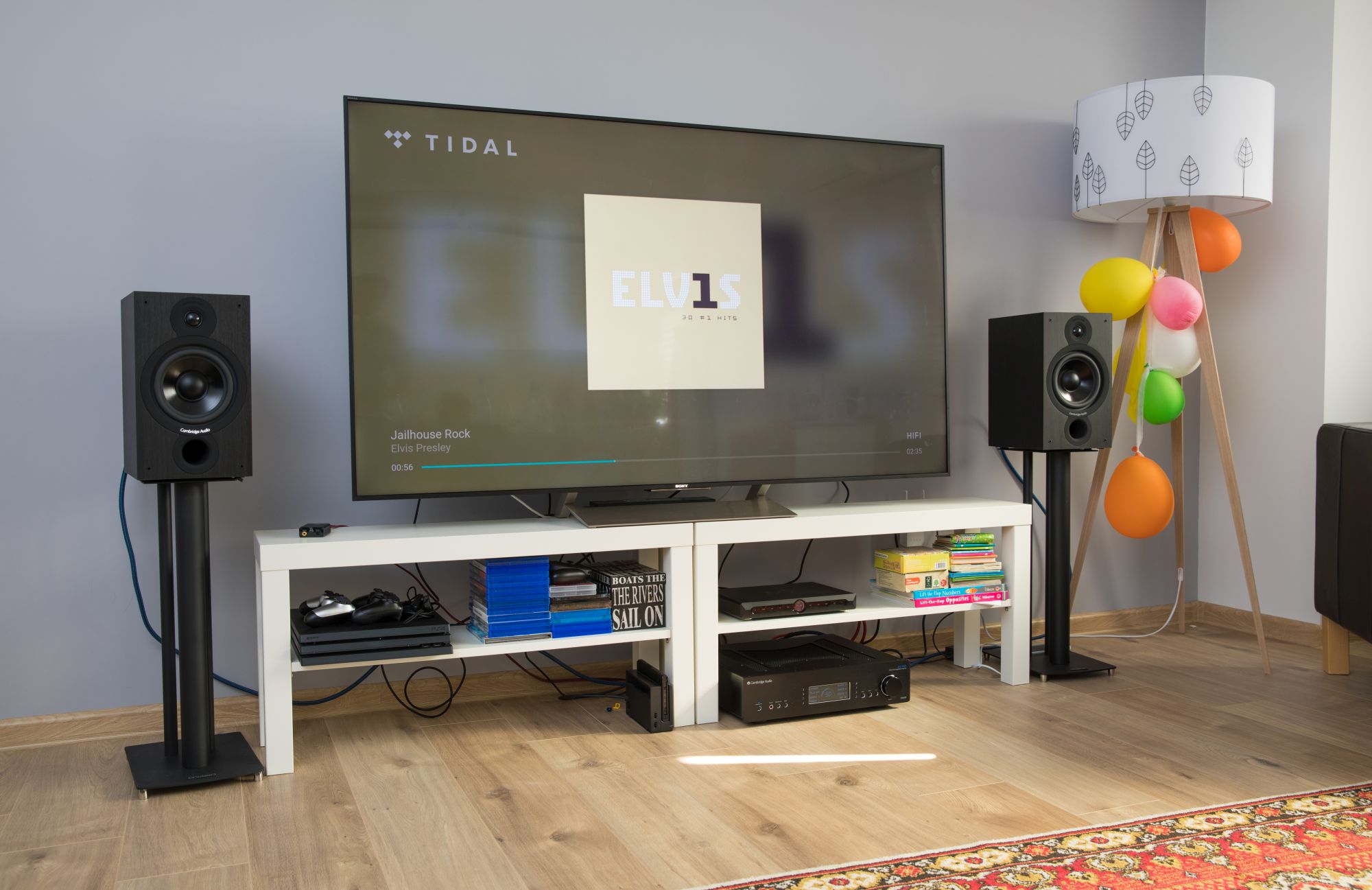
Electronicele folosite pentru test:

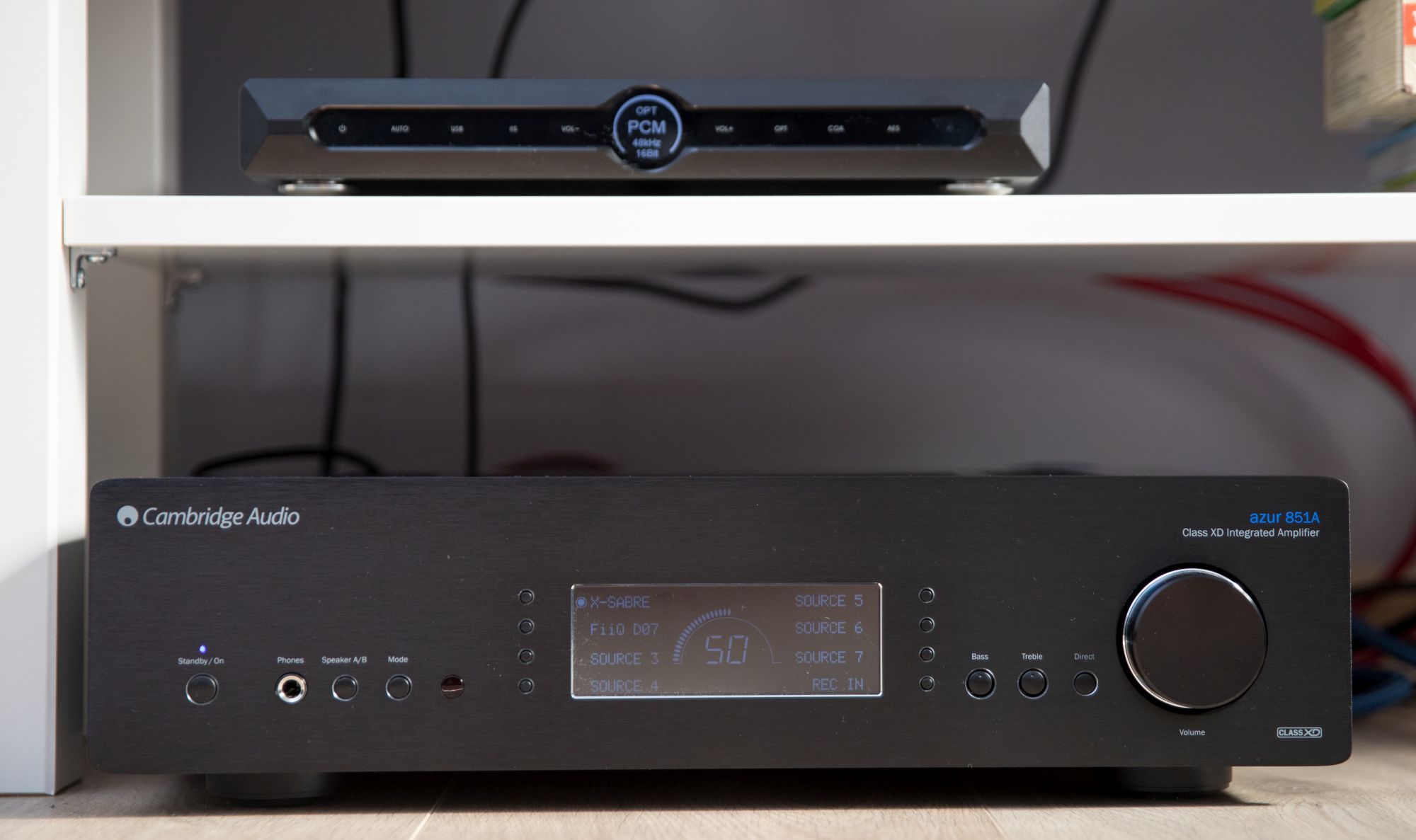
DAC-ul folosit a fost Matrix X-Sabre Pro iar amplificatorul integrat Cambridge Audio Azur 851A, conectica Audioquest Type 4 si QED Reference.

X-Sabre Pro il consider foarte neutru si liniar, nu are coloratie si e destul de sincer. Nu indulceste nimic si nici nu incearca sa accentueze vreo frecventa aparte. Sunetul produs de acest DAC este detaliat si bine aerisit, ofera o scena audio larga si adanca, o componenta ideala pentru a analiza orice pereche de boxe.

Pentru o citi o opinie mai aprofundata rog accesati recenzia dedicata aici.

Cabridge Audio Azur 851A imi ofera 200W in 4 Ohmi, destul pentru majoritarea boxelor de podea, pentru aceste boxe de raft este arhisuficient.

Amplificatorul integrat are o minuscula coloratura pe medii si un bun control al basului care este atat de important in camerele ce n-au tratamente acustice – adica livingul normal al omului de rand.

Electronicele le-am conectat folosind cabluri balansate QED Reference pentru a minimiza impactul cablurilor asupra semnalului analog.

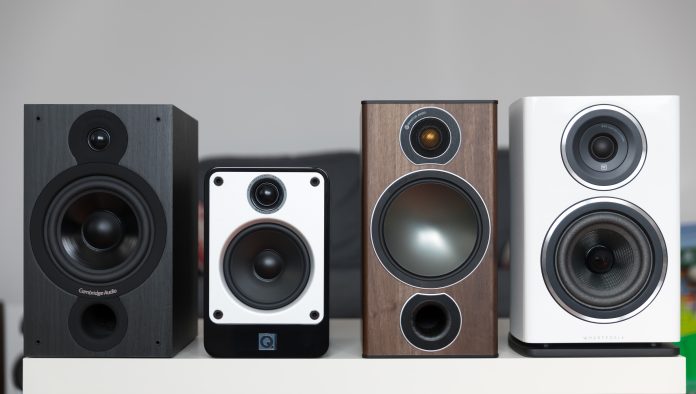
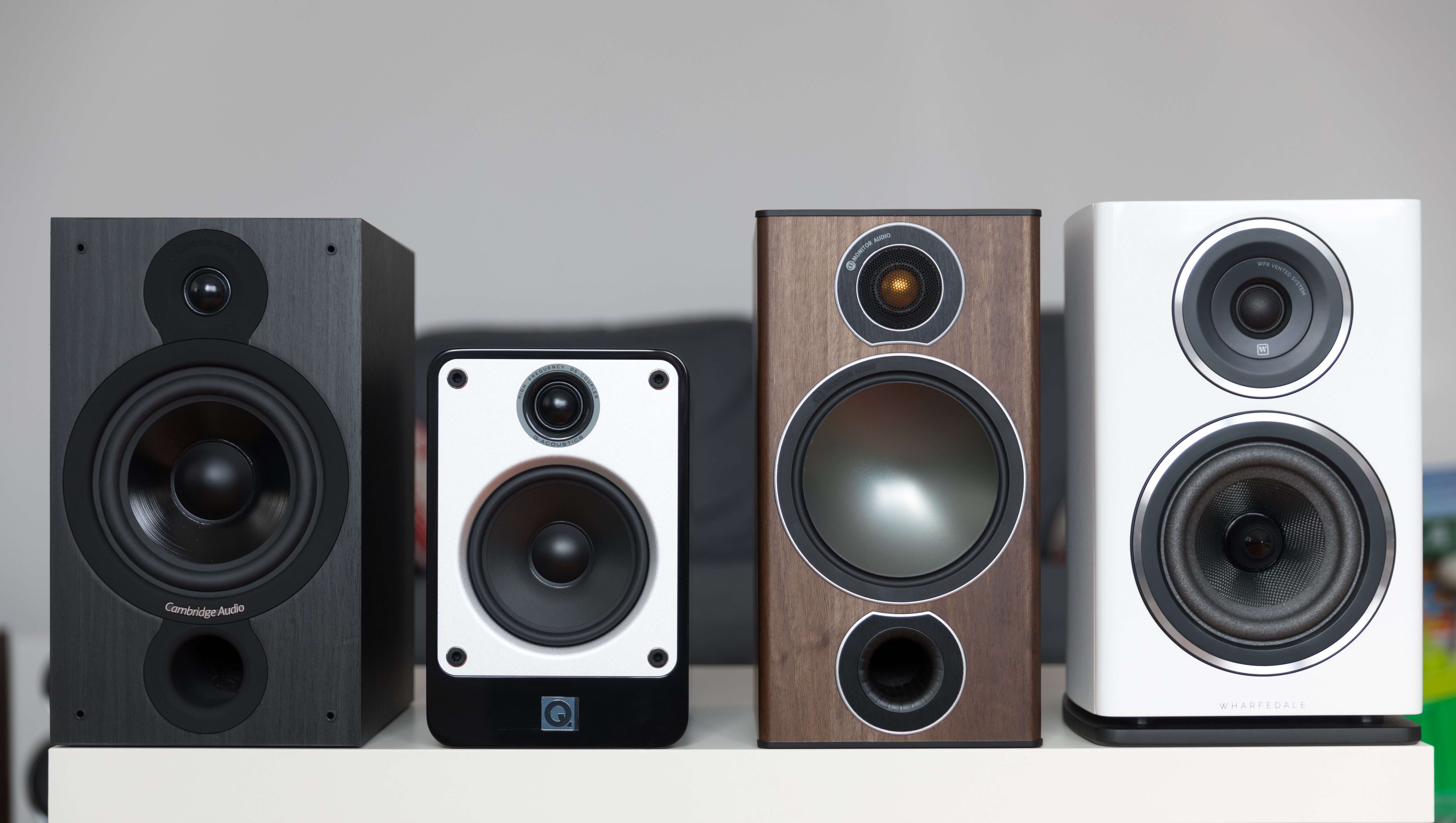
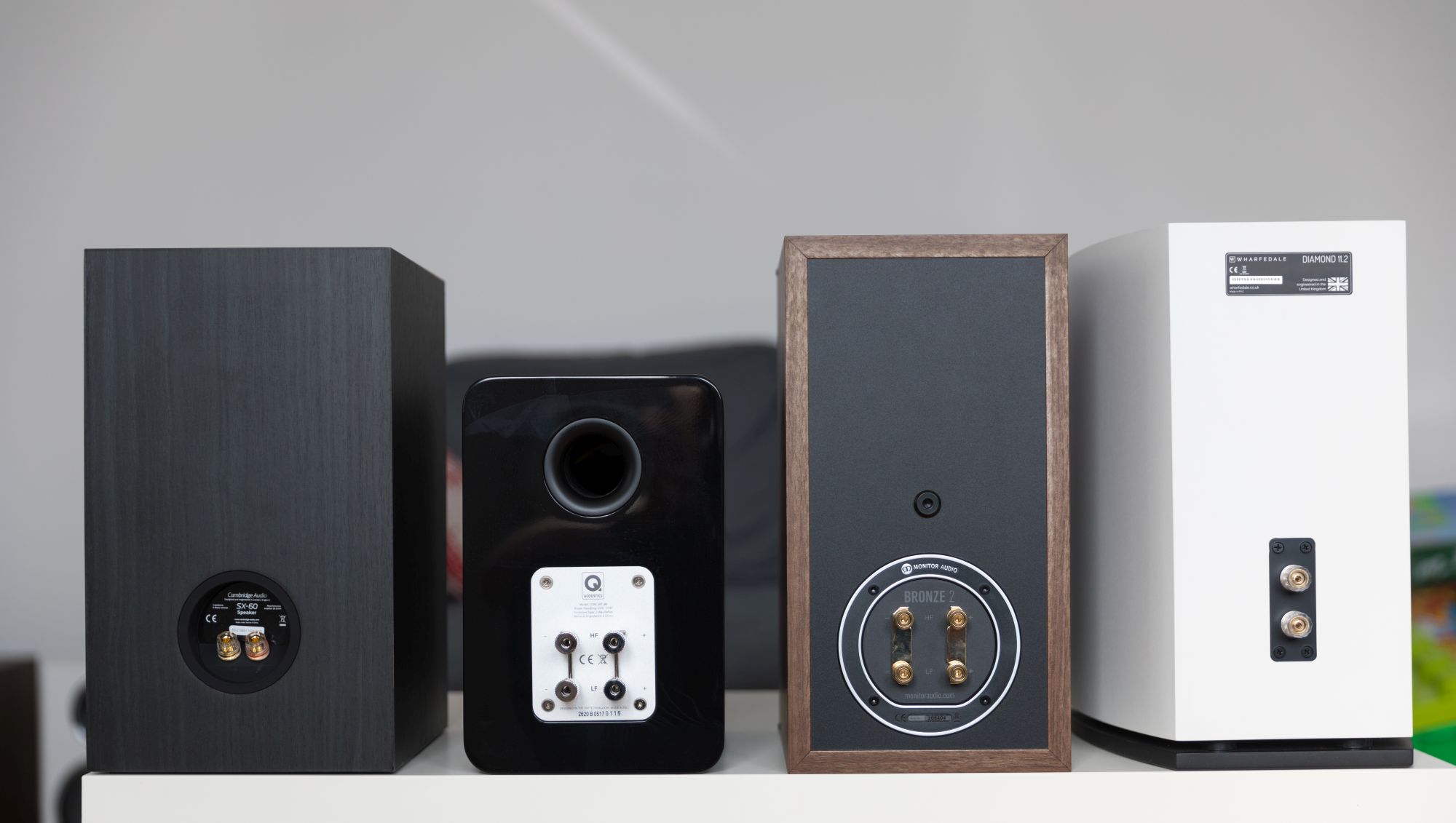
Boxele testate au fost:

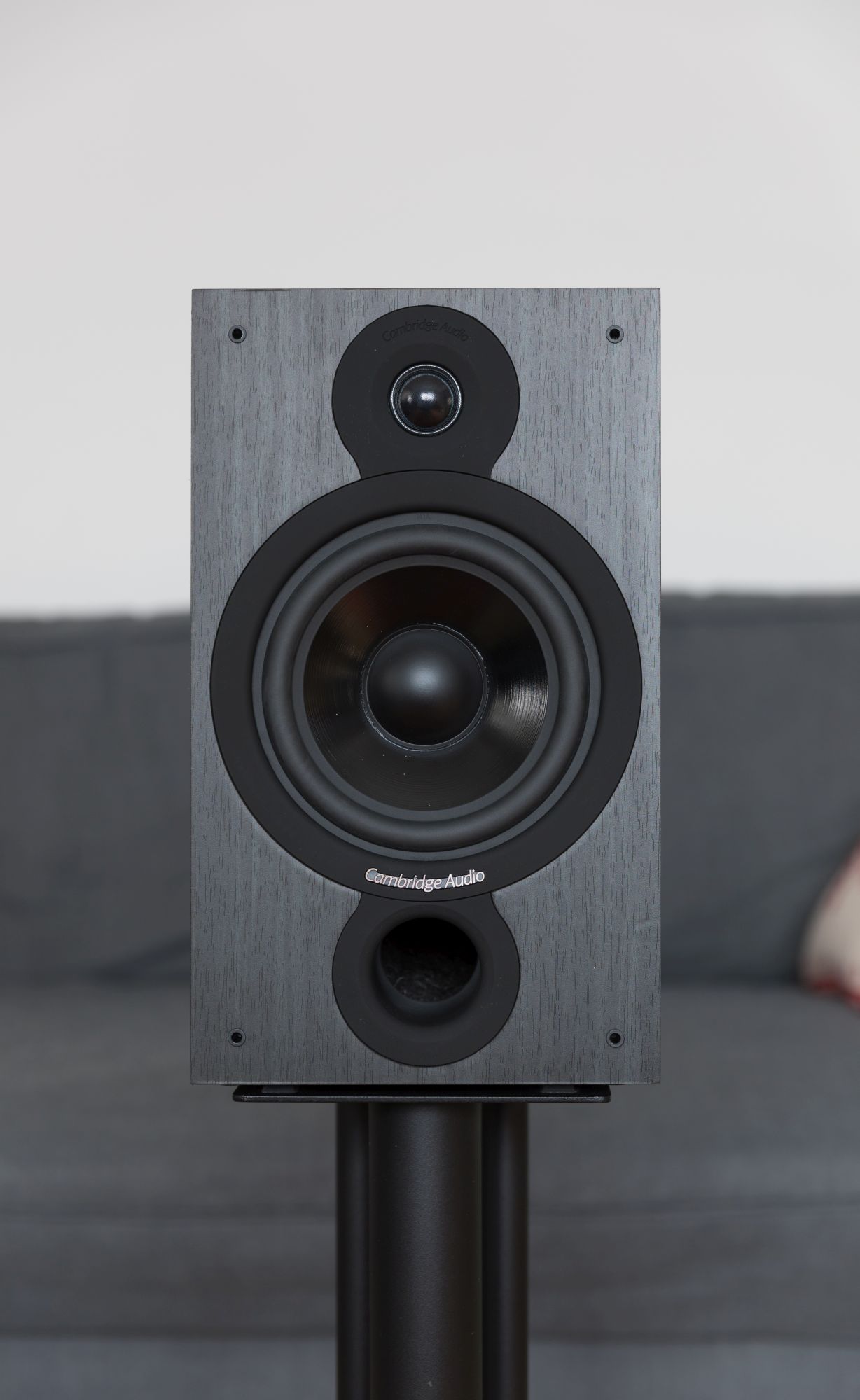
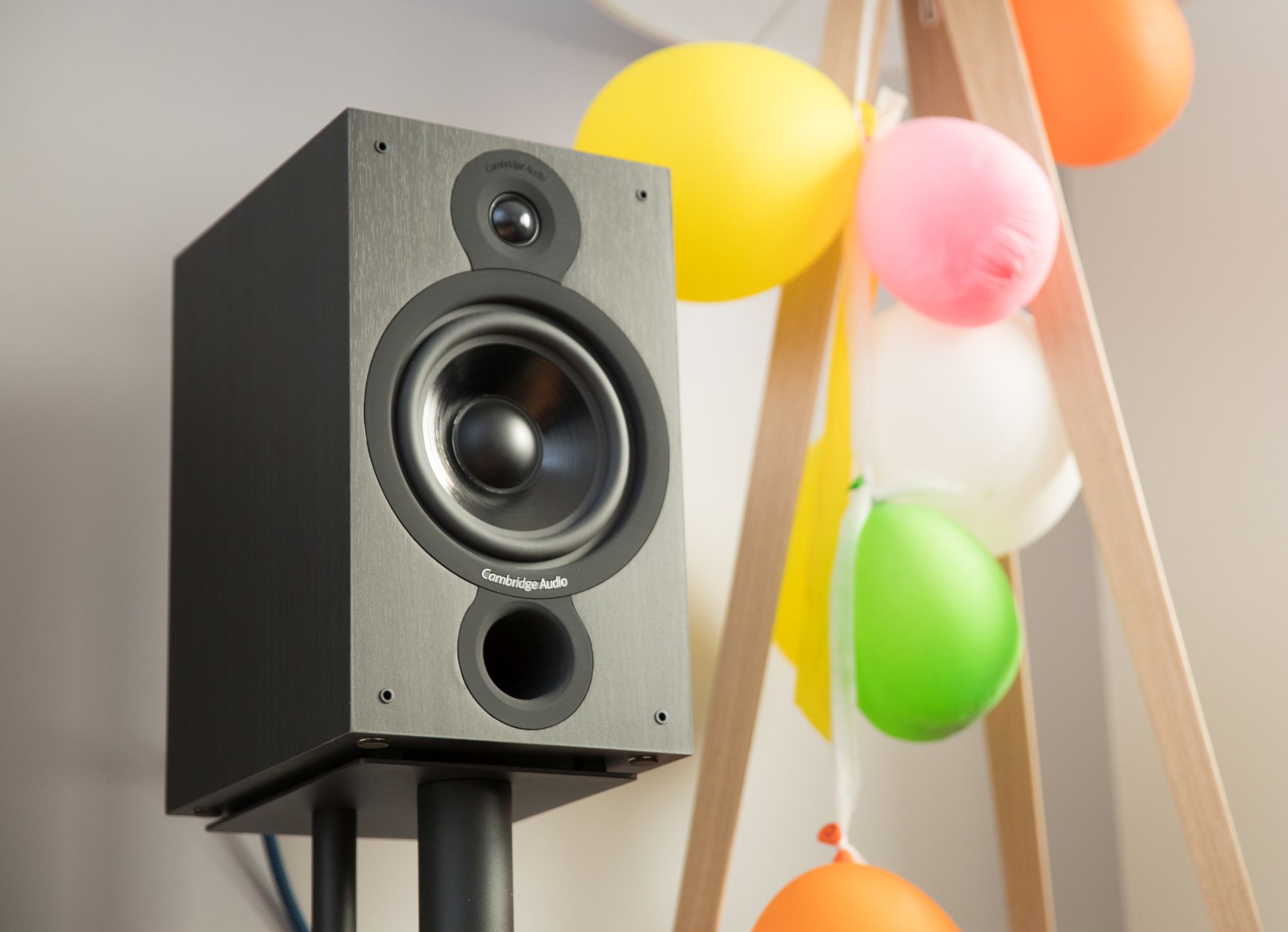
Cambridge Audio SX60 – 1350 lei

Acest model face parte din gama entry level a producatorului britanic iar SX-60 sunt boxele de raft cele mai mari din aceasta gama.

SX-60 sunt pe doua cai, avand portul de bass-reflex orientat in fata – un lucru excelent pentru mine, avand in vedere ca nu am tratat (inca) acustic camera de auditie.

Boxele par dragute, finisate bine pentru aceasta suma de bani, par totusi cam usurele pentru dimensiunile care le au.

Verificand specificatiile am sperante mari ca vor suna excelent pe bas.

Am inceput auditia cu Infected Mushroom – Return to the Sauce deoarece eram foarte curios cum vor reda basul.

Basul se pare ca este o lama cu doua taisuri: pe de o parte intr-adevar coboara foarte jos si este bine conturat, pe de alta parte nu vrea sa plece acasa cu una cu doua. Se retrage lent si da senzatia de subwoofer slab calitativ. Cantitativ basul impresioneaza, calitativ lasa de dorit.

Stiu acest album destul de bine si din pacate raspunsul tranzitoriu pare lent iar notele usor spalate si neconturate.

Din toate boxele prezente la test au fost si cele mai ineficiente, am fost nevoit sa urc volumul cu 1-2 dB pentru a atinge volumul celorlalte boxe.

Scena pare de dimensiune medie spre larga, adancimea scenei insa e destul de impresionanta.

Ascultand Pink Floyd – Hey You pe la minutul 3:22 se aude un sonar in surdina care suna de parca era proiectat din spatele peretelui. Tweeterele cu calota din matase au sunat…matasos (hic) si neagresiv.

Sunetul per total m-a relaxat si m-a calmat cu prestatia sa. As prefera totusi ceva mai multa dinamica, viteza si impact.

Mediile au sunat putin indulcite si plasate in prim plan impreuna cu basul.

Cvartetul Dave Brubeck – Take Five a sunat destul de inchegat si de intunecat. Imi este clar ca boxele au un tuning ceva mai caldut unde basul si mediile sunt starurile show-ului iar inaltele sunt ceva mai domolite.

Ascultand tot mai des aceste boxe si comparandu-le cu celelalte ma tot batea un gand: pentru un sistem multicanal de vizionat filme SX60 sunt pur si simplu perfecte – nu sunt exorbitant de scumpe, au un bas adanc si autoritar, mai putin calitativ dar acest aspect conteaza mai putin la filme, inaltele nu te spanzura iar mediile imping nitel in fata vocile, exact ce iar trebui unui sistem multicanal.

Au fost bune si pe muzica, insa lipsa neutralitatii m-a cam deranjat.

Monitor Audio Bronze 2 – 1650 lei

Noua serie Bronze contine elemente din seriile superioare Silver, Gold si Platinum ceea ce ar sugera ca incintele au o performanta audio mult peste pretul platit.

Noul tweeter are membrane C-CAM (Ceramic Coated Aluminium-Magnesium) optimizat pentru distorsiuni minime si sunet mai clar.

Membrana concava C-CAM a wooferului imbunatateste rigiditatea si astfel scade nivelul distorsiunilor, eu sper sa aud un bas adanc si curat.

Dupa ce le-am desfacut si pipait aveam impresia ca sunt facute de aceeasi mama cu Cambridge SX60. Sunt construite destul de similar, MDF-ul are aceeasi grosime si textura, incintele au aproximativ aceeasi greutate de ~5 kg.

Designul este pe 2 cai cu portul de bass-reflex orientat in fata.

Din punct de vedere vizual nu prea m-au impresionat si desi au cateva tehnologii din seriile superioare nu aveam mari sperante, ma asteptam sa aud un sunet similar cu cel al SX60.

Dupa ce am dat play cvatetului Dave Brubeck …pur si simplu am tacut si am ascultat cu urechile ciulite toata piesa.

Din toate boxele prezente la test consider ca Bronze 2 ofera cel mai bun echilibru dintre fidelitate si muzicalitate.

Totul pur si simplu pare la locul sau si nimic nu sare prea mult in evidenta.

In sfarsit cinelele si clopoteii se aud foarte clar, vibrand nici mai mult nici mai putin decat cat ar trebui. Inatele nu sunt super rezolute, insa sunt foarte bine integrate in restul spectrului audio.

Ascultand din nou Pink Floyd – Hey You am realizat ca vocea este proiectata de data aceasta in fata in detrimentul basului. Vocea si instrumentele acustice pur si simplu au stralucit.

Ascultandu-le din ce in ce mai mult ma tot gandeam la echilibrul tonal foarte bun pe care il au. Pe aceste incinte nu am putut gasi minusuri notabile.

Scena este de marime medie spre mare insa datorita putinelor distorsiuni totul suna mult mai texturat si mai conturat.

Detaliul superior sare imediat in evidenta si mi-a adus o senzatie de aer curat si geam deschis catre muzica, ceea ce nu am simtit pe SX60.

Prestatia basului mi-a placut la fel de mult. Nu cobora atat de mult fata de boxele testate precedent insa este mult mai controlat, mai rapid, oferind o adevarata lovitura in piept.

Spre fericire el nu se prelinge asupra mediilor si pare detaliat si sprinten. Substraturi de bas nu am auzit, insa sincer nici nu ma asteptam la acest nivel de pret.

Pana la acest moment sunt boxele de care m-am atasat cel mai mult.

Sunt si printre cele mai eficiente boxe din test, pot fi conduse lejer si de catre amplificatoare mult mai modeste.

Neavand un caracter aparte si sunand destul de neutru si natural, cred ca s-ar putea integra in orice sistem stereo sau multicanal.

Daca aveti nevoie de un sunet natural cu o doza buna de calitati acustice Monitor Audio Bronze 2 sunt boxele care le cautati.

Wharfedale Diamond 11.2 – 1800 lei

Cand le despachetam am simtit din start greutatea mult mai mare fata de boxele care le testasem anterior.

In timp ce le scoteam din cutie m-am indragostit atat de finisaje cat si de design-ul modern si frumos.

Ce pot sa zic… sunt wow, de departe cele mai frumoase boxe testate, numai greutatea de 9 kg per incinta sugereaza o constructie solida si un sunet pe masura.

Am asteptari foarte mari de la aceste incinte mai ales ca deja stiam cum suna vechile Diamond 9 si 10.

Specific acestor incinte sunt magnetii imensi care ofera un control absolut al wooferului mai ales pe frecvente joase si pentru a creste sensibilitatea. De asemenea utilizarea unei baze speciale forjate dintr-o singura bucata cu capac de cupru, controleaza fluxul magnetic si asigura distorsiuni reduse in zona critica a frecventelor medii.

Tweeterul este si el nou si utilizeaza un magnet ceramic de dimensiuni mari cu capac de cupru pentru a controla fluxul magnetic iar polul este ventilat printr-o camera speciala din spate.

Incintele sunt pe doua cai, avand bas-reflex de tip Slot-Port, adica tubul portului interior se deschide intr-un slot format intre incinta si plinta – acest lucru reduce considerabil turbulenta de care sufera sistemele cu port conventionale.

Dupa cum observati atat modul in care sunt fabricate cat si designul unic mi-au starnit curiozitatea, sa vedem cum suna.

Ascultand din nou cvartetul Dave Brubeck – Take Five am realizat ca pana la acest moment ascult cel mai tehnic sunet din aceasta seara.

Executat fulgerator de rapid si foarte controlat. Detaliile mi-au sarit imediat in fata, notele par extra aerisite si in sfarsit aud o delimitare foarte clara a notelor.

Scena audio este de dimeniune mai larga iar instrumentele sunt bine imprastiate in camera de auditie.

Bas-reflexul Slot-Port imi da senzatia de sunet 3D, joasele nu ma lovesc doar frontal, ele vin din mai multe unghiuri, foarte interesanta senzatia.

Imaginea stereofonica este pana acum cea mai buna, sunetul este adanc si respira cu usurinta.

Din pacate toate aceste elemente au redus sesizabil naturaletea care era atat de prezenta pe MA Bronze 2. Sunetul este usor mai liniar, poate chiar prea liniar. Desi sunetul este dinamic si exploziv, ii lipseste doar un strop de suflet si emotie.

Sunetul per total este mai putin relaxant, putin mai incordat si mai agresiv fata de modelele testate anterior.

Mediile nu mai sunt plasate in prin-plan, sunt usor de tot plasate in spate , suna un dram mai incet decat restul frecventelor.

Basul si inaltele par foarte bine conturate si sunt bine redate.

Cinele si clopoteii au sunat clar, avand vibratia potrivita, insa pe sisteme foarte liniare ar putea suna sibilant.

Per total suna tehnic si serios, putin incordat, oferind in egala masura o dinamica exploziva si un control absolul al membranelor.

Pana la acest moment in topul personal schimba lovituri cu MA Bronze 2.

Pe Bronze 2 imi place echilibrul tonal si naturaletea iar pe Diamond 11.2 m-au vrajit microdetaliile cat si controlul excelent pe toate frecventele, grea decizie.

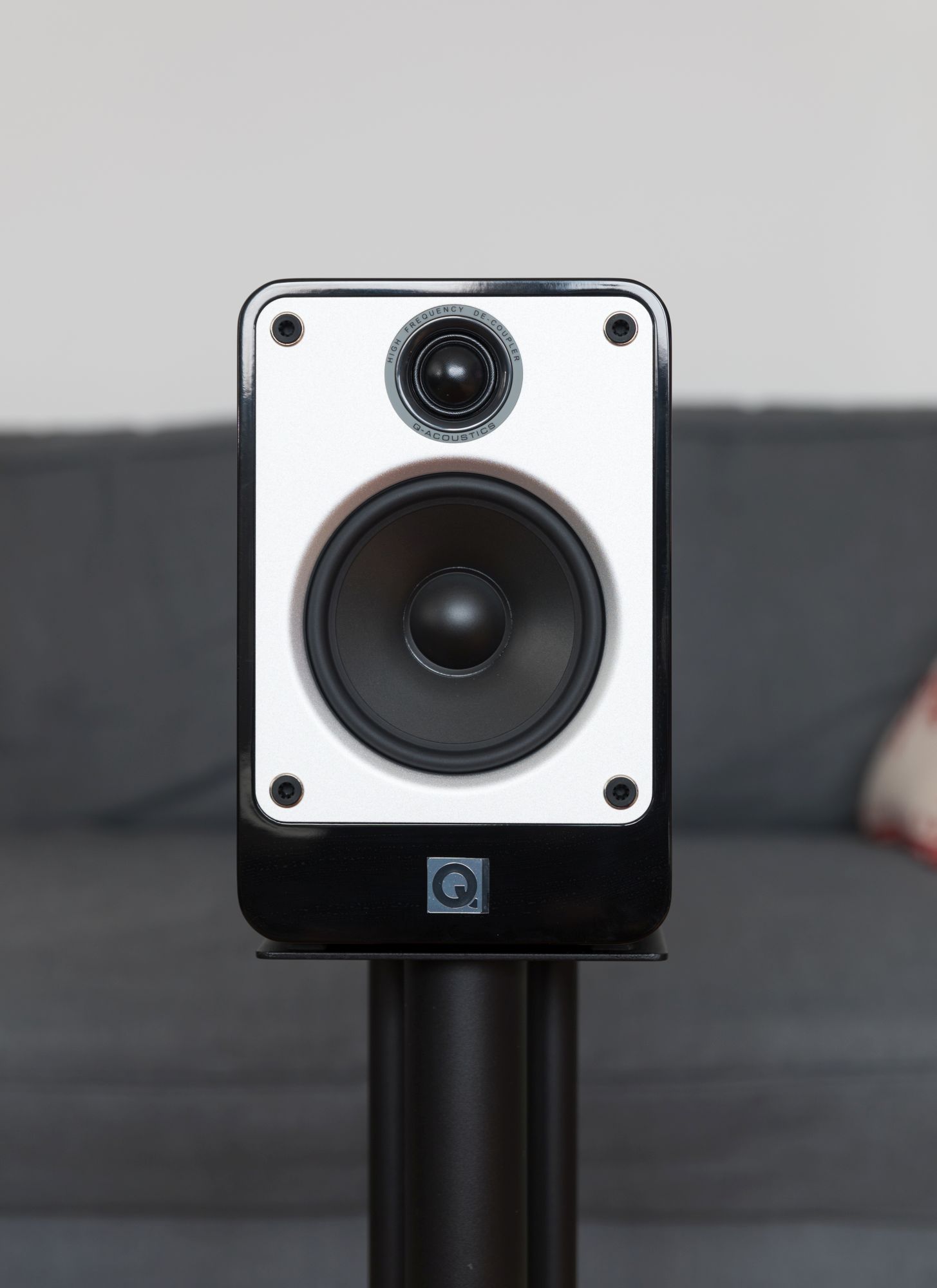
Q Acoustics Concept 20 – 2000 lei

Vai de capul meu cum arata aceste boxe. Finisajele sunt superbe, bornele par foarte solide si de calitate. Design-ul este minimalist si atragator, iar finisarea lor este cel putin o clasa peste toate celelalte modele.

Sunt incintele cu cele mai mici dimensiuni din acest test insa supriza! sunt simtitor mai grele decat SX60 si Bronze 2.

Boxele sunt pe doua cai, de tip bass-reflex cu portul pe spate.

Pentru a elimina rezonatele Q Acoustics au brevetat un nou sistem de realizare a incintei, numit Gelcore care practic presupune realizarea unei incinte in incinta (revedeti filmul Inception, veti intelege totul) iar intre peretii dubli se toarna o rasina speciala care elimina rezonantele.

Wooferul de 12.5 cm la acest moment este unicul lucru care ma ingrijoreaza, cred ca basul va avea de suferit.

Ok, sa vedem daca suna precum arata.

Reascultand Infected Mushroom – Return to the Sauce mi-am amintit imediat de prestatia Diamond 11.2 insa de data aceasta sunand mai precis si mai detaliat.

Am observat de asemenea ca basul desi executat rapid nu are greutate, suna destul de gol si nu are corp sau contur. Am apropiat incintele ceva mai mult de perete (initial aveam 1 m distanta de portul din spate) si voila! a reaparut basul!

Din pacate nu coboara atat de mult si se pare ca au deficiente pe sub-bas. In schimb basul auzit este rapid, avand un impact uluitor si care se retrage instantaneu.

Ascultand Dave Brubeck – Take Five imi dau seama ca aud cele mai detaliate cinele auzite in aceasta seara. Inaltele au o prestatie detaliata, bine raspandita prin camera de auditie. Imaginea stereo e foarte bine plasata in camera.

Din pacate scena audio este de dimensiune medie, cred ca cea mai mica din testul de astazi.

Boxele nu imping atat de mult aer pentru a crea o scena larga si credibila asa ca le consider perfecte pentru camere de cel mult 20 mp.

Pe aceste incinte consider ca inaltele sunt cel mai bine realizate si lumina reflectoarelor sta mai multe pe ele, basul situandu-se ceva mai in spate.

Frecventele medii au sunat viu, nu le consider nici uscate nici indulcite, undeva la mijloc.

Vocea putin guturala a lui Elvis Presley – Fever a sunat credibila si duioasa. Mixul intre chitara, voce si micile detalii precum tobele din surdina au creat o senzatie magica si foarte reala.

Daca nu ar avea deficiente pe bas si daca scena ar fi ceva mai larga ar putea fi boxele nr.1 din acest test, din pacate sunt limitate de dimensiunile lor fizice. In schimb pot fi o baza excelenta pentru un mini-sistem stereo intr-o camera mica.

Concluzii:

Din punctul meu de vedere Wharfedale Diamond 11.2 si Monitor Audio Bronze 2 au fost cele mai complete boxe din acest test oferind tehnicalitati padure si un sunet pe masura asteptarilor. Daca preferati un sunet mai precis, atunci Diamond 11.2 sunt alegerea perfecta, daca va intereseaza muzicalitatea si medii putin indulcite atunci Bronze 2 vor fi pe placul Dvs.

Concept 20 mi-au placut destul de mult insa deficienta clara pe sub-bas si bas plus scena audio limitata pe latime ma face sa le clasez pe locul 3, desi din cateva puncte de vedere (extragerea detaliilor, prestatia inaltelor) intrec boxele mentionate mai sus.

Cambridge Audio SX60 au fost bunicele, insa basul necontrolat nu mi-a placut atat de mult, mai ales ca se prelinge si pe medii care strica tot echilibrul tonal, nu este chiar de mirare avand in vedere ca sunt si cele mai ieftine boxe din acest test.

Am incercat sa fiu obiectiv insa cum o dai, cum o masori…preferintele sunt preferinte asa ca s-a ajuns la un test comparativ subiectiv 🙂

Acestea fiind spuse va doresc cat mai multe auditii placute si multa voie buna!

FiiO Q1 MKII English review

0

For the last decade portable DAC/Amps become more and more popular often seen among music lovers.

FiiO always knew how to develop and propose competitive products in this category, those devices actually made them famous.

Q1 MK II represents newest entry level DAC/Amp from FiiOs portfolio and in the same time a new direction for the newest trends from the industry.

Design and specs

Minimalist design, lack of straight angles and easy lines draw attention immediately.

At a first glance I feel that they were inspired a bit by a Sony creation, more exactly by PHA1A DAC/Amp that has a strikingly similar shape.

I’m glad that the brute feel of the first Q1 is gone, although quite cute it was not precisely  finished like the new model.

Device is quite small and its very comfortable to hold in hand.

The case is entirely made from metal, with the exception of the front and rear panel that are plastic made.

On the front there is a digitally controlled volume pot that turns on and off the device, a combo 3.5mm jack that can be an analog input or a line output, another regular 3.5mm headphone out and a balanced 2.5 mm out.

On the back there a bass switch (On/Off), a gain switch (Low/High) and the micro-USB connection for charging and for using it as a an external DAC.

Its super simple and intuitive, everything is very clear from the start.

Let’s see if there’s any surprise inside.

Internal Components

Besides XMOS USB chip that from the starts suggests a perfect USB DAC operation, Q1 MKII has something under the hood which I didn’t expect.

The biggest surprise is the MFi certification (Made For iPhone) that means it works with any iOS device. In the package besides the usual micro-USB and mini to mini cables there is also a micro-USB to Lighting cable.

An iPhone 6S immediately detected the external device and the audio experience was resizable elevated together with Q1 MKII.

I also tried it with Android devices and it worked! However FiiO states that it will not work with all Android devices. The ones that worked all supported OTG, other than that I urge to test for yourself before buying just to be sure it will work with your phone.

While it is an entry level device, internal components are not.

The heart of the device represents the AK4452 DAC chip from AKM which I found present in many modern devices such as Onkyo A9150, SMSL A6 and even in Grace Design Standard DAC.

This chip can decode natively DSD 64/128/256 and PCM files up to 384 kHz/32 bit.

For a higher precision two crystal oscillators were used, one for DSD and one for PCM material.

Low pass filtering is done by OPA1662 and headphone amplification by two OPA926.

In Single-Ended (SE) configuration on the normal 3.5 headphone output just a single OPA926 will work, only on balanced connection both chips will work simultaneously. Too bad, given that majority of IEMs in stock form are using the 3.5mm jack. But taking into account the newest motto of the company Infinity Sound all their new devices and higher tier headphones will came with a balanced cable and DAC/Amp devices will offer a balanced output.

Newest direction is clear and welcomed.

Newest IEMs such as F5, FH1m F9 and F9 PRO already have a balanced cable in the package.

Let’s get away with the boring stuff and move on to something exciting.

Sound Performance

Moving on to the subjective part of the review to me Q1 MKII sound neutral and quite linear with a small mids emphasis, having a small cut from the frequency extremes.

The fine cutting of the extremities also caused a small mitigation of the impact on the eardrum, therefore the unit can be listened for hours without any of listening fatigue.

Having a relaxing sound character Q1 MKII may not please speed and impact craving listeners that might check other such devices.

However I can not help noticing naturalness that it is capable of.

Sound is a little bit thickened, having an emphasis on mid-bass and mids. Those frequencies are put on the foreground which leads to that sense of liquidity and naturalness.

Sound produced by Q1 MKII is opposed to bright and sharp sound signature.

Surprisingly in DAC/Amp mode on the 3.5mm SE output it decently drove a pair of Sennheiser HD660S one the high gain setting.

It’s not the optimal device for these headphones, but if needed it is more than decent, it does not bring out the best of these headphones, but for the mid priced headphones category it can be a good choice.

Connected to a pair of F9 PRO even on the high gain setting, hiss is indistinguishable at maximum volume that is really a great thing. On the balanced out it’s the same story not a singe trace of hiss.

Connected to an iPhone 6S though the Lightning cable no hiss as well.

In this particular configuration – on the street I mostly listened for few days in the row connected to a pair of F9 PRO or to Momentum M2.0. In both cases dynamics were above average, the hard hitting incisive sound hitting my eardrums has been calmed down by the Q1 MKII.

For aggressive sounding headphones Q1 MKII should be an easy recommendation.

Comparing to the stock headphone out from the iPhone, Q1 MKII sounded more pleasing, more precise, more extended on width and depth and in general it offered far higher volume control for power hungry headphones.

Although iPhone 6S sounds not so bad, it doesn’t compare with what I am hearing from the Q1 MKII, the sound simply is decompressing.

On the balanced out using F9 PRO I hear better dynamics, and that slightly lazy sound from the SE output becomes faster and more articulate. The impact increases significantly so is the power output.

To get the best out of Q1 MKII you’ll need to use the balanced output, it is sensibly more powerful, correcting the impact that bothers me on the normal 3.5mm output.

Having a small form factor it doesn’t add too much to the weight of a phone, so in case you cannot part ways with your phone at the expense of a dedicated Hi-Res DAP, the Q1 MKII can easily replace such a DAP.

Sincerely I liked it way more in this configuration, hooked to an iPhone, than using it at home as a DAC/Amp, it was not sounding worse or better at home, it is just a proper desktop solution still sounds way better to me, where Q1 goes out of the question.

Bass reproduction was good, I would like a better presence in the sub-bass area, but I might he hitting the limitations of the built-in headphone amp.

Bass switch helps elevating this issue, it adds around 5 dB below 100 Hz, exactly where it was needed.
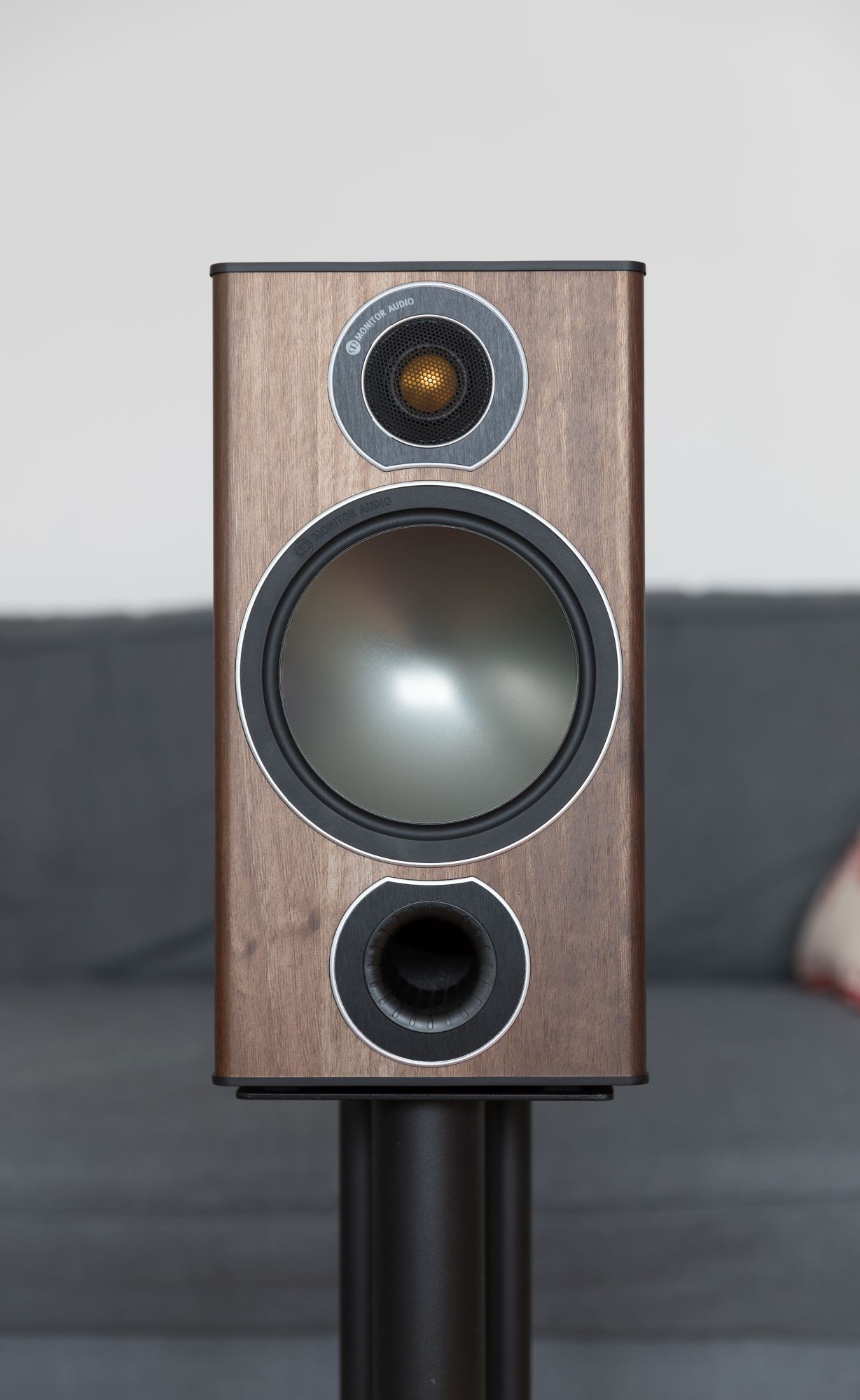
Put on “On” position bass wakes up, still on some cases and on some headphones it might be a bit too much, this is why most of the time I turned this feature off.

From the mid-bass up until higher frequencies this small guy offered solid performance, it actually excelled in this particular region. Acoustic instruments are heard full bodied, however the outline of the notes is a bit foggy.

Higher notes are put in the back, on second plan, and highest frequencies are simply masked, it’s the reason why musical experience may be felt as laid-back, lacking impact and visceral presence.

Truly aggressive headphones can be calmed by Q1 MKII, on the other hand already laid-back headphones can sound too slow and relaxed.

Crowded or claustrophobic sounds rarely will be heard on this device as it spreads out quite good all the musical information.

Sound depth is not the strong point nor the holography that leaves it to be desired. Instead, I think technicalities are more than enough for this price level and for these dimensions.

As a whole the sound is quite clean and detailed, soundstage is medium sized and frequency response quite linear.

I was disappointed a bit by the power of the SE output, first generation of Q1 was quite more powerful in this regard, instead if you do own few headphones with a 2.5mm balanced connection Q1 MKII becomes a quite decent headphone amplifier. 

Conclusions

The highest quality of Q1 MKII is that it transforms almost any smartphone into a quality portable DAP. It is officially MFI (Made for iPhone) certified and works with majority with OTG Android devices.

I think it is cool looking, its looks minimalist, simple to use, its small and light.

For iOS devices it becomes a must have if a better sound performance is what are you looking for.

For newcomers for this beautiful hobby Q1 MKII may be very well used in a desktop setup connected to some mid tier headphones. Just be careful to the sensitivity of headphones, HD660S were decently driven but not extraordinary.

As a simple headphone amp its good in majority of cases, but not great, even the same A3 from the same manufacturer outperforms it if only the standard 3.5 mm headphone out is important to you.

I liked it quite much and sincerely for ~120 Euros I don’t know any device that can natively play DSD 256 and PCM up to 384 kHz/32 bit, and that MFI certification is just the icing on the cake.

Pros:

  • Transforms almost any smartphone into a powerful Hi-Res DAP
  • Meticulously chosen internal components, natively plays PCM and DSD
  • Neutral sound signature
  • Offers liquidity and naturalness to bright and aggressive headphones
  • Lack of hiss for highs sensitivity headphones (hybrids or armature based)
  • Decent airy presentation, medium sized stage and extraction of details

Cons:

  • Impact and speed quite limited
  • Soundstage is limited in depth, holography is not present
  • On 3.5mm SE output power is halved compared to the balanced output

Gear used for review:

FiiO Q1 MKII, Q1, F9 PRO, Sennheiser Momentum M2.0, HD660 S

FiiO Q1 MKII Review

5

DAC-Amp-urile portabile au devenit in ultimii ani din ce in ce mai populare si mai des intalnite in randul iubitorilor de muzica.
FiiO au stiut mereu sa propuna si sa dezvolte produse foarte competitive in aceasta categorie, sunt de fapt dispozitivele care i-au facut faimosi.
Q1 Mark II reprezinta noul DAC/Amp entry level din portofoliul FiiO si totodata o noua orientare catre cele mai noi tendinte in domeniu.

Design si specificatii:

Design-ul minimalist, lipsa unghiurilor drepte, liniile line atrag atentia imediat.
La o prima inspectie am impresia ca s-au inspirat putin din creatia celor de la Sony si anume DAC/Amp-ul PHA1A care are o forma izbitor de similara.
Ma bucur ca au renuntat la constructia bruta a predecesorului Q1, care desi dragut nu era finisat milimetric de precis precum noul model.
Aparatul este destul de mic si sta foarte confortabil in mana.
Carcasa este realizata in totalitate din metal, exceptie facand panoul frontal si cel din spate care sunt din plastic.
Pe fata gasim rotita de volum digitala care porneste si opreste dispozitivul, un jack combo de 3.5 mm care poate fi intrare analogica sau iesire de linie neamplificata, mai gasim un jack normal de casti de 3.5 mm si un jack de 2.5 mm balansat (TRRS).
Pe spate avem comutatorul de bas (On/Off), cel de gain (Low/High) si conexiunea microUSB pentru incarcare cat si pentru a folosi aparatul pe post de DAC (placa audio externa).
Este super simplist si intuitiv, totul e foarte clar de la inceput.
Sa vedem daca la interior gasim vreo surpriza.

Componente interne:

Pe langa chip-ul USB de la XMOS care din start imi sugereaza o functionare ireprosabila a DAC-ului USB, Q1 MKII are ceva sub capota la care nu m-am asteptat.
Surpiza mare este certificarea MFi, adica functionarea cu orice dispozitiv iOS.
In pachet pe langa cablurile uzuale microUSB, jack-to-jack 3.5mm analogic, gasesc si un cablu microUSB catre Lightning.
Am incercat aparatul si cu terminale Android, atat cu cablu micro-USB to micro-USB cat si cu USB-C to micro USB. A mers cu toate fara probleme, dar cei de la FiiO precizeaza ca nu va functiona cu orice terminal Android. Este nevoie ce acesta sa suporte OTG.
Un iPhone 6S a recunoscut imediat aparatul iar experienta audio a crescut sesizabil impreuna cu Q1 MKII.
Desi este un aparat entry level, componentele interne nu sunt la nivel de incepator.
Inima aparatul il reprezinta DAC chip-ul AK4452 de la AKM care l-am gasit prezent in multe aparate moderne precum Onkyo A9150, SMSL A6, chiar si in Grace Design standard DAC.
Chip-ul poate decoda nativ fisiere DSD 64/128/256 si PCM pana la 384kHz/32 bit.
Pentru o precizie ridicata s-au folosit 2 oscilatoare de cristal, unul pentru DSD si unul pentru material PCM.
De amplificarea de casti se ocupa doua bucati OPA926 impreuna cu OPA1662 ca filtru low-pass.
In configuratia single-ended pe iesirea normala de casti de 3.5mm doar un singur OPA926 se va ocupa de amplificarea dedicata, doar pe iesirea balansata de 2.5mm ambele chip-uri vor functiona simultan. Pacat, avand in vedere ca majoritatea IEM-urilor in varianta stoc vin cu cablu simplu cu iesire jack 3.5mm.
Avand in vedere ca noul motto al companiei este Infinity Sound toate noile dispozitive si castile mai rasarite vor veni in pachet cu cablu balansat, iar dispozitivele DAC/Amp vor oferi o iesire balansata.
Directia este foarte clara si este chiar bine venita.
Noile IEM-uri F5, FH1, F9 si F9 Pro deja vin in pachet cu aceste cabluri balansate.

Sa dam la o parte chestiile plictisitoare si sa trecem la ceva mai interesant.

Prestatia Sonora:

Trecand la partea subiectiva a recenziei Q1 MKII suna neutru si destul de liniar cu un mic accent pe medii si mid-bas, avand o usoara atenuare a extremitatilor de jos si de sus.
Taierea fina a extremitatilor a cauzat si o mica atenuare a impactului asupra timpanului, aparatul poate fi ascultat ore in sir fara a deranja prea mult.
Q1 MKII avand un caracted relaxant, vitezomaniacii de dinamica si impact ar trebui sa se uite catre alte dispozitive.
Cu toate acestea nu pot sa nu remarc naturaletea de care este capabil.
Sunetul pare usor ingrosat, avand accentuat mid-basul si mediile. Aceste frecvente sunt plasate intr-un prin plan ceea ce duce la acea senzatie de lichiditate si naturalete.
Sunetul produs de Q1 MKII este opus sunetului sibilant si ascutit.

Surpinzator in modul DAC/Amp pe iesirea normala de 3.5mm am pilotat decent niste Sennheiser HD660S pe gain-ul setat pe high.
Nu este dispozitivul optim pentru aceste casti, insa la nevoie este mai mult decat decent, nu scoate tot ce au mai bun aceste casti, insa pentru castile din zona medie de pret poate fi o alegere buna.

Conectat la F9 Pro chiar si pe gain-ul setat pe high hiss-ul este inaudibil la volumul maxim ceea ce este un lucru bun. Pe iesirea balansata la fel, nici o urma de hiss sau zgomot.
Conectat la un iPhone 6S prin cablul lightning din pachet iarasi nu am intalnit zgomote deranjante.
In aceasta configuratie am scos aparatul si l-am ascultat cateva zile pe strada conectat la niste F9 Pro sau la Momentum M2.0. In ambele cazuri dinamica a fost peste medie, sunetul incisiv lovind puternic in timpane a fost usor calmat de catre Q1 MKII.
Pentru casti sibilante sau agresive Q1 MKII poate fi chiar o solutie buna.

Comparand cu iesirea stoc al iPhone-ului Q1 MKII a sunat mai placut, mai rezolut, mai extins pe latime si adancime si in general mi-a oferit volumul necesar pentru castile ceva mai flamande.
Desi iPhone 6S in varianta stoc suna binisor, nu se compara cu ceea ce am auzit in Q1 MKII, sunetul pur si simpu decomprimandu-se la propriu.

Pe iesirea balansata folosind F9 Pro aud o dinamica mai buna, iar sunetul putin lenes de pe iesirea normala de 3.5mm devine mai rapid si mai articulat. Impactul creste simtitor la fel si nivelul de amplificare.
Pentru a scoate tot ce are mai bun Q1 MKII va trebui sa folositi iesirea balansata, este sensibil mai puternica, corectand impactul care ma deranja pe iesirea normala.
Avand o amprenta atat de mica, nu adauga prea mult la greutatea unui terminal iOS, asa ca daca nu va puteti desparti de telefon in detrimentul unui player dedicat Hi-Res, Q1 MKII poate cu usurinta inlocui un astfel de player.
Sincer cel mai mult mi-a placut cand l-am folosit cu un iPhone, a functionat si acasa la fel de bine, insa detin deja un setup desktop mult mai performant unde Q1 MKII iese din discutie.

Prestatia basului a fost buna, in zona sub-bas mi-as fi dorit ceva mai multa prezenta, se pare ca ating limitarile amplificarii.
Comutatotul de bas poate rezolva aceasta problema, din cate observ adauga in jur de 5 dB sub 100 Hz, exact in zona sub-basului.
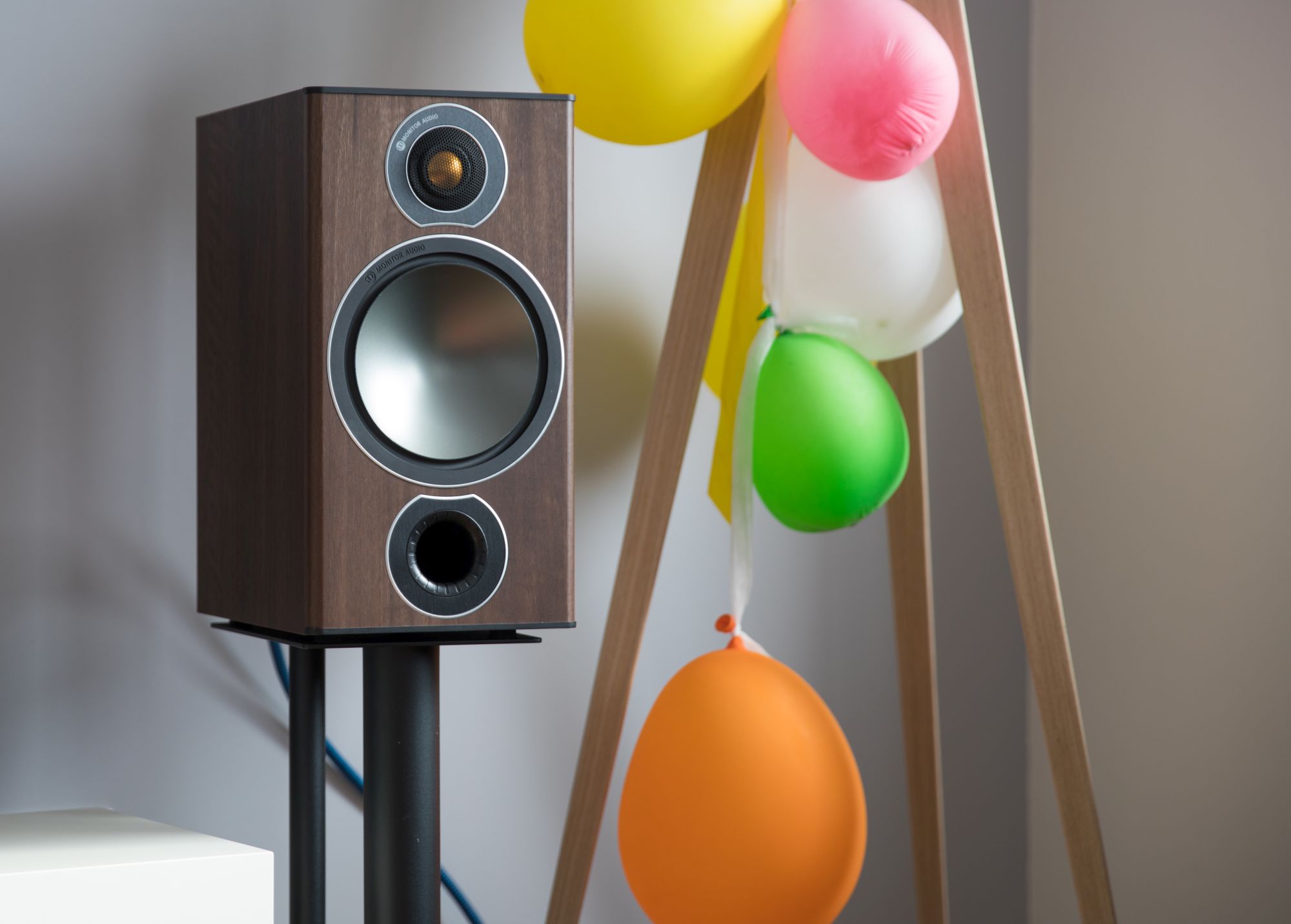
Pus pe “On” basul se trezeste instant, totusi pe anumite casti si genuri poate fi prea mult, de obicei imi place sa ascult cu totul pe “Off”.

De la mid-bas in sus pana in zona inaltelor micul Q1MKII ofera o performanta solida, stralucind cel mai bine exact in aceasta zona. Instrumentele acustice sunt redate plin, iar conturul notelor devine putin incetosat.

Inaltele sunt plasate pe planul doi, iar frecventele cele mai de sus sunt mascate, motiv pentru care prestatia poate deveni lejera si lipsita de impact, neavand o prestatia explozibila sau viscerala.

Castile cu adevarat agresive pot fi calmate cu un Q1 MKII, pe cand castile deja laid-back vor suna prea relaxat.

Supra aglomeratie si sunet claustrofob foarte rar se va intalni pe acest aparat, suna destul de aerisit si imprastiat lateral.
Adancimea scenei nu este punctul forte si nici holografia care lasa de dorit.
In schimb, cred ca tehnicalitatile sunt mai mult decat suficiente pentru acest nivel de pret si pentru aceaste dimensiuni.

Sunetul per total pare destul de curat si rezolut, scena este de dimensiune medie iar raspunsul in frecventa destul de liniar.
M-a dezamagit putin puterea de iesire pe jack-ul SE de 3.5mm, prima generatie Q1 este ceva mai generos cu puterea de iesire, in schimb daca detineti casti cu jack 2.5mm balansat Q1 MKII devine un amplificator de casti foarte decent.

Concluzii:

Cea mai mare calitate a lui Q1 MKII este faptul ca transforma aproape orice telefon mobil intr-un player portabil de calitate. Este oficial certificat Made for iPhone, dar merge si cu majoritatetea aparatelor Android cu OTG audio output.
Designul mi se pare unul foarte reusit, e dragut, minimalist, simplu in utilizare, aparatul e mic si usor.
Pentru terminalele iOS devine pur si simplu un must-have daca va intereseaza prestatia audio la un nivel superior, este prea mic si usor pentru a crea probleme.
Pentru incepatorii acestui hobby minunat Q1 MKII poate foarte bine folosit si intr-un setup desktop legat la niste casti din zona de mijloc, atentie doar la sensibilitatea castilor, HD660S au fost pilotate decent dar nu extraordinar.

Ca un simplu amplificator de casti este bun in majoritatea cazurilor, dar nu extraordinar, chiar si acelasi A3 il intrece daca va intereseaza doar jack-ul normal de 3.5mm.

Mie mi-a placut destul de mult si sincer la acei ~120 Euro chiar nu stiu nici un dispozitiv care ar reda DSD 256 cat si PCM pana la 384 kHz/32 bit, nu mai zic de certificarea MFi care este cireasta de pe tort.

Pro:

  •  Transforma aproape orice telefon mobil intr-un player portabil de calitate
  •  Componente interne alese meticulous, reda nativ atat PCM cat si DSD
  •  Sunet destul de neutru si liniar
  •  Ofera lichiditate si naturalete castilor agresive sau sibilante
  •  Lipsa hisului pe castile ultrasensibile (hibride sau pe armaturi)
  •  Aerisire decenta, scena medie si extragerea generoasa a detaliilor

Contra:

  •  Impactul si viteza destul de limitate
  •  Scena audio limitata in adancime, holografia nu este prezenta
  •  Pe iesirea de 3.5mm puterea este injumatatita fata de iesirea balansata

Echipamente folosite pentru recenzie:

FiiO Q1 MKII, Q1, F9 PRO, Sennheiser Momentum M2.0, HD660 S


Sennheiser HD660 S – The Legend Continues

0

Dear friends,

If you wonder why we have done so many reviews of Sennhseiser gear and headphones and never of the legendary HD 600 or HD 650, you have to know that we wonder the same.
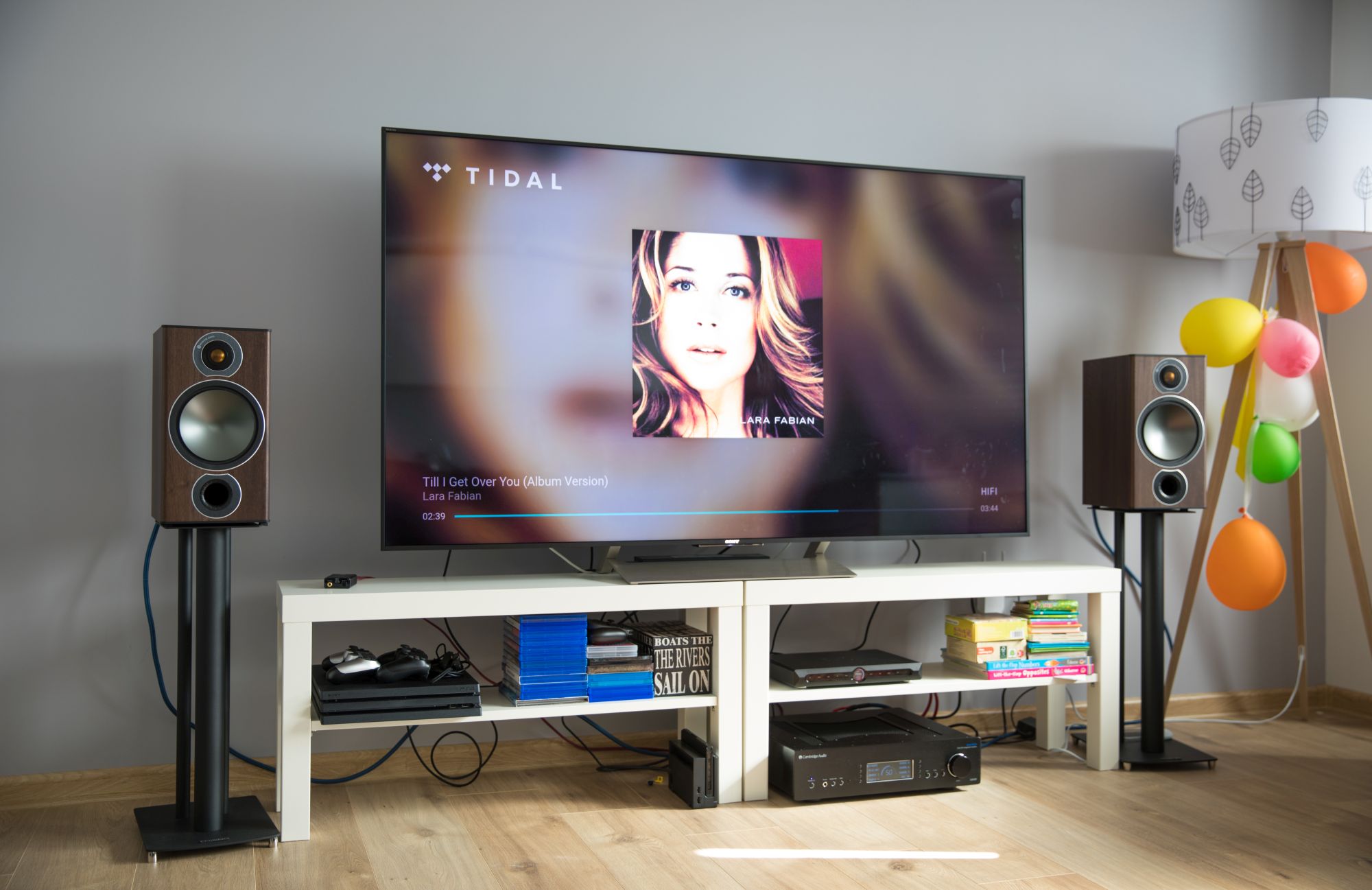
All of those who followed the wonderful journey into the world of headphones inevitably bumped into and listened to the Sennheiser HD 600 or HD 650 at least once. They quickly became so popular and widespread that we considered a dedicated review unnecessary.
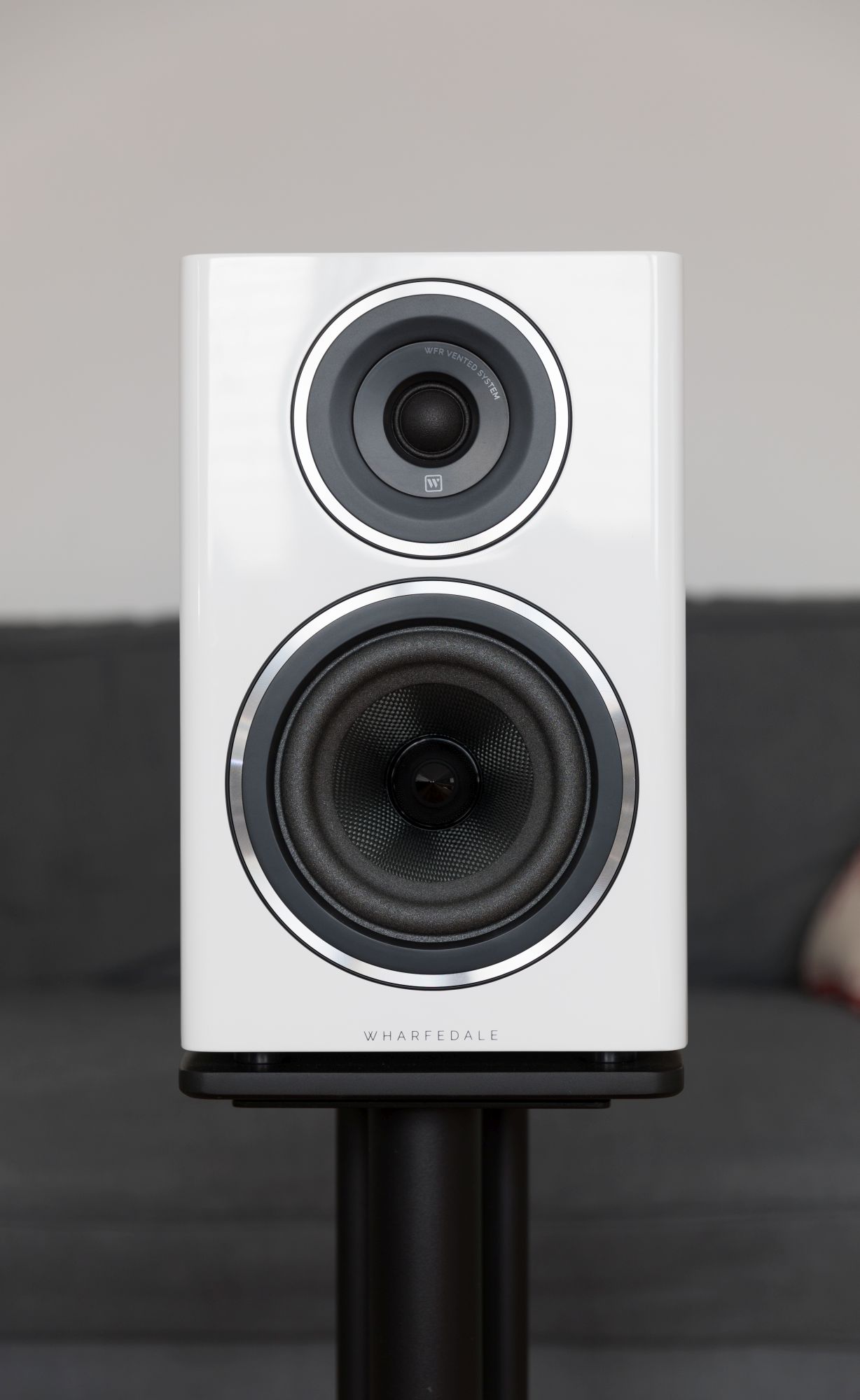
Sennheiser recently announced the true successor of the HD 6xx line, the new HD660S.

As a sign of repentance, we bring out the fresh review of this new model, and at the end of this article we will compare it with the predecessors HD 600 and HD650, which we’ve been using for many years now.

Built and appearance

The design is very similar to the HD 6xx line. They’re built almost completely from hard matte black plastic that won’t be a fingerprint magnet anymore. The exterior grill is still metal, with an embossed Sennheiser logo on one side.

The earpads are a bit deeper and softer, which allows for longer listening sessions.

Fresh out of the box, the clamping force of the headphones is a bit stronger, but most probably in time it will loosen at the level of the HD 600/HD 650.

What more can I say? We have the same built and design that we are familiar with for more than 26 years.

But why would you want to change something that stood the test of time with ease?

Besides the standard 3m long cable terminated in a 6.35mm jack, there is a 6.35mm to 3.5mm adaptor, and an additional balanced cable terminated in a 4.4mm Pentaconn jack which is being used more and more by the leading industry. We’ve already seen this balanced connection on the new Sennheiser HDV 820 and on many of Sony’s gear and headphones. I hope others will adopt this new standard soon.

HD 660S Driver

What is truly new is the driver.

The impedance is lowered to 150 Ohm. Sennheiser are marketing these headphones as compatible with portable devices (smartphones and music players).

Honestly, I can’t imagine a way to get good dynamics or a holographic experience out of a smartphone.

Maybe the halved impedance would lead you to believe that the sensitivity is much better, but you’d be wrong. In reality the headphones are 2dB more efficient that the predecessors, so in real world tests they sound just a little bit louder.

In conclusion, I don’t recommend you to plug them directly into a smartphone, but if you add a portable amplifier to the mix, things will get radically better.

HD 600 driver

Looking through the technical specifications of the high end Sennheiser models, I see an obvious similitude to the HD 700. I even have a theory according to which Sennheiser might have had a HD 700 driver excess stock and “poof!”, the new HD 660S was born. But this is just a theory that I cannot fully prove.

I observed similarities in the dampening material behind the diaphragm and in the metal mesh behind the diaphragm. Its shape also resembles that of the HD 700.

Anyway, what is really important is that sonically HD 660S is quite different from the HD 700, which for me is a good thing.

But now let’s get to the most interesting part.

Sound quality

Well, every morning this week I lifted my mood with the album Cei Ce Ne-au Dat Nume by the Romanian rock band Phoenix.

Electrocord is not Chesky or Reference Recordings, I know, but I consider it a quality recording for 1972, from which nowadays many could learn a thing or two.

From the first notes of Negru Voda – Baladă, even though the song becomes complex very quickly, I was impressed by the precise positioning of each acoustic instrument in a distinct place.

The electric guitar, the bass guitar, the violin and the drums seem not touching each other, they don’t compete for the same space, there isn’t a struggle for which to come forward and which to be left in the background. The headphone never sound hectic or crowded.

When changing the HD 650 with the HD 660S after a non-stop 2 hour listening to the HD 650, I can feel that the veil has lifted, the mid-bass stops rattling and clipping and the harmonic distortion feels lower.

The veil that I was talking about is much more present on the old versions of HD 650 and HD 600. The new HD 650 and HD600 versions are better in the respect. Even though the manufacturer doesn’t acknowledge any changes, the changes are there, the dampening material behind the diaphragm has been modified and the new HD 650 sound cleaner and less distorted.

This problem is no longer present on the HD 660S and this is probably one of the best improvements of the new model.

In any case, if you like a slower smoother presentation, I think you’d better keep the HD 650 because it does this better.

Listening to local rock music, I noticed a much lower mid-bass and voice distortion and a quicker decay of notes, everything seems quicker and instantaneous.

Despite their well known qualities, both HD 650 and HD 600 have never been praised for their quick transients. Their sound is soft and slow, lacking in speed even paired with a fast solid state amplifier.

In this regard, the HD 660S is two levels above.

Only now I can say that HD 660S has enough speed and impact that it can rival the mid-level planar magnetic headphones.

Every cause has an effect, so the quick transients unearth hidden micro-details that the HD 650 is not capable of rendering.

Yes, the HD 660S has more resolution and clarity. It still cannot touch the HD 800 in this regard, but I’m happy that things evolved to this high level for the modest price compared to other models that we’ve reviewed.

Another positive effect is the much more precise timing.

If you carefully listen to fast electronic music on the HD 650 or HD 600, you can hear a micro-echo, like an unpleasant resonance, maybe and effect of the over-damping behind the diaphragm (again just a guess). This effect damages the delimitation of notes and each individual sound end up not being sufficiently well defined.

The HD 660 S have a more precise timing, giving the sensation that musical notes are fuller and more precise, better rounded, with a clear definition.

In the long term this could induce listening fatigue, but even so, the timing is more correct and true to reality.

Listening to the song Strunga from the album Mugur de Fluier, I notice the impressive soundstage that is well expanded in all directions.

I now realize that none of the models in the HD 6xx series, including HD 660 S, offers a convincingly large and expanded enough soundstage. The soundstage is somewhat compact and intimate, but surely not claustrophobic. I would categorize it as a medium-sized soundstage, not too large (like HD 800), but also not so close as to make me feel on the stage with the band.

In this respect, all 3 headphones are almost identical.

The depth of the soundstage is pretty good. With my eyes closed, I can walk myself through the quality recordings. On well recorded material I could never hear the sound becoming too crowded.

Interestingly, despite the fact that I don’t feel the notes flying a few meters from me, I can clearly hear the angle at which they are emitted, a good sign that the holography is in effect.

I want to mention that, from the 3 models, the HD 650 scaled the worst in this regard. I can feel myself distracted by the micro-echo and harmonic distortion in the bass and mid frequencies, and the slight veil over the notes also impairs the listening experience. By comparison, the HD 600 seems to bring a fresh breath of air and doesn’t have as many shortcomings.

Anyway, the superior precision of the HD 660 S is in effect, the model offers the most credible tridimensional holography of the 3 models.

Frequency response

Even though the majority of the HD 650 users might say that it excels in the bass department, I am of a different opinion.

The mid-bass clearly stands out and always attracts attention on itself, continuously screaming “look a me!”.

But before we deal with the mid-bass, the lower bass is problematic, not only on the entire HD 6xx line, but also on all the open dynamic driver headphones I know.

Listening to Infected Mushroom – Return to the Sauce I can sincerely attest that it’s an extraordinary experience!

The songs Manipulator and Groove Attack put any diaphragm to the test in terms of speed, impact and bass depth.

The HD 660 S vibrates well enough on bass and the mid-bass is prominent, like with it’s predecessors.

The sub-bass though sometimes leaves to be desired. The sensible use of an equalizer can solve the problem, but I don’t recommend adding more than 4-5dB in this area because the driver can start clipping and distorting when the volume is pushed above a certain point.

To make myself fully understood, the headphone doesn’t have a severe sub-bass deficiency, some people categorizing it as bass-heavy, but you cannot understand what real sub-bass is until you give a listen to some well amplified high-end planar magnetic headphones.

I sincerely think this is the biggest drawback of these headphones, maybe the only drawback that caught my attention on the HD 660 S as well as on all other dynamic driver Sennheiser models: the sub-bass starts to distort beyond 95dB of volume. I think this problem is not even present for an untrained ear. My father still claims the HD 650 sounds crystal clear, so it depends on the listener.

The mids, oh, the sweet Sennheiser mids.

Yes, they are still here, they haven’t left. Probably the biggest virtue of these headphones is the very present mids that seem to infuse joy directly into your central nervous system.

There aren’t many headphones in this world that gave me goose bumps when listening to violins. The headphones in the HD 6xx line have always known how to do this. I cannot explain how, but they simply excel on mids and, yes, they highlight them a bit too.

What the heck! Midrange frequencies are 90% of the sounds we hear in our everyday life, so if you cannot render them properly, everything is lost.

The HD 650 and HD 600 have always been categorized as being more musical than the other models and this has been achieved through the good reproduction of the midrange.

The HD 660 S doesn’t stray from this formula.

There is although a little difference, the mids aren’t so forward as with the HD 650. The HD 660S places them only slightly forward, it doesn’t push them that hard, so it sounds more balanced, less melancholic and musical. It’s not a big difference, but is noticeable.

If you like the overly seductive character of the HD 650, maybe you should stick to it, but if you desire a more sincere sound, the HD 660 S does it much better. It doesn’t try to hide anything but also it doesn’t overemphasize anything.

In my opinion, the HD 660 S is the true reference in the HD 6xx line, with the HD 600 coming second and the HD 650 coming last, with a more colored sound.

When it comes to sound density, all 3 models are effortless. The sensation of a meaty sound, full of substance and density is best present on the HD 650 and HD 660 S.

Another cause and effect: the dryness of sound is never present. I detest dry artificial sound and luckily the HD 660 S doesn’t have this symptom.

Listening to Pink Martini and Lorena McKennit it becomes crystal clear that this kind of music was created for the HD 660 S. The warm voice simply touches your soul and the instruments become a game of the imagination.

If you listen to acoustic music, jazz or classical, the HD 660 S becomes an obvious recommendation.

The high frequencies are differently rendered on each of the 3 models.

I think that the HD 660 S handles them the best, followed by the HD 600, with the HD 650 being the last in this respect.

It’s easy to confuse clear and well defined highs with sibilant highs – one of the biggest mistakes that I see coming from some online publications. Some consider the HD 660 S to be sibilant but I tend to differ completely, I consider it having clean highs, without highlighted extremities.

The highs presented themselves clean and airy, with a good balance between technical show-off and naturalness. The highs are somewhere in the middle, not overly natural, but also not overly bright and sibilant.

The HD 600 has less airy and less detailed highs than the HD 660 S, and the HD 650 has the most washed out highs of the 3 models, sometimes the high registers being placed in the background.

As a whole, the frequency response appear to be the most correct and complete on the HD 660 S. Yes, they’re a little more neutral from the midrange upward, but they never sound boring for their price category.

Talking about the price, the HD 660s being a new model, at the beginning of the life cycle, 500 EUR seems to be a reasonable price for what they are. The HD 650 had the same release price. At the moment the HD 650 can be bought for much less than the official original price, but let’s not forget that they’re 14 years old, it’s just normal to be much cheaper now.

If you already have the HD 650 or the HD 600, it’s hard for me to recommend something that is a bit better. You have to give them a listen and decide for yourselves.

If you don’t have any of the HD 6xx series models, then HD 660 S becomes a much easier recommendation. If you want the best model of the HD 6xx line, the HD 660 S is that model. If you’re on a tight budget and you want the best for your buck, then the HD 650 and HD 600 come on top as the best recommendation.

Amplification

Like I told you, the HD 660 S is only 2dB more sensitive than the HD 650 and HD 600, so the halved impedance has very little impact on this.

Maybe Sennheiser would suggest that you can drive this headphone directly out of a smartphone, but I consider it an April’s Fools Day joke. This headphone need the cleanest possible amplification and, of course, a dedicated one. I’ve managed excellent results with an Audio GD Master 9, and also with a HeadAmp Pico Power, and even with the ordinary Pico. The headphone simply comes alive, the dynamics raises your pulse, it’s a completely different story with dedicated amplification.

Out of curiosity, I connected them to a dedicated mid-range DAP, FiiO X3 MKIII, on the single ended 3.5mm and it sounded more than decent. The headphone came alive even on the little X3. The high-end players would surely deliver even more performance.

The myth of amplifying the HD 660 S with a smartphone is now busted!

Comparisons

VS HD 650

The HD 650 loses the tonal balance quickly, overemphasizing the mid-bass and cutting out the high treble. The overly forward mids crowd the soundstage a little bit, the sound becomes a bit claustrophobic, especially on bad mastered music. The HD 650 sounds a bit slower and veiled, the definition of musical notes is less outlined and a micro-echo comes to the mix, together with a bothering distortion.

All of these disadvantages aren’t present on the HD 660 S.

VS HD 600

It’s funny that even if, from my understanding, the HD 660 S is meant to replace the HD 650, the HD 660 S resembles the HD 600 more than the HD 650.

The highs are similar on both models, with the HD 660 S winning in the very high registers, where you can still hear new details out of the background.

The mids again are very similar, with the HD 660 S being a bit cleaner and better defined. I can hear the string vibration and the decay of the vibration more clearly, the HD 600 masking these subtle details.

The bass is a different story. The HD 600 has a weaker bass and the HD 660 S has a deeper and faster bass. The bass is the only area where the harmonic distortion can become a problem, especially if you tweak the EQ too much. The HD 660 S scales much better in this regard, offering a lowered harmonic distortion in this area.

Conclusion

If you liked the HD 650 and the HD 600, it’s impossible not to like the new HD 660 S.

I’ve seen opinions according to which the HD 660 S is inferior to the HD 650 model, but I couldn’t figure out what they are based on.

Maybe if you like a more lazy, relaxed and less dynamic sound with less detail, then yes, the HD 650 can bring exactly this to the table.

The built quality is already well known for 26 years. The matte black color is welcome, as well as the 2 cables in the box. I hope other manufacturers will adopt the new Pentaconn 4.4mm balanced jack. I think this is the future of balanced connection; we’ll live and see.

The official price seems correct, exactly the price of the HD 650 14 years ago. If we factor in for inflation, they can be considered cheap for the current year.

In my opinion, the legend continues with HD 660 S, being a fierce contender in its price category.

Pros:

  • High comfort, solid construction and durability

  • Good tonal balance, rich and full of substance

  • Balanced frequency response, nothing stands out too much

  • Airy presentation that leads to good holography

  • Let the veil be lifted! Good riddance to muddy and veiled sound

  • High level of detail retrieval for the price category it belongs

  • Back in black matte paint

Cons:

  • Shy sub-base

  • Slight distortion on sub and mid-bass

Equipment used for review:

Sennheiser HD660S, HD650, HD600, Matrix Audio X-Sabre Pro, iFi iPurifier2, Audio-GD Master 9, Audeze LCD-4, FiiO X3 MKIII, HeadAmp Pico & Pico Power

Merry Christmas and Happy Holidays to everyone!

Translated by Valentin Baciu

Sennheiser HD660 S – Legenda continuă!

9

Dragii Mosului,

Daca va intrebati vreodata de ce am facut atat de multe recenzii pentru echipamentele si castile Sennheiser si niciodata pentru legendarele HD600 sau HD650 atunci sa stiti ca si noi ne intrebam acelasi lucru.

Toti cei care au urmat sirul acestei calatorii minunate in lumea castilor, mai devreme mai tarziu s-au intalnit si au ascultat cel putin o data Sennheiser HD600 sau HD650. Au devenit rapid atat de populare si foarte des intalnite in casele ascultatorilor incat ne-am gandit ca nu mai este necesara scrierea unei recenzii dedicate.

Recent Sennheiser a anuntat adevaratul successor al liniei HD6xx si acestea sunt HD 660S.

Ca sa ne spalam manutele, scoatem din cuptor o recenzie calduta pentru aceste casti, iar spre sfarsitul articolului le vom compara si cu predecesoarele HD600 si HD650 care le folosim de atatia ani buni.

Descrierea fizica

Designul castilor este foarte asemenator liniei HD6xx, constructia este in totalitate din plastic dur de culoare negru mat, acesta cu siguranta nu va mai atrage amprentele atat de usor. Grilajul exterior este in continuare din metal, putin reliefat si stantat cu sigla Sennheiser.

Buretii sunt ceva mai adanci si mai pufosi ce permit folosirea castilor pentru o perioada mai indelungata.

Abia scoase din cutie castile oferta o presiune asupra urechilor ceva mai mare, dar cu timpul cred ca vor ajunge la nivelul HD600/650.

Ce pot sa spun, in continuare avem acelasi design si constructie pe care o cunoastem de mai bine de 26 de ani.

Dar, de ce ce ai vrea sa schimbi ceva care a trecut cu brio testul timpului?

Pe langa cablul standard cu jack de 6.5mm si lung de 3 m, mai avem adaptorul de la 6.5 la 3.5 mm si un cablu suplimentar cu jack Pentaconn de 4.4mm folosit din ce in ce mai des de greii industriei. Acesta conexiune balansata deja am vazut-o si pe noul Sennheiser HDV 820, pe multe din echipamentele si castile Sony si sper ca si altii sa adopte acest nou standard.

HD 660S

Ceea ce este cu adevarat nou este diafragma castilor.

Impedanta castilor a scazut pana la 150 Ohmi, Sennheiser catalogheaza aceste casti ca fiind compatibile si cu dispozitivele portabile (telefoane si playere dedicate).

Sincer acum, eu nu prea inteleg cum as putea obtine o dinamica buna sau o experienta holografica folosind un telefon mobil.

Desi ai crede ca daca impedanta s-a injumatatit atunci si sensibilitatea este mult mai buna, ai face o presupunere gresita. In realitate castile sunt cam cu 2 decibeli mai eficiente decat predesoarele sale, deci in teste reale suna putin de tot mai tare.

Prin urmare nu recomand folosirea lor directa dintr-un telefon mobil, insa daca mai adaugati si un amplificator portabil de casti, lucrurile se schimba radical in bine.

HD 600

Luand putin la puricat specificatiile castilor Sennheiser din gama high-end observ o similaritate zguduitoare cu HD700. Chiar am o teorie in care cred ca Sennheiser ar avea un surplus de difuzoare de HD700 si astfel *puff* s-au nascut noile HD660S, insa este doar o presupunere nu o teorie demonstrata.

Am observant similaritati in materialul de dampening din spatele diafragmei si in plasa de metal din spatele diafragmei si forma ei se aseamana mult cu cea de la HD700.

In fine, ceea ce este important este ca sonic HD660 nu seamana aproape deloc cu HD700, ceea ce pentru mine este un lucru bun.

Sa trecem la partea cea mai interesanta.

Caracterul sonor

Ei bine, saptamana aceasta in fiecare dimineata mi-am ridicat dispozitia cu albumul Phoenix – Cei Ce Ne-au Dat Nume.

Da, Electrecord nu este Chesky sau Reference Recordings, insa consider o inregistrare de calitate pentru 1972 de la care si in prezent multi ar putea invata o boaba sau doua.

Pe la primele note al Negru Voda – Baladă desi piesa devine aglomerata destul de repede m-a impresionat amplasarea precisa a fiecarui instrument acustic intr-un loc anume.

Chitara electrica, cea bas, vioara si tobele am impresia ca nici nu se ating, nu exista o concurenta a notelor, nu se zbat care sa stea in lumina reflectoarelor si care sa stea mai in spate. Castile nu suna deloc agitat sau aglomerat.

Ceva imi sare pur si simplu in fata…dupa ce am ascultat doua ore neintrerupt la HD650, imediat cum le-am schimbat cu HD660S simt ca a iesit din camea acea usoara incetosare, mid basul nu mai zbarnaie si nu mai intra in clipping, distrosiunea armonica simt ca a scazut imediat.

Incetosarea de care va spun este mult mai prezenta pe vechile HD650 si HD600, noile iteratii HD650 si HD600 desi producatorul nu specifica ca ar exista vreo modificare, ele totusi s-au produs, materialul de dampening din spatele diafragmei a fost modificat, noile HD650 suna putin mai curat si mai putin distorsionat.

Pe HD660S aceasta problema nu mai apare, probabil ca este unul din cele mai bune imbunatatiri ai noului model.

Totusi daca va place o prelingere mai lenta a notelor cred ca ar fi bine sa ramaneti la HD650, ele fac cel mai bun acest lucru.

Pe rock-ul autohton pe langa scaderea drastica a distrosiunilor pe mid bas si pe voci am simtit cum se retrag notele ceva mai rapid, astfel absolut totul pare executat mai rapid si mai fulgerator.

HD650 cat si HD600 au avut multe chestii bune insa niciodata nu au fost cunoscute ca avand ranspuns tranzitoriu rapid, per total castile sunau moale si lent, un amplificator solid state le mai adauga ceva viteza insa tot schiopatau la acest capitol.

Din acest punct de vedere HD660 S sunt cu vreo doua clase peste.

Abia acum pot spune ca HD660 S au destula viteza si impact incat pot rivaliza planarmagneticele din clasa de mijloc.

Orice cauza are si un efect, spre urmare tranzientii rapizi scot la iveala microdetalii ascunse de care HD650 nu au fost capabile.

Dap, HD660S sunt mai rezolute si mai clare, mai au ceva pana la HD800, insa chiar ma bucur ca s-a ajuns pana aici la aceasta suma de bani modesta fata de ce casti am mai puricat pana acum.

Un alt efect pozitiv este si timing-ul mult mai precis.

Daca asculti atent muzica electronica ceva mai rapida pe HD650 si pe HD600 poti auzi un micro-ecou, nici nu stiu cum sa ii spun, parca o rezonanta neplacuta, posibil un efect de over-damping din spatele diafragmei (iarasi doar o estimare), acest efect dauneaza destul de mult conturului notelor, de parca fiecare sunet nu este suficient de precis definit.

HD660 S ofera un timing mai precis, am o senzatia de parca notele ar fi mai intregi si mai precise, mai bine conturate, avand o definire mai clara.

Pe termen lung ar putea induce oboseala aurala, insa acesta este un timing mai corect si mai aproape de adevar.

De pe albumul Mugur de Fluier, pe piesa Strunga impresioneaza aproape din start scena bine imprastiata in toate directiile.

Realizez ca in principiu toate modele din seria HD6xx, inclusiv HD660S nu ofera o scena credibil de larga si imprastiata, este ceva mai adunata si mai confortabila, insa cu siguranta nu este claustrofobica.

As spune ca este de marime medie, nici prea mare (cum e cazul HD800) dar nici nu ma simt pe scena cu muzicienii.

Din acest punct de vedere toate cele 3 casti se prezinta aproape identic.

Adancimea scenei este destul de buna, cu ochii inchisi ma pot plimba prin inregistrarile de calitate, pe material bun aglomeratia nu a fost observata si nici nu cred ca este cazul.

Interesant este ca desi simt ca notele nu zboara imaginar la cativa metri distanta de mine, aud clar unghiul din care sunt propagate , semn ca holografia isi face bine treaba.

Doresc sa mentionez ca din toate cele trei modele HD650 a scalat cel mai slab la acest capitol, ma cam distrage acel micro-ecou si distorsiunea armonica din zona mediilor si a basului, dar si incetosarea usoara a notelor imi distrage atentia. HD600 prin comparatie parca respira ceva mai bine si nu sufera de aceste neajunsuri.

Totusi, precizia superioara de la HD660 S isi spune cuvantul, castile ofera cea mai credibila holografie tridimensionala din cele trei modele discutate.

Raspunsul in frecventa

Desi majoritatea utilizatorilor de HD650 ar spune ca acestea casti exceleaza pe bas, eu nu sunt de aceeasi parere.

Mid-basul intr-adevar iese clar in evidenta si atrage atentia asupra sa aproape mereu, urland neincetat „look at me!”

Pana la mid-bas, din pacate basul de jos este problematic nu doar pe toata seria HD6xx dar si pe toate castile dinamice deschise pe care le cunosc.

Ascultand Infected Mushroom – Return to the Sauce nu pot minti, este o experienta extraordinara!

Mai ales melodiile Manipulator si Groove Attack pun la incercare orice diafragma in materie de viteza, impact si adancime a basului.

HD660S vibreaza bine pe bas, midbas-ul este bine evidentiat, cum este prezentat si de predecesorii sau.

Sub-basul insa uneori lasa de dorit. Utilizarea finuta a unui egalizator poate rezolva problema, insa nu recomand adaugarea a mai mult de 4-5 dB in aceasta zona, difuzorul intra in clipping si incepe sa distorsioneze de la un volum in sus.

Sa ma intelegeti corect, castile nu au deficienta grava pe sub-bas, unii chiar le categorizeaza ca fiind casti basoase, dar pana nu auzi niste planarmagnetice din clasa superioara amplificate ca atare nu stii ce e ala sub-bas autentic.

Sincer acum, cred ca este cel mai mare minus al acestor casti, probabil unicul minus real care m-a deranjat pe HD660S dar si pe toate castile dinamice Sennheiser: sub-basul incepe sa distorsioneze cam de la 95 dB in sus, pe o ureche mai putin formata cred ca nici nu se aude, taica-miu si acum sune ca HD650 suna ca o lacrima…deci de la om la om cum s-ar zice..

Mediile, ahhh mediile dulci Sennheiser.

Da, sunt aici, nu au plecat nicaieri, probabil cel mai mare atu al acestor casti sunt mediile foarte prezente care iti baga buna dispozitie direct in sistemul nervos central.

Sunt putine casti pe aceasta lume care pe vioara mi-au facut pielea gaina. Castile din seria HD6xx mereu au stiut sa faca acest lucru. Nu imi pot explica, pur si simplu exceleaza pe medii, da, le si accentueaza putin.

La dracu! mediile sunt 90% din sunetele pe care le auzim zilnic, daca nici astea nu le redai cum trebuie s-a dus totul dracului.

HD650 si HD600 mereu au fost catalogate ca fiind ceva mai muzicale decat restul turmei, meritul acelei muzicalitati a fost desigur redarea buna a mediilor.

HD660S nu face exceptie de la aceasta formula.

Este totusi o mica diferenta, nu mai sunt plasate atat de in fata cum o fac HD650. HD660S le plaseaza doar usor de tot mai in fata, nu le impinge in fata. De aceea HD660S suna ceva mai echilibrat, mai putin melancolic si muzical. Nu cu mult, dar este usor sesizabil.

Daca va placa caracterul uber seductiv al HD650, probabil ca ar fi bine sa ramaneti la ele, daca insa doriti un sunet ceva mai sincer atunci HD660S face acest lucru mult mai bine.

Nu incearca sa ascunda nimic, dar nici nu accentueaza ceva prea tare.

Din punctul meu de vedere HD660S este adevarata referinta din toata gama HD6xx, HD600 as plasa-o pe locul doi si HD650 pe locrul trei oferind un sunet mai colorat.

Ca veni vorba de densitate, toate cele trei casti o fac fara prea mult efort. Acest sentiment de sunet carnos, plin de substanta si densitate este prezent cel mai mult pe HD650 si pe HD660S.

O alta cauza si efect: uscaciunea – deloc prezenta, detest sunetul uscat si artificial sau plasticos, spre fericire HD660s nu sufera de aceste simptome.

Ascultand Pink Martini si Lorena McKennit este clar ca soarele pe cer ca astfel de muzica pur si simplu a fost creata pentru HD660S.

Vocea calda pur si simplu iti unge sufletul, iar instrumentele acustice devin un joc al imaginatiei.

Daca ascultati multa muzica acustica, jazz sau clasica atunci HD660S devin o recomandare destul de evidenta.

Frecventele inalte sunt redate diferit pe toate cele trei modele.

Cred ca exceleaza cel mai bine pe HD660S, urmate de HD600, HD650 situandu-se la coada.

Este usor sa confunzi inalte curate si bine delimitate cu inalte sibilante – una din greselile majore care le vad la unele publicatii online.

Unii considera HD660S ca fiind sibilante, eu nu le consider deloc sibilante, ci mai degraba curate pe registrele de sus fara a pune accent pe extremitati.

Inaltele mereu mi s-au parut curate, aerisite avand un echilibru bun intre tehnicalitati si naturalete. Inatele sunt undeva la mijloc, nici super naturale, dar nici super stralucite si sibilante.

HD600 au inatele mai putin aerisite si prin urmare mai putin detaliate, HD650 le au cele mai spalate, plasate cateodata pe ultimul plan.

Ca un tot intreg, raspunsul in frecventa pare cel mai corect si mai complet pe HD660S. Da, sunt putin mai neutre de la medii in sus, insa nu suna deloc plictisitor pentru categoria de pret din care fac parte.

Ca tot vorbi vorba de pret, HD660S abia isi iau zborul, sunt abia la inceputul ciclului de viata, 500 EUR mi se pare un pret foarte rezonabil pentru ceea ce sunt, HD650 la lansare au avut acelasi pret. In prezent HD650 pot fi cumparate sub pretul oficial, insa sa nu uitam ca au si 14 ani sub centura, este normal sa le poti cumpara mai ieftin.

Daca deja detineti HD650 sau HD600 e greu sa recomand ceva putin mai bun, trebuie sa le ascultati personal pentru a va decide.

In cazul in care nu detineti nici o pereche din seria HD6xx, atunci HD660S devin o recomandare mult mai usoara. Daca vrei cele mai bune casti din seria HD6xx, HD660S sunt cu siguranta acele casti. Daca bugetul e mai restrans si vrei cea mai buna performanta pentru pretul platit atunci HD650 si HD600 primesc recomandarea maxima.

Amplificarea

Cum va spuneam mai sus, HD660S sunt doar cu 2 dB mai sensibile decat HD650 si HD600, deci impedanta injumatatita a avut un impact mic.

Desi poate Sennheiser ti-ar sugera ca poti conduce aceste casti cu un telefon mobil, eu spun ca este o gluma buna spusa de 1 Aprilie. Castile clar au nevoie de o amplificare cat mai curat posibila, si sigur una dedicata. Am obtinut rezultate exceptionale dintr-un Audio-GD Master 9, dar si dintr-un HeadAmp Pico Power si chiar din ordinarul Pico. Pur si simplu prind viata, dinamica iti creste pulsul, e altceva cu o amplificare dedicata.

Din curiozitate le-am conectat si la un player dedicat din zona medie FiiO X3 MKIII pe iesirea single ended de 3.5mm si a sunat mai mult decat decent. Castile au prins viata chiar si pe micutul X3, playerele din zona superioara sigur vor oferi inca un plus de performanta.

Mitul amplificarii HD660S cu un telefon mobil a fost infirmat!

HD 660S
HD 650

Comparatii

VS HD650

HD650 pierd destul de repede echilibrul tonal, accentuand prea mult mid-basul si taiand multicel din inaltele de sus. Mediile plasate prea in fata aglomereaza putin scena audio, sunetul devine usor claustrofobic, in special pe muzica prost masterizata. HD650 suna sensibil mai lent si mai incetosat, conturul notelor sufera si apare un micro-ecou si o distorsiune deranjanta.

Toate aceste lucruri nu sunt prezente pe HD660S!

VS HD600

Comic este lucrul ca desi din ce inteleg HD660S ar inlocui direct HD650, HD660S seamana mai mult cu HD600 decat cu HD650..

Inaltele sunt foarte similare pe ambele modele, HD660S castiga pe registrele cele mai de sus unde inca mai pot auzi detalii noi ascunse in fundal.

Mediile din nou sunt destul de similare, HD660S sunt putin mai curate si mai bine definite. Pot auzi mai clar vibratia unei strune si declinul vibratiei, HD600 mascheaza acest mic detaliu.

Pe bas e o poveste diferita. HD600 are basul putin mai anemic, HD660S il are mai adanc si mai rapid. Basul este unica zona unde distorsiunea armonica poate fi o problema in special daca se umbla mult pe la EQ, HD660S scaleaza mult mai ok in acest sens, oferind o distrosiune armonica mai scazuta in aceasta zona.

Concluzii

Daca ti-au placut HD650 si HD600 atunci nu au cum sa nu iti placa HD660S.

Am vazut opinii conform carora HD 660S sunt inferioare modelului HD 650, dar nu am reusit sa descifrez pe ce se bazeaza.

Poate daca iti place un sunet mai lenes, mai putin dinamic, mult mai relaxat si mai putin detaliat, atunci da, HD650 fac exact acest lucru.

Calitatea constructiei deja o stim de 26 de ani, vopseaua neagra mat este bine venita, la fel si cele doua cabluri din pachet. Sper ca si alti producatori vor adopta noul jack balansat Pentaconn de 4.4mm, cred ca acesta ar fi viitorul conexiunii balansate, vom vedea.

Pretul oficial mi se pare unul corect, adica exact cat avea si HD650 in urma cu 14 ani. Daca luam in calcul si devalorizarea banilor HD660S pot fi considerate ieftine pentru anul in care traim.

Noua ne-au placut destul de mult HD660S, si ca urmare am decis sa pastram unitatea de test, mai mult de atat chiar si Preafericitul Savu si-a procurat o pereche. Haleluia!

Din punctul meu de vedere legenda continua cu HD660S, din clasa de pret din care face parte sunt un concurent de temut.

Pro:

  • Confort ridicat, constructie solida si rezistenta in timp

  • Echilibru tonal bun, sunet bogat si plin de substanta

  • Raspuns in frecventa echilibrat, nimic nu sare prea tare in evidenta

  • Sunet bine aerisit, holografie tridimensionala

  • Sa se ridice cortina! Ii urez drum bun sunetului murdar si incetosarii deranjante

  • Nivel de detaliu ridicat pentru categoria de pret din care fac parte

  • Vopseaua neagra mat

Contra:

  • Sub-bas timid

  • Usoara distorsiune pe sub-bas si mid-bas

  • De unde gasesc un adaptor de la Pentaconn 4.4mm la 4 pin XLR? Idei?

Echipamente folosite pentru review:

Sennheiser HD660S, HD650, HD600, Matrix Audio X-Sabre Pro, iFi iPurifier2, Audio-GD Master 9, Audeze LCD-4, FiiO X3 MKIII, HeadAmp Pico & Pico Power, cabluri audio unse cu ulei de sarpe veninos!

Craciun si Sarbatori Fericite tuturor!

Cele mai comentate articole