
Acasă Blog Pagina 7

FiiO K5 – Docking Power

0

Almost four years passed since FiiO updated its E09K.

E09K was something special at launch, besides the fact it worked as a desktop headphone amp, it was also a dock for portable devices such as E07K and E17, transforming into a sexy looking mini desktop DAC/Amp.

From the moment FiiO decided that all future devices will use micro-USB connector it was clear that a new dock should be developed to support all this devices.

That day came and I present to you the newest K5, available right now at around 150 Euros.

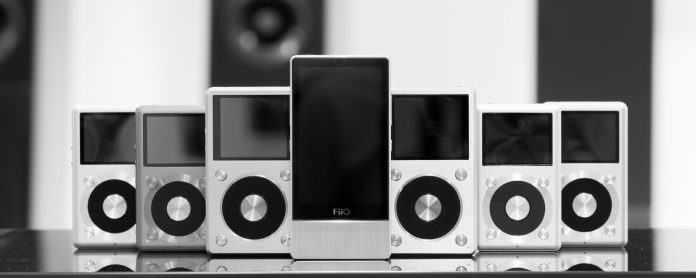
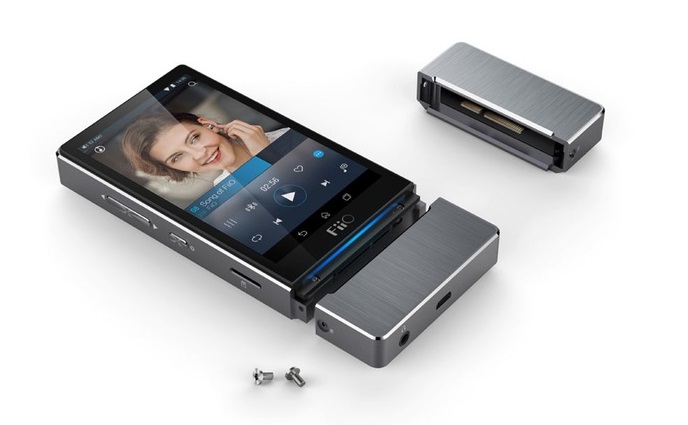
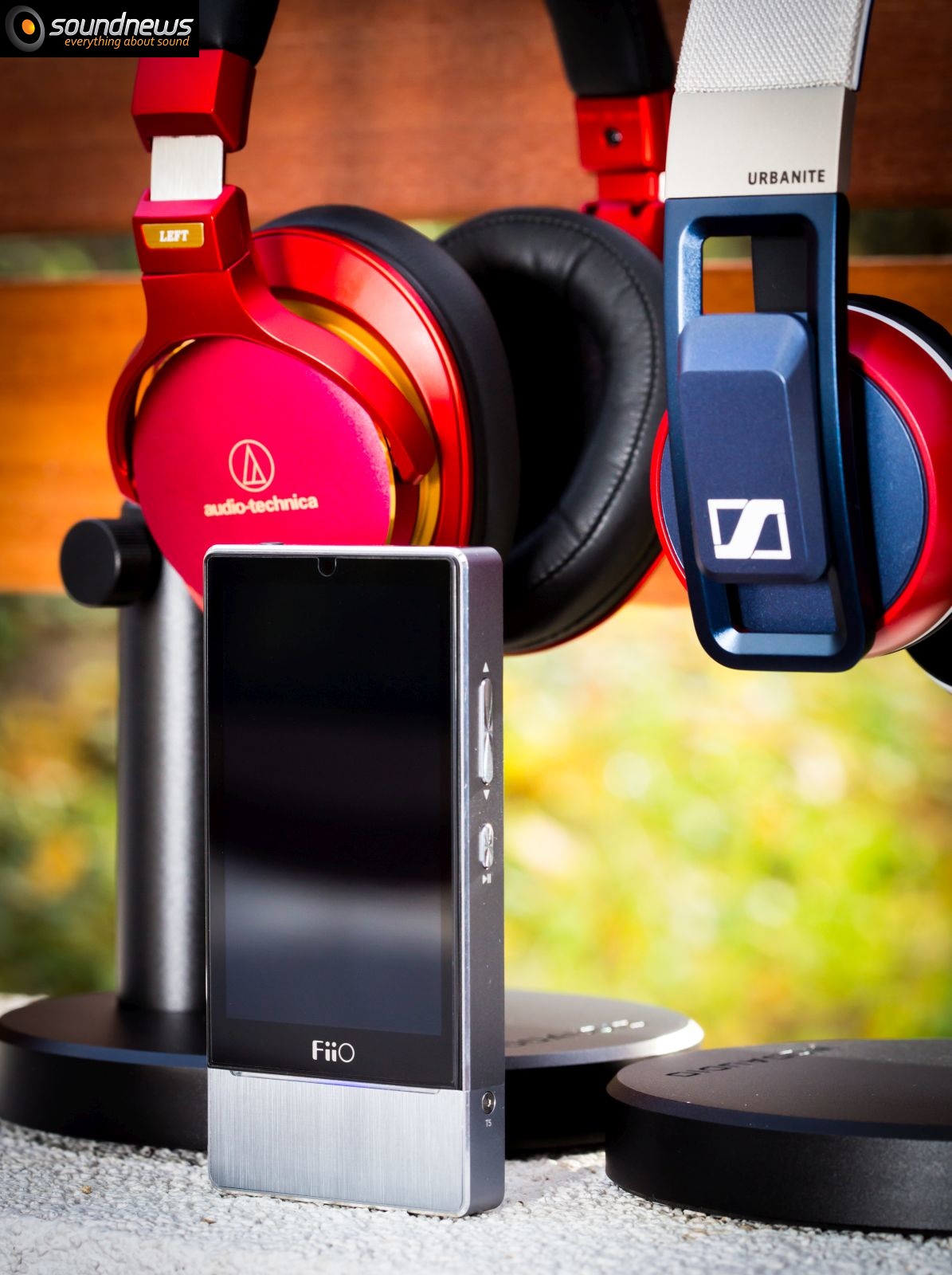
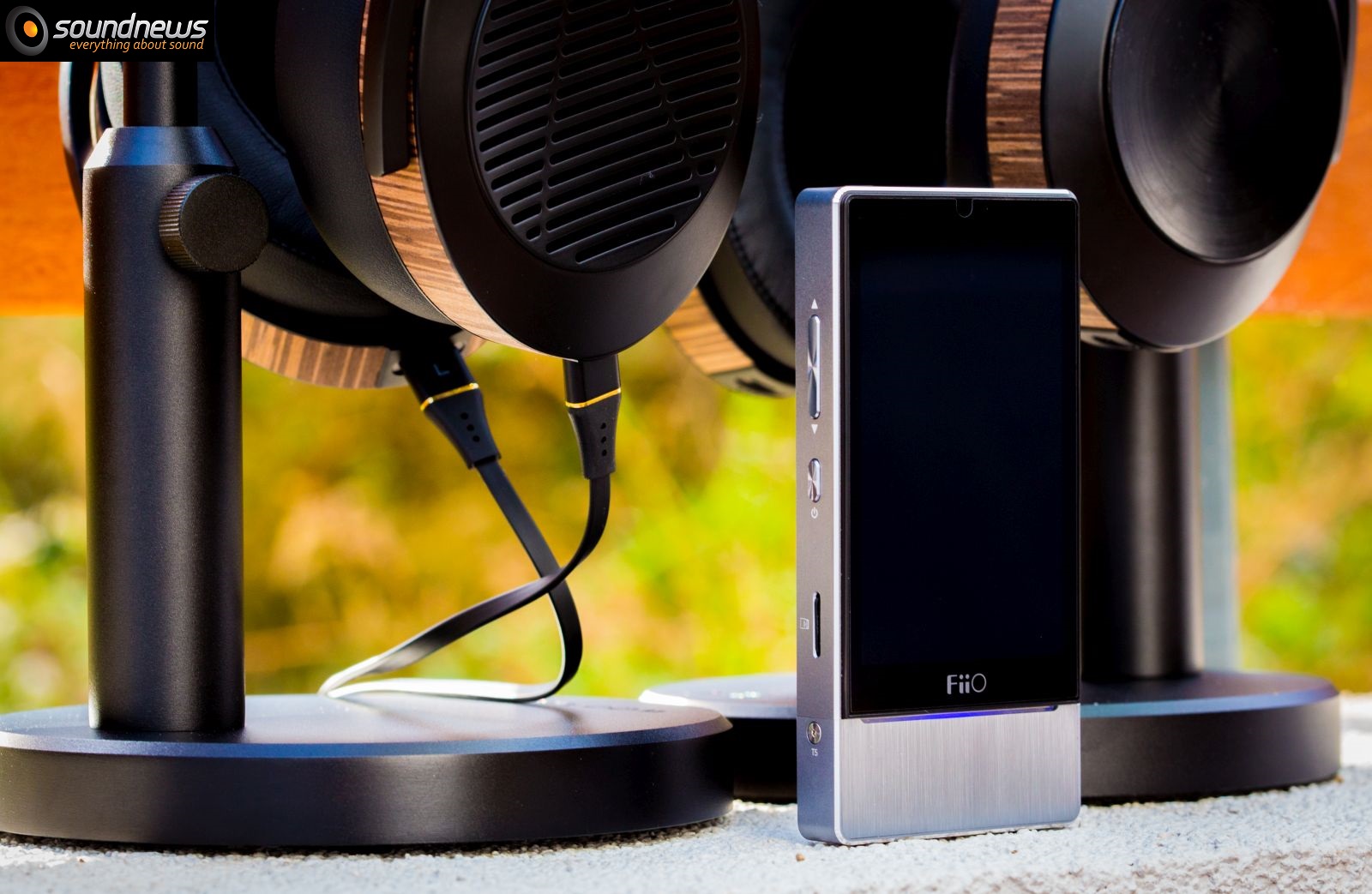
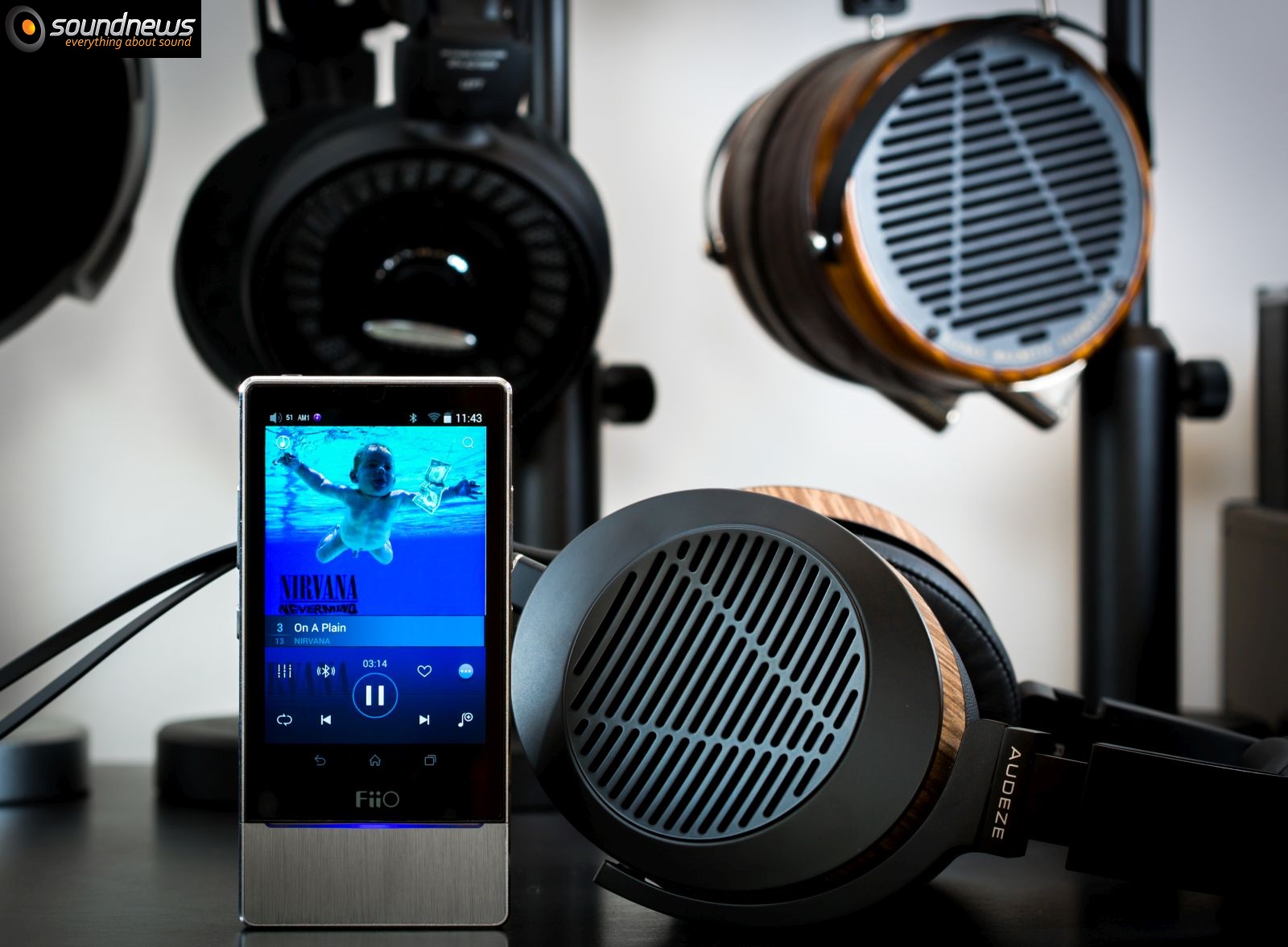
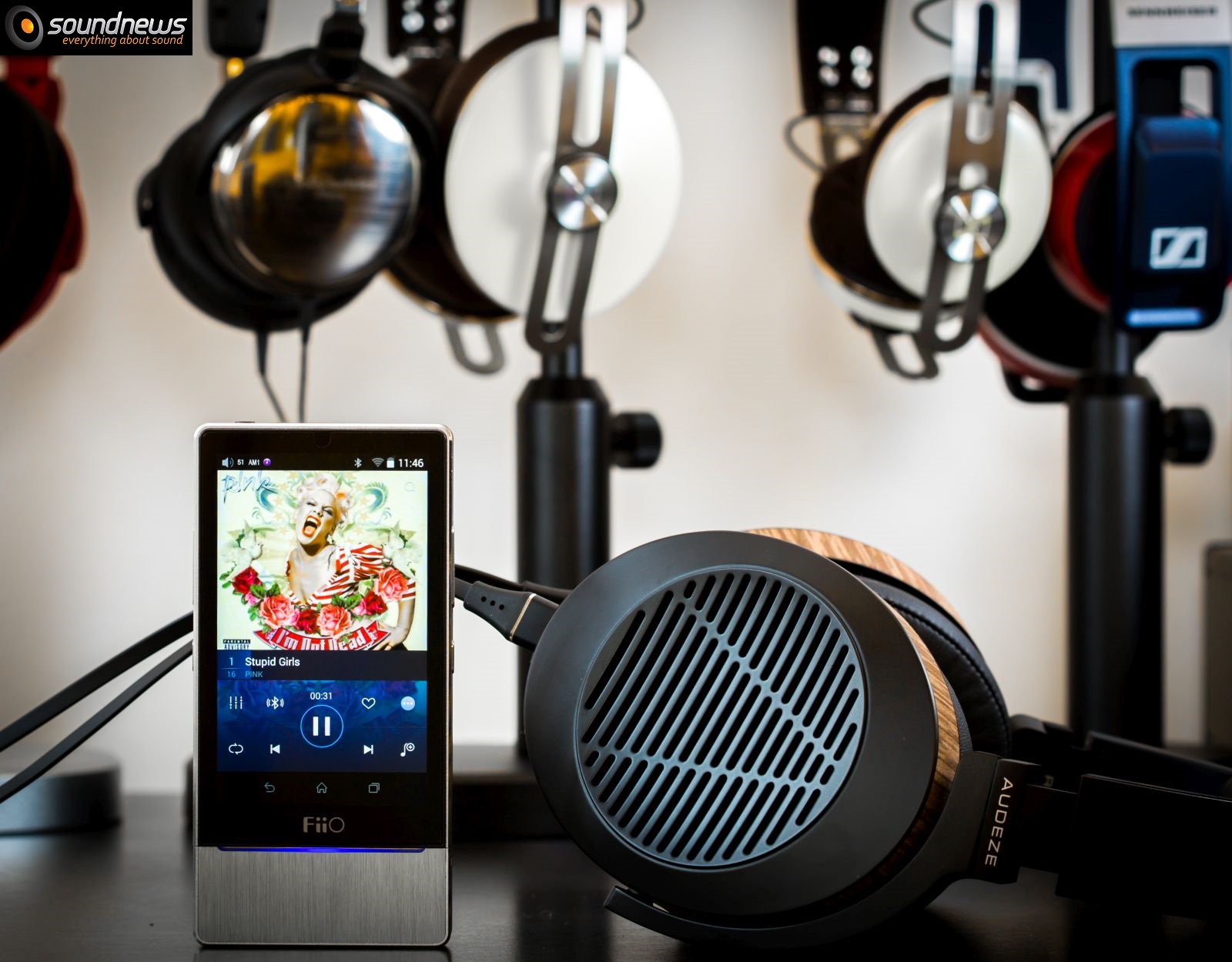
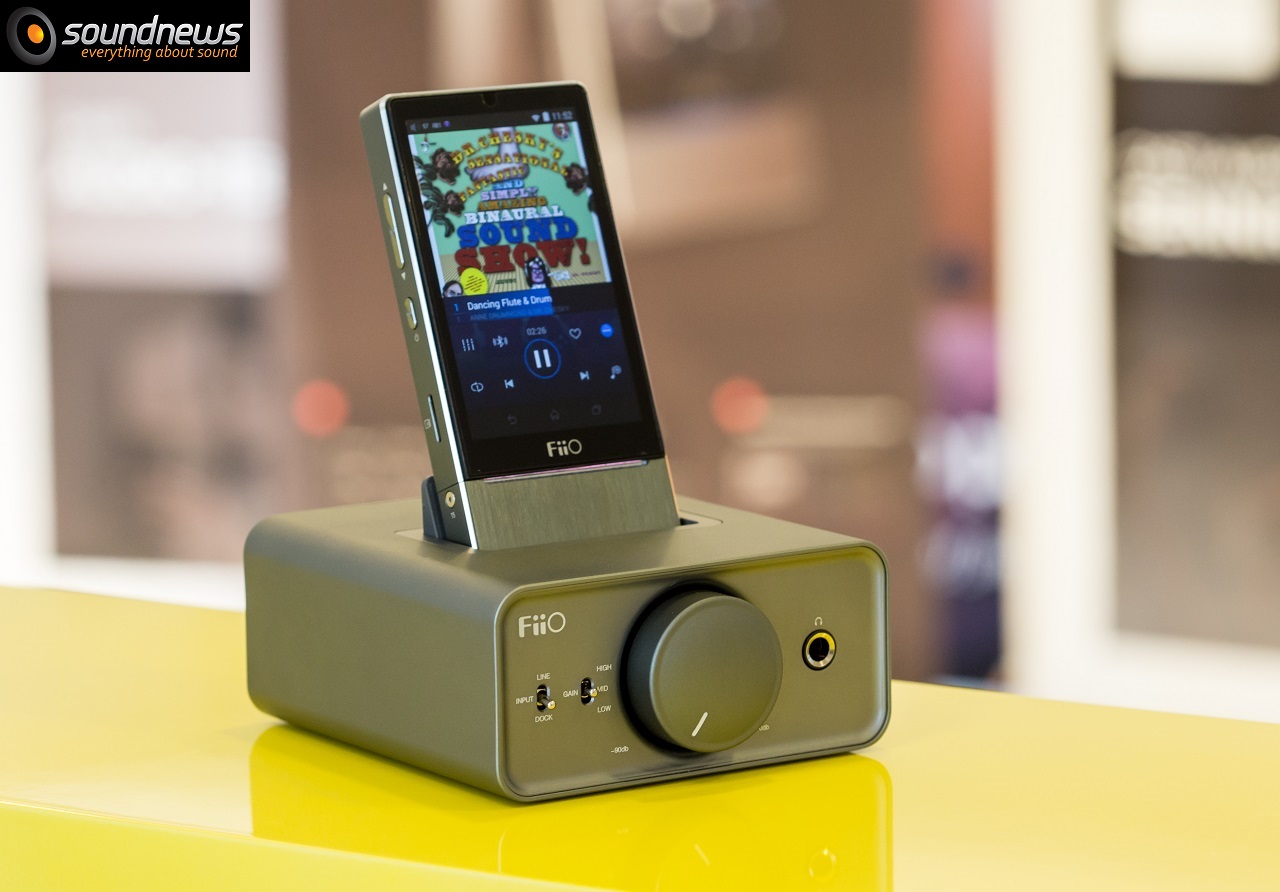
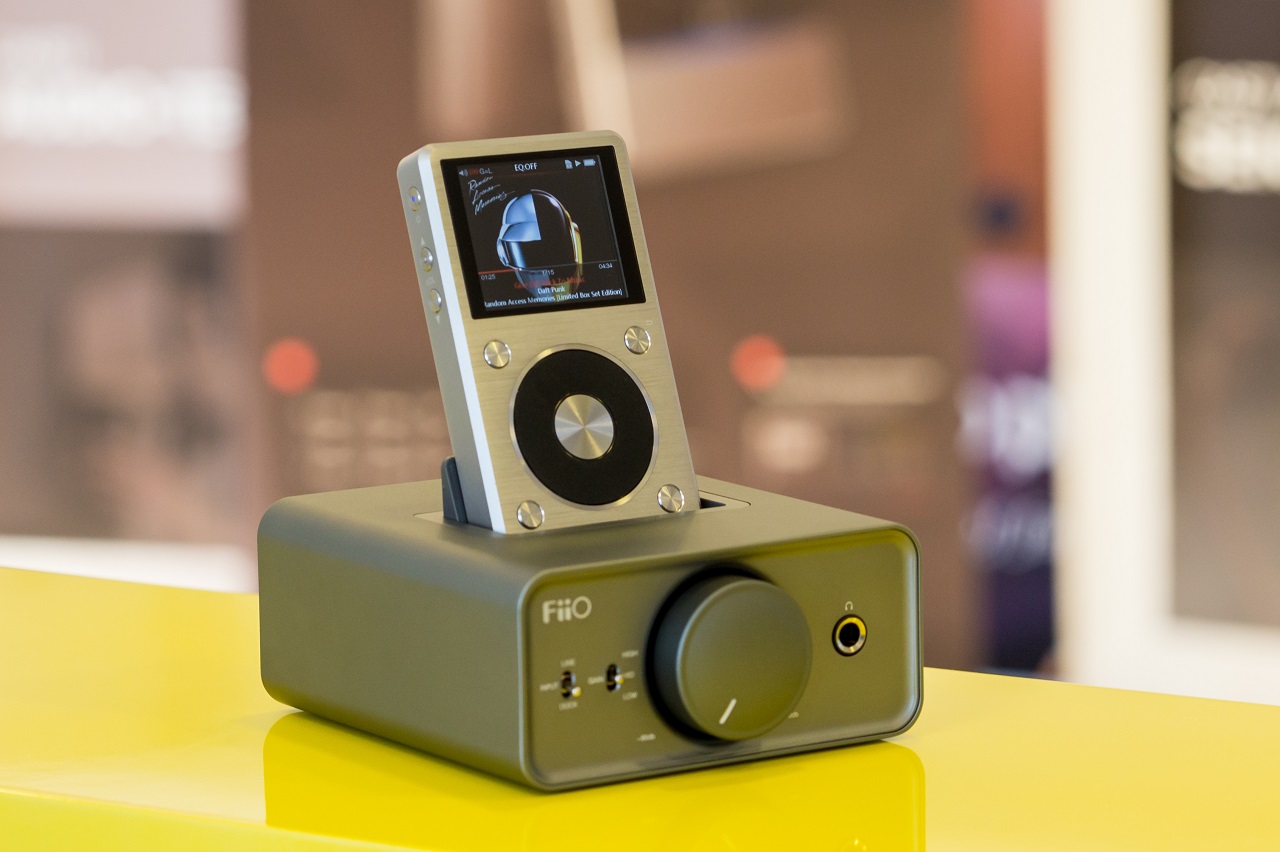
From the start I can tell I like K5 design wise. It looks sleek, discrete and simple to use. Besides the fact that it works as a simple desktop headphone amp, you can dock to it all their DAPs: X1, X3 II, X5 II, X7 and E17K DAC/Amp using micro-USB connection.

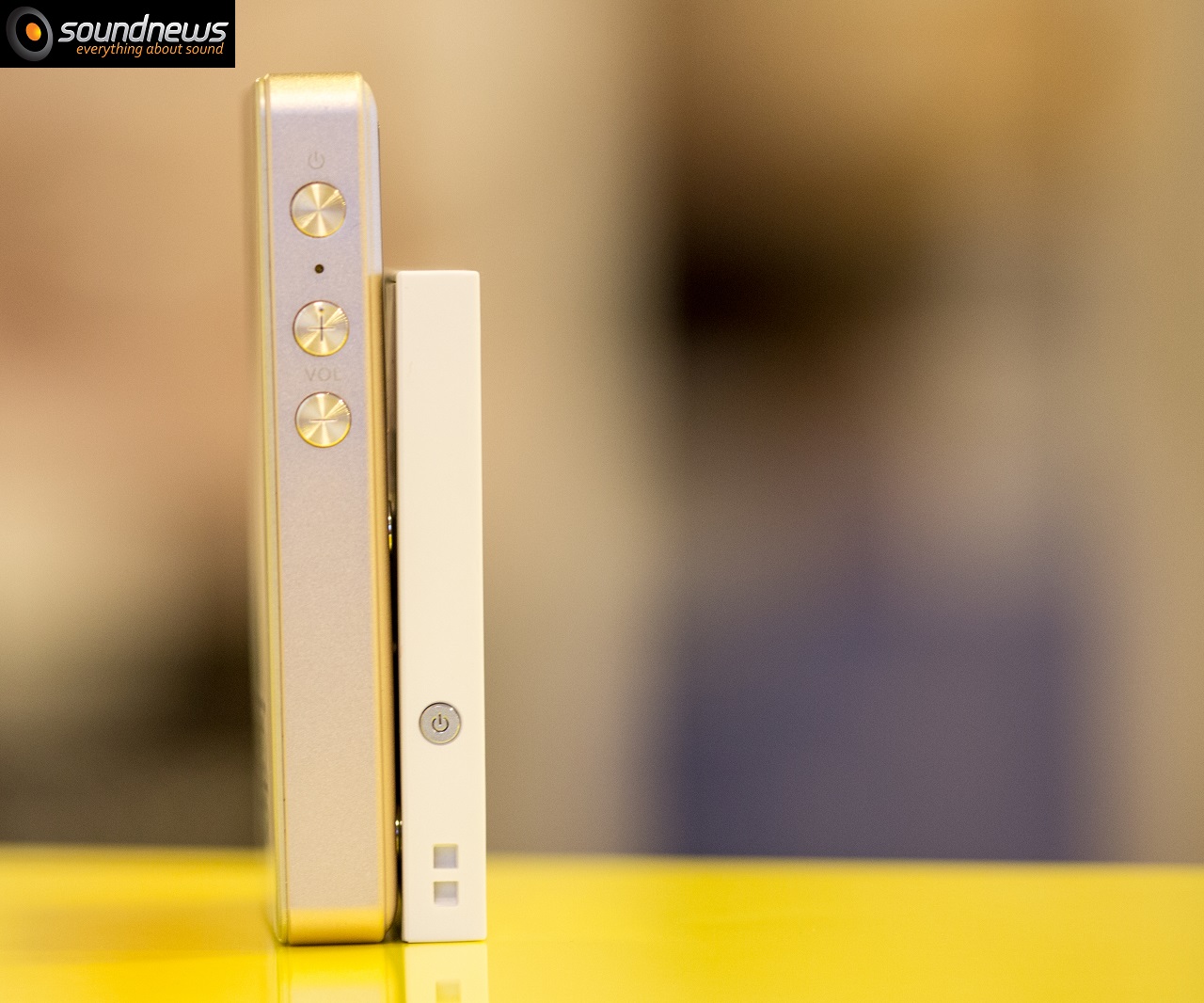
Considering that all those devices have different thicknesses, FiiO included in the package some rubber spacers to facilitate the connectivity of all those devices.

All DAPs with exception of X1 work in two modes:

  • Can be used with K5 in DAC mode connected to a PC/MAC, thus with play the music from your PC
  • Or the music from the DAP can be directly played, without the need of a PC

X1 cannot work in DAC mode, because it doesn’t have such a feature, E17K on the other hand works only in DAC mode, as it cannot be a standalone DAP.

My X1 being a pre-production unit didn’t work well with K5, it only charges my X1 and that’s all, music cannot be played via K5.

Rest assured all X1 production units will work with K5, FiiO confirmed it.
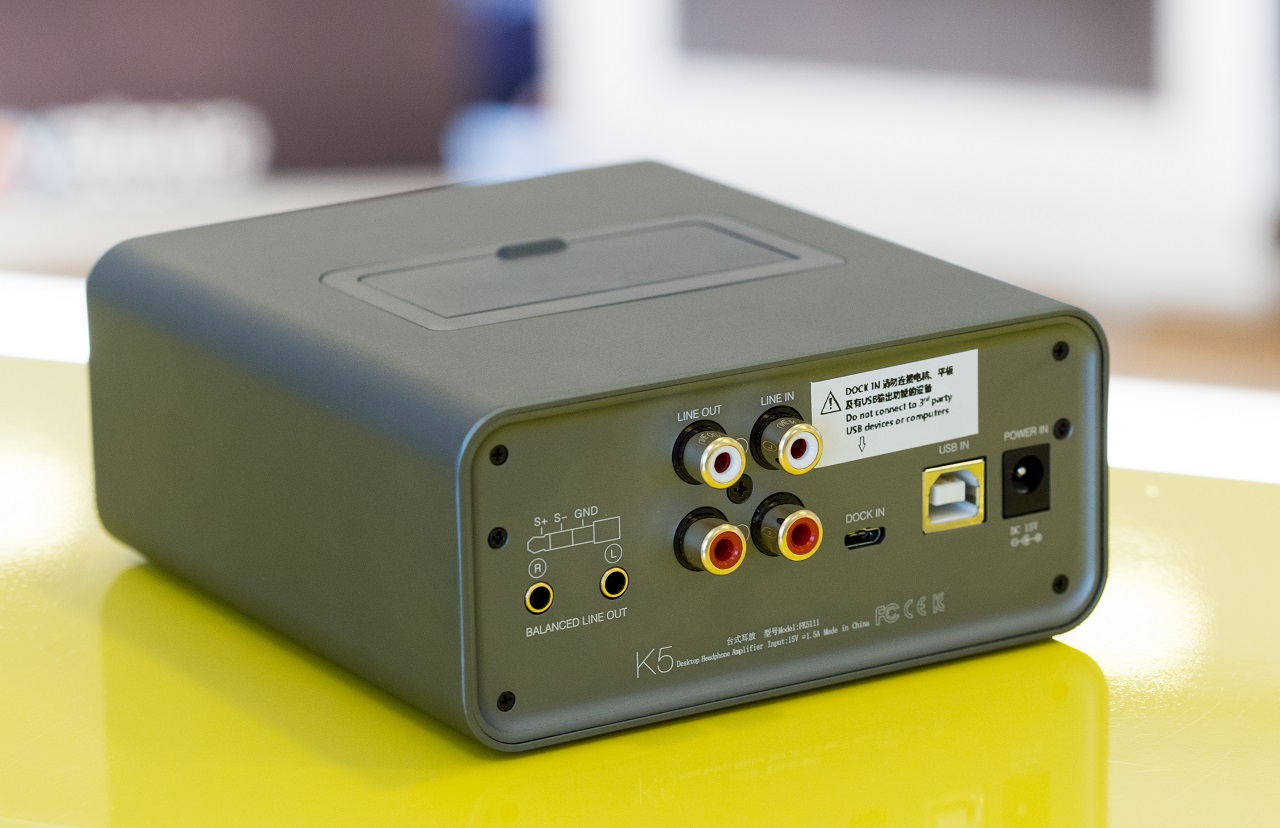
K5 (1 of 1)

K5 on the outside:

On the back can be seen the USB, RCA input and a Line-Ouput via RCA (to use it as a preamp) a balanced output (via 3.5 TRRS connection). Unfortunately in the package there isn’t a 3.5mm to XLR cable.

The balanced out works only with X5 II and X7, with other DAPs it doesn’t work.

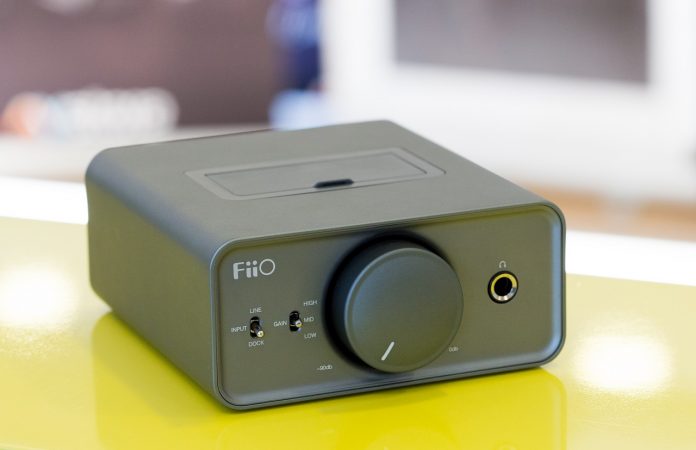
On the front the gain switch can be seen, input selector, volume wheel and 6.3mm headphone out.

On top of the case there is a small door that hides the micro-USB dock connector.

The case seems metal made, volume wheel is definitely plastic but it’s not that important.

Once turned on, the volume wheel is beautifully lit by a blue light, it really helps in dark lit rooms or on those night listening sessions.
K5 10

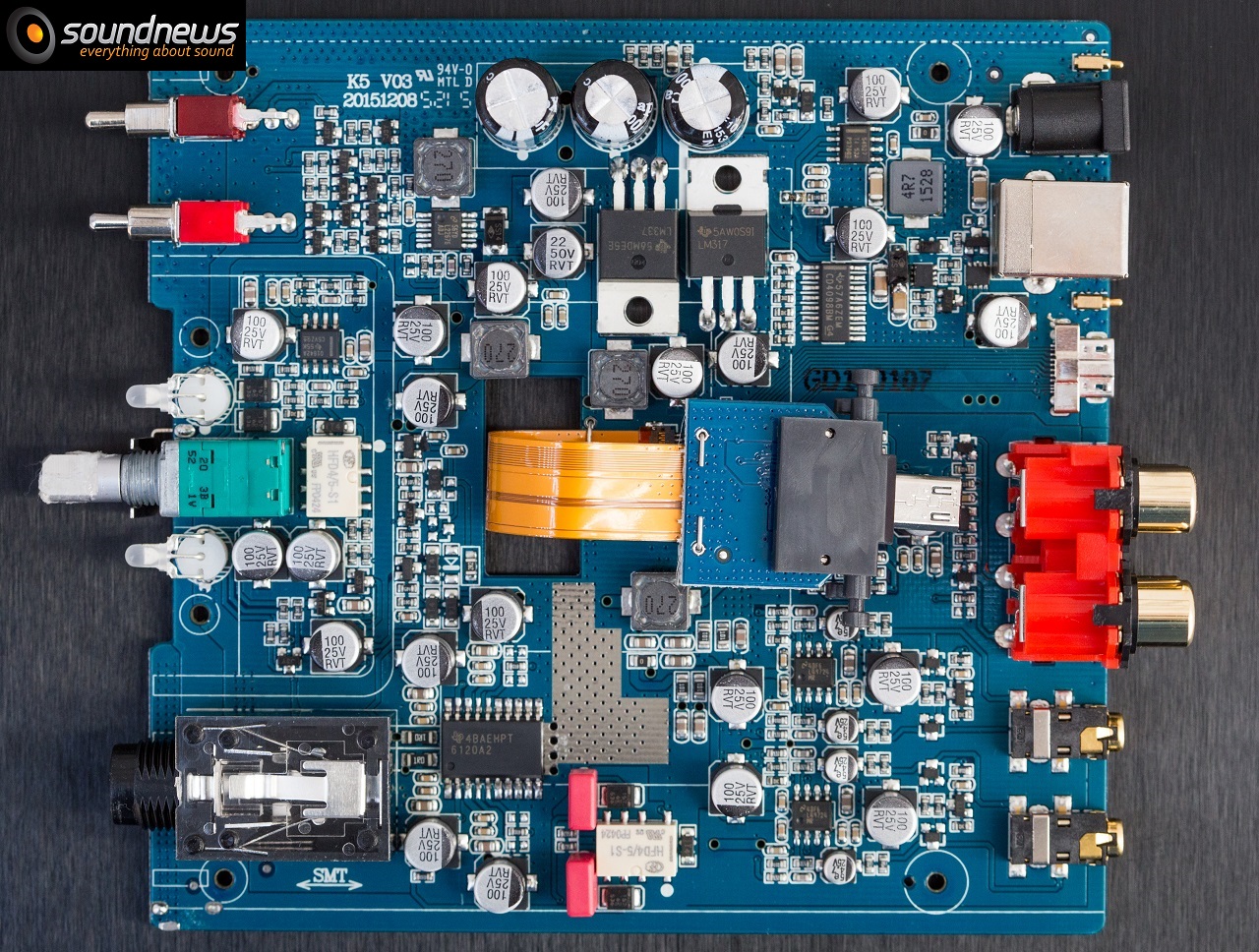
K5 on the inside:

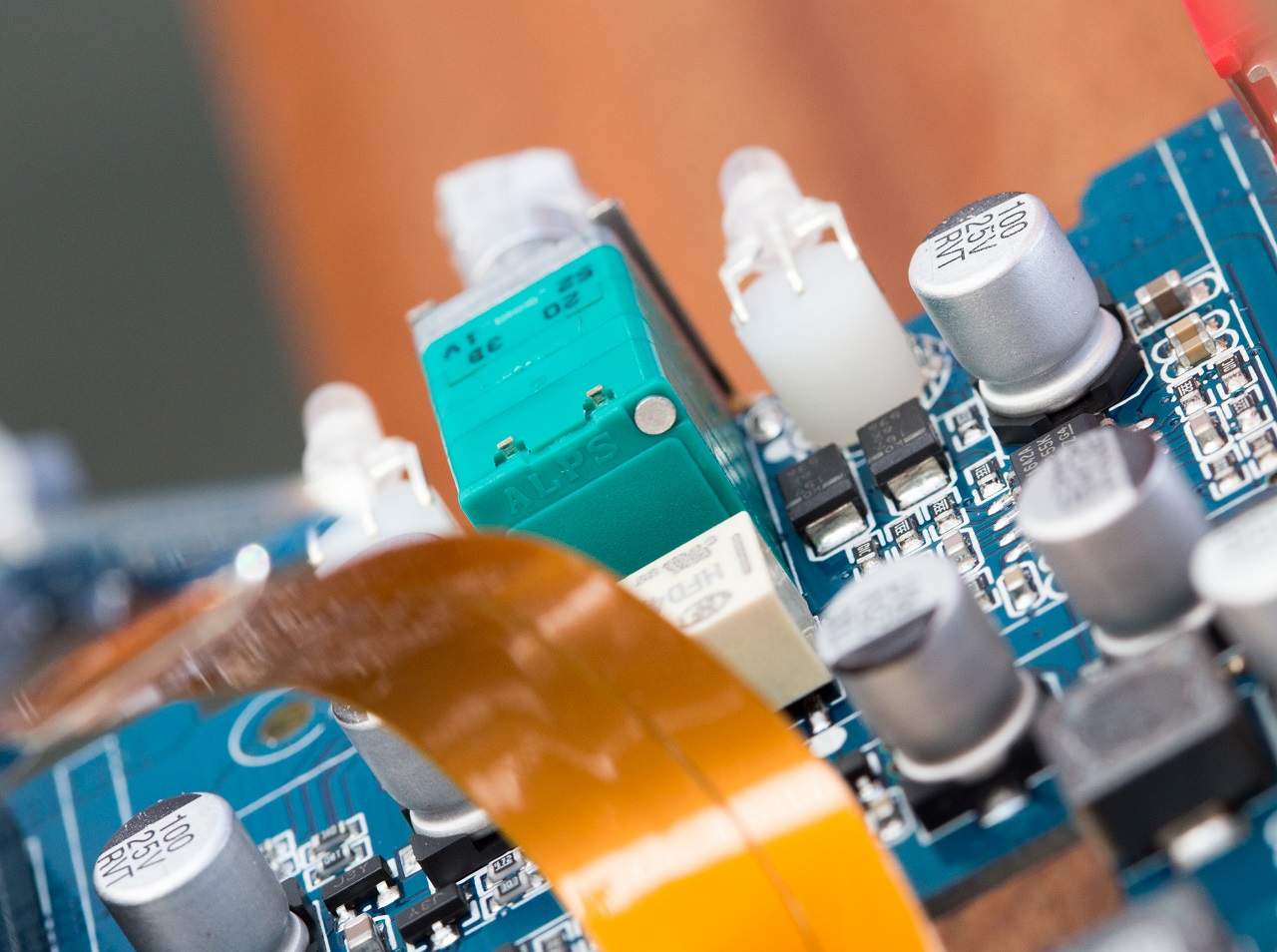
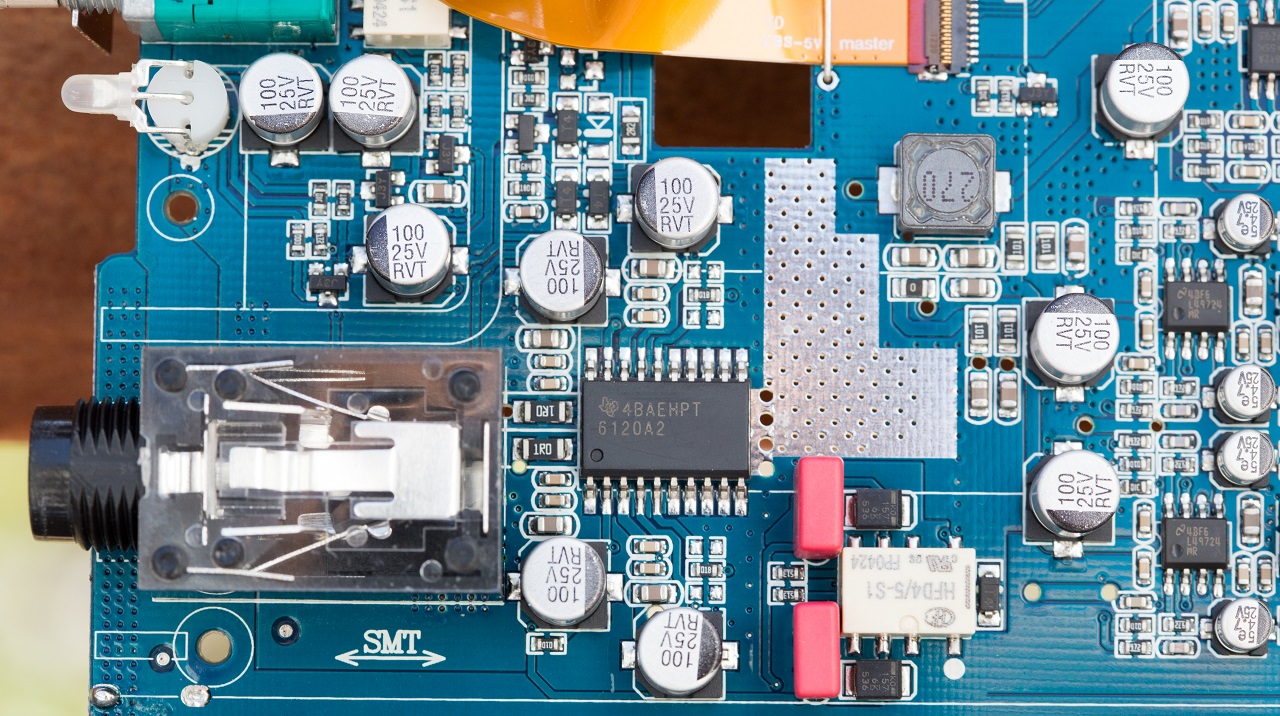
As opposed to E09K output impedance was seriously lowered from 10 Ω to <1 Ω, IEM users rejoice! K5 will play nice with any headphones, damping factor remaining stable at any impedance, E09K in this regard was quite limited from medium to high impedance headphones.

At the heart on K5 stays the TPA6120A2 that I see very often in desktop headphone amps (it is present in iFi iCAN SE as an example).

Output power sits at around 1.5W into 32 Ω, maximum voltage is 20Vp-p and total harmonic distortion (THD) is lower than 0.002% (1 kHz 32Ω) if it is used as a headphone amp.

According to specs this little dude can power almost anything, from small IEMs to big size planar-magnetics from Audeze or HiFiMan (with the exception of HE-6 of course).

The USB type B connection from the back should not confuse you, K5 doesn’t have an internal DAC, this port can be used only when a DAC ready FiiO device is docked on top such as X3II, X5II, X7 or E17K.

Besides amping the analog signal K5 will also charge any docked device.

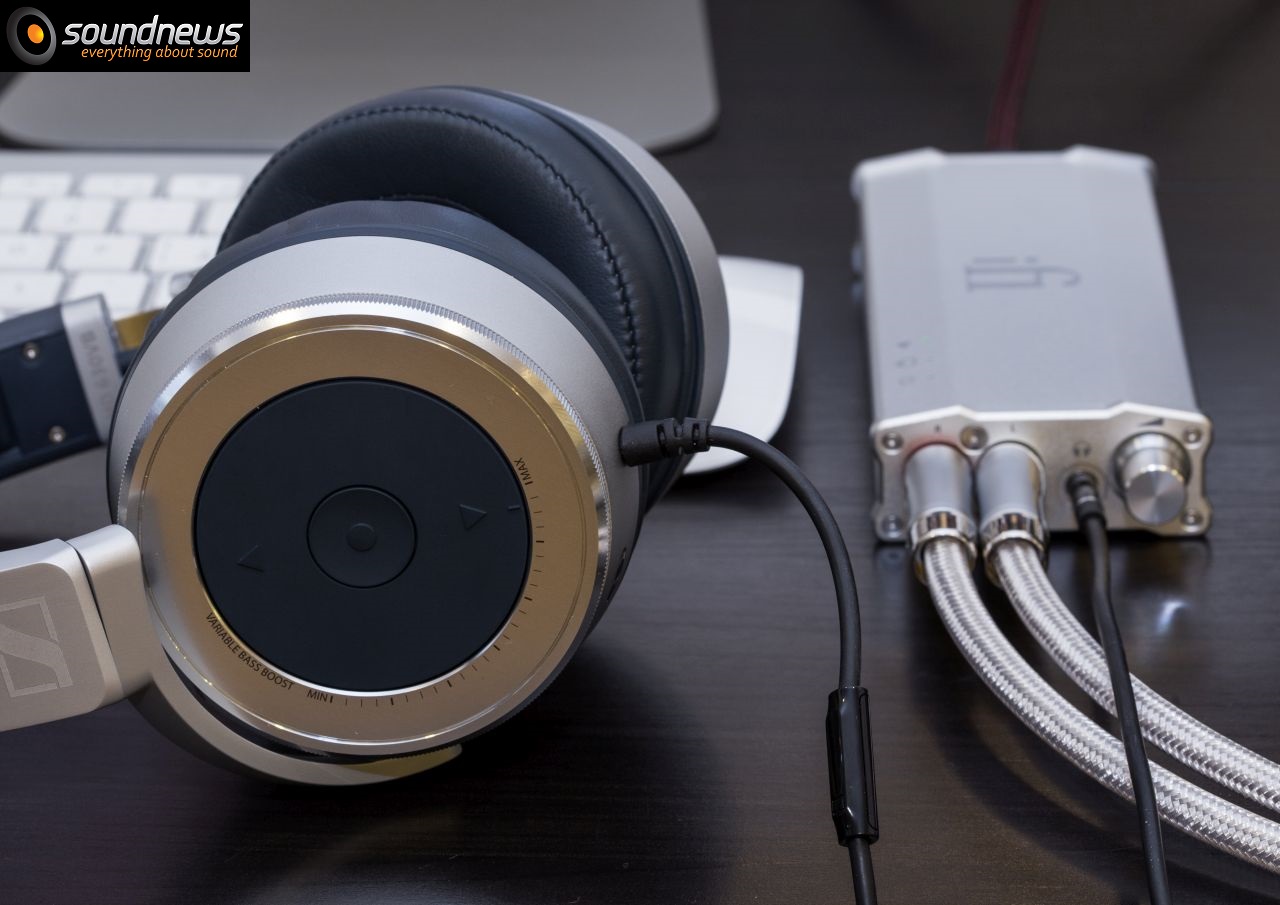
For the best results from K5 I used an X7 docked to it and at the end of my tests I also used an external DAC: iFi iDAC2 connected to it.
K5 7

K5 8

Sound Performance:

First thing that caught my eye is the power reserve it has.

Using normal sensitivity headphones such as Sennheiser Momentum M2.0 or Meze 99 Classics on low gain I cannot go louder than 50% volume.

The most inefficient headphone tested was HiFiMan HE-560. Surprisingly they were properly amped, using high gain volume reached 80% on some classical recordings (recorded at -14dB dynamic range).

Using K5 together with X7 I’ve got a robust and stable headphone based system.

X7 is able to portray an incredibly large and deep stage, as well detail retrieval from my favorite tunes is really good.

I was worried that K5 would add some kind of coloration to the purity of X7 sound and some layers of information will be lost.

K5 is not adding coloration to the X7, I think it takes the best from X7 and multiplies them adding raw power to the mix.

Comparing to its predecessor (E09K) this amp doesn’t has a dark sound signature, that put a lot of pressure on mids and bass. No, K5 is pretty linear but not so much to become boring sounding.

K5 sound kind of fresh, lively and for sure has good rambling bass and detailed trebles.

Everything seems at its place and on the first inspection nothing bothers me.
k5 3

With HE-560 I’ve got a deeper and more present bass than expected, this suggests that these headphones are properly amped.

One thing thought bothered me on HE-560: Bass purity. Although K5 has a quite fast and controlled bass, it isn’t the cleanest one, the multitude of bass layers on electronica was not felt.

This effect is not very obvious, but on a prolonged listening session it became clear to me. The purity brought up by X7 is slightly taken down by K5, instead when X3 II or X5 II was used I didn’t feel the same cause and effect.

Voices and string instruments were projected on prime plan, the amplifier for sure doesn’t outline or emphasize more than needed mid frequencies. Guitar plucks suffered a bit, the string vibrations stops rather abruptly, its like musical notes decline would happen too quickly. Apart from this I have nothing else to cry about, especially at this price point.

High frequencies have the bite and the glitter that is needed to feel them but not to be bothered by them. Highs were quite airy but not overly emphasized to bother me somehow.

X7 at this part is very capable and detailed, portraying highs in a relaxed and smooth manner.

K5 doesn’t emphasize the treble, nor it calms it, it leaves it at its place.

On harder to drive headphones K5 passed with flying colors keeping up with high dynamic range and with crowded music.

Listening to Rigoletto, Otello and La Traviata by G.Verdi I came to realize that dynamics were almost untouched.

On Presto Agitato in C Minor by L.V.Beethoven and Presto by A.Vivaldi the emotions felt have not decreased in intensity and I liked what I heard.

Stage is pretty large in width and length but limitations can be heard, the sounds are like hitting an imaginary wall after a short period of time.

The sound is also not very deep how big dollar desktop headphone amps are doing but I can’t complain about this at this price point and it’s a non issue overall.

Connected to any of FiiO DAPs we get a decent and a very versatile desktop audio system.
K5 5

Conclusions:

For 150 Euros we get a capable desktop headphone amp and a very elegant dock for recent FiiO DAPs.

It’s connectivity with FiiO DAPs is pretty intelligent, it charges them and powers them on when K5 is also powering on, and powers off docked devices when it goes off.

To my joy K5 doesn’t have a sound coloration any more and doesn’t stay too much in front of sound purity, it’s a pretty honest device and brings a significant amount of power and dynamics when needed.

Dynamic or planar magnetic, portable or desktop, K5 will drive basically any pair of earphones or headphones at ear bleeding levels.

I enjoyed K5 and I consider it a hard to beat entry-level headphone amp.

Pros:

  • Natural and tonally rich sound
  • Lack of a coloration, quite neutral
  • Offers good dynamics and visceral sound
  • Drives everything (expect those HE-6 and K1000 monsters)
  • Very low impedance (±1 Ω), doesn’t negatively affect damping factor
  • Docking possibility with many FiiO devices
  • Competitive price for what it offers

Cons:

  • A slightly grainy sound
  • Bass is not the most transparent
  • Soundstage limited on width and depth

Equipment used for review:

FiiO K5, X1, X3II, X5II, X7, iFi iDAC2, Sennheiser Momentum M2.0, Meze 99 Classics, HifiMan HE-560
iFi Audio iUSB3.0 si iPurifier 2 – Comparative Test
6

This is a follow up for the iDAC2 review in which besides stock configuration I added an iUSB3.0 and a iPurifier2.

What exactly does iUSB3.0?

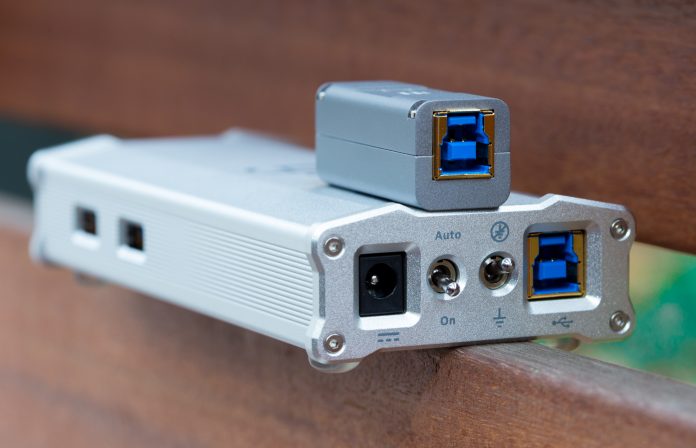
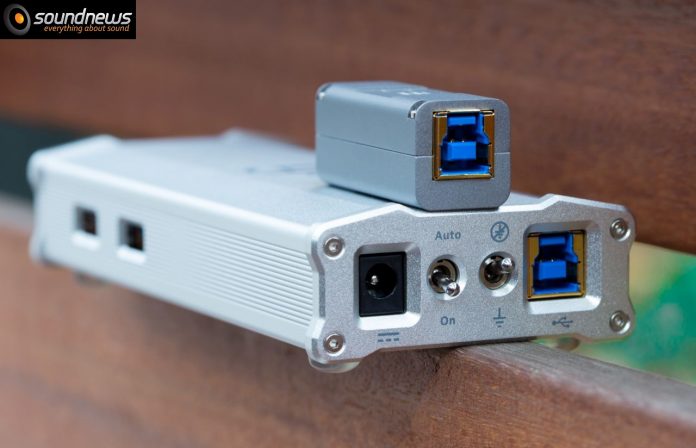
iUSB3.0 is an All-in-One solution that takes care of all problems regarding USB port or signal.
More exactly it does the following things:
– Corrects signal balance
– Suppresses frame noise
– Suppresses packet noise
– Offers Ultra clean power
– Eliminates ground noise
– Corrects impedance mis-match
– Eliminates USB Jitter
– Restores signal integrity
A presentation video about iUSB3.0 features can be found here:

iUSB3.0 was developed especially for USB DACs that are used in front of a PC.
As we very well know PCs and especially laptops have some dirty USB outputs.
That’s why sometimes printer signal goes out, the mouse is not recognized or in general USB peripherals go nuts.
The same story can be told about USB DACs, some of the are more influenced by USB issues, some of them are less.

For this purpose I have tested 3 different DACs, that belong in different price categories to better understand which ones were more affected by USB gremlins and which ones were not so much.
USB DACs from my test were Abrahmsen A-DAC II (±250 Euro), iFi Audio iDAC2 (±390 Euro) and a more expensive Hegel HD25 (±2080 Euro)

Ifi iPurifier (1 of 1)-10

iUSB3.0 Performance:

Since when I have gone to 100% digital I liked the idea of using an USB DAC, storing all loss-less music on an internal/external big capacity HDD and using a PC for controlling my playlist.
Unfortunately on some DACs when touching the mouse or when printer was powering one or in general when many USB devices were connected I would hear some pops, cracks and/or distortions, the focusing became blurry and music itself started to fall apart, losing on precision and critical timing.
Some DACs were very sensitive to USB problems, some of them not so much.
By theory it is known that DACs that uses asynchronous data transfer would be less susceptible to USB issues, and those that use adaptive or synchronous transfer would be more influenced.
That is why my 3 DACs from the test are different, A-DAC II works in synchronous mode, iDAC2 is asynchronous and HD25 works in adaptive mode.

Ifi iPurifier (1 of 1)-11
Lets get to the interesting part.

First on the list is the most accessible DAC: the Abrahamsen A-DAC II

As I told in my A-DAC II review.

Directly connected to an USB port of a PC, the sound is warm, quite full, but unfocused and rounded – cutting a bit of sub base and from the top.
From the first audition it is clear to me that the sound is a bit muddy, unfocused, musical instruments are more crowded as if the air is not moving between them.

When I connected iUSB3.0 the sound caught a slightly better focus, the base felt cleaner and on top there were more sparkle.
The difference was not big, but noticeable on quality material.
I also felt a slightly faster tempo on rock and electronic music, focusing improved and that round sound became more complete, as a whole.
The corners of the frequency extremes were not that suddenly cut.

Especially on classical music this effect were more pronounced.
Although the differences were not as big as I expected.
I was a bit disappointed, I thought that A-DAC II can be improved even more, but it seems that implementation limits were achieved.
I blame the power supply of A-DAC II, it uses a switching PS, probably if an DC iPurifier or an iPower were used the situation could be merrier, and those two might improve even more that the one brought by iUSB3.0

Ifi iPurifier (1 of 1)-12

Ifi iPurifier (1 of 1)-13

Next on the list was iFi iDAC2 that was tested an week ago HERE.

The funny thing is that iDAC2 works in asynchronous mode and in theory it should barely benefit from an external iUSB3.0
The differences in case of using iDAC2 from USB port of a PC or from iUSB3.0 was bigger than I expected.
Biggest difference was at impact, the speed of notes, on focusing and on 3D stereo image.
As an example I have used Chemical Brothers – Surrender album.
The moment when I used it with iUSB3.0 I felt that I need to lower the volume, on headphones as well on speakers.
The sound literally became faster and bass impact became really crazy, hitting my eardrum with incredible force, it was so obvious.
The slam was extraordinary, I didn’t expect something like this from iDAC2, didn’t know it is so capable. Bass notes felt like shooting a from a cannon and focusing became surgical and precise.

I was glad when some Jazz music started.
Besides a better focus, I started to take an easy walk through the recording, it became a simple game analyzing the music.
I enjoyed the fact that besides a clearer delimitation of notes and a more pronounced shape of every note, the sound never became tiring or clinical.
Naturalness and and the easy flow of music remained untouched.
Using iDAC2 directly from PC sounds very good, but this iUSB3.0 lifted its performance on another level, as if I listen to a higher performance DAC.

Ifi iPurifier (1 of 1)-14

Ifi iPurifier (1 of 1)-16

Last DAC on the list was Hegel HD25.
Hegel HD25 it’s a very capable DAC, it impressed me, you can read my impression about it HERE.

In my vision HD25 is an excellent DAC, for some it may the be ultimate.
Very few cons can be attributed to this DAC if you are interested in a natural and easy sound.
Hegel works in adaptive mode, manufacturer mentioned its USB module was specifically designed to work this way, they felt it was best solution for HD25.
The improvement of adding an iUSB3.0 was immediately heard and felt.
Basically as in case of iDAC2 I have obtained a clearer focus and a more precise impact.
However on HD25 there is something else that catches my ear and that is the size of the stage on all axles.
The sound was simply decompressed, the sounds flew farther away and didn’t hit an imaginary wall.
The stage became also deeper not just wider.
If this is what you want your HD25 to do then you just must try an iUSB3.0
In rest the improvements heard on iDAC2 I was hearing them on HD25 as well.
The difference on impact and speed was not so obvious, it was felt on a lower scale, I think its because HD25 in its stock form already has fast transients and great slam.

Pretty big differences that I felt on iDAC2 and HD25 is due to the fact that they’re high performance D/A processors and any difference in their acoustic chain is immediately heard.
I believe that the higher performance is the DAC tested the improvements of iUSB3.0 will also be higher.

iUSB3.0 is impressive from many point of views, besides the fact that it improves the USB DACs performance, and external HDD can be connected to it as well, the benefits doesn’t stop here and possibly other USB devices with benefit more or less from using an iUSB3.0

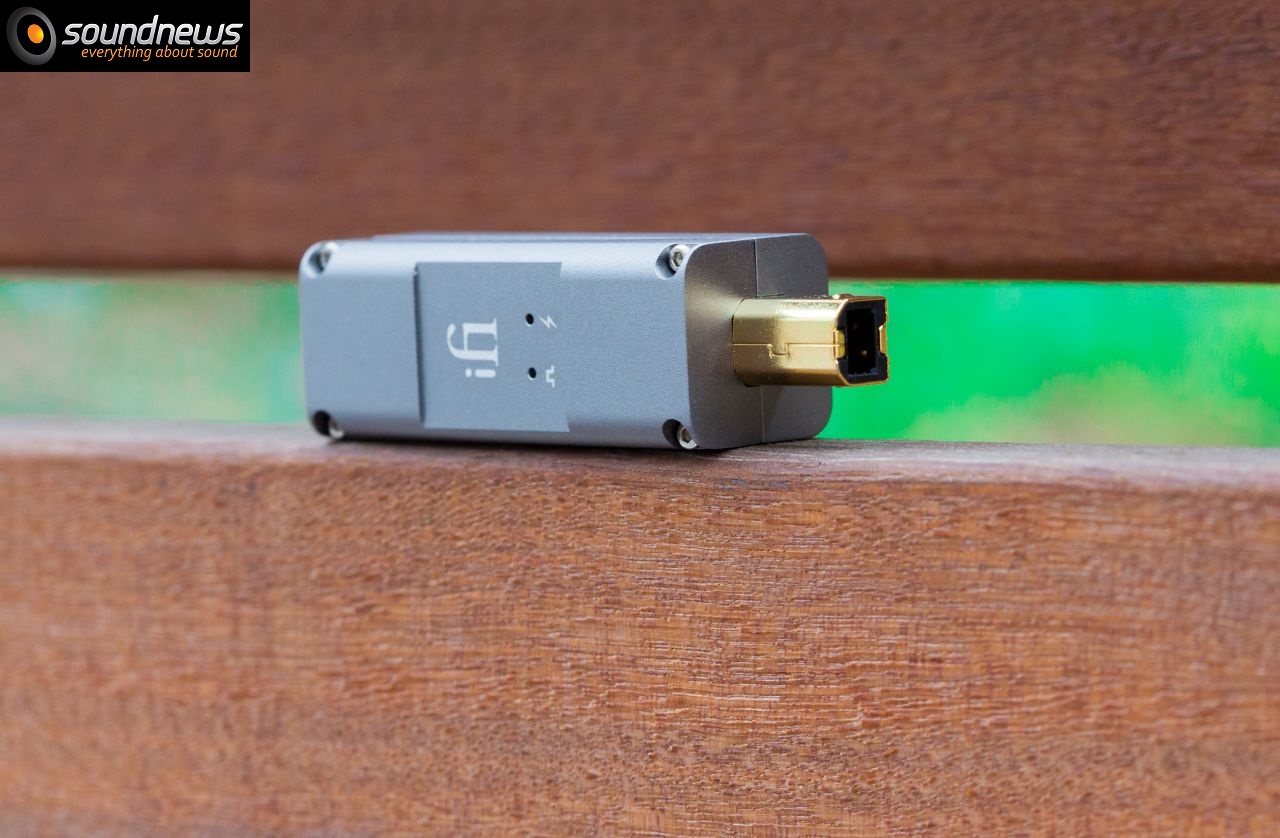
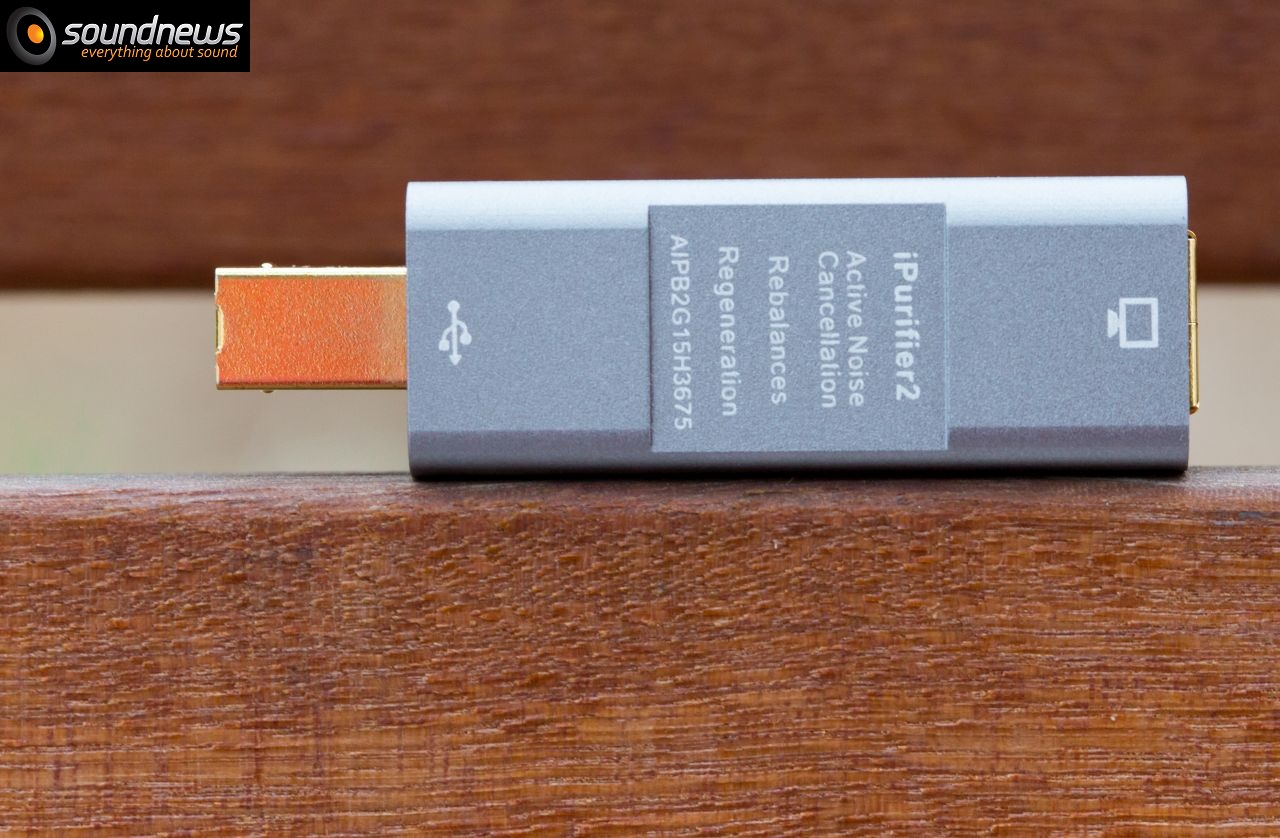
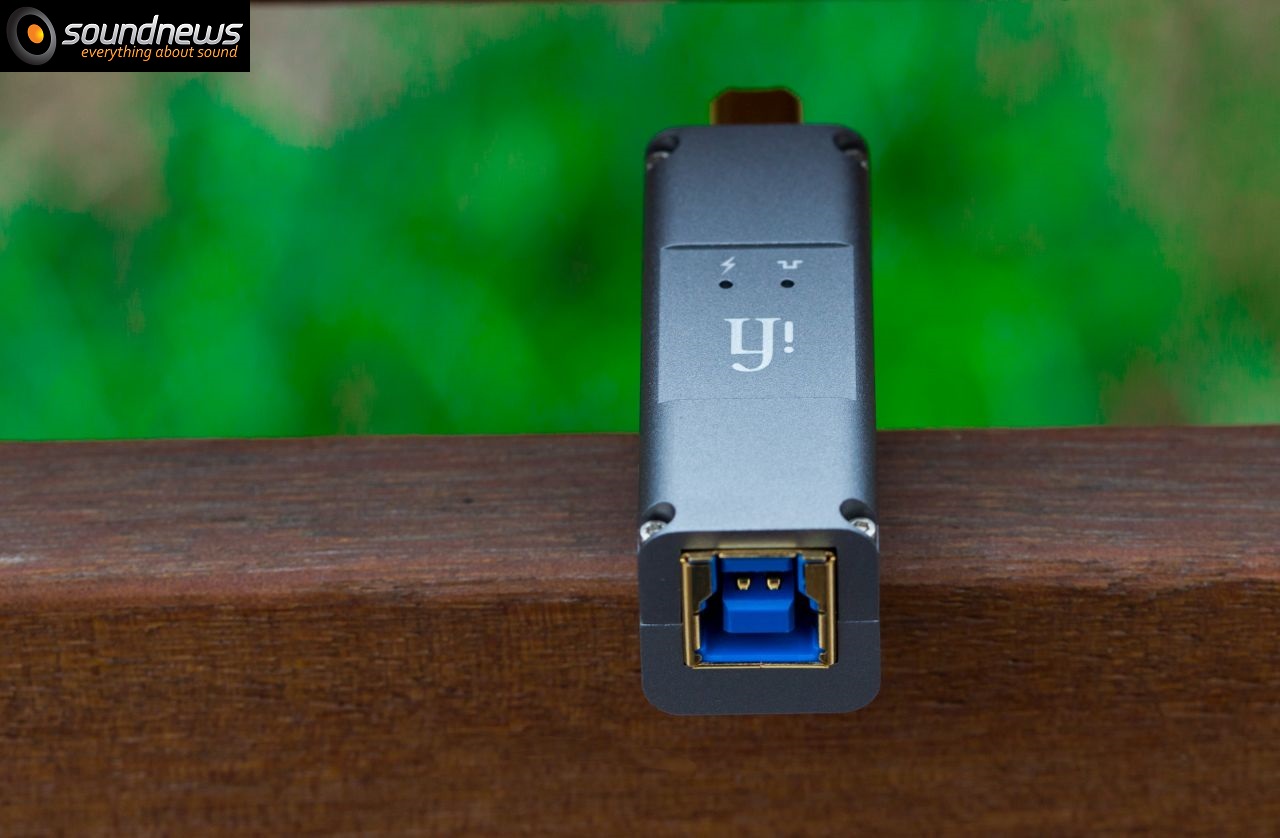
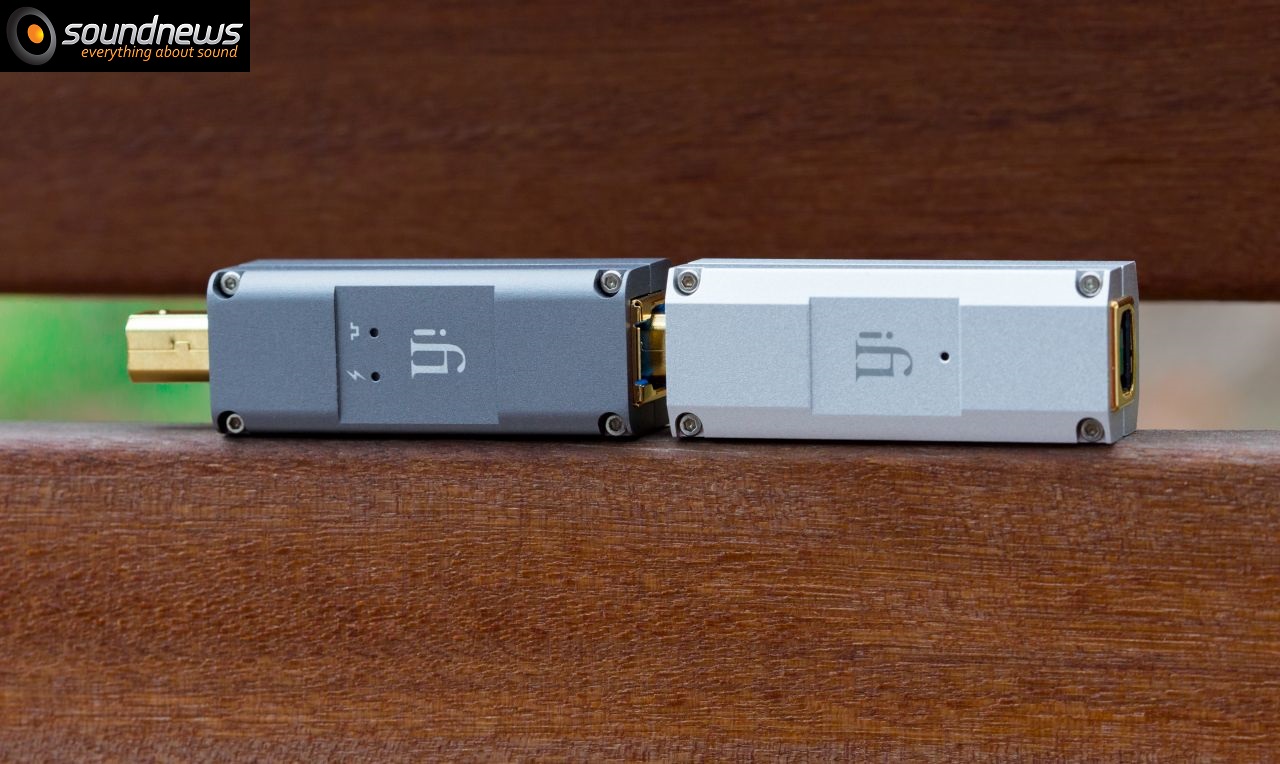
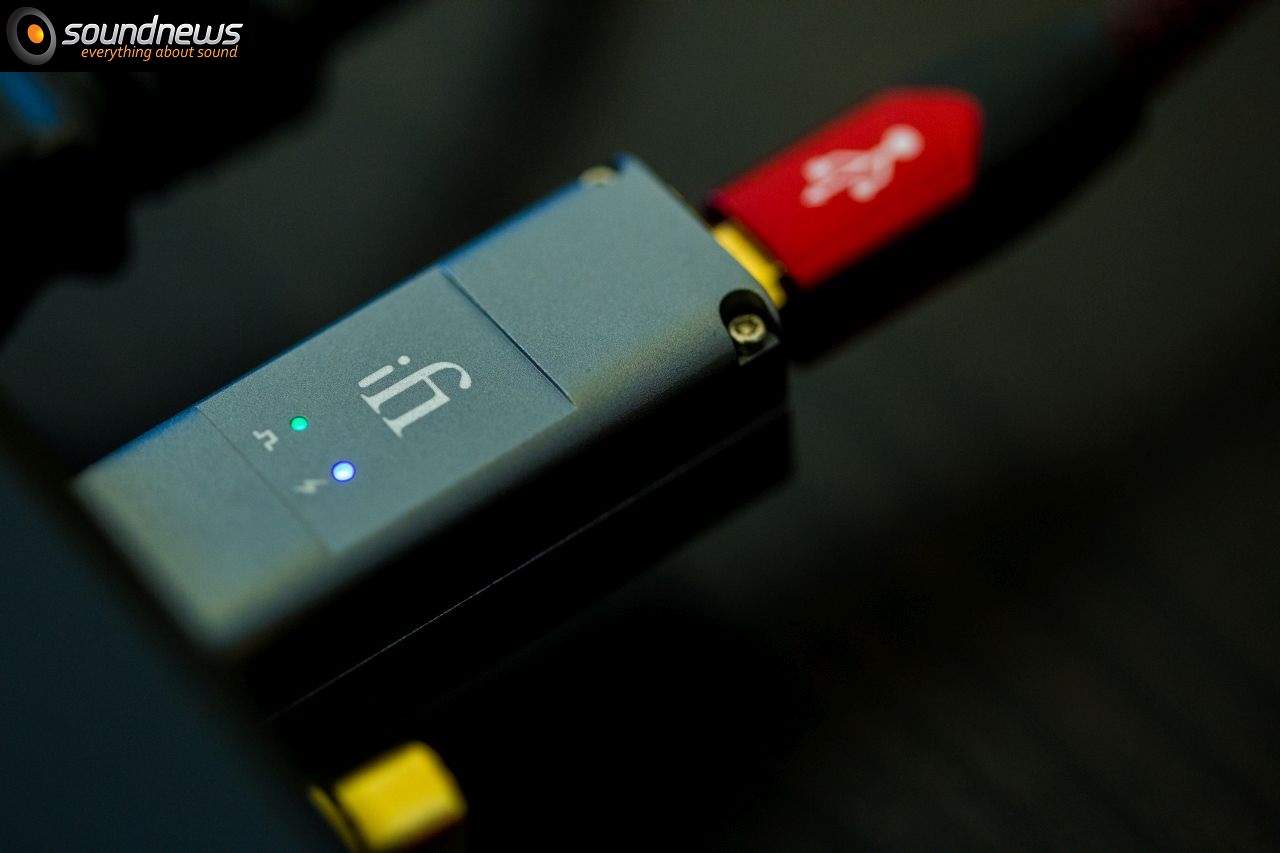
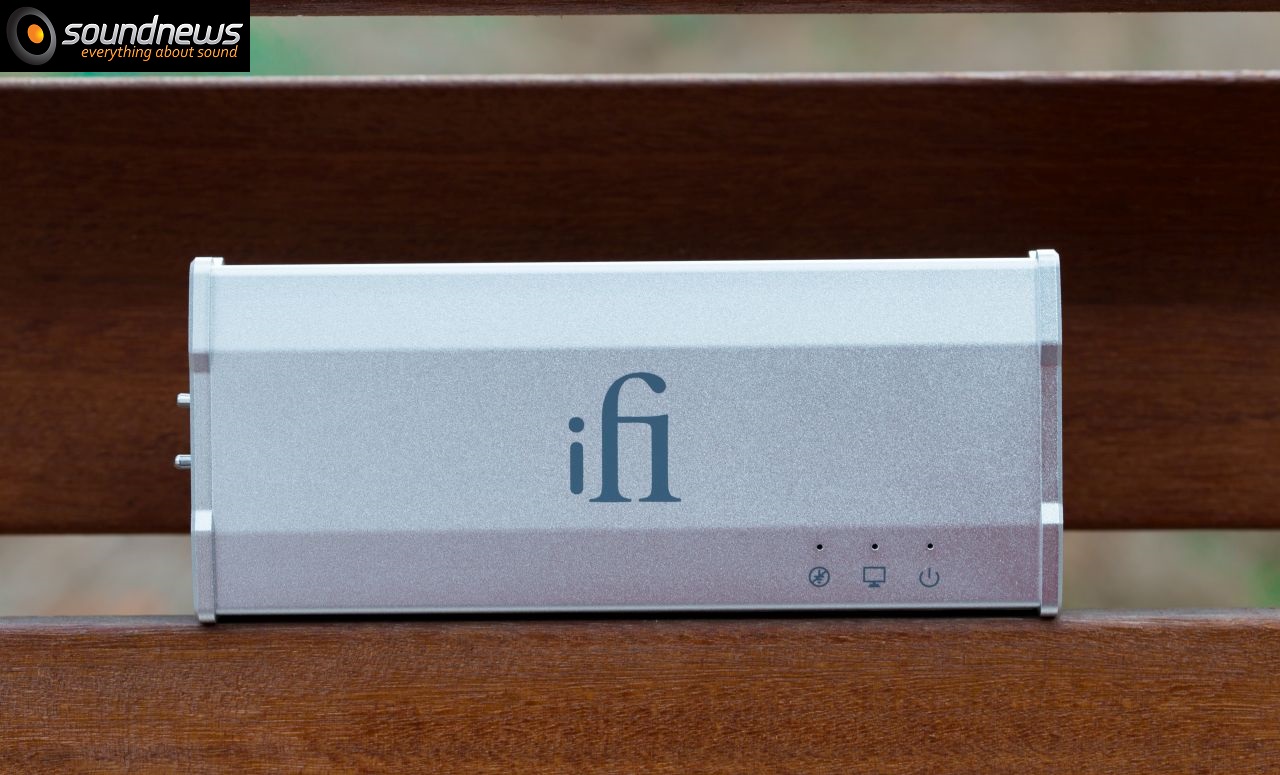
In addition to iUSB3.0, iFi developed something similar but much smaller and more affordable, that is called iPurifier2.
Basically it does almost the same thing: cleans the USB signal from all unwanted gremlins, it takes access time back to normal, it reduces jitter and regenerates USB signal.

Ifi iPurifier (1 of 1)-17

Ifi iPurifier (1 of 1)-18

iPurifier2 performance

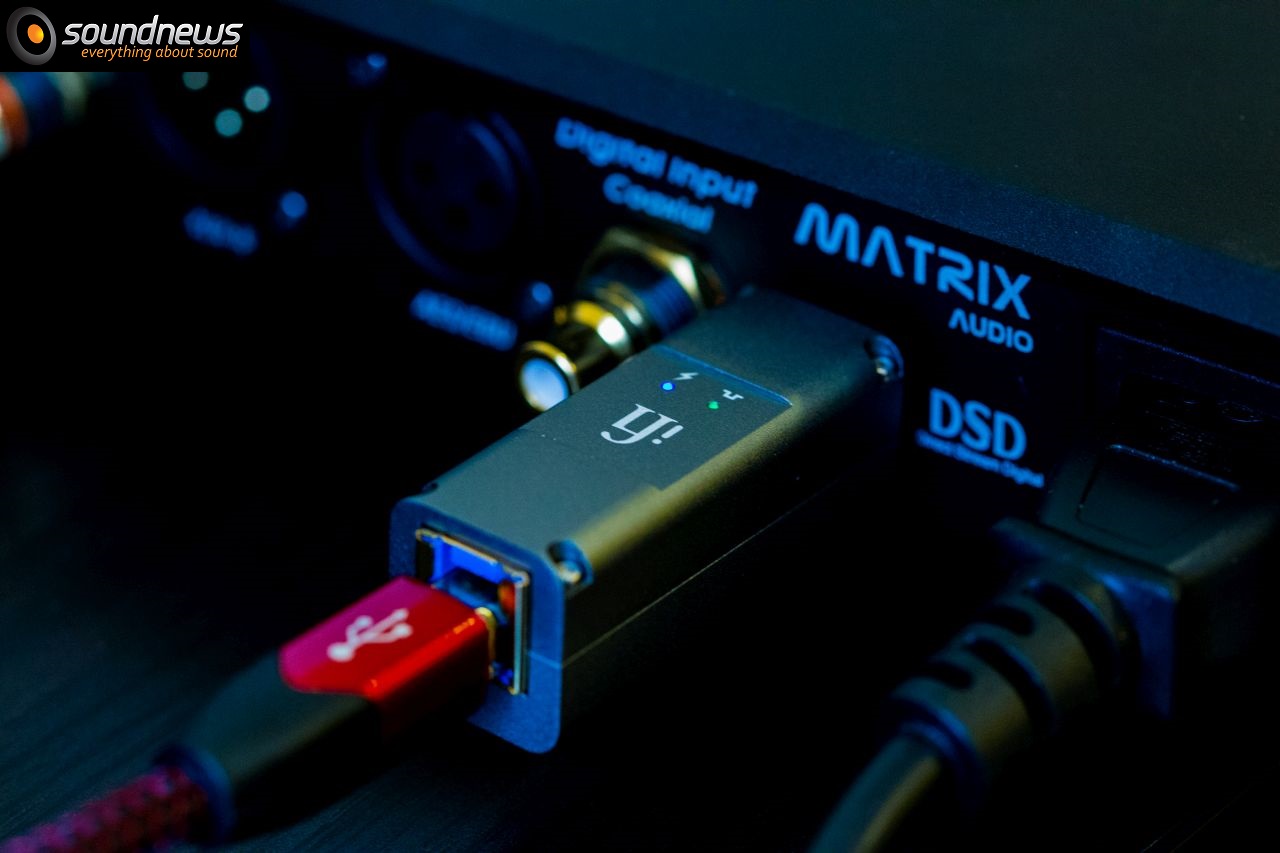
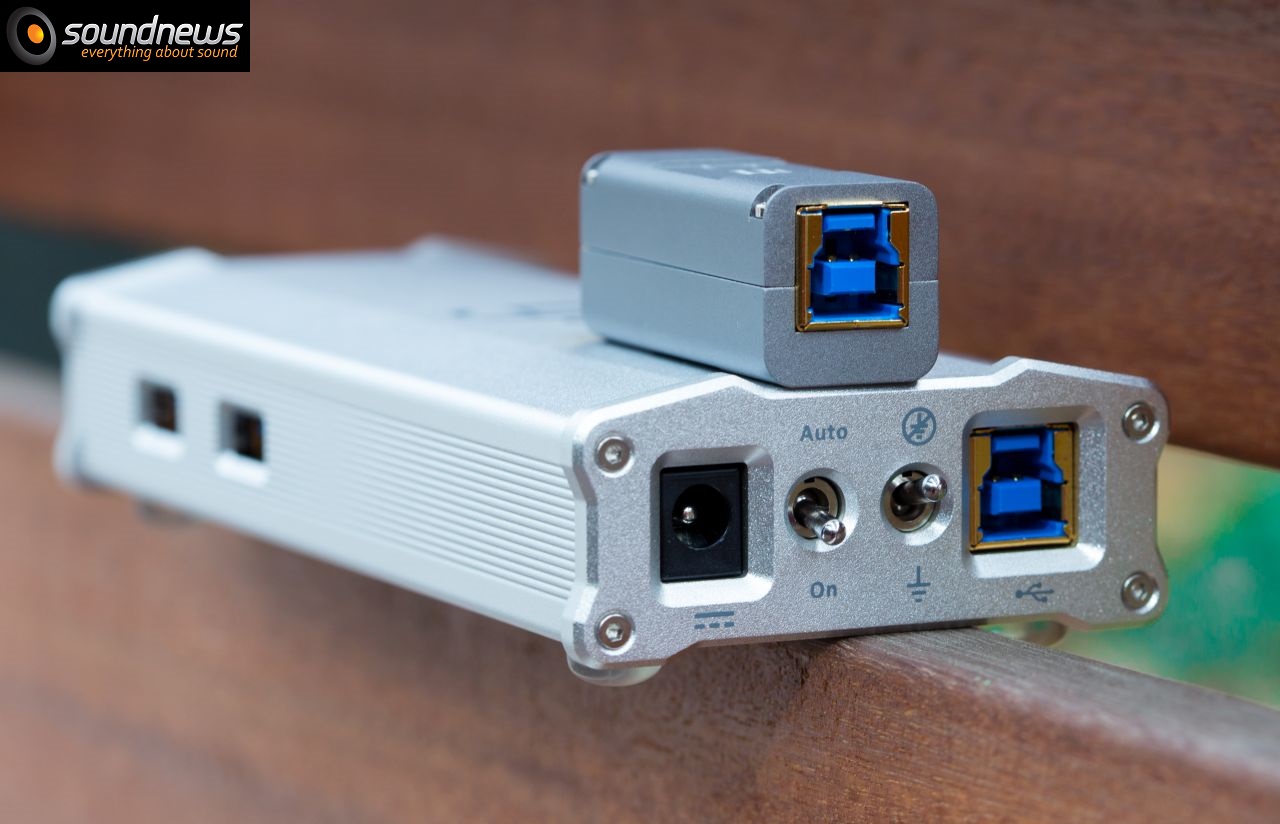
I liked the fact that iPurifier2 connects directly to the USB input of any DAC, this way a cable between it and a DAC disappears.

The differences between using a USB port from a PC and from iPurifier2 were smaller than in the case of iUSB3.0
In the following rows will try to be more explicit what I liked and what not.

Using Abrahamsen A-DAC II I was not really sure if there was an improvement or not.
On a track I felt that music started to sound faster, on other I felt that there is more information on higher registers, on another everything sounded the same.
I concluded that on A-DAC II the difference was minor and maybe even non existent.
Maybe the switching power supply is to blame, maybe the DAC is not that resolving, maybe both and maybe none. I didn’t realized why but I felt nothing notable and clear.

Ifi iPurifier (1 of 1)

Ifi iPurifier (1 of 1)-2

Moving om to iFi iDAC2 my smile returned on my face.
The impact raised considerably, but I didn’t feel that I need to lower the volume this time.
Focusing on a single musical instrument from all the orchestra again was improved but not so much as was the case of iUSB3.0
Precision as well as detail retrieval are not so surgical precise, a small layer of information is still missing.
I didn’t hear drastic changes regarding the width and depth of the stage.
Base seemed more visceral and going deeper in the recording, the shining of high notes was not affected, the sound didn’t became warmer or colder, the tonality being unaffected.

At the end I’ve used Hegel HD25 on which differences were felt almost instantly.
Stage became slightly deeper and wider, but as much as on first test with iUSB3.0
On base a better control was felt, as if it plays a bit faster.

Ifi iPurifier (1 of 1)-3

Ifi iPurifier (1 of 1)-4
Detail retrieval as well as precision was not influenced that much.
Tonality remained untouched, as well as fast transients and the warmth of the music.

It is clear to me that iPurifier2 is not an ultimate solution as was the case of iUSB3.0
Let’s not forget the price difference between those 2 devices.
iPurifier2 costs at this moment about 110 Euro and iUSB3.0 about 440 Euro, so a 4x difference.

One thing I enjoyed very much on iPurifier2 is that any problem you might have with USB connection, some buzzing noise, cracklings or if just your USB DAC looses connection very often when connected to your PC/Laptop then iPurifier2 will solve all those problems.
I have an impression that for affordable USB DACs more than iPurifier2 is not really needed.

For expensive and high performance DACs from which you want to drain the last drop of performance iUSB3.0 would be my choice.

Ifi iPurifier (1 of 1)-5

Ifi iPurifier (1 of 1)-7

Conclusions:

Both devices are impressive, through their construction, development and through their principle of operation behind both devices.
From what I observed its not very clear on what DACs the differences will be small or big.
I thought that on asynchronous ones the differences will be small or unnoticeable but in practice it was very different.
It doesn’t matter if your source works in synchronous, asynchronous or adaptive mode, if that source uses USB connection – that wasn’t really designed for the music transfer in a real time environment, then any of this 2 devices will have a higher or lower impact on the audio performance.

Of course the rest of the acoustic chain is also important, the audio system is always pulled down by it’s weakest link in the chain, many times that weak spot starts from your PC.

Thus I consider iPurifier2 a real bargain from iFi if you are not interesting investing to a higher performance DAC.
iUSB3.0 becomes an ultimate device if draining the last drop of performance from your DAC is your wish.

After the writing of this article 47284271 (and rising) number of USB gremlins were harmed…
Stripe-1

Pros:
– Regenerates, cleans and purifies USB signal
– Transforms your PC in a dedicated hub for music playback at a Hi-Fi level
– Improved focusing, airy stereo image becomes holographic
– The widening of stage as well as improving its depth
– The awaking of fast transients
– Real decompressing of the sound
– The bass can really hurt your eardrum, careful with the volume

Cons:
– Both devices will improve only USB DACs
– iUSB3.0 is not exactly cheap
– iPurifier2 is good but not excellent

Gear used for review:
iFi iDAC2, iUSB3.0, iPurifier2, Abrahamsen A-DAC II, Hegel HD-25, FiiO K5, Sennheiser HD800S, Momentum M2.0, Audeze LCD-X/XC, Woo Audio WA7 Firefly, Matrix HPA-3B, AudioEngine A5+

Ifi iPurifier (1 of 1)-9

iFi Audio iDAC2 review

0

You have probably heard by now about iFi Audio. They are quite new to the audiophiles but that was enough to take by storm the affordable audio equipment market.
However iFi are not beginners, they are a division of Abbingdon Music Research (AMR) who already have the expertise and know-how needed to create innovative and modern products.
iFi Audio products are very popular among enthusiasts, for example with the help of head-fi community was created Micro iDSD – a formidable device that offers incredibly value for the price.

I appreciate the fact that iFi does not offer only a simple support for their products, on the contrary they listen carefully for everyone and accepts all suggestions and feedback so that its products can be further improved down the line.

8
I’m a good example:
Around the summer of 2015 they announced that are working on a universal AC/DC power supply called iPower, that catches my attention.
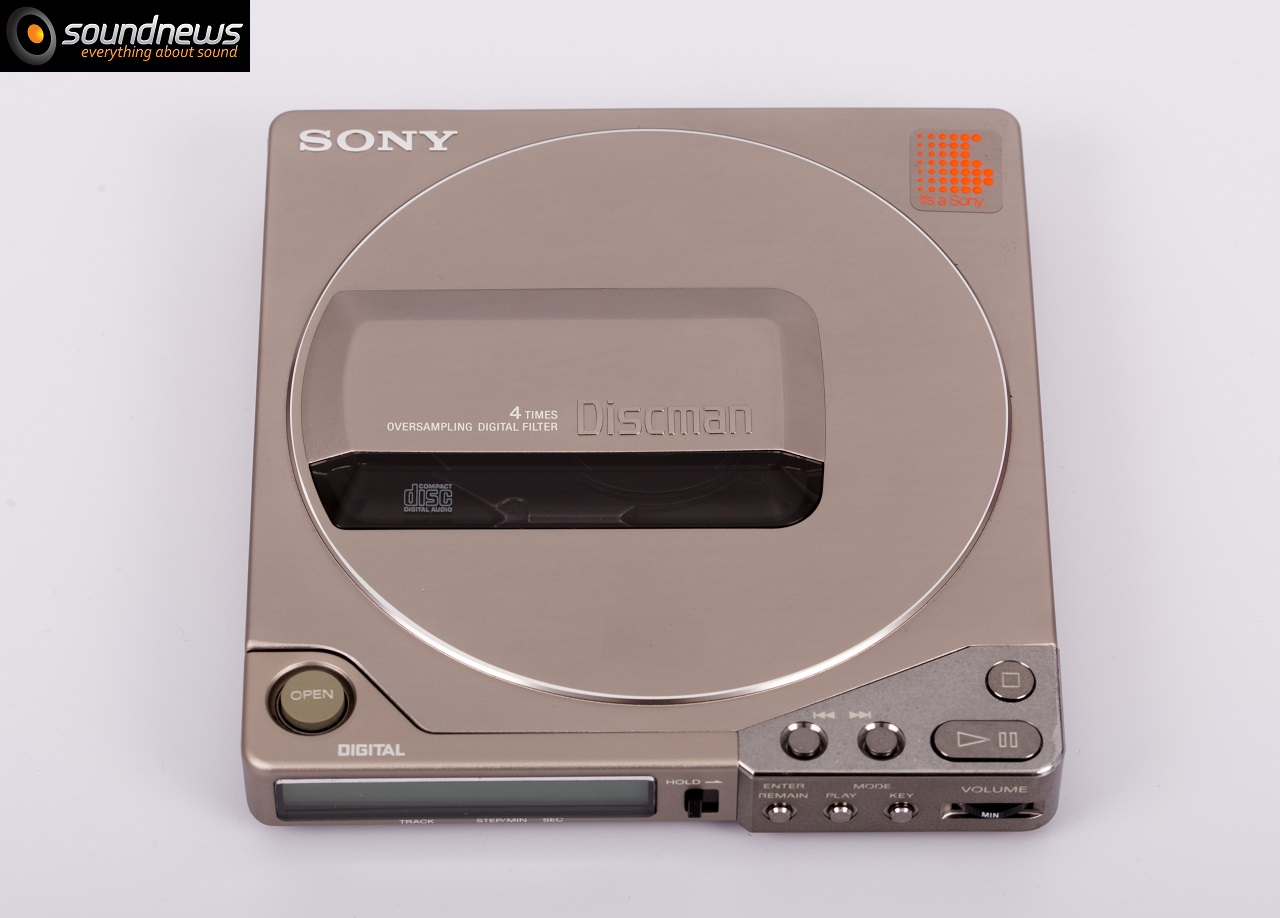
I own a Sony Discman D-250 that looks impeccable for the 27 years of service it has under its belt, unfortunately batteries for this device were not made in the last 20 years so my only solution is to use the stock 9V switching power supply.
As you all know a good quality power supply can significantly improve audio performance of any dedicated audio player, be it a CD player, a DAC or a streamer.
The problem is that long time ago Sony decided to use a reverse polarity on their devices compared to new 9V adapters, so slowly but surely my dream of using an 9V iPower from iFi started to fade away…
I shoot them an email and asked what can be done to use my beloved portable CD player.
After a long exchange of emails I’ve noticed that the official iPower web page was modified and it seems that the standard iPower package now includes a white adapter that is a polarity inverter can be attached to iPower so that it can be used with vintage audio gear.

headphones (1 of 1)-26

Even though I was just a potential customer that was interested in their cheapest product, they not only listened carefully to me the even changed the package of all iPower and now the polarity inverter is included by default in all packages.

How cool these people can be?

Although I was many times exposed to the Micro iDSD, I never had enough time to write a dedicated article about it.
Today I will write about a similar product, it will be about iDAC2 – a small desktop DAC.

iDac2 (1 of 1)-4

What is iDAC2?

It’s a desktop DAC (external sound card) that only works by connecting it to a PC/MAC, it’s also a digital transport (a S/PDIF interface) that can send a digital signal using a coaxial cable to other audio processors, to receivers, streamers and so on.
It’s also a headphone amplifier, but not a very powerful one.
Basically they took iDSD Micro, removed the internal battery and that very powerful headphone amp that is simply how iDAC2 was born.
While iDSD Micro was and still is an excellent device, many people were not using it as a portable device, others didn’t use it as a headphone amp, that was the main idea why iDAC2 was needed – more affordable that offers almost the same audio performance as in case of iDSD.
At the end of the review I will do a comparison between both DACs.

iDac2 (1 of 1)-2

iDAC2 – On the outside

First of all iFi are among the first audio manufacturers that use recyclable materials, all the packaging is made from recycled paper as well all aluminum construction is done by recycled cast metal.
A round of applause for the environment protection, others really need to take it as a good example, they care so others can too.
The DAC housing is thick and seems to be made with care, its dimensions are quite small and thus it can be easily transported in a purse or a backpack if needed.
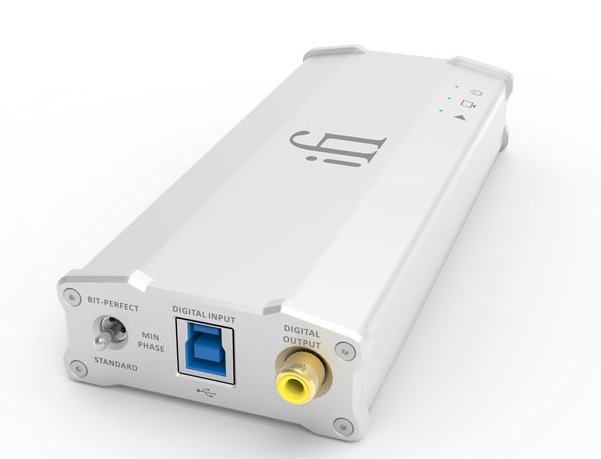
On the front panel can be seen the analog RCA out, the 3.5mm headphone out and the volume pot, on the back can be seen the USB input, coax digital out and a switch that changes digital filters of the DAC (For PCM material for example the filters are: Bit-Perfect, Minimum Phase and Standard) with which the sound can be fine tuned as desired.

P1030428

iDAC2 – Under the hood

AMR and iFi are using top quality components and seems that no compromises were made.
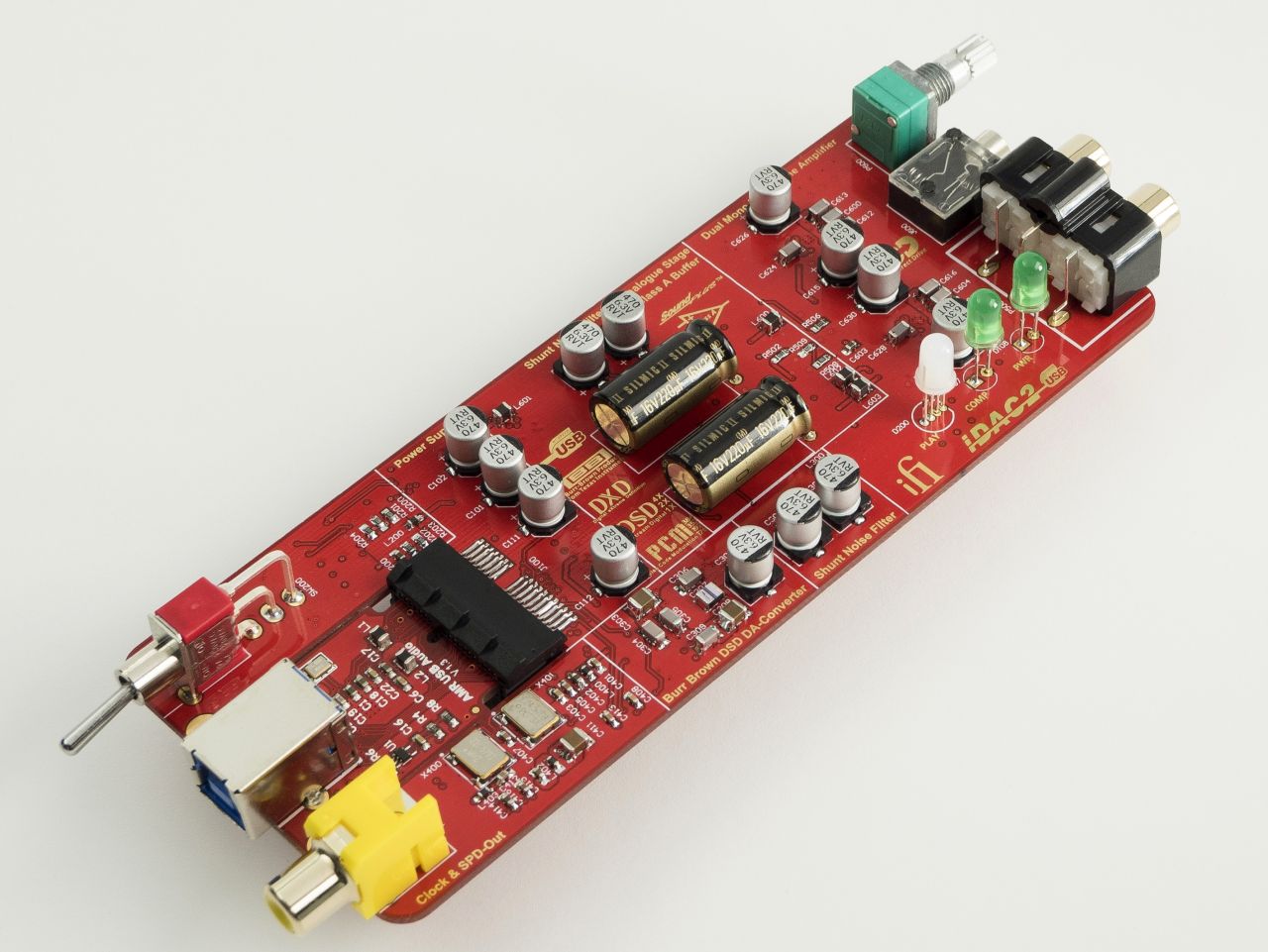
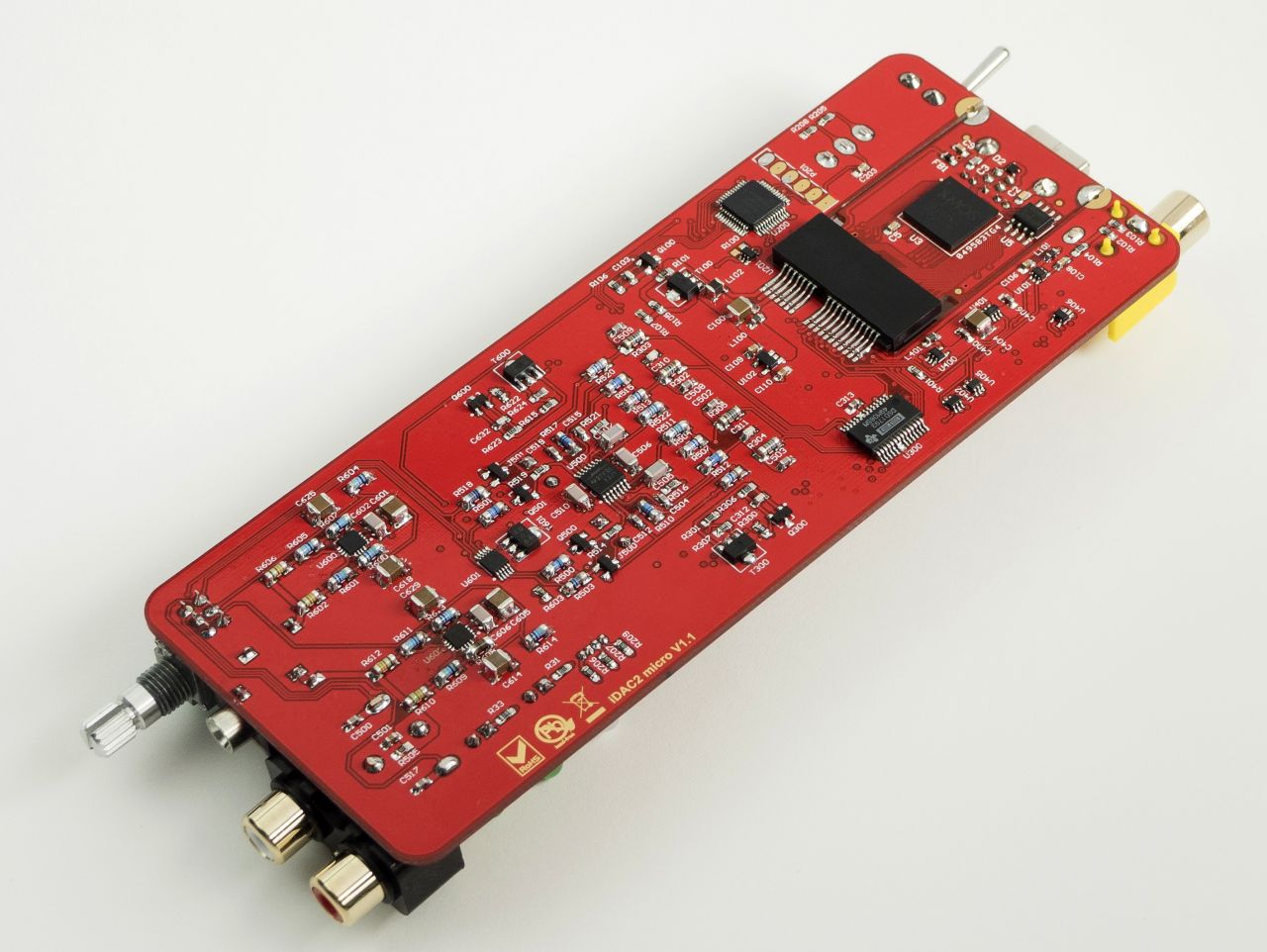
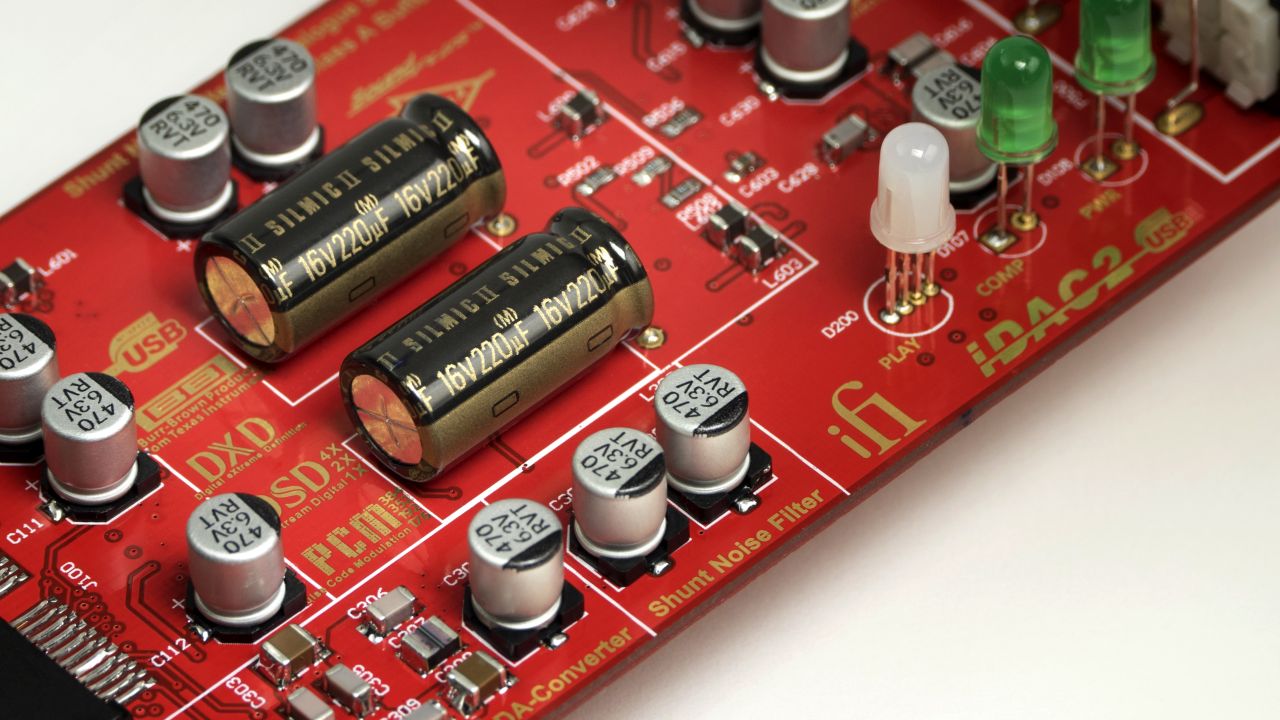
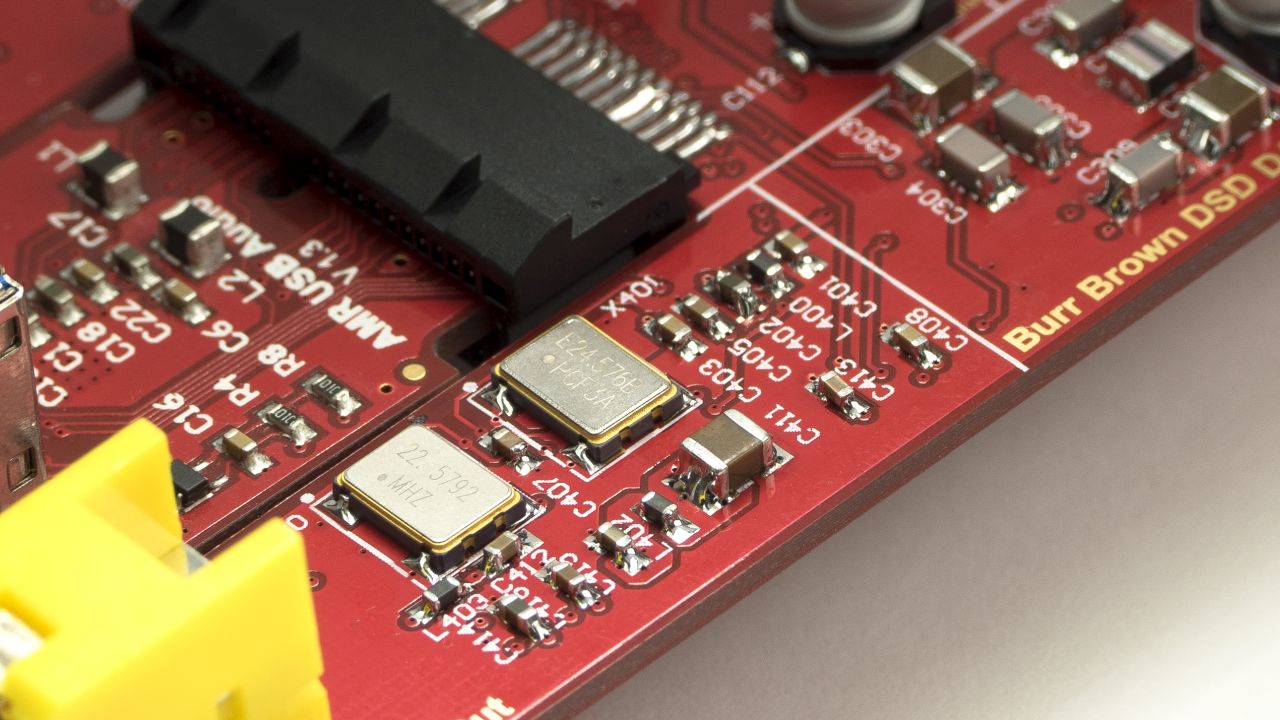
I see Elna Silmic II, TDK audio grade caps, Vishay MELF resistors, a single Burr Brown DSD 1793 chip (vs 2 chips in the iDSD) – the heart of the audio conversion, 2 audio oscillators, J-Fets and Bipolar transistors that can be found only in high-end equipment.
iDAC2 natively plays DSD256 (DSD 1X, 2X and 4X) as well as PCM material up to 32 bit/384 kHz.
USB connection is asynchronous so noise that is coming from PC is drastically lowered and audio files are played Bit-Perfect, iFi calls this ZeroJitter Lite technology.
Internal headphone amp is more than decent, it offers 350mW in 16 Ohms, but I would not consider it as a top performer, that is the case of iDSD: 4000mW!
Lets get to the most interesting part.

P1030430

Audio Performance

As usual I have used a vast collection of music to proper evaluate this small device.
Gear used was: PC > iUSB3 > iDAC 2 > Sennheiser HD630VB, HD650, Momentum 2.0 headphones > Audioengine A5+ active speakers
I had attempted to connect Sennheiser HD800S headphones, but internal headphone amplifier did not have enough power to power them properly.

iDAC2 was left for a few days working to be sure that I am listening to it at it’s full capacity.

First impression that iDAC2 left on me is that everything is well placed in the audio field, stereo image is very well rendered and I can easily walk through quality recordings.
I was surprised that I can clearly hear the rise and the decline of every musical note in a easy and unstained manner.
At first audition the weight and the punch of the bass and mids really impressed me, this qualities rarely can be attributed to devices of this size and weight.
When iDAC2 was connected to iUSB3 I’ve heard even a more palpable bass, it was just real, I’ve had an impression that it is rendered on multiple levels.

P1030433

For bass tests I have used something unusual, having as a reference bass guitar and not electronic music.
Listening to Black Sabbath debut album, track Wicked World I simply stopped what I was doing and listened mesmerized the recording. Bass guitar is so well played in this song, going really low in the recording, that it seemed like it was later added by mastering, it felt like it is a separate entity from the rest of the recording.
Rarely I hear bass guitar so well defined that it’s easy to ignore other instruments and just focus only on the instrument I wish from a particular song.
Listening to Negura Bunget – Tesarul de Lumini, on the first ±40 seconds in the background can be heard a faint bass. On iDAC2 this bass becomes overwhelming and it seems to appear from a black background.
Bass playback is impressive from the first seconds of audition.
Going on to a more traditional bass tests as Silent Strike, Chemical Brothers & Co bass jumped in front of me with its quickness and depth.

Lately I am passionate about Beethoven’s sonatas and I am on the hunt for the best versions recorded, if you have suggestions I will gladly listen to them.

Horowitz, Goode or Hewitt versions didn’t impress me that much, however the Yundi Li version left a really good impression.
Being 24 bit/96 kHz and recorder at -13dB it has extraordinary dynamics.
I needed to rise the volume with about 20% compared to other versions to have the same SPL.
The correct rendering of piano is hard to achieve and to keep up with Sonata no.14 in C minor, 3rd movement you need a really good DAC.
Directing in my imagination I realized of the speed and good dynamics this DAC possess.
The piano came to life, it had good weight to it, the visceral and fast sound of 14th Sonata was surprisingly real, closing my eyes I imagined myself in front of the grand pianist.

P1030434

Moving slowly on to Pink Martini – Hang on Little Tomato it was interesting to me how a well recorded jazz album and a sweet voice would sound.
Interesting is the fact that transparency and detail retrieval of this DAC did not influence in a bad way the naturalness, on the contrary, using Bit-Perfect preset I never felt that sound is harsh, bright or just ear tiring.
Details, extra airy sound combined perfectly with musicality and warm tonality of jazz music.
U Plavu Zoru track always touches me. Some devices do it endearingly and melodiously, others cannot keep up with it’s fast transients and tempo, iDAC2 belongs to the first category.
I gladly found that mushiness effect was never heard, not even once. Each time I felt that between notes there is a void that delimits them.
The sound is easy and has a good flow, the notes are well delimited from each others and never create ringing or unwanted distortions.

Ending my playlist with Pat Benatar, Nirvana, Led Zeppelin and Phoenix I focused my attention more on drums, cymbals, acoustic and electric guitar as well on percussion from the background.
Taking as an example Phoenix – Mica Tiganiada on good equipment it can be clearly heard in the background the dulcimer and bass guitar that is pretty well delimited from the electric guitar. All 3 voices are distinct one from another, high dynamics and its snappy soul are rendered really well.

As an observation iDAC2 when just powered on sound a bit artificial and uninviting, after approximately 20-30 minutes it sounds significantly more dynamic and melodious.

As I’ve said at the start stereo image is really well placed, it even becomes holographic once an iUSB3.0 or an iPurifier2 is used, about those two a separate article will follow.

iDac2 (1 of 1)-6

Listening to headphones I understood that it works well with high sensibility ones, using portable headphones was not a problem.
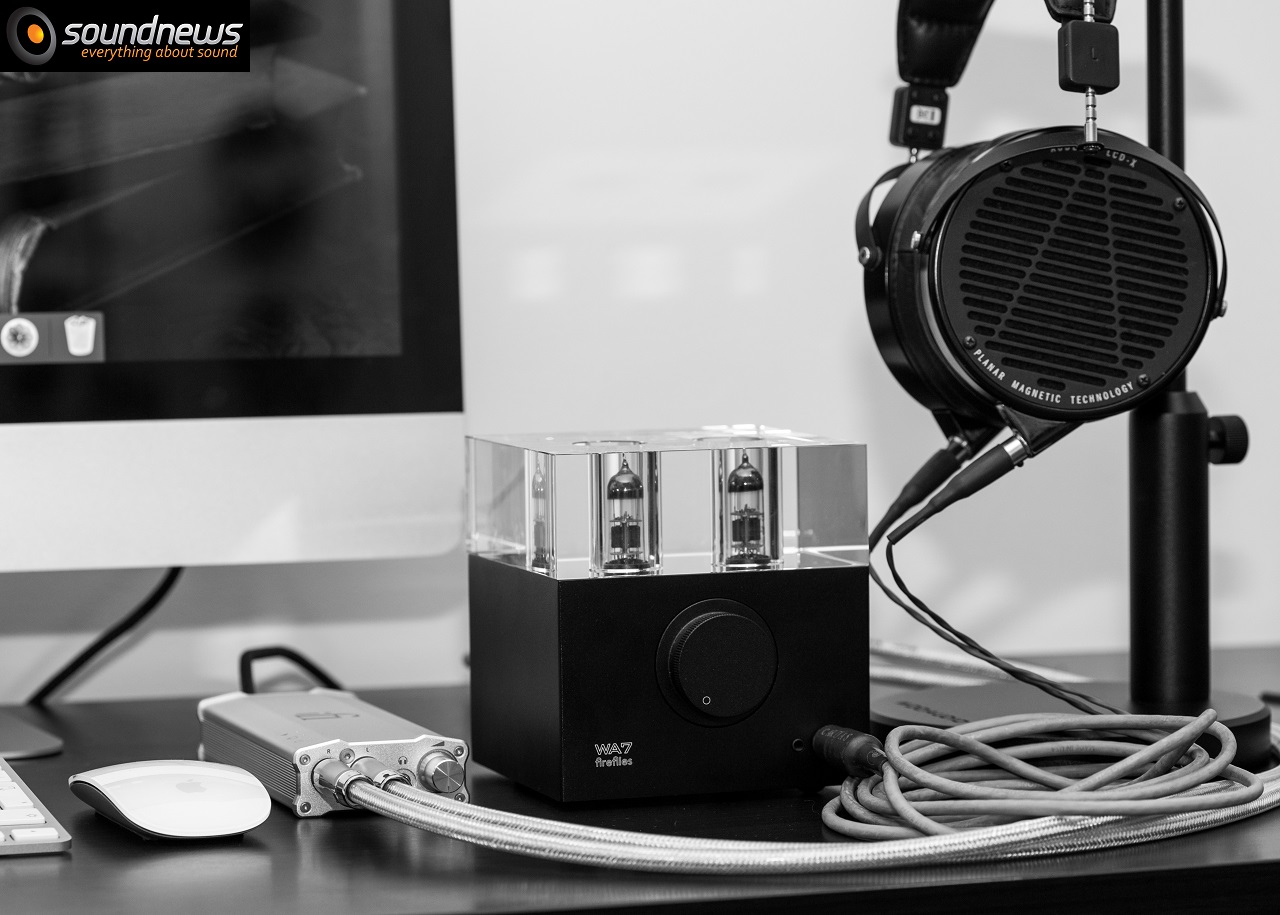
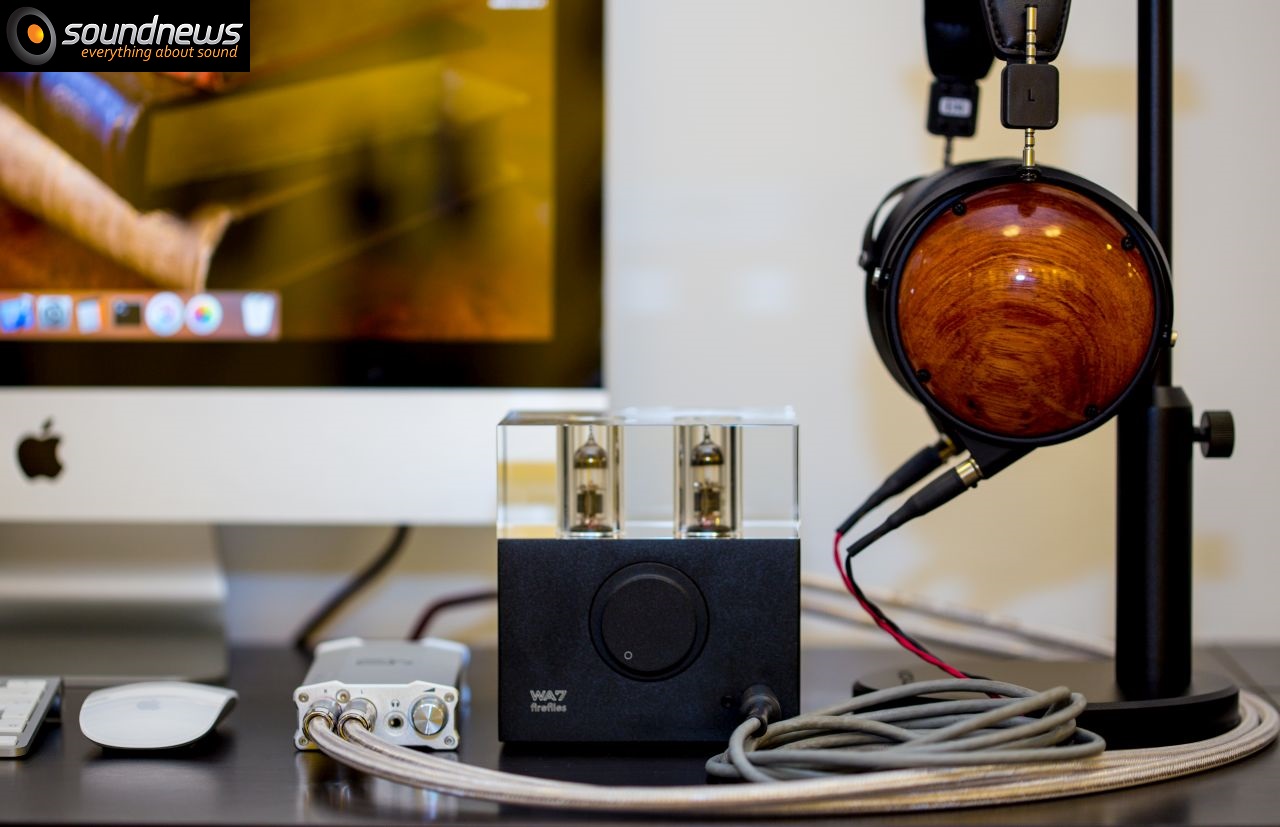
However on Sennheiser HD800S and on Audeze LCD-X/XC although volume was appropriate I have started to loose on dynamics and speed, soundstage shrinked and holographic sound became bi-dimensional. I blame internal headphone amp that feels more like an added bonus. For hard to drive headphone I have used dedicated electronics such as Woo Audio WA7 Firefly or Matrix HPA-3B.

Comparison between iDAC2 and Micro iDSD was made, but only on PCM material that means about 99% of my music, differences were minor, on average quality recordings I’d say that differences are not notable and on a simple blind test I would not differentiate them.

I mention that iDSD sounds slightly airier and has a tad more detailed presentation, but the difference is really small.
On well recorded music iDSD on high frequency range offers more information and because of that it’s sounds somewhat airier than iDAC2.

iDac2 (1 of 1)-9

Conclusions

What I want to outline is that if headphones has no interest to you then iDAC2 would be my recommendation. If you are interested in listening to speakers as well as headphones iDSD might be a better deal as it works extraordinary with both.

Construction is solid, I find the design simple and pleasant.
Who wants to go All In with iDAC2 and iUSB3 a separate rack can be bought, it’s called iRack.

The sound was the pleasant surprise, transparency, details and extra airy presentation of DACs with Delta-Sigma modulator is not a surprise at all, the surprise was the naturalness, the heavy outline of the notes, fast and deep base and well as real and palpable mids, something like this can be rarely attributed to a Delta-Sigma design, bravo iFi!

iDAC2 impressed me quite much and in my mind I kept reminding myself that I don’t need one, but it seems that I’m failing at that.

Pros:
– Solid construction, irreproachable quality
– Small dimensions > easy to carry
– 3 in 1 device (DAC, digital transport, headphone amp)
– Great details, transparency, easy to pick micro-details
– Natural, full and rich tonality sound
– Bass has multiple layers, impressive
– Lack of harmonic distortions

Cons:
– Being fed only by USB bus, its easily susceptible from digital noise from PC (an iPurifier2 is mandatory for that cause)
– Headphone amp does not keep up with power hungry headphones
– Lack of other digital inputs

Equipment used for review:
iFi Audio iDAC2, iDSD, iUSB3, iPurifier2, Sennheiser HD800S, Momentum M2.0, Audeze LCD-X/XC, FiiO EX1, K5, Audioengine A5+, Woo Audio WA7, Matrix HPA-3B

iDac2 (1 of 1)-3

iFi Audio iUSB3.0 si iPurifier 2 – Test comparativ

12

Revin cu o continuare a recenziei DAC-ului iDAC2 la care pe langa sistemul stoc am mai adaugat si un iUSB3 si mai tarziu un iPurifier2.

Ce este acest iUSB3.0?

iUSB3.0 este o solutie All-in-One care se ocupa de toate problemele portului/semnalulio USB si pe care le rezolva in totalitate.

Mai exact face urmatoarele lucruri:

  • Reface semnalul original
  • Reduce zgomotul digital in urma transferului de date
  • Ofera curent curat (marja de eroare 1uV)
  • Elimita zgomotul de impamantare
  • Corecteaza diferenta de impedanta
  • Elimina jitterul USB
  • Reface integritatea semnalului USB
  • Reface timing-ul intre PC si DAC

Un video de prezentare a aparatului aveti aici:

iUSB3.0 a fost destinat in special DAC-urilor USB pe care le folositi in fata PC-ului.

Stim prea bine ca PC-urile si mai ales laptop-urile nu au cele mai curate iesiri USB.

De aceea din cand in cand pierdeti semnalul unei imprimante, mouse-ul nu mai este recunoscut, sau in general perifericele USB o iau razna.

Aceeasta poveste este valabila si pentru DAC-urile USB, unele din ele fiind influentate direct de problemele iesirii USB, altele mai putin.

De accea am incercat 3 DAC-uri diferite pentru a intelege mai exact care din ele au fost afectate cel mai mult si care nu.

DAC-urile USB din test sunt Abrahamsen A-DAC II (±270 Euro) iFi iDAC2 (±390 Euro) si un DAC ceva mai scump Hegel HD25 (±2080 Euro).

Ifi iPurifier (1 of 1)-10

Performanta iUSB3.0:

De cand am trecut 100% pe digital mi-a placut idea folosirii unui DAC USB, stocand toata muzica lossless pe un HDD intern sau extern de o capacitate cat mai mare si folosind un PC pentru a controla playlistul

Din pacate pe unele USB DAC-uri cand miscam din mouse, cand porneam imprimanta, sau in general cand aveam mai multe dispozite conectate prin USB incepeam sa aud interferente, mici sacadari ale sunetului, focusarea nu mai era aceeasi, in princiu sunetul incepea sa se destrame si pierdeam din precizie.

Unele DAC-uri erau foarte sensibile la problemele USB, altele mai putin.

Dupa teorie stim ca DAC-uri ce utilizeaza conexiunea asincrona ar trebuie sa fie mai putin susceptibile problemelor USB, cele in mod sincron sau adaptiv sunt influentate mai mult de aceste probleme.

De aceea am luat 3 DAC-uri, A-DAC II lucreaza in modul sincron, iDAC2 este asincron, iar HD25 foloseste modul adaptiv.

Ifi iPurifier (1 of 1)-11

Sa trecem la treaba.

Primul pe lista a fost DAC-ul cel mai accesibil si anume Abrahamsen A-DAC II.

Dupa cum am scris si in recenzia A-DAC II, conectat direct la un port USB din PC sunetul este cald, plin, insa nefocusat si rotund – taind din sub bas si din inalte.

De la prima auditie este clar sa sunetul este putin murdar si nefocusat, instrumentele sunt mai inghesuite si parca nu sunt asa bine aerisite.

Cand am conectat iUSB3.0 sunetul a prins un focus putin mai bun, basul l-am simtit mai curat iar inaltele au capatat un mic sclipici.

Diferenta nu a fost mare, dar sesizabila pe material de calitate.

De asemenea am simtit un tempo ceva mai rapid pe muzica electronica si rock, focusarea s-a imbunatat si acel sunet rotund a revenit mai complet si mai intreg. Ungiurile frecventelor extreme nu mai sunt taiate asa brusc.

In special pe muzica clasica am observant acest efect, dar diferentele nu au fost asa mari cum mi-as fi dorit.

Am ramas putin dezamagit, credeam ca A-DAC II poate fi imbunatatit si mai mult, se pare ca limitarea implementarii, a componentelor interne a fost atinsa.

Dau vina de asemenea si pe alimentarea A-DAC II, folosind o sursa destul de simpla, in comutatie, este posibil ca noul filtru DC iPurifier de la iFi Audio sa il ajute mai mult decat iPurifier2 sau acest iUSB 3.0

Ifi iPurifier (1 of 1)-12

Ifi iPurifier (1 of 1)-13

Urmatorul pe lista a fost iFi iDAC2 despre care am vorbit Aici.

Faza comica este ca iDAC2 lucreaza in modul asincron care in teorie nu ar beneficia de o corectie de jitter, de timing, s.a.m.d.

Diferentele in cazul folosirii iDAC2 din portul USB al unui PC sau din iUSB 3.0 a fost mai mare decat m-am asteptat.

Mare diferenta, ma opresc sa spun uriasa, a fost impactul, viteza notelor si focusarea, imaginea 3D.

Ca un exemplu am folosit Chemical Brothers albumul Surrender.

In momentul in care l-am folosit impreuna cu iUSB3.0 am simtit ca trebuie sa dau volumul mai jos, atat in casti cat si in boxe.

Pur si simplu sunetul a devenit mai rapid, iar impactul basului asupra timpanului meu a fost atat de evident.

Am capatat un impact extraordinar de care nu credeam ca iDAC2 este capabil, basul impusca ca un tun de calibru mare, iar focusarea a devenit chirurgical de precisa.

M-a bucurat si momentul cand am trecut pe Jazz.

Pe langa o fucusare mai buna, am inceput sa ma plimb mai usor prin inregistrare, devenise o simpla joaca analizarea muzicii.

M-a bucurat faptul ca pe langa o delimitare mai clara si a unui contur mai palpabil al fiecarei note, sunetului nu a devenit mai obositor sau mai clinic.

Naturaletea sunetului, curgerea lina a muzicii a ramas neatinsa.

Folosind iDAC2 direct din PC suna foarte bine, insa acest iUSB3.0 la ridicat la un nivel superior, de parca as asculta un DAC mai performant.

Ifi iPurifier (1 of 1)-16

Ifi iPurifier (1 of 1)-14

Ultimul DAC folosit in acest test a fost Hegel HD25.

Hegel HD25 este un DAC foarte bun, lucru care l-am mentionat si Aici.

In viziunea mea HD25 este un DAC excelent, pentru unii ultimativ.

Putine minusuri pot fi atribuite acestui convertor, daca va intereseaza un sunet natural si neobositor.

Hegel transmite date in modul Adaptiv, producatorul mentioneaza ca modulul USB a fost gandit pentru acest mod de functionare si ca in principiu imbunatatirile ar fi minime.

Imbunatatirea a fost evidenta si le-am perceput imediat.

Ca si in cazul lui iDAC2, am primit un focus mai clar si un impact mai precis.

Pe HD25 in schimb m-a impresionat altceva si cred ca diferenta cea mai mare a fost marimea scenei audio pe toate axele.

Sunetul pur si simplu s-a decomprimat, sunetele zboara mai departe si nu mai lovesc un perete imaginar.

Scena a devenit de asemenea mai adanca, nu doar mai lata.

Daca doriti un sunet ceva mai larg si mai adanc pe HD25 acest iUSB3.0 va poate oferi acest lucru.

In rest imbunatatirile auzite pe iDAC2 le-am auzit si HD25.

Diferenta de impact si viteza nu a fost atat de evidenta, a fost simtita mai putin, deoarece cred ca varianta stoc deja are transientii foarte rapizi.

Diferentele destul de mari care le-am simtit pe iDAC2 si HD25 se datoreaza si faptului ca sunt niste procesoare audio mai performante si orice diferenta in lantul acustic este simtita imediat.

Consider ca, cu cat DAC-ul este mai performant si mai precis, la fel si imbunatatirile aduse de iUSB 3.0 vor fi mai mari.

Impresionant iUSB3.0 din multe puncte de vedere, pe langa faptul ca imbunatateste performanta DAC-urilor USB, se poate atasa si un HDD extern pe portul care transporta doar date, beneficiile nu se opresc doar aici si posibil alte dispozitive USB ar beneficia mai mult sau mai putin folosind un iUBS3.0

Pe langa iUSB 3.0, iFi a dezvoltat ceva asemanator insa mult mai mic si mai accesibil si anume iPurifier2.

In principiu face aproximativ acelasi lucru: curata semnalul USB de toti gremlinii nedoriti, readuce la normal timpul de acces, reduce jitterul digital, regenerand semnalul USB.

Ifi iPurifier (1 of 1)-17

Ifi iPurifier (1 of 1)-18

Performanta iPurifier2:

Mi-a placut faptul ca iPurifier2 se conecteaza direct la intrarea USB a unui DAC, astfel intre el si DAC nemaiexistand un cablu USB suplimentar.

Diferentele intre folosirea unui port USB din PC si iPurifier2 au fost mai mici decat in cazul lui iUSB3.0

Voi incerca in urmatoarele randuri sa explic ce mi-a placut si ce nu.

Folosind Abrahamsen A-DAC II nu am fost sigur daca am simtit vreo imbunatatire sau nu, oricum nimic iesit din comun.

Pe o piesa am avut impresia ca suna mai rapid, pe alta parca am auzit mai multa informatie in registrele de sus, pe alta piesa parca totul suna la fel.

Am ajuns la concluzia ca pe A-DAC II diferentele sunt minore si poate chiar inexistente.

Poate ca sursa de alimentare in comunatie e de vina, poate DAC-ul nu este atat de detaliat, poate ambele, dar poate nici una.

Ifi iPurifier (1 of 1)

Ifi iPurifier (1 of 1)-2

Trecand pe iFi iDAC2 mi-a reaparut zambetul pe fata.

Impactul a crescut sesizabil, insa nu a fost nevoia sa scad din volum, diferenta fata de iUSB 3.0 fiind sesizabila.

Focusarea pe un singur instrument audio din toata orchestra iarasi s-a imbunatativ insa nu atat de mult. Precizia cat si detaliul nu sunt atat de chirurgicale, un substrat de informatie inca lipseste. Nu am simtit schimbari drastice in ceea ce priveste largimea sau adancimea scenei.

Basul am avut impresia ca suna mai visceral si mai adanc, sclipiciul inaltelor nu a fost afectat, sunetul nu a devenit mai cald sau mai rece, tonalitatea nefiind afectata.

Spre final am folosit Hegel HD25 pe care din nou am simtit diferente aproape imediat.

Scena audio a devenit putin mai adanca si mai larga insa nu atat de mult ca pe iUSB3.0

Pe bas am simtit un control ceva mai bun, de parca ar fi mai rapid.

Ifi iPurifier (1 of 1)-3

Ifi iPurifier (1 of 1)-4

Retragerea detaliilor si precizia nu a fost influentata. Tonalitatea la fel, caldura muzicii cat si transientii rapizi au ramas la fel ca si in cazul conectarii directe la PC.

Este clar pentru mine ca iPurifier2 nu este o solutie ultimativa precum iUSB3.0

Sa nu uitam totusi si sumele la care se comercializeaza aceste 2 dispozitive, iPurifier2 costa la momentul actual 522 RON, iar iUSB3.0 costa 1999 RON, deci ± e o diferenta de 4X.

Un lucru m-a bucurat in schimb pe iPurifier2, orice problema ati avea legata de conexiunea USB, daca auziti un bazait la miscarea mouselui, cand porniti imprimanta auziti distorsiuni in muzica, sau pur si simplu DAC-ul USB isi pierde des conectivitatea cu PC/Laptop atunci iPurifer2 va rezolva toate aceste probleme.

Am impresia ca pentru USB DAC-uri mai populare si mai accesibile publicului larg mai mult de iPurifier2 nu veti avea nevoie.

Pentru DAC-uri scumpe si mai performante din care se urmareste stoarcerea ultimului strop de performanta iUSB3.0 ar fi alegerea mea.

Ifi iPurifier (1 of 1)-5

Ifi iPurifier (1 of 1)-6

Concluzii: 

Impresionante ambele aparate, atat prin constructie cat si prin principiul de functionare din spatele ambelor aparate.

Din cate am observat nu este deloc clar pe care DAC-uri diferentele vor fi mai mari sau mai mici.

Credeam ca pe cele asincron diferentele vor fi mai mici spre insesizabile, insa in realitate nu a fost deloc asa.

Nu conteaza daca lucreaza in modul asincron, sincron sau adaptiv, daca DAC-ul foloseste conexiunea USB – care nu a fost gandita pentru transferul digital al muzicii in timp real, atunci oricare din aceste 2 dispozitive va avea un impact mai mic sau mai mare asupra performantei audio.

Desigur restul lantului acustic este la fel de important, sistemul audio este mereu tras in jos de veriga cea mai slaba, de mutle ori ea incepe chiar din PC-ul Dvs.

Astfel iPurifier2 il consider un chilipir marca iFi daca nu vreti sa investiti pana la un DAC mai performant.

iUSB3.0 devine un aparat ultimativ daca doriti sa scoateti ultimul strop de performanta din DAC-ul din dotare.

In urma scrierii acestui articol au avut de suferit 47284271 (in crestere) de gremlini USB.

Stripe-1

Pro:

  • Regenereaza, curata si purifica semnalul USB
  • Transforma PC-ul intr-un hub dedicat redarii muzicii la nivel Hi-Fi
  • Focusare imbunatatita, imaginea stereo mai aerisita si mai holografica
  • Marirea scenei atat in latime cat si in adancime
  • Trezirea transientilor rapizi
  • Decomprimarea reala a sunetului
  • Basul poate rupe timpanul, atentie la volum


Contra:

  • Ambele aparate vor imbunatati doar DAC-urile/dispozitivele USB
  • iUSB3.0 nu este tocmai ieftin
  • iPurifier2 este bun dar nu excelent

Echipamente folosite pentru recenzie:

iFi Audio iUSB3.0, iPurifier2, iDAC2, Abrahamsen A-DAC II, Hegel HD-25, Matrix HPA-3B, FiiO K5, Sennheiser HD800S, Momentum M 2.0, Audeze LCD-X/XC, Audioengine A5+

Ifi iPurifier (1 of 1)-7

Ifi iPurifier (1 of 1)-9

FiiO M3 – Un player foarte accesibil

16

Dupa cum spuneam cu ceva vreme in urma in articolul X1, nu mai folosesc telefoane mobile pentru a asculta muzica si am motive intemeiate.

Pe piata sunt deja zeci de dispozitive portabile care redau muzica mult mai bine decat telefoanele ordinare.

Cel mai accesibil player FiiO de pana acum a fost X1, destinat tinerilor audiofili dar si incepatorilor in acest domeniu minunat.

M3 este noul rege al dimensiunilor reduse, care detroneaza X1 si devine cel mai mic si  mai accesibil player Hi-Res lossless.

Fiio m3 (1 of 1)-3


Design si specificatii

Este stupid de mic si usor, masurand doar 74mm * 39mm * 9 mm si cantarind 40 de grame, il puteti confunda usor cu o cutie de chibrituri.

Producatorul a optat pentru o carcasa din plastic mat, reducand astfel costurile de productie.

S-a renuntat la rotita de scroll, poate ca este mai bine asa. Navigarea se face prin cele 6 butoane fizice din fata. Lateral gasim butonul de pornire/oprire si cel de blocare taste, iar in partea de jos gasim intrarea microUSB prin care se face transferul de date sau incarcare dispozitiv, iesirea de casti/sau line-out si slotul pentru carduri MicroSD.

Din fericire playerul vine cu o memorie interna de 8 Gb, cam putina insa, dar mai bine atat decat deloc (hello X1, X3 si X5) si suporta carduri de pana la 64 Gb.

Sub capota playerul este foarte simplist. S-a folosit un SoC pentru navigarea sistemului de operare si un chip care se ocupa atat cu decodarea audio digitala cat si cu amplificarea de casti si anume CS42L51.

Dupa specificatii observam ca este chip low power, specificatiile sunt decente dar nu impresionante.

Exista si o parte pozitiva, din cauza lipsei amplificatoarelor operationale consumul de energie a scazut drastic, astfel autonomia a crescut pana la 24 de ore de functionare. Prin comparatie playerele din seria X ofera in medie doar 9-12 ore autonomie.

Puterea de iesire este de aproximativ 50 mW in 16 Ohmi, in medie ofera de doua ori mai multa putere decat telefoanele mobile sau mp3 playerele ordinare.

Display-ul are diagonala de 2” si rezolutia de 320*240 pixeli care nu impresioneaza in ziua de astazi, dar este mai mult decat deajuns pentru un aparat de asemenea dimensiuni.

Fiio m3 (1 of 1)


Interfata Grafica:

Pentru inceput interfata pare usor de retinut si de utilizat insa pentru a accesa setarile a trebuit sa verific manualul de utilizare. Meniul nu pare atat de intuitiv ca la celelalte playere FiiO si la o prima utilizare pare putin confuz.

Interfata grafica cu siguranta nu este punctul forte al acestui player, sper ca lucrurile sa se imbunatateasca cu un viitor firmware.

Din setari putem selecta daca iesirea de 3,5 mm va fi un Line-Out curat sau iesire amplificata de casti.

Avem navigare dupa folder, artist, album, playlist, se pot crea doua playlist-uri personalizate si se pot salva.

Folosesc versiunea de FW 1.7 si mi se pare ca playerul nu are timpul de raspuns al playerelor mai mari, nu este foarte dranjant dar se simte imediat.

Ca si celelalte playere FiiO, M3 nu stie sa faca nimic altceva decat redarea muzicii, nu are FM radio, redare fisiere video, reportofon sau alte functii suplimentare.

Stie sa redea muzica si cam atat.

Din pacate redarea fisierelor Hi-Res de 24 bit este limitata doar pentru formatul FLAC si WAV, presupun din cauza puterii de procesare a SoC-ului.

Continutul pachetului initial m-a uimit un pic pentru ca e prima data cand vad in pachet si niste casti de tip ear-bud. Mai gasim si un cablu microUSB, un snur si niste folii protectoare de display

De pura curiozitate am incercat cascutele si am ascultat ceva vreme cu ele.

Nu sunt atat de rele precum mi-am imaginat, sunt peste media celor care vin in pachet cu telefoanele mobile, dar probabil nu sunt peste EarPods de la Apple.

Suna cam ca niste casti de 50-70 RON, au sunetul cam aglomerat si murdar, insa basul l-am simtit destul de bine. Nu au stat comod in urechile mele si le-am pus deoparte.

In continuare am folosit o pereche de Sennheiser Momentum M 2.0

Fiio m3 (1 of 1)-4

Prestatia Audio:

Ce m-a impresinat de la primele minute de auditie este cat de mult se apropie de performanta playerului mai scump: X1.

Nu ofera aceeasi putere si nici acelasi feeling la atingere, insa ca sunet ambele au fost pe acolo.

M3 ca si in cazul lui X1 a sunat bine articulat, avand o tonalitate naturala si un raspuns in frecventa echilibrat.

Desigur nu va ganditi ca pot vorbi despre o prestatie excelenta a extremitatilor (sub bas si inaltele de sus).

Rezolutia si retragerea detaliilor la fel nu este  o prioritate pentru M3, insa se distanteaza clar fata un mp3 player ordinar sau fata de un telefon.

Prestatia scenei este intima, sunetul nu leviteaza in jurul ascultatorului, mai degraba ai senzatia ca esti pe scena impreuna cu formatia.

Desi playerul nu are specificatii tehnice notabile, care sa ma impresioneze, sunetul per total pare bine inchegat, natural si nu este obositor.

M3 este tunat avand o tonalitate mai calda, inflorind usor mediile, basul si calmand inaltele de sus.

Un lucru care l-am observat este lichiditatea sunetului. Totul suna legat, fluid si ai impresia ca tine bine pasul cu muzica rapida.

Folosind Momentum 2.0 nu am simtit ca imi gatuie muzica, sau ca nu are dinamica necesara, puterea fiind mai mult decat suficienta.

Pe inregistrari cu DR (dynamic range) foarte ridicat a trebuit sa ridic volumul la 90 din 100 pentru a simti toate nuantele ascunse.

Este clar ca pentru casti portabile mai multa putere decat ce ofera M3 nu este nevoie, insa in cazul in care va place sa ascultati la un volum mai ridicat exista amplificatorul portabil A1 (succesorul lui E6) care se impaca de minune cu M3.

Fiio m3 (1 of 1)-6


Comparatii:

VS Lumia 640

Navigand pe internet am gasit un topic interesant care ar sugera ca telefonul meu din dotare (Lumia 640) ar suna mai mult decat decent si poate chiar la nivel cu niste aparate dedicate.

L-am incarcat cu niste fisiere Flac, am instalat un player software dedicat pentru muzica lossless in speranta ca poate ascult muzica si pe telefon.

Mare mi-a fost dezamagirea…

Pe langa faptul ca auzeam un ecou extrem de enervant dupa fiecare nota, sunetul este complet lipsit de nuante, de contur, de inceput si de sfarsit. Muzica nu transmitea absolut nici o emotie. Sunet fad, uscat si neinteresant.

Lumia 640 pentru ascultarea muzicii? In nici un caz, M3 il spulbera fara drept de apel.

Fiio m3 (1 of 1)-11

VS Sansa Clip+

Cred ca un concurent pentru M3 ar fi playerul Sandisk Sansa Clip+, in prezent sunt si versiuni mai noi, cu display color insa partea hardware inclusiv decodarea audio este identica. Am fost un mare fan cand am descoperit pentru prima data playerele acestui brand. Redau muzica Wav si Flac nativ in 16 bit, se putea instala si Rockbox, mai mult de atat nu aveam nevoie.

Clip+ are mult mai putina putere si astfel suna si mai intim si restrans.

Basul pare neterminat si parca se retrage prea repede, inaltele la fel par cam sterse, iar in registrele de sus nu prea auzi nimic. Este clar ca acest player a fost tunat pentru un sunet lin si neobositor.

M3 prin comparatie suna mai autoritar, basul coboara mai jos si in partea de sus se aud mai multe microdetalii. Sunetul este si putin mai deschis si mai aerisit, pe alocuri mai prinzi si cate un detaliu ascuns.

M3 fata de Clip+ suna mai decomprimat si mai larg intr-un fel. Diferenta nu este uriasa dar este sesizabila. Pe casti mai greu de condus M3 castiga din nou avand un volum mai mare, oferind un plus de dinamica si headroom.

Fiio m3 (1 of 1)-7

VS FiiO X1

O comparatie interesanta a fost intre M3 si X1. La o prima auditie  cele doua playere suna foarte apropiat, diferentele sunt destul de mici.

In principiu X1 ofera mai multa putere si amplifica mai multe casti desktop, M3 nu face fata la asa ceva.

X1 mi-a oferit mai mult sub bas, sunetul a fost mai dinamic si mai rapid. Marimea scenei este aproximativ identica, posibil pe X1 imaginea stereo sa fie mai 3D incat te poti plimba mai usor prin inregistrare.

Este impresionant ca M3 tine piept lui X1 care este aproape de doua ori mai scump.

Fiio m3 (1 of 1)-8

Concluzii:

Desi pare a fi o recenzie critica asta nu inseamna ca nu mi-a placut M3-ul.

Are exact ce ii trebuie: foarte compact si usor, pe langa celelalte playere FiiO are si o memorie interna de 8Gb, plus ca redarea audio e foarte ok .

Electronicele audio dedicate isi fac treaba bine, playerul suna fresh, dinamic, rapid dar putin aglomerat.

Mi-a detronat Sansa Clip+  si telefonul, si la anumite aspecte a egalat X1.

Constructia sau desing-ul nu impresioneaza, nici interfata grafica nu este cine stie ce, insa daca sunetul e ceea ce va intereseaza atunci M3 este o alegere buna. Mai trebuie luat in considerare ca este extrem de mic si merge de minute ca player „de sala, de alergat sau de bicicleta”.

Fiio m3 (1 of 1)-9

Pro:

  • Sunet dinamic, rapid si viu
  • Un fun factor foarte bun
  • Ton bogat si plin, sunet natural
  • Sub-bas si medii putin accentuate rezultand un sunet mai fluid
  • Pret imbatabil pentru ceea ce ofera
  • Miiiiiic 🙂

Contra:

  • Constructie din plastic si design palid
  • Sunet putin aglomerat, inaltele de sus sunt taiate putin
  • Nu ofera un sunet liniar sau neutru (poate fi si plus)
  • Interfata grafica greoaie, se misca cam lent

Echipamente folosite pentru review:

FiiO M3, X1, A1, EX1, Sennheiser Momentum M2.0, Sandisk Sansa Clip+, Lumia 640

iFi Audio iDAC 2 – Mic dar voinic

20

Probabil ca deja ati auzit de iFi Audio. Sunt destul de noi pe piata audiofila insa au luat deja cu asalt piata echipamentelor audio accesibile.
Totusi iFi nu sunt niste incepatori, sunt o divizie a celor de la Abbingdon Music Research (AMR) care au deja expertiza si know-how-ul necesar pentru a crea produse inovatoare si moderne.
Produsele iFi sunt foarte populare in cercurile pasionatilor, de exemplu cu ajutorul comunitatii head-fi a fost creat iDSD Micro – un aparat bine pus la punct ce ofera performanta foarte buna pentru suma ceruta.
De apreciat este faptul ca iFi nu doar ofera un simplu suport pentru produsele sale, dimpotriva, asculta atent toate sugestiile imbunatatindu-si produsele in urma feedback-ului primit.

8

Eu sunt un exemplu sugestiv:
Cam prin vara lui 2015 au anuntat ca lucreaza la o sursa de alimentare AC catre DC si anume iPower de care eu am fost foarte interesat.
Detin un Sony Discman D-250 care arata impecabil pentru cei 27 de ani pe care deja ii are, din pacate baterii pentru acest aparat nu se mai fabrica de vreo 20 de ani si unica solutie pentru al folosi a fost alimentatorul/adaptorul AC/DC separat de 9V. Dupa cum bine stiti o sursa buna de alimentare poate imbunatati semnificativ performanta sonica a unui player dedicat, fiind el CD player, DAC sau streamer.
Din pacate multi ani in urma Sony a decis sa foloseasca o polaritate inversata fata de noile adaptoare de 9V asa ca incet incet visul de a folosi un iPower de 9V de la iFi Audio scadea pe zi ce trece. Le-am dat un e-mail si i-am intrebat ce se poate face ca sa imi pot folosi CD playerul portabil mult iubit.
Dupa un schimb de cateva emailuri, am observant ca pagina oficiala al iPower a fost modificata si se poate observa ca in pachetul standard este inclus si un adaptor alb care schimba polaritatea si astfel poate fi folosit cu aparate audio din vremuri de mult apuse.

headphones (1 of 1)-26
Chiar daca am fost un potential client ce ma interesa cel mai ieftin produs al lor, nu numai ca m-au ascultat dar au si schimbat complet pachetul si astfel toate iPower de acum vin la pachet si cu acel invertor de polaritate de care aveam eu nevoie.
Este una din putinele firme din domeniul audio care mi-a ascultat cu atentie cererile, fiind un exemplu din punct de vedere al relatiei producator-consumator.
iDAC 2, iPurifier 2 si iUSB 3 toate au fost dezvoltate dupa zecile si sutele de sugestii care au venit de la clientii actuali sau chiar de la potentialii clienti.
Cat de cool pot fi acesti oameni? Subzero 🙂

Desi am fost expus de mai multe ori la iDSD Micro, nu l-am avut pentru destul timp pentru a face un articol separat si detaliat despre el.
Astazi voi vorbi despre un produs asemanator si anume despre iDAC2 – un DAC desktop.

iDac2 (1 of 1)-4

Ce este iDAC 2?
Este un DAC (placa audio externa) desktop care functioneaza doar conectat la un PC, este si un transport digital dedicat (USB catre S/PDIF coaxial) care poate trimite semnalul digital printr-un cablu coaxial catre alte convertoare mai performante, sau catre recievere, streamere, s.a.m.d.
Este de asemenea si un amplificator de casti, insa nu unul foarte puternic.
In principiu s-a luat iDSD-ul Micro, i-au scos bateria interna si amplificatorul super potent de casti si s-a ajuns la iDAC2.
Desi iDSD Micro a fost si este un device excelent, multi dintre clienti nu erau interesati de casti si au folosit aparatul in totalitate pe post de DAC dedicat. Amplificatorul de casti sau bateria interna nefiind folosita s-a recurs la idea crearii procesorului audio iDAC 2 – mai accesibil si care ofera aproximativ aceleasi performante audio ca si iDSD.
Catre finalul recenziei voi face si o mica comparatie intre cele 2 DAC-uri.

iDac2 (1 of 1)-2

iDAC 2 – La exterior
In primul rand iFi sunt printre primii producatori audio care folosesc materiale reciclabile, ambalajul e facut din hartie reciclabila, la fel si toata constructia din aluminiu este turnata din metale reciclabile.
O runda de aplauze pentru protectia mediului.
Carcasa DAC-ului este groasa si bine lucrata, dimensiunile aparatului sunt destul de mici si astfel poate fi transportat cu usurinta intr-o geanta sau rucsac daca este nevoie.
Pe panoul frontal gasim iesirea analogica RCA, cea de 3,5 mm de casti si rotita de volum, pe spate se gaseste intrarea digitala USB 3.0, iesirea coaxiala (pentru al folosi ca un convertor USB catre coaxial) si un comutator pentru cele 3 filtre digitale: Bit-Perfect, Minimum Phase si Standard prina care se poate tuna usor sunetul dupa preferinta.

P1030428

iDAC 2 – Sub capota
AMR si iFi folosesc componente de top si vad ca nu s-a facut rabat la calitate.
Observam condensatoare Elna Silmic 2 si TDK dedicate audio, rezistente Vishay MELF, un singur chip Burr-Brown DSD 1793 (versus 2 bucati in iDSD) care se ocupa de conversia digitala, 2 oscilatoare audio, J-Fet si tranzistori Bi-polari care se gasesc si in echipemante audio mult mai scumpe.
iDAC2 reda nativ fisierele DSD256 (DSD 1X, 2X si 4X) cat si fisiere PCM pana la 32bit/384Khz.
Conexiunea USB este una asincrona si astfel zgomotul digital provenit din calculator se diminueaza drastic iar fisierul audio este redat Bit-Perfect, iFi denumeste aceasta tehnologie ZeroJitter Lite.
Amplificatorul de casti este mai mult decat decent, ofera 350mW in 16 Ohmi, insa nu l-as considera ultimativ, cum este cazul lui iDSD: 4000mW!
Sa trecem la partea cea mai interesanta.

P1030430

Performanta audio:
Ca de obicei am folosit o vasta colectie de muzica pentru a evalua cat mai obiectiv micul aparat.

Lantul acustic folosit este: PC > iUSB3 > iDAC 2 > casti Sennheiser HD630VB, HD650, Momentum 2.0 > boxe active Audioengine A5+
Am avut o tentativa de a conecta si casti mai performante cum sunt Sennheiser HD800S insa amplificatorul intern nu a avut destula putere pentru a le pilota adecvat.

iDAC 2 a fost lasat cateva zile la foc mic ruland muzica lossless pentru a-si face rodajul pentru a fi sigur ca il ascult la capacitatea optima de functionare.

Prima impresie care il lasa iDAC 2 este ca totul este bine plasat in campul auditiv, imaginea stereo este foarte bine redata si ma pot plimba usor prin inregistrarile de calitate.
M-a surprins faptul ca aud foarte clar inceputul si declinul fiecarei note muzicale intr-o maniera usoara si neincordata.
La prima auditie m-a impresionat lovitura si greutatea basului si mediilor, calitati mai rare la aparate de asemenea dimensiuni.
iDAC 2 conectat la iUSB 3 ofera un bas palpabil, real. Se pare ca este si redat pe mai multe subnivele.

P1030433
Pentru testul de bas am folosit ceva mai neobisnuit, avand ca referinta chitara de bas si nu muzica electronica.
Ascultand albumul de debut Black Sabbath, piesa Wicked World pur si simplu m-am oprit din ceea ce faceam si am ascultat tintit melodia. Chitara de bas este atat de bine redata si coboara asa jos, incat parca mi se pare ca este un instrument adaugat ulterior prin masterizare.
Rar aud chitari de bas atat de bine delimitate incat e foarte usor sa ignor celelalte instrumente si sa ascult doar instrumentul dorit din piesa respectiva.
Ascultand Negura Bunget – Tesarul de lumini, primele ±40 de secunde din piesa se aude un bas vag pe fundal. Pe iDAC2 acest bas parca devine apasator si apare dintr-un fundal negru. Redarea basului este impresionanta de la primele secunde de auditie.
Trecand pe material audio mai omenesc cum ar fi Silent Strike, Chemical Brothers & Co mi-a sarit in fata adancimea basului si rapiditatea sa.

In ultima vreme ma pasioneaza mult sonatele lui Beethoven, sunt in cautarea celor mai bune versiuni inregistrate, daca aveti sugestii le astept.
Versiunile lui Horowitz, Goode, Hewitt nu mi-au placut atat de mult, versiunea lui Yundi Li in schimb imi place nespus de mult.
Fiind 24bit/96 Khz si inregistrata la -13 dB are o dinamica extraordinara.
A trebuit sa ridic volumul cu 20% fata de celelalte piese pentru a avea acelasi SPL.
Redarea corecta a pianului este greu de realizat, iar ca sa tii pasul cu Sonata Nr.14 in C minor, miscarea nr 3 iti trebuie un DAC de la bun in sus.
Dirijand imaginar mi-am dat seama de viteza si dinamica buna pe care o poseda DAC-ul.
Pianul a prins viata, intonatia greoaie, sunetul rapid si visceral al sonatei 13 a fost surprinzator de real, inchinzand ochii ma si inchipuiam in fata marelui pianist.

P1030434

Trecand incet pe Pink Martini – Hang on Little Tomato eram interesat cum va juca un jazz bine inregistrat si o voce dulce.
Interesant este faptul ca detaliul si transparenta acestui DAC nu au influentat in rau naturaletea, ba din contra, folosind presetul Bit-Perfect nu am simtit nici o singura data sunet sibilant, taiecios si obositor.
Detaliul, sunetul extra aerisit se imbina perfect cu muzicalitatea si tonalitatea calda a muzicii jazz.
Piesa U Plavu Zoru mereu ma atinge. Unele aparate o fac mai duios si mai melodios, unele nu fac fata cu tempo-ul rapid si cu transientii rapizi. iDAC2 face parte din prima categorie.
Am constatat bucuros ca efectul de terci nu s-a auzit nici macar o data. De fiecare data am simtit ca intre notele muzicale este un spatiu vid care le delimiteaza. Sunetul este lin si usor, notele sunt bine delimitate si nu se suprapun creand ringing si distrosiuni nedorite.

Incheind playlistul cu Pat Benatar, Nirvana, Led Zeppelin si Phoenix m-am axat mai mult pe tobe, cinele, chitara acustica si electrica cat si pe percutiile de pe planul doi.
Luand ca exemplu Phoenix – Mica Tiganiada pe echipament bun se aude foarte clar pe planul doi un tambal si chitara bas bine delimitata de cea electrica. Cele 3 voci se aud distinct una de cealalta, dinamica ridicata si sufletul vioi a piesei au fost redate foarte bine.
Am observant ca abia pornit iDAC 2 suna putin artificial si putin rece, dupa aproximativ 20-30 minute de functionare aparatul suna semnificativ mai melodios si mai dinamic.

Dupa cum v-am spus si la inceput imaginea stereo este foarte bine delimitata si chiar holografica o data ce se foloseste separat si un iUSB 3.0 sau un iPurifier 2, despre aceste doua voi scrie ulterior articole separate.

iDac2 (1 of 1)-6

Ascultand pe casti am inteles ca merge foarte bine pe cele cu sensibilitatea ridicata, castile portabile nu au avut nici o problema.
In schimb pe Sennheiser HD 800S, Audeze LCD-X/XC desi volumul era destul de potrivit am pierdut din dinamica si viteza, scena s-a subtiat si sunetul holografic devenise mult mai bidimensional. Dau vina pe amplificatorul care vine mai mult ca un bonus. Pentru aceste casti am folosit un amplificator de casti Woo Audio WA7 Firefly.

Comparatie intre iDAC 2 si iDSD Micro am facut, insa pe material PCM (care inseamna 99% din muzica mea) diferentele au fost minore, pe muzica mai prost inregistrata as spune ca diferentele nu sunt notabile si la un simplu blind test nici nu le-as diferentia.

Precizez ca iDSD suna usor de tot mai aerisit si mai detaliat, dar diferenta este mica spre inexistenta.
Pe muzica bine inregistrata iDSD in zona inaltelor ofera mai multa informatie si suna putin mai aerisit.
Daca pun si castile in calcul atunci poveste e complet diferita, iDSD avand un amplificator mult mai potent, pur si simplu spulbera iDAC 2.

iDac2 (1 of 1)-9

Concluzii:

Ce vreau sa spun este ca daca nu va intereseaza castile si doriti doar un DAC extern, recomand mai mult iDAC 2. Daca va intereseaza si castile si boxele atunci as recomanda iDSD, merge extraordinar cu ambele variante.

Constructia este solida, designul mi se pare dragut si simplist.
Cine vrea sa ia tot pachetul iDAC 2 si iUSB 3.0 se poate procura si un rack separat si anume iRack.

Sunetul a fost surpriza placuta, detaliul, transparenta si sunetul extra aerisit a DAC-urilor cu modulator Delta-Sigma nu este deloc o supriza, surpriza a fost naturaletea, conturul gros al notelor, basul rapid si adanc cat si mediile reale si palpabile, asa ceva mai rar de la design-uri Delta-Sigma, bravo iFi!

M-a impresionat destul de mult iDAC 2 si in mintea mea imi tot repetam ca nu am nevoie de unul, dar se pare ca esuez, piticii din cap sunt multi si eu singur nu le pot tine piept 🙂

Pro:
– Constructie solida, calitate ireprosabila
– Dimensiuni reduse > usor de transportat
– Aparat 3 in 1 (DAC dedicat, transport digital, amplificator de casti)
– Detaliu, transparenta ridicata, microdetalii usor perceptibile
– Sunet natural, plin si bogat tonal
– Bas redat pe cateva nivele, impresionant
– Lipsa distrosionilor armonice

Contra:
– Fiind alimentat doar din Bus-ul USB este susceptibil la zgomot digital din PC (un iPurifier 2 fiind un must have din aceasta cauza)
– Amplificatorul de casti nu face fata castilor flamande
– Lipsa altor intrari digitale

Echipamente folosite pentru review:
iFi Audio iDAC 2, iUSB 3, iPurifier 2, Sennheiser HD800S, Momentum 2.0, Audeze LCD-X/XC, FiiO EX1, FiiO K5, Audioengine A5+, Woo Audio WA7 Firefly.

iDac2 (1 of 1)-3

Sennheiser RS 185 review

0

Nu este un secret pentru nimeni faptul ca o solutie wireless reprezinta un compromis din punct de vedere al calitatii sunetului atunci cand discutam despre casti. Indiferent de tehnologia de transmisie utilizata, fie ea bluetooth, IR sau RF, sunetul obtinut este la o calitate ceva mai scazuta fata de un model la acelasi pret, dar care utilizeaza clasicul fir. Plecand de la aceasta regula se ridica intrebarea fireasca: totusi de ce am cumpara o pereche de casti wireless? Raspunsul este simplu, pentru ca in foarte multe situatii avantajele aduse de lipsa firului compenseaza pierderea de calitate de care am pomenit mai sus.

Da, mi-am cumparat si eu casti wireless, chiar doua! Acest articol este despre un produs pe care-l folosesc aproape zilnic de mai bine de doua luni de zile. Am achizitionat pentru utilizare casnica un set Sennheiser RS 185 si o casca suplimentara HDR 185. Va marturisesc din start ca am ascultat muzica la ele doar cat sa pot sa-mi fac o parere mai clara despre calitatile lor audiofile, in rest sunt folosite in exclusivitate conectate la un TV, in dormitor. Pachetul RS 185 costa 1600 Ron iar o pereche suplimentara de casti costa 800 Ron.

RS 185 (1 of 1)-2

Explicatia acestei achizitii este simpla. Eu si sotia suntem mari amatori de filme si seriale, am dotat dormitorul cu un TV maricel de 46″ pentru aceasta activitate, care are loc numai dupa ce reusim cu dificultate sa adormim printesa casei (intr-o viata anterioara sigur a fost bufnita). Filmele vizionata in surdina nu au nici un farmec, asa ca am decis sa incercam niste casti wireless. Transmitatorul RS 185 ofera posibiltiatea de a conecta doua casti simultan, asa ca i-am acordat o sansa. Rezultatul a fost pestatie asteptari, am redescoperit placerea de a da sonorul pana la un nivel la care aud aproape tot ceea ce-mi doresc. Castile au control de volum individual, deci pot sa le dau cat de tare vreau, fara sa ma bombane cineva ca e prea tare, ca e prea mult etc. Uber Cool!
In cele peste 200 de ore de cand folosesc aceste casti nu am avut nici macar o singura data o cadere de semnal, interferente sau un artefacte sonore, nimic. Totul a mers foarte bine, semn ca sistemul de transmisie-receptie implementat este puternic si de calitate. Acesta este de tip radio.

RS 185 (1 of 1)

Pachetul standard contine tot ceea ce este necesar pentru conectarea la o sursa analogica sau digitala. Pe langa transmitator si casti mai exita acumulatori, cablu analogic RCA-RCA si cablu digital optic. Spre deosebire de modelele inferioare, transmitatorul de la RS 185 este dotat cu intrare digitala optica, fiind foarte usor de conectat la iesirea optica a unui televizor. Selectarea intre intrarea digitala si cea analogica se face prin intermediul unui switch aflat pe parte din spate a transmitatorului. Am facut si teste cu un convertor digital-analog dedicat, un Matrix Mini i Pro conectat pe analogic la transmitator. Sunetul obtinut a fost mai bun semn ca este exista o limitare la nivelul convertorului integrat in transmitator, dar diferentele nu a fost uriase. Nu cred ca se justifica achizitionarea unui DAC atat de scump pentru vizionarea filmelor, dar daca aveti unui deja, va recomand sa testati si aceasta varianta.

RS 185 (1 of 1)-5

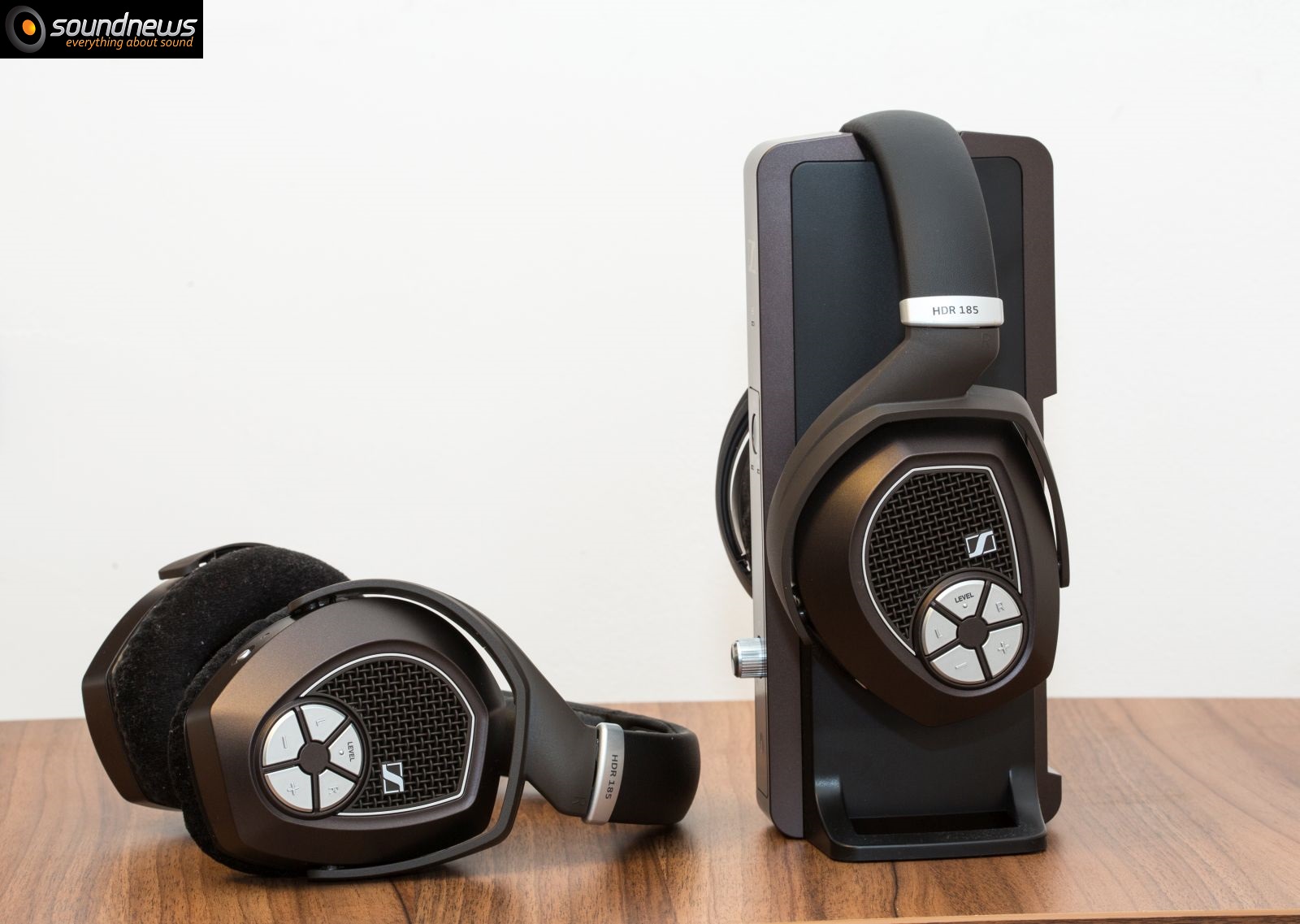
Transmitatorul este acelasi timp si un dock ce incarca acumulatorii din casti. Trebuie doar sa asezati castile pe acesta in pozitie verticala, in asa fel incat contactele aflate la mijlocul headband-ului sa atinga contactele aflate in partea superioara a transmitatorului. Un led rosu aflat in partea frontala a acestuia se aprinde in momentul in care acumulatorii se incarca, iar in momentul in care sunt incarcati complet isi va schimba culoarea in verde. Din specificatiile producatorului un ciclu complet dureaza 8,5 ore.
Autonomia testata  este de aproximativ 14 ore, in cazul castilor folosite de mine si cel putin o ora mai mult la cele ale sotiei. Probabil ca volumul semnificativ mai mare la care le utilizez eu influenteaza acest aspect.

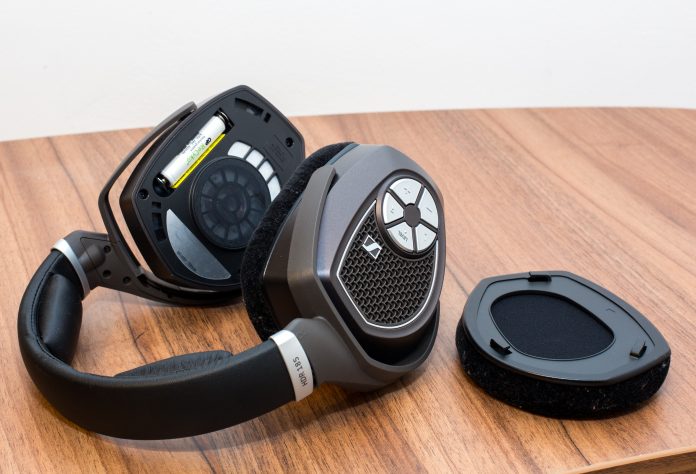
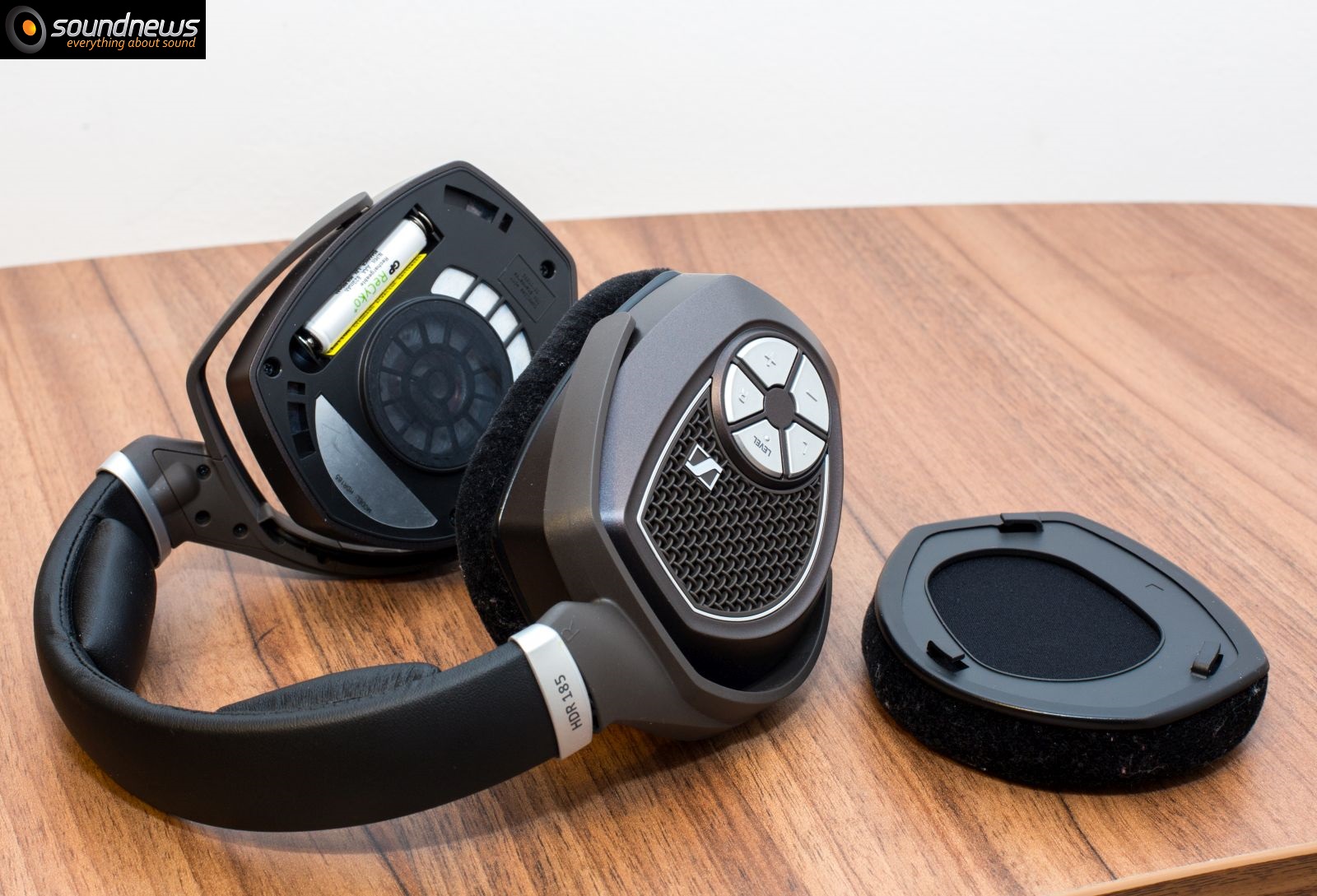
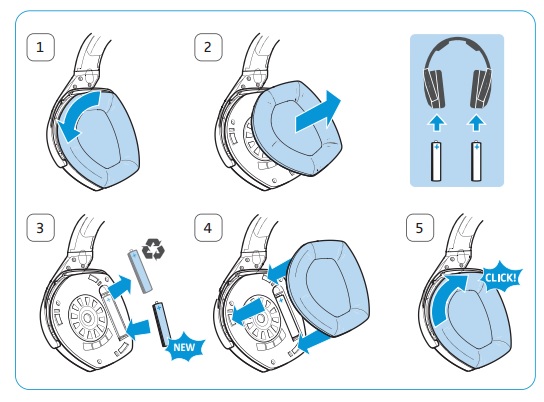
Montarea acumulatorilor este destul de simpla. Earpad-urile se rasucesc usor si se desprind, dupa cum se vede si din schema de mai jos. Fiecare casca are un loc special unde se monteaza acumulatorul, trebuie doar sa fiti atentie la polaritate.

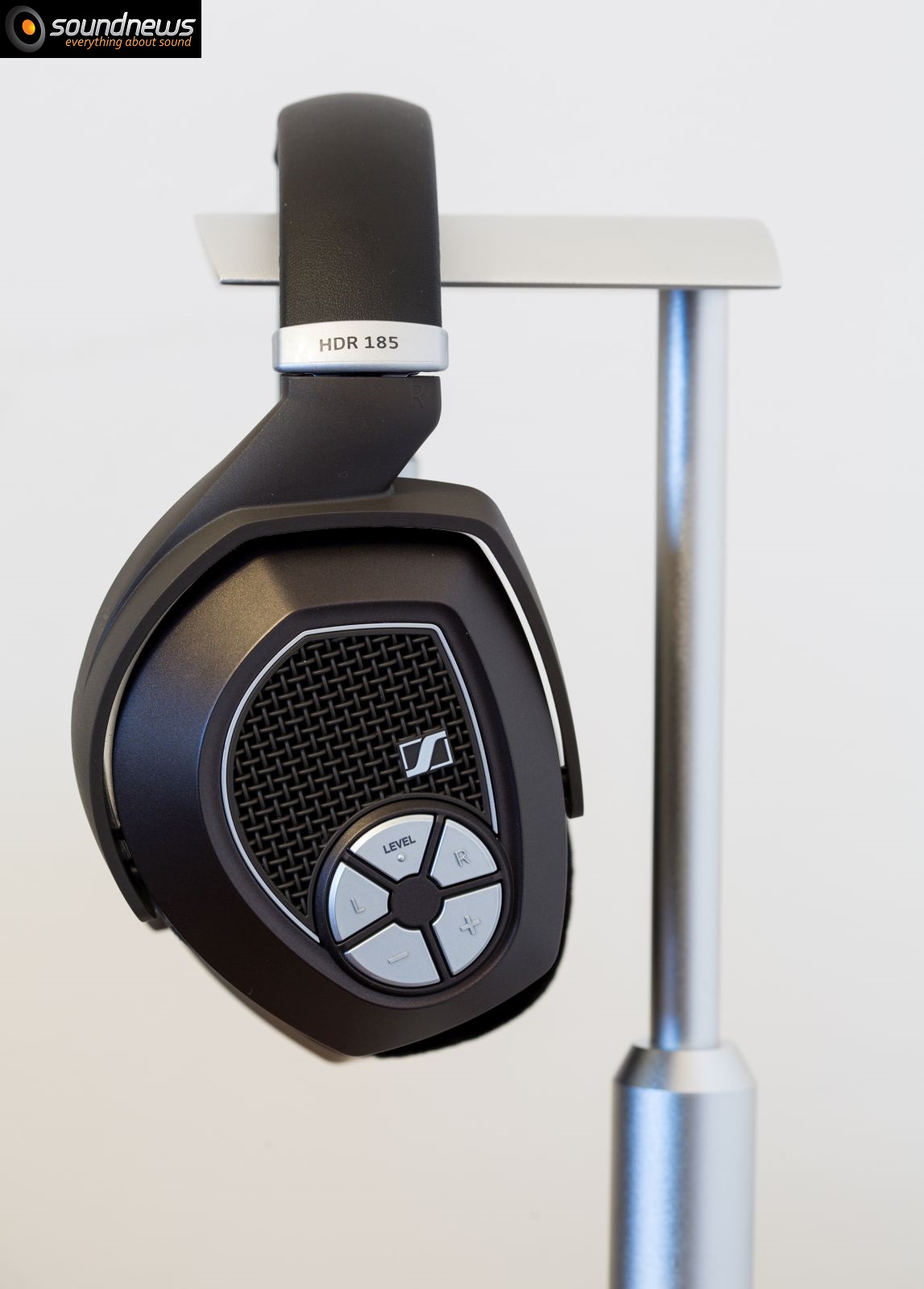
HDR 185

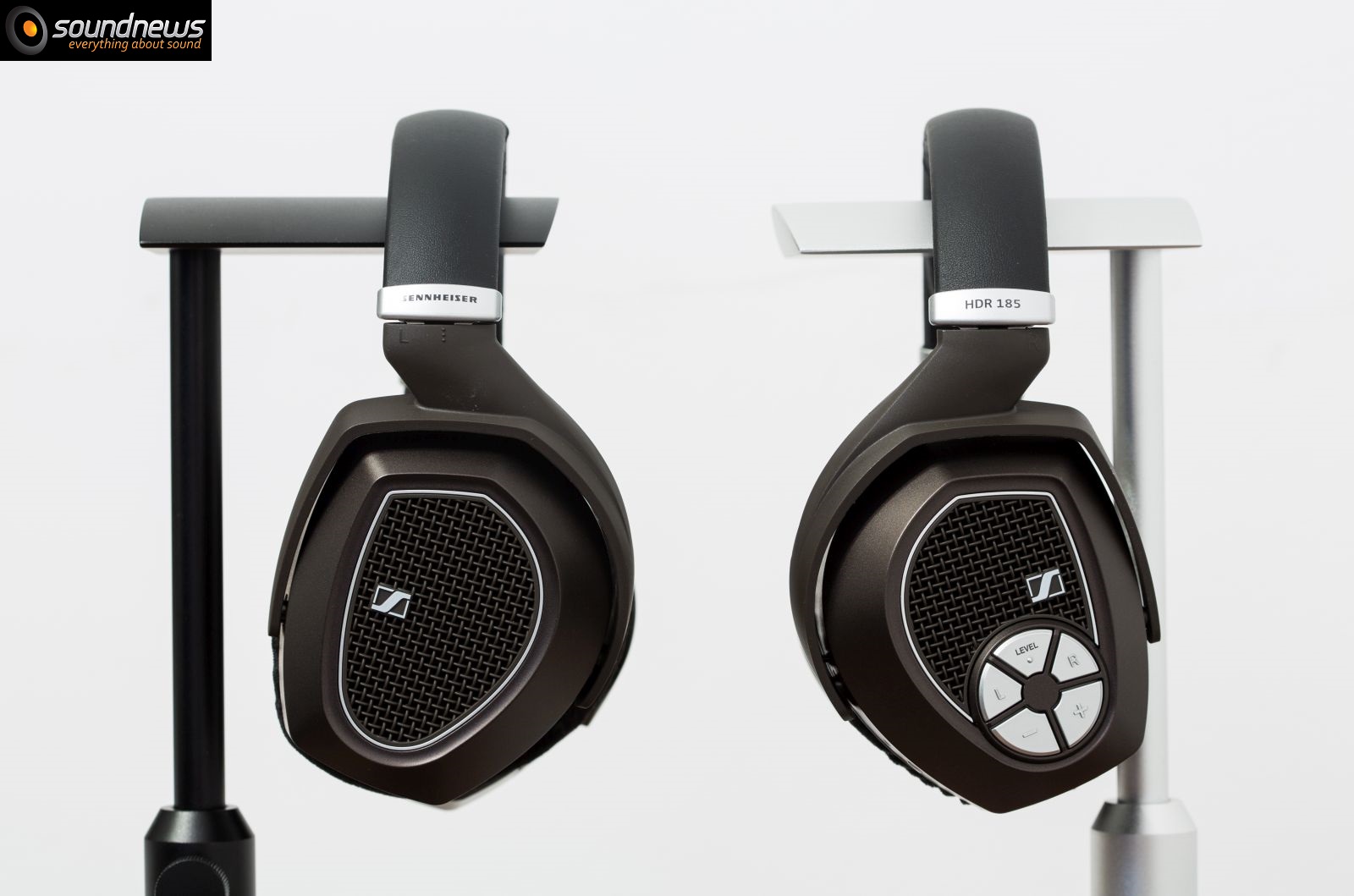
Castile sunt de dimensiuni mari, circumaurale, cu earpad-uri moi acoperita cu velur fin, foarte placut la atingere. Confortul oferit este la cel mai inalt nivel. Calitatea fabricatiei este si ea foarte buna, castile sunt robuste, plasticul este solid si de buna calitate, iar arcul headband-ului este din otel. Design-ul de tip deschis le ofera un sunet mai aerisit, mai natural si cu o pozitionare mai buna in spatiu.
Am testat si o pereche de casti HDR 175, acestea fiind un model inchis si cu earpad-uri din piele sintetica. Ofera avantajul ca izoleaza mai bine de exterior si bas-ul este ceva mai percutant, dar suna mai putin natural, iar urechile se incing mai repede intr-o pereche de casti inchise. HDR 175 sunt perfect compatibile cu transmitatorul RS 185. Eu am preferat doua HDR 185, acestea nu se aud foarte tare in exterior, si dupa cateva teste am ajuns la concluzia ca nu se aud deloc din camerele invecinate.
Pachetul RS 185 contine transmitatorul si o pereche de HDR 185 care vine deja sincronizata cu acesta. Adaugarea unei casti suplimentare este foarte simpla, nu trebuie decat o asezati 3 secunde pe dock-ul de incarcare si acesta va face automat acest lucru.

RS 185 (1 of 1)-7

Castile sunt dotate cu un buton de on/off care este sincronizat cu transmitatorul, acesta porneste si se opreste simultan cu castile. Butonul on/off trebuie apasat 3 secunde pentru pornire sau oprire. In timpul functionarii acest buton apasat o singura data scurt are functia de Mute. Mai exista pe casti doua butoane care controleaza volumul, doua butoane pentru balansul L/R si unul cu functia Level.
Butoanele de balans sunt inutile, nu prea am inteles sensul lor pe aceste casti, mai mult incurca, uneori se apasa accidental, fiind usor de confundat cu butoanele de volum atunci cand avem  castile pe cap. Am testat si exista 10 pasi stanga, 10 pasi dreapta, dupa care se aude in casti un sunet beep care indica ca am atins limita maxima. Va recomand sa apasati simultan cele doua butoane pentru 3 secunde daca simtiti ca nu aveti volumul echilibrat corect. Aceasta operatiune reseteaza in mod automat balansul.
Butonul Level comuta intre Automatic Level Control (ALC) si Manual Level Control (MLC). Modul ALC egalizeaza nivelul de intrare al diverselor surse analogice, iar modul MLC ofera control manual pentru acestea, de la potentiometrul aflat pe transmitator. Similar cu algoritmul Dolby Volume, intalnit pe AV Receivere, pentru uniformizarea diferentelor de volum intre canalele TV. Functia in sine este utila, dar nu justifica prezenta unui buton pe dedicat pe casti.

RS 185 (1 of 1)-4

Sunetul:
Bas-ul este usor accetuat la acest model, un lucru perfect normal daca tinem cont ca sunt niste casti destinate in primul rand filmelor si jocurilor. Impactul este bun, bas-ul fiind bine controlat si nu distorsioneaza nici la nivele foarte ridicate.
Rezolutia este buna si spatialitatea fiind peste medie, se simte experienta celor de la Sennheiser in materie de casti deschise. In multe filme mi-ai oferit senzatia ca ecranul este mai mare, anumite sunete „iesind” din zona acoperita de acesta, efectul obtinut fiind foarte placut.
La o auditie mai critica exista si lucruri mai putin placute, mai ales in cazul redarii unor instrumente pretentioase sau a unor pasaje muzicale complexe. Amplasare instrumentelor in spatiu, microdetaliile si echilibrul tonal nu este la nivelul unor casti audiofile de top, dar HDR 185 nici nu au aceasta pretentie. As evaluat prestatia lor undeva la nivelul modelului HD 518, ceea ce este exceptional pentru o pereche de casti wireless.

RS 185 (1 of 1)-11

Concluzii:
Sennheiser RS 185 impreuna cu perechea suplimentara de casti HDR 185 mi-au depasit asteptarile, fiind niste casti care se aud excelent daca luam in considerare scopul pentru care au fost concepute si ofera confort, fiabilitate si usurinta in utilizare. Le recomand fara rezerve pentru toti cei care au nevoie de o pereche de casti wireless de calitate si inteleg ca acestea nu vor inlocui HD 800 sau alte alti asemenea monstrii, destinatia lor fiind una complet diferita.

Pro:
– confortabile si solide
-materiale de calitate
-sunet excelent pentru casti wireless
– sistem de transmisie-receptie impecabil

Contra:
-butoane inutile pe casti
-nu se pot folosit mai mult de doua casti simultan

Sennheiser HD800S – Regina căștilor dinamice

10

Sennheiser HD800 lansate in 2009 au fost si sunt in continuare speciale din mai multe motive.
Imediat dupa lansarea acestor casti am observat cum majoritatea producatorilor de amplificatoare de casti au inceput sa scoata modele noi, multe dintre ele concepute special pentru HD800. Insa abia dupa cativa ani buni Sennheiser HD800 au inceput sa fie apreciate la adevarata lor valoare.
Ma numar si eu printre cei care au auzit HD800 la adevarata lor valoare dupa multi ani de la achizitie si se pare ca limita performantei acestor casti sunt… banii din buzunare. Pe sisteme cu 4 zerouri de euro la urma au sunat considerabil mai bine decat pe sisteme inferioare. Evident insa ca nimeni si nimic nu este perfect, HD800 au si minusuri pe care le-am mentionat de nenumarate ori.
In sfarsit, Sennheiser anunta si lanseaza succesorul castilor amiral, si anume HD800S, o varianta revizuita care incearca sa repare greselile facute cu modelul precedent.

La exterior castile arata identic cu HD800, singura diferenta fiind culoarea aleasa, HD800S fiind vopsite cu un negru mat, foarte frumos.
In cutie gasim doua cabluri, unul single ended si unul balansat XLR de 4 pini, si un stick de memorie ce contine raspunsul in frecventa a perechii respective dupa numarul de serie – mi se pare o idee mult mai buna, decat sa astepti luni de zile dupa ce trimiti o cerere pe mail catre Sennheiser cum a fost in cazul la HD800.
De acum incolo originalele HD800 le voi numi “Clasicele” si HD800S – “Noile”.

HD800s (1 of 1)-9

Voi compara in mod direct cele doua modele pentru a evidentia mai clar diferentele dintre ele si daca se justifica un eventual upgrade.

Inca de cand am clasicul model in posesie le-am apreciat punctele forte precum capacitatea uriasa de a extrage detaliile si largimea scenei. Insa mi-a displacut bass-ul si mai ales sub-bass-ul care este cam anemic, iar inaltele sunt deranjante, mai ales cele in zona 6-7 kHz.
Sunt una dintre acele persoane care a incercat sa tuneze sunetul HD 800 folosind diferite modificari. Cel mai important mod a fost totusi “Anax Mod”, versiunea 1 si mai tarziu versiunea 2. Insa in scurt timp am renuntat la acele moduri care nu reprezentau decat un compromis, castigam ceva sub-bass si domoleam inaltele agresive, dar pierdeam acel sunet rapid si cristalin si nu mai erau atat de detaliate si de speciale.
Acele modificari aveau destule probleme, insa ceea ce a facut Sennheiser cu HD800S imi place foarte mult…e complet altceva .
In HD800S Sennheiser a folosit un absorbitor acustic (Acustic absorber) ce sta imediat deasupra diafragmei, care in teorie ar imbunatati sub-bass-ul si ar calma inaltele in zona cu probleme si anume in 6-7 kHz, restul prestatiei sonore fiind neschimbata.

hd 800s (1 of 1)-6
HD 800 driver
hd 800s (1 of 1)-5
HD 800S driver

Performanța acustică

Noul model reprezinta niste casti dinamice foarte serioase si sunt o prima recomandare cand vine vorba de performanta de top, fara compromisuri. Daca va intereseaza o pereche de casti care nu ascunde nimic, neutre, liniare si ce ofera un sunet grandios, atunci HD800S sunt cea mai logica recomandare.
Noul model, la fel ca si clasicele HD800, ofera o scena audio incredibil de larga si de adanca, si un aspect la care inca nu au fost egalate de nici un alt model. Detaliile ascunse pentru ambele modele nu mai sunt ascunse, si se percep foarte usor, timbrul instrumentelor acustice pe noul model este redat destul de realist si este extins in ambele extreme ale spectrului audio.
Desi per total sibilanta inca mai apare (in cazuri rare) si pe noul model, nu mai sufera de sâsâiala si agresivitatea modelului clasic. Mi se pare ca reda cu brio orice gen de muzica si suna bine, atat din amplificatoare solid state, cat si pe lampi.
Sunt cele mai bune casti dinamice la acest moment si cred ca sunt si cele mai comode casti puse vreodata pe cap.

HS 800s (1 of 1)

In general diferentele dintre clasicul si noul model nu sunt deloc subtile, insa nici nu e o diferenta de la cer la pamant.
Desigur ca exagerez putin cand le compar, pentru ca e o comparatie incordata, nu e o simpla auditie. Nu trebuie sa schimb castile des ca sa imi dau seama de diferente, ele sunt destul de evidente de la prima auditie. Insa abia dupa cateva ore de teste comparative incep sa inteleg cu adevarat diferentele.
Ca o generalitate, noul model suna mai placut, mai natural si mai cald, clasicele sunt mai reci, mai deranjante pe registrele de sus si au un sunet mai putin natural.
Ambele rezolva detaliul extraordinar de bine si au scena la fel de larga si de adanca.

In loc sa impart articolul pe capitole precum bass, medii si inalte, de data aceasta voi imparti pe stiluri de muzica.

hd 800s (1 of 1)-2

Rockăială, headbang si țopăială!

Nu glumesc deloc cand spun ca noile casti pot rupe pe rock si metale. Lucru despre care nu il pot spune despre clasicul model.
Am inceput sa ascult rock si metale plus toate subcategoriile acestora pentru ca sunt genurile mele preferate.
Am ascultat de toate – rock vechi si nou, autohton si strain.
Pe clasicul model, tobele cat si cinelele au un SSSS accentuat dupa fiecare lovitura, parca iti taie rasuflarea. Accentul pe sasaiala si pe sunete agresive nu este pus deloc pe noul model. Tocmai din acest motiv totul suna mai corect si mai real. Clasicele sunau mai granulat si mai deranjant pe acest gen muzical. De exemplu, in momente aglomerate pe clasicul model iti da impresia ca amplificatorul intra in clipping si incepe sa distorsioneze muzica, pe noul model dispare aceasta senzatie, agresivitatea dusa la extrem nu mai este prezenta. Noul model suna mai relaxat, mai putin incordat si mai lin.

Experimentand mai mult, mi-am dat seama de un efect secundar pe care il creeaza clasicul model si care lipseste de la cel nou. Accentuand registrele de sus, ai impresia ca sunetul este mai detaliat si mai aerisit. Dupa o comparatie mai minutioasa mi-am dat seama ca este un simplu truc. Aceleasi detalii le aud si pe noul model insa nu asa de accentuat, senzatia de sunet mai detaliat pe clasicul model este una falsa, prefer prestarea noului model.
Pe rock si pe metale am preferat noul model de departe, vechile HD800 nu au excelat niciodata la acest capitol.
Castigator: HD800S.

hd 800s (1 of 1)

Muzică electronică

In aceeasi seara am ascultat si cateva albume de muzica electronica.
Pe rock m-am axat mai mult pe inalte si prestatia lor, pe electronica m-a interesat foarte mult cum este redat bass-ul si sub-bass-ul.
Per total, The Prodigy, Chemical Brothers cat si Infected Mushroom au sunat mai bine pe HD800S.
Pe sistemul corect mie imi place chiar si bass-ul al HD800 clasice, care poate fi articulat, extins si adanc, insa sincer ii cam lipseste lovitura si impactul.

Pe noul album Infected Mushroom bass-ul coboara mai jos si loveste mai cu forta pe noul model.
Cand vine vorba de electronica voi intinde mereu mana catre HD800S, nu se discuta.
Bass-ul nu numai ca este mai adanc, dar parca este si mai gras, mai voluptos.
Bass-ul te seduce pe HD800S, pe clasicul model nu impresioneaza atat de mult.
Pe modelul clasic in schimb, pe unele piese Chemical Brothers aveam impresia ca pot privi mai adanc in inregistrare si parca suna putin mai deschis prestatia sonora.
Pe muzica moderna extrem de procesata, masterizata, refacuta s.a.m.d. este greu de spus care din aceste doua modele suna mai precis. Pe ambele casti prestatia audio a fost excelenta, insa pe piese mai pline de bass voi alege noul model de fiecare data.
Castigator: HD800S.

hd 800s (1 of 1)-3

Muzică acustică

Am o inclinare emotionala catre muzica acustica si fata de absolut tot ce tine de instrument muzical.
Cand am ascultat pentru prima data pian pe HD800 mi-a placut destul de mult, dupa cateva ore am trecut pe noul model si mi-a trebuit ceva timp sa imi recalibrez urechile. Pentru mine acest test urmeaza sa fie unul important.
Desi albumele acustice sunt destul de procesate si masterizate incat uneori ai senzatia ca suna chiar mai bine decat instrumentul real, am o foarte buna idee despre cum trebuie sa sune o chitara si un pian.
Doamnelor si Domnilor: Vivaldi, Beethoven, Bach si Mozart – aproape toate in Hi-Res. Nu numai ca aceasta muzica legendara este extraordinara, dar este si bine inregistrata. Cu aceasta muzica imi este ceva mai greu sa imi las impresiile in scris.
Pe modelul clasic muzica parca ia foc, unele instrumente sunt mai bine delimitate si mai accentuate, oferind extrem de multe detalii.
Super efectul, sunt impresionat. Exista ceva care te seduce cand ascult pe HD800 pe aceasta muzica, este greu de explicat. Pe acest gen muzical HD800 suna realist (ceea ce nu pot spune pe rock de exemplu) si credibil. Suna mai aproape de realitate fata de oricare alte casti testate de pana acum. Audeze de exemplu par extra siropoase pe clasica, insa foarte reale pe rock si metale…
Pe alocuri clasicul model suna granulat si sibilant, pe cand noul model este mai lin, mai calm si mai placut urechii, fiind clar mai putin obositoare.
Insa pe ambele am simtit de parca ma plimb prin inregistrare, iti dau impresia ca esti inconjurat de muzica si tu faci parte din ea, esti personajul principal.
Alte casti nu mi-au dat aceasta senzatie pe muzica clasica.
Ok, cum suna noul model, comparativ?
Suna mai cald, putin mai bogat tonal si unele instrumente coboara mai adanc . Prestatia este putin mai reala, dar si mai calma. Unele instrumente care luau foc pe HD800 nu mai sunt atat de aprinse si nu te forteaza atat de mult sa fii atent la ele.
Pianul suna mai viu, are un ton mai gros si mai adanc.
Poti face headbang pe pian? DA, poti! In special pe Beethoven: Moonlight Sonata 3rd Movement pe noul model, pianul parca si suna putin dat mai in fata, mai voluptos si mai viu.
Pentru bogatia si duiosenia sunetului aleg oricand HD800S, iar pentru precizia chirurgicala si milimetrica aleg HD800. Cand spun HD800S ma gandesc la o profesoara sexy si cocheta de informatica, cand spun HD800 ma gandesc la o profesoara de matematica, frumoasa dar extrem de corecta, aranjata, cu ochelari, dar mereu serioasa….mda vad ca vinul deja isi face efectul…sa mergem mai departe.
Nota zece cu plus HD800 cat si HD800S.
Castigator: Egalitate.

HD800s (1 of 1)-11

Jazz, jazz si iar Jazz:

Daca tot sunt old-school, sa fiu atunci pana la capat.
Spre noapte mi s-a facut o foame nebuna dupa niste Django Reinhardt.
Ce poate fi mai bun decat o melodie gipsy jazz al anilor ’20? Probabil doua melodii..
Am lasat-o pentru final, pentru ca il consider un fetish de-al meu.
Unul dintre putinele lucruri bune care se intampla cand apar astfel de comparatii este ca uneori uit ca trebuie sa mai si notez ceva, muzica pur si simplu te ridica la un alt nivel ca fiinta.
Ascultand Minor Swing, chiar daca aud de la o posta imperfectiunile inregistrarii arhaice, sufletul tot acolo a ramas.
O chestie m-a frapat si m-a surpins despre care inca nu am vorbit.
Din cauza ca inaltele nu mai sunt atat de evidentiate si acel varf in zona 6-7 kHz este taiat pentru a trage o linie dreapta asupra inaltelor, aud frecventele medii ceva mai dulci si mai naturale intr-un fel. Este un efect secundar, nu stiu daca a fost intentionat, dar in sfarsit aud frecvente medii mai naturale, mai reale si putin mai carnoase pe noul model. Pe jazz s-a simtit imediat.
Pe Miles Davis parca simt cum totul vibreaza ceva mai mult si mai duios. Tonalitatea este mai aproape de realitate pe HD800S.
Prin comparatie HD800 nu suna atat de convingator, bass-ul nu coboara atat de jos si nu loveste atat de tare. In schimb detaliul este de invidiat, iar fiecare nota se simte extra-aerisita.
Castigator: HD800S.

hd 800s (1 of 1)-8

Concluzii:

HD800S coboara mai jos si loveste mai tare, este mai calduta, fundalul este mai negru, nu este aproape deloc sibilanta, timbrul este mai natural si mai real, granulatie mai putina pe medii, voci mai dulci.
HD800 ofera putin mai mult aer, insa mai sibilant, sub-bass cam anemic, lovitura mai slaba pe bass, in zona inaltelor notele pot lua foc, obositoare pe sistem prost gandit.
HD800S clar mai bune pe rock, electronica, jazz si pe inregistrari proaste. Pe clasica si acustica este greu de spus, eu totusi prefer HD800S.
HD800S costa cu 300€ mai scump fata de HD800 (preturi de pe site-ul Sennheiser), insa daca luam in calcul costul cablului balansat care este exact 300€ daca il cumparati separat, atunci cred ca HD800S merita cu varf si indesat pentru cei care doresc performanta de top si nu vor compromisuri.
Detinatorii de HD800 ce fac? Depinde..daca noile schimbari sunt pe placul Dvs, Audioweb, OLX si eBay scrie pe fruntea Dvs, HD800S merita acest efort.

Comparatie cu Audeze LCD-3 nu am facut, consider ca planar-magneticele au o prestatie sonora complet diferita si incompatibila cu sunetul dinamicelor.
Sticla s-a golit, playlistu’ s-a sfarsit, si-am incalecat pe-o sa si v-am spus povestea asa.

hd 800s (1 of 1)-4

Pro:

  • Comfortul suprem, design modern.
  • Imagine stereo holografica, scena extrem de larga si de adanca.
  • Sunet extra detaliat si redat pe mai multe nivele, nu scapa nicio subtilitate.
  • HELLO SUB-BASS! Este imbunatatit, este mai adanc si loveste mai direct.
  • Frecvente medii ceva mai dulci si mai naturale, granulatie mai scazuta.
  • Inalte mai putin obositoare si mai line fata de predecesor.
  • Sunet extra cristalin si bine inchegat, prestatie de top.
  • Vopseaua neagra mat!

HD800s (1 of 1)-4

Contra:

  • Vrem sa nu cumparam un cablu balansat de 300€.
  • Cablurile SPC (cupru placat cu argint) nu sunt alegerea perfecta, preferam un cupru de puritate ridicata si cu impedanta cat mai joasa.

Echipamente folosite pentru review:
Sennheiser HD800S, HD800, Matrix Quatro II, HPA-3B, Woo Audio WA22, interconecti balansati, vin, coniac, cateva beri nefiltrate.

PS: Am vandut HD800, HD800S veniti la tata!

FiiO X7 – portable High-End

7


For two years already I know a lot of work have been done on a very special project – a portable player that was going to revolutionize the DAP market.

Finally, after intensive work, hundreds hours of testing, tuning and retuning of the sound, I am pleased to present something that from now on will be called FiiO X7 – the flagship DAP from FiiO.

From the first touch I realized that I have in hand a completely different product from what they did before. The size, the weight, the lack of scroll wheel, the addition of a touch display are all major changes.

It’s important to mention that this device was exclusively created for portable musical enjoyment at the highest level, putting a great emphasis on sound quality and less on portability and small size. It is intended for enthusiasts and music addicts, it’s not an do-all gadget at all.

X7 it’s big and heavy and battery life is shorter than on previous FiiO DAPs. All these sacrifices were made to squeeze as much technology and boutique components in a sigle case crafted from a single block of aluminum alloy.

Fiio X7 (1 of 1)-2

X7 under the hood

X7 has been designed on the Android 4.4 platform, using components that consume as little power as possible.

Thus the CPU is a quad-core Cortex A9 (RK3188 SoC) running at 1.4 GHz, it has 1 Gb of RAM and ROM memory is at 32 Gigs from which 27 Gb are usable for installing third-party applications or for storing music.

The display has an IPS panel with a diagonal of 4 „and resolution of 800 * 480 pixels. We must understand that for such a device, all components must consume less power than a traditional smartphone, but in the same time it should work  fast and smoothly without hiccups.

This is why the display is slightly smaller than the current trend of the latest smartphones and the resolution is also lower. FiiO X7 doesn’t need a fast, top of the line CPU or a large amount of RAM memory, because  in most cases up to two apps will be opened simultaneously.

In terms of audio components, things are completely opposite.

The manufacturer made absolutely no compromise.

I see chips and components that are used in home audio equipments that are mains powered.

Thereby DAC chip used is the much acclaimed ESS 9018S (desktop variant, not the mobile 9018MK2 version) – spec wise it’s currently the best commercial delta-sigma chip on the market.  The downside is that this chip consumes lots of power and it’s almost impossible implementing it into mobile devices.

It’s important to know that this chip is 100% custom programed using FPGA coding, the volume is digital this time, also programmed from the same ESS 9018S.

I/V conversion is made using two OPA1612 and line-out buffer is also powered by an OPA1612.

fiio-x7-1

Very interesting to me is the implementation of the headphone amp.

It is detachable, a clever modular design as we can see from the pictures.

The stock module uses OPA1612 and AD8397 combo.

At this moment manufacturer works on another 3 headphone amp modules: medium power module (based on MUSES 02 op-amps, that were used in the excellent E12A portable head-amp), a high power module and a ballanced module.

The aluminum alloy used to fully build the metal housing is a serries 6000, if I am not miskaten Appe uses the same alloy for construction of its iPhone 6S and 6S Plus, due to super resistant characteristics of this alloy.

For a number of components this large, the use of high capacity battery is a must have, so it has a capacity of 3500 mAh.

The DAP also has a microSD card slot that currently supports up to 128 GB cards.

For complete specs please visit the following link.

Fiio X7 (1 of 1)-8

User Interface

X7 can be used in two modes. It can be booted as a simple Android device – the only way to install and use third party apps.

In Android mode I installed music playback apps such as Neutron Player and Onkyo HiFi Player but I didn’t feel that those offered more options or are more special that the stock music playback app by FiiO.

A very important feature that X7 has is the use of streaming services in lossless formats if you are within range of a strong Wi-Fi signal.

I installed apps such as Spotify and Apple Music, but most of my time I used Tidal that works flawlessly with X7, as if they were made for each other.

Selecting highest quality setting, loading audio files with an wi-fi signal of ± 70 mb/sec is virtually instantaneous. On average I wait about 1-2 seconds before playback starts.

Tidal having a vast collection of international music I was pleasantly surprised to find the majority of Romanian composers and all the bands that interested me.

Screenshot_2015-12-03-19-54-01

Screenshot_2015-12-03-20-03-26

The second way to use the DAP is in the Pure Music Mode. By doing that the stock Android interface basicaly disappears and only the stock FiiO playback program can be used. This way the FiiO stops majority of secondary Android processes that prevented more or less the sound quality.

Also in this mode battery will last slightly longer. Normally, listening at medium volume and using only easy to drive headphones the autonomy was about 9 to 10 hours – depending on the brightness of the display and volume. If Bluetooth or Wi-Fi radios are engaged the autonomy drops.

For testing purposes of Bluetooth connectivity I used two wireless speakers namely HP Roar Plus and Philips SBT30. Both speakers were recognized instantly and worked without a problem. Operating range was pretty big, at about 10 m distance the signal was still strong and audio didn’t drop out.

Using FiiO’s own music playback app I was welcomed by a user friendly interface, music can be sorted by artist, by album, by music style or even be browsed by folder which I used the most.

Screenshot_2015-12-03-20-16-29

Screenshot_2015-12-03-21-06-57

Custom playlists can be loaded and played, I was pleasantly surprised to find that a playlist from a .CUE file can be played as well (in case that CD rip was done in a single WAV or Flac file).

Custom playlists can be created within the DAP itself, favorite music can be selected and saved as a playlist, search function is also very helpful.

EQ this time is very well done, no more a -6 dB attenuation, but a real EQ gain, besides the 8 EQ presets, custom EQ can be selected and played with that is cleverly displayed on top of the display.

X7 supports almost all lossless formats, PCM streams up to 24 bit 384 kHz, as well as DSD64 and 128, even extensions such as .iso, .dsf or .dff.

My music collection consists mainly of .flac, .wav or .ape files and of very few DSD files, all were played without a hitch.

It is clear to me that the Firmware used by me (FW 1.1) is still not the final release and because of that X7 can sometimes restart, USB DAC feature is still not implemented, but in near future this feature will be added in a firmware update.

For complete features please visit the following link.

Let’s get to the interesting part.

Fiio X7 (1 of 1)-7

Sound Performance

Without any doubt it’s the best sound I’ve heard from a portable device. There is little I can compare it with at it sounds very special.

These two years of research and development have been paying off and the sound X7 produces is extraordinary.

Although for me the benchmark in terms of portable sound was X5-II, X7 dethroned it quite easily.

I heard countless times different implementations of the same ESS 9018S chip, for example in the Burson Conductor it sounded warm, very alive and full of substance and on Auralic Vea it sounded extra airy and super detailed, with lots of layers and sublayers of information, both devices however sounded very different.

I have a feeling X7 borrows something from both of those devices.

X7 sounds very airy and detailed but the same I was talking about X5 and X5-II, but only now after I compare all 3 devices I realize that X5 sounds a bit grainy, less airy and as if a veil covers some musical notes. If I do not compare with X7, all those downsides are quite hard to spot.

X7 have a very low harmonic distortion that even test gear struggles to showit, in this regard X7 is not a magnifying glass for the music but a true microscope!

Using X7 every hidden microdetail, any imperfection of a recording is so evident that those sometimes can bother me. On old recordings such as The Beatles, but even on newer ones  as Queen, Deep Purple or Pink Floyd the flaws of recording and mastering are so obvious that I no longer need special attention or a total silence to hear them. Even on my active speakers that are at most mid-fi, if not entry-level – Audioengine A5+ I heard a distinctive difference compared to X5-II.

I had the feeling that  I changed the speakers with better ones within a higher class.

Not only the detail level was improved but transparency as well, the void in which sounds flow, the size of the stage and it’s depth. Weaker speakers and headphones cannot replay quite right the sense of space, of being there, the perfect placement of sounds in the audible field is not easy to do.

All of this becomes child play for this DAP.

Fiio X7 (1 of 1)-4

On X7 I’ve heard sounds not only in width and height, but some even came from behind me and others came from an angle to the listener.

On top audio equipment all this effects are often found, but on portables it’s first time I encounter such performance.

In my X5 and X5-II reviews I was mentioning the large and holographic stage that those DAPs had. Well X7 with ease surpasses that.

The limits of the stage in the 3D field is felt just a little bit on closed headphones, but I hear no limits on open headphones.

On speakers some artists are simply in the room with me and some instruments are coming from outside the audition room.

The sound quality is largely attributable for ultra fast transient that it has.

Every sound is a new story, I can clearly hear the start of the note, the message of the note and its decline, everything happens so fast and yet so precise and well played.

Having fast transients, the DAP doesn’t have issues with playing very crowded music,  busy passages or drastic changes in dynamics and sound intensity are made with so much ease that the concept of sounds completely dissappears. Music becomes as a whole, flowing like a refreshing river.

It’s interesting that the sound seemed very neutral and linear but still natural and pleasing to the ear, not beying dry, bright or lacking substance.

Fiio X7 (1 of 1)-13

X7 doesn’t have an sound signature, it sound very linear and not a single frequency seemed cut or pumped up.

On modern electronic music the bass was always fast and deep, having aothority and substance. Slow subwoofer effect was never heard, nor the one note fat bass.

The quickness and depth of bass was welcomed on other music genres as well, even on classical music all instruments sounded controlled and very majestic.

Mid frquencies sounded precise and transparent, melodious and well integrated in all tracks. Mids and highs are extra transparent and precise, I always get the feeling that I listen to something real, that happens now.

The greatest trump of this DAP is that everything just sounds right and real, I do not want to analyze the music anymore but just to relax and listen to it for hours.

In the following lines I will do a small comparison between X5-II and X7.

X5 sounds full and warm, has a slight sweetness to the mids, but sounds grainy, not so precise and smooth. As a slim veil covers part of the music that clouds the stereo image.

The imaginay walls of stage are felt on X5 but not on X7.

X5 doesn’t sound as fast and doesn’t have the same attack on the notes, sounds retire slower and because of that the recordings are becoming more crowded.

X7 sounds airier, much more spacious and holographic, it also extracts more information from the original file.

X7 seems more like a microscope for the music and X5 more like a magnifier.

Also on X7 high frequencies sound more real and believable, on X5 they seem slightly blurred and upper registers seemed cut.

For me is pretty obvious that X7 is in another league, a higher one.

Fiio X7 (1 of 1)-14

Headphone amplifier modules

In its stock form the DAP comes with AM1 module – an in-ear (IEM) headphone amp module, so the power is not really impressive.

It has about 200 mW in 16 Ohms and 100 mW in 32 Ohms, pretty good numbers comparing to other portables, but not impressive comparing to X5 or X5-II for example that offers double the power.

Using the stock module I didn’t have any issue driving my Sennheiser Momentum M2.0, Amperior, AKG K545 or the FiiO EX1.

It worked very well with the likes of Audeze EL-8 open and closed versions and with Oppo PM-3 as well.

I really appreciate that FiiO decided equipping this DAP with this module, it consumes less power and has very good performance regarding noise levels and hiss.

Speaking of hiss, it is intolerable for such a device and I never heard it on any of headphones or earphones tested, beying it very sensitive or hard to drive.

Certainly that majority of X7 users will never need another headphone amp module, the stock one offers enough power and control of any portable headphone.

Of course on hungrier headphones things are completely different, the volume is not sufficient even on high gain setting and because of that it starts clipping – distorts and bottlenecks dynamics.

It’s not recommended for hard to drive headphones, for those in short time high power and balanced modules will be available.

Will come back with new information when those 3 modules will be available.

Fioo X7 (1 of 1)

Conclusions

X7 again exceeded my expectations, besides playing the music from its internal and external memory I can finaly listen to music from cloud using streaming services of a highest quality.

Tidal worked excellent for me, I even discovered some new music, by my preferences it sugested me some new bands of the same music genre.

The only impediment is that a strong wi-fi signal is needed, and outside if you use your phone as an internet access point it will eat pretty fast your internet data plan, nevertheless a Wav or a Flac file has around 20-50 mb

It’s pointless to say something about build quality, it can be easily used in emergency cases as a melee weapon.

Device looks simple and nicely crafted and modular design is a very good idea. I look forward to trying the other modules.

Sound performance was impecable and I simply found no apparent weaknesses.

Besides the fact that the software restarted on me few times and that USB DAC feature is not implemented yet, I have nothing else to object, I like it from all point of views.

Unfortunately a no compromise DAP means a large sum of cash.

In Europe it will be sold at around 700 Euros. I know, it’s hard to digest such a price, but we are speaking here of a top-performing device that has really nice components inside and among the best specifications.

It is an exclusive DAP and I understand that very few will afford it, but even so it gets my full recommendation.

Fioo X7 (1 of 1)-2

Pros:

  • Robust and strong build quality
  • Modular design, external line-out amps are not needed anymore
  • Extra cool features are welcomed (Hi-res music streaming, bluetooth and USB DAC function in the future)
  • At last first FiiO DAP that has an internal ROM memory
  • Extra detailed and transparent sound, very airy and extended
  • The size of the stage rivals expensive home audio equipment
  • Realism and incredibly fast transients, you are being there
  • Excellent frequency response, linear and neutral but natural and pleasing as well
  • Very low distortion and nonexistent hiss

Cons:

  • Internal memory at only 32 Gb, a single microSD expansion slot
  • As for now USB DAC is not active (will be implemented shortly via an FW update)
  • Battery depletes faster than on rest of the FiiO DAPs
  • Top quality comes at a higher price


Gear used for review:

FiiO X7, X5, X5-II, EX1, Sennheiser Momentum M2.0, Amperior, AKG K545, Audeze EL-8, Oppo PM-3, Audioengine A5+

Fiio X7 (1 of 1)-17


FiiO X7 – High-End la purtator

13

Deja de doi ani stiu ca sa lucreaza cu drag si spor la un proiect  special, la un player portabil care urma sa revolutioneze piata portabilelor.

In sfarsit dupa munca intensa, sute de ore de testare, tunare si retunare a sunetului, am placerea sa va prezint ceea de acum incolo se numeste FiiO X7 – playerul varf de gama al celor de la FiiO.
De la prima atingere am realizat am in mana un produs cu totul diferit de ceea ce au facut pana acum. Dimensiunile, greutatea, lipsa rotitei de meniu si display-ul touch sunt schimbari majore.
Este important de mentionat ca acest dispozitiv a fost creat exclusiv pentru auditii muzicale la cel mai inalt nivel,  punandu-se accent foarte mare pe calitatea sunetului si mai putin pe portabilitate si dimensiuni reduse. Este destinat celor  pasionati si entuziasti, nu este un gadget bun la toate.
X7 este greu, este mare, iar bateria tine mai putin decat celelalte playere portabile. Toate aceste sacrificii au fost facute pentru a inghesui cat mai multa tehnologie si componente de top intr-o carcasa lucrata dintr-un singur bloc de aluminiu.

Fiio X7 (1 of 1)-2

Sub capota X7:

X7 a fost conceput pe platforma Android 4.4 folosindu-se componente care sa consume cat mai putin curent. Astfel procesorul este un quad-core Cortex A9 (SOC RK3188) ruland la o frecventa de 1.4Ghz, avand 1Gb de memorie RAM, iar memoria ROM interna este de 32Gb, dintre care 27Gb utilizabili, disponibili pentru instalare de aplicatii third-party  si pentru  muzica. Display-ul este un panel IPS avand diagonala de 4”, iar rezolutia de 800*480 pixeli. Trebuie sa intelegem ca pentru un astfel de aparat, toate componentele trebuie sa consume cat mai putin, dar in acelasi timp sa functioneze fluid, fara sacadari. Din acest motiv display-ul este ceva mai mic decat tendinta actuala a celor mai noi smartphone-uri, iar rezolutia este mai mica. Fiio X7 nu are nevoie de un precesor de top sau foarte mult RAM, pentru ca in cele mai multe cazuri maxim 2 aplicatii vor fi deschise simultan.

In ceea ce priveste componentele audio, lucrurile stau complet opus.
Producatorul nu a facut absolut nici un compromis.
Avem chip-uri si componente care se folosesc in echipamente audio de casa, care se alimenteaza de la priza.
Astfel DAC-ul folosit este mult laudatul ESS 9018S (varianta desktop, nu cea mobila 9018MK2) cel mai bun dac-chip comercial construit vreodata, din punct de vedere al specificatiilor. Partea proasta este ca acest chip consuma mai mult decat varianta lui mobila, fiind pentru prima data cand este implementat intr-un disponzitiv mobil.

Este important de stiut ca acest chip a fost programat 100% custom folosind codare FPGA, la fel si potetiomentrul de volum este de data aceasta digital, programat din acelasi ESS 9018S.
Conversia I/V este facuta de 2 chip-uri OPA1612 si buferul de iesire al DAC-ului este tot un OPA1612.

fiio-x7-1

Foarte interesanta este implementarea amplificatorului de casti.
Acesta este detasabil, playerul avand un design modular. Modulul de amplificare stoc foloseste combo-ul OPA1612 si AD8397.
La momentul actual producatorul mai lucreaza la inca 3 module de amplificare, modulul de putere medie (bazat pe operationalele Muses 02 folosite si in excelentul amplificator portabil E12A), un modul de putere ridicata, si un modul pentru casti balansate.

Aluminiul folosit pentru constructia integrala a playerului face parte din seria 6000, daca nu ma insel Apple foloseste acelasi metal pentru constructia noilor iPhone 6S si 6S Plus din cauza caracteristicilor super rezistente al acestui aliaj.
Pentru un numar atat de mare de componente, folosirea unei baterii de capacitate mare a fost un must-have, aceasta are o capacitate de 3500 mAh.
Playerul mai are si un slot de memorie microSD care la momentul actual suporta carduri de 128 Gb.

Pentru specificatii complete vizitati acest link.

Fiio X7 (1 of 1)-8

Interfata grafica:

X7 poate fi folosit in 2 variante. Poate fi bootat ca un simplu dispozitiv Android – unicul mod prin care se pot instala si folosi aplicatii third party.

In modul Android am instalat aplicatii de redare muzica precum Neutron Player si Onkyo HiFi Player, insa nu mi s-au parut mai complete sau mai speciale decat aplicatia stoc dezvoltata de FiiO.
O functie foarte importanta pe care X7 o poseda este utilizarea serviciilor de streaming audio in format lossless daca sunteti in aria unui semnal Wi-Fi ceva mai bun.
Am instalat programe precum Spotify, Apple Music, insa cel mai mult am folosit Tidal care merge excelent pe X7, de parca au fost facute unul pentru celalalt.
Selectand calitatea maxima disponibila, incarcarea fisierele audio avand semnal de ± 70 mb/s se face practic instantaneu. In medie astept 1-2 secunde pentru a incarca si reda melodia dorita. Tidal avand o vasta colectie de muzica internationala  si muzica romaneasca. Am fost placut surprins sa gasesc majoritatea compozitorilor romani si toate formatiile care m-au interesat.

Screenshot_2015-12-03-19-54-01


Screenshot_2015-12-03-20-03-26

A doua varianta de utilizare a playerului este Pure Music Mode, in care interfata Android stoc dispare si putem folosi doar programul de redare audio dezvoltat de FiiO. In acest mod FiiO a oprit majoritatea proceselor secundare din Android care impiedica mai mult  sau mai putin redarea cat mai precisa a fisierelor audio. Tot in acest mod bateria va avea o durata mai lunga de functionare. In mod normal ascultand la volum mediu si folosind casti portabile autonomia a fost in jur de 9 ore, maxim 10 ore de utilizare – in functie de luminozitate displayului si volum. Daca pornesc Wi-Fi si Bluetooth autonomia scade.

Pentru a testa conectivitatea Bluetooth cu alte aparate audio am folosit 2 boxe portabile si anume HP Roar Plus si Philips SBT30. Ambele boxe au fost recunoscute instantaneu si au functionat fara probleme. Raza de actiune mi s-a parut destul de mare, la 10 metri distanta semnalul este inca puternic si nu imi sacadeaza muzica.
Utilizand programul stoc, FiiO a implementat cam tot ce ti-ai putea dori, avem navigare dupa fisier, dupa artist, album sau stil de muzica.

Se pot incarca si playlisturi customizate si playerul le va reda, am fost placut surprins sa aflu ca stie sa imi redea playlistul dintr-un fisier .CUE (in cazul in care rip-ul CD-ului cu muzica este un singur fisier WAV sau Flac).
Se pot crea din player playlisturi customizate, se poate face playlist doar cu muzica favorita, se poate cauta practic instant orice melodie din mii de fisiere.
Avem un EQ foarte bine pus la punct, pe langa cele 8 presetari se poate customiza dupa plac tot spectrul de frecvente care este afisat grafic mai sus.

Screenshot_2015-12-03-20-16-29

Screenshot_2015-12-03-21-06-57
Playerul suporta practic toate fisierele lossless PCM de pana la 24 bit 384 kHz, precum si DSD64 si 128 chiar si extensiile .iso, .dsf sau .dff.
Colectia mea face parte in mare parte din fisiere flac, wav sau ape si mai rar mai am si cate un fisier DSD, toate au fost redate instant si fara probleme.

Este clar ca softul utilizat de mine inca nu este versiunea finala asa ca  din cand in cand X7 se mai poate restarta, de asemenea functia de USB DAC la acest moment nu este implementata, in viitorul apropiat aceasta functie urmeaza sa fie adaugata.

Pentru functiile complete va rog accesati acest link.

Sa trecem la partea cea mai interesanta.

Fiio X7 (1 of 1)-7

Prestatia Sonora 

Fara doar si poate este cel mai bun sunet portabil care l-am auzit vreodata de pana acum. Nu prea exista termeni de comparatie si imi este cam greu sa ma exprim de acum in colo.
Acesti doi ani de cercetare si dezvoltare au adus roade si X7 suna extraordinar.
Desi pentru mine etalonul redarii muzicii la un nivel inalt era X5-II, declar ca X7 l-a detronat fara drept de apel.
Am ascultat de nenumarate ori implementari diferite ale aceluiasi DAC chip ESS 9018, pe Burson Conductor a sunat cald, foarte vioi si plin de substanta iar pe Auralic Vega a sunat extra detaliat si super rezolut, cu multe straturi si subtraturi de informatie, ambele aparate totusi suna foarte diferit.
Am impresia ca X7 imprumuta cate ceva de la ambele.

X7 suna foarte aerisit si detaliat si acelasi lucru spuneam si despre X5 si X5-II, insa abia acum cand pot sa le compar imi dau seama ca X5 suna ceva mai granulat, mai putin aerisit, si parca are un voal deasupra notelor muzicale. Daca nu compari cu X7, nu iti poti da seama de acest aspect pentru ca efectul nu este deloc evident.
X7 are distorsiunea armonica atat de joasa incat pune la mare incercare aparatele de masurare, X7 nu este doar o lupa pentru muzica, este un adevarat microscop!
Pe X7 orice microdetaliu ascuns, orice imperfectiune a inregistrarii este atat de evidenta ca poate deveni si enervanta. Pe inregistrarile vechi The Beatles, dar chiar si pe cele ceva mai noi Queen, Deep Purple sau Pink Floyd defectele inregistrarii si a masteringului sunt atat de evidente inca nu mai am nevoie de o atentie speciala si liniste totala pentru a le auzi. Chiar si pe boxele mele active care sunt cel mult mid-fi, daca nu chiar entry level – Audioengine A5+ am auzit o diferenta sesizabila fata de X5-II. Am avut zenzatia ca am schimbat boxele cu altele mai bune, cu dintr-o clasa superioara.

Nu doar nivelul de detaliu a fost imbunatatit dar si transparenta, vidul in care plutesc sunetele, marimea scenei si adancimea ei. Atat boxele cat si castile mai slabute nu pot reda corect campul auditiv, acea senzatie de a fi acolo, plasarea perfecta a sunetelor in campului auditiv nu este usor de facut.
Aceasta amplasare devine o simpla joaca daca folosesc acest player.

Fiio X7 (1 of 1)-4

Pe X7 am auzit sunetele nu doar pe inaltime si latime, dar paca unele veneau din spatele meu, iar altele veneau sub un unghi anume spre ascultator.

Pe echipamente audio de top acest efect este des intalnit insa pe portabile am simtit acest efect pentru prima data.
In articolele dedicate X5 si X5-II mentionam scena larga si holografica pe care le prezentau acele playere. X7 cu usurinta intrece acea prestatie. Limitarile scenei in campul 3D se simte foarte putin pe castile inchise si deloc pe castile deschise. De boxe nu mai spun – pur si simplu unii artisti sunt in camera cu mine, iar unele instrumente parca vin din afara spatiului de auditie.
Calitatea sunetului se datoreaza in mare parte si transientilor ultra rapizi pe care ii are.
Fiecare sunet este o noua poveste, se aude clar inceputul notei, mesajul notei si declinul ei, totul se petrece atat de rapid si totusi atat de precis si de bine redat.
Avand transientii rapizi, playerul nu are probleme in redarea muzicii foarte aglomerate, pasajele incarcate sau schimbarile drastice in dinamica si intensitate se fac cu atata usurinta incat conceptul de sunete dispare complet. Muzica devine un tot intreg, curgand ca un izvor racoritor.

Interesant este ca sunetul mi s-a parut foarte neutru si liniar, dar in acelasi timp natural si placut urechii, nefiind uscat, sibilant sau lipsit de substanta.

Fiio X7 (1 of 1)-13

X7 nu are nici o semnatura aparte, suna foarte liniar si nici o parte din frecvente nu par accentuate sau taiate.

Pe muzica electronica moderna basul a fost mereu rapid dar si adanc, avand multa autoritate si substanta. Efect de subwoofer lent nu am auzit si nici bas care are o singura nota mare si grasa. Rapiditatea si adancimea basului a fost binevenita si pe alte genuri muzicale, chiar si pe muzica clasica instrumentele au sunat controlat si foarte impunator.

Frecventele medii au sunat precis si transparent, melodios si bine integrat in toate melodiile. Mediile si inaltele sunt extra transparente si precise,  mereu imi dau senzatia ca ascult ceva real, care se petrece acum si nu par nicidecum ca fiind o inregistrate digitala.

Cel mai mare atu al acestui aparat este ca totul pur si simplu pare real, nu iti mai vine sa analizezi muzica insa doar sa o tot asculti.
In cele ce urmeaza voi face o mica comparatie intre X5-II si X7.
X5-II suna putin mai cald, are mediile putin mai indulcite, insa sunt si ceva mai granulate, nu sunt asa precise si netede. Asupra muzicii pare ca este intins un voal subtire si nu vezi intreaga imagine, devenind usor incetosata.
Peretii imaginari ai scenei se simt pe X5 dar nu si pe X7.
X5 nu suna la fel de rapid si nu are atacul atat de precis, parca sunetele se retrag mai incet si astfel inregistrarile devin putin mai aglomerate.
X7 suna mai aerisit, mult mai spatios si mai holografic si in acelasi timp extrage mai multa informatie din fisierul original.
X7 pare ar fi mai degraba un microscop pentru muzica iar X5 – o lupa.
De asemenea frecventele inalte pe X7 suna mai real si mai credibil, pe X5 par a fi mai taiate si usor incetosate.
Pentru mine este clar ca X7 face parte dintr-o liga superioara.

Fiio X7 (1 of 1)-14

Modulele de amplificare casti

In varianta stoc playerul vine cu modulul AM1 – modul de amplificare pentru casti de tip In-Ear (IEM) astfel puterea de amplificare nu este chiar impresionanta. Avem in jur de 200 mW in 16 Ohmi si 100 mW in 32 Ohmi, cifre foarte bune comparativ cu alte portabile dedicate dar nu impresionante fata de X5 sau X5-II de exemplu care ofera o putere dubla.

Folosind modulul stoc nu am avut nici o problema sa amplific niste casti Sennheiser Momentum M 2.0, Amperior, AKG K545 sai FiiO EX1.
Au mers excelent chiar si casti de talia Audeze EL-8 deschise si cele inchise si Oppo PM-3.
Apreciez faptul ca producatorul a decis dotarea playerului in varianta stoc cu un astfel de modul, care consuma putin si are performante extraordinare in ceea de priveste nivelul de zgomot  sau his.
Hisul este inadmisibil pentru un astfel de aparat, si nu l-am putut auzi pe nici o pereche de casti, fie ea ultrasensibila sau de impedanta ridicata.
Cu siguranta ca majoritatea utilizatorilor de X7 nu vor avea nevoie de un alt modul de amplificare, cel stoc ofera destula putere si control asupra castilor portabile.
Desigur ca pe casti mai flamande lucrurile nu au stat atat de bine, volumul nu a fost suficient chiar si pe setarea high-gain datorita acestui fapt modulul incepea sa intre in clipping  – distorsionand si gatuind dinamica.

Este nerecomandabil pentru casti greu de amplificat, pentru ele se vor lansa in scurt timp modulele separate high power si cel balansat.

Revin cu informatii suprlimentare odata ce vor fi lansate si celelalte trei module.

Fioo X7 (1 of 1)

Concluzii:

X7 din nou mi-a intrecut toate asteptarile, pe langa muzica pe care o poate reda din memoria interna si cea externa, acum pot asculta si muzica din cloud folosind servicii de streaming la cea mai inalta calitate.
Tidal a functionat excelent si chiar am redescoperit niste muzica noua, pentru ca dupa preferinte, programul iti sugereaza artisti pentru acelasi gen de muzica.

Unicul impediment este ca avem nevoie de un semnal wi-fi cat mai stabil, iar pe strada daca va folositi telefonul ca un punct de acces internet va manca internetul mobil destul de repede – totusi o piesa .wav sau .flac are in jur de 20-50 mb.
De constructie nu are rost sa mai spun ceva, se poate folosi si ca arma alba in situatii de urgenta 🙂
Aparatul arata simplu si frumos iar designul modular este o idee foarte buna. Astept cu nerabdare sa incerc si celelalte module.
Prestatia sonora a fost impecabila si pur si simplu nu prea i-am gasit minusuri.
Inafara de faptul ca softul s-a mai restartat de cateva ori sau ca functia de USB DAC inca nu a fost implementata, in rest nu am nimic de obiectat, extraordinar din toate punctele de vedere.

Din pacate un player fara compromis inseamna si o suma frumusica de bani.
In Europa se va comercializa la putin peste 700 Euro. Stiu, este greu de digerat un astfel de pret, insa pur si simplu discutam de un aparat de top cu performante foarte bune si componente cu cele mai bune specificatii.
Este un player exclusivist si inteleg ca foarte putini si-l vor permite, dar chiar si asa primeste recomandarea mea maxima.

PS: Daca imi poate imprumuta cineva un Astell & Kern AK120, AK120-II, AK240, Cowon Plenue 1, M sau un Sony NW-ZX2 as fi incancat sa le compar cu acest minunat X7 si sa imi las impresiile, lasati un mesaj daca detineti un astfel de dispozitiv.

Fioo X7 (1 of 1)-2

Pro:

  • Constructie robusta si calitativa
  • Design modular, nu mai avem nevoie de amplificator separat de casti
  • Functii suplimentare binevenite (Streaming muzica hi-res, Bluetooth si in viitor USB DAC)
  • In sfarsit avem primul player FiiO ce are si memorie ROM
  • Sunet extra detaliat si transparent, foarte aerisit si extins
  • Latimea scenei si adancimea ei rivalizeaza sistemele de casa mult mai scumpe
  • Realism si transienti incredibili, simti ca esti acolo
  • Raspuns in frecventa excelent, liniar si neutru, dar si natural si placut urechii
  • Nivel de distorsiune incredibil de mic, his inexistent

Contra:

  • Memorie interna de doar 32 Gb, un singur slot de expansiune microSD
  • La momentul actual USB DAC-ul nu este activ (va fi implementat ulterior)
  • Bateria se epuizeaza mai repede fata de celelalte playere FiiO (9-10 ore in Pure Music Mode, 7-8 ore streaming de muzica din cloud)
  • Calitatea de top vine si cu un pret pe masura

Echipamente folosite pentru review:

FiiO X7, X5, X5-II, EX1, Sennheiser Momentum M2.0, Amperior, AKG K545, Audeze EL-8, Oppo PM-3, Audioengine A5+

Fiio X7 (1 of 1)-17

Cele mai comentate articole